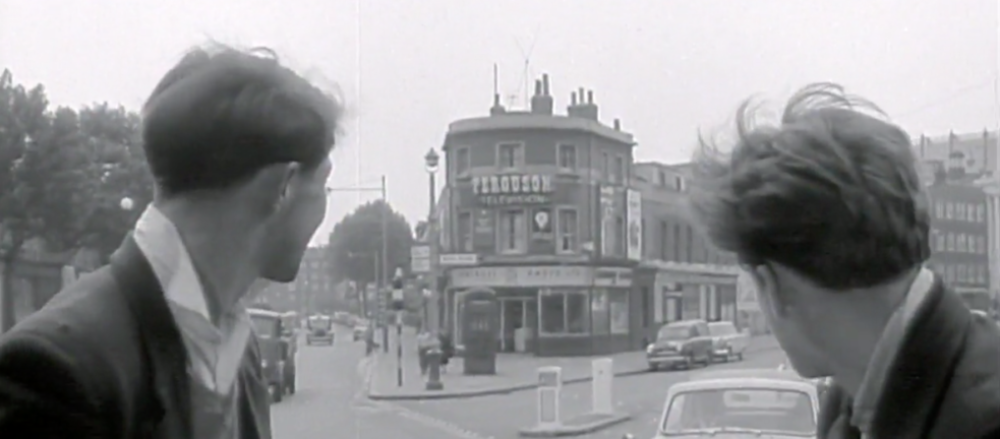
Kennington Common (now Kennington Park) and Kennington Oval cricket ground have a conjoined reputation that extends well beyond our hallowed manner. As the green spaces between the City and Westminster began to evaporate in Georgian London, people had to look further afield to partake in activities such as cricket, football, promenading, mass demonstrations, and or course hanging people. And it was to suburban Kennington they flocked.
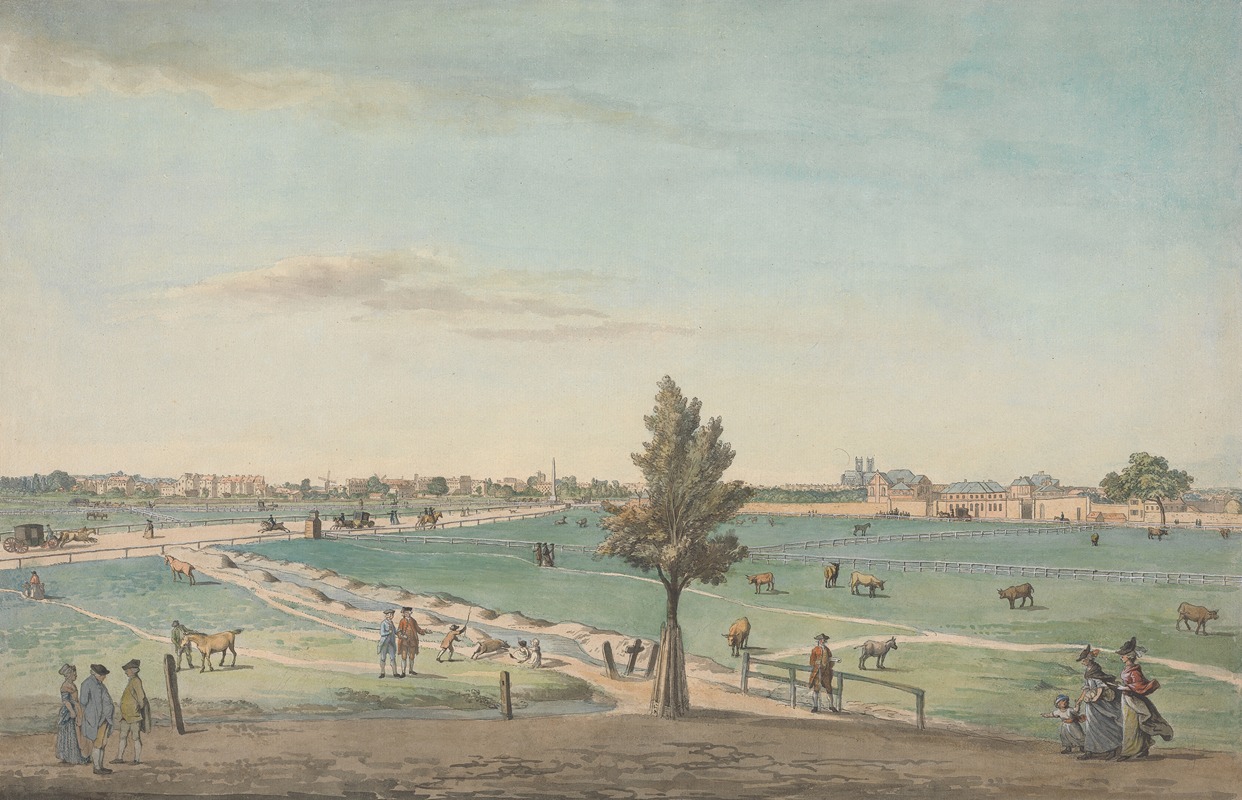
In the early Victorian era the Common was shrinking under impinging bricks and roads. Also, watching people being hanged was no longer the family fun that it once was. As cricket requires a great deal of space (so we’re told), the newly formed Surrey Cricket Club had to find new digs, and with a little help from the Prince of Wales (who’s feathers still adorn the Surrey Cricket Badge) in 1845 they were able to take over a nearby market garden, and this was the genesis of the cricket ground that we know to this day.
Six years after the inception of the Oval we meet an almost forgotten sporting superstar named Richard Manks, who granted it an unexpected publicity coup that would secure its place as the world’s first for profit sports facility. Manks was a master of the equally forgotten sport of pedestrianism, a form of competitive walking which attracted a sort of cult like following in the gambling mad world of Victorian Britain. But this wasn’t a team activity, and in 1851 people descended in their thousands to watch Manks walk for 1000 miles in 100 days to and bet on how long he would last.
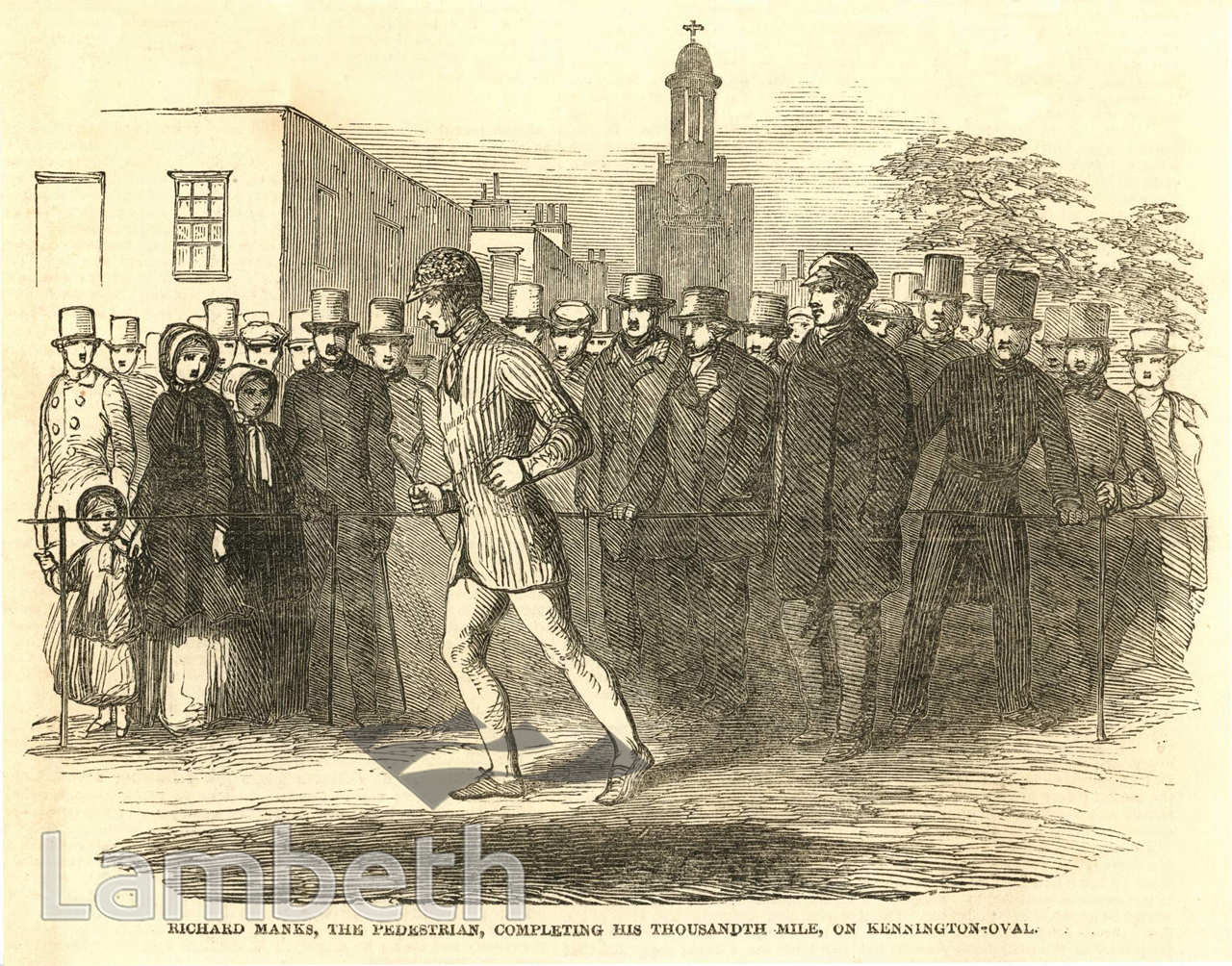
Things didn’t start entirely well for Manks and following an unfortunate bout of diarrhoea he abandoned his mission at the Oval after 129 miles. Undeterred, a few months later he completed the task with a form of assistance not too dissimilar to how we get through a day at the Observer; half hourly rests and the nutritional aids of beef, ale, and Brandy infused tea. The dusky hues of night time was a particular draw to the 3000 personed audience and it can claim the additional prize of being the first artificially lit sports complex on earth, and the publicity provided by Manks secured this.
For some unknown reason by the end of the 1860’s the thrill of watching people walking in a giant circle diminished. However, the Oval powered on and with its newfound renown hosted the first representative football match between England and Scotland, in addition to hosting the FA cup for almost 20 years. As its fame grew it was also used for rugby and football and even used for exhibitions of American baseball. While the sport of Manks might be now overlooked, the same can never be said about the world’s first profit making venue that he helped to immortalise.

Really interested article and images. I have a question about the first image – do you know where abouts on Kennington Common that is? Which direction is it facing? I’m assuming that the road that became called Kennngton Park Road is one of the roads, but I can’t make out which
My hunch is that it is looking northwest, from the Walworth side. I think the two towers on the right is Westminster Abbey. It seems like it would to too far away but remember in the late 18th century things were on a much smaller scale