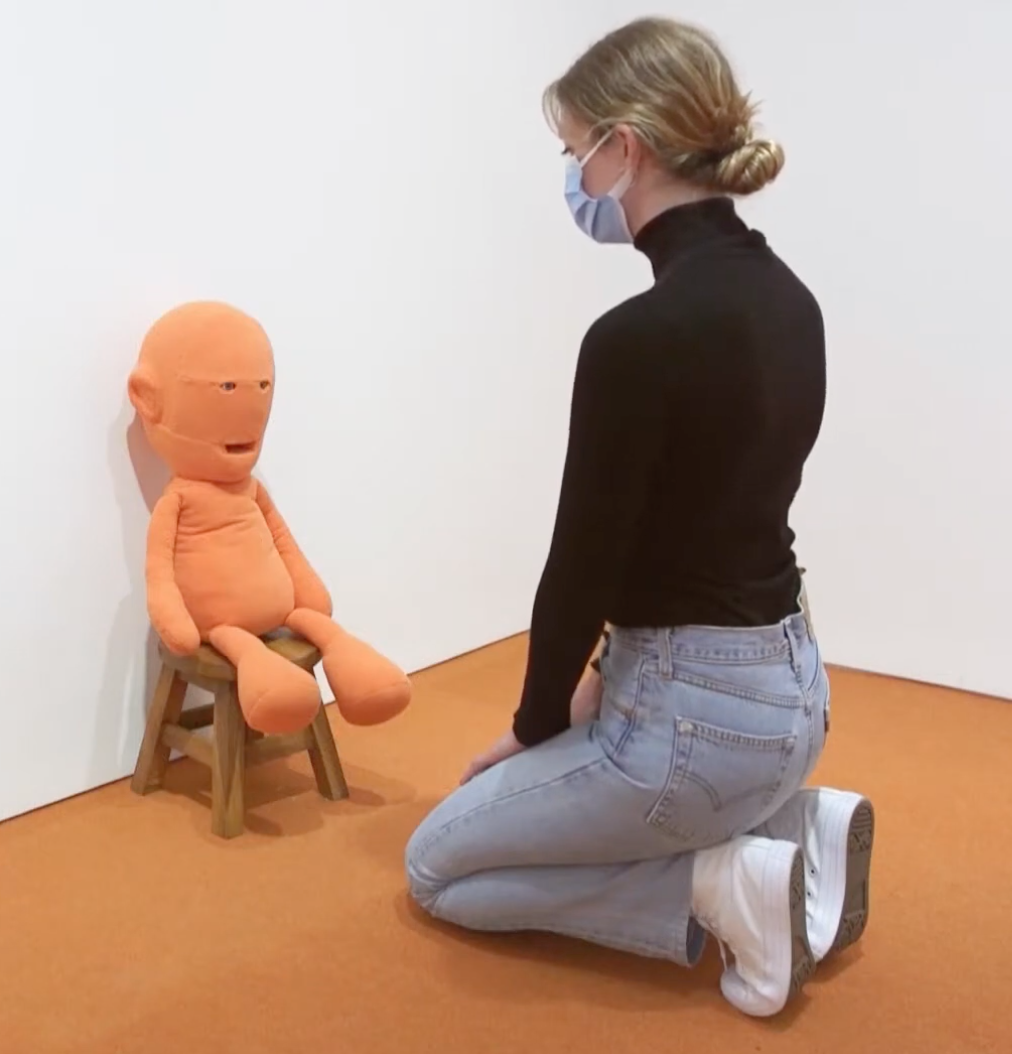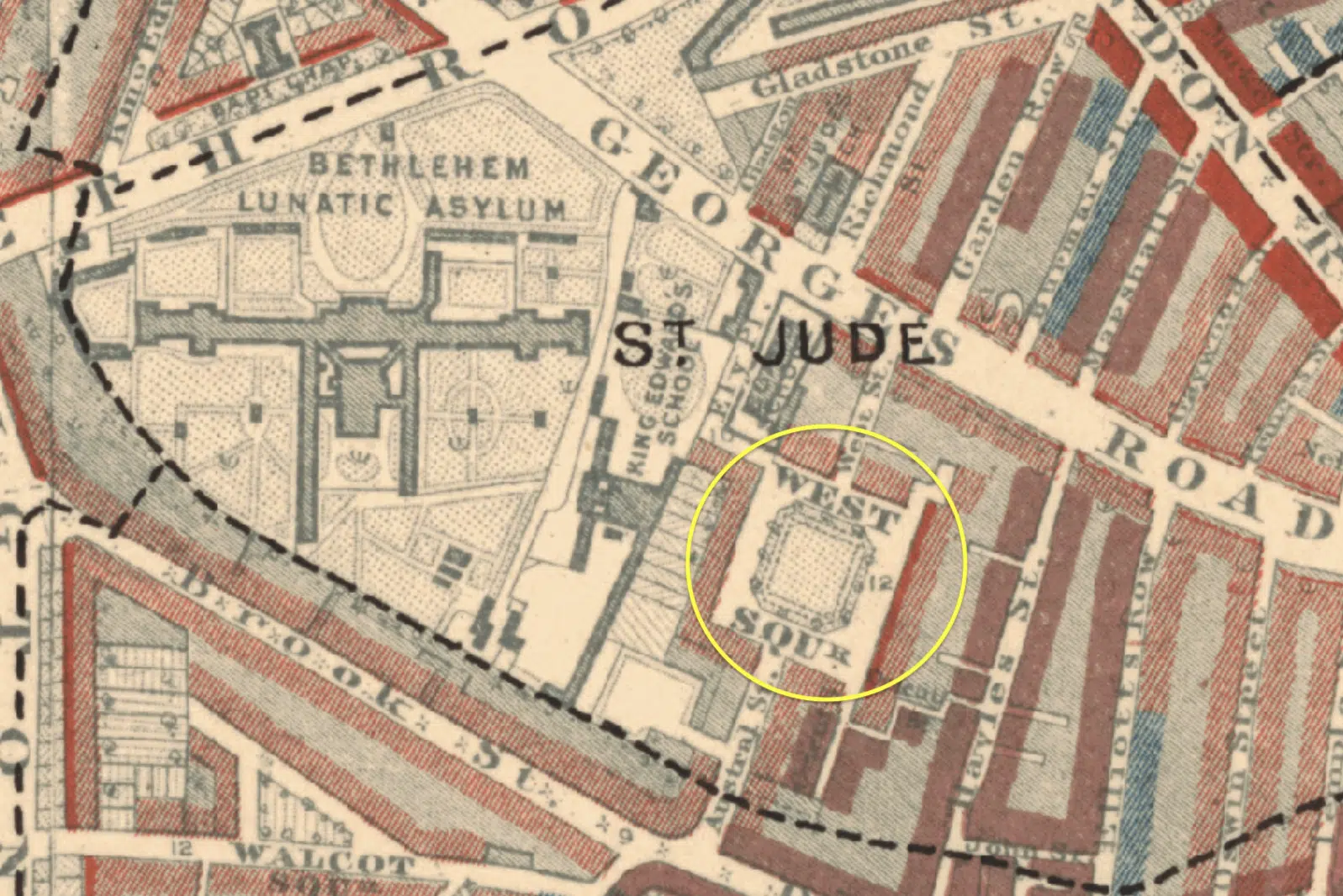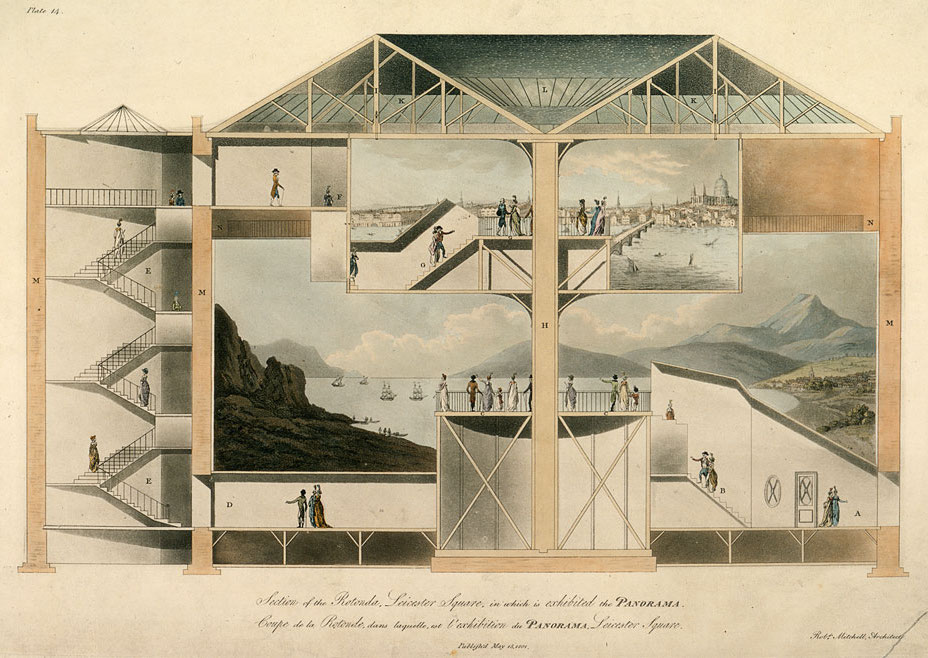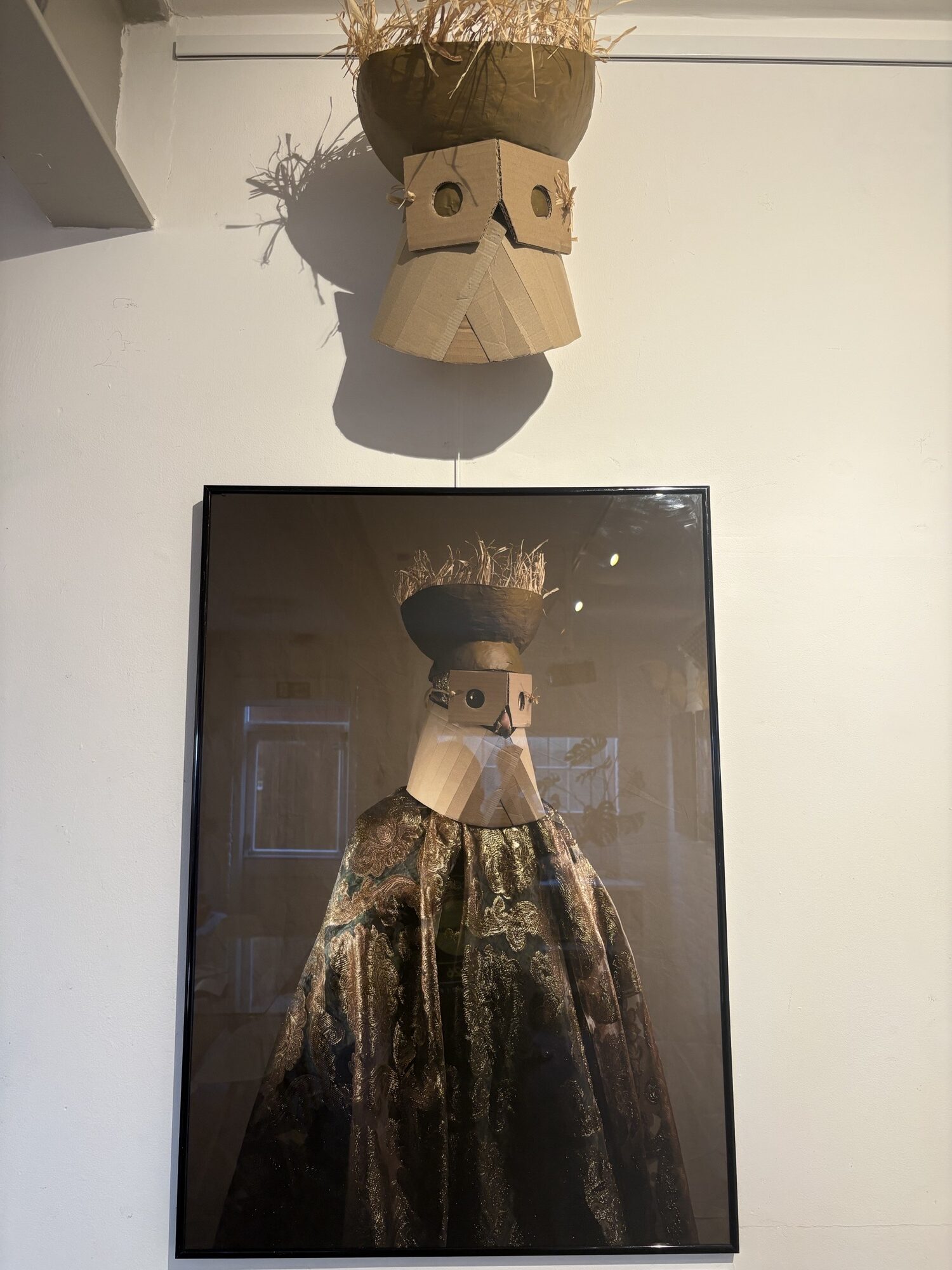
We embrace all of the shows at quirky local arts hotspot Gasworks Gallery in Oval. We’ve been with them for every installation, from a giant coffin made of Styrofoam to a talking doll on a stool. The current show is called ‘Disco Inferno’ by Mexican artist Paloma Contreras Lomas.
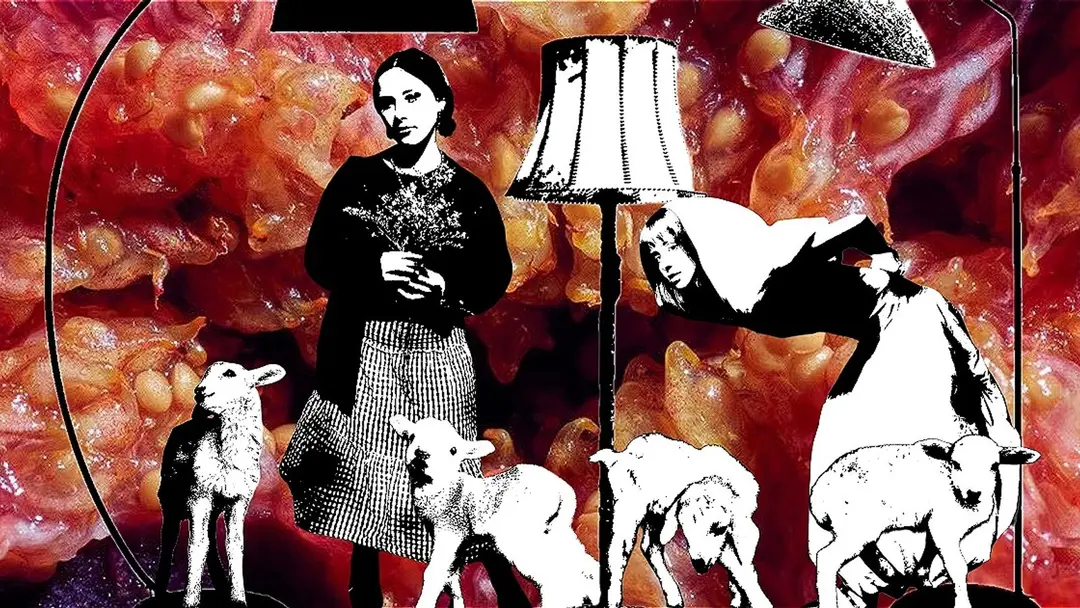
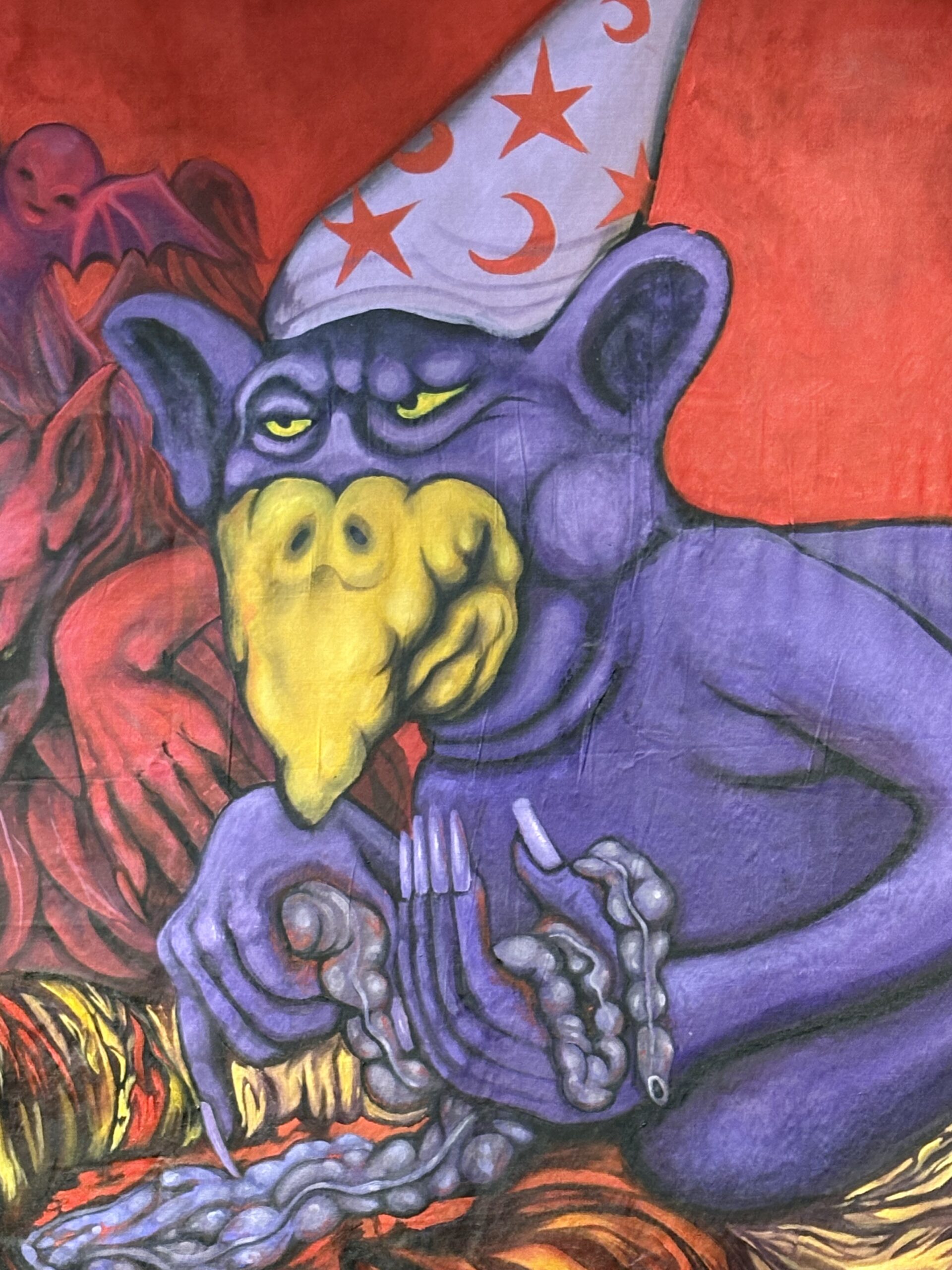
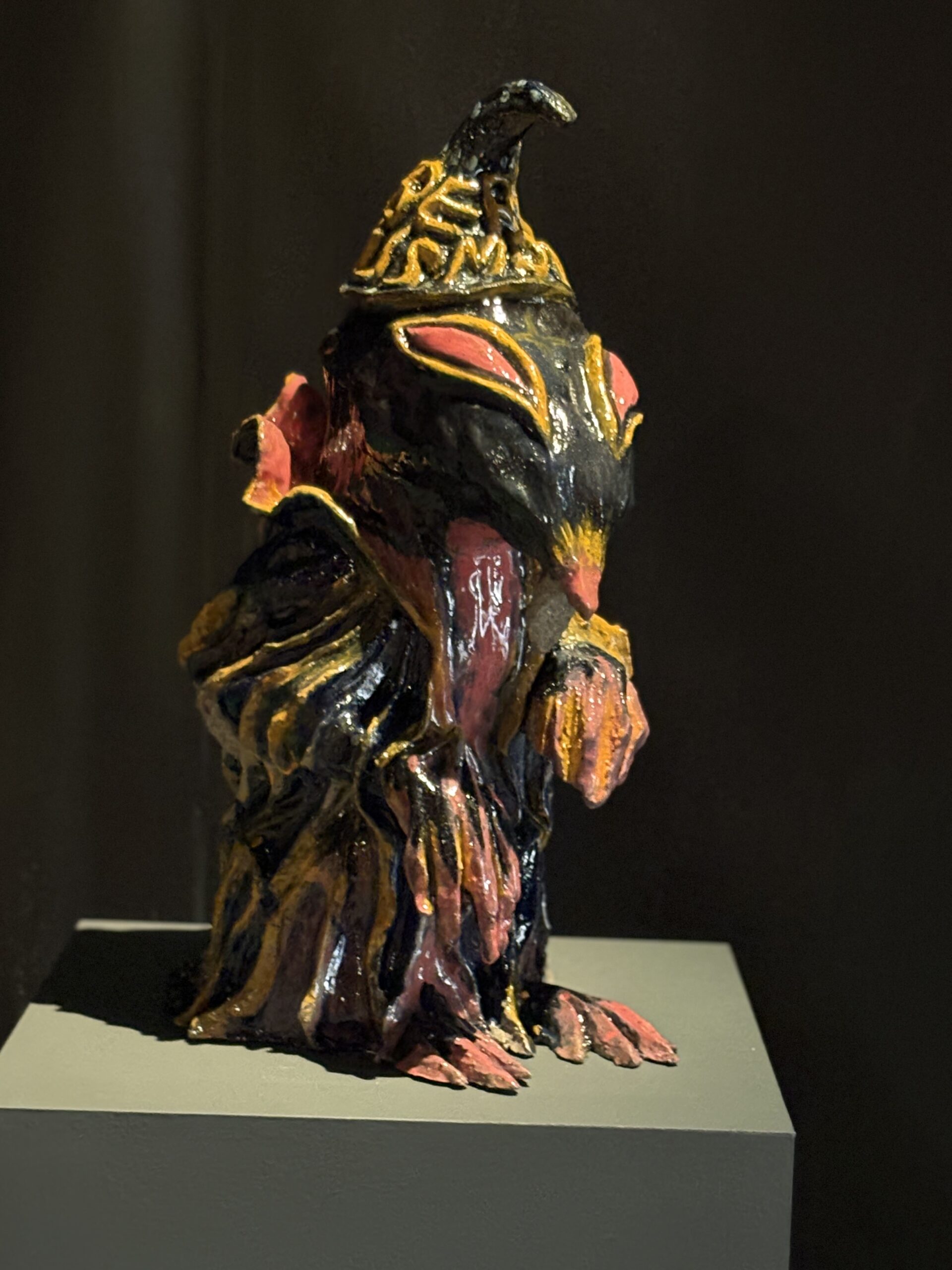
The primary room of the gallery is filled with three large wall hangings giving us a distinctly Mexican vision of hell. Pre-Hispanic goddesses appear alongside cackling witches, bunnies frolic in nun’s habits, and little elves devour flesh. Sleaze, corruption, and graft are the themes here, so a dismembered Jared Kushner appropriately makes an appearance. Terracotta sculptures complement the hangings. In a sense it’s as if Lomas is taking control of the horror in Mexico’s past by teasing it.
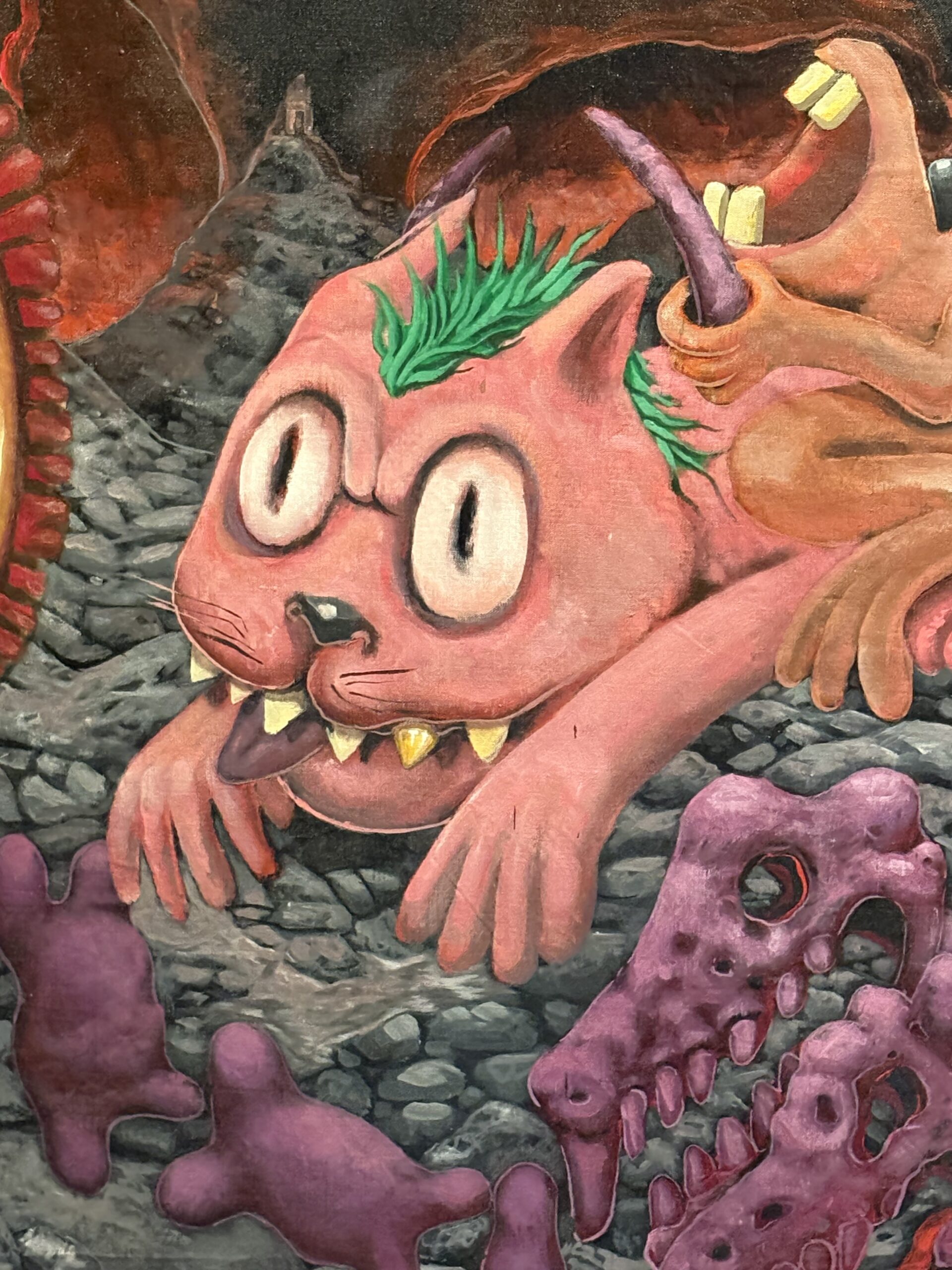
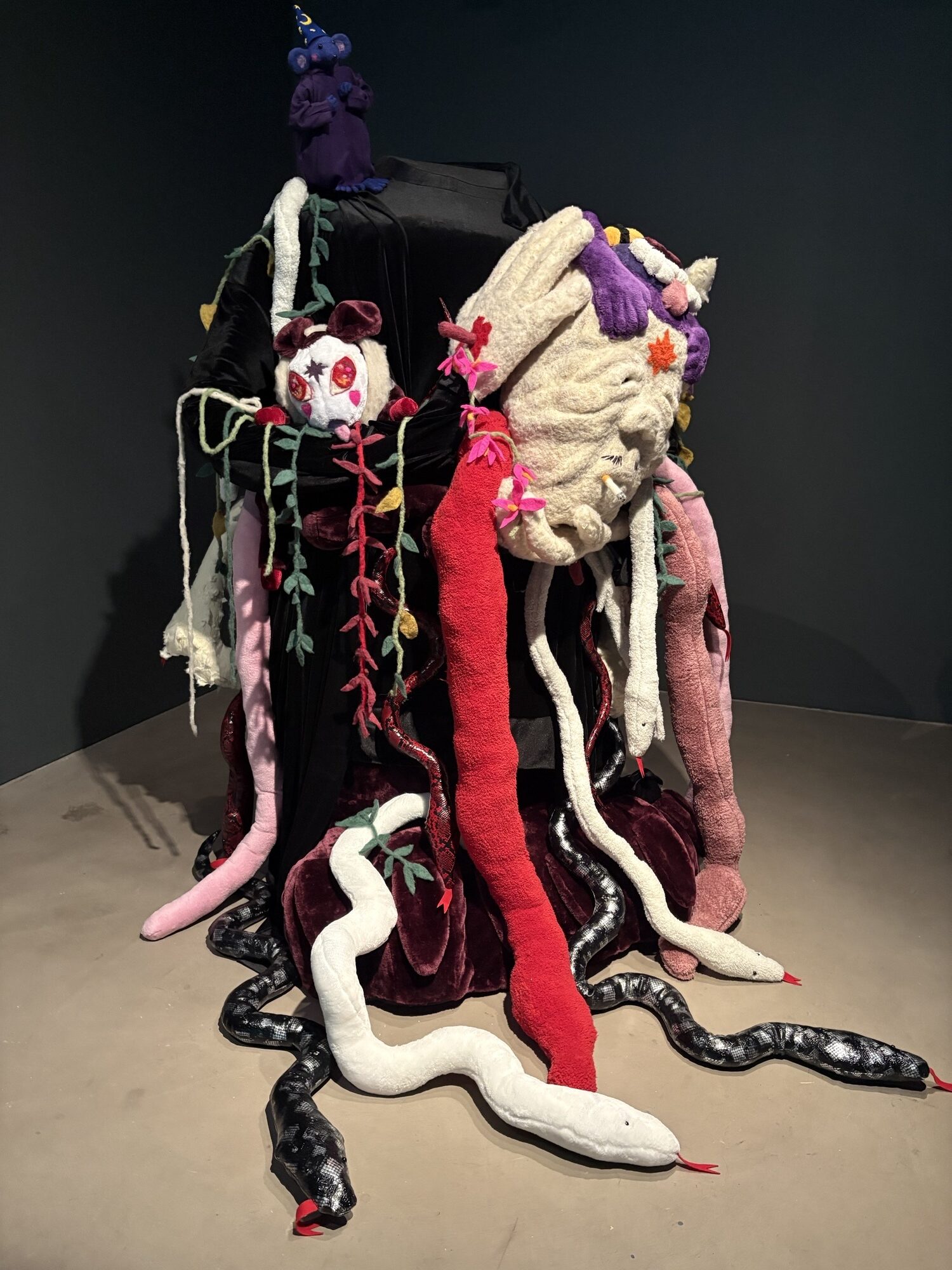
The second room is just as dystopic and features a giant plush toy as a decapitated person, which the press release describes as ‘At once horrifying and huggable’. We found this description eminently relatable as it describes most of our romantic encounters. There is also a compelling video of Lomas narrating three stories told to a close friend with the same name (ie, her). This builds on the folklore, mythmaking, and goblins in the rest of the exhibition. If at this point you’re thinking ‘what the hell is this about’ we’ll give you a short cut. It’s a metaphor for the Mexican governments’ military crackdown of drug cartels in the mid 2000’s tinged with the hazards associated with crossing the Rio Grande (here illustrated by a swampy river). See, now aren’t we the clever one?
Gasworks, we do like to have fun at the expense of your exhibitions, but we applaud how you champion female and non European artists, and you’ve done both here. Paloma Contreras Lomas: Disco Inferno is on now until 13.12 and like everything wonderful in life (like your favourite blog) is totally free. Check for opening hours as they vary. And if you require a talking doll if you’ll need to bring your own.