The Mongadors and Circus Culture of Edwardian Kennington

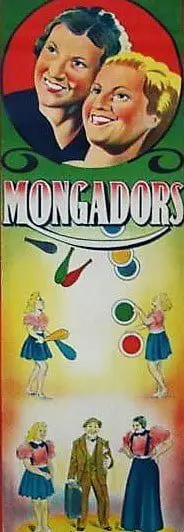
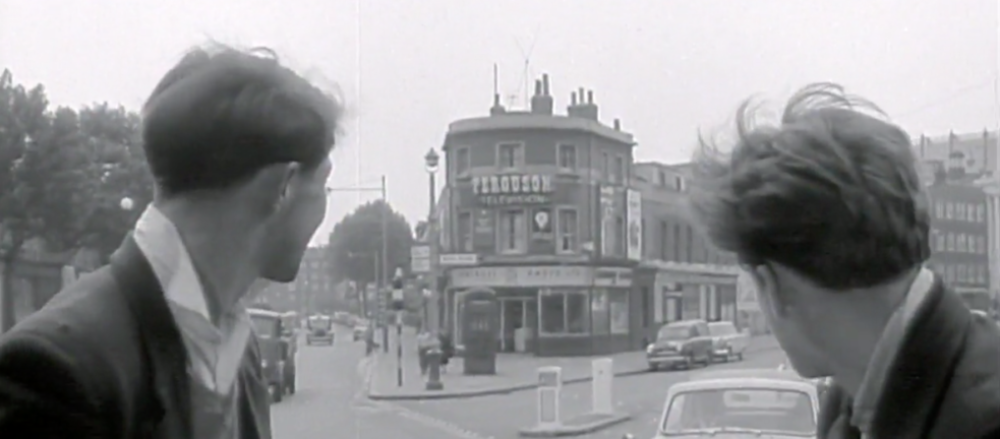
In the 19th and early 20th century Greater Kennington was home to many entertainers as it was a cheap place to live and close to the theatres of the West End. This fine culture of performers and eccentrics influenced a young Charlie Chaplin and other people we’ve written about such as Henry Evanian, a trailblazer in the field of cutting people in half, and also circus performers The Craggs, who found fame by tossing their siblings around a circus bigtop. And today we meet jugglers Pierre and Mathilde Chambeyron, aka The Mongadors, a family of comedy jugglers who toured the world from their base at 132 Kennington Park Road.
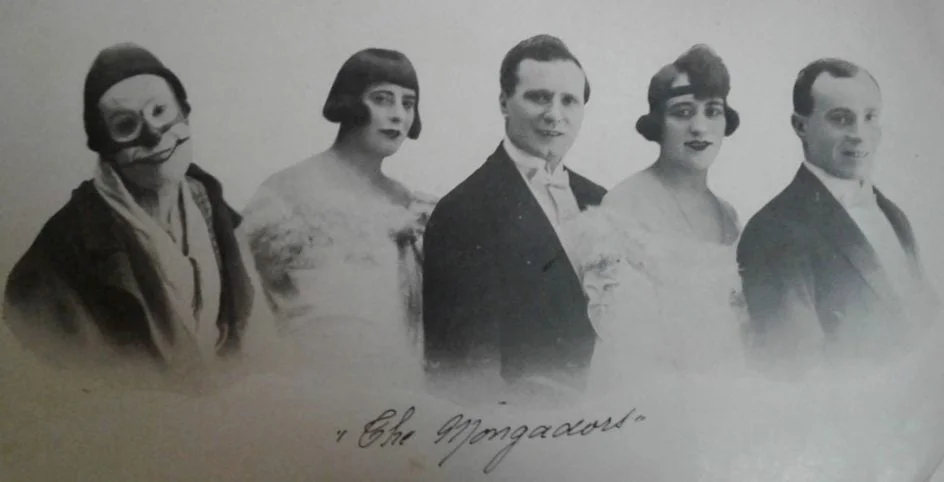
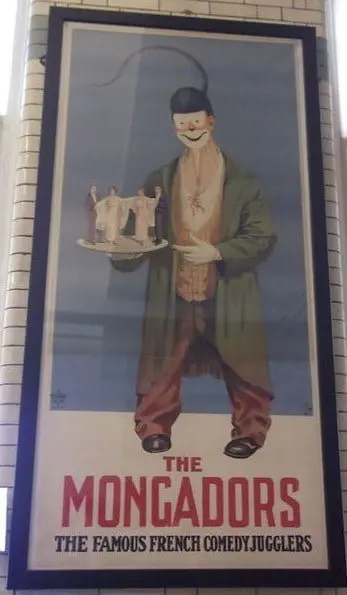
Pierre and Mathiide were French and worked in the circus world for a number of years before jumping the pond in 1914 to immerse themselves in a much larger music hall circuit.   They started as a double act,  but incrementally included their children and were amongst the first European acts to feature the passing of objects. The objects included tennis racquets, gloves, plates, flowers, and specialised clubs. This was highly choreographed and undertaken while on the floor, leapfrogging or jumping. And while all of this excitement was transpiring  Pierre himself was stage right doing magic tricks.  We’re not sure about the child protection  issues related to throwing plates and tennis racquets at children but at least it paid the bills.
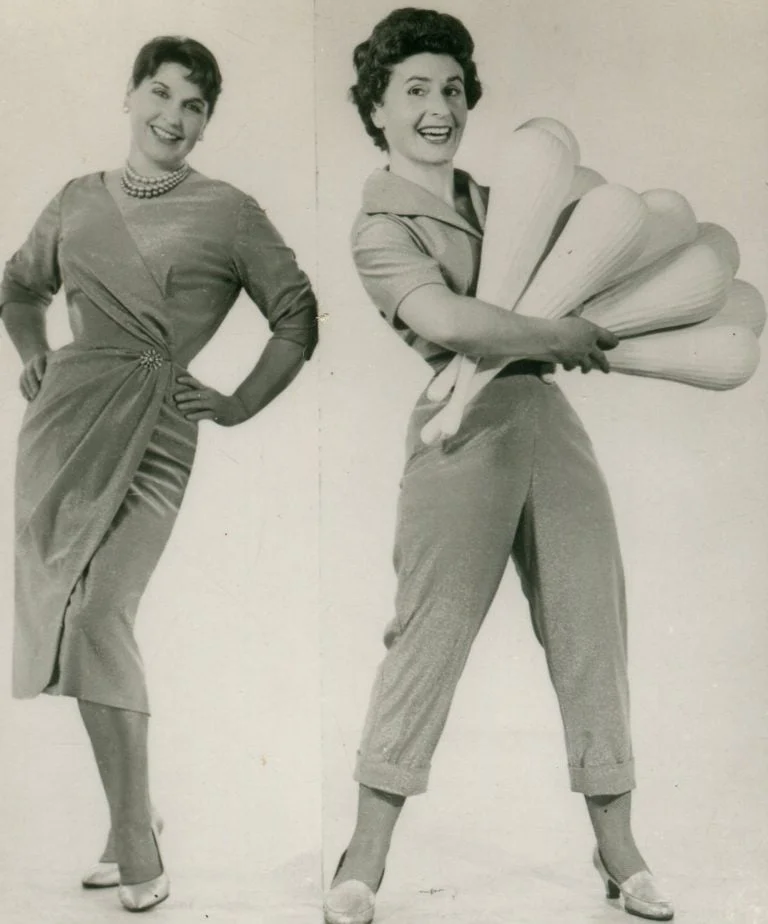
As the family matured and the children hopefully recovered from wounds inflicted by flying tennis racquets, they evolved into performing a criss cross routine, which is their biggest contribution to juggling culture (it’s a thing).  When the parents retired the younger ones evolved into presenting more intimate shows. As hard as it is to comprehend, under different guises the family continued to perform until the early 1970’s, which means this amazing family’s profession persisted from the late Victorian era to the trouser suit era (below). And if you don’t have friends and need a new hobby there is even an online Juggling museum in which the family figure prominently.
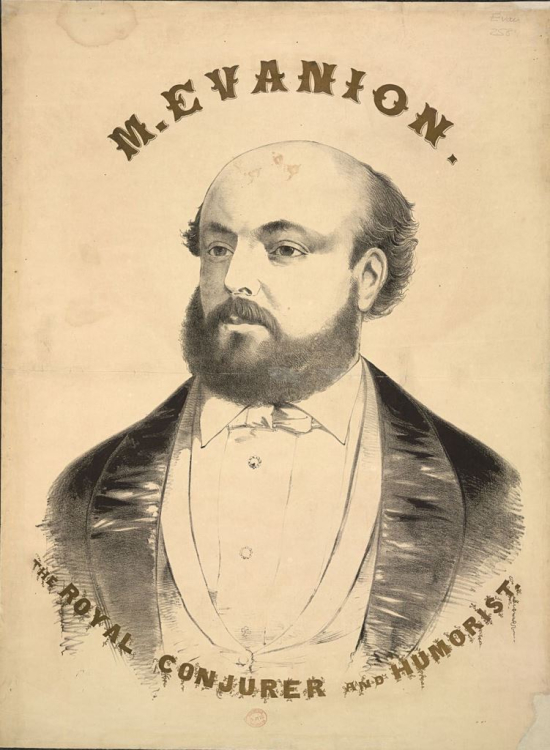
The Great Conjurer of Kennington

From the archives, the fourth of our month of best history posts

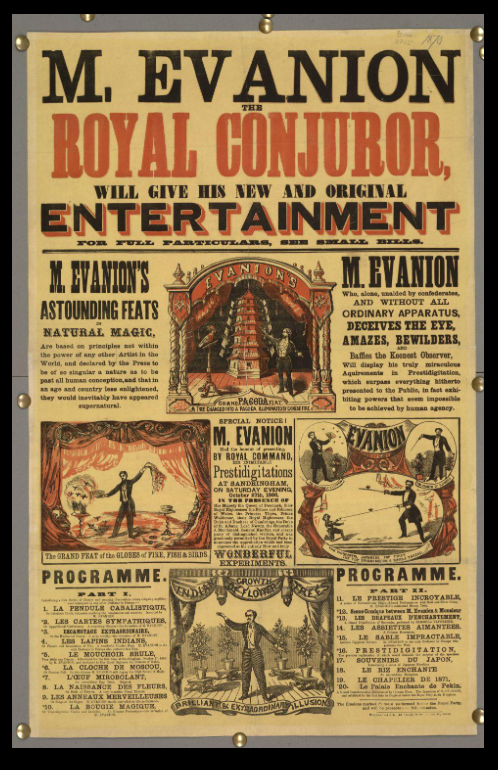
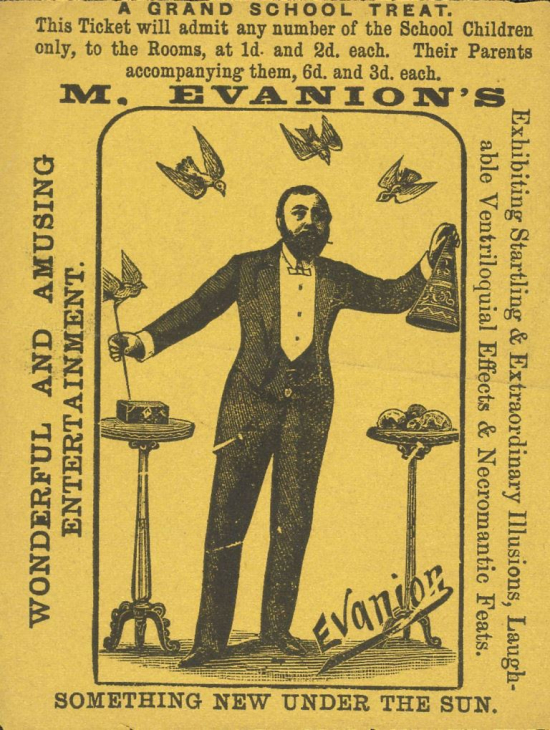
Greater Kennington has always had its share of eccentrics, and a prime Victorian example can be found in magician, humourist, collector, and wonderful oddball Henry Evanion (1832-1905) who lived his entire life in Kennington and Oval. Henry’s family sold sweets and tickets at Vauxhall Gardens during its dying years and it was there that he came into contact with mimes, jugglers, clowns and tight rope walkers. Supported by his wife Mary Ann and extended family who ran a sweet shop business at 221 Kennington Rd, he began to develop tricks of illusion and ventriloquism that evolved into a rather elaborate show. Delivered, no less, with a fake French accent. 

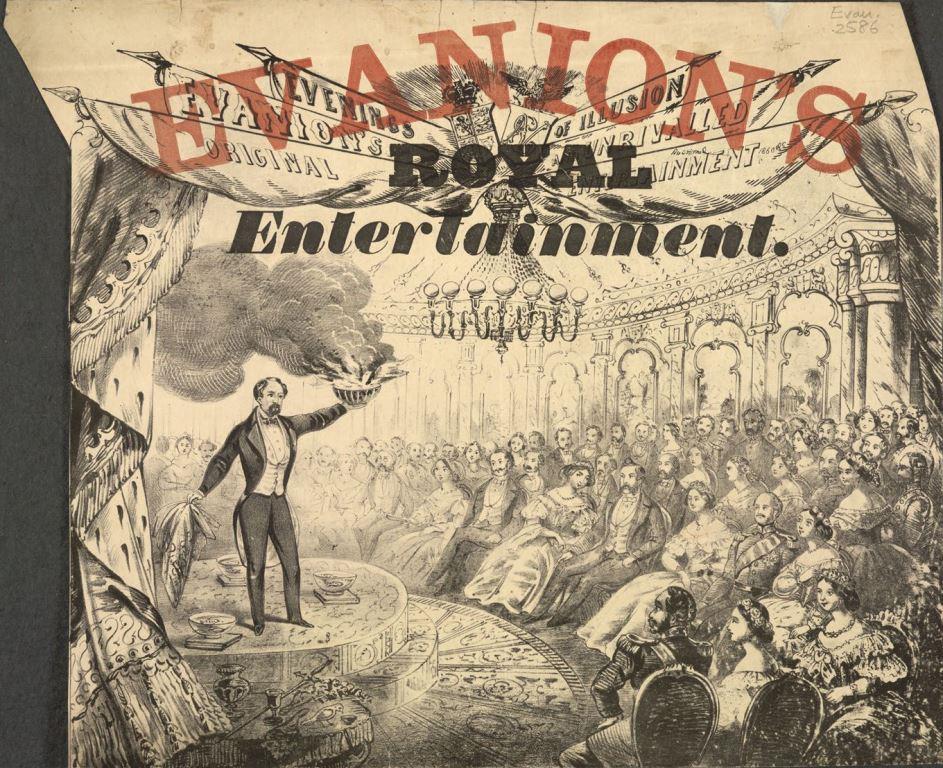
As Henry’s act evolved he began to tour the southeast and even performed for the royal family on three occasions, with the gig at Sandringham billed as ‘The Grand Feat of the Globes of  Fire, Fish and Birds’. Henry seriously milked this royal connection and it helped with bookings, but there were long stretches where our local boy had no work. He used this time to furiously research new ways to diversify his act, coming up with tricks such as ‘Vulcan’s Chain’, ‘The Mystic Parrot’ and ‘The Japanese Lady’s Reception’. At the time he was living in what is now Montford Place behind the present day Pilgrim pub. 

Henry’s long suffering and very patient wife would sometimes perform as his assistant (a kind of Victorian Debbie McGee) but she had a proper job running the sweet shop so this didn’t last very long. Henry decided to drag people in the crowd onto the stage to act as assistance, which was made easier by his jokiness and quick wit.  His shows were an assortment of magical effects, illusions, juggling and ventriloquism presented rapidly with trick following trick. Henry was also an avid collector of playbills, posters and items associated with magic and other forms of entertainment.

While working with mystic parrots, setting things on fire, and sawing people in half might sound very glamorous, it isn’t the most lucrative of professions and later in life Henry and Mary Ann fell on hard times. Living in the basement flat at 12 Methley Street, at the end of his life Henry befriended no other than the great Harry Houdini while he was in the UK. Houdini was fascinated and inspired by Henry, and on their first meeting spent almost 24 hours with Henry in Methley St. Houdini ended up purchasing some of Henry’s collection of magical ephemera. The rest of his collection was endowed to the British Museum, and gives us a fascinating insight into late Victorian light entertainment.