Making Your (Persian) Mind Up

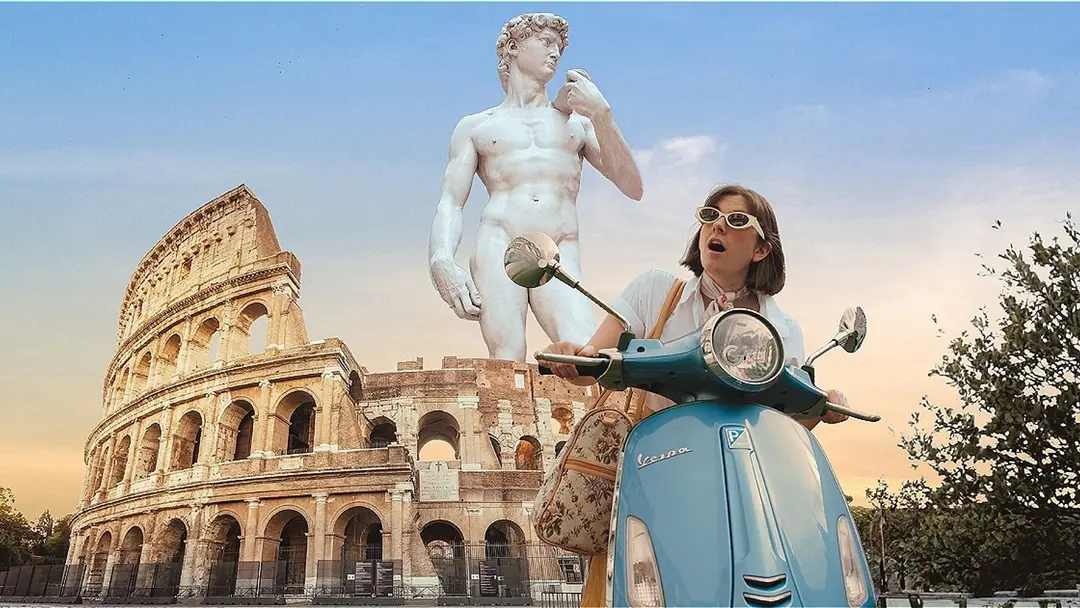
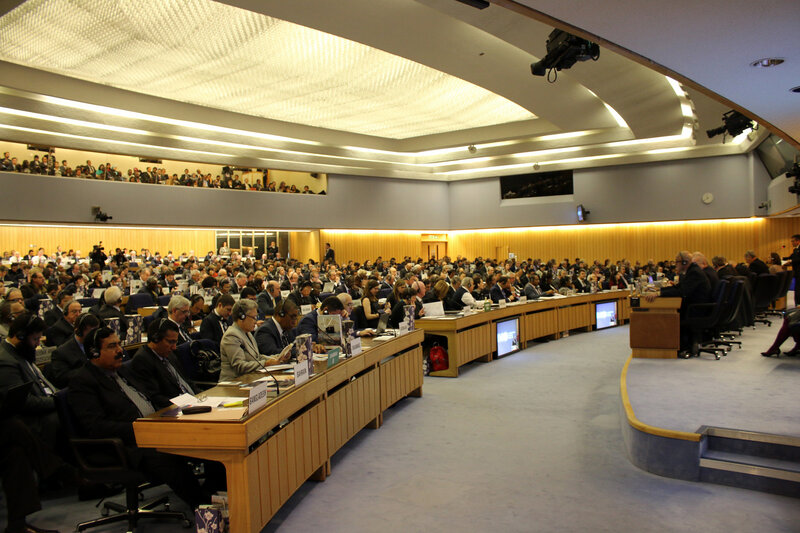
We love Amici as they never run out of novel concepts to get people through the door. Bands! Singles nights! Jack Straw! And now they’ve done it again….Just when you thought Kennington couldn’t get any more camp they’re hosting…..wait for it….. a Eurovision night!

Amici will be taking their enormous TV outside and it will be viewed in their otherwise quiet garden where, according to the press release, drinks will be flowing and food will be served (it’s not free, we know what you’re like). The food served is Persian and Italian. You can get Italian anywhere so we always stick to the Persian, which is to die for.  Office favourites are any of the grills, and also the Persian stew called Khoresh. The owners are Iranian and can give you the full low down about what you’re about to encounter. Well maybe not if it involves dancers emerging from under a giant skirt.

Amici if you’re reading this (and if not you’re missing out) we have some tips to make it a better night. You could try a ‘who’s replaced Scott Mills’ drinking game or, even better, have a former UK representative do a PA! There are plenty of them who have a LOT of time on their hands. Try reaching out to Gina G, she’s getting on a bit but stranger things have happened.

The UK entrant is the disturbingly catchy ‘Eins, Zwei, Drei’ by Look Mum No Computer. The chorus features the lines ‘Darlin’ I need somethin’ salty, with a slice of pepperoni’. See for yourself.

https://www.youtube.com/watch?v=niMKvJ-Itq8&list=RDniMKvJ-Itq8&start_radio=1

Topical Ghosts in Oval

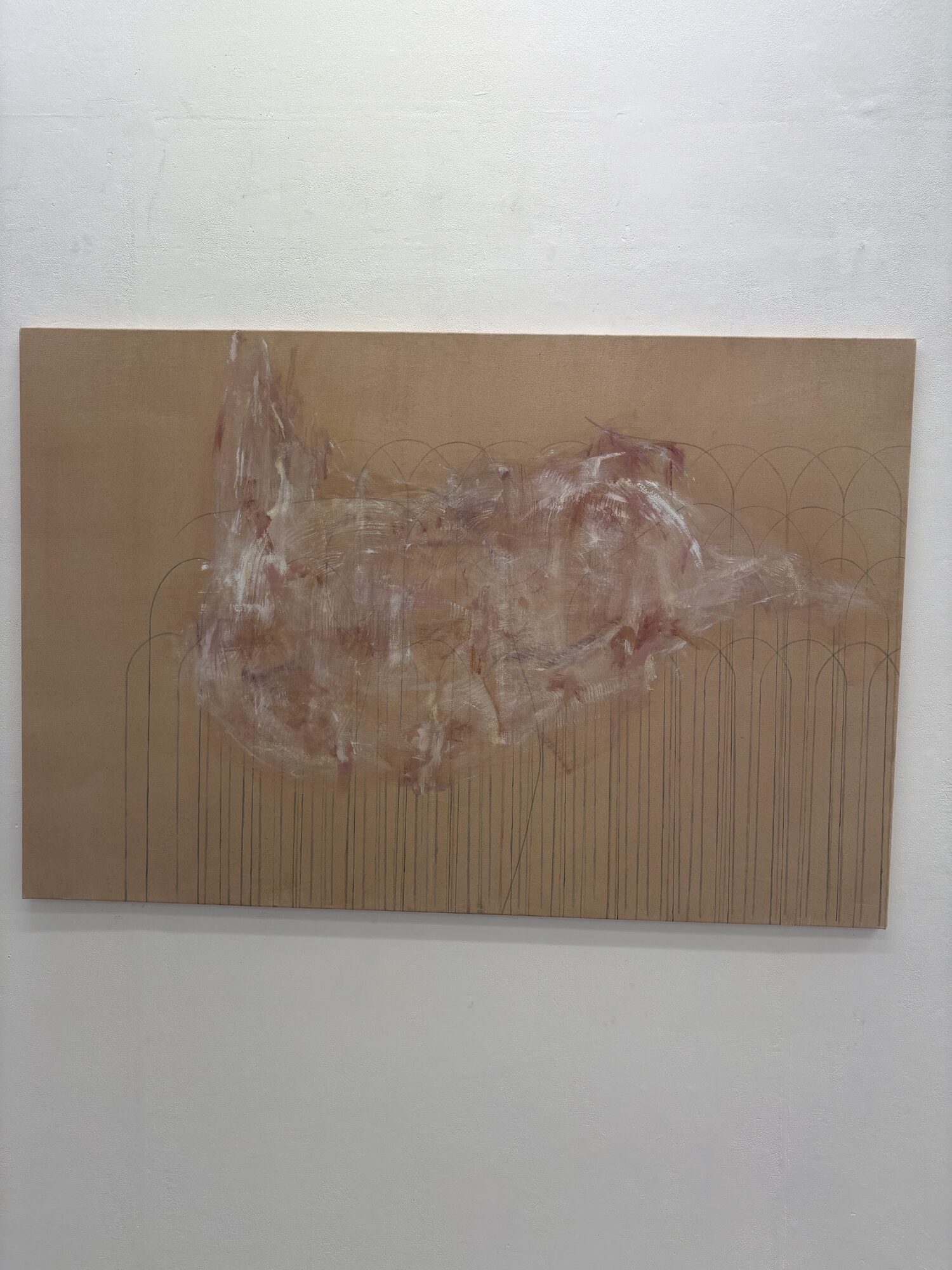
We love contemporary art and we love Gasworks Gallery in Oval. And while nothing will quite achieve the varnished heights of a previous show which turned the gallery into a Hampstead Heath cruising area, the current offering certainly tries its best. So if your taste includes ghosts who can play the piano while talking about racism, then you’re in for a real treat.

The current offering at Gasworks is by Portuguese American artist Gabriel Abrantes and is called ‘Bardo Loops’. The animated ghosts reference a phase between death and rebirth. Think of them as really articulate zombies. The ghosts talk about a range of topics without the other ghost listening (they are dead after all) in a friendly and almost mocking tone. The challenge for the viewer is that some of these topics are indeed very serious, but made to look trivial. Abrantes uses the ghosts as a way to explore issues relating to loss, illness and vulnerabilities. The manmade disasters unfolding behind them (eg a forest fire) seem minimal as we remain trapped in our own drama, ultimately only getting out of said drama by the use of our phone or AI. Or both.

Bardo Loops is open now until 7 June and is totally free. But please remember that if you want to mingle with the apparitions, the gallery is only open Wed-Sun 12 to 6. If you want even more ghostly fun they are having an artist curators tour on 9 May and a few other phantasmic offerings to be found here.

Beauty and Destruction at the Imperial War Museum

We love nothing more than a four day weekend, but after a fifth episode of ‘A Place in the Sun’ things can get rather, shall we say, boring…..So we’ve decided to build some brain cells by popping over to the Imperial War Museum to see the petite, pop up exhibit ‘Beauty and Destruction: Wartime Art in London’. Its free (we love free) and open throughout the weekend.

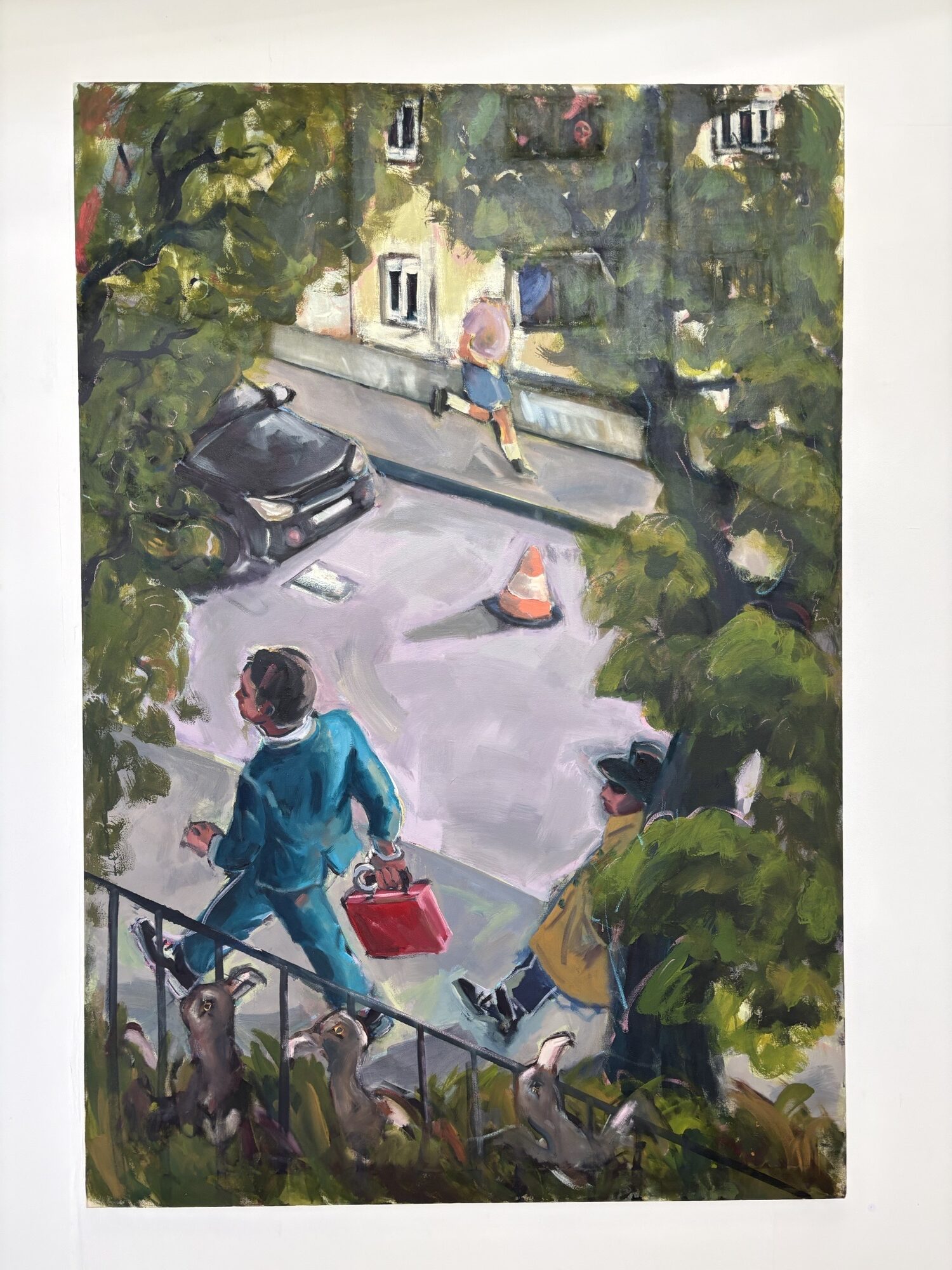
Through the medium of oils, watercolours, pen and ink drawings and even letters we can see the destruction wrought through 57 days of the Blitz and beyond. Included are works by Paul Methuen, Evelyn Gibbs and Leonard Rosoman. We frankly have no idea who any of these people are, but they’re good artists who were either commissioned by the government to undertake these works or were casual painters. The most notable of these being Henry Moore. As with all exhibits at IWM, this is not a glorification of warfare, and many of these works are testaments to resilience, depicting mums shopping or people just getting on with their lives. So you have no excuse to get your Guardian reading selves over there.

Beauty and Destruction is on now until 1 November and is totally free. As the exhibit is small, why not pop over to the Blavatnik Art, Film and Photo Gallery on the same floor? They have a number of stunning works and it’s a fun way to spend some time.  Well, if you can sidestep the unfun fact that’s been endowed by a dodgy Russian oligarch. So Guardian readers, you get a free pass on this one.  

Elizabeth Bligh, the Most Patient Person in Greater Kennington

For a number of years we’ve wanted to write a piece about William Bligh as his family lived in a house facing the Imperial War Museum. However, after a fair amount of research we’ve reached the scholarly conclusion that he was in fact an irascible and nasty piece of work who was given roles he wasn’t qualified for merely because of his connections. That led us to investigate into a more worthy resident of 100 Lambeth Road; his long suffering and patient wife Elizabeth.

When Elizabeth and Bligh married in 1781 she was aware that they would be apart for long periods of time, and after reading his history perhaps that’s one thing that attracted her to him. While not running a household with four kids and staff Elizabeth was a Conchologist; a collector of seashells. Many of which Bligh lovingly obtained as he sailed the South Pacific yelling at people.

Bligh is best known as the cause for the Mutiny on the Bounty, instigated by sailors who grew weary of his incompetence and abuse (Observer bigwigs take note of this). Less well known are his hijinks afterwards. In a ‘deju vu’ moment, several years after the Bounty he was involved in the Nore Mutiny and was once again forcibly removed from the ship has was captaining. Through all of this Elizabeth remained devoted to William and stood by him.

Possibly because they wanted to get him out of the way, in 1806 the Navy appointed  Bligh as Governor of New South Wales. He requested that Elizabeth join him but she promptly shut him down. We’re picturing a Regency version of Elizabeth putting her hand in his face and saying ‘I don’t think so’. When stories began to circulate from New South Wales that he was trying to be deposed, the caricatures and rumours started to fly.  As if she didn’t have enough on her plate, Elizabeth actively campaigned on his behalf by writing letters to persons with influence regarding his fitness to remain and defiance in what became known as the Rum Rebellion.

Despite her prolific letter writing, Bligh was dismissed from his role down under just two years after being appointed. In what must have been a ‘Oh FFS not this again’ moment for Elizabeth, he joined her again at 100 Lambeth Road. Elizabeth was probably Bligh’s only friend, and to repay her for a life spent raising kids, running a household, writing letters and collecting shells Bligh infected Elizabeth with syphilis and she died in 1812, aged 59. Websites indicate that Bligh contracted syphilis by ‘talking to natives in Tahiti’. Well, here at the Observer we know a thing or two about catching STD’s and they aren’t transmitted by talking, thank you very much.

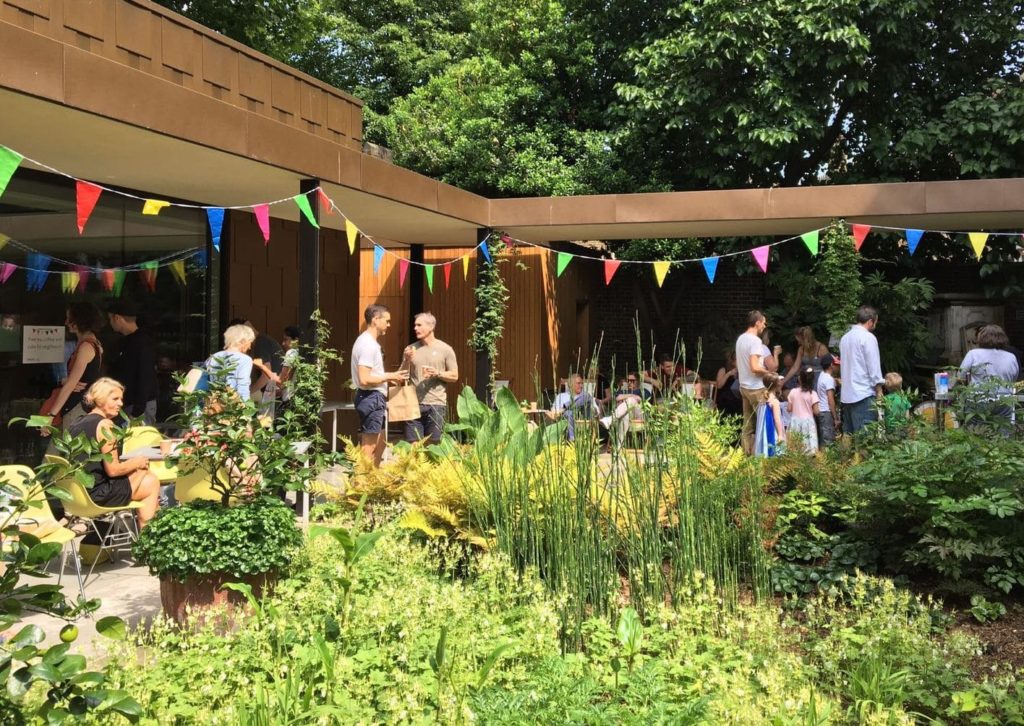
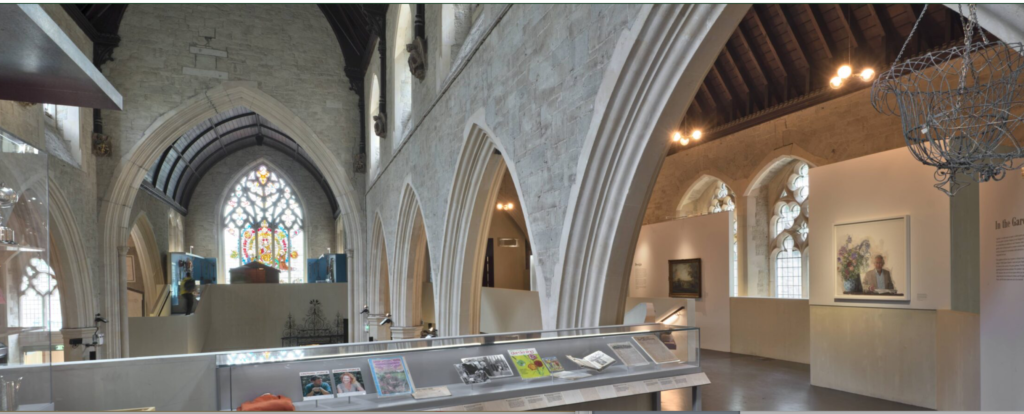
The tranquil family resting point is in the courtyard of the Gardening Museum, next to their very swishy restaurant which we’ve been trying to get the aforementioned bigwigs to fund for ages, to no avail. Could a mutiny be brewing in our underground offices?

It’s Spring. Lets Get Walking!

A nice springtime walk is a great way to discover more about our storied manor. We here at the Observer get little time outside of our locked chamber but when allowed day release we’ve actually been to several of the walks outlined below. They’re being sponsored by the Lambeth Local History Forum and over 120 walks can be found on their website so you could actually be walking for four months. However, as most of the walks involve leaving Greater Kennington to places like, gasp, Clapham, we don’t recommend it. You’ll notice that some of these events are listed as being free. By ‘free’ they don’t actually mean the event is free. They expect a well deserved tip and their work heralded on social media. We say this as we know most of you lot would nick an ice lolly off a toddler given half a chance.

11 APRIL Saturday 2.30pm

Remembering the Chartist Rally on Kennington Common 178 Years Ago

Friends of Kennington Park

Meet Prince Consort Lodge (Trees for Cities), Kennington Park Road, SE11 4AS

Led by Marietta Crichton Stuart

Booking friends@kenningtonpark.org

18 APRIL Saturday 1pm also 20 JUNE

Bazalgette — The Visionary Engineer

Lambeth Tour Guides Association

Meet Lambeth Palace, SE1 7JU

Led by Yvonne Shorten

Cost £12

Booking bit.ly/4tqW79a

23 MAY Saturday 10.30am

Artists’ Footsteps: A guided art tour of Vauxhall and Kennington

Lambeth Tour Guides Association

Meet Vauxhall Pleasure Gardens, Kennington Lane, SE11 5AW Led by Lucia van der Drift Cost £15

Booking bit.ly/4jlCoTG

We attended this last year. It’s primarily about the supper boxes and art around the Pleasure Gardens in the Victorian era, but also references contemporary spaces and artists.

25 MAY Monday 1pm

Lambeth Rocks: Music nostalgia and legendary lyrics

Lambeth Tour Guides Association

Meet Oval tube station, SE11 4PP Led by David Turnbull Cost £10 Booking LambethRockWalk.eventbrite.co.uk

4 JUNE Thursday 1pm

Unseen Vauxhall (1) – The Vanished and the Unnoticed

Lambeth Tour Guides Association

Meet Vauxhall Bus Station

Led by Geoff Fairbairn

Cost £12

Booking UnseenVauxhall4Jun.eventbrite.co.uk

For added comic value it would have been hilarious if this tour had commenced outside ‘Fire’ nightclub just after it closed on Sunday morning. That’s when the real unseen Vauxhall emerges.

14 JUNE Sunday 12noon

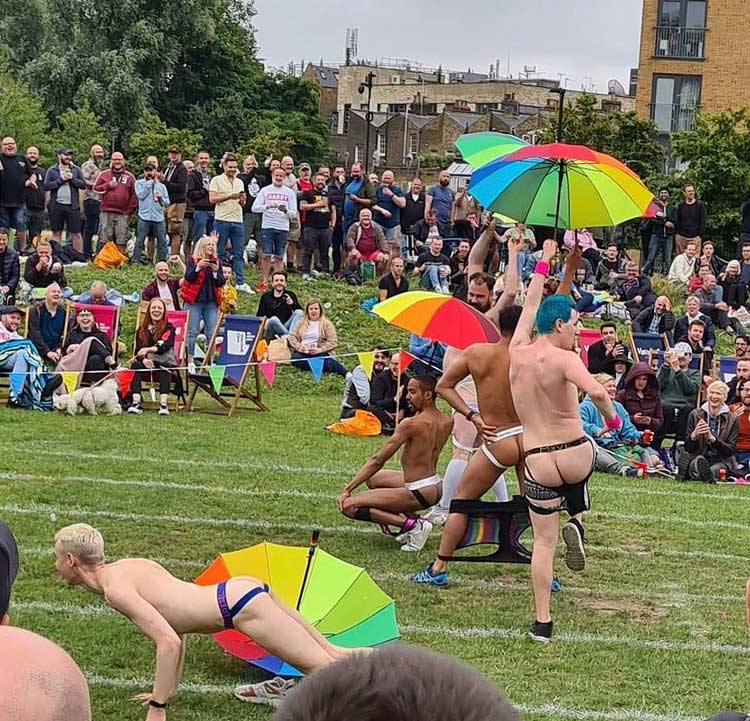
Pride and Protests: LGBT+ History Walk of Kennington

Lambeth Tour Guides Association

Meet Triangular traffic island, opposite Oval tubeLed by Adrian Gibson & Clare Truscott Cost £15

Booking bit.ly/4qoQsxK

Someone from the team attended this last year and it was primarily about cruising and the Pride festivals in Kennington Park in the 80’s. Very insightful.

Getting Scary at the Cinema Museum

There are few things in life more comforting, enriching and soothing to the soul than a good old fashioned trashy horror film. Over at the ‘we bet you’ve never been there’ Cinema Museum at the moment they’re having a bit of a low budget horror moment and we couldn’t be more excited. A ticket also gives you access to the museum which includes scary mannequins, oversized dolls, and pics of long dead horror stars to get you into the spirit of things. And they have a licenced bar.

Friday 14.3. The Return of Dr. X (1939) and Planet of the Vampires (1965)

Billed as being ‘for the connoisseur of the macabre’, the latter being aimed at aficionados of cardboard rocks. The former starring Humphrey Bogart in what must have been a true low point in his career.

Saturday, 15.3 The Big Fat Pussycat (1963)

Cheesy pastiche of NYC beatnick culture and featuring a psycho killer who has a penchant for high heels. YES!

Friday, 20.3 Carnival of Souls (1962)

Following a traumatic car accident, a woman becomes drawn to a mysterious abandoned funfair. It’s happened to all of us at some point.

All of these films kick off at 7:30pm and tickets can be grabbed here. And did we mention they have a bar?

If you’d like more information about the museum’s building and how it influenced the work of Charlie Chaplin, of course we’ve written about it.

Greater Kennington’s First Skyscraper

From the Archives, the fifth and last (sadface!) month of best history posts

Long before the behemoths of Vauxhall and the impending towering bewilderments of Elephant, there existed Draper House in Newington Butts, where Kennington meets Elephant and Castle. Nestling shyly next to the ‘who switched the fans off’ Strata, the Draper Estate was built in the Brutalist style in 1965, and when Draper House was finished it was the tallest residential block in London. If you look up at the block today this seems almost unbelievable.  

In order to meet the varying needs of a devastated community post WW2, radical architects Kenneth Campbell and Hubert Bennett were commissioned to create a building consisting of 141 flats and maisonettes. In the manner of Le Corbusier, the idea was that ‘nothing is too good for the ordinary man and woman’ and the building had wide corridors and the unique addition of fire escapes. Campbell and Bennett transcended traditional building methods by installing a cladding of storey high slabs of white Italian marble.  Another unbelievable reality when we look at the cladding of public housing today. 

We were made aware of the interesting existence of Draper House after reading that one of its original residents just moved out after 56 years. Falling into a typical Runoff rabbit hole, we read the interesting stories of current residents such as Ian, who has lived in the building for 36 years and raised his family there. He notes that many residents have lived there for decades and over the years has progressively reflected the multi cultural dynamic that gives Elephant it’s energy. 

Being tall and notable does have a few downsides, and for many years Draper House had a darker side as it was known as the suicide capital of London. Those days are long gone and the multicultural essence persists at ground level with such treats as a Latin American mini mall, a Brazilian hair salon, a Chinese tea house, and two of our favourites eateries – Italian ‘Theos’, and the wonderfully named ‘After Taste’. 

The Great Conjurer of Kennington

From the archives, the fourth of our month of best history posts

Greater Kennington has always had its share of eccentrics, and a prime Victorian example can be found in magician, humourist, collector, and wonderful oddball Henry Evanion (1832-1905) who lived his entire life in Kennington and Oval. Henry’s family sold sweets and tickets at Vauxhall Gardens during its dying years and it was there that he came into contact with mimes, jugglers, clowns and tight rope walkers. Supported by his wife Mary Ann and extended family who ran a sweet shop business at 221 Kennington Rd, he began to develop tricks of illusion and ventriloquism that evolved into a rather elaborate show. Delivered, no less, with a fake French accent. 

As Henry’s act evolved he began to tour the southeast and even performed for the royal family on three occasions, with the gig at Sandringham billed as ‘The Grand Feat of the Globes of  Fire, Fish and Birds’. Henry seriously milked this royal connection and it helped with bookings, but there were long stretches where our local boy had no work. He used this time to furiously research new ways to diversify his act, coming up with tricks such as ‘Vulcan’s Chain’, ‘The Mystic Parrot’ and ‘The Japanese Lady’s Reception’. At the time he was living in what is now Montford Place behind the present day Pilgrim pub. 

Henry’s long suffering and very patient wife would sometimes perform as his assistant (a kind of Victorian Debbie McGee) but she had a proper job running the sweet shop so this didn’t last very long. Henry decided to drag people in the crowd onto the stage to act as assistance, which was made easier by his jokiness and quick wit.  His shows were an assortment of magical effects, illusions, juggling and ventriloquism presented rapidly with trick following trick. Henry was also an avid collector of playbills, posters and items associated with magic and other forms of entertainment.

While working with mystic parrots, setting things on fire, and sawing people in half might sound very glamorous, it isn’t the most lucrative of professions and later in life Henry and Mary Ann fell on hard times. Living in the basement flat at 12 Methley Street, at the end of his life Henry befriended no other than the great Harry Houdini while he was in the UK. Houdini was fascinated and inspired by Henry, and on their first meeting spent almost 24 hours with Henry in Methley St. Houdini ended up purchasing some of Henry’s collection of magical ephemera. The rest of his collection was endowed to the British Museum, and gives us a fascinating insight into late Victorian light entertainment. 

BCO Christmas Estates Tour

Orchestral music is often inaccessible to many people for a variety of reasons, but this weekend we’re about to be blessed yet again in the Brandon and China Walk estates for Christmassy concerts which are free and open for everyone (that means you)!

Brixton Chamber Orchestra is a diverse group of 25 Brixton based instrumentalists who provide and create music across a range of genres including…wait for it….classical, disco, gospel, grime, rap, swing, pop, drum & bass and others, and often have guest vocalists. They usually ply their trade in community halls and churches in Brixton, but two times a year they hoist their trumpets northward to grace our soil.

Funded by Arts Council England and, surprisingly, by Lambeth Council, BCO is in the midst of a Christmas estates tour of 11 estates in Lambeth. They will be gracing us with their presence on Saturday at Jack Hobbs Hall in Brandon Estate (those large buildings at the back of Kennington Park) and inside Chandler Hall in Lambeth Walk.

BRANDON ESTATE
Sat 20th December @ 3:00 PM
Jack Hobbs Club Hall
Maddock Way, London SE17 3NH

CHINA WALK ESTATE
Sat 20TH December @ 7:00 PM
Chandler Hall 
15 Lambeth Walk, London SE11 6DU

These events are indoors but might be chilly so dress accordingly and buy your warming tipple from a local corner shop.

We attended this event in 2023 and it was great fun. Each show is unique and they’ve been known to feature guests musicians. They also encourage folks to get up and sing along, which should be made easier with that bottle you bought from the offie. And if this is sounding like a kids event, trust us it isn’t. Not that there is anything wrong with kids, as a few Observer staff were once kids themselves. If you can’t make it or shockingly don’t live in Greater Kennington there are more dates on their website.

Did we mention it’s free? Did we add that we love free? The clip below is the streetband gigging around Brixton recently, which we equally love.


Guy Fawkes Never Lived in Lambeth

Normally, we here at the Observer love nothing more than a baseless rumour mill, but today we’re here to debunk one. For many years the house that was used to plan and execute the Gunpowder Plot was referred to as ‘Guy Fawkes Residence’. It was situated on the Thames Foreshore close to Lambeth Bridge and was leased by Fawkes accomplice Robert Catesby due to the property’s Zone 1 address and handy access to Parliament (homes with river views being a bit cheaper in the 17th century Vauxhall than today).

So what was our house in Upper Fore Street actually used for? It was a spacious and elegant family home, perfect for light entertaining or stashing gunpowder intended to blow up people. Said gunpowder was then transferred at night to a leased storage space beneath the House of Lords. As most of the conspirators lived in the north, the house was used for meetings and perhaps lodging. And were imagining a kind of ‘Netflix and chill meets mancave’ crash pad scenario for the doomed men. And while Fawkes was known to frequent the ‘gaff, he never lived there.

In the end poor Fawkes and three of his co-conspirators, including Catesby, were hung, drawn and quartered for their espionage, and that got us in the office thinking. Once you’ve been hung you’re pretty much dead anyway, so wouldn’t then having your genitalia chopped off (drawing) and then chopping up your body (quartering) seem a bit, well, unnecessary? And one can only imagine what the clean up afterwards was like.

So yes, we can claim a bit of the Gunpowder Plot as our own but sad, dismembered Fawkes never lived there.