War and the Mind

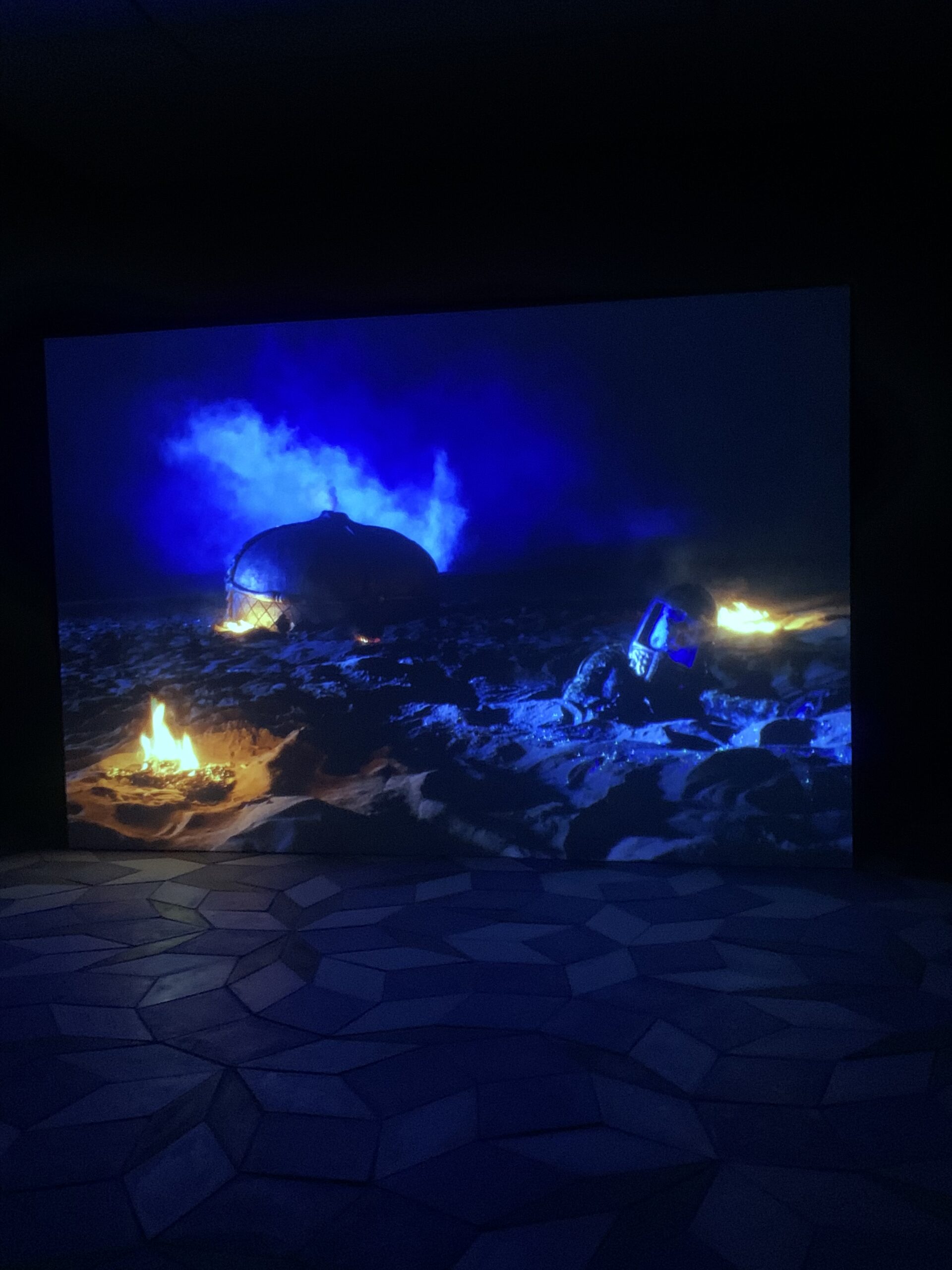
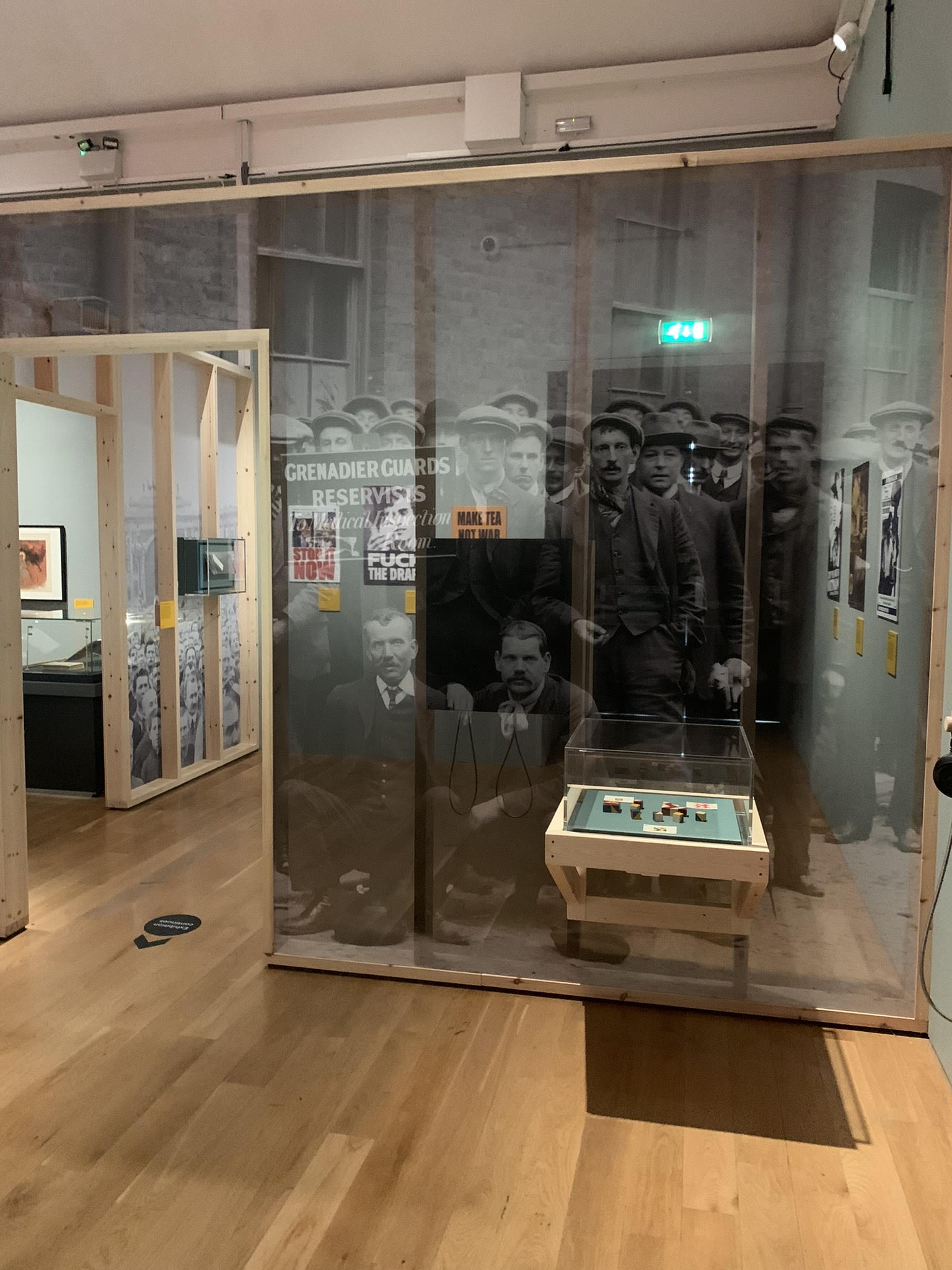
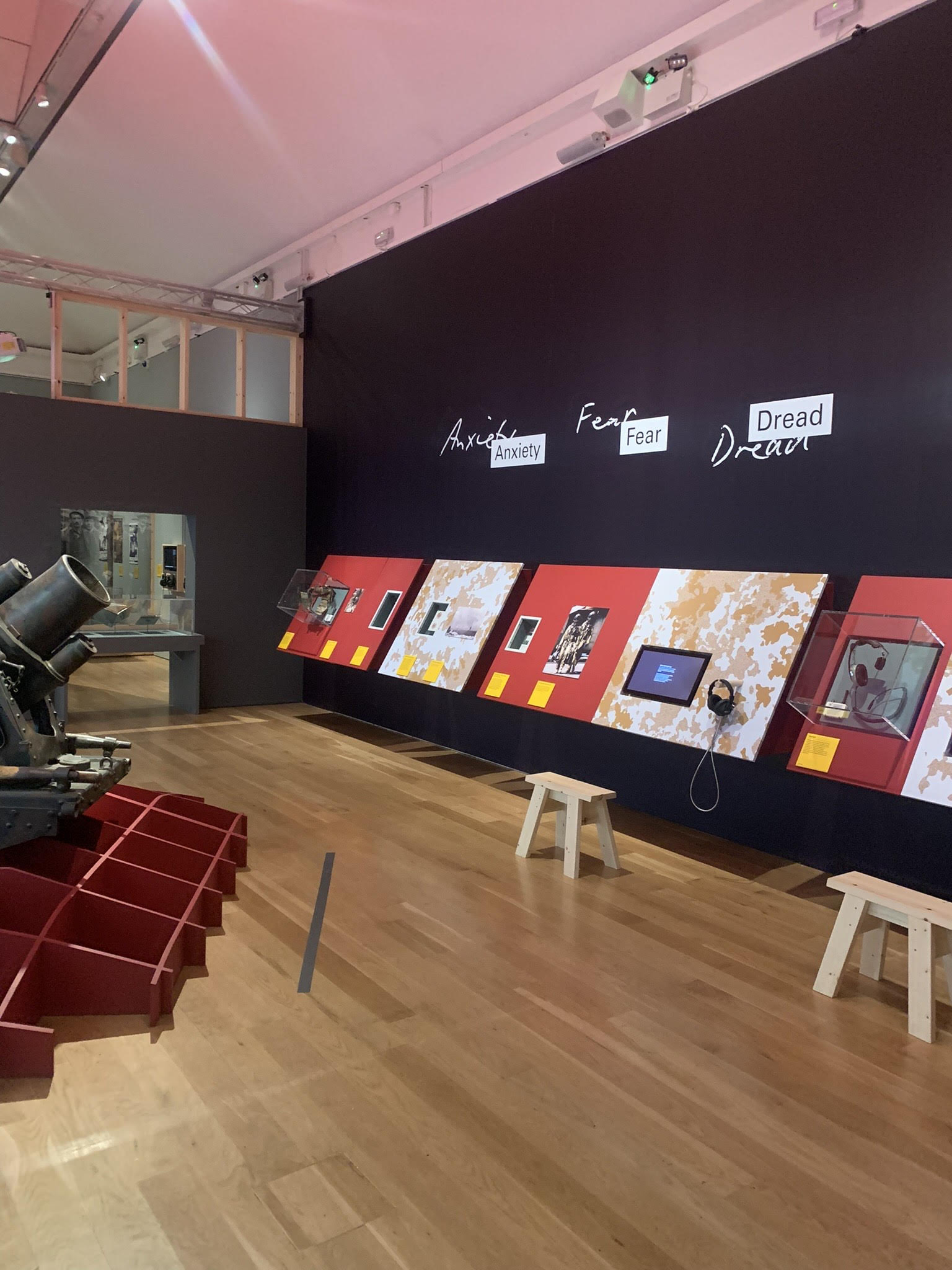
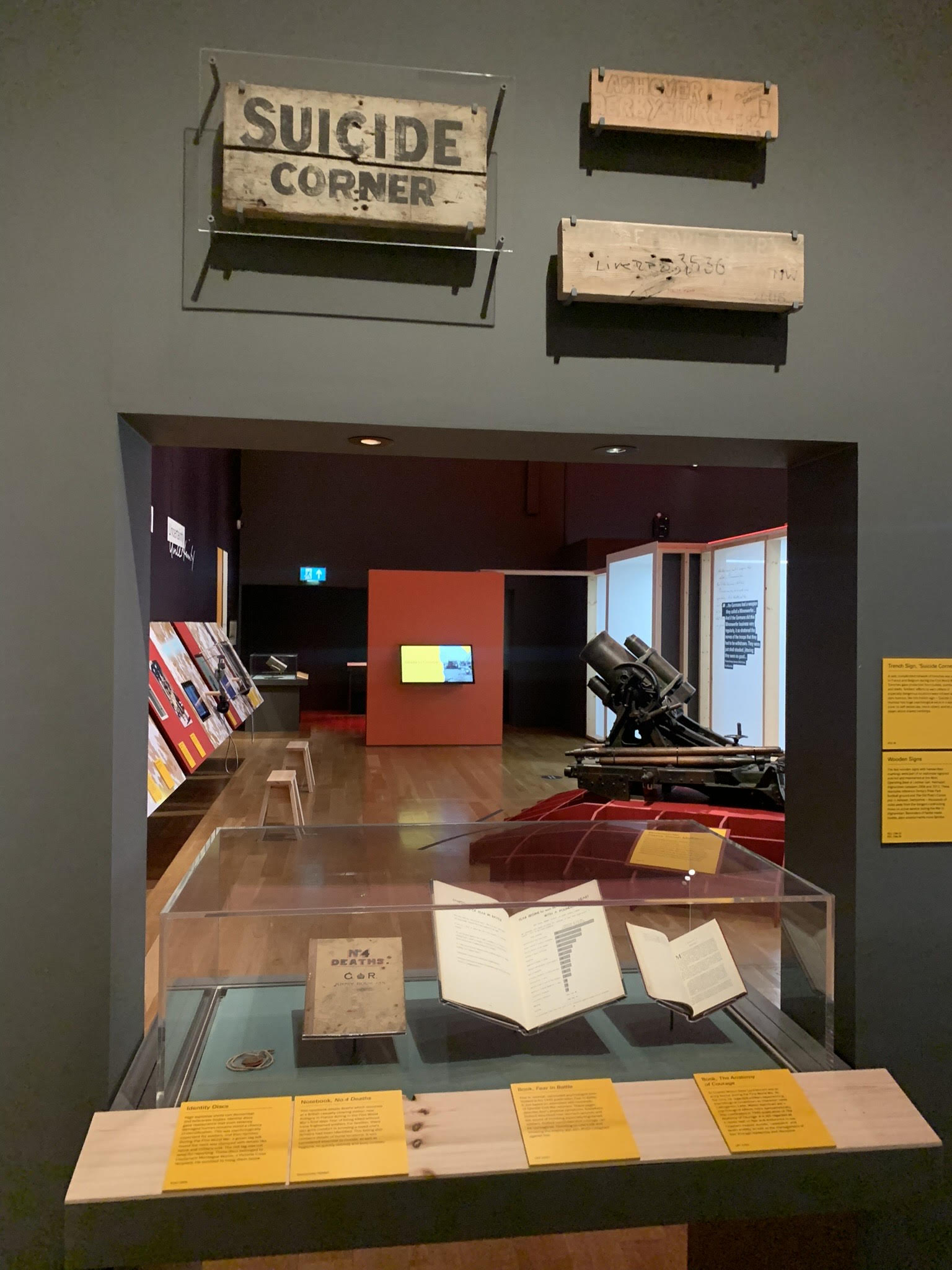
When you wake up on a lazy Saturday the first thing that comes to mind probably isn’t ‘ooh I think I’ll pop out for a quick exhibit about psychological warfare’. So we might need to deploy a rather cunning sales job to convince you see the latest offering at the best museum we bet you’ve never been to, the Imperial War Museum.

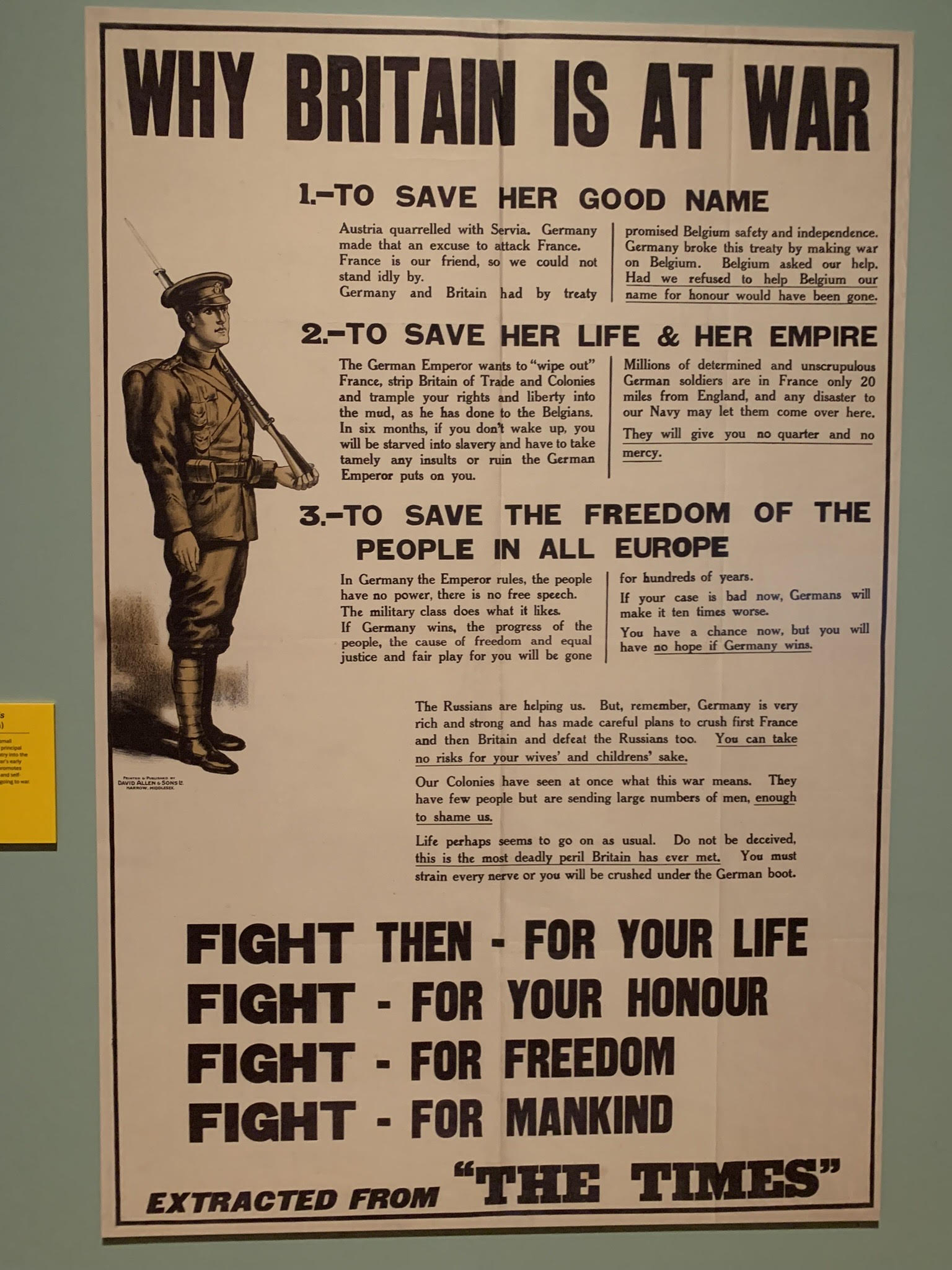
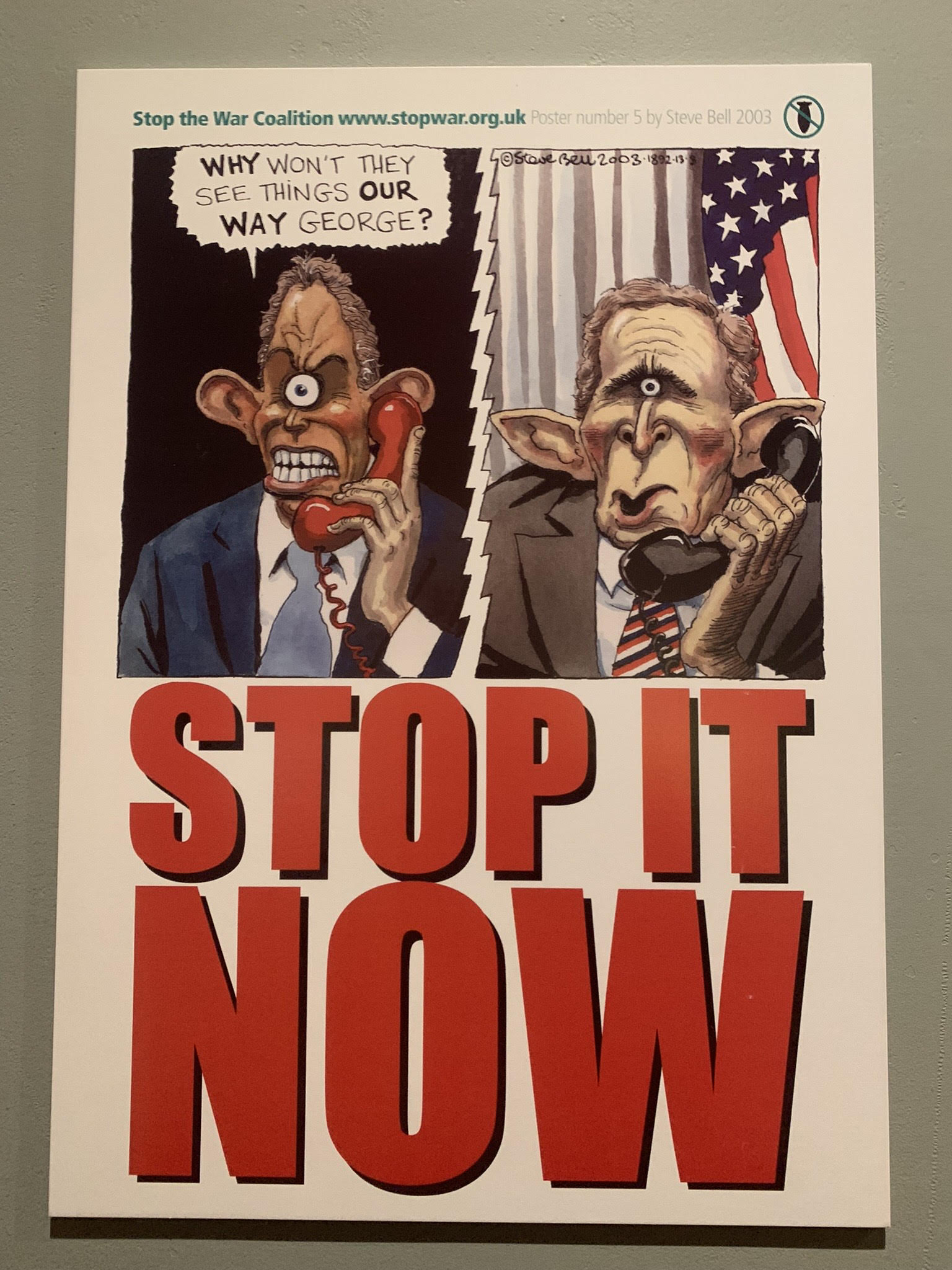
We unfortunately live in a time of polarising political opinions where people constantly feel as if they have a moral high ground. Convincing a majority to engage in war therefore requires the use psychology in order to achieve a consensus. War and the Mind begins with what is referred to as ‘the fallacy of the righteous cause’ which can delude people into believing that war is something virtuous. This also works the other way, which brings to mind protests against the Iraq war in 2003. 

The exhibit gets more personal as it progresses and delves into how psychological warfare is used to frighten and therefore weaken a population. This can be achieved by drones (more on that later), propaganda, rumours, gassing people, spying and cutting of essential services. And not to forget the psychological warfare perpetrated against soldiers in the field to demoralise them in the midst of terrifying situations. 

On a lighter note, in a war zone danger and disorientation can confound the brain. So near the end of the exhibit theres a rather hilarious illustration of how mind altering drugs such as LSD are used as a means to determine how soldiers remain focused when they are, frankly, off their face. Don’t miss the film where soldiers are laughing so hard they can’t pick up their rifles. Now there’s a way to end armed conflict! 

While this exhibit might not possess the unbridled fun of as scarfing down a pizza by the seaside, War and the Mind is on now until 25 April and is totally free. And (nerd alert!) for those of you who can’t get enough of the topic, from 7 November IWM will have en exhibit about the psychology of drone warfare. 

Local Heroes of Kennington

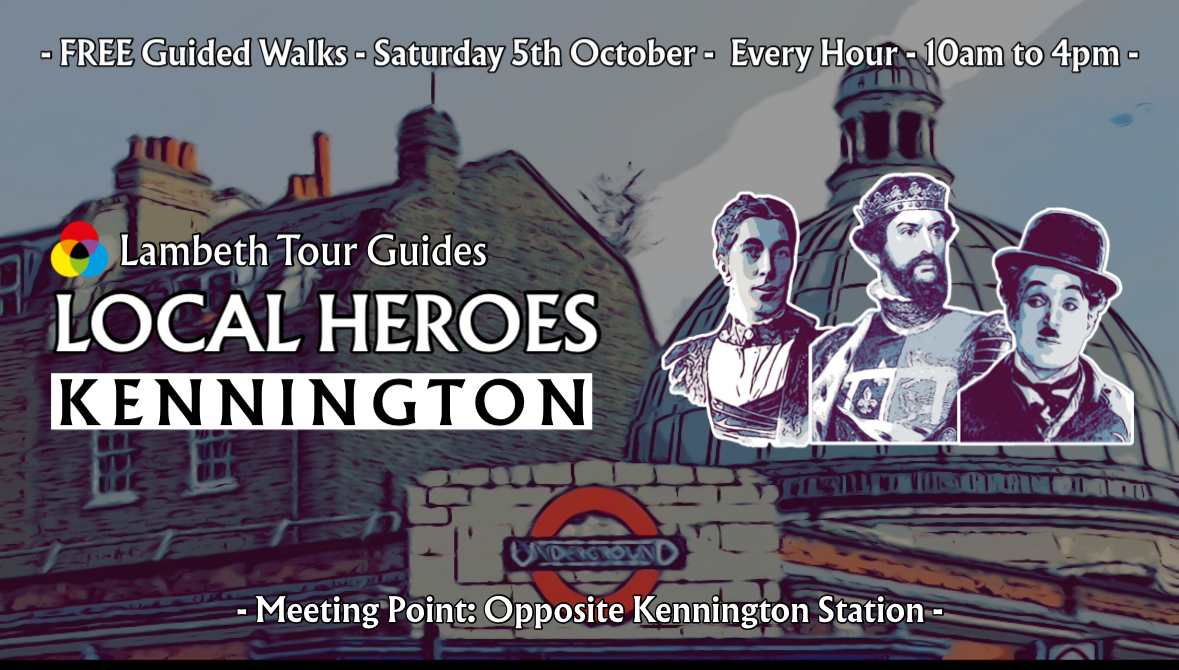
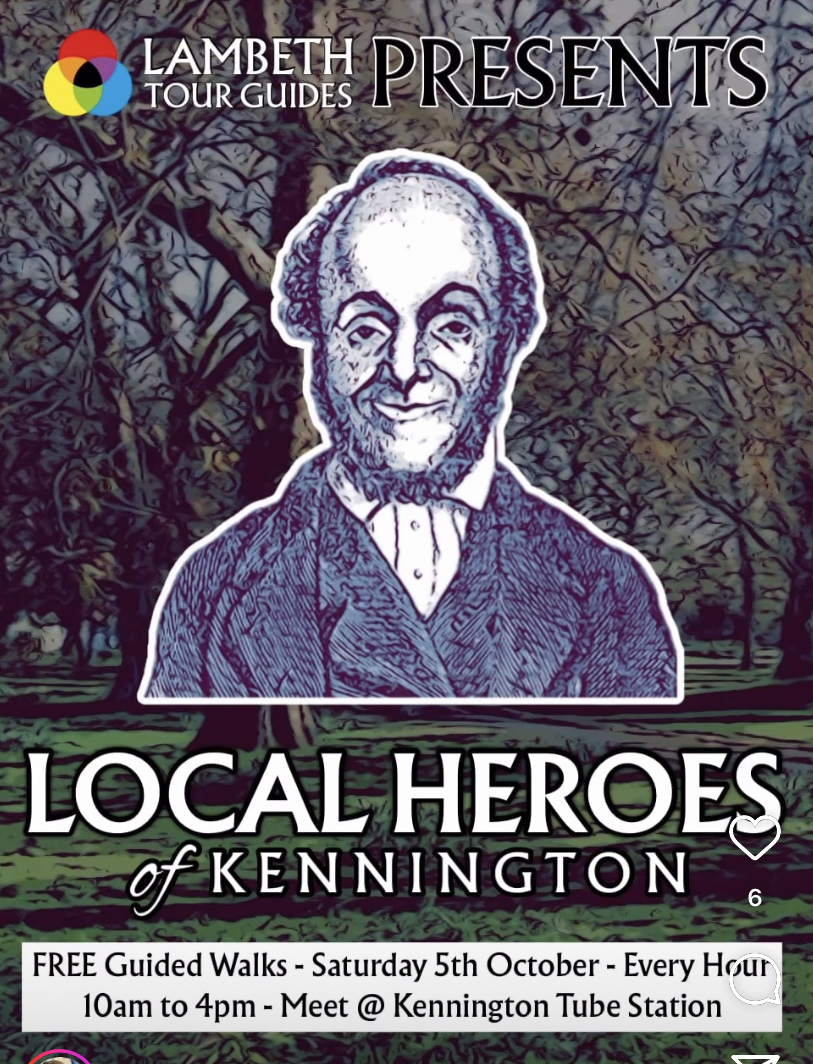
This Saturday (5 October) is London Guiding Day, and we’re here to guide you about a fascinating walking tour around Greater Kennington that will be undertaken throughout the day, brought to you by the good folks at Lambeth Tour Guides  

Local Heroes Kennington is our representation for Guiding Day, and reading from the press release ‘The Kennington tour will introduce you to suffragette art students, the son of a slave who rallied the working classes, a Black Prince and a little tramp, ending at Oval with some trailblazing cricketers’. The press release also encourages people to leave the area in order to ‘discover more tours around London’. We don’t encourage this. 

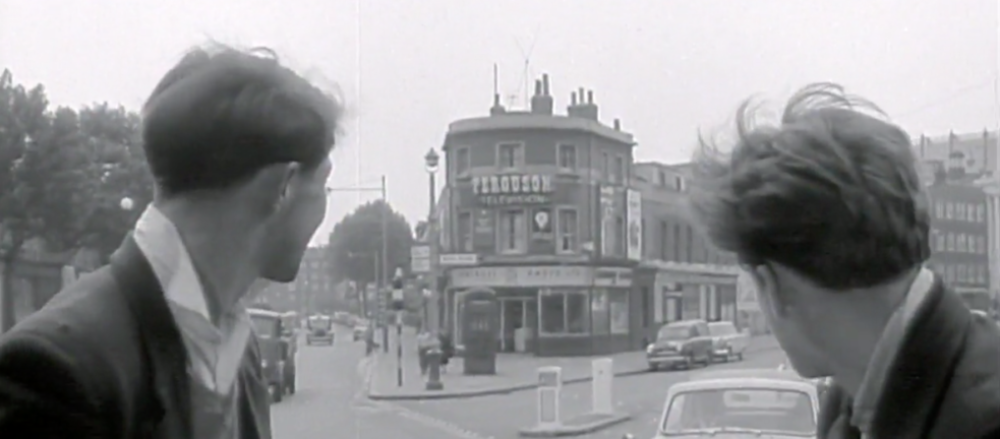
The tour will include notable and notorious denizens of Kennington including Jemina Durning Smith, Charlie Chaplin, the Black Price, and a whole bunch of ancient people on Instagram who we don’t recognise but who must have been very important. We’ve been notorious in Greater Kennington for over a decade now, so it’s curious that no one knocked on the door of our subterranean bunker to interview us. And we, unlike the lot above, even have the distinct advantage of still being alive. But we’ll get over it.  

There will be six identical tours running on the hour and they meet at Kennington Station and can be booked here.  They are free, but these people are professional tour guides and a tip (a fiver will do) will go a long way to expressing your satisfaction. 

Fun Event This Weekend at Bee Urban

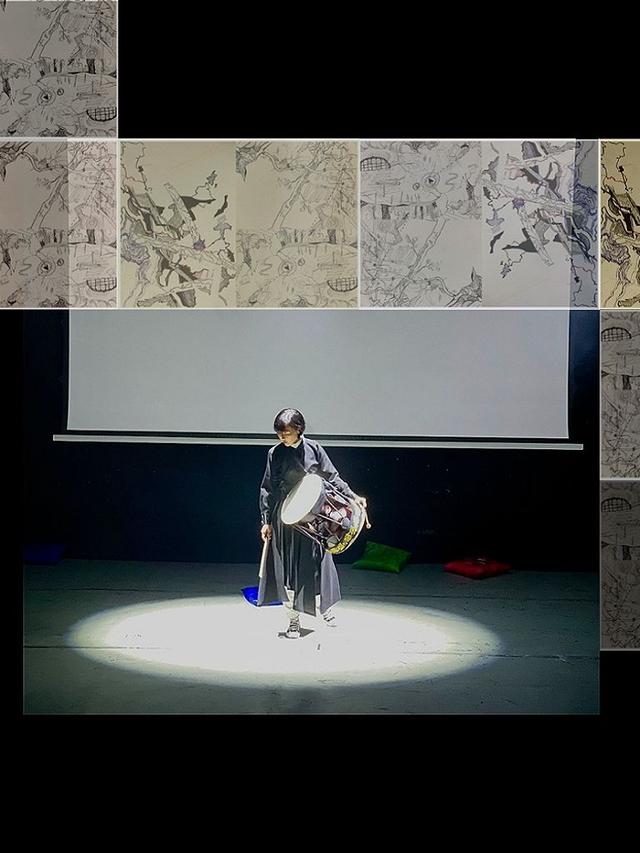
We might be taking the word ‘fun’ a bit far here but this event on Saturday certainly sounds bonkers so of course we’re interested. Of the information available by the QR code, the event ‘is grounded in spoken and written and spoken language’ with live performances including a jazz band. This is all sounding a bit New Agey to us, which begs the question of bees actually getting involved in the event. We’re thinking along the lines of synchronised stinging.

Multipolyscripttoscribble (?) takes place this Saturday at Bee Urban in Kennington Park

The Lambeth Fringe 2024

Frequent readers are aware that we make recommendations to travel outside Greater Kennington very rarely and do so with a profound amount of caveats. However, we’ve recently stumbled upon something that is both entertaining, localish, and supports up and coming independent creative types. 
The Clapham Fringe has been running for eight years and, based on its success, earlier this year they made a decision to expand its borders and rebrand it as The Lambeth Fringe. The spiritual home of the Lambeth Fringe is the Bread and Roses Theatre pub in Clapham North. However, with the expansion to over 150 shows, the venues now include a church, a bookshop, and a film school, in addition to purpose built theatres in Waterloo, Clapham, Norwood, and other Lambeth areas. The one local venue is a series of shorts being shown at the best museum we bet you’ve never been to, the Cinema Museum.  

Some of the writing at the Fringe is new, some adapted from Edinburgh Fringe shows, and others making the tour of fringe festivals.   In the mix at Lambeth are traditional plays, standup, drag, storytelling and music. We challenge you to take a punt on a show or two and you might be pleasantly surprised. Of course you might walk out thinking ‘what the hell was THAT’, but that’s half the fun. Anyone care joining us for Guru Dave’s Cosmic Shamanic Tantric Ego Trip?

The Lambeth Fringe is on now until 20 October. Explore the programme, including Guru Dave,  here. And you better act quick, as those Runoff wannabies Time Out are on to it! 

The School of Historical Dress

If you’ve never heard of the School of Historical Dress across from the Imperial War Museum then you’re in very good company. It’s very rarely open to the public but we were able to tour the building during London Open House weekend, and over the next few weeks they have a petite, pop up exhibit that will allow you to see a portion of it as well. 

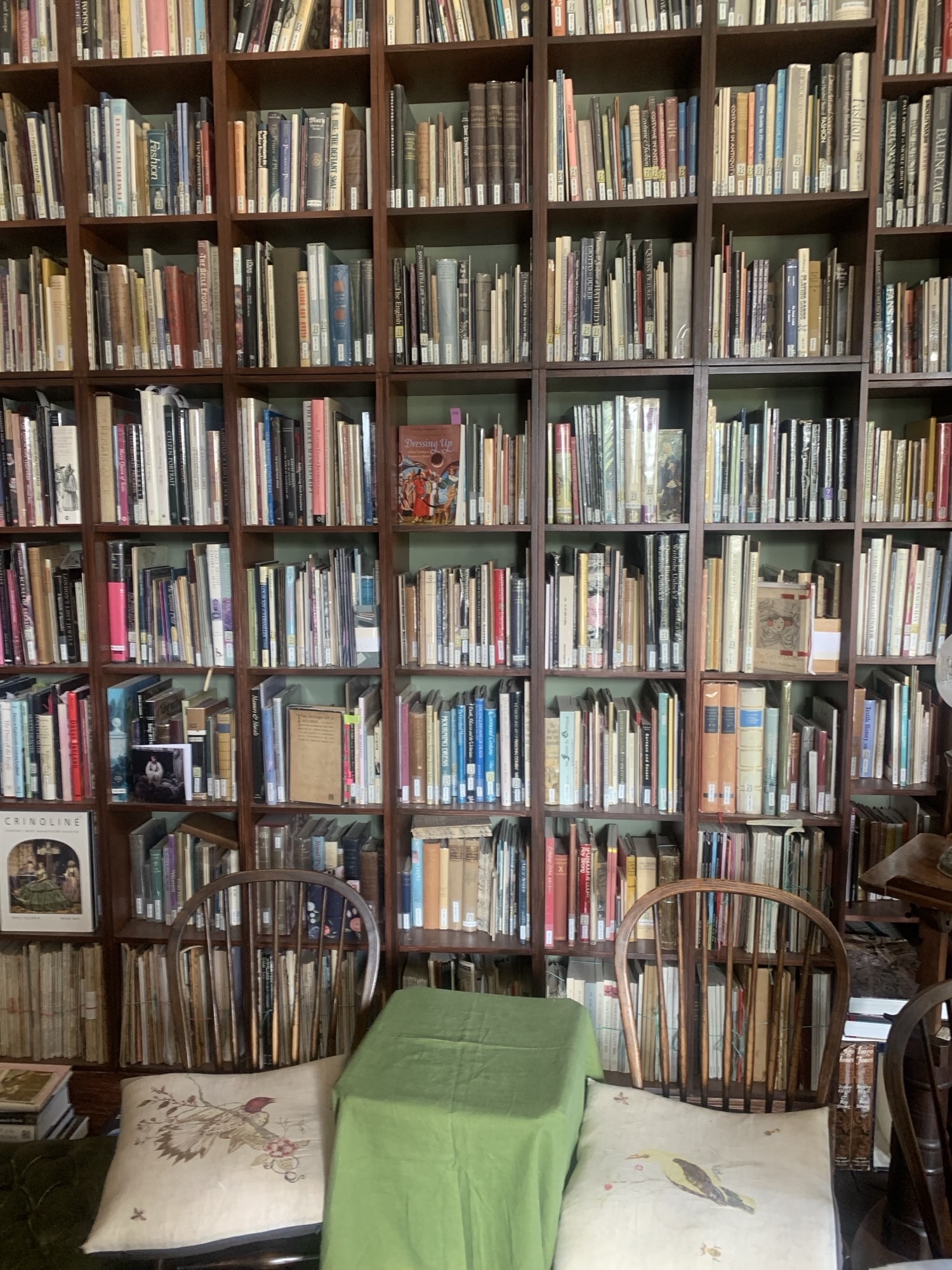
The School is not for profit and operates as both a school and a resource for textile professionals to research how garments were made. They also publish books about the history, cut and construction of garments through the years and have a database of books (lots of them) and material/outfits accumulated over the years. We’ve also accumulated a huge amount of old outfits over the years, but this relates more to the fact that the management at the Runoff pay us in vapour and we can’t buy anything new. But we digress. 

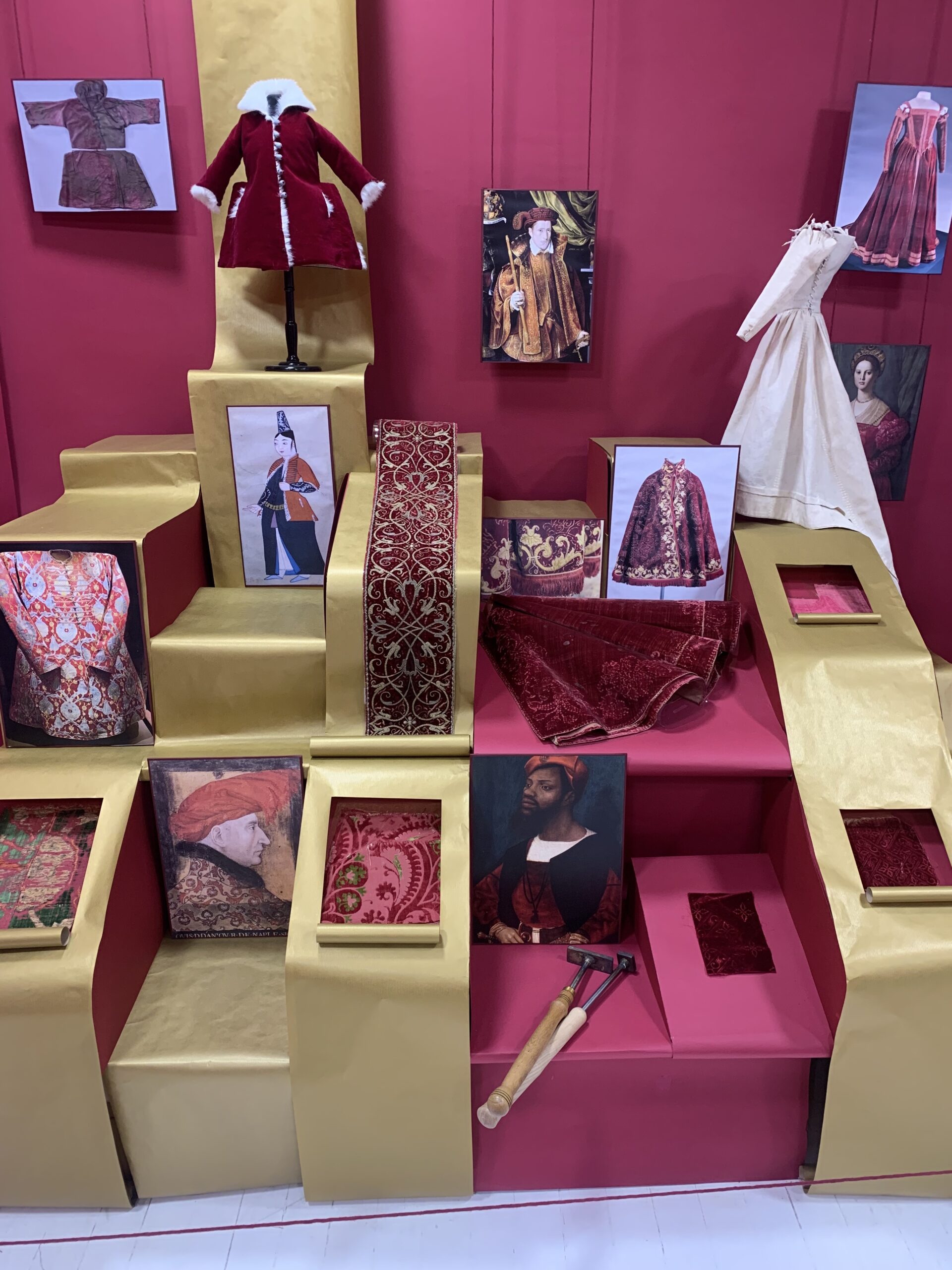
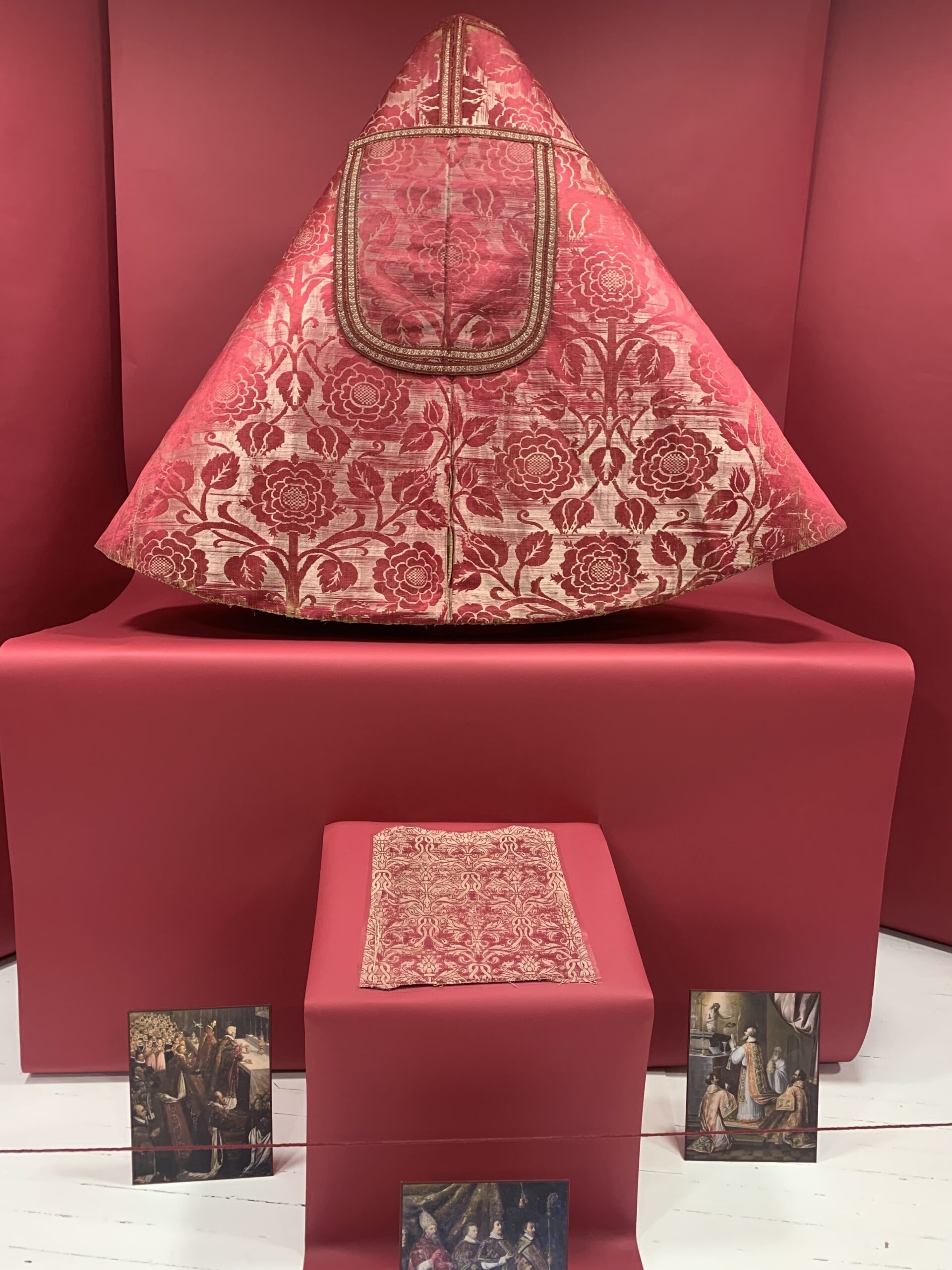
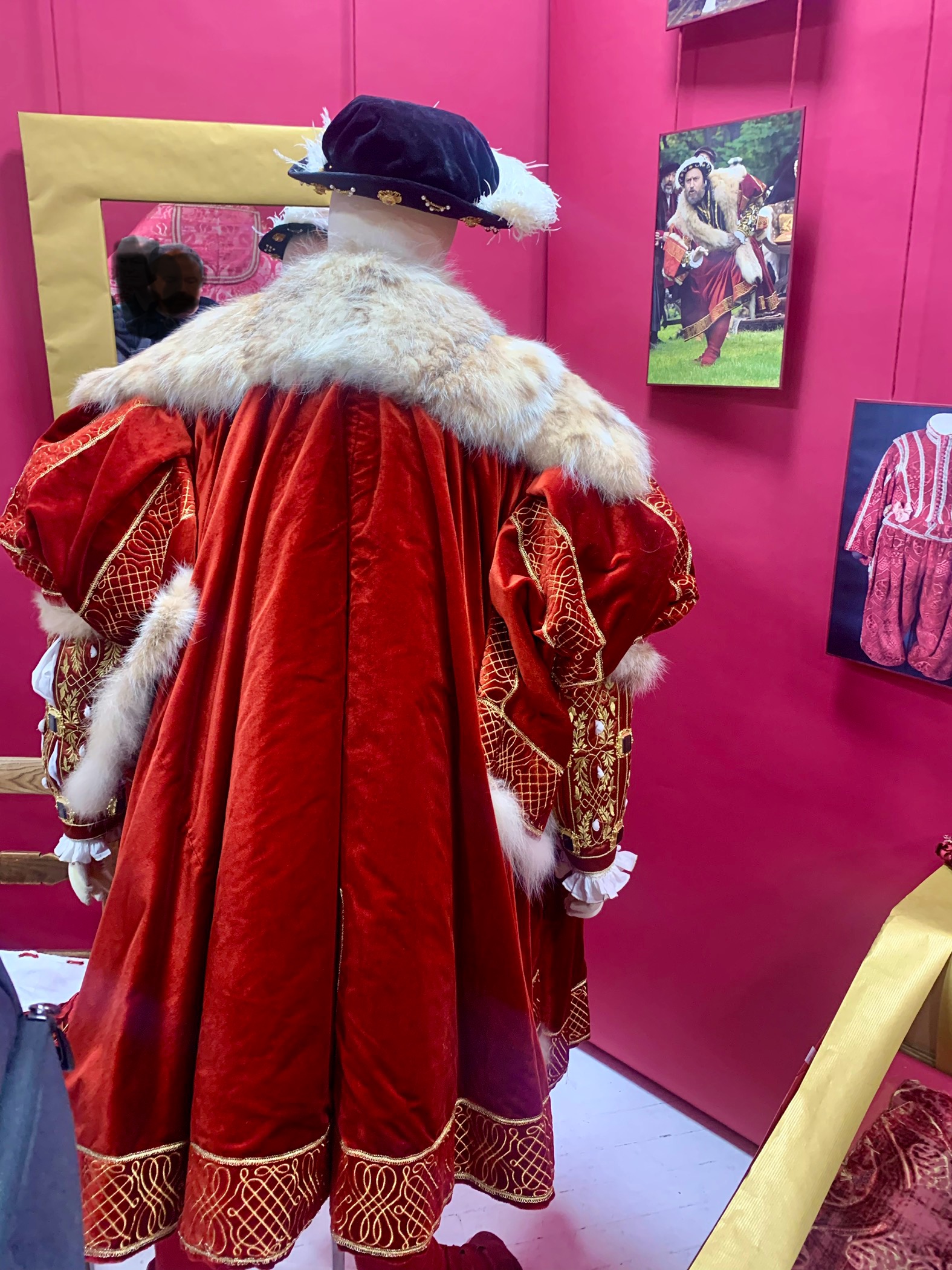
Over the past few years the School has had small, one room exhibits dedicated to colour and until 13 October the exhibited colour is red. On display are vestments, undergarments, and small maquettes which at first we thought were dog outfits but are in fact studies for larger pieces. Included in this exhibit is Jude Law’s Henry VIII outfit which they created for the very current film Firebrand. If one of the volunteers is present they can detail how the fitting was undertaken and the research required to create the garment. 

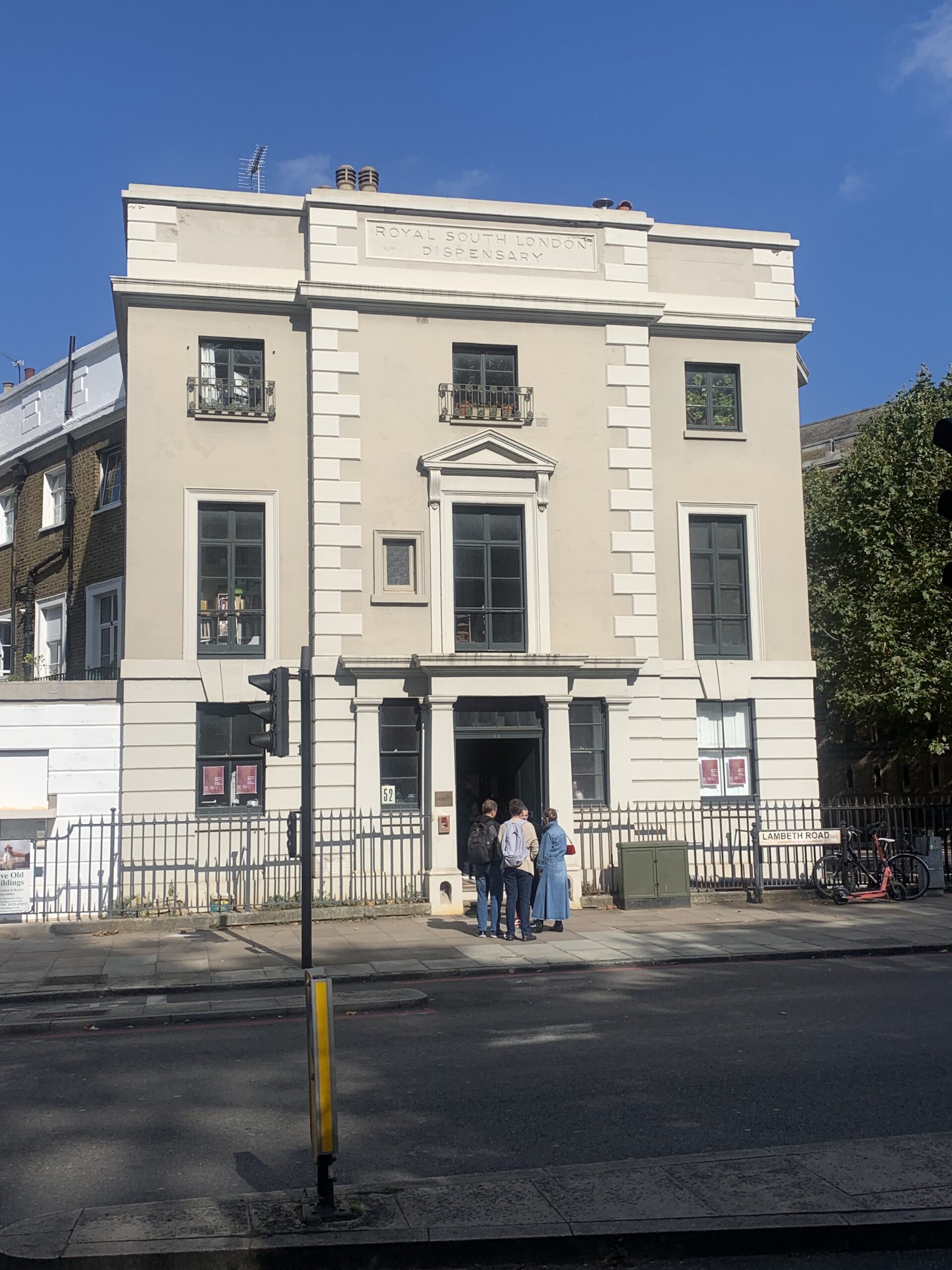
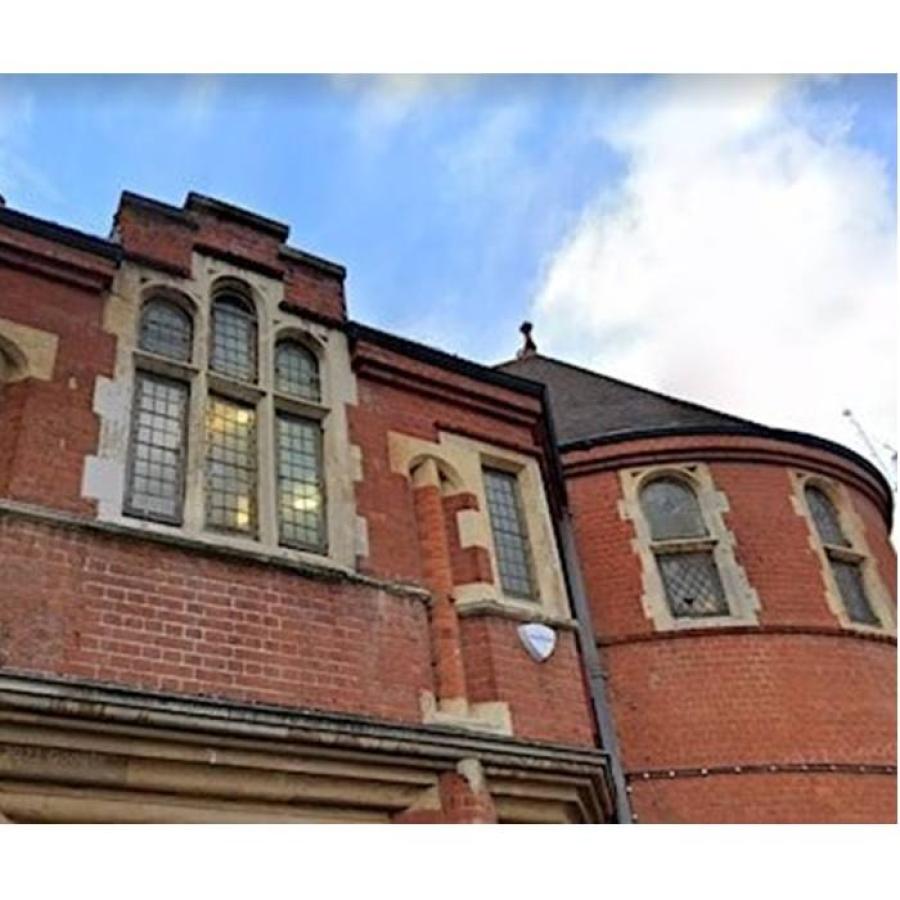
The building that houses the School is as interesting as the edifice across the road from it. Built in 1841, it was originally the medical dispensary for the Royal Bethlem Psychiatric hospital (from where we get the name ‘Bedlam’), which is now the Imperial War Museum. Latterly it was utilised as a home for shell shocked men after WW1, a canteen for doctors, and until 2016 a residential facility for adolescents. Staff at the School are very proud of their digs, and on our tour proclaimed that the reason the building is a form of gray is that this is how all of the buildings of the time would have originally looked,  the ‘Dulux White’ colour of other homes in the terrace being a 20th century conceit. We have put this in the ‘who knew’ filing cabinet at Runoff towers.  

If you want to attend one of the periodic events held at the School, follow them on Instagram or join their mailing list at info@theschoolofhistoricaldress.org.ukThe little show is open Friday from 4pm to 8pm and Saturday/Sunday from 1pm to 5pm

Free Culture Week 1 – Covi-Mora and Greengrassi Galleries

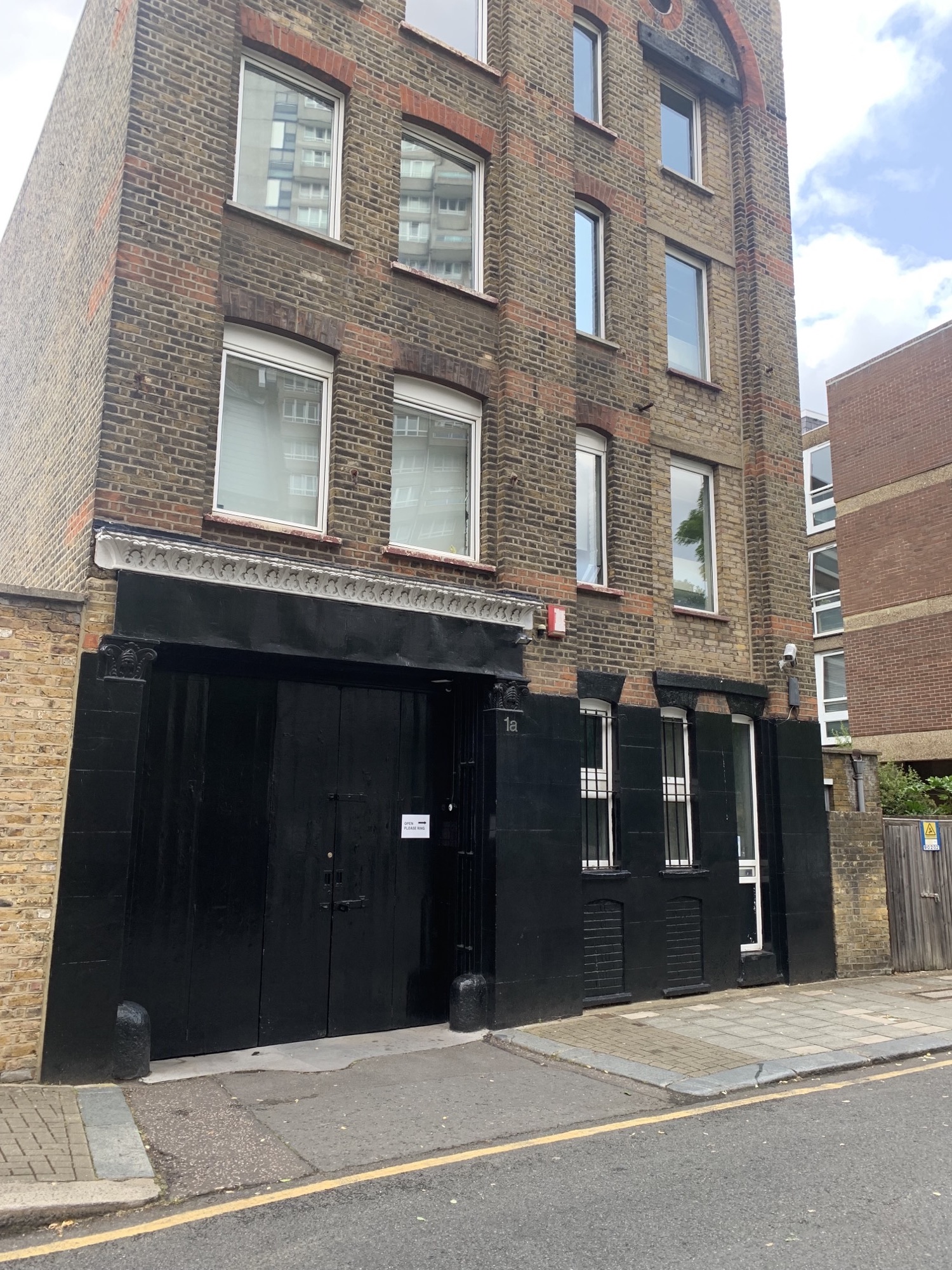
In the first instalment of our three part free culture crawl around Greater Kennington, we find ourselves in the highly acclaimed yet little known Covi-Mora and Greengrassi galleries,  located incongruously in a kind of alley behind the towers of the Hurley Estate. Commercial galleries can sometimes seems a daunting to normal folk such as us, but rest assured these galleries not only want you to visit but require it to stay afloat. And by looking at the many staff on hand scrolling through their DM’s, they welcome the diversion that your custom and mere presence offers. 

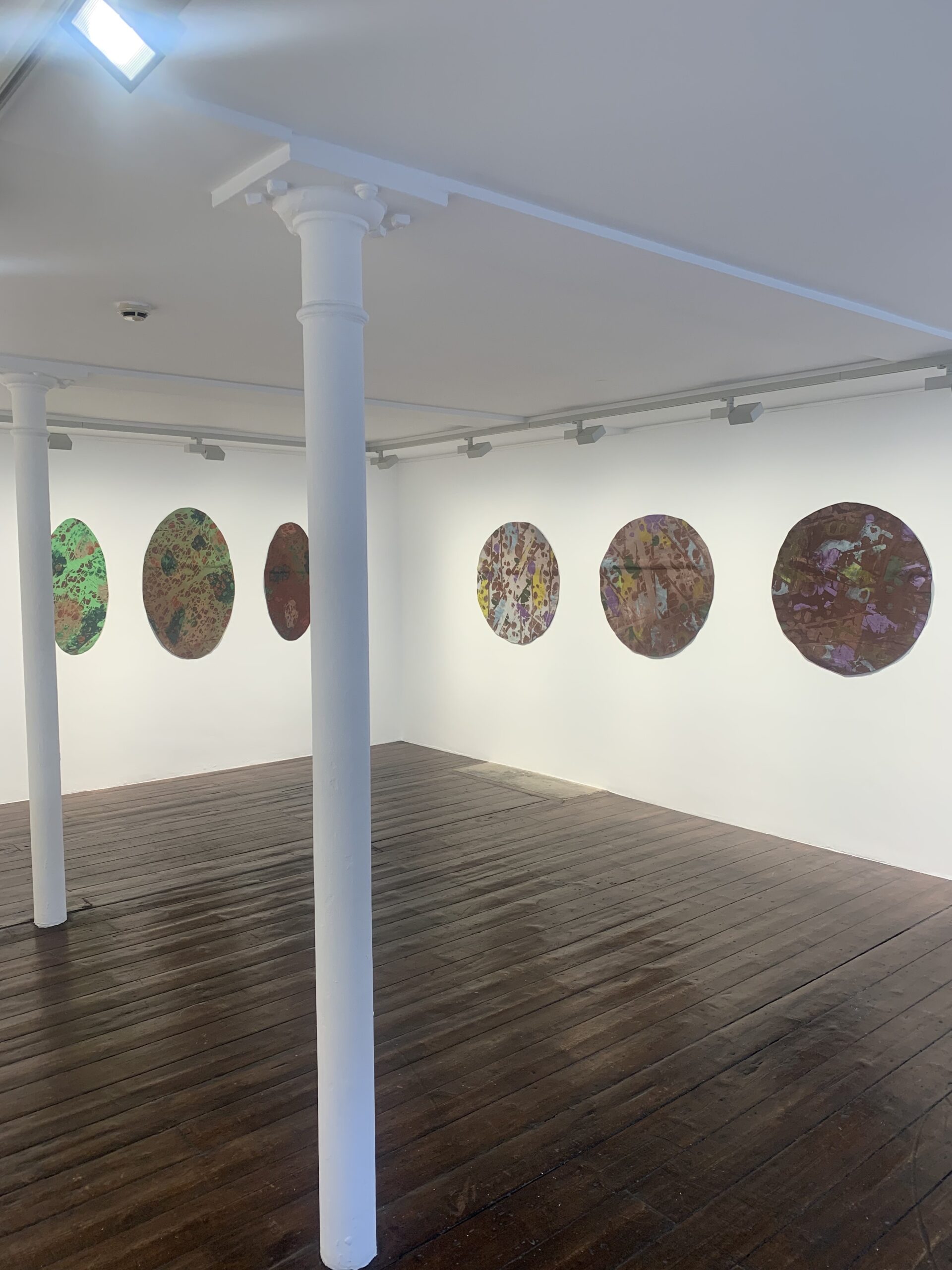
Covi-Mora is located on the second floor are currently showing work by American artist Myra Green.  The show is called A New Pattern, and she explores the way we perceive colour by the use of the ombre dye found in fabric. The results in these round works are captivating and create figures out of what look like random splashes.

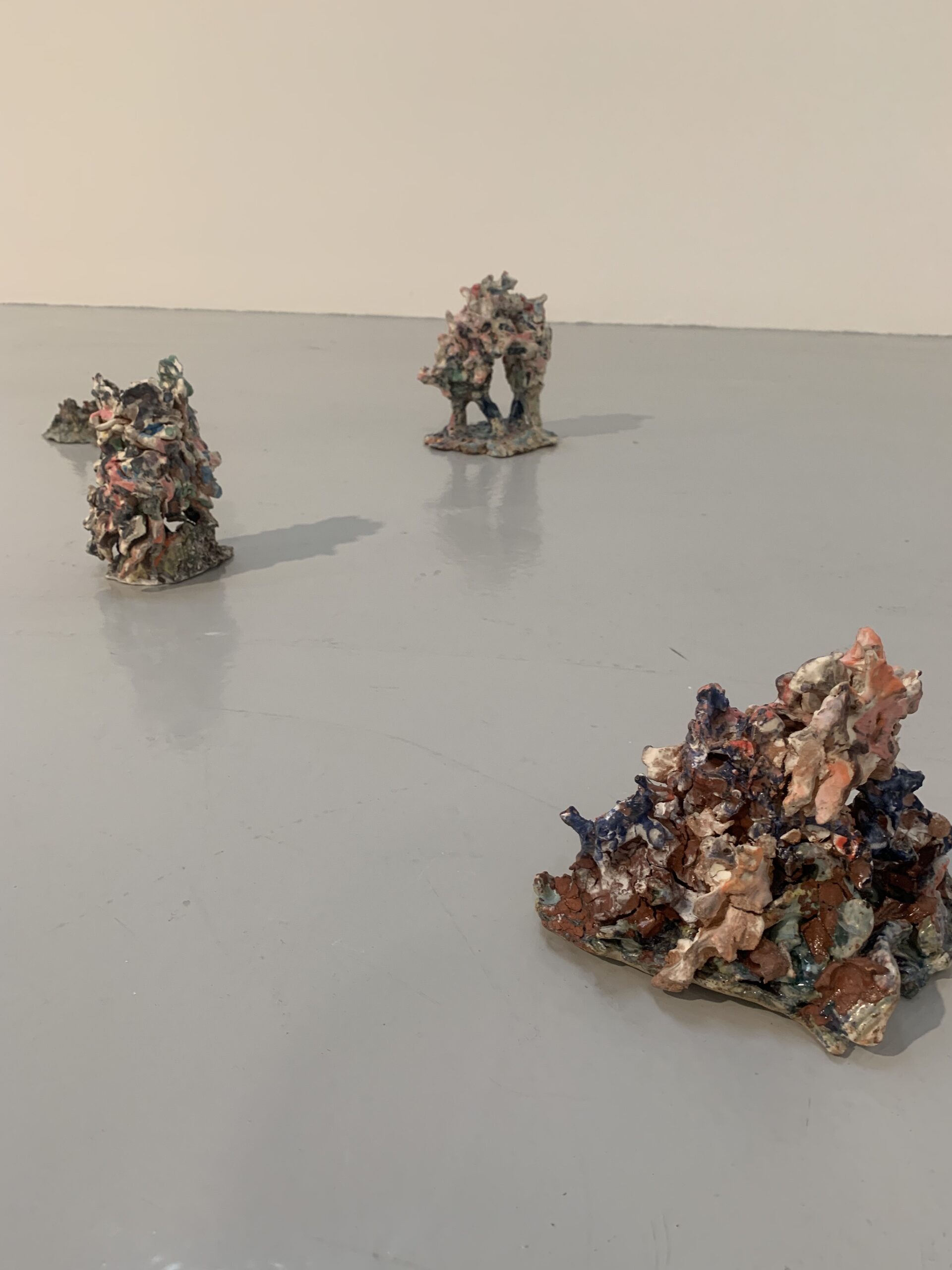
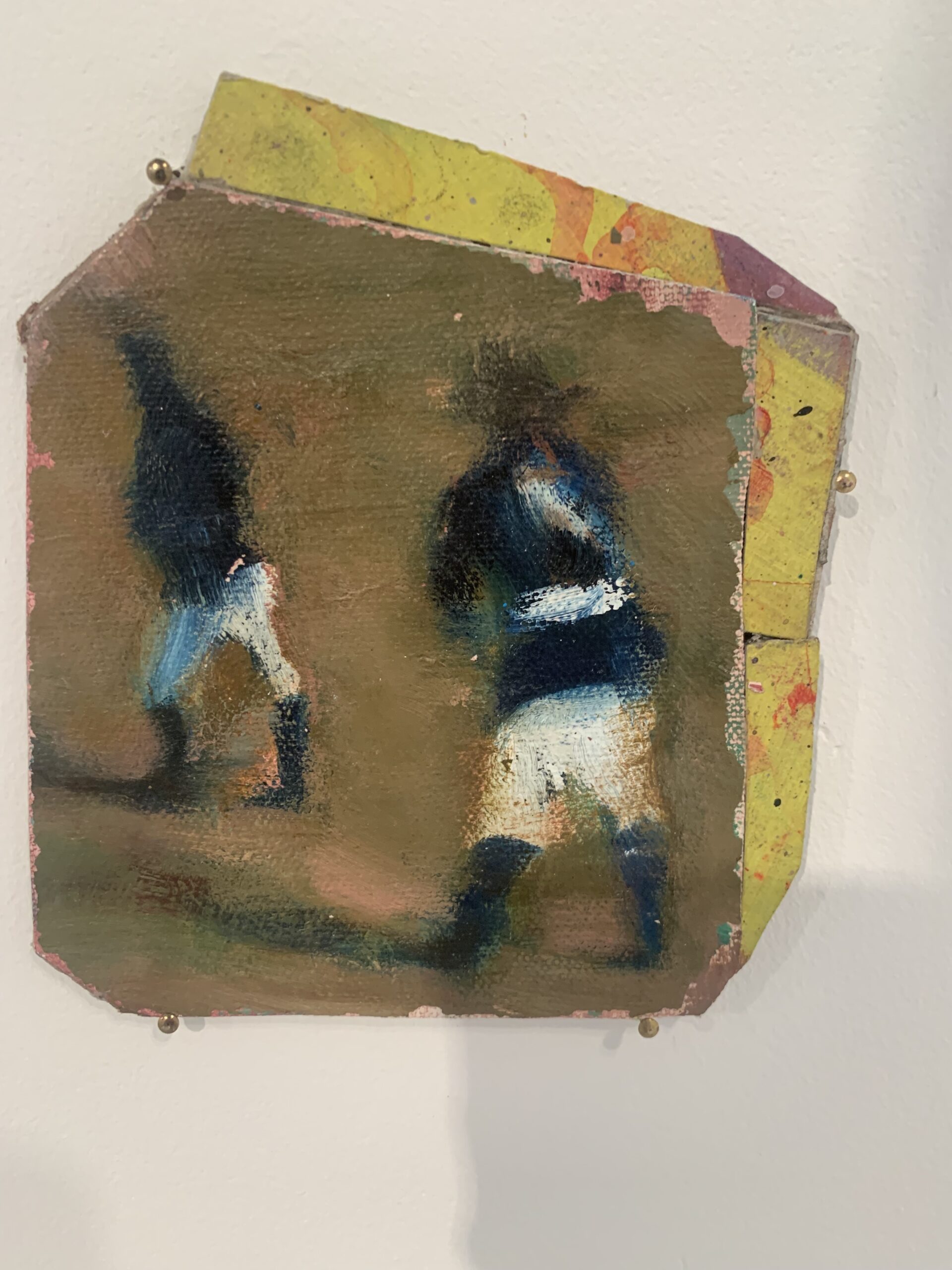
Downstairs in Greengrassi we come across the work Irish born and London based artist Anne Ryan. On the right are ceramics which look at first like random pieces of discarded and painted pottery but on closer inspection morph into mass heaps of humanity. On the left are small canvases which look as if they were ripped out of larger, French genre paintings. Everything from a carriage and horses to strolling soldiers are depicted in her miniatures. 

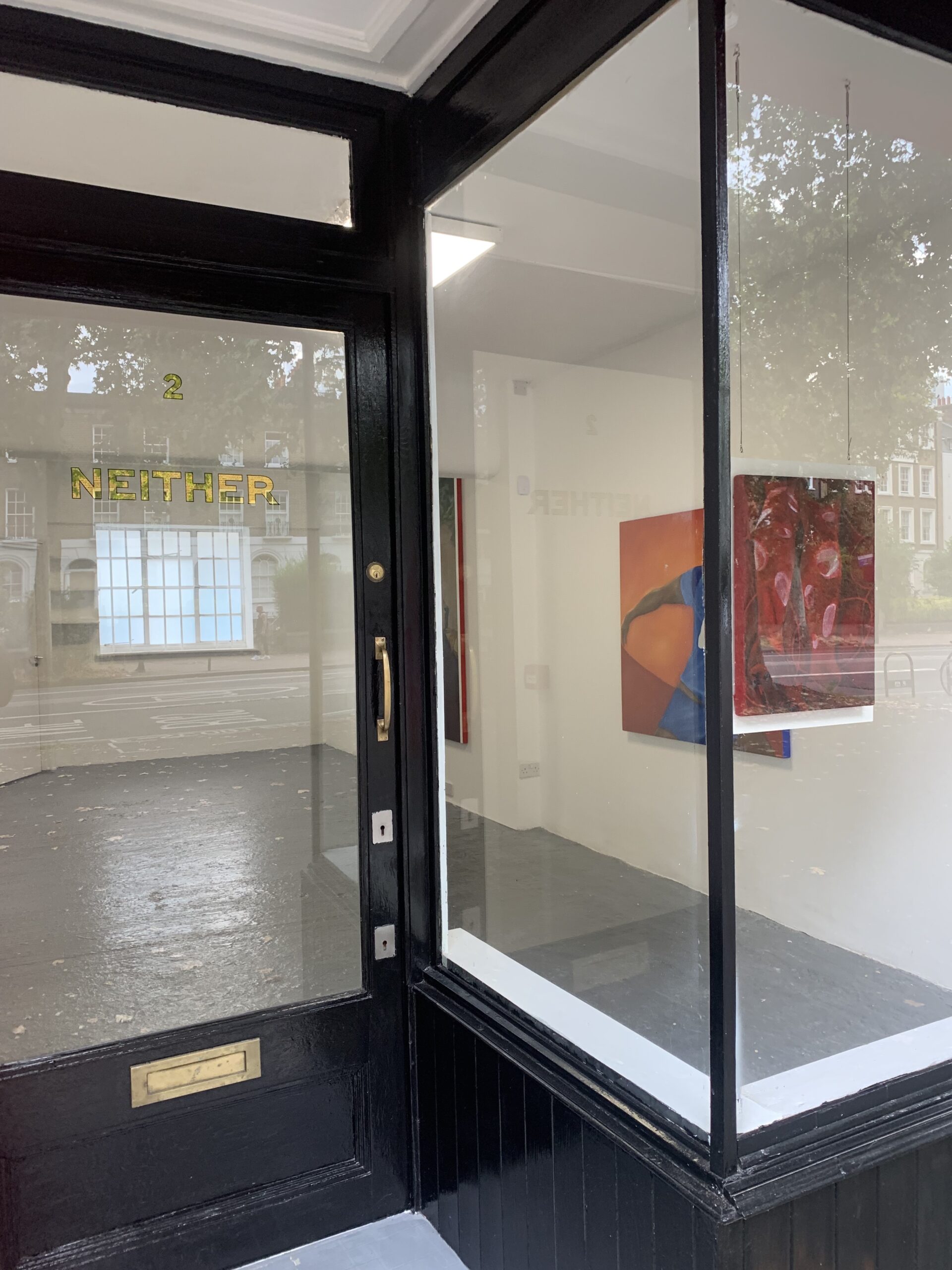
The galleries also operate a pop up gallery called ‘NEITHER’ at 2 Wincott Parade in Kennington Road. It is currently showing works by artist Anika Roach. Access to this site is by arrangement but as it’s in a shop front you can just see the paintings on your way home from the pub. 

Covi-Mora and Greengassi galleries are located at at 1A Kempsford Road SE11 4NU. The entrance looks not unlike the doors to a prison or a sex dungeon (not that we’d know), but once buzzed through the staff are very merry and helpful folk. The three gallery spaces are showing the current exhibits until the first week of October. 

Unseen Vauxhall

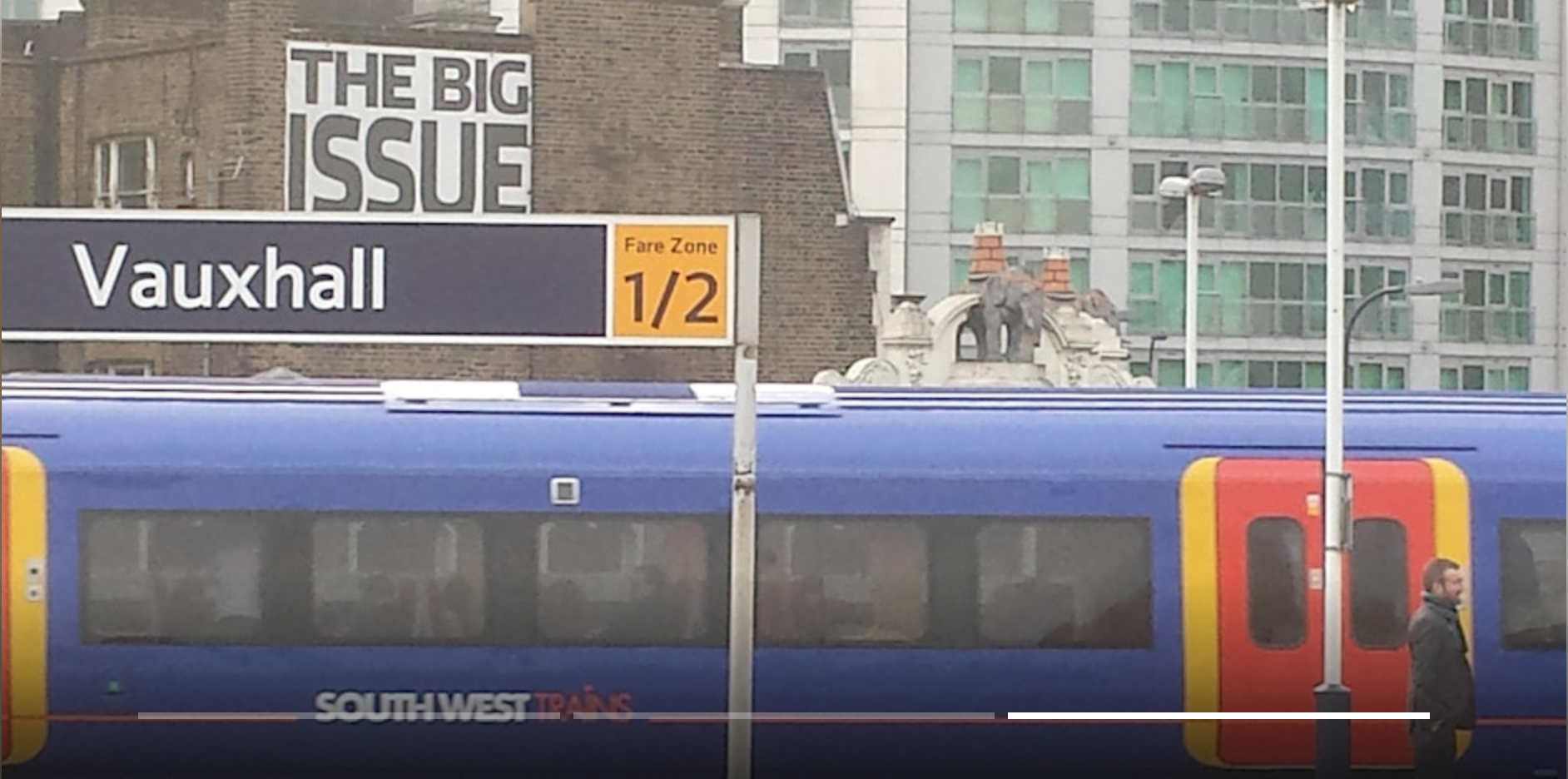
Lets be honest, we’ve all probably walked through Vauxhall and seen things that we wish we’d never seen, but we’ve just unearthed two fun walking tours that explore hidden elements of history that transpired there which we wished we had seen, but missed by a hundred years or so. 

Unseen Vauxhall – the Vanished and the Unseen is a two part, stand alone set of talks around Vauxhall and the Thames foreshore. The press release is tantalizingly short of detail, but states it will not be centred on the fabled Spring Gardens, which has been celebrated in books, Bridgerton and, most importantly, by us. These walks usually cover areas such as local discoveries, scandals, famous residents, notable architecture and political protests. 

Unseen Vauxhall is taking place on Tuesday, 3 September from 15:30 to 17:15. It is such a large topic that there is also an Unseen Vauxhall part 2 on Friday, 13 September from 13:30 – 15:30, so you’ll need to bunk off early from work. Tickets are on sale now for £12 but won’t be for long as the sale ends on 1 September. 

These two events are part of the larger Lambeth Heritage Festival taking place throughout September, many of which are free. We would happily send you over to the Lambeth but the links on their website *coughs and stares out window* aren’t working. We did unearth this .pdf, as we love you almost as much as you love us.

On the Trail of William Blake

Some of us are lucky enough to spend at least a portion of our week working from home. If you’re anything like us (and you are, trust us) you might be a bit fed up with the same circuitous lunchtime walk around Greater Kennington. Well the other week we were able to squeeze a little time between sending endless faxes and stapling, and we discovered a little surprise that that could be a stimulating lunchtime destination for you. If hanging out under railway arches is your thing. 

William Blake was a true Renaissance man of late 18th century London, and spent his most creative and expressive years (1790 – 1800) living in Hercules Road in Lambeth North. A visionary poet, printmaker and painter, Blake was undoubtedly a genius and is now considered a titan of poetry. But in his day he was misunderstood, ridiculed, and criticized as a menace to society. So a bit like the staff here at the Runoff. 

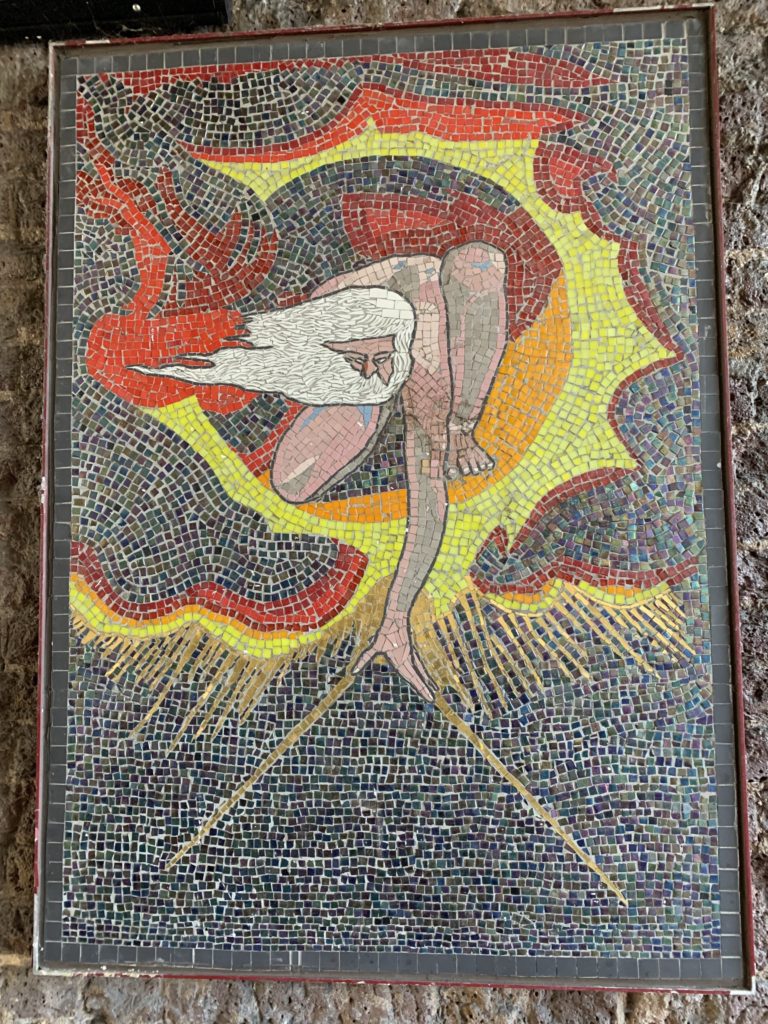
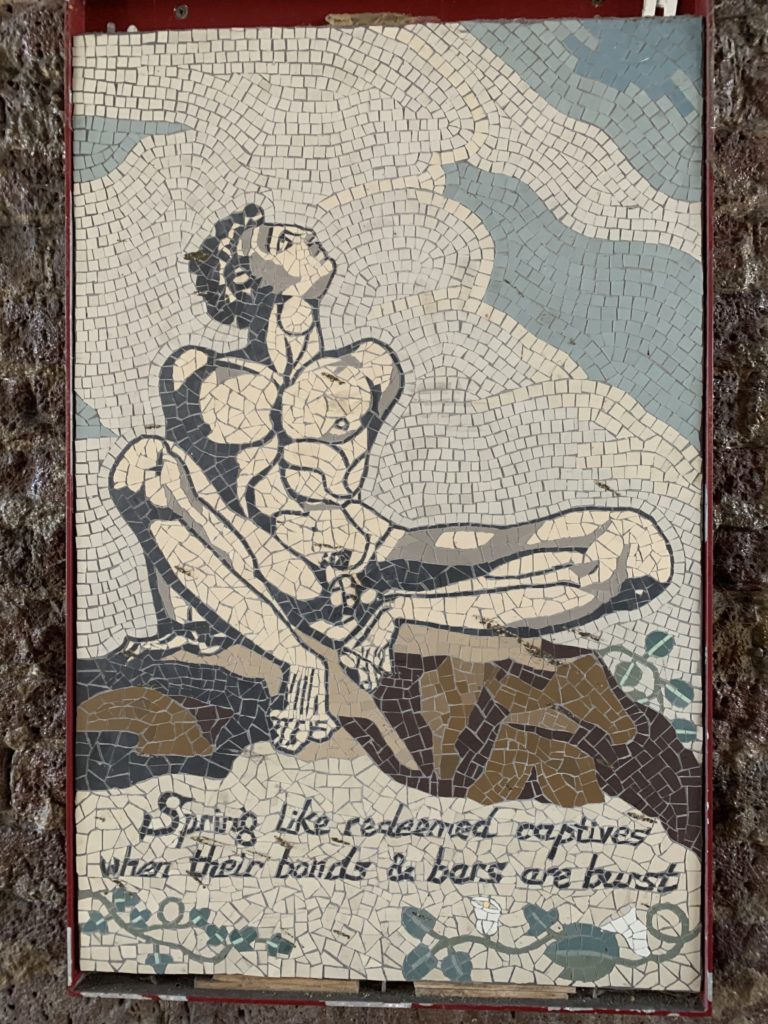
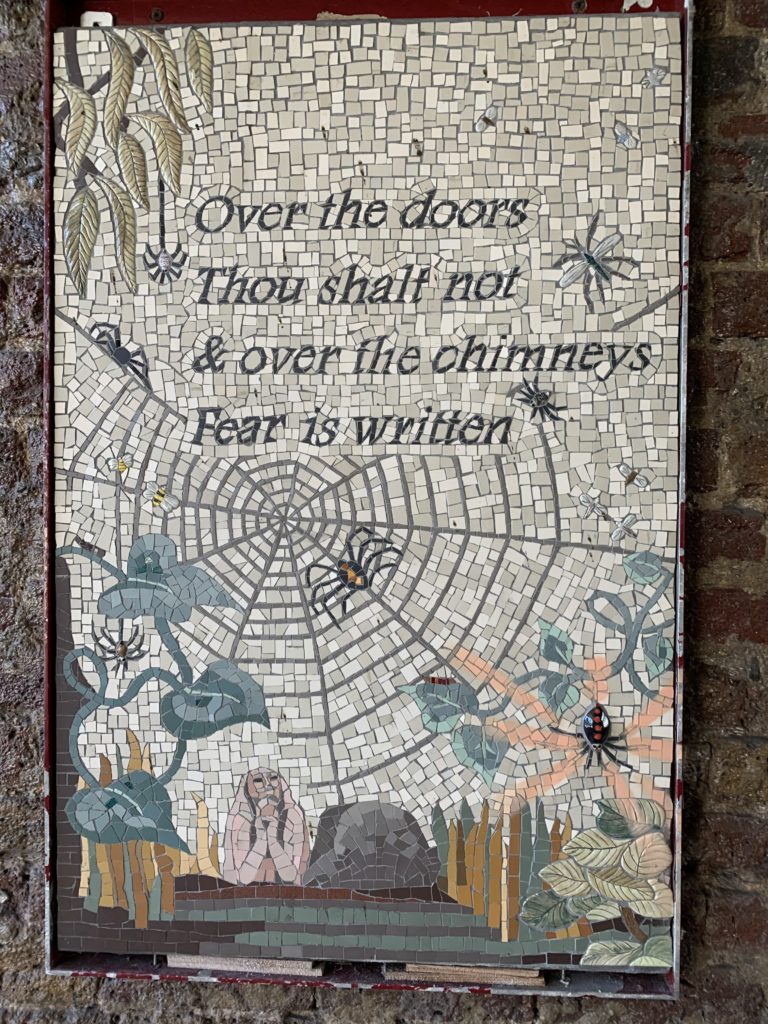
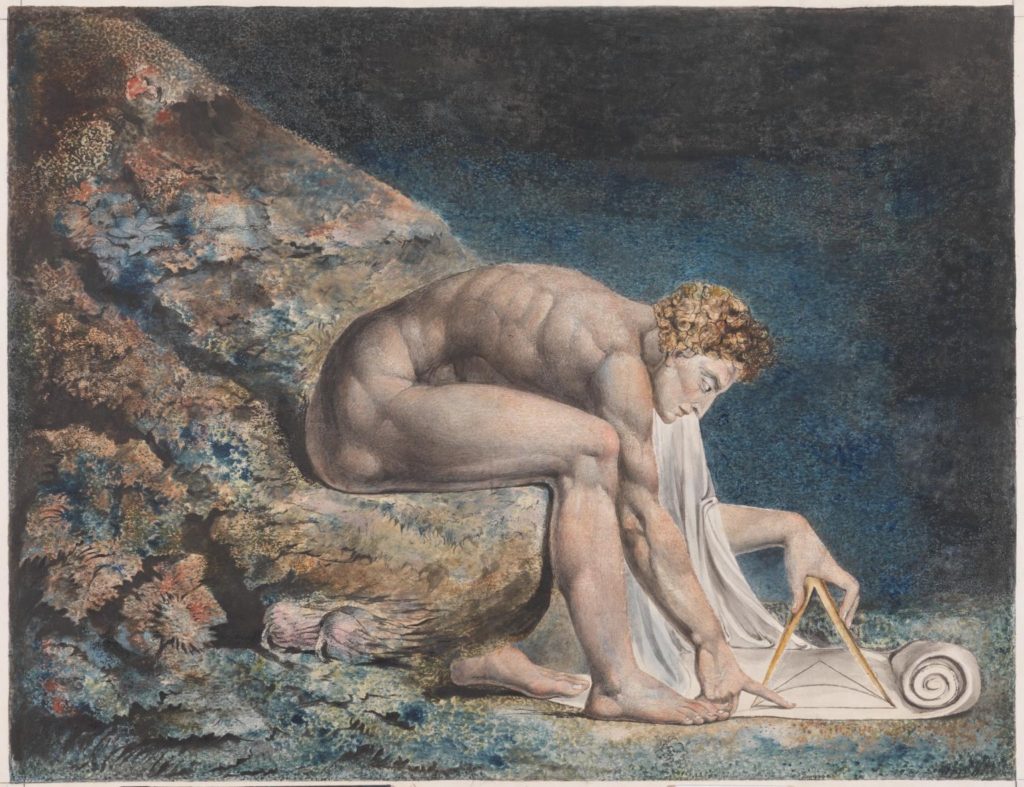
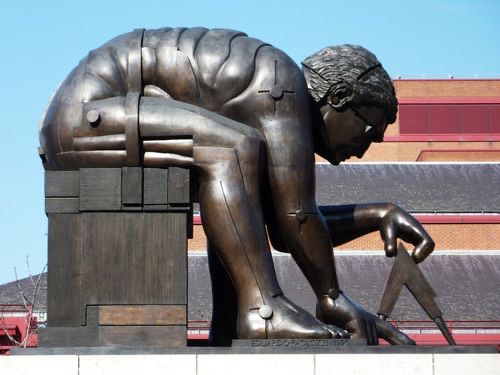
Of his many great visual works produced in Greater Kennington, the best known is probably ‘Newton’ (below), depicting Issac Newton with an outstretched hand holding a compass. This work was a favourite of Eduardo Paolozzi who immortalised it in bronze, and now sits mightily in the forecourt of the British Library. Some of Blake’s best known illustrations have been recreated in mosaic tiles and now decorate a railway arch that leads off of Hercules Road. Together they create the sort of urban derelict atmosphere that Blake himself was drawn to, and are well worth a lunchtime wander. 

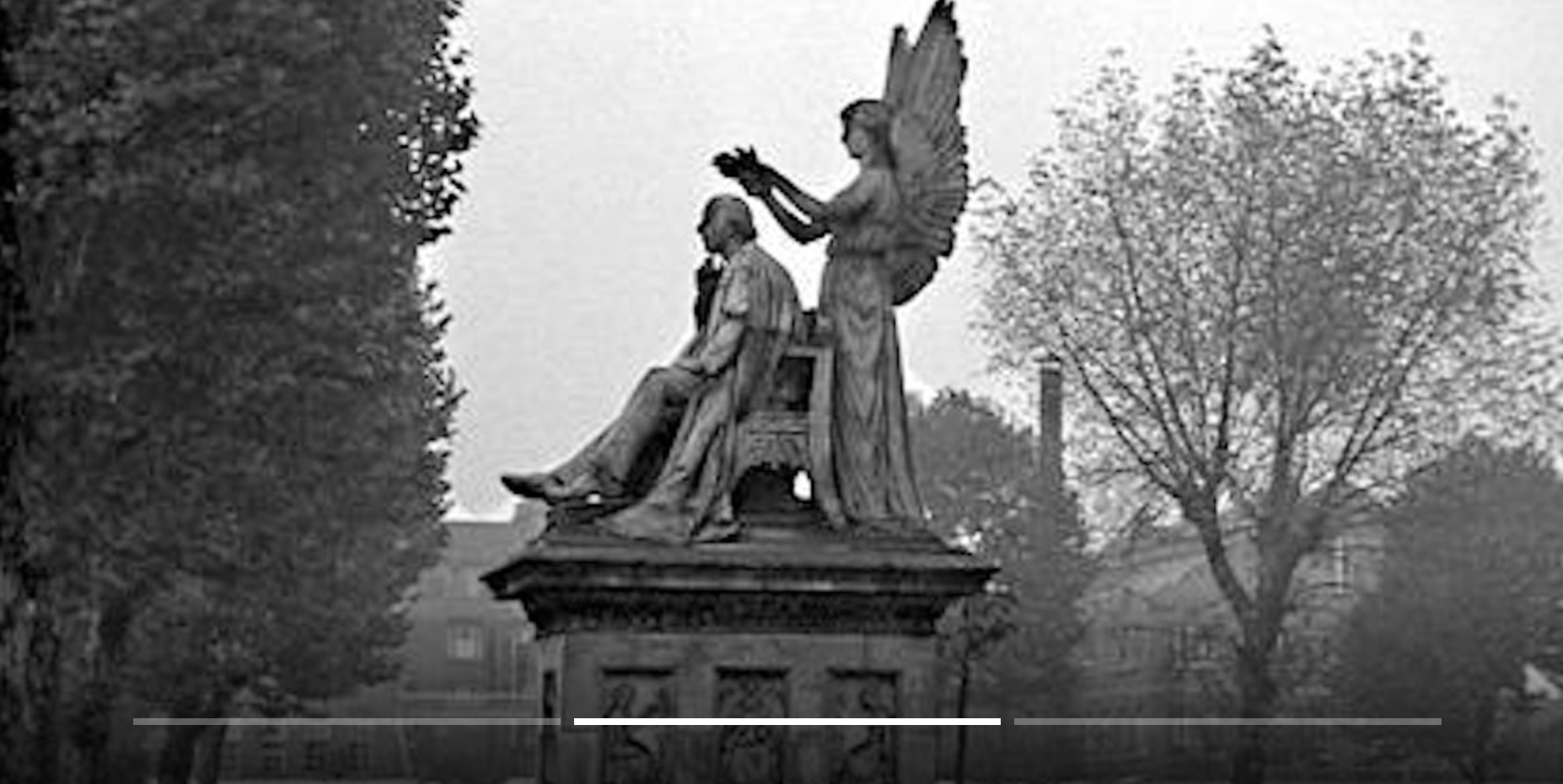
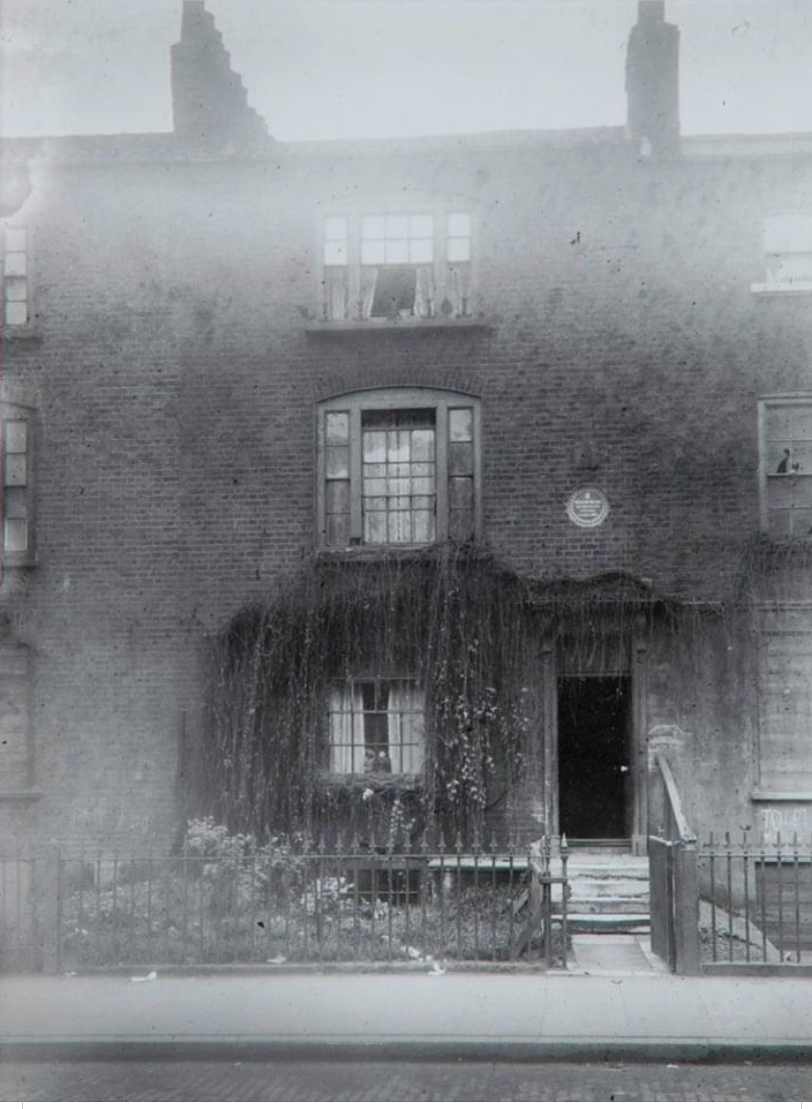
Some of Blake’s most vivid poems of this time celebrate the rural idyll of what is now Lambeth North.  In his words from ‘Jerusalem’ “We builded Jerusalem as a City & a Temple; from Lambeth We begin our Foundations: lovely Lambeth”. However, by the end of the 18th century times were a changin’ and factories began to occupy the green and pristine land around Hercules Road. Blake took his fertile brain and never returned.  The great man’s spirit lives on in the William Blake Estate and in this suitably eerie picture of his home, which was pulled down in 1917. More info on the route here.

Mark Hanbury Beaufoy, Social Reformer

At the end of the 19th century, Vauxhall and the Thames foreshore were repositories of things and people which London needed but didn’t really want. Local man and future Kennington MP Mark Hanbury Beaufoy chose to expend his spare hours making life a bit better for the less fortunate people who lived and worked there. 

In 1864 Beaufoy inherited a vinegar factory at 87 South Lambeth Road (now a handy Holiday Inn Express). Vauxhall at the time was full of poor people looking for work and at its height the factory employed 125 folks, mostly from the area. Beaufoy was a supporter of the nationwide campaign to establish an eight hour work day and implemented this in his factory to set an example to the rest of Britain. 

Beaufoy’s family endowed and built the Ragged School in Newport St, Vauxhall, to provide education to destitute children who couldn’t access mainstream education. We wrote about the place in 2021. It closed after only a few decades, and Beaufoy made the decision to replace it with a vocational training school for underprivileged boys. The Beaufoy Institute then opened in Black Prince Road and this delightful, Doulton tiled building lives on as the London Diamond Way Buddhist Centre. The reason the building hasn’t turned into overpriced flats is that in his will Beaufoy stipulated that the building not be used for commercial purposes. And as if being a vinegar magnate, social reformer, and advocate of gun safety wasn’t enough, Beaufoy was also a Liberal MP for Kennington between 1889 and 1895. 

If you’re a map nerd you might have noticed a preponderance of vinegar factories around Victorian London, and this is not because people had a mad passion for chippies. Instead, before refrigeration it was used as preservative for perishable foods.  If you are a map nerd you might have also noticed the volume of very smelly factories (including one making, lord help us ‘essence of beef’) which dominated Vauxhall for many years. s.

Dominion at Newport Street

Choosing the right career can be tricky when your dad is the artist, collector, and  Newport Street Gallery owner Damien Hirst . But the beneficent Hirst has given his son Connor a helping hand by allowing him to rummage through daddy’s loft space and garage to pull out a bunch of paintings and curate his very own show. The product of Connor’s efforts is now on show for as all to see at Newport Street, located handily in our very shire. 

The curated work of the younger Hirst is called ‘Dominion’, and groups together highlights of Hirst’s mind boggling collection of 20th century paintings. Included are works by Warhol, Emin, Bacon, Banksy, Baselitz, and Koons, to name a few. The theme, like most of Hirst’s work overall, is about the cycle of life, death and redemption. Amid the images of car accidents and electric chairs, you also see the virgin Mary and clowns. Also included is the 1995 work ‘Myra’ by Marcus Harvey. Hugely controversial when it was exhibited at the Royal Academy in 1997, it symbolised the YBA (Young British Artists) of the period, of which Mr. Hurst was one

Dominion evokes memories of Hirst’s excellent 2020 show retrospective ‘End of a Century’ which we reviewed at the time. In an almost peerless display of life imitating art, the exhibit closed suddenly after only a few days due to the death and pain happening in the outside world. In that show he displayed the cycle of life by means embalmed sharks and dead flies. While Dominion is more subtle, it touches on similar themes, nevertheless. 

If you’re a fan of 20th century art and want to give young Mr. Hirst a bit of career boost then it is sliver of time that you won’t regret. Dominion is on now until 1 September, 2024 and is totally free. Newport Street Gallery is open Wednesday to Sunday, 10am to 5pm.