Topical Ghosts in Oval

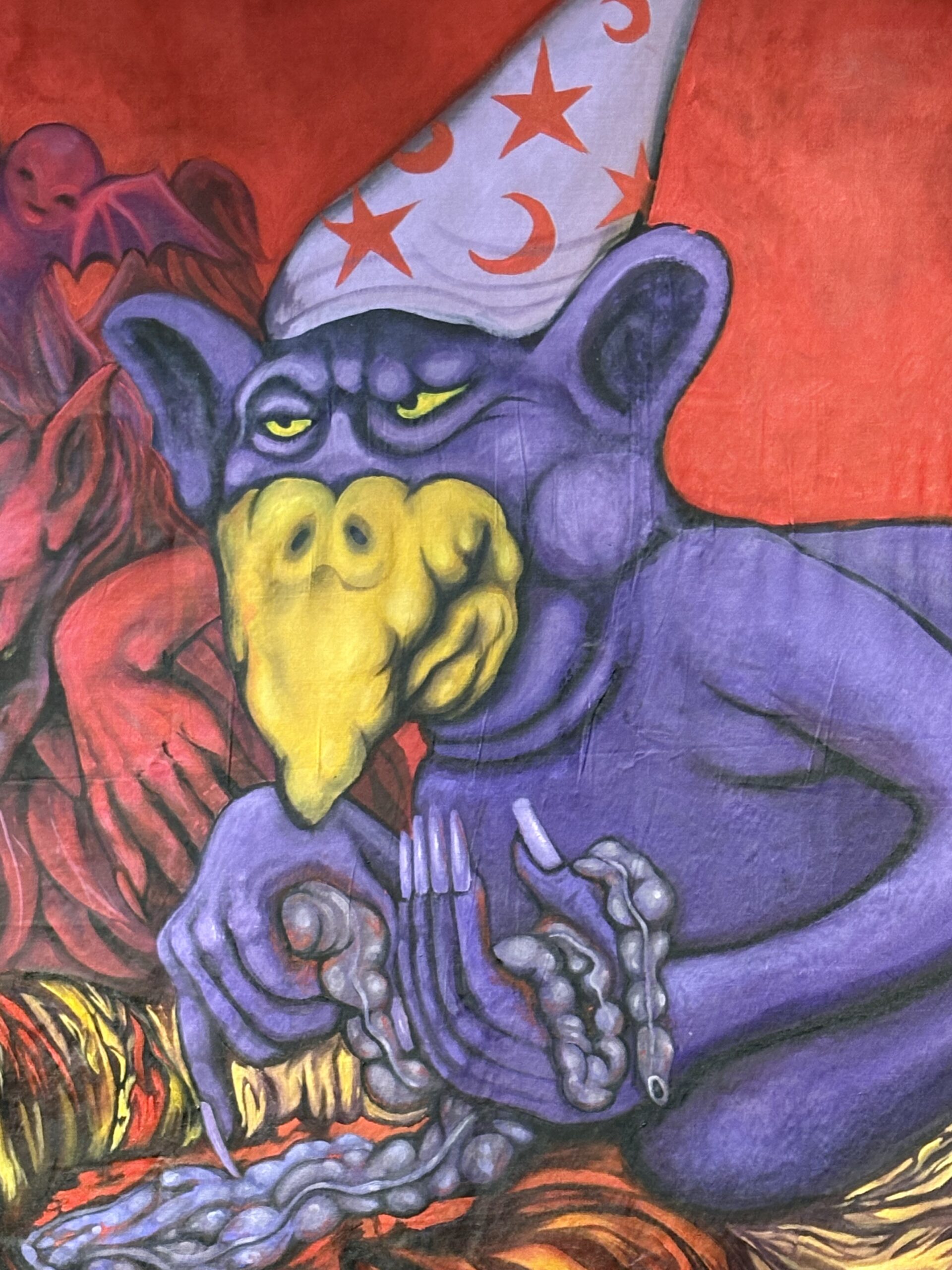
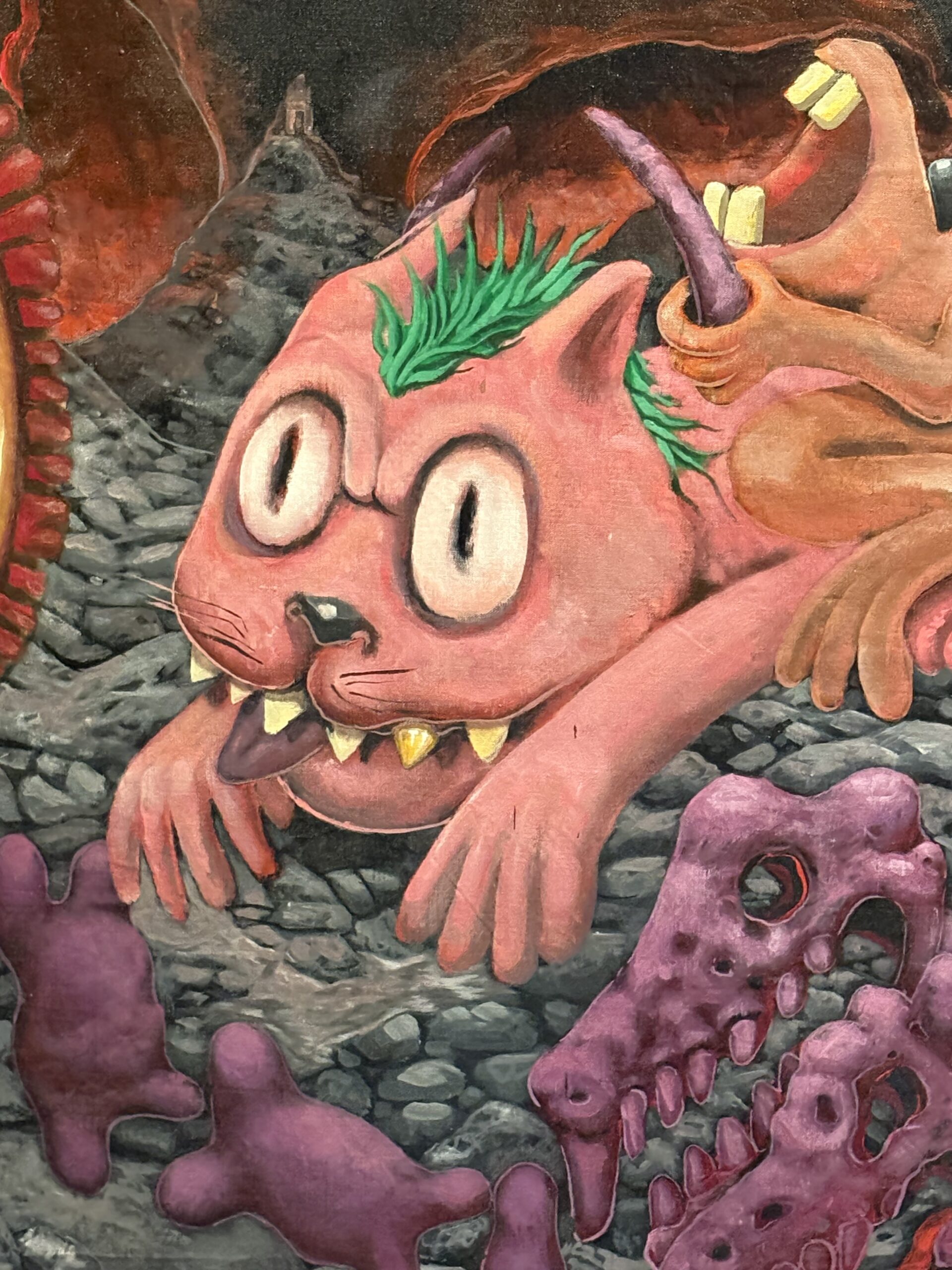
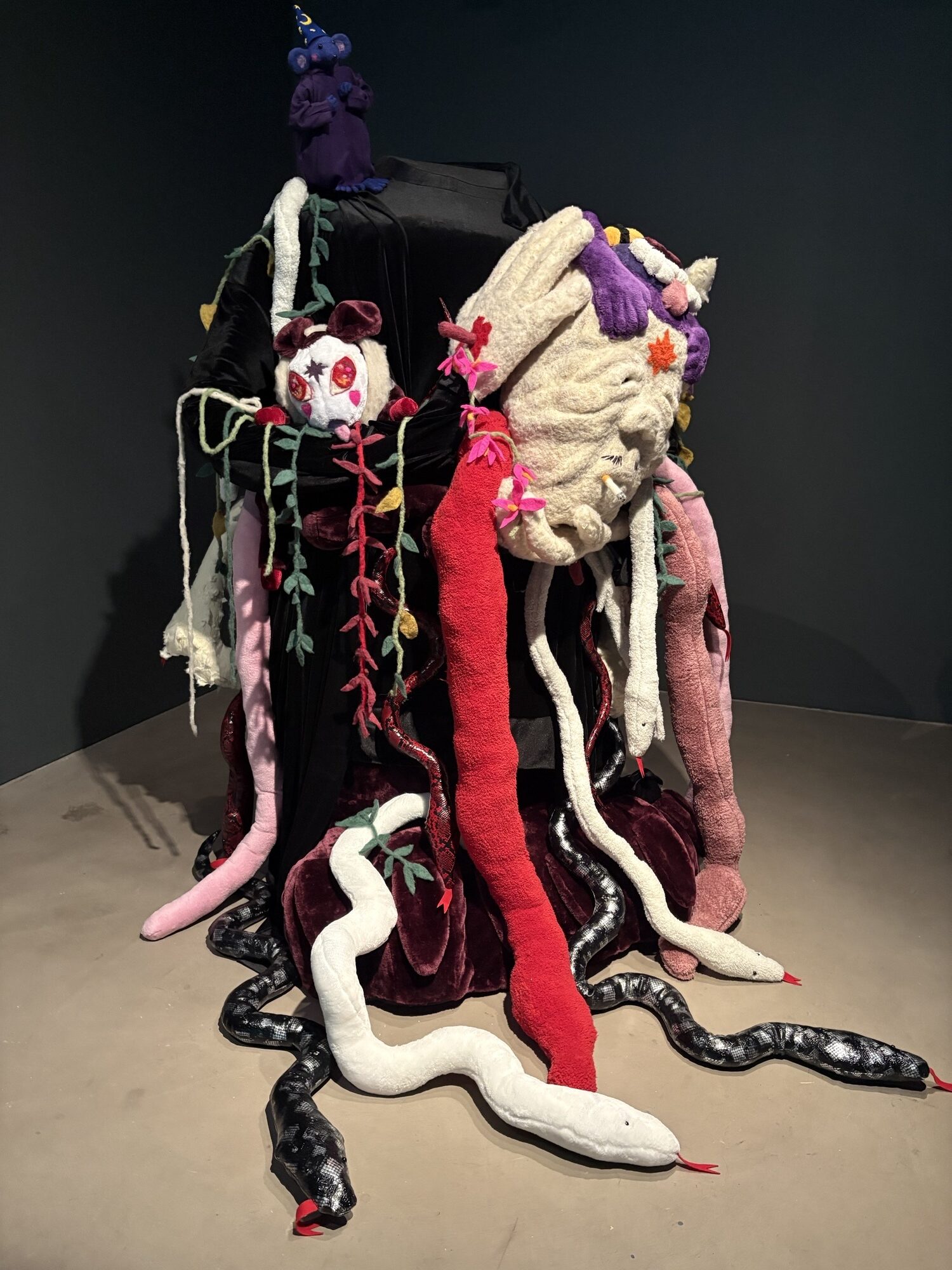
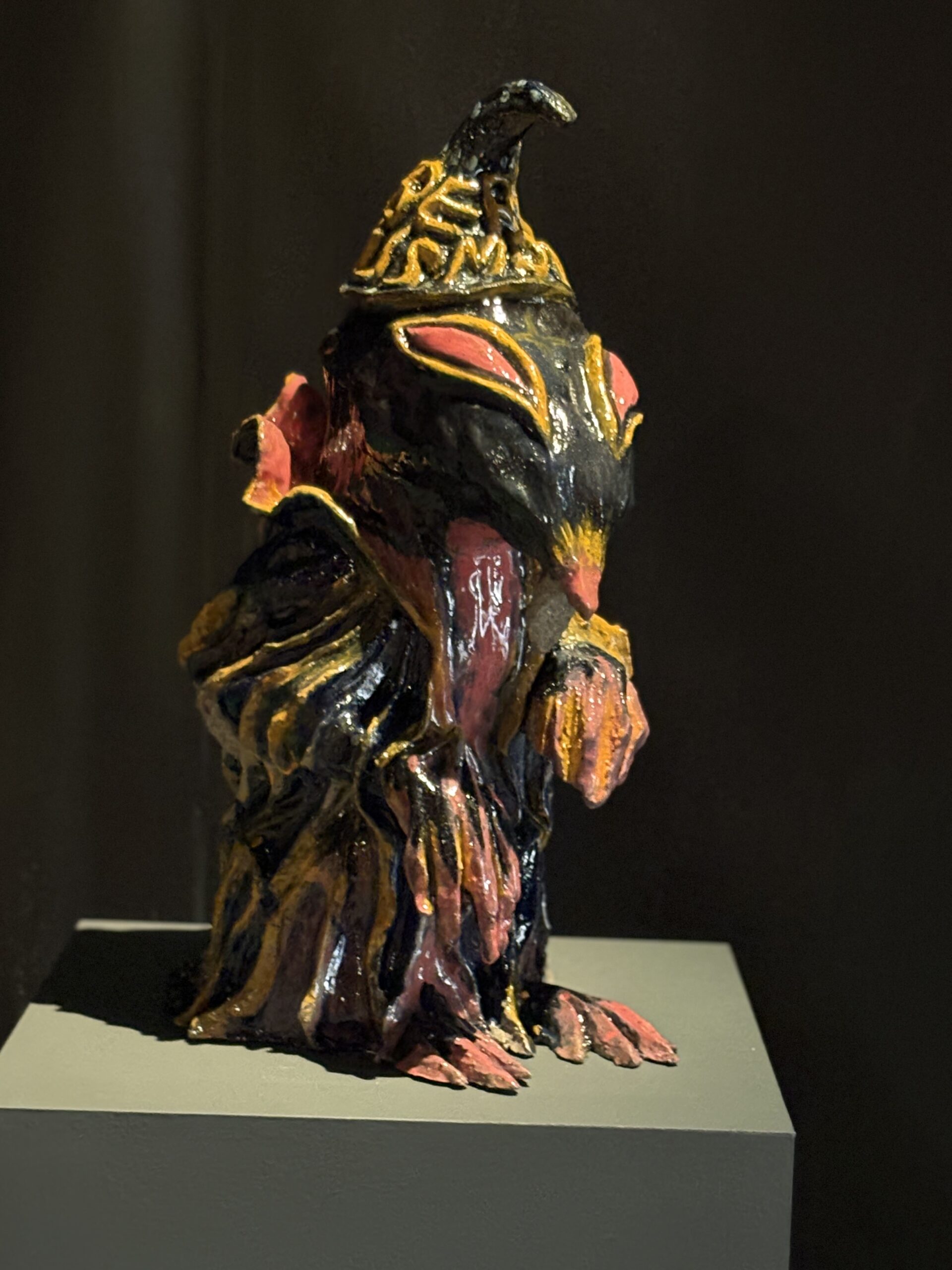
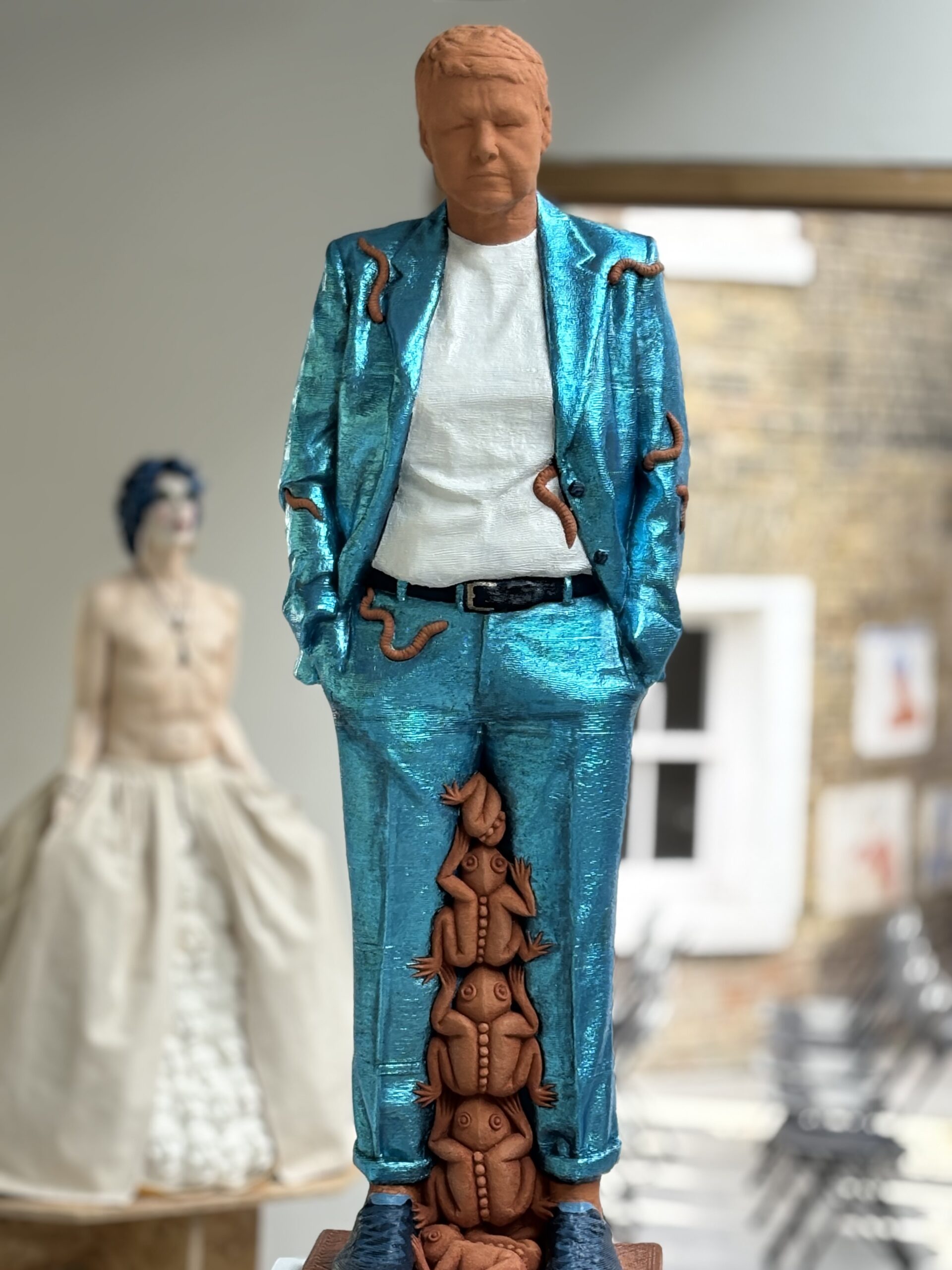
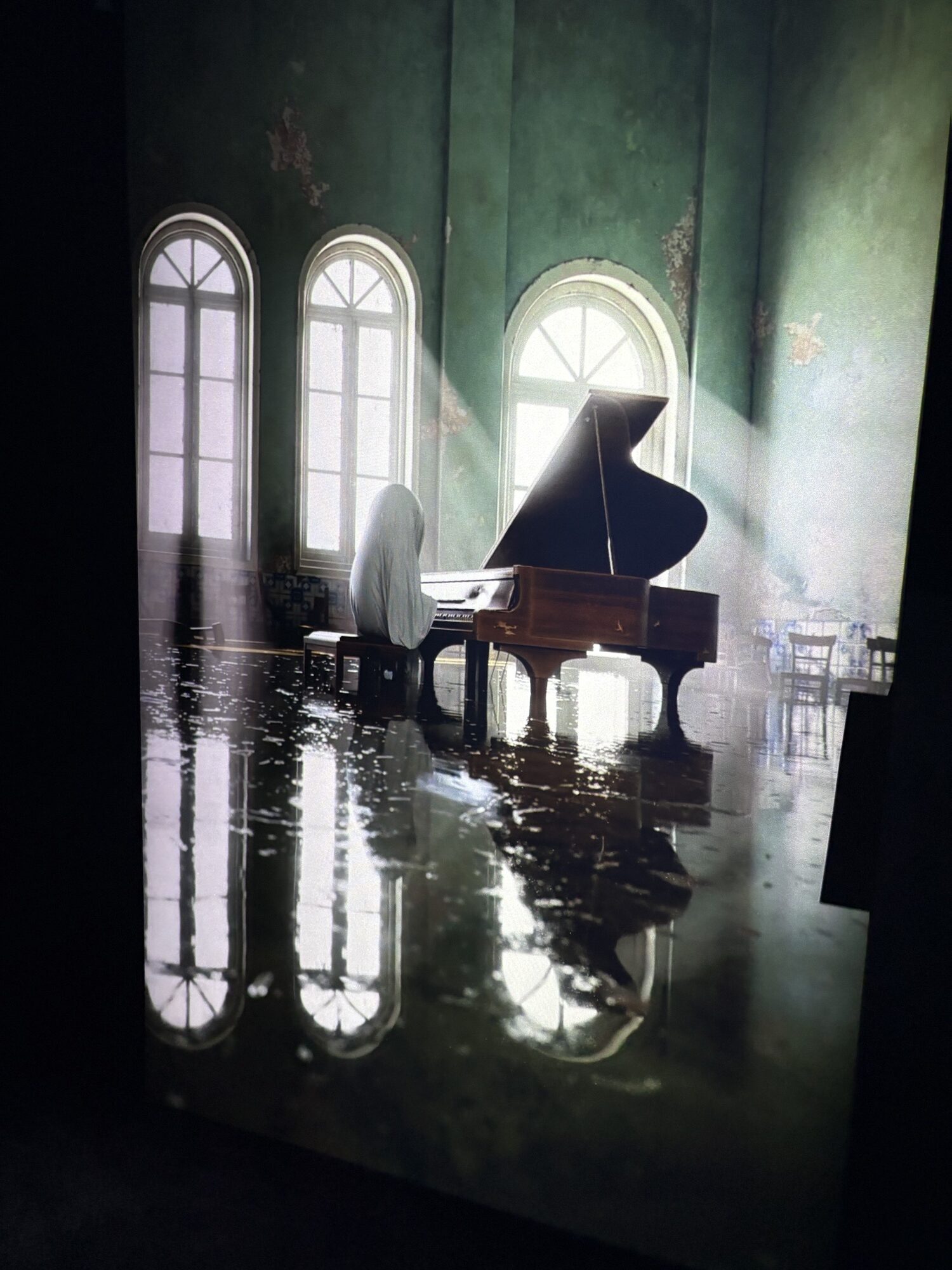
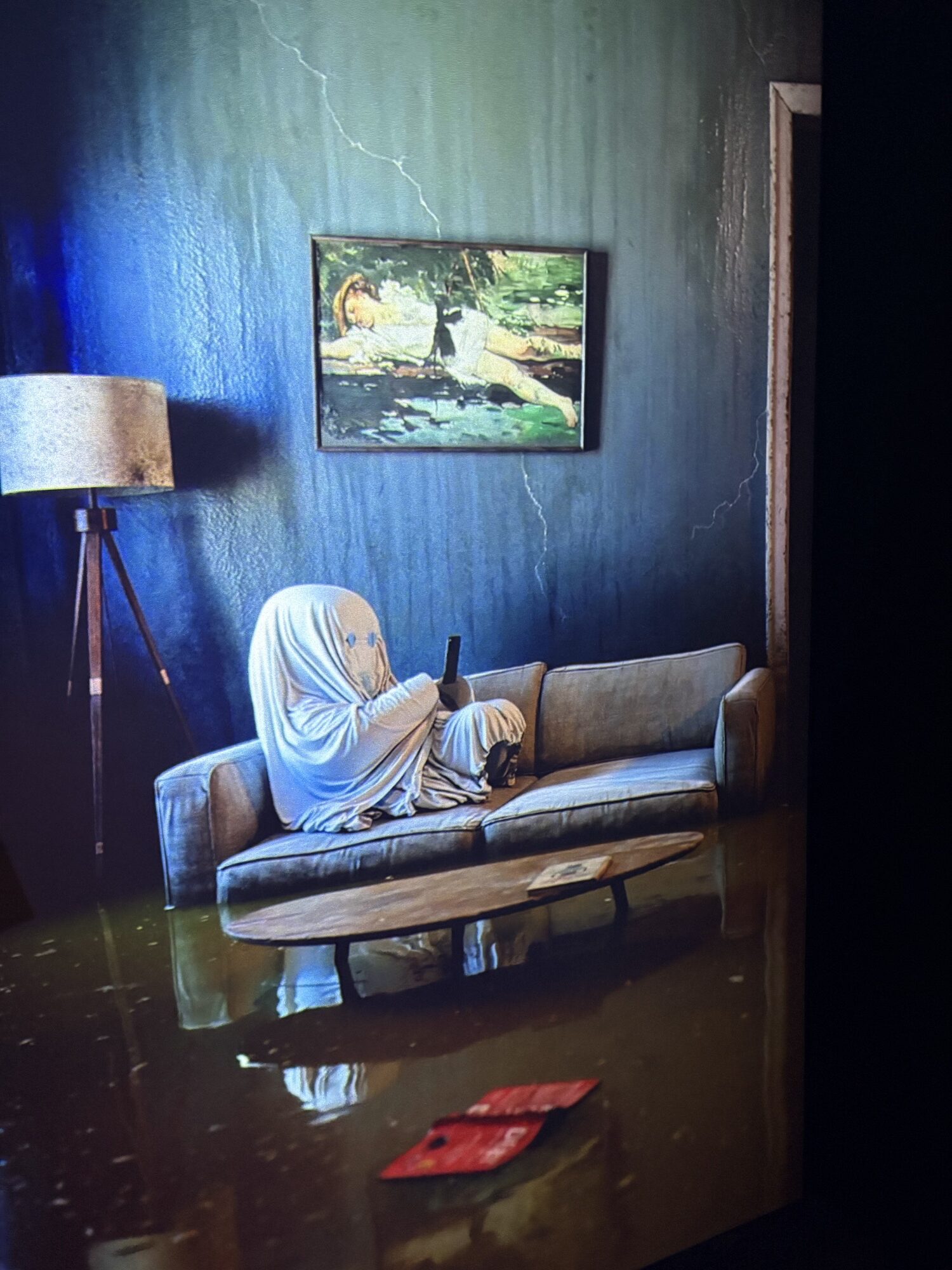
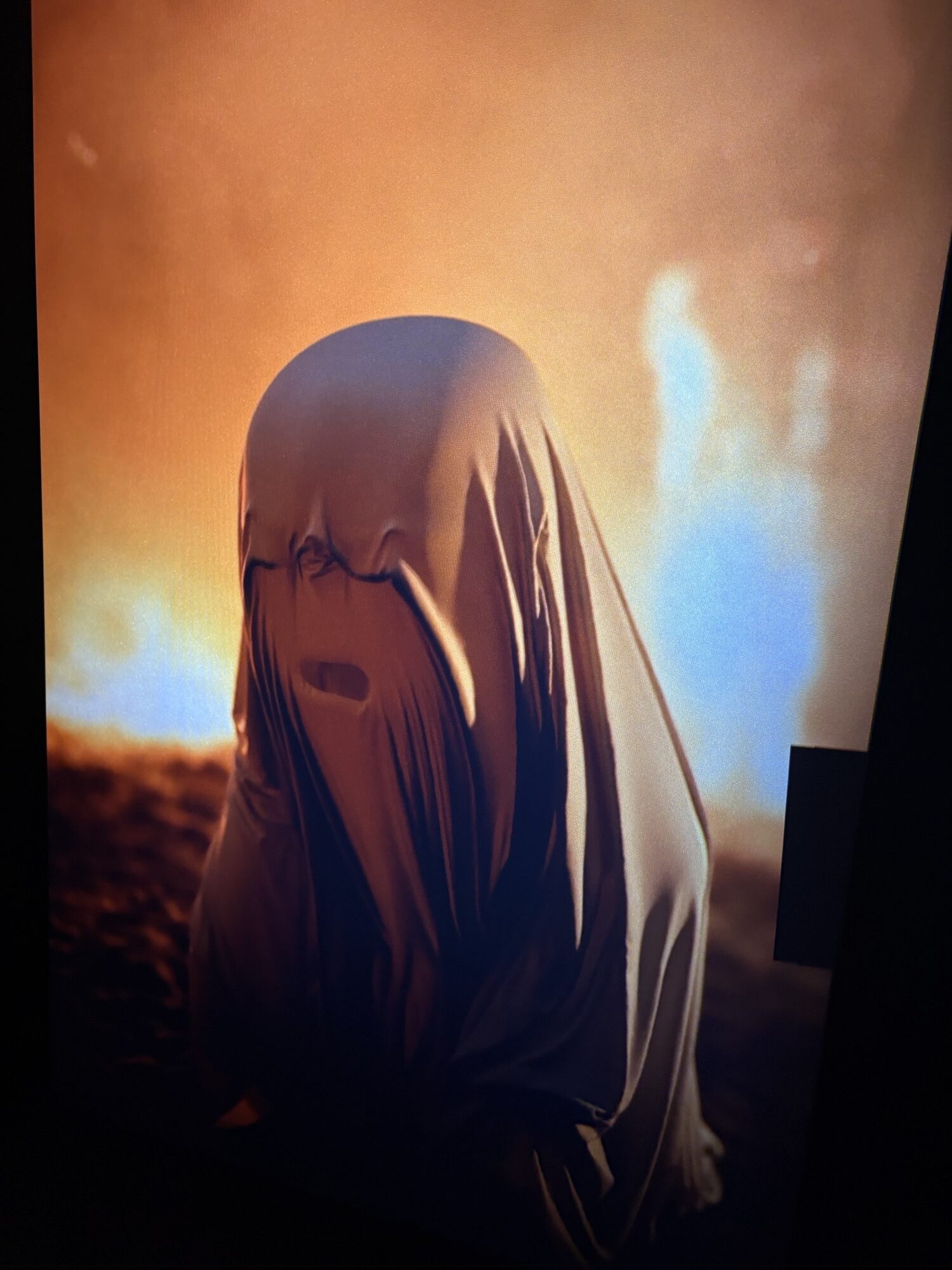
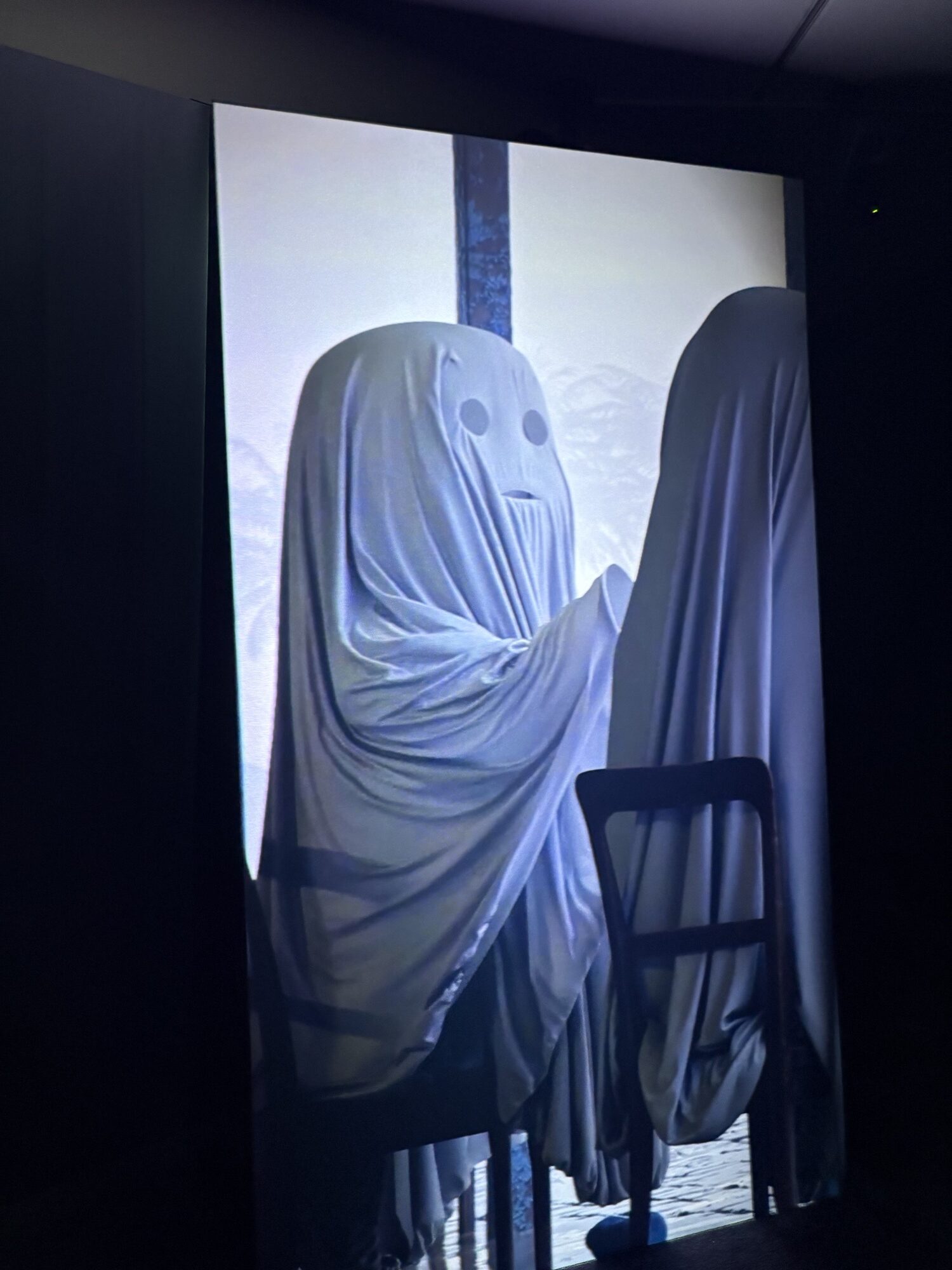
We love contemporary art and we love Gasworks Gallery in Oval. And while nothing will quite achieve the varnished heights of a previous show which turned the gallery into a Hampstead Heath cruising area, the current offering certainly tries its best. So if your taste includes ghosts who can play the piano while talking about racism, then you’re in for a real treat.

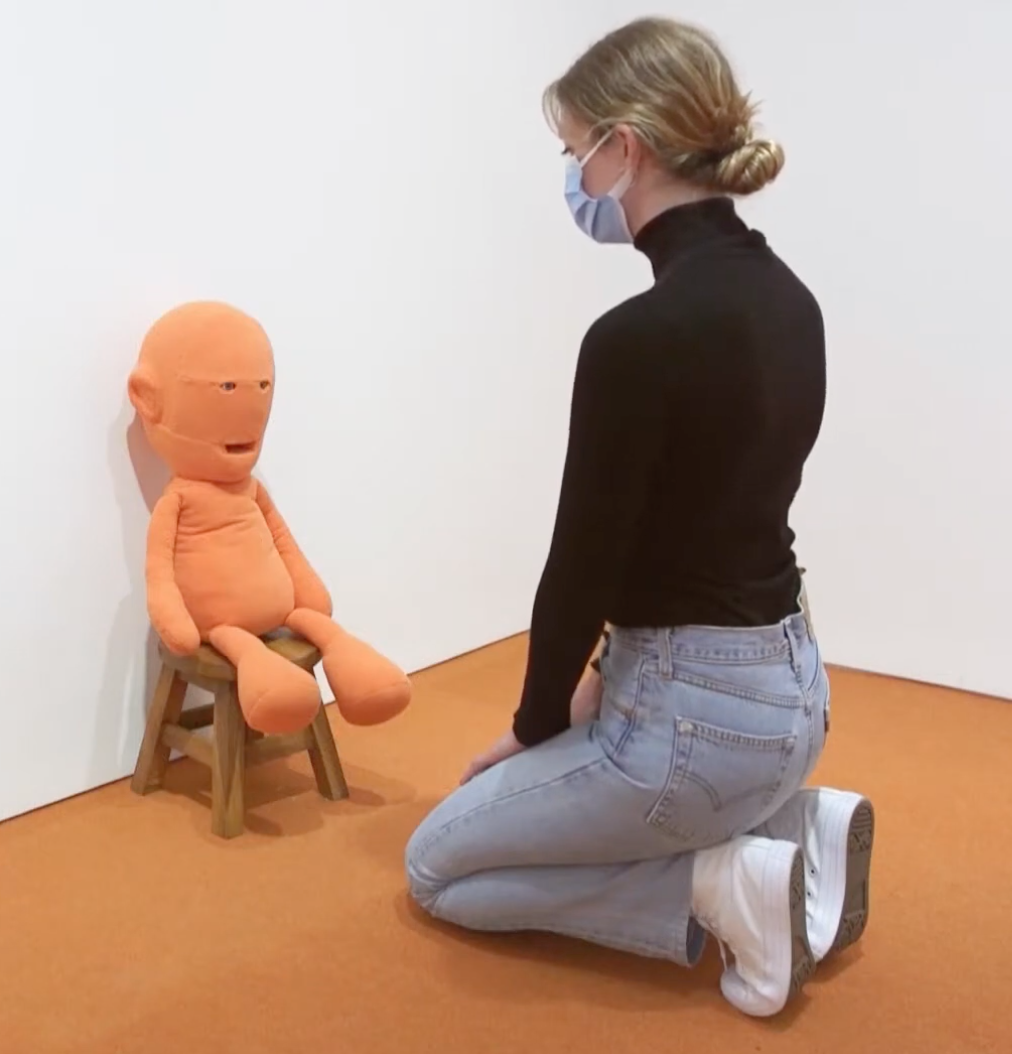
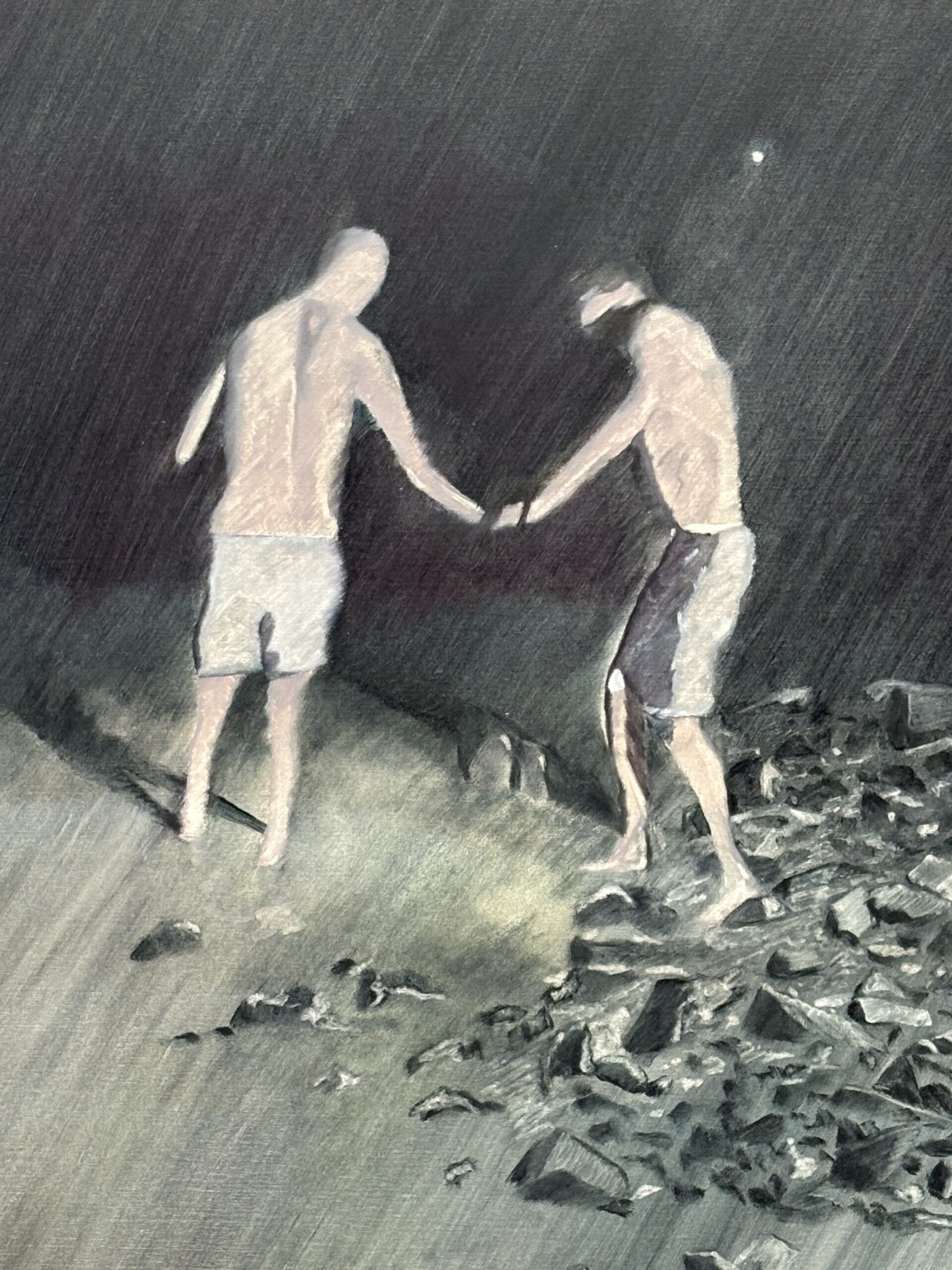
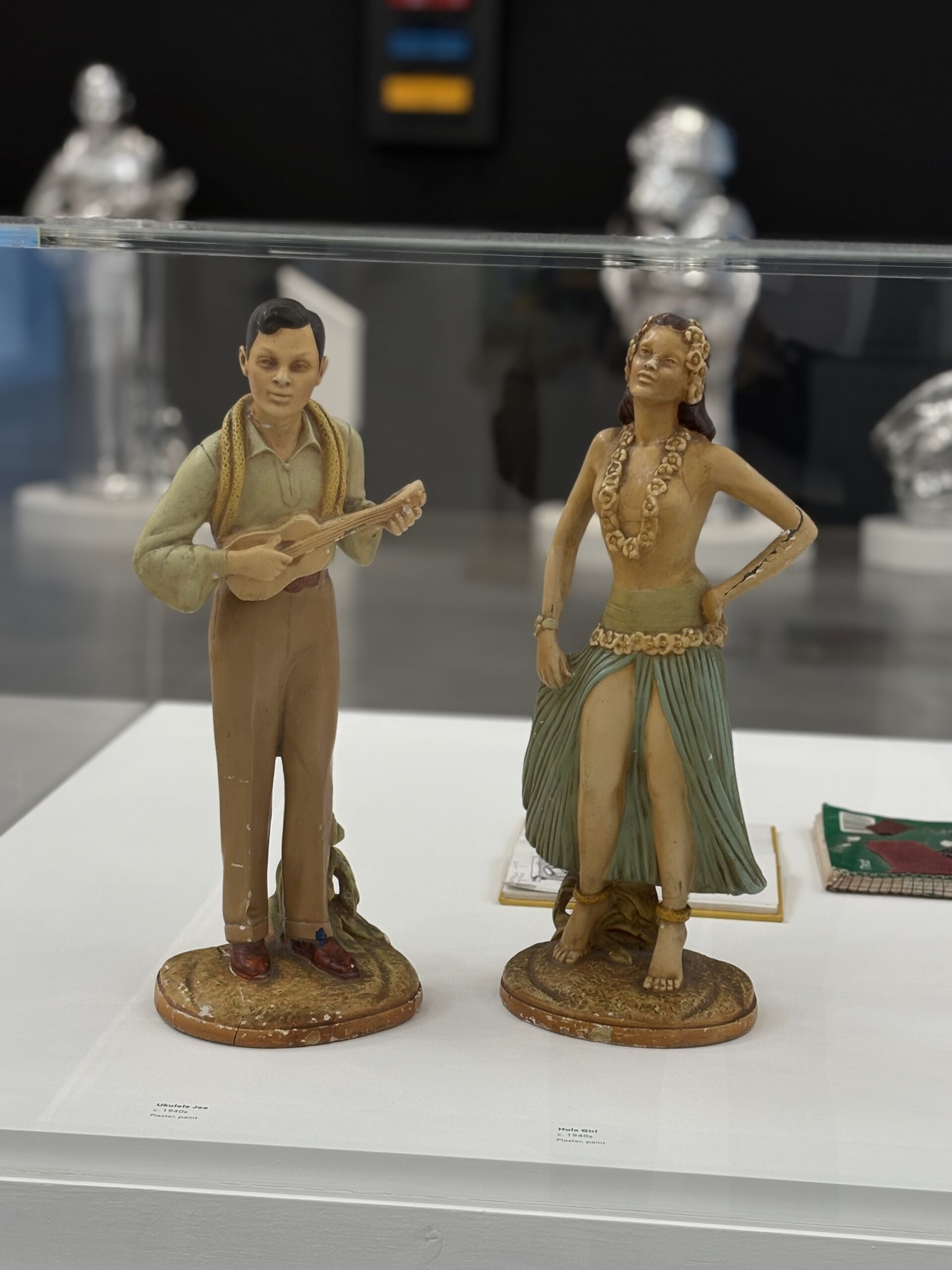
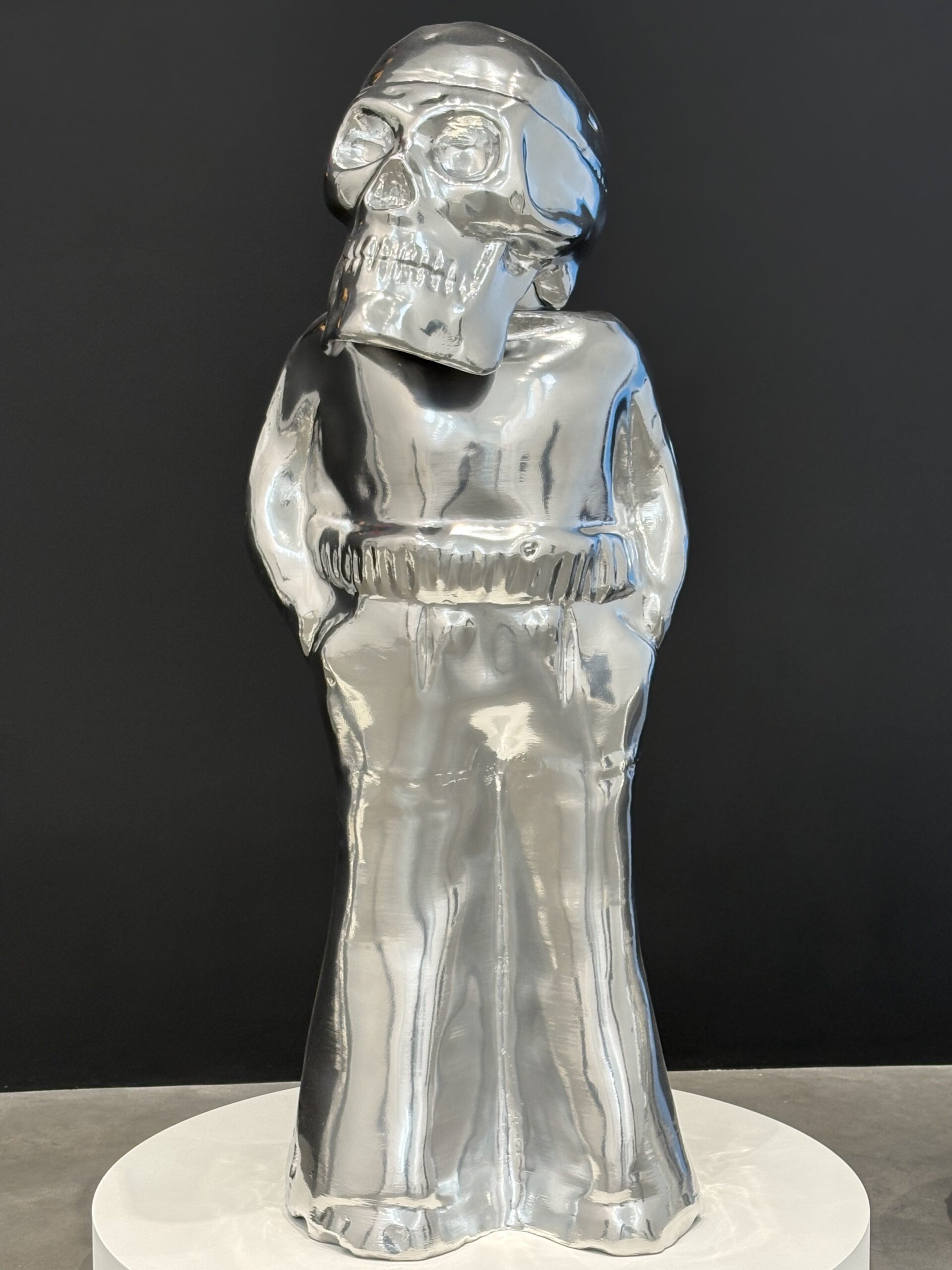
The current offering at Gasworks is by Portuguese American artist Gabriel Abrantes and is called ‘Bardo Loops’. The animated ghosts reference a phase between death and rebirth. Think of them as really articulate zombies. The ghosts talk about a range of topics without the other ghost listening (they are dead after all) in a friendly and almost mocking tone. The challenge for the viewer is that some of these topics are indeed very serious, but made to look trivial. Abrantes uses the ghosts as a way to explore issues relating to loss, illness and vulnerabilities. The manmade disasters unfolding behind them (eg a forest fire) seem minimal as we remain trapped in our own drama, ultimately only getting out of said drama by the use of our phone or AI. Or both.

Bardo Loops is open now until 7 June and is totally free. But please remember that if you want to mingle with the apparitions, the gallery is only open Wed-Sun 12 to 6. If you want even more ghostly fun they are having an artist curators tour on 9 May and a few other phantasmic offerings to be found here.

Beauty and Destruction at the Imperial War Museum

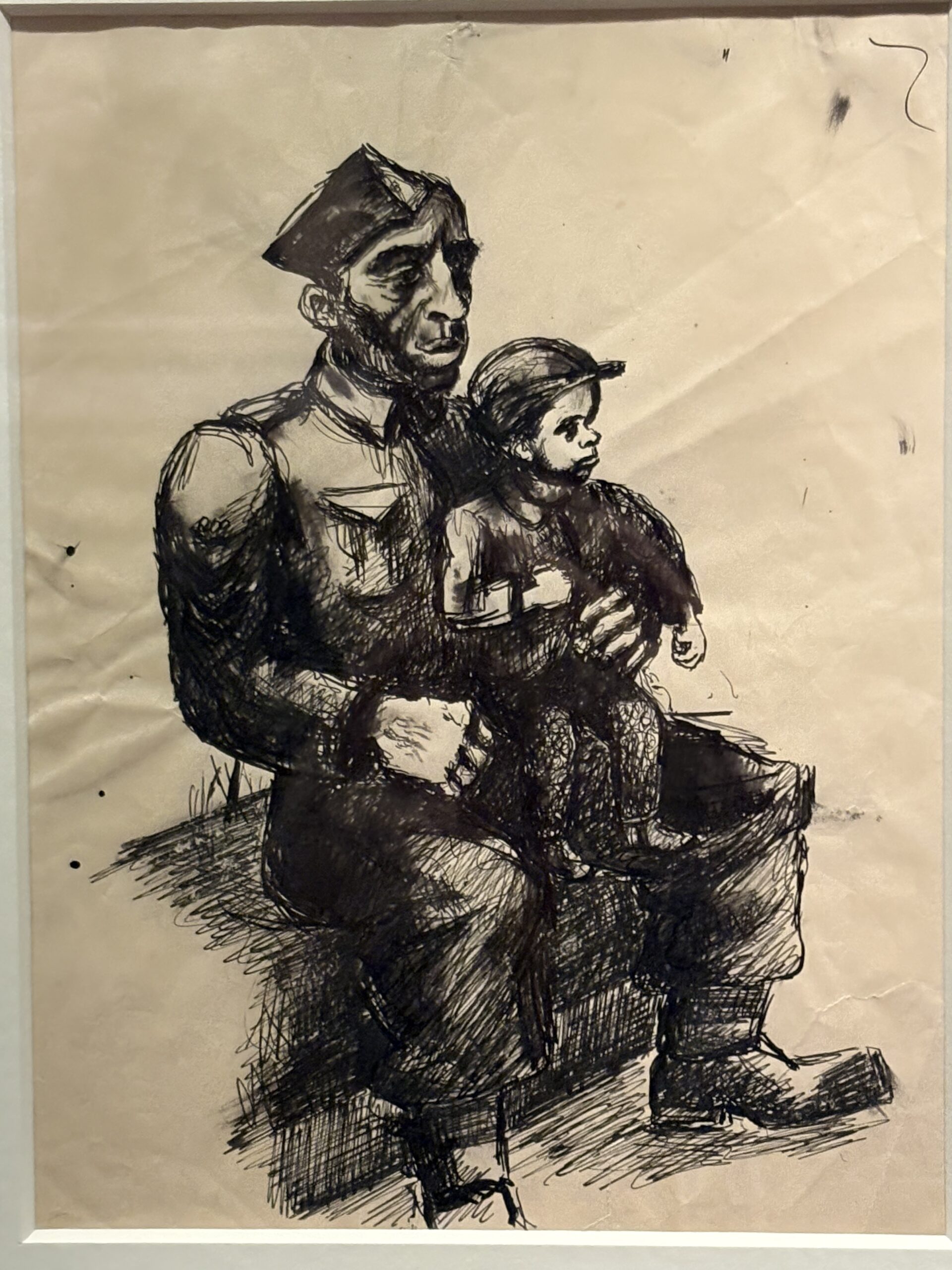
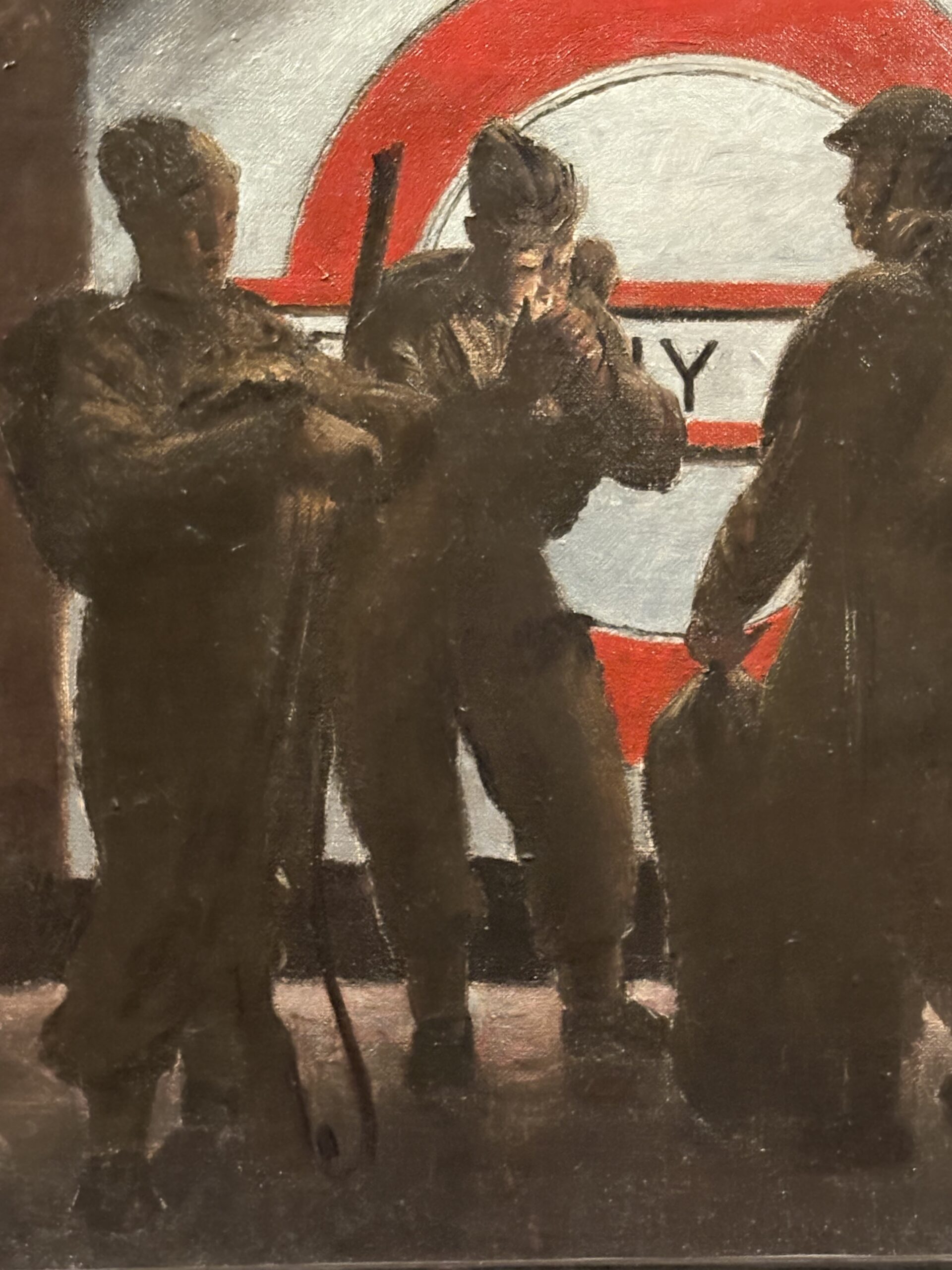
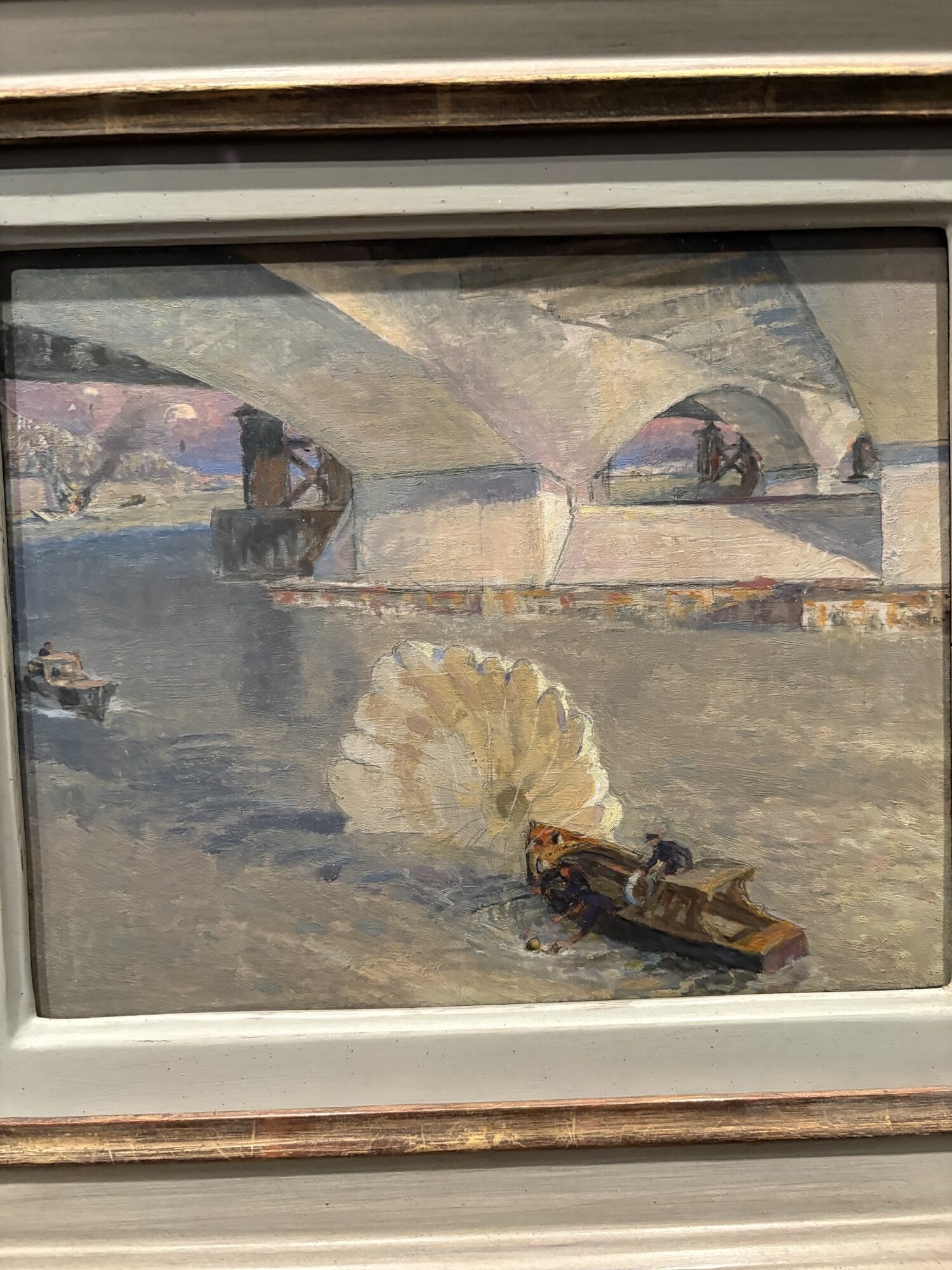
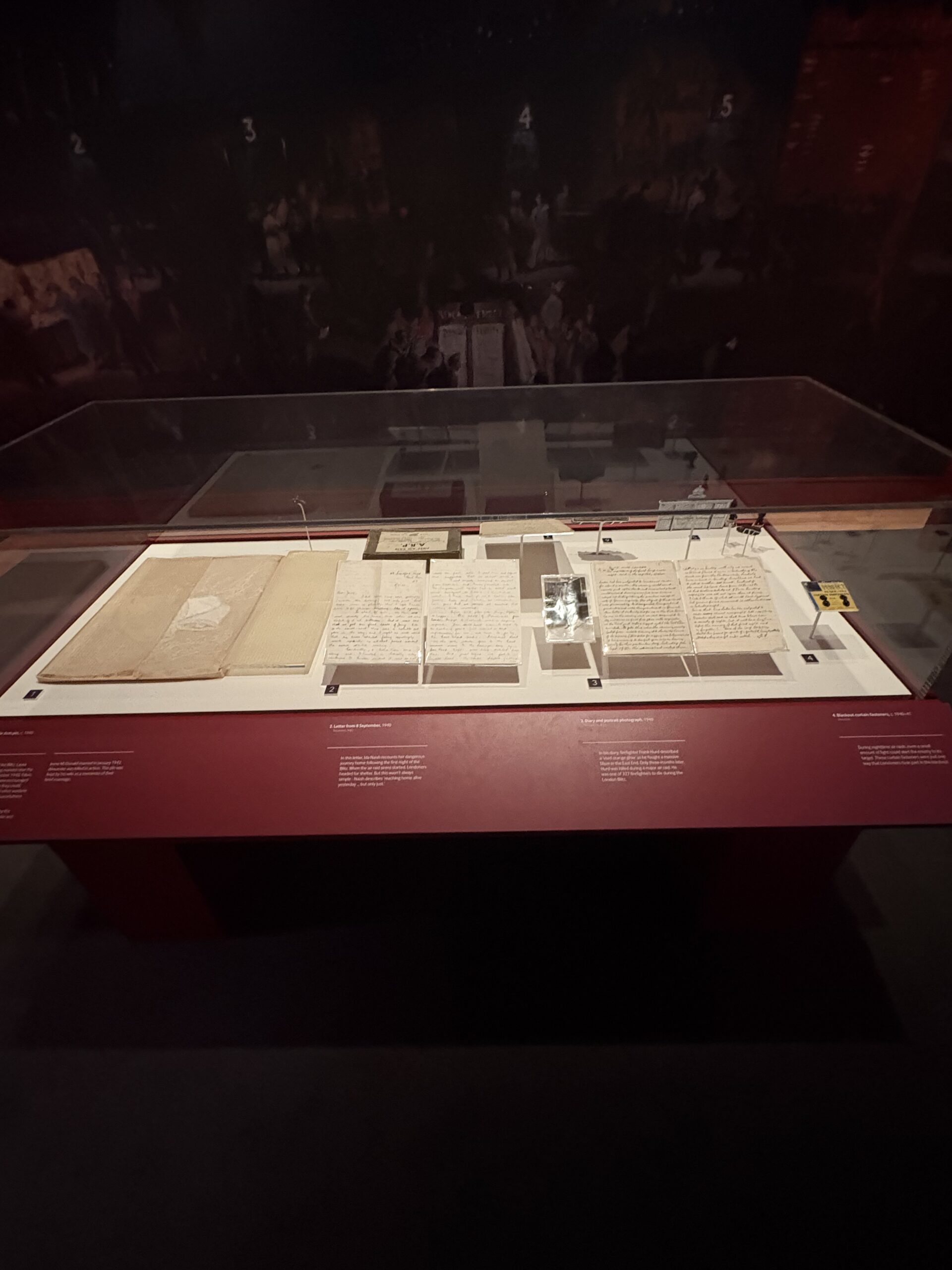
We love nothing more than a four day weekend, but after a fifth episode of ‘A Place in the Sun’ things can get rather, shall we say, boring…..So we’ve decided to build some brain cells by popping over to the Imperial War Museum to see the petite, pop up exhibit ‘Beauty and Destruction: Wartime Art in London’. Its free (we love free) and open throughout the weekend.

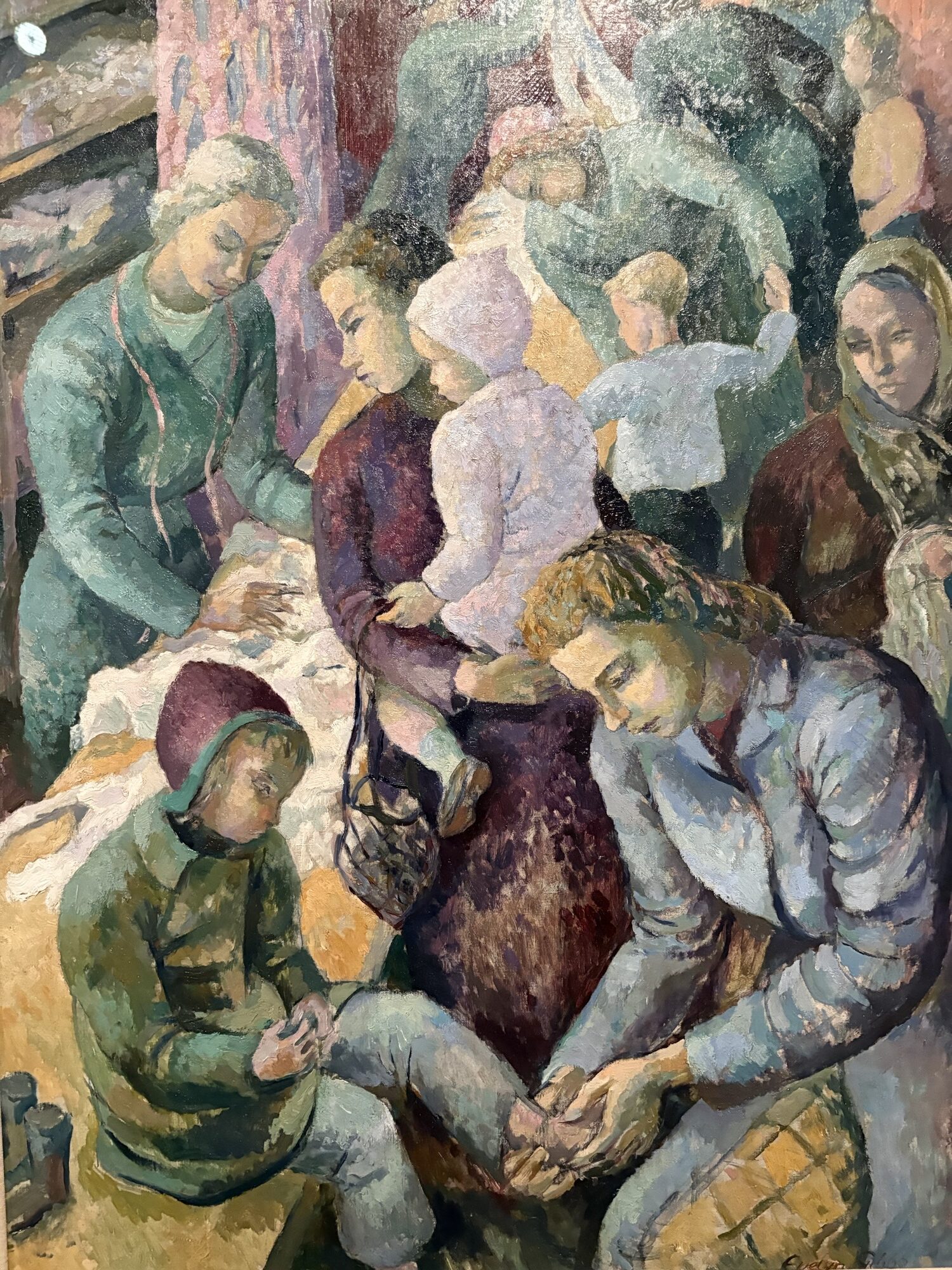
Through the medium of oils, watercolours, pen and ink drawings and even letters we can see the destruction wrought through 57 days of the Blitz and beyond. Included are works by Paul Methuen, Evelyn Gibbs and Leonard Rosoman. We frankly have no idea who any of these people are, but they’re good artists who were either commissioned by the government to undertake these works or were casual painters. The most notable of these being Henry Moore. As with all exhibits at IWM, this is not a glorification of warfare, and many of these works are testaments to resilience, depicting mums shopping or people just getting on with their lives. So you have no excuse to get your Guardian reading selves over there.

Beauty and Destruction is on now until 1 November and is totally free. As the exhibit is small, why not pop over to the Blavatnik Art, Film and Photo Gallery on the same floor? They have a number of stunning works and it’s a fun way to spend some time.  Well, if you can sidestep the unfun fact that’s been endowed by a dodgy Russian oligarch. So Guardian readers, you get a free pass on this one.  

Pullens Yard Open Christmas 2025

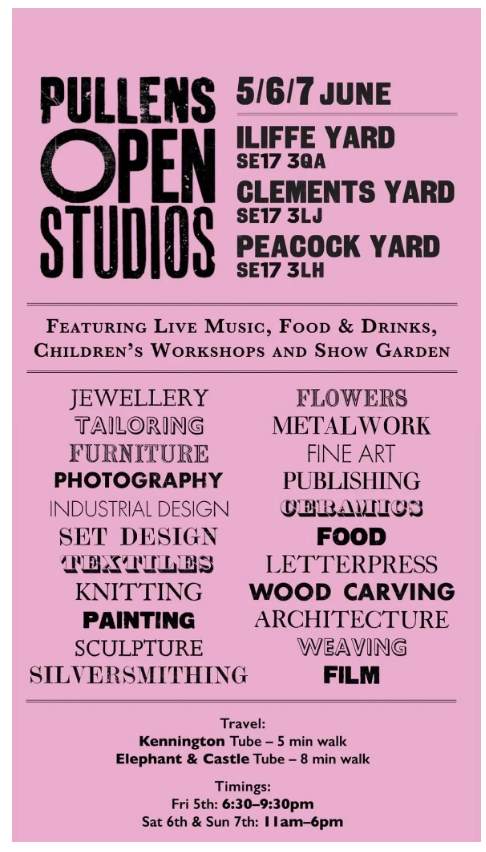
As frequent readers are all too aware, we here at the Observer love nothing more than anonymously sticking our noses where they don’t belong. So why not join the merry ranks of middle class white people and partake of our passion/dysfunction? We’re talkinng, of course, of the great Pullen’s Yard Christmas Open Studios weekend taking place on 5-7 December (that’s this weekend, folks) in Walworth.

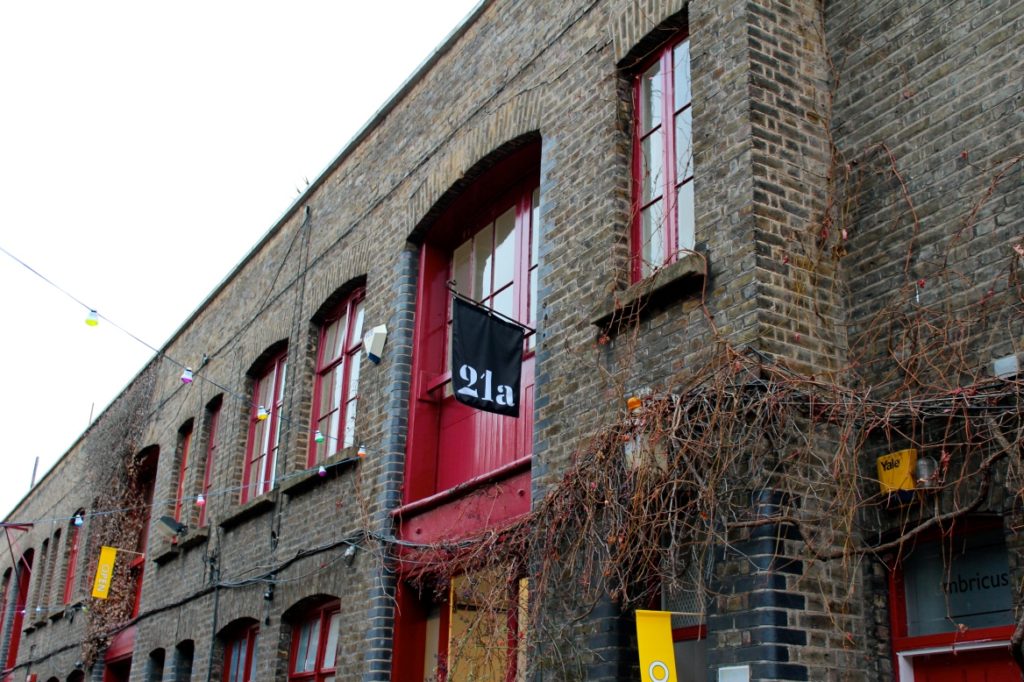
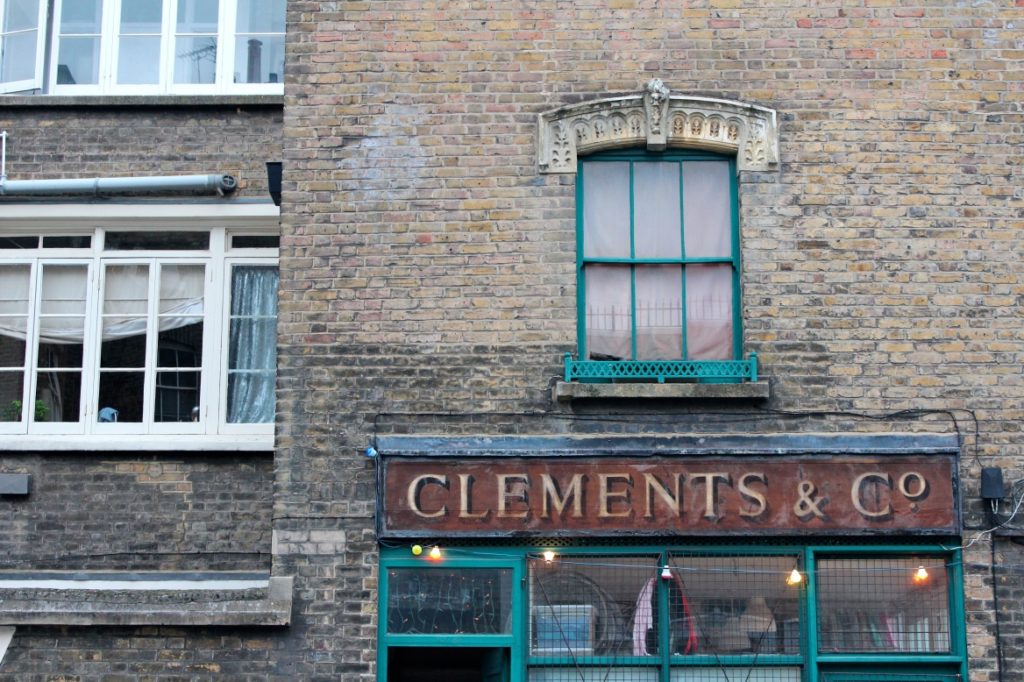
Pullens Yards (Clements, Peacock and the large Iliffe Yard) are an amazing collection of 1880’s workhouses which were originally designed for the people who lived in the nearby Pullens Estate. We wrote about the fascinating squatting history of the estate a few years ago. Instead of being converted into luxury flats, the Yards serve the same purpose as they did 140 years go, and the cabinet makers and blacksmiths have been replaced by potters, jewellery makers, card makers and folks who make things that smell nice or wrap up for a gift. We once bought moth balls disguised as little knitted mice. And as we know crystals are just rocks, but the stall holders might just convince you that they have the power to heal.

The studios at Pullens Yards are usually not open to the public, but twice a year they fling their doors open to give us a glimpse into their creative universe. The artists are more than happy to show you what and how they create, and of course you can buy what’s on show. And buying is by no means compulsory, as at the end the day these folks just want to show off how clever they are and it’s totally free. Have we mentioned how much we love free?

A visit to the Yards is a fun way to spend a morning or a late afternoon searching for quirky and unnecessary things. In the past we’ve encountered live music, food for sale, a bar provided by Orbit Brewery(!) and live music. A wet Friday night is a particularly evocative time. And who knows, you just might discover a previously unrealised desire to own a necklace made out of forks or a room deodoriser fashioned as a piece of cheese.

Pullen’s Open Studios is open Friday evening and in the daytime over the weekend. And if you’re hungry or want some tea, check out the great and very quirky Electric Elephant Café. And no, its not a charity shop. It just looks like one.

Free Culture in Greater Kennington 3 – Open House London 2025

It’s that time of year again and one of our favourite activities here at the Observer….sticking our noses where they don’t belong! From 13 September to 21 September ii’s the Open House London Festival, celebrating London’s housing, architecture and neighbourhoods by flinging open doors and streets not usually open to the public. We have a few suggestion for you and they are all FREE, and we love free. Well, the last two aren’t free.

Most Open House venues have friendly staff on hand to tell you more about what you’re seeing and there are often things to read. If you look on the website you’ll see some local bookable things, but we’re afraid you’ve mostly missed the boat on those babies. The localish venues listed below are open to the public on specific dates, so look at opening times. However, if you possess the audacious gaul to travel out of Greater Kennington you might find there are hundreds more free things to stick your head into around the capital. But we couldn’t possibly encourage that kind of behaviour.

London Fire Brigade Memorial Hall (perhaps your last chance to see it before it is turned into, you guessed it, flats and a luxury hotel).

https://programme.openhouse.org.uk/listings/11781

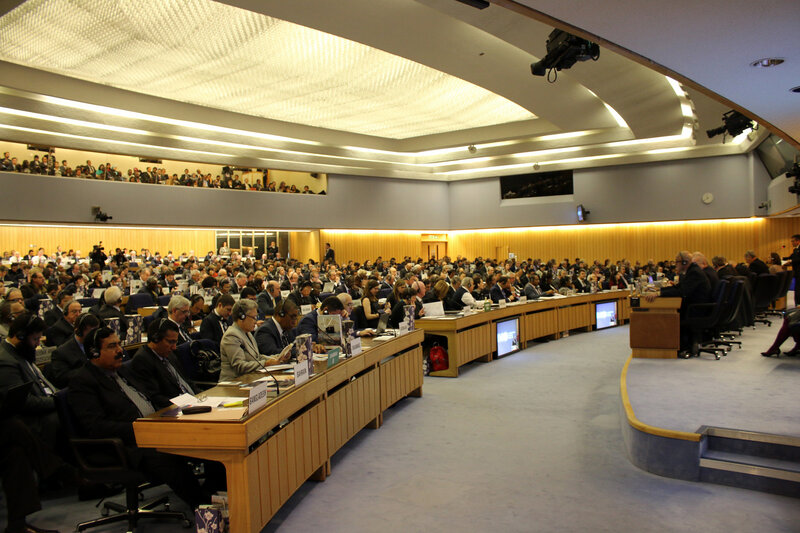
International Maritime Organisation (that bizarre looking building on Albert Embankment. pictured below)

https://programme.openhouse.org.uk/listings/7730

Anderson WW2 Bomb Shelter (for the fetishists among you).

https://programme.openhouse.org.uk/listings/10010

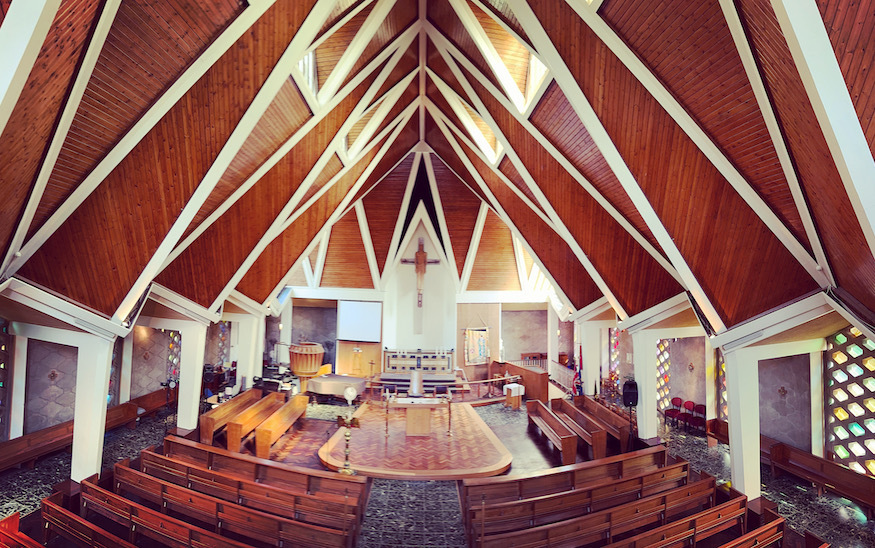
St. Paul’s Newington  (Been and recommend. 1950’s beaut)

https://programme.openhouse.org.uk/listings/2556

Walworth Garden (been and recommend, even if it is like a stroll through a garden centre)

https://programme.openhouse.org.uk/listings/10950

Soane Re-imagined – St. Peter’s Church

https://programme.openhouse.org.uk/listings/13342

Southwark Heritage Centre and Walworth Library (been and recommend. Yes, it’s a trip to the library but with a museum stuck in it)

https://programme.openhouse.org.uk/listings/9722

Van Gogh House London (Been and recommend. Its more about restoration than the great man so don’t expect any paintings or a severed ear).

https://programme.openhouse.org.uk/listings/8317

Lots of other interesting things that are less than free such as an Elephant and Castle Walking Tour

https://open-city.org.uk/events/elephant-48

And Nine Elms Walking Tour (fun but also not free)

https://open-city.org.uk/events/elms-29

The Bygone Era of Greater Kennington

Some parts of Greater Kennington have survived for centuries, some were lost as a result of enemy action, and other parts bulldozed as a result of short term thinking and poor planning. Others are lost in plain sight as not many people know about them. Have you ever noticed the former Pelham Mission Hall in Lambeth Walk?

The quite striking Mission Hall was built on 1910 to a design by local architects Waring and Nicholson, who possibly collaborated on the stunning Doulton Pottery building (below) in Black Prince Road. It replaced something called a “beerhouse” of which little is known. The Hall was in fact a church, complete with an outdoor pulpit. One can imagine that it’s no coincidence that a church should supplant a beerhouse, and perhaps the Rector used his bully pulpit to warn the marketgoers in Lambeth Walk about the evils of drink and its associated lascivious behaviours.
The Mission Hall is one of those rare survivors of the bygone era of a Cockney Kennington tinged with deprivation and struggle. When the Hall was built Lambeth Walk had over 100 market stalls run by street sellers, or costermongers, who would hawk their wares in a melodic street patter which can still be heard in East Street market in Walworth. If you want to know more about the history or Lambeth Walk itself, check out our post from 2021.

Like the pawn shops and fruit sellers which once dominated Lambeth Walk to ease the hardship of people, there is no longer the need for a rector to be spouting the value of pious living for eternal salvation. Today the Hall has stopped  saving souls but is a home to creating sculpture. The Henry Moore Sculpture Studio exists as a creative place for sculpture courses and a space for creating lovely things. They offer a range of courses in all aspects of sculpture which are not free, and periodic lectures which are. Check out their website for information about both.

throwers at Gasworks Galley

We always enjoy the eccentric offerings offered up by the quirky Gasworks Gallery in Oval, and their current exhibition certainly doesn’t let us down. Previous shows have included a giant Styrofoam coffin, and another saw the space turned into a Hampstead Heath cruising area. The current show is called ‘throwers’ by Johannesburg based artist Noland Oswald Lewis and is an altogether more serious offering, but just as surreal.  
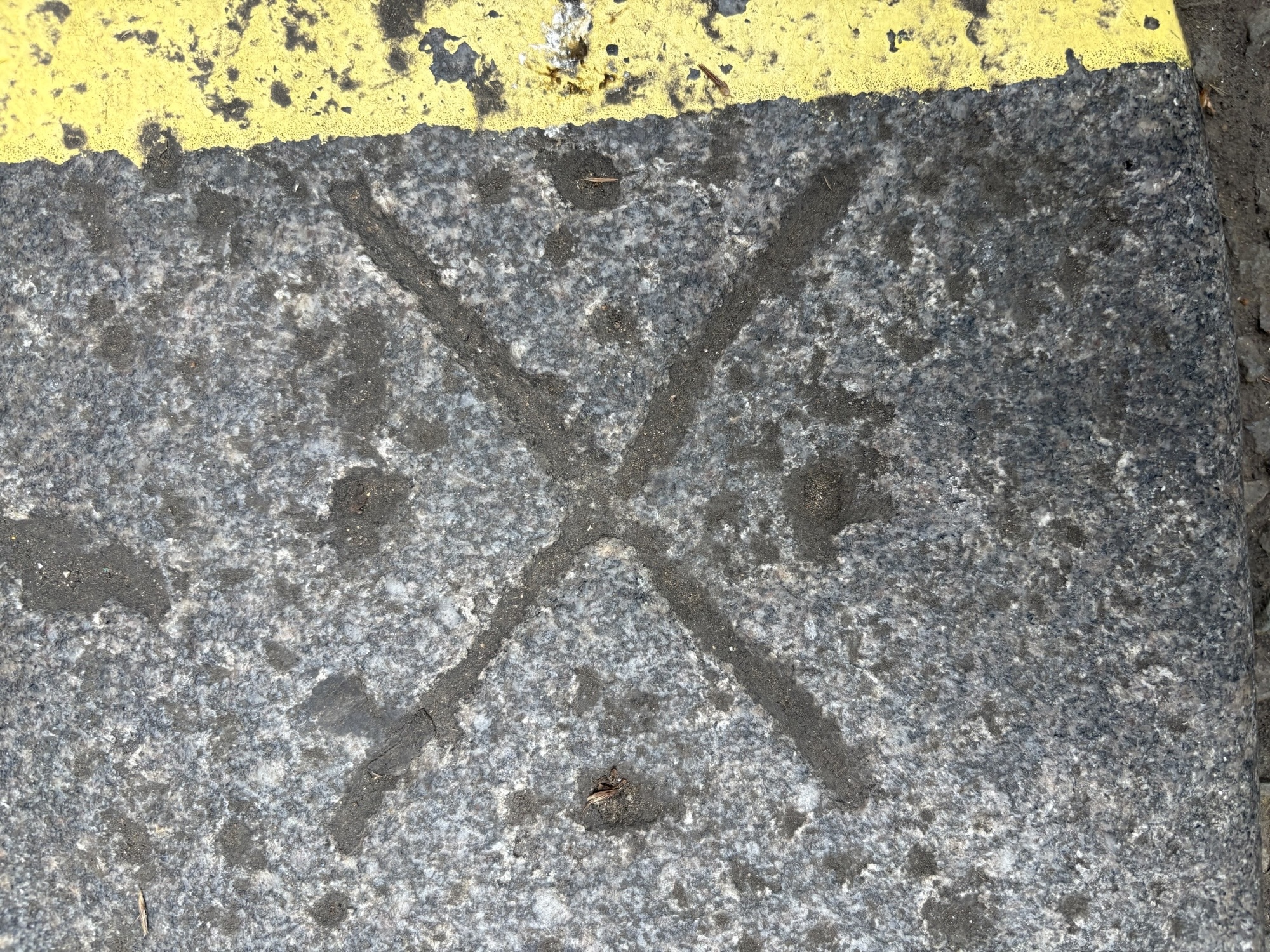
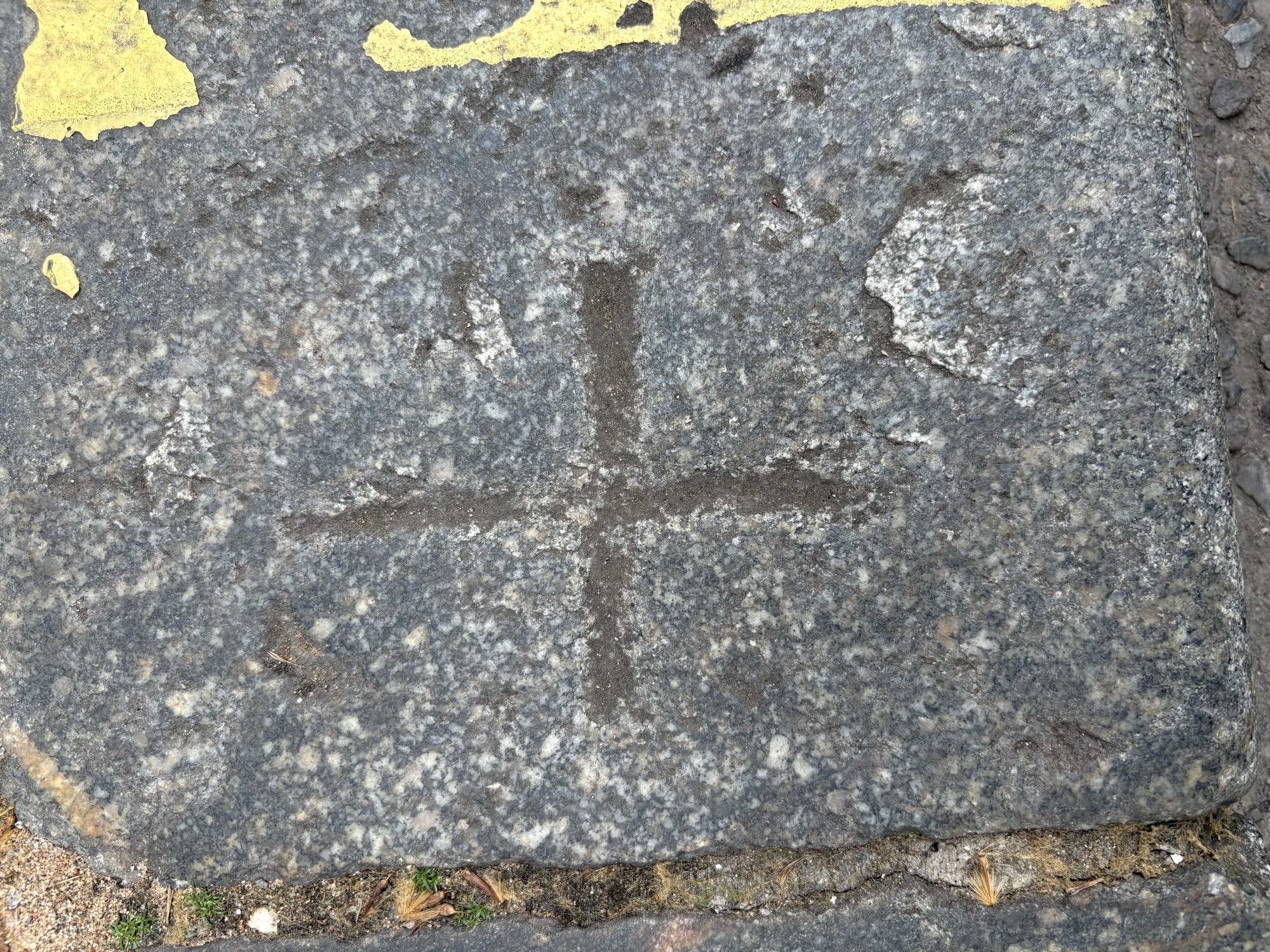
In the first room we find a 3D printer furiously creating stones which appear to be large lumps of coal. When completed the stones are logged by Gasworks and either stored or put on display, creating what is called a ‘Black Earth Library’. The text on the walls place them as various rock samples extracted from settler communities in South Africa, Australia and the USA. As coal often turns into diamonds, to us it was redolent of how people have exploited indigenous lands for reasons of profit or settlement.  

The second room is a bit more playful, and invert familiar representations of the globe. We encounter a globe next to a giant black planet which invites the viewer to consider all manner of interplanetary ideas. A meteor? A threat to white dominance? Along the long wall there is a vast mural (stick with us, people) which weaves together that represents a social history of ‘stones that move’ which includes data from near earth asteroids and their cosmic journey. Accompanying this is a playful archive of people throwing rocks. Hopefully the synthetic ones that won’t split your head open. A recurring theme throughout is that of a thrown rock, be it a giant rock in space headed to earth or the equally symbolic sight of a person throwing a stone in apartheid Soweto which threatens the established order.  
Nolan Oswald Dennis – ‘throwers’ is on now until 22 June and is totally free. The gallery is only open towards the end of the week from 12 to 6 so over the bank holiday take a break and flex those brain muscles which have lied in repose for far too long.  And you can be amogst the bewildered patrons below.

The art of seeing: 140 years of Photography at the Camera Club 

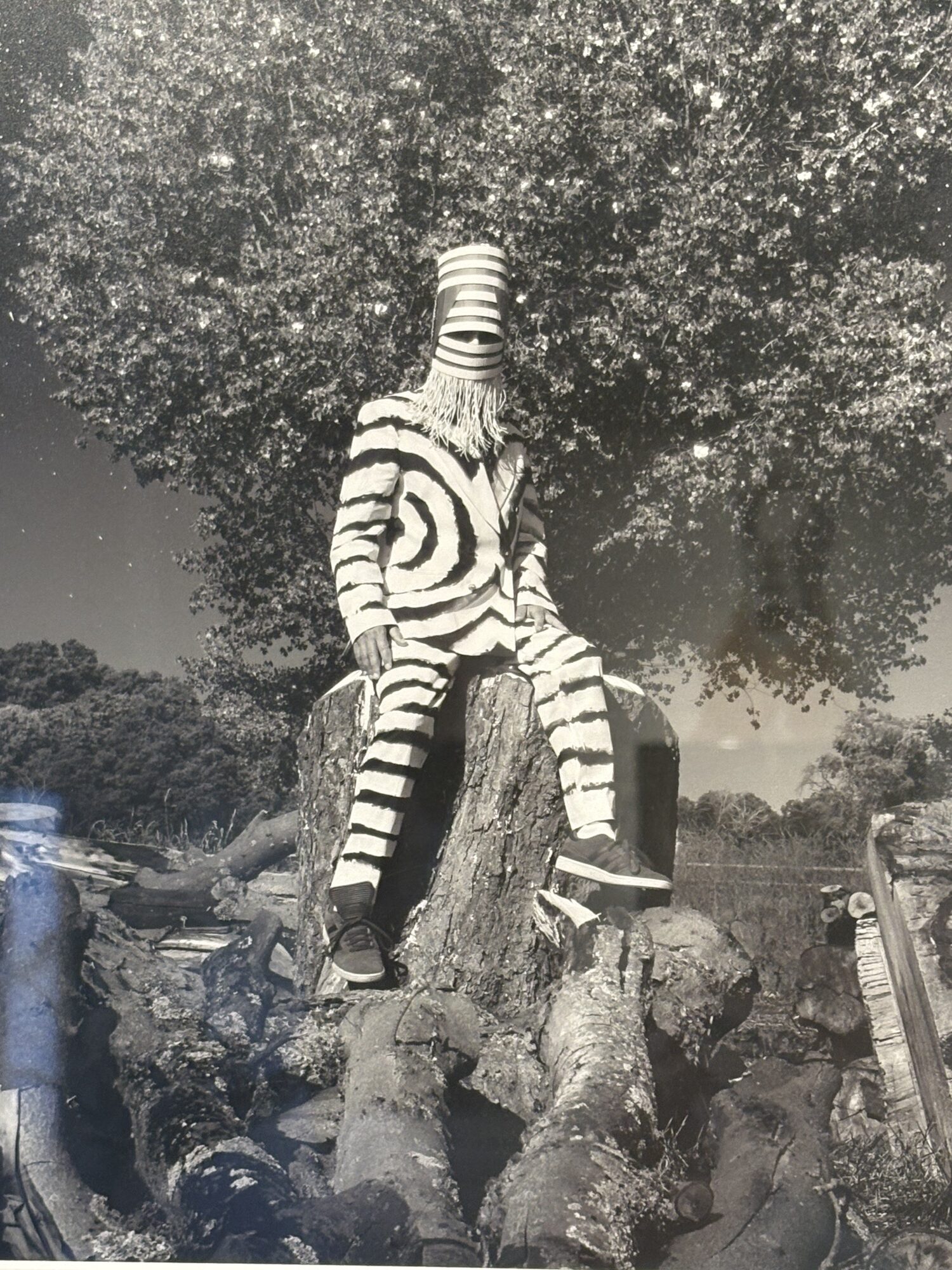
In Bowden Street near Kennington Cross there exists a little known but fascinating gallery space called the Camera Club, and at 140 years old it’s  one of the oldest such clubs in the world.  Upstairs there are studios, darkrooms (not the kind found in a gentleman’s nightclub in Vauxhall), and a digital suite that even mere photo mortals such as you and I can hire. On the ground floor there is a dedicated gallery space that is open for all of us to peruse. And at the moment they have a little showcase of greatest hits.

The art of seeing: 140 years of Photography at the Camera Club is a retrospective of some of the highlights of the vast collection held by the Club. It spans the era from monochrome to the latest digital advancement and showcases what we love the most about photography. Namely, the pursuit of lighting, storytelling, composition, and the way in which photography exposes the spirit of the individual. In its essence this pint sized production reveals how little has changed in subject matter in spite of massive improvements in technology. We just find different avenues to express ourselves. 

The Art of Seeing: 140 Years of the Camera Club is on now until 2 May and is totally free. It’s open daily from 10:00 to 22:00 and weekends from 10:00 to 18:00. And no, we have no idea why it’s open over 75 hours a week. Regarding joining the club, they welcome absolute beginners and information can be found on their website. They also have a series of events and regular casual meetings for photographers to discuss all things snappy. 

Raging Planet and The Power at Newport Street Gallery

We just attended the premiere of two exciting new shows at Newport Street Gallery. And by ‘premiere’ we mean ‘the first day’ as people like us don’t get invited to actual premieres. Curated by the son of the man who owns the Gallery, Connor Hirst, in a strange manner the exhibits contrast and relate to one another. 

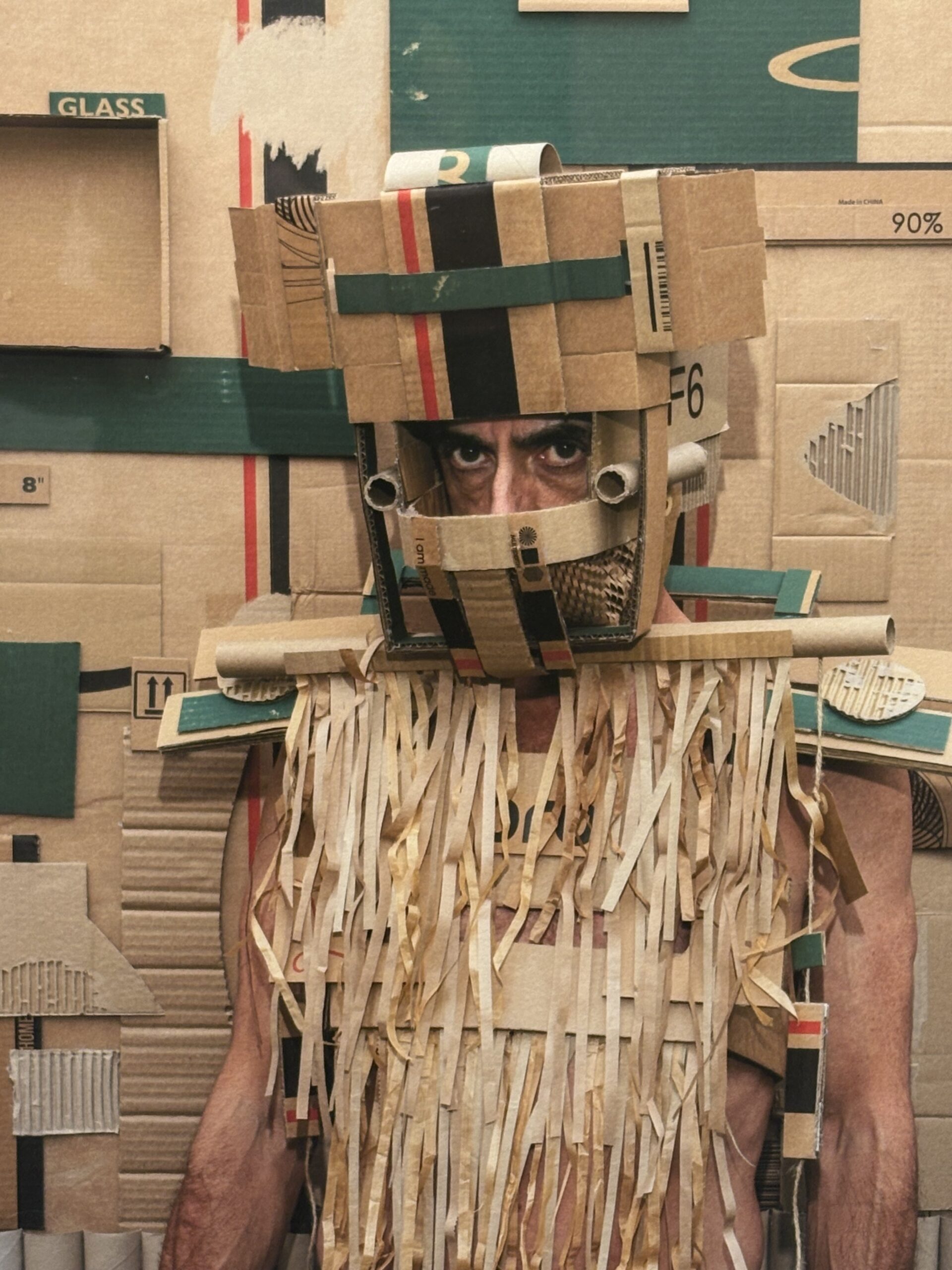
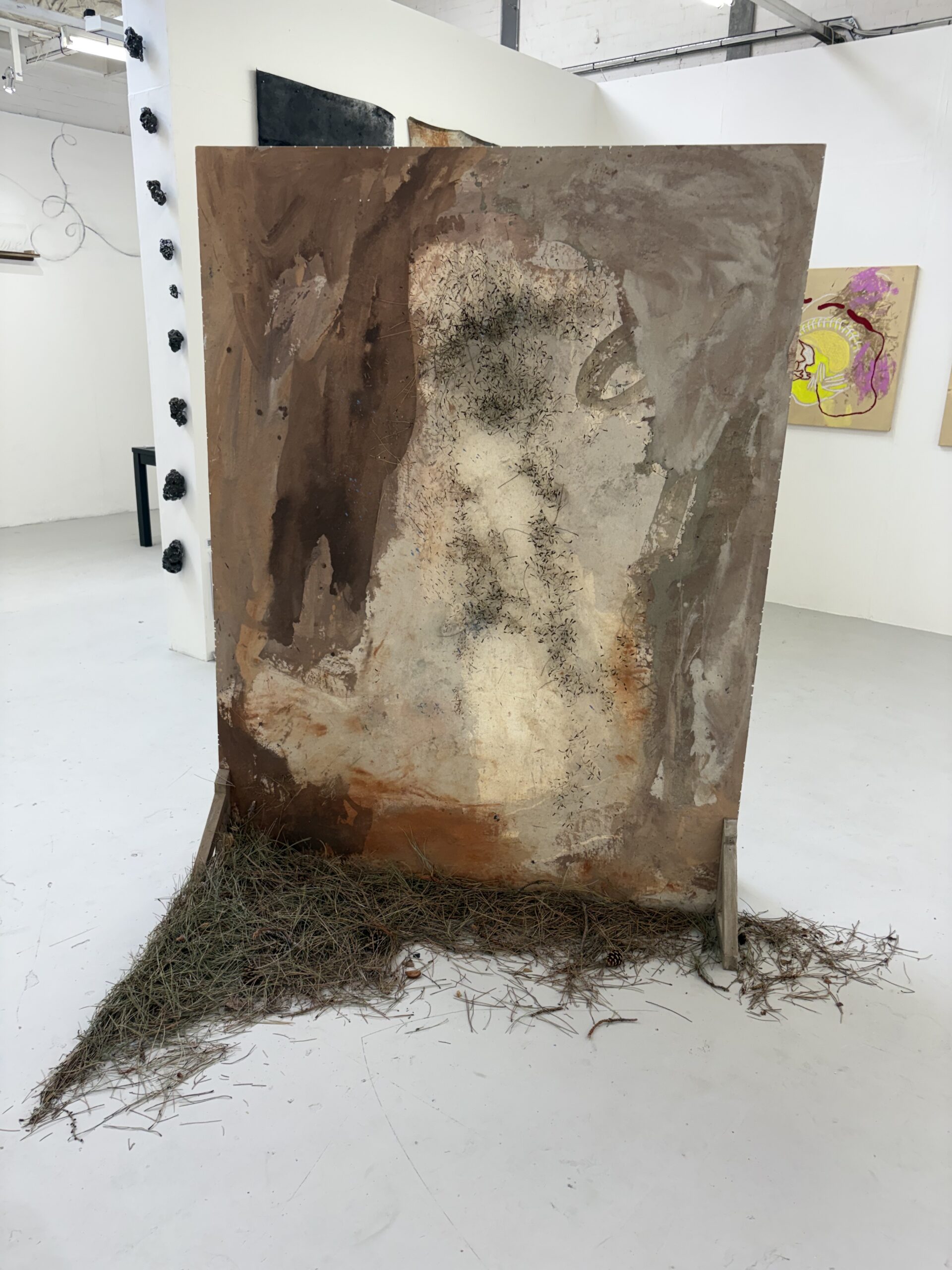
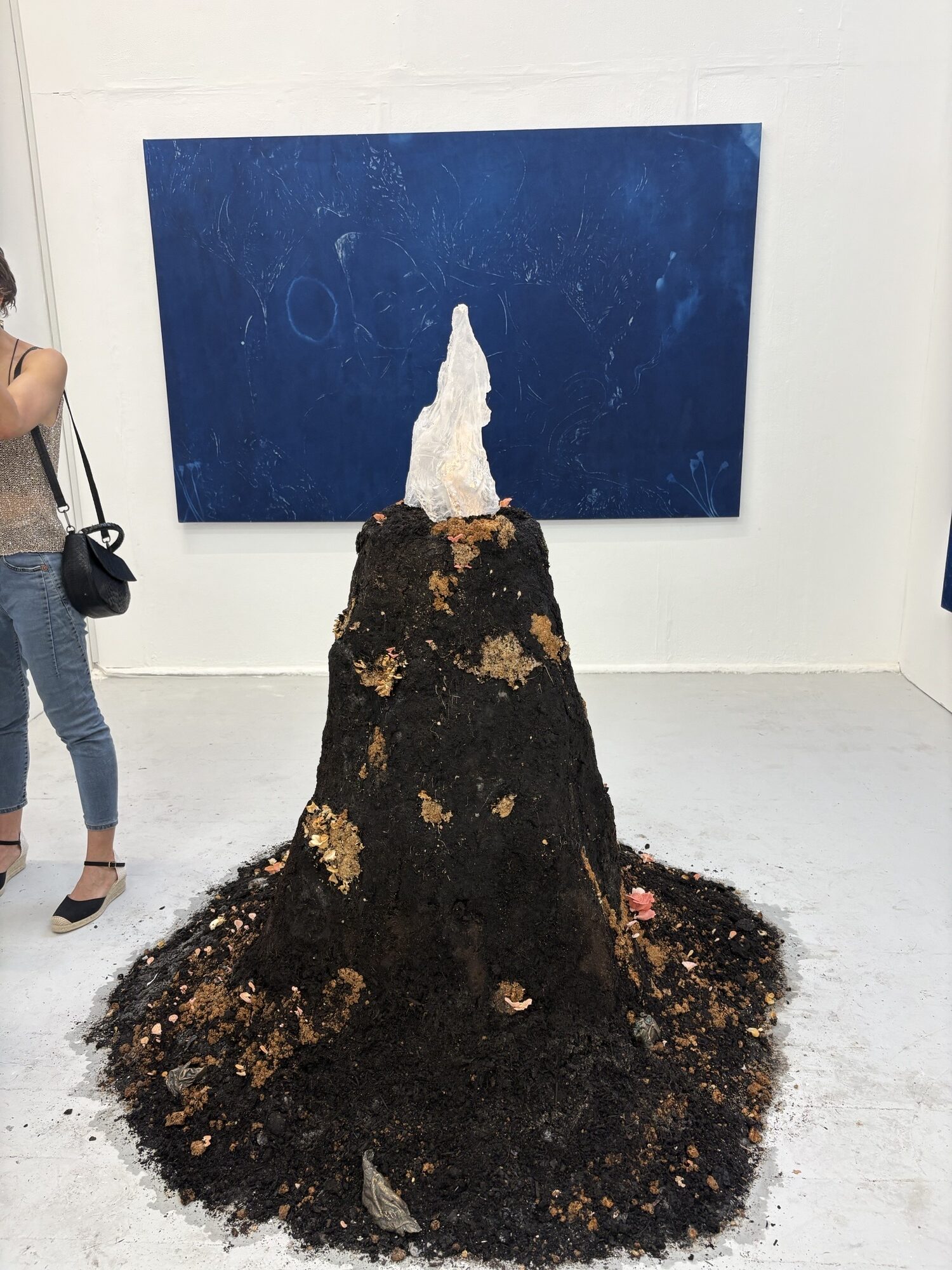
In the downstairs we find the exhibit ‘Raging Planet’, which is a group show of six different global artists who are endeavouring to incorporate the chaos which is inherent in our planet into their work, mostly by using elements found in the earth. So what we find are swirling, abstract paintings on aluminium. Other paintings feature pigments mixed with sawdust, and in one arresting piece large clumps of mud are painted over in a Franz Klein blue.

For us the best room is the last, where artist Richard Hiornes encrusts sculpture and paintings with copper sulphite crystals. What we see is a giant engine made inert by a residency of crystals and duelling cathedrals in the midst of a crystal invasion. So if what you demand in a show is rocks on the floor and even a small DJ booth, then this could be right up your avenue. You can dance and then fall over on a rock, recreating the experience of many Observer staff at Glastonbury.

More unsettling is the exhibit upstairs, ‘The Power and the Glory’, which is about nuclear weapons testing. We thought it was a strange contrast to the previous exhibit celebrating the earth as opposed to destroying it. The exhibit features a great deal of photos about nuclear weapons tests post WW2 in the Pacific . They are aesthetically pleasing if you can divorce this from their intended purpose, which we struggled to achieve. Mixed in with these are images of Hiroshima and Nagasaki after they were destroyed. 

In the middle of the exhibit we have a beautiful exhibit of what are called ‘scholars rocks’. For centuries they have been collected in East Asia and appreciated by their abstract and wave like forms. As they are also associated with downfall,  one definition of a scholar rock is as a ‘weapon that shatters a dream’. Perhaps this therefore serves as poignant complement to the photos that surround them. 

Raging Planet and The Power and the Glory are on now until 31 August and, like love itself, is totally free. 

Millicent Fawcett and Vauxhall Park

The research division here at Observer have been working overtime to establish and claim feminist writer, politician, trailblazer and suffragette Millicent Fawcett as one of our own, and we think they’ve cracked it. Her many achievements are outlined here and if you’re the attentive sort you’ll be aware that she was the first female honoured with a statue in Parliament square a few years ago.

For a number of years Millicent and her equally esteemed husband Henry Fawcett lived in a house in what is now Vauxhall Park. The house included grounds and the couple realised that in an increasingly cramped Vauxhall this was a privilege which they wanted to share with others. Although the genesis of the idea came from Henry, when he died prematurely in 1884 it came down to Millicent and several other people to fashion the reality. 

The Fawcett’s home and gardens extended from South Lambeth Road back quite a bit. Although spacious, the gardens weren’t quite large enough to create a promenading style park, so Millicent and another pioneering champion of the underdog, Octavia Hill, set about purchasing buildings to create a solid, square park. The park was opened by Prince Charles in 1890. And before you throw your laptops out the window, as he was the Duchy of Cornwall the ground beneath the park was (and is) technically his. 

Vauxhall Park doesn’t look so inviting in March, but you get the point

So, you may be asking yourselves ‘now why isn’t there a memorial to the Fawcetts in Vauxhall Park’? Well this is a great local mystery. There was a very fine stature created by the Vauxhall based Doulton factory of Henry (but not our heroine, go figure) and it lived in the park for 70 years. In a moment of characteristic insanity, Lambeth Council took a sledgehammer to the statue in 1960.  Henry Fawcett’s legacy now lives on in the form of Henry Fawcett Primary School in Bowling Green Street in Oval. Apparently the bust of Henry in the school is all that remains of the vanquished statue, but this has never been proven.  And when you compare a regal bronze statue in Parliament Square to a chipped bust in a primary school corridor, I think we know who ended up with the better deal.

Fawcett’s legacy lives in the form of the Fawcett Society, which is in Black Prince Road. Their mission is to fight sexism and gender inequality through research and campaigns.  

Bert Hardy, Chronicler of Greater Kennington

From the archives, the fourth of our month of best history posts

Bert Hardy (1913-1995) was a self trained photographer and resident of Elephant and Castle who worked as chief photographer for the Picture Post during a pivotal moment in the history of the UK. Hardy travelled the world photographing wars and current affairs and closer to home covered the D-Day landings and a certain royal wedding. Closer to home ever still, he was commissioned a series of photographs called ‘Life in the Elephant’ over a three week period in 1949 depicting working class life in the Elephant.  

Set amidst a backdrop of bombs and building sites, Hardy captured the backdrop of a seemingly unchanged pattern of life….horse drawn carts, trams, kids playing…juxtaposed against a community that was changing radically. The wintry weather had a great deal to do with the effect of these photos, as did Hardy’s predilection for haze and smog. The photos below are just a snippet of those generated for the Post. We invite you to Google the man and you might just find yourself down your own time consuming but very enriching rabbit hole. Meanwhile enjoy the photos below.

A small boy reads a newspaper at the kitchen table while his mother opens a tin of food at their home in the Elephant and Castle area of London, 8th January 1949. Original publication: Picture Post – 4694 – Life In The Elephant – pub. 1949 (Photo by Bert Hardy/Picture Post/Hulton Archive/Getty Images)