Kennington Invents the Taxicab…Sort of.

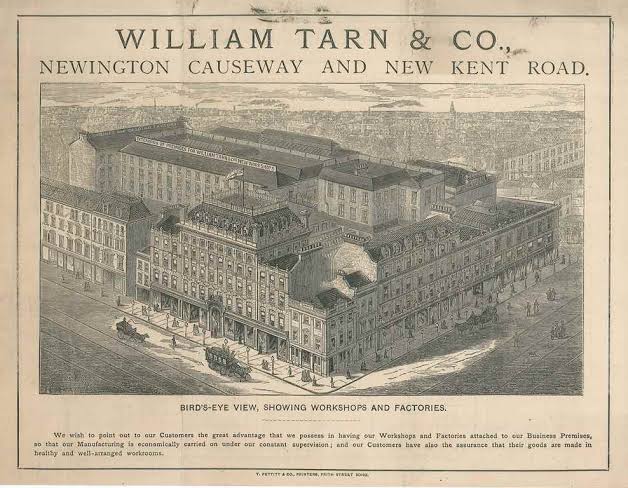
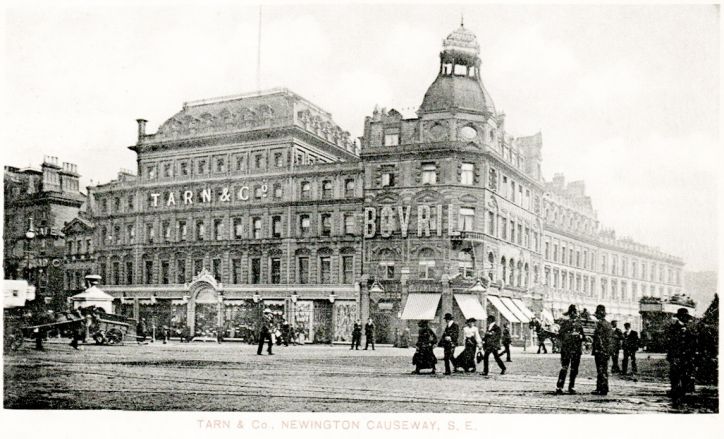
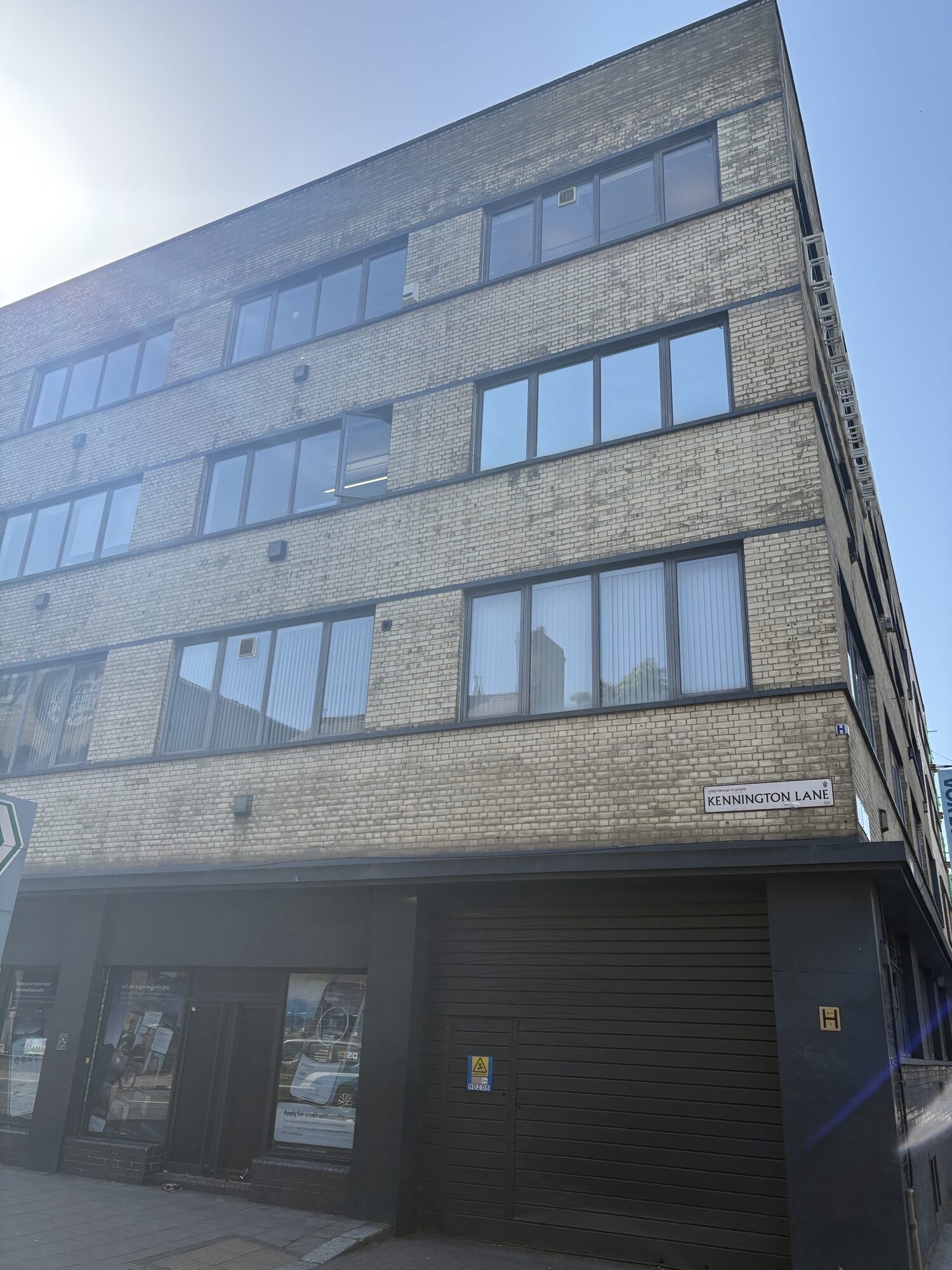
You’ve probably walked or bussed by the massive red brick and terracotta behemoth buildings at the top of Brixton Rd next to the park but never noticed them. Built in 1905/07, it was the original home of the General Motor Cab Company and oversaw the first wave of motorised taxis in London. This imposing structure has also had an inordinate impact on our vernacular, as three commonplace words were coined in these very buildings….Taxicab, taxi, and cab.

London’s first petrol fuelled cabs were rolled out in 1903 and by 1905 they became the norm, but they of course needed a depot where they could be parked. The garage of the General Motor Company then came into existence with home for over 2000 cabs and one of its first tasks was to get the new motorised whizzies fitted with meters. Thus became the synthesis of the words ‘taxi’ (from the French taxomiter) and ‘cab’ (from the French cabriolet).

In a time before Waymo driverless cabs threatened to mow you down in Kennington Lane, the regulation of taxis was a laborious undertaking and made compulsory by 1907 and an administration extension to the depot was erected that year, likely used to oversee revenues from the cabs.   And for the young ones out there, taxis are something that old people used wave down to get home from a boozy night out. You might still see a few of them about. They’re black and driven by guys named Gary who want to talk to you about football and ‘all those people coming over in boats’.

The current occupant is largely the shared office outfit ‘Workspace’, offering shared and personal work environments at an extortionate rate….but if that subsidises their cheap coffee and free Wifi in their café then we say ‘keep up the good work’!  The building is so massive, in fact, that until recently part of it was rented to the National Theatre as a storehouse for all their costumes. That space is now occupied by Pure Gym, where our PR assistant Adam once somehow managed, with devasting consequences,  to get his shorts trapped in a stationary bike. Other occupants include firms of architects, consultants, catering and, most tantalisingly, a K-Pop dance school. Sign us up!

Beauty and Destruction at the Imperial War Museum

We love nothing more than a four day weekend, but after a fifth episode of ‘A Place in the Sun’ things can get rather, shall we say, boring…..So we’ve decided to build some brain cells by popping over to the Imperial War Museum to see the petite, pop up exhibit ‘Beauty and Destruction: Wartime Art in London’. Its free (we love free) and open throughout the weekend.

Through the medium of oils, watercolours, pen and ink drawings and even letters we can see the destruction wrought through 57 days of the Blitz and beyond. Included are works by Paul Methuen, Evelyn Gibbs and Leonard Rosoman. We frankly have no idea who any of these people are, but they’re good artists who were either commissioned by the government to undertake these works or were casual painters. The most notable of these being Henry Moore. As with all exhibits at IWM, this is not a glorification of warfare, and many of these works are testaments to resilience, depicting mums shopping or people just getting on with their lives. So you have no excuse to get your Guardian reading selves over there.
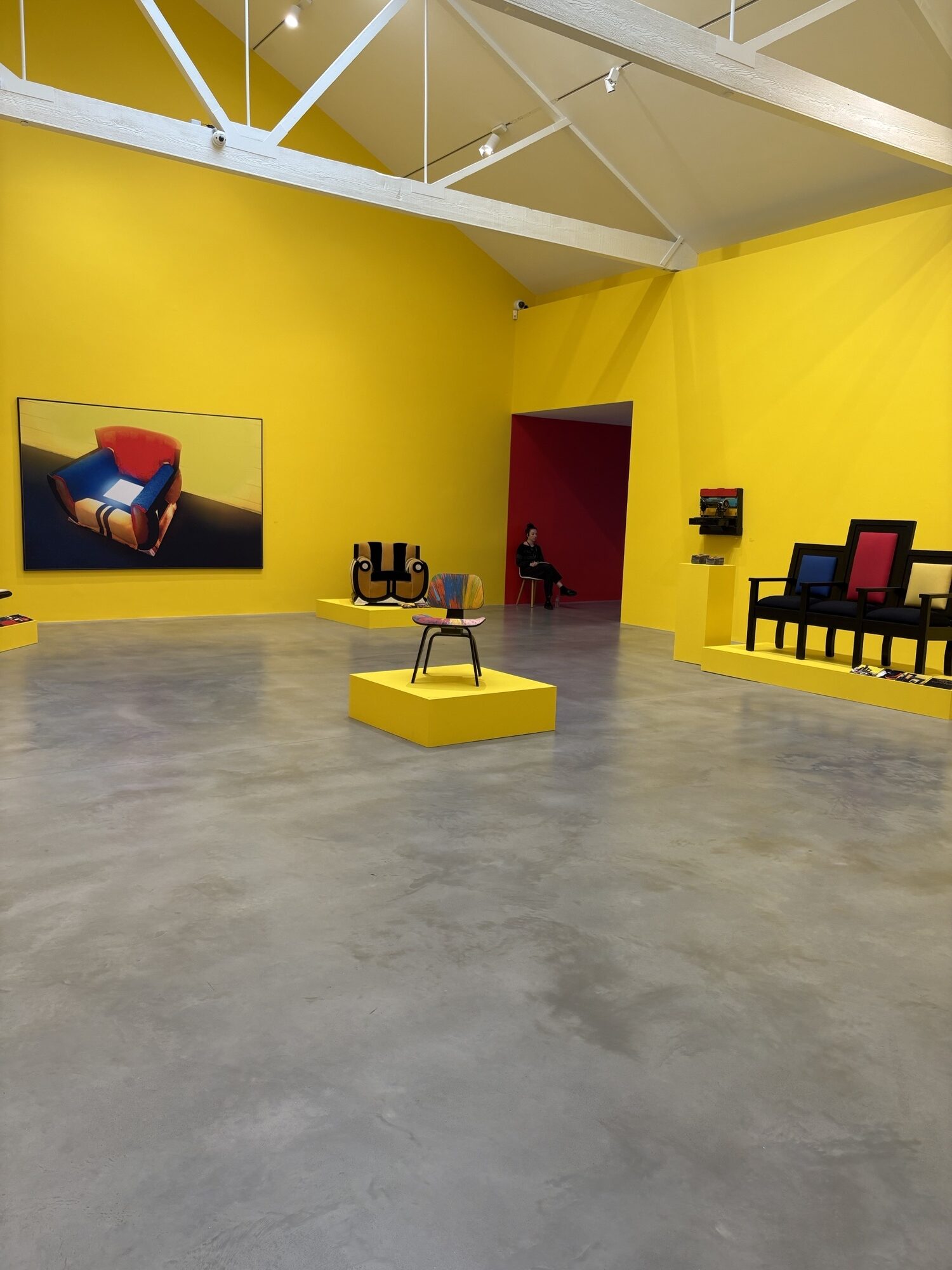
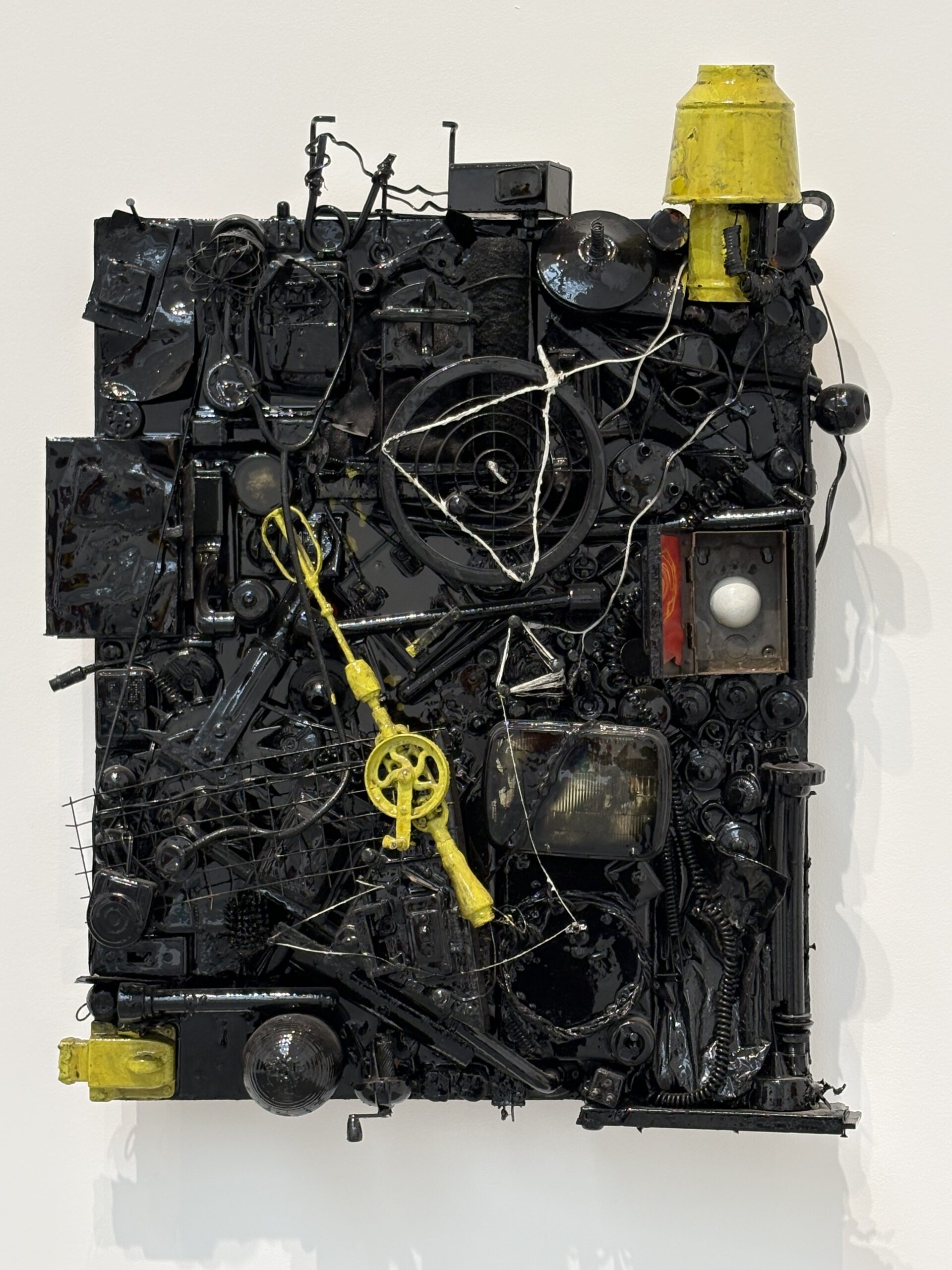
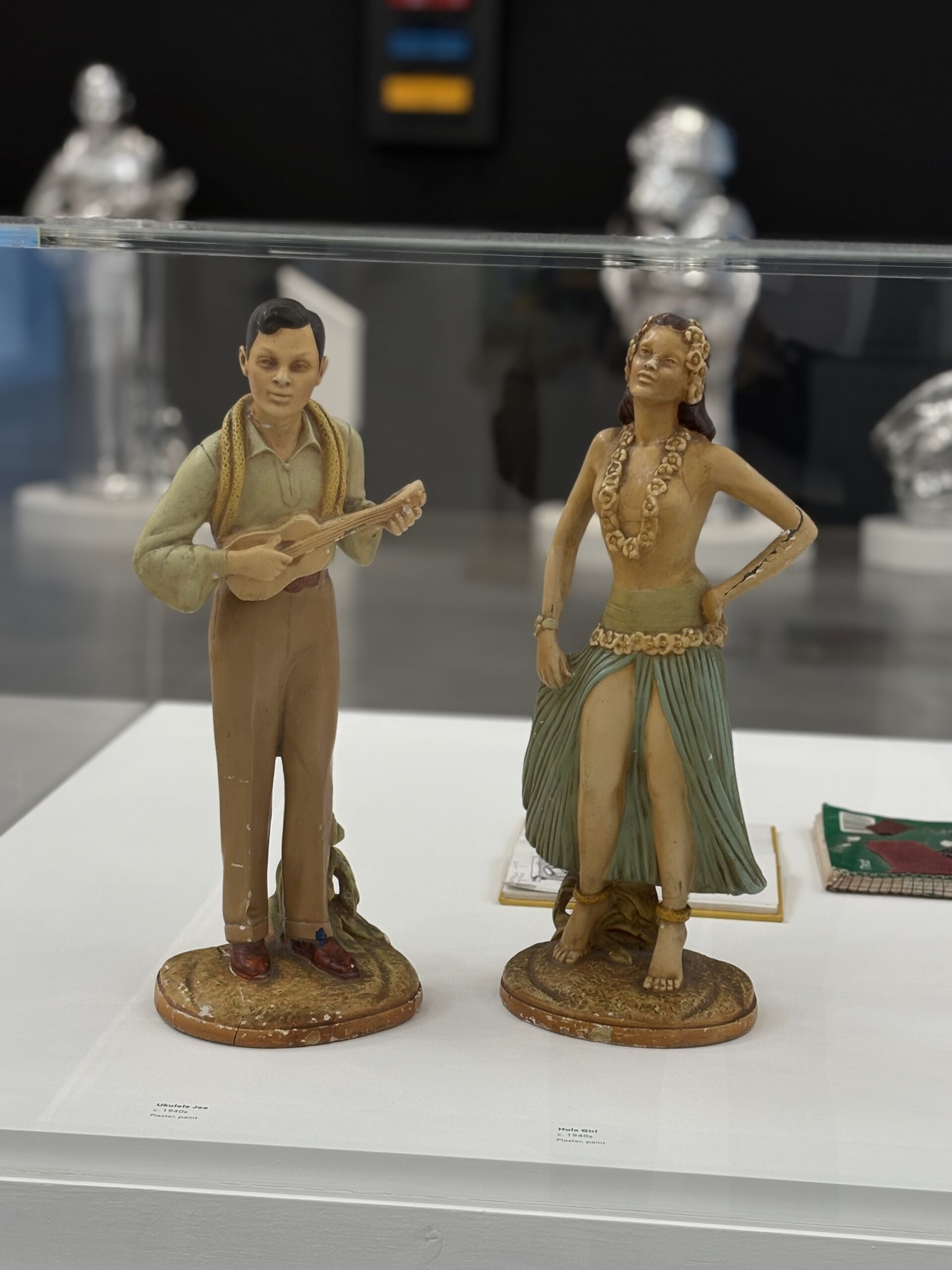
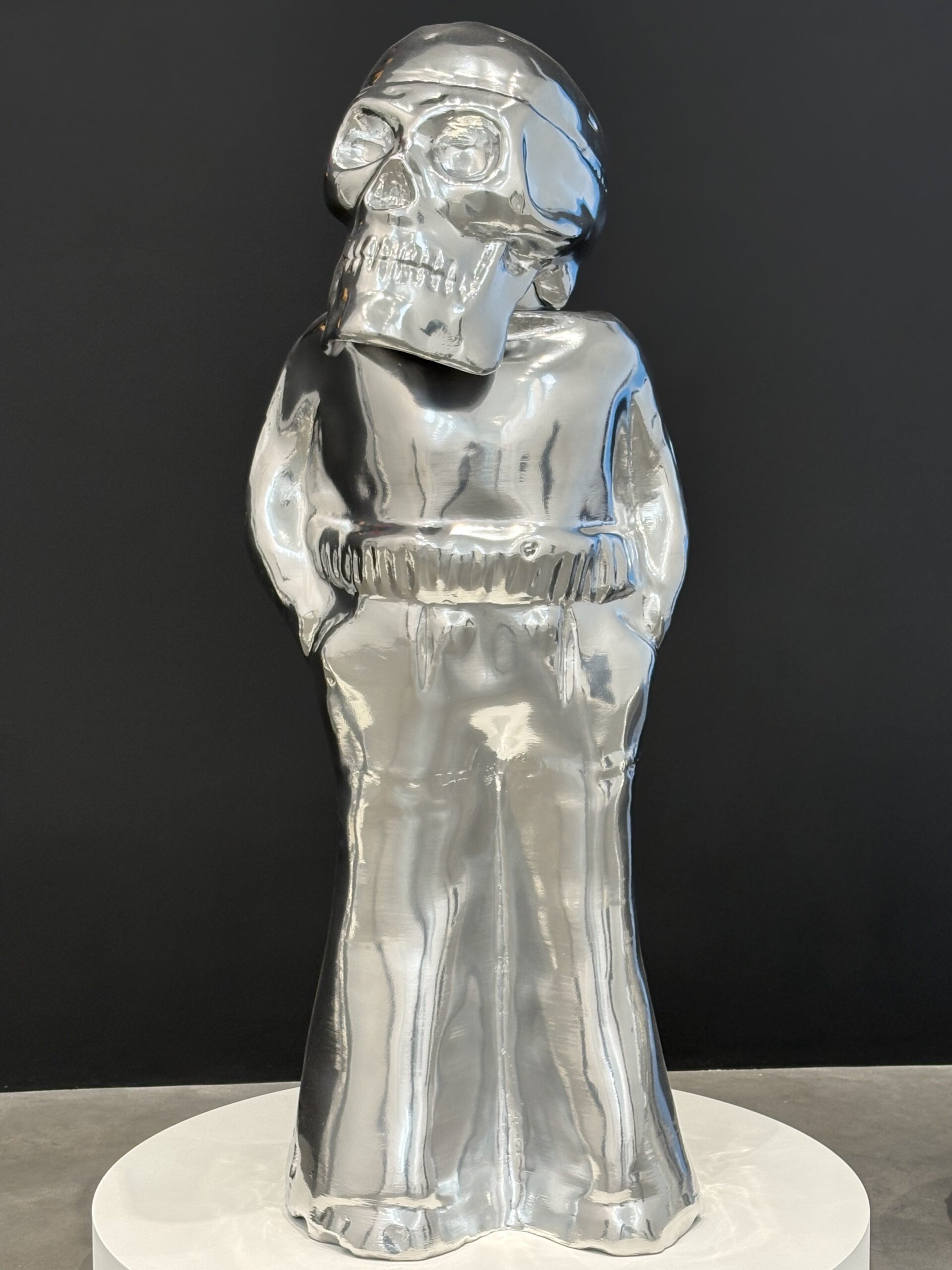
Beauty and Destruction is on now until 1 November and is totally free. As the exhibit is small, why not pop over to the Blavatnik Art, Film and Photo Gallery on the same floor? They have a number of stunning works and it’s a fun way to spend some time.  Well, if you can sidestep the unfun fact that’s been endowed by a dodgy Russian oligarch. So Guardian readers, you get a free pass on this one.  
Elizabeth Bligh, the Most Patient Person in Greater Kennington

For a number of years we’ve wanted to write a piece about William Bligh as his family lived in a house facing the Imperial War Museum. However, after a fair amount of research we’ve reached the scholarly conclusion that he was in fact an irascible and nasty piece of work who was given roles he wasn’t qualified for merely because of his connections. That led us to investigate into a more worthy resident of 100 Lambeth Road; his long suffering and patient wife Elizabeth.

When Elizabeth and Bligh married in 1781 she was aware that they would be apart for long periods of time, and after reading his history perhaps that’s one thing that attracted her to him. While not running a household with four kids and staff Elizabeth was a Conchologist; a collector of seashells. Many of which Bligh lovingly obtained as he sailed the South Pacific yelling at people.

Bligh is best known as the cause for the Mutiny on the Bounty, instigated by sailors who grew weary of his incompetence and abuse (Observer bigwigs take note of this). Less well known are his hijinks afterwards. In a ‘deju vu’ moment, several years after the Bounty he was involved in the Nore Mutiny and was once again forcibly removed from the ship has was captaining. Through all of this Elizabeth remained devoted to William and stood by him.

Possibly because they wanted to get him out of the way, in 1806 the Navy appointed  Bligh as Governor of New South Wales. He requested that Elizabeth join him but she promptly shut him down. We’re picturing a Regency version of Elizabeth putting her hand in his face and saying ‘I don’t think so’. When stories began to circulate from New South Wales that he was trying to be deposed, the caricatures and rumours started to fly.  As if she didn’t have enough on her plate, Elizabeth actively campaigned on his behalf by writing letters to persons with influence regarding his fitness to remain and defiance in what became known as the Rum Rebellion.

Despite her prolific letter writing, Bligh was dismissed from his role down under just two years after being appointed. In what must have been a ‘Oh FFS not this again’ moment for Elizabeth, he joined her again at 100 Lambeth Road. Elizabeth was probably Bligh’s only friend, and to repay her for a life spent raising kids, running a household, writing letters and collecting shells Bligh infected Elizabeth with syphilis and she died in 1812, aged 59. Websites indicate that Bligh contracted syphilis by ‘talking to natives in Tahiti’. Well, here at the Observer we know a thing or two about catching STD’s and they aren’t transmitted by talking, thank you very much.

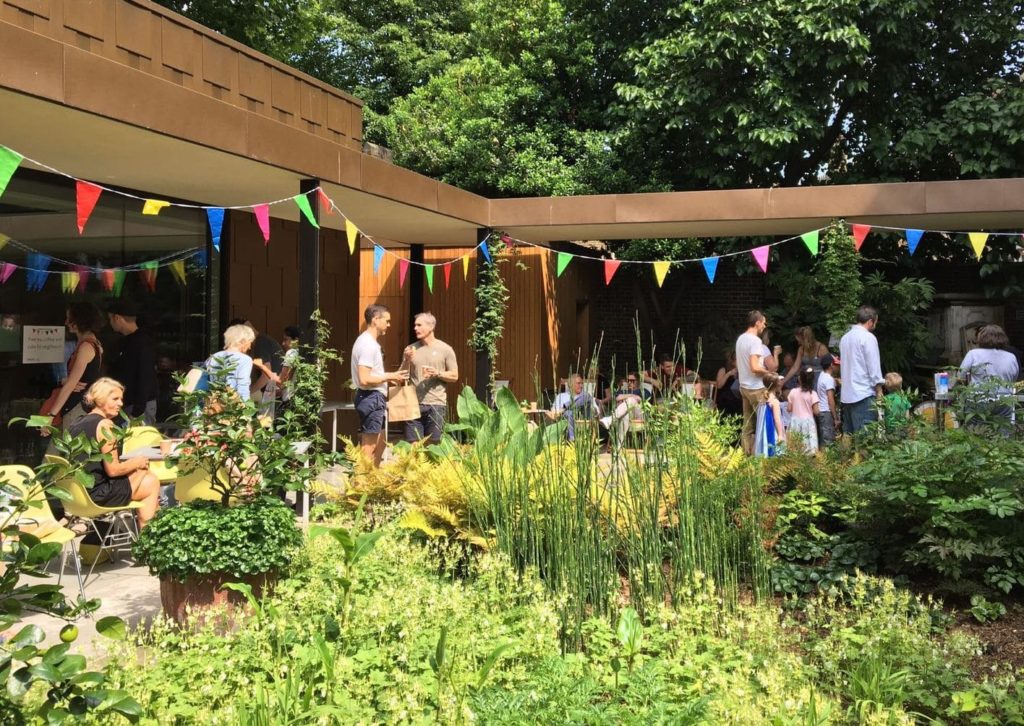
The tranquil family resting point is in the courtyard of the Gardening Museum, next to their very swishy restaurant which we’ve been trying to get the aforementioned bigwigs to fund for ages, to no avail. Could a mutiny be brewing in our underground offices?

#7 The Top Ten Best Places to Eat in Greater Kennington (+ 1 Sunday Roast)

Bonnington Cafe

Motoring on, and the number #7 Spot is awarded to the very independent Bonnington Cafe, and we recently made a much overdue visit to the Vauxhall institution in Bonnington Square. The Cafe is part of the larger Bonnington Centre, but more on that later. 

Bonnington Café was established over forty years ago as a not for profit endeavour and still serves its original purpose of serving affordable (£5 starters £12 mains £5 desserts) vegetarian and vegan fare prepared by a rotating cast of chefs. They also have a BYOB policy to make it even more affordable. At the moment the chefs are creating British comfort food, vegan Polish fare, and locally sourced favourite dishes (UPDATE FEB 2026 – still occurring). Our night was led by Syrian chef Hind Danoun, who passionately cooks her mother’s Syrian vegetarian dishes. She’s in the kitchen on Fridays and some other nights. 

The menus at BC are purposefully very small, and showcase what the chef is working on at the moment. Cliff from the HR team chose the grilled aubergine with tahini and paprika sauce topped with nuts for a starter and he called it ‘sublime’. The tahini was described as creamy and smooth, no clagginess: a light dish of splendidly umami flavours. The lentil kebab main didn’t feel remotely like a kebab to Cliff, so an odd name: lentil steak would have been closer. This was lightly spiced, and benefitted from its accompaniment of yoghurt sauce and a great sumac sauce that made the dish.

Your scribe had the fattoush salad with pomegranate molasses, which was bright and sharp: a little too sour for some tongues but a nice contrast of leaf and crunch. Meanwhile, majouka felt rather like a Syrian take on a vegetarian biryani – which was a result that your scribe could get on board with: simple, tasty, hearty.

Overall, both in terms of pocketbook and what we consumed we left feeling healthy. Well, maybe that £7 bottle of Tesco Malbec we knocked back in half an hour wasn’t so healthy, but don’t judge us. If you don’t fancy a meal at the BC then pop over to Bonnington Square itself for a bit of a wonder, as it’s a verdant urban subtropical oases (maybe not in February) with a storied past that we wrote about previously.

The Bonnington Centre has an eclectic sounding programme of activities on the first floor including one called ‘Death Café’, which rather reminded us of the time when Phil brought homemade brownies into the office. They also have yoga and film nights. On our night there were a motley and hungry group of amateur musicians coming downstairs for a bite, while as we left we were serenaded by the lovely tones of other musicians upstairs.  

Greater Kennington’s First Skyscraper

From the Archives, the fifth and last (sadface!) month of best history posts

Long before the behemoths of Vauxhall and the impending towering bewilderments of Elephant, there existed Draper House in Newington Butts, where Kennington meets Elephant and Castle. Nestling shyly next to the ‘who switched the fans off’ Strata, the Draper Estate was built in the Brutalist style in 1965, and when Draper House was finished it was the tallest residential block in London. If you look up at the block today this seems almost unbelievable.  

In order to meet the varying needs of a devastated community post WW2, radical architects Kenneth Campbell and Hubert Bennett were commissioned to create a building consisting of 141 flats and maisonettes. In the manner of Le Corbusier, the idea was that ‘nothing is too good for the ordinary man and woman’ and the building had wide corridors and the unique addition of fire escapes. Campbell and Bennett transcended traditional building methods by installing a cladding of storey high slabs of white Italian marble.  Another unbelievable reality when we look at the cladding of public housing today. 

We were made aware of the interesting existence of Draper House after reading that one of its original residents just moved out after 56 years. Falling into a typical Runoff rabbit hole, we read the interesting stories of current residents such as Ian, who has lived in the building for 36 years and raised his family there. He notes that many residents have lived there for decades and over the years has progressively reflected the multi cultural dynamic that gives Elephant it’s energy. 

Being tall and notable does have a few downsides, and for many years Draper House had a darker side as it was known as the suicide capital of London. Those days are long gone and the multicultural essence persists at ground level with such treats as a Latin American mini mall, a Brazilian hair salon, a Chinese tea house, and two of our favourites eateries – Italian ‘Theos’, and the wonderfully named ‘After Taste’. 

The Railings That Saved Lives

From the archives, the third edition of our month of best history posts.

If you’re the observant or, in our case, intrusive sort you’ve probably noticed some unconventional appearing railings outside some estates in Greater Kennington. These didn’t start their life as estate railings, but rather as devices to save people’s lives. 

Our little railings atop an emergency vehicle

At the beginning of World War 2 London was stripped of many of its railings in order to be melted down for use as armaments. Whether they were actually used for this purpose or just an elaborate morale boosting PR stunt remains a point of debate. Ironically, the iron railings were removed at the same time as 600,000 iron stretchers were being mass produced in order to ferry away casualties from bombsites. Fortunately not nearly that many were ever needed or would be in future, so London had a whole lot of beds on her hands…. 

The WW2 stretchers produced during the war were cast iron and couldn’t be melted down into anything more practical afterwards, so in a rationed post war Britain someone devised the clever idea of sticking the stretchers on their sides, welding them together, and repurposing them for use as railings outside of public buildings. In this very early version of upcycling, they were reborn as fencing and exist in our estates to this day. Today our railings attract interest from around the world but sadly, like most of the staff here at the Runoff, are not being cared for properly and are in a sorry state of repair. 

Stretcher railings are a very unique part of London’s quirky street furniture and we are fortunate to possess the lion’s share right here in our anointed patch. So next time you get a pesky little idea about going to the West End for a bit of culture, just pop over to your nearest estate. There is even a stretcher railing society for those of you who have a fence fetish. But if you do join, we suggest that you keep that one to yourself. 

Harleyford Road, Vauxhall

Manor Place Baths

From the archives, the first edition of our month of best of history posts

From Baths to Boxing to Buddhism

UPDATE JANUARY 2026 – Manor Place baths has just been reinvented as a free indoor skate park/mini football pitch with space for emerging artists to show their work. This is wonderful as we thought it would end up being unaffordable housing. It is, however, owned by a collab of Nike and fashion brand Palace. Which proves that you can’t always get what you want in this world.

Victorians are well known for many things. We know they were sanctimonious and strived to make our minds pure, and the natural progression was to have clean bodies and clothes,  so for the health and hygiene of all the mortal bodies of Walworth, in 1895 work got underway to create Manor Place Baths. In addition to offering showers, it also had three swimming pools, private changing cubicles and large do it yourself laundry facilities. Think of it as kind of a Victorian water park.

Over the years the Baths became more of a community centre and also a place for people to obtain a bit of privacy in an era where privacy was at a premium. Women could trade children’s clothes, men could catch up in the men’s pool, and even children could come along. As the pools weren’t heated and our Greater Kennington forebears didn’t fancy losing their toes to frostbite, the men’s and women’s pools were covered over with wooden flooring in the wintertime, which gave said forebears a brilliant idea……Use it in the winter as a boxing venue. 

Manor Place saw its first bout in 1908 and went on to host a roll-call of the famous and infamous, including the Kray twins. It became so well known that when the BBC began to broadcast boxing they chose our little Baths as their first venue. For more than 40 years, The Metropolitan Borough of Southwark’s Charity Boxing Committee organised the bouts, which saw the cream of the boxing world come to Walworth, giving locals the chance to see top-flight, professional boxing on their own doorstep

Fast forward to the 1970’s. By then the now sadly extinct Heygate Estate had been built and most people had their own bathrooms. Domestic labour saving washing machines were now commonplace and those who didn’t found that newly opened laundrettes would do quite nicely. The final nail in coffin of Manor Place came when the new Elephant and Castle Leisure Centre opened in 1972, which put into sharp focus just how deteriorated and outdated Manor Place had become.

Later in life our Baths were used as offices for Southwark Council and later rented out by a Buddhist organisation for use as a meditation facility. It was purchased by Notting Hill Housing Trust in 2017 and it is currently being developed into market rate flats and ‘affordable’ housing. The reason this is taking so long is that the building is, thank baby Jesus, Grade II listed and Notting Hill have to be very careful as to how it is adapted. 

Pullens Yard Open Christmas 2025

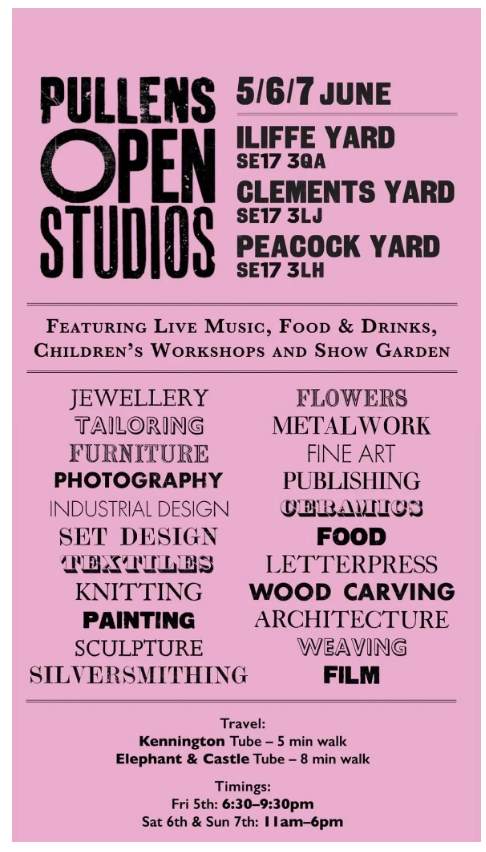
As frequent readers are all too aware, we here at the Observer love nothing more than anonymously sticking our noses where they don’t belong. So why not join the merry ranks of middle class white people and partake of our passion/dysfunction? We’re talkinng, of course, of the great Pullen’s Yard Christmas Open Studios weekend taking place on 5-7 December (that’s this weekend, folks) in Walworth.

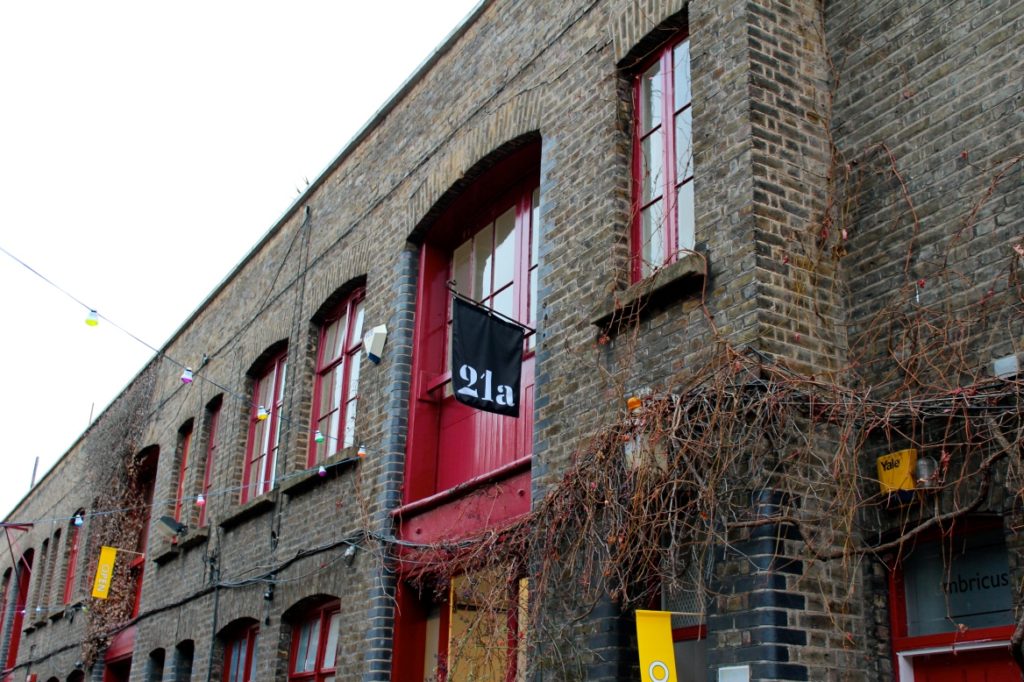
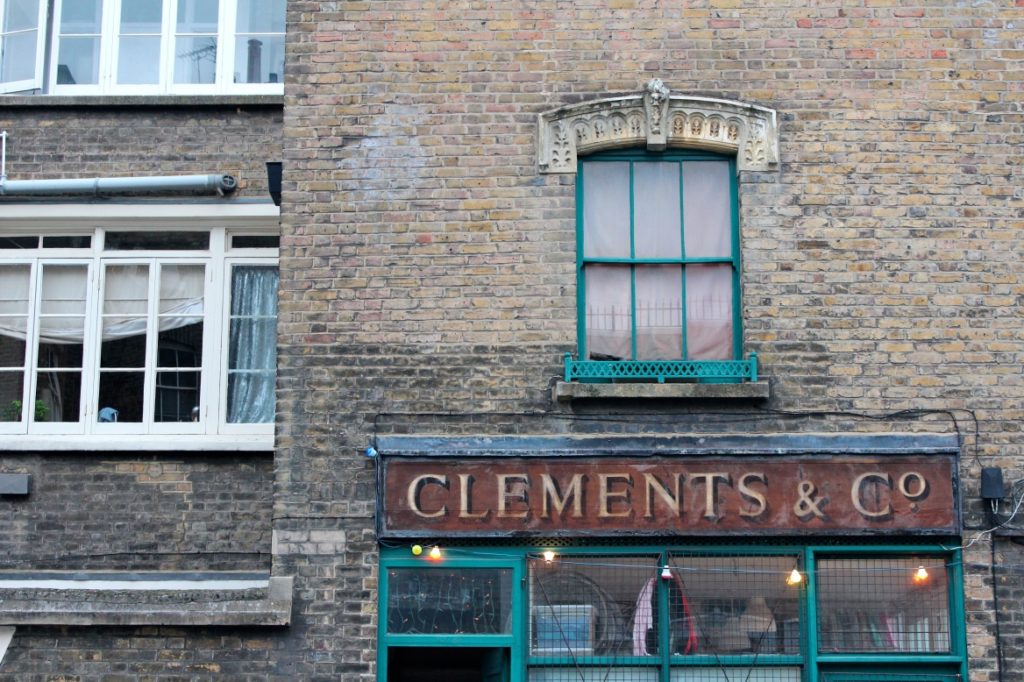
Pullens Yards (Clements, Peacock and the large Iliffe Yard) are an amazing collection of 1880’s workhouses which were originally designed for the people who lived in the nearby Pullens Estate. We wrote about the fascinating squatting history of the estate a few years ago. Instead of being converted into luxury flats, the Yards serve the same purpose as they did 140 years go, and the cabinet makers and blacksmiths have been replaced by potters, jewellery makers, card makers and folks who make things that smell nice or wrap up for a gift. We once bought moth balls disguised as little knitted mice. And as we know crystals are just rocks, but the stall holders might just convince you that they have the power to heal.

The studios at Pullens Yards are usually not open to the public, but twice a year they fling their doors open to give us a glimpse into their creative universe. The artists are more than happy to show you what and how they create, and of course you can buy what’s on show. And buying is by no means compulsory, as at the end the day these folks just want to show off how clever they are and it’s totally free. Have we mentioned how much we love free?

A visit to the Yards is a fun way to spend a morning or a late afternoon searching for quirky and unnecessary things. In the past we’ve encountered live music, food for sale, a bar provided by Orbit Brewery(!) and live music. A wet Friday night is a particularly evocative time. And who knows, you just might discover a previously unrealised desire to own a necklace made out of forks or a room deodoriser fashioned as a piece of cheese.

Pullen’s Open Studios is open Friday evening and in the daytime over the weekend. And if you’re hungry or want some tea, check out the great and very quirky Electric Elephant Café. And no, its not a charity shop. It just looks like one.

Guy Fawkes Never Lived in Lambeth

Normally, we here at the Observer love nothing more than a baseless rumour mill, but today we’re here to debunk one. For many years the house that was used to plan and execute the Gunpowder Plot was referred to as ‘Guy Fawkes Residence’. It was situated on the Thames Foreshore close to Lambeth Bridge and was leased by Fawkes accomplice Robert Catesby due to the property’s Zone 1 address and handy access to Parliament (homes with river views being a bit cheaper in the 17th century Vauxhall than today).

So what was our house in Upper Fore Street actually used for? It was a spacious and elegant family home, perfect for light entertaining or stashing gunpowder intended to blow up people. Said gunpowder was then transferred at night to a leased storage space beneath the House of Lords. As most of the conspirators lived in the north, the house was used for meetings and perhaps lodging. And were imagining a kind of ‘Netflix and chill meets mancave’ crash pad scenario for the doomed men. And while Fawkes was known to frequent the ‘gaff, he never lived there.

In the end poor Fawkes and three of his co-conspirators, including Catesby, were hung, drawn and quartered for their espionage, and that got us in the office thinking. Once you’ve been hung you’re pretty much dead anyway, so wouldn’t then having your genitalia chopped off (drawing) and then chopping up your body (quartering) seem a bit, well, unnecessary? And one can only imagine what the clean up afterwards was like.

So yes, we can claim a bit of the Gunpowder Plot as our own but sad, dismembered Fawkes never lived there.

The Observer Gets Sporty

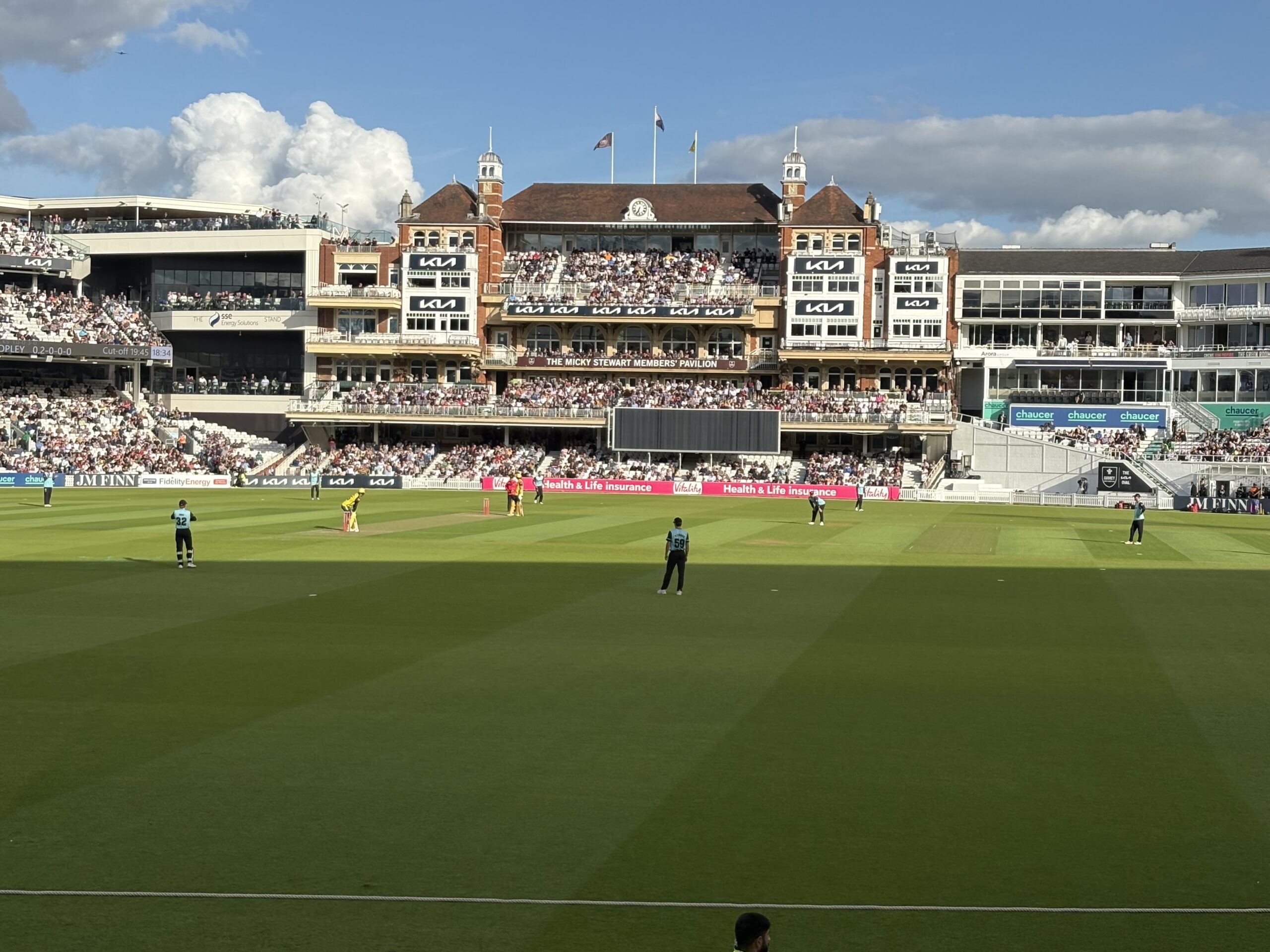
We recently scored members seats for the Oval Pavilion to catch a cricket match. These were procured through our Sport correspondent Mark. As you can imagine, in our office Mark has a great deal of time on his hands and in fact we forgot he existed.  He was therefore more than happy to give us a tour of the Pavilion and the artifacts it contains. Tours are also available to the general public.

The Pavilion acts a fascinating backdrop to the sport and we learned about the cricket prowess of legends such as Len Hutton, Graham Gooch and Stuart Broad. To be honest we’ve never heard of these people but their dedication to the sport appears to be remarkable and their achievements abound. Also abundant are trophies, jackets, bats and balls from varying generations. If you want to know more about how the Oval was the world’s first for profit sporting venue, we wrote about it a few weeks ago. Mark can be seen below pointing at a black void.

As part of our day with Mark we actually saw a match and were able to walk onto the pitch. Seated amongst a dizzyingly diverse array of geriatric white men reading actual newspapers, it was quite a revelation to learn that cricket is one of the few sports that you appreciate whilst reading, talking, or indeed even sleeping. Mark exhibited immaculate decorum when we asked such probing questions as ‘how do they get the grass stains out’ and ‘why can’t they just wear shorts’? The view from the Pavilion to the Vauxhall riviera was worth the ticket price itself.

Match play doesn’t start again until April of next year, so seeing the men in white ply their trade is one for your sparkly diary. Tickets for many matches are just £15 and its great fun. It isn’t it so fun if it is your round at the bar as three drinks set us back £28, Luckily if it’s a county fixture you can bring in your own booze. On match days there are also an impressive number of food outlets, from venison burgers to curry.

A tour of the Pavilion and grounds is a great way to know more about the sport and how it shaped Greater Kennington, and how Greater Kennington in turn shaped the Oval. Tours of the Pavilion and grounds take place at 10:30am daily. While you might not witness the unbridled fascination of seeing a man reading the Telegraph whilst asleep, you’ll learn a lot more about the national sport and the other sports that were once played there.