Damien Hirst at Newport St.

Without a great deal of fanfare, on Wednesday Newport Street Gallery reopened with  a survey of Damien Hirst’s early work called ‘End of a Century’. The timing of this retrospective might be a coincidence or an intentional and very prescient observation of the world around us in 2020, as Hirst’s early work explored themes of death, healing, life saving medication, infection, and anatomy.  We checked out the show on it’s opening day. 

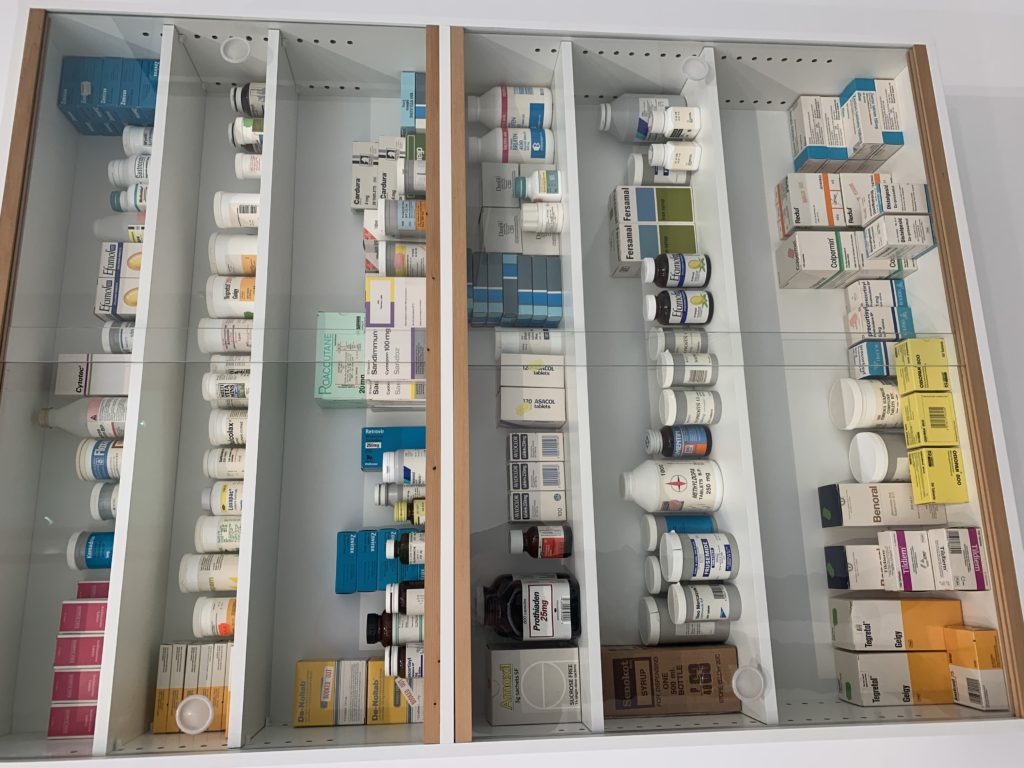
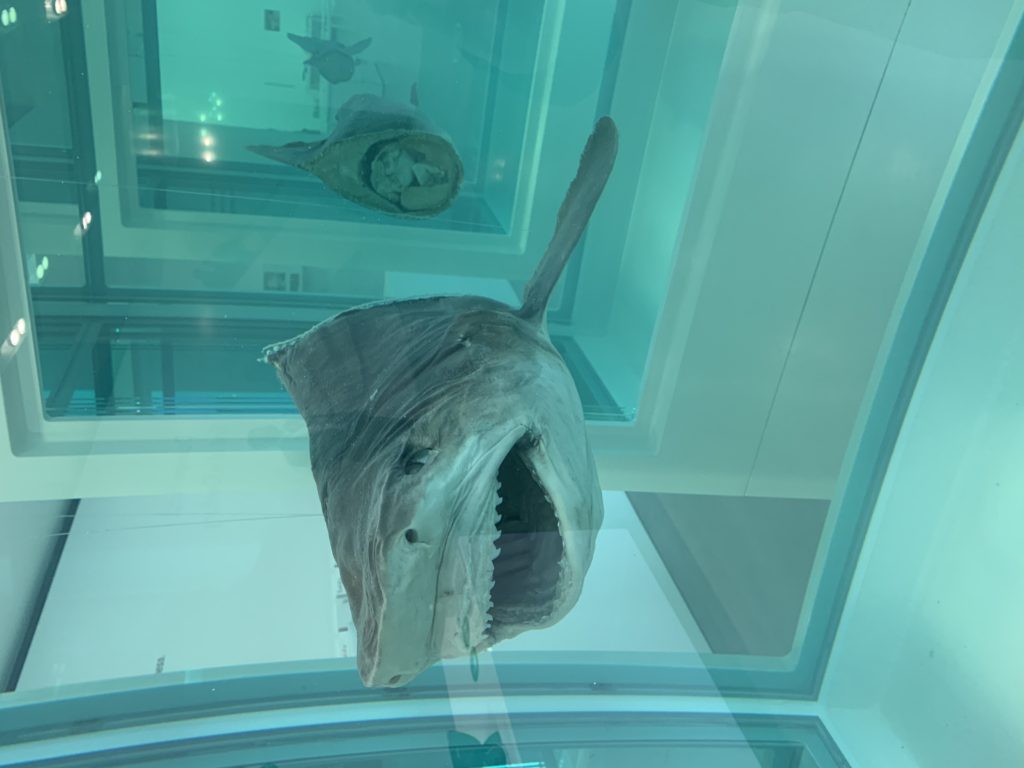
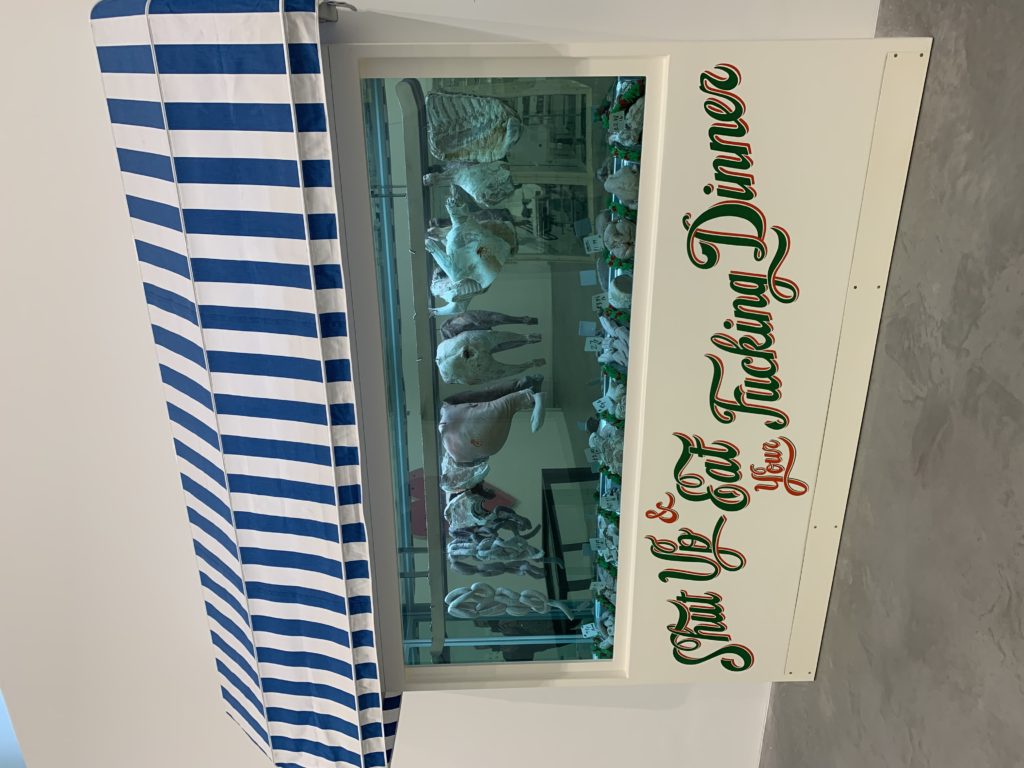
In the first gallery we were introduced to one of Hirst’s trademark dissected animals; this one being a baby shark in formaldehyde. Moving into the main galleries you might think you’d just wandered into aisle three at Iceland, as there were several freezers stuffed with frozen cow heads (we asked, and they are real). Also on show were Hirst’s trademark medication cabinets and a variety of medical implements. After an enormous anatomical model we’re left to ponder the slightly humorous ‘Shut Up and Eat Your Fucking Dinner’ (pictured at bottom) which was fashioned as a butcher shop window featuring a variety of meats encased in formaldehyde. Is meat murder? 

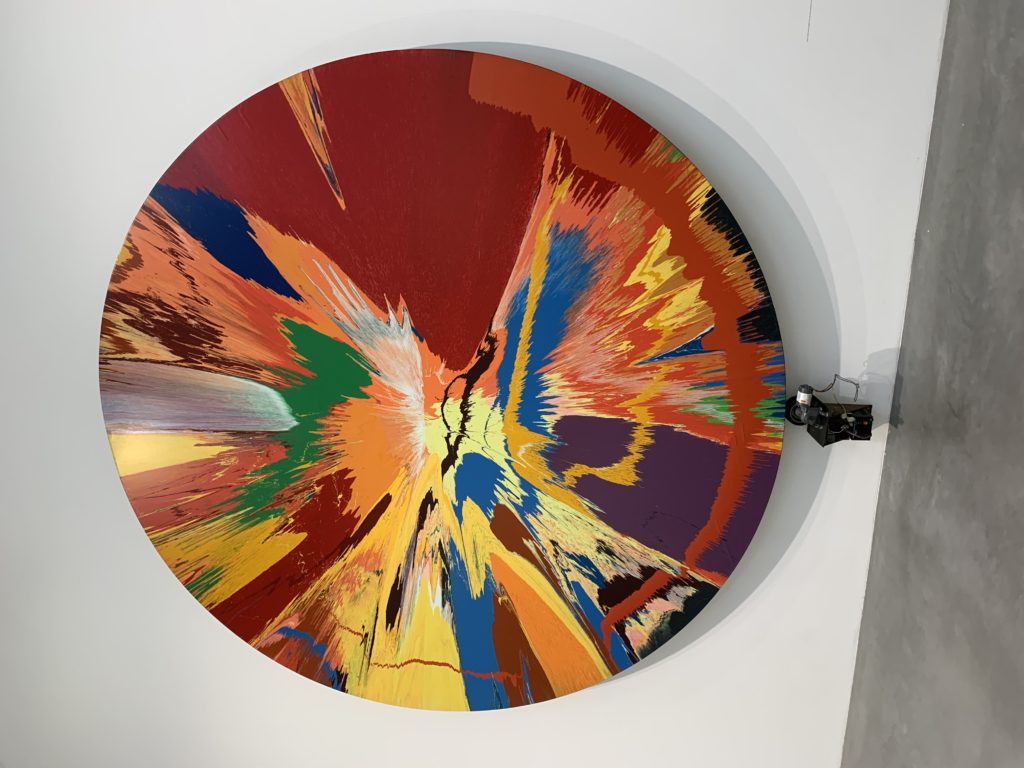
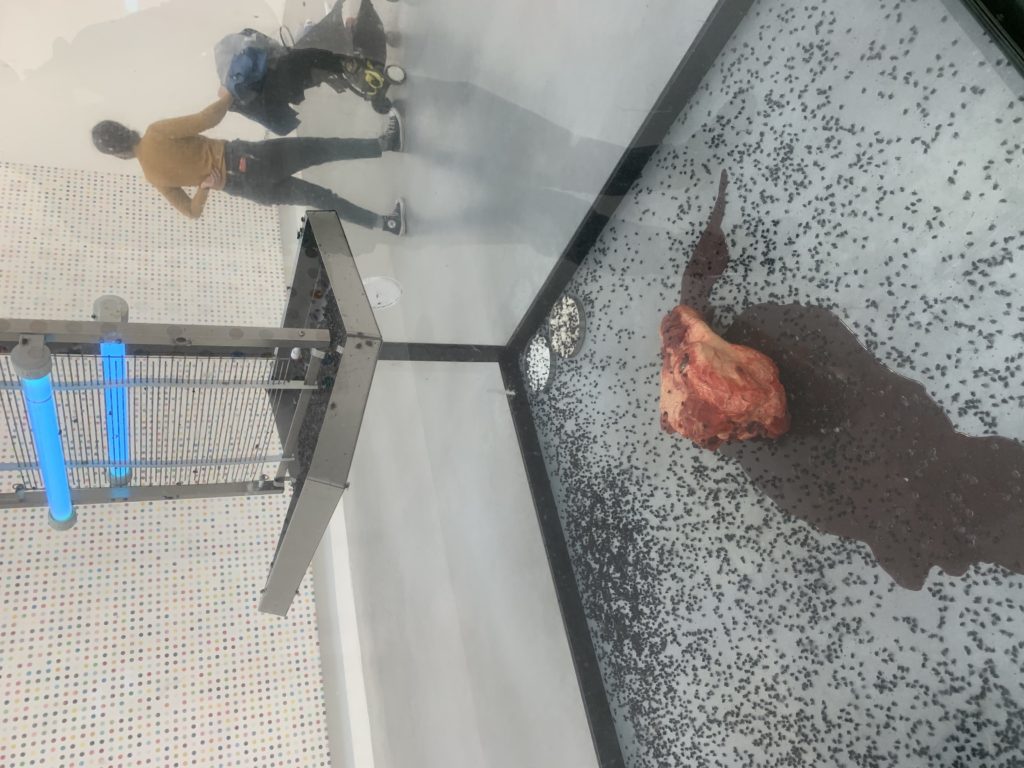
On the first floor we got to grips with several of Hirst’s spin paintings and dot paintings, with one actually spinning in the room. Surprisingly, there were several cubist inspired collages of found materials which Hirst created before he was a student at Goldsmiths, even then showing his early interest in mortality and resurrection. The most arresting work upstairs was ‘A Hundred Years’, in which a bloody severed cow head is being eaten by maggots who turn into flies who then get executed by  an inect-ocutor. We’re not making this up. 
Some of these works are almost 30 years old and don’t have the shock value they once possessed. But if your artistic taste embraces decapitated cow heads, meat, pills, blood, dead flies, and medical implements then this show will be right up your street. Vegetarians might want to steer clear. And lest you don’t give your mortality much of a thought during the pandemic, this show is a reminder of the profound fragility of organic matter. 

End of a Century is on now and until the end of March, 2021. Tickets are free and can be booked here.
24 The Oval – the place to be for Sunday roast

If you’re a regular reader you are probably aware of two things. First, we have a serious addiction to eating out. Second, we would rather be jabbed with rusty ice pick than give a biased review. If we feel passionate about something or it’s quirky we write about it. If it isn’t reviewed here we either didn’t like it or it just isn’t on our radar. 

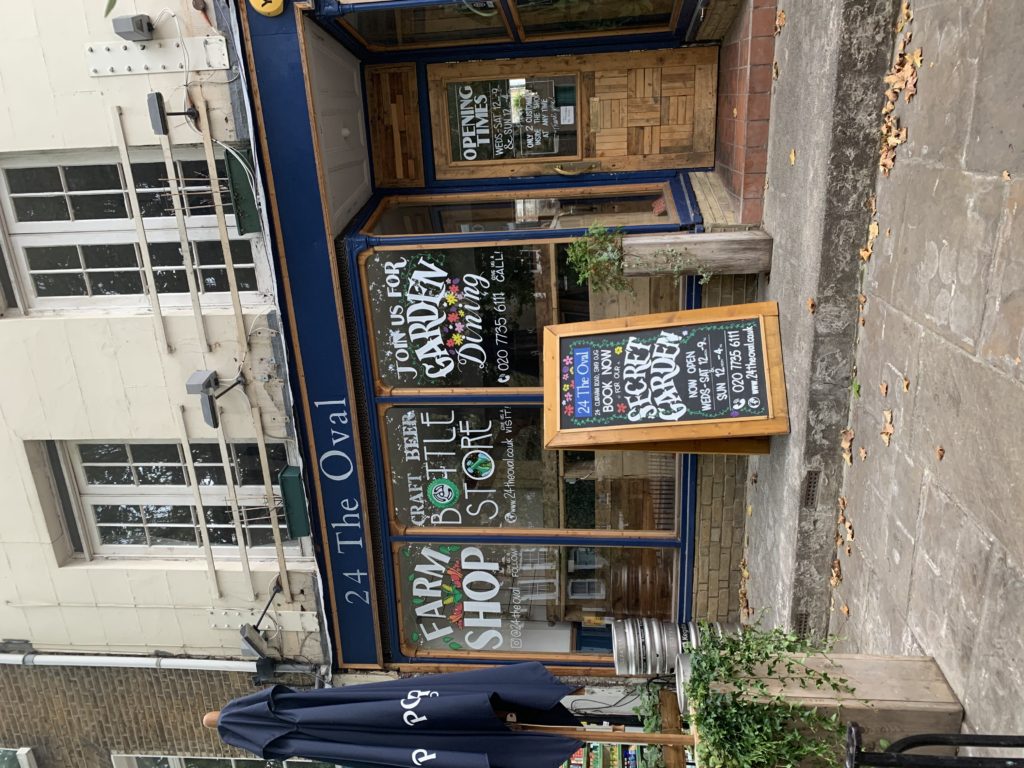
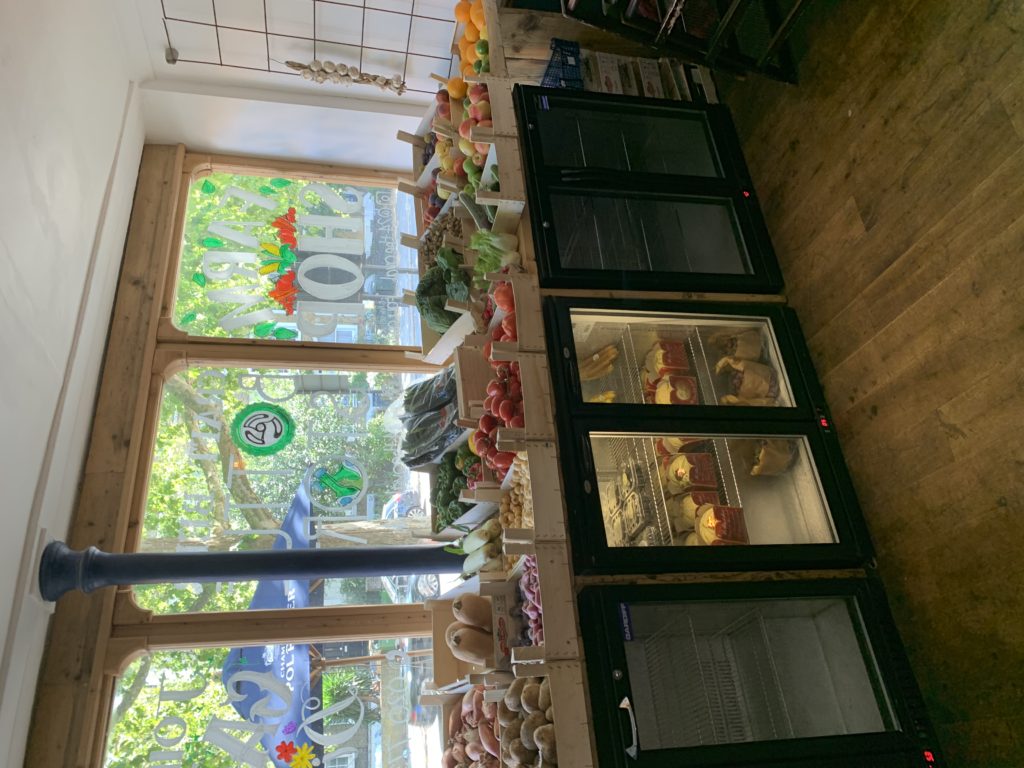
The restaurant 24 The Oval seems to have been on the radar of everyone but ourselves for ages, so recently we went to sample their Sunday menu. Early in lockdown they converted the front of the restaurant into a farm shop. It ‘s still going strong and we reviewed it here.  The setting of the restaurant at the back is unpretentious and the open kitchen and wealth of cookery equipment attest to a restaurant that is led by confident chefs. And 24 defies the current ‘small plates’ trend proudly.  

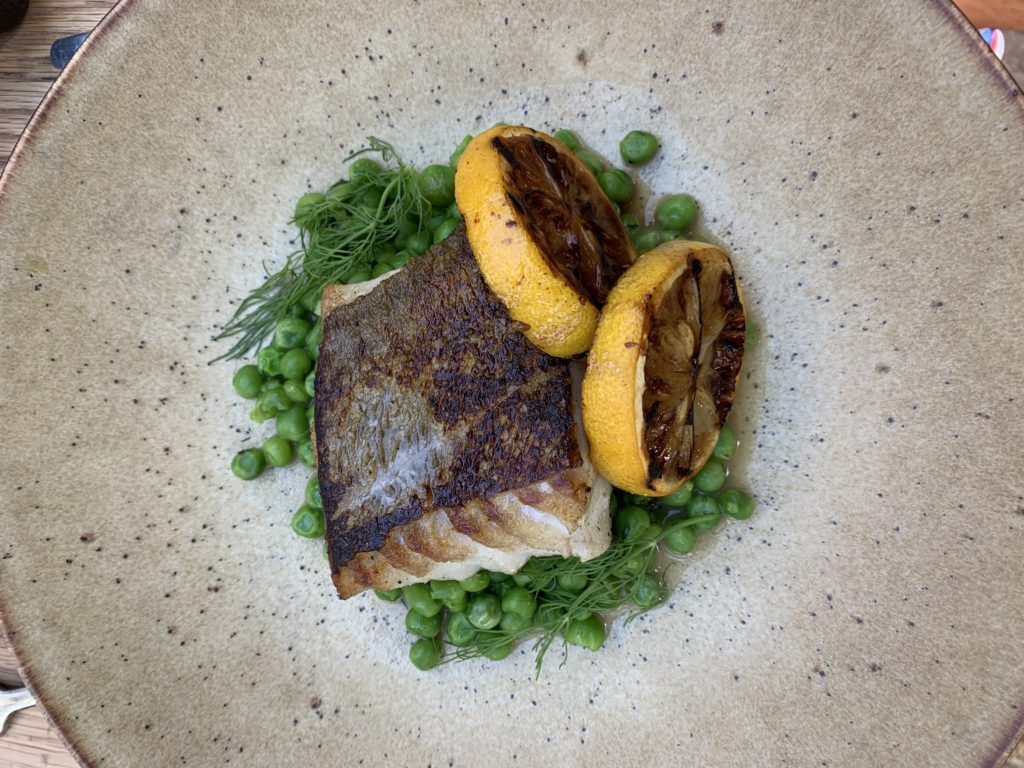
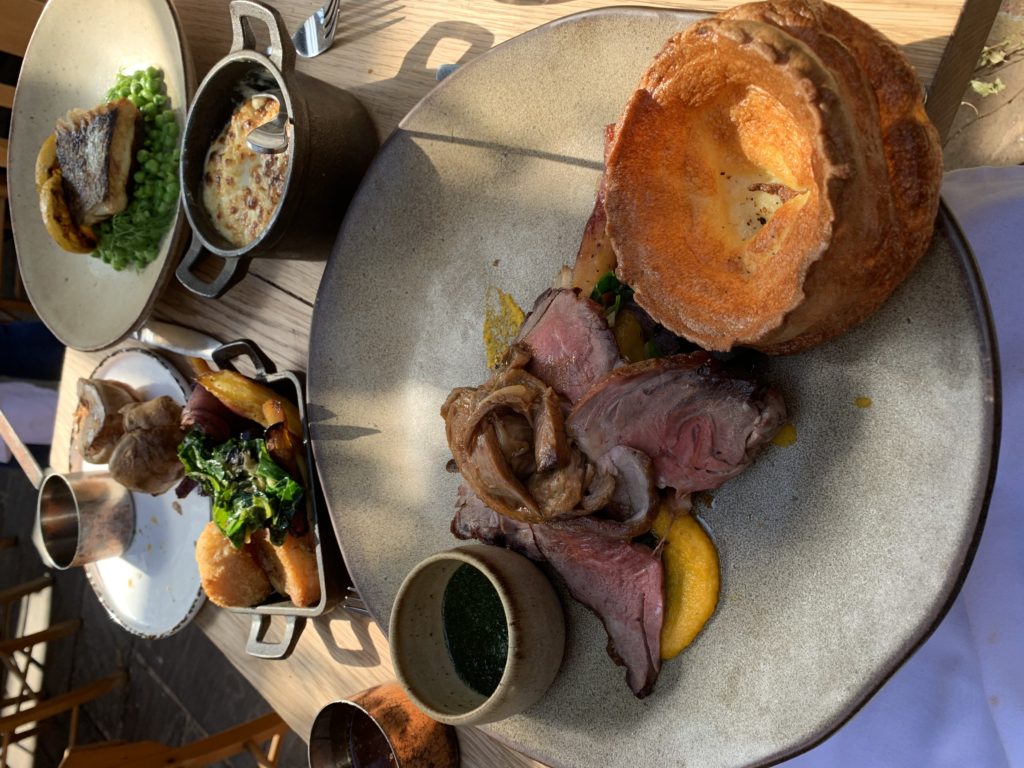
As it was still warm we were sat in the garden with orchids and succulents and a nice 80’s soundtrack. In an attempt by the staff to sabotage our dream of washboard abs, as an ‘amused bouche’ we were given four mini yorkies and served a further four between courses – and between us we downed nine of them….Moving on…your scribe defied convention and had the seared Cornish cod. It was very meaty and delicately cooked slab served with peas, dill, and preserved lemon. Your scribe was also getting flavours of celeriac..

My very ambitious associate had the lamb roast, which consisted of a pink leg and slow cooked breast, served with a pot of mint sauce (homemade, not Coleman’s). This is definitely posh roast territory so there was some artful piling in the centre of the plate with a construction of various roast vegetables (including some lovely cabbage) and crisp roasties. Then, if that wasn’t enough, there was a separate dish of extra veg and roasties plus a pot of cauliflower cheese. Although at the pricier end of Sunday roasts, this was super quality – and super quantity. 

The crowd at 24 was an eclectic and diverse mix of white middle class people with lots of hair who were under the age of 45. If this describes your good self then you’ll fit right in. If, like us, you do not fit that category you’ll still be greeted heartily. As for the service, it was very causal yet well drilled. 

A celebration of Elephant and Castle Shopping Centre

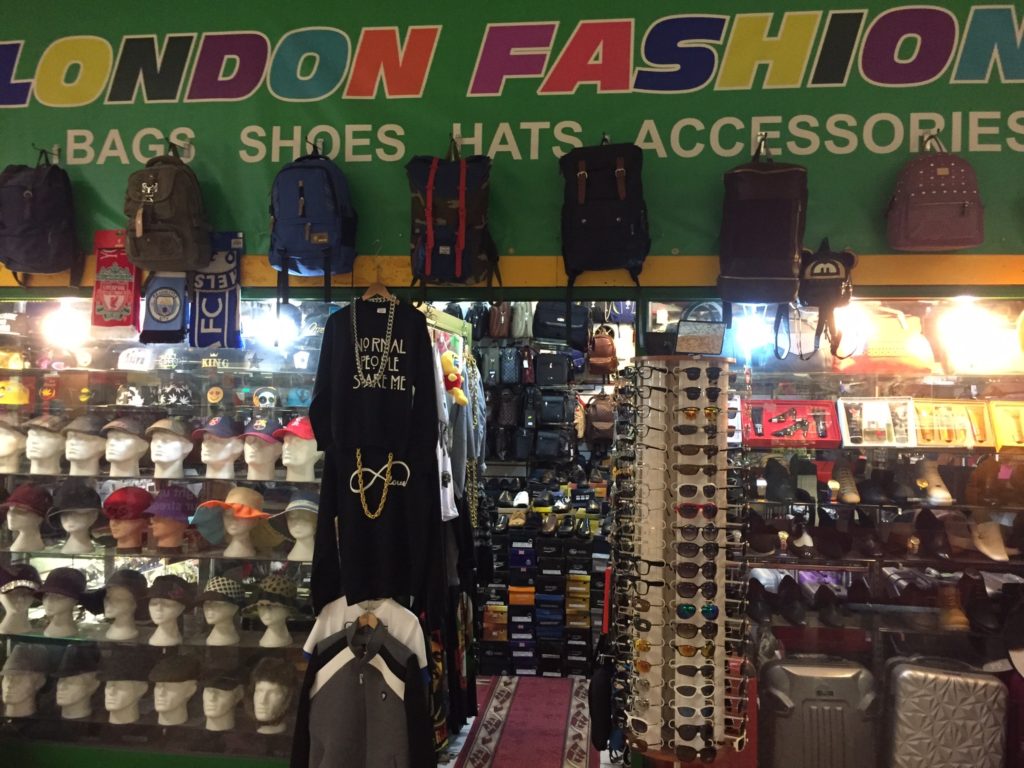
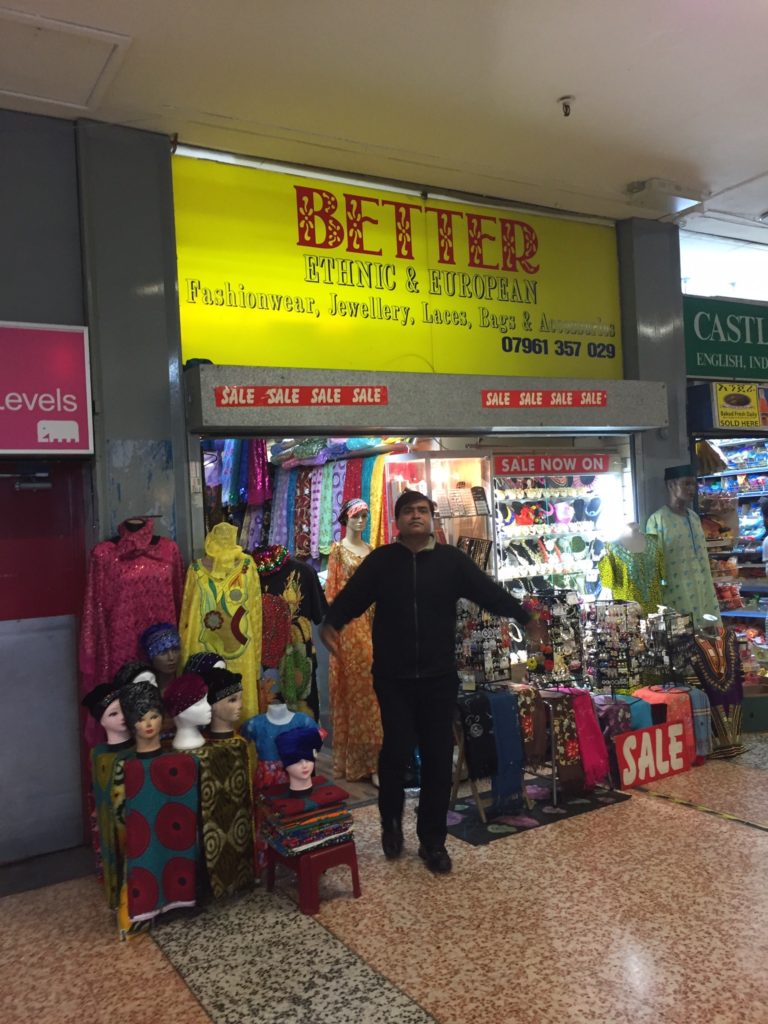
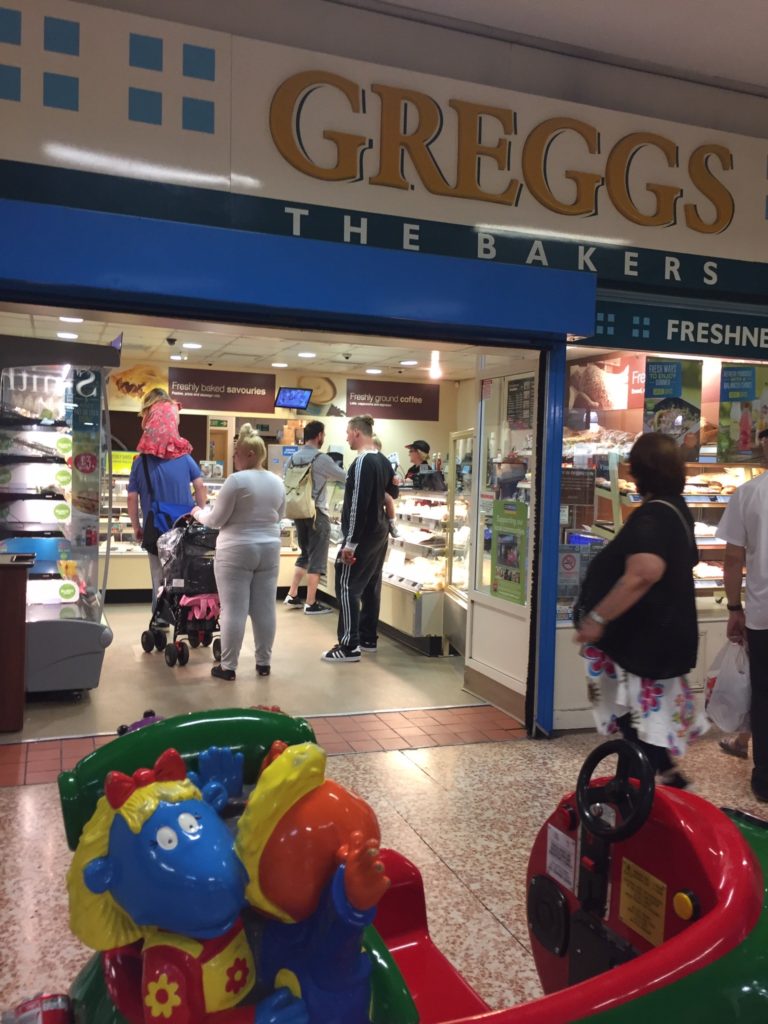
Well it’s finally happened. Like that scatty aunt you loved dearly but never bothered to visit, Elephant and Castle shopping centre is finally gone forever, and we would like to mark the event with a visual celebration. 

The shopping centre was the sight of many ‘firsts’ for staff here at Runoff HQ and will be hugely missed. For example, it was the first time we ever had our shoes nicked at a bowling alley, the first time we were ever frisked before entering a restaurant, and our first ever experience of being sexually aroused by a massage chair.  

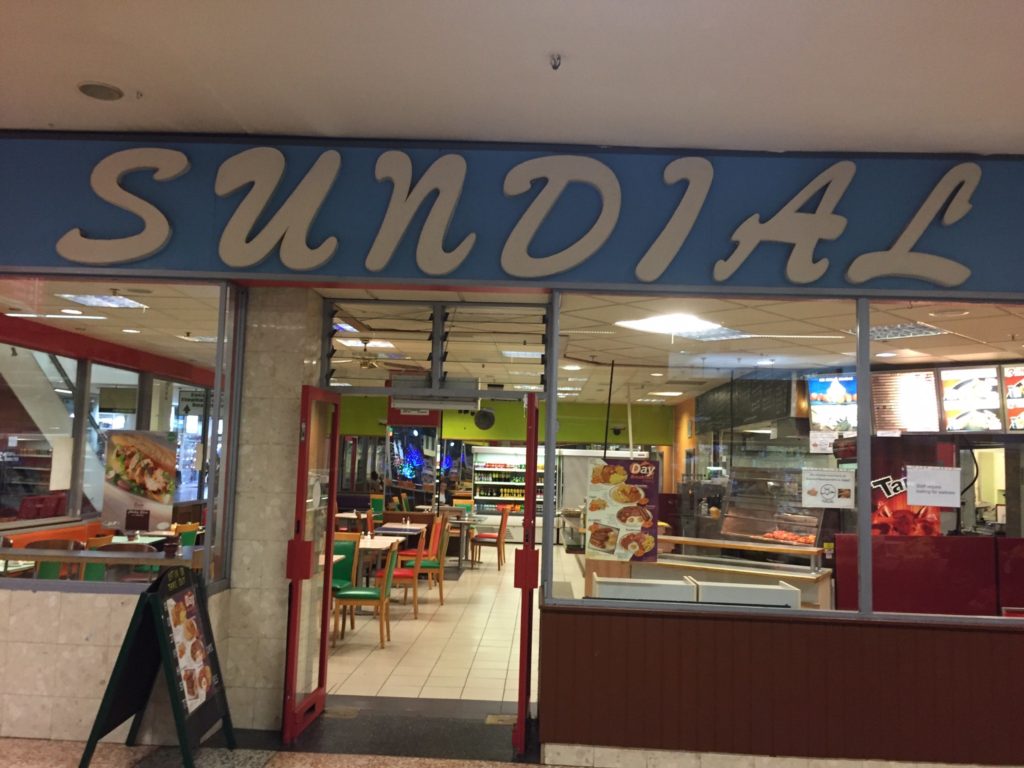
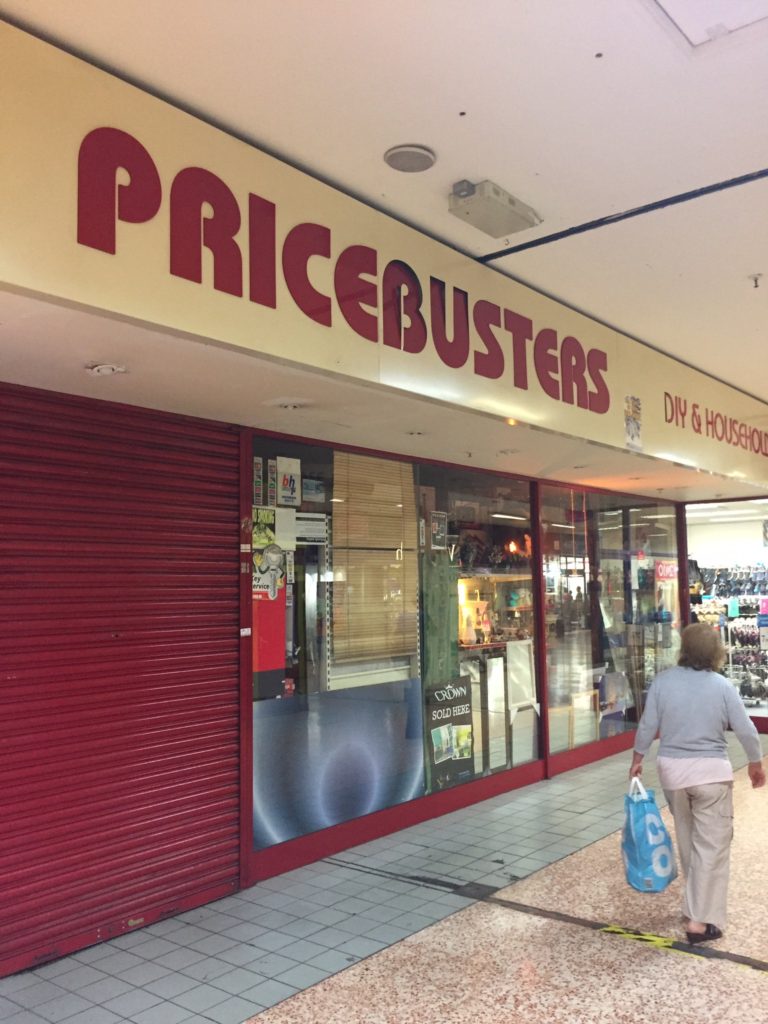
The centre was also reminiscent of a bygone era of truly one stop shopping and formica. Where else in London could you buy Christmas ornaments in June, have your phone unlocked, score plantains and have a vegan sausage roll all under one roof?  To be serious, while never fully realising it’s potential even after 55 of years of existence, the wonderfully eclectic centre served a vital function to parts of the population often overlooked by retailers and put food on the tables of the people who worked there. In addition to offering food and clothing from around the world which acted as symbols of our diverse community. 

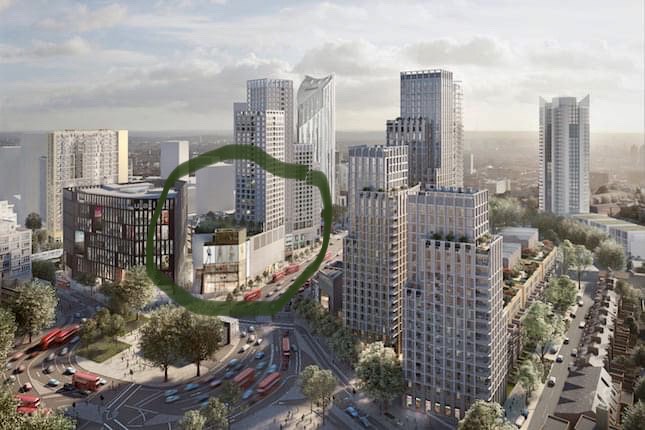
Some of the smaller independent retailers have set up shop in a temporary structure in Elephant Street, behind the centre. The iconic Elephant sculpture will also find a new home there. However, it is only a matter of time until they close and we’re left with another identikit shopping centre catering to a small element of our varied population. But please remember a better era by the photos we took several years ago. And a mind boggling illustration at the bottom of the Elephant of the future. 

The future site of the now former shopping centre is circled.

Spirits in the Drawing Room

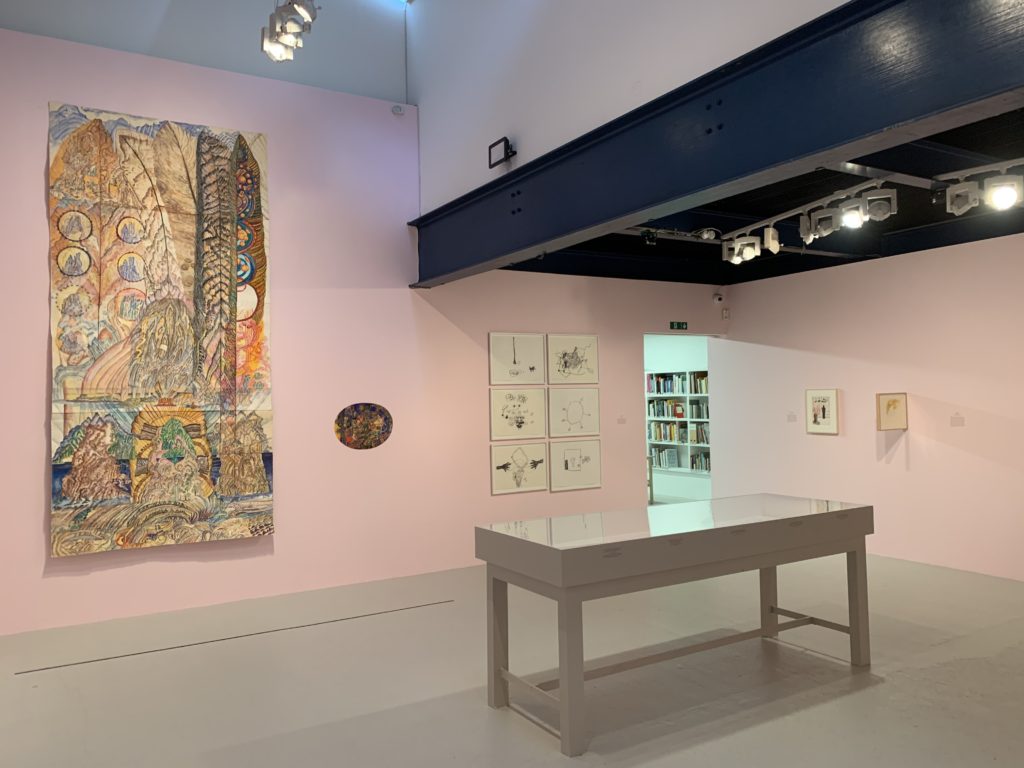
With the Gasworks gallery closed for now (reopening on 1 Oct) and Newport Street Gallery closed for the foreseeable, you might be feeling a tad culture deprived. We would like to share with you a little gallery in Elephant and Castle that has recently come to our attention, The Drawing Room.

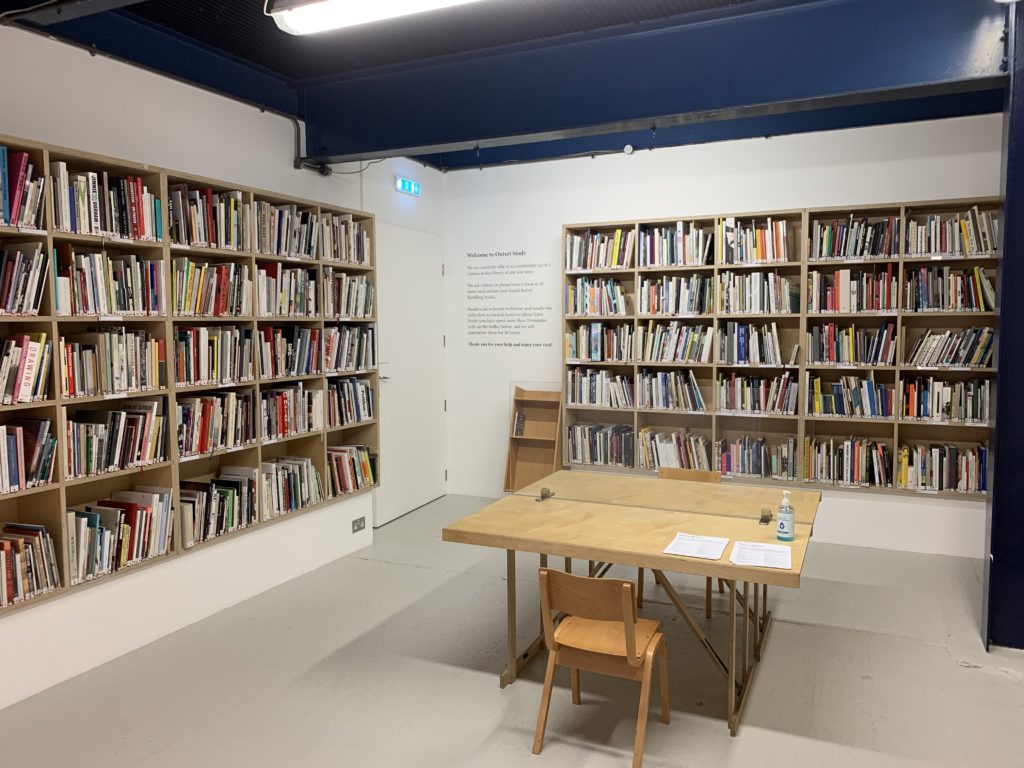
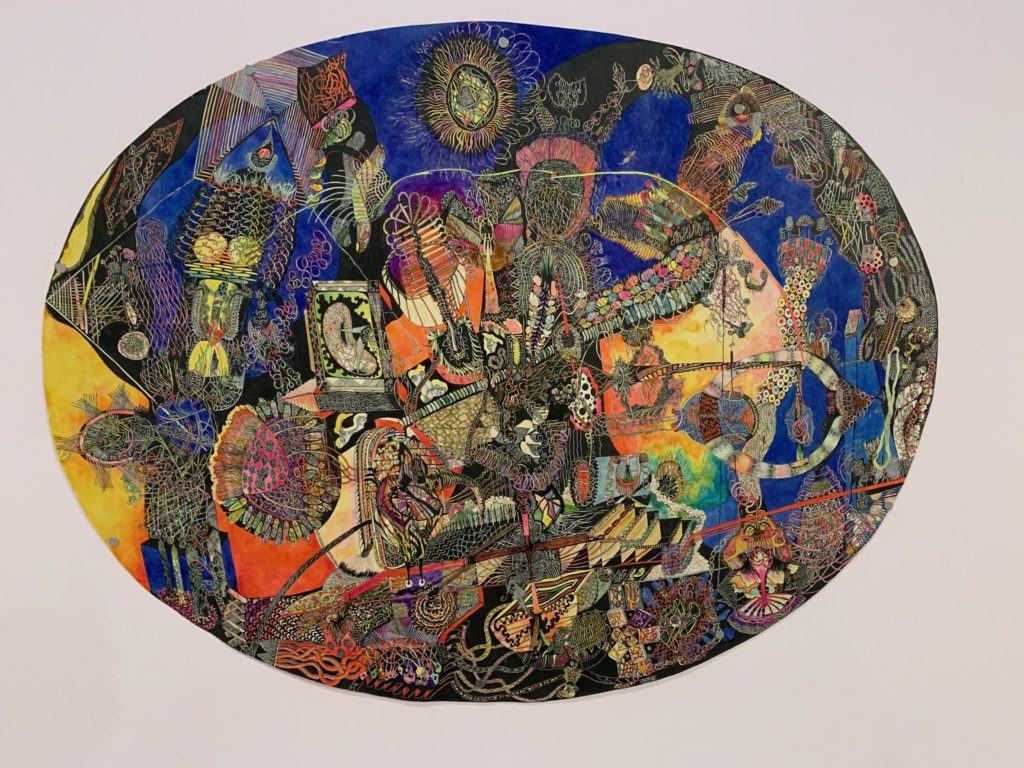
The Drawing Room is a space to discover both historic and contemporary drawing in an open and accessible manner. They have an impressive art library and (probably not right now) have a series of talks, artist led projects, and hands on learning. The show currently on until the end of October is called ‘Not Without My Ghosts: The Artist as Medium’ and features work by Victor Hugo, Yves Tanguy, Sigmar Polke and William Blake, with many newer artists who, unlike those guys, are still very much of this mortal coil. 

It’s hard to overestimate the importance of the metaphysical, occult, and communicating with higher powers to 18th and 19th century society. This was not missed by artists and writers, who often considered themselves to be mediums who could communicate with the dead and other spirits. The output which resulted from this communication was strikingly at odds with prevailing artistic tradition at the time, which was increasingly concerned with learned artistic forms and rigorous training. The exhibit moves into the 20th century by examining current artists who continue using the concept of the unseen to grapple with the ambiguities of the world around us. Quite prescient given how 2020 has unfolded.

Not Without my Ghosts is totally free but it’s best too book first. It should be noted that most of the works in this exhibit are sketches and drawings, so don’t go in expecting a blockbuster experience. But on the bright side, after the show you might find a way to have a nice chat with your auntie Vera who popped her clogs back in 2015.  


It’s a Big Town

In spite of Rishi Sunak’s lauded £10 meal deal, some Greater Kenningtonians are still  reluctant to eat out. This is understandable, as some of our neighbours are taking social distancing about as seriously as, let’s be honest, licking a doorknob. The Runoff team used this reality as a flimsy excuse to order takeaway last week. If you are a regular reader you can probably surmise that this was  not going to be a traditional undertaking, and after research and recommendations we reached a very logical conclusion. Of course, Nigerian street food from Walworth Road.

Big Town is a newish, funky Nigerian street food outlet on Walworth Road just across the street from M&S. Not knowing a great deal about Nigerian cuisine, we took to the internet for recommendations and expectations and ordered the  following –

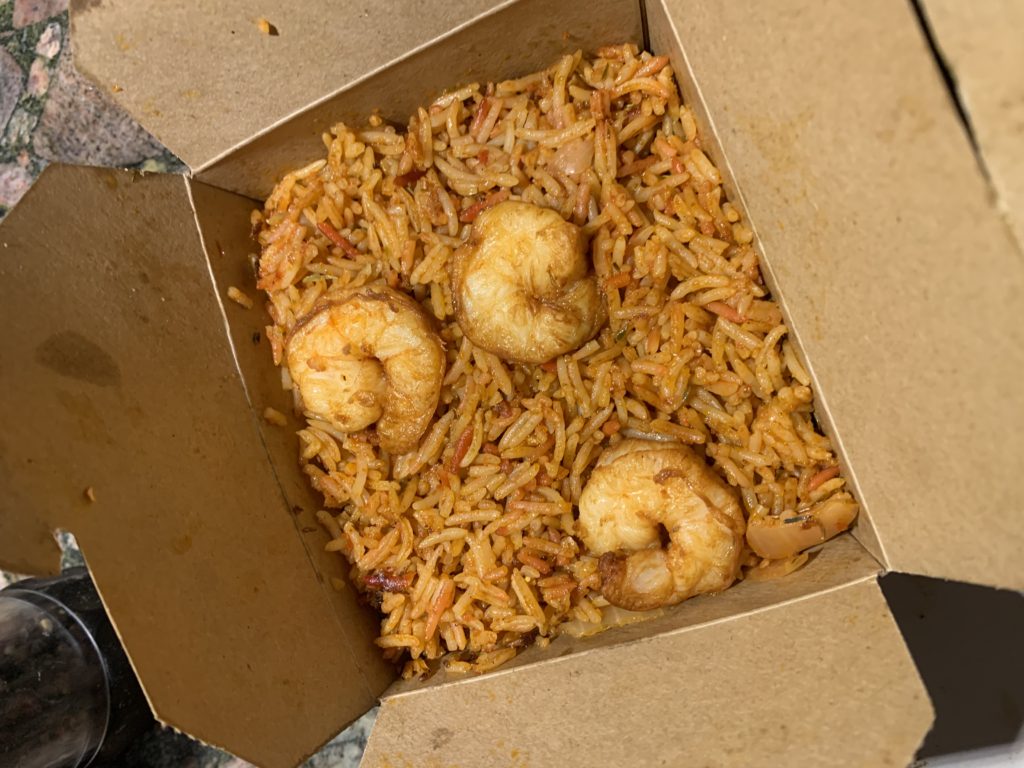
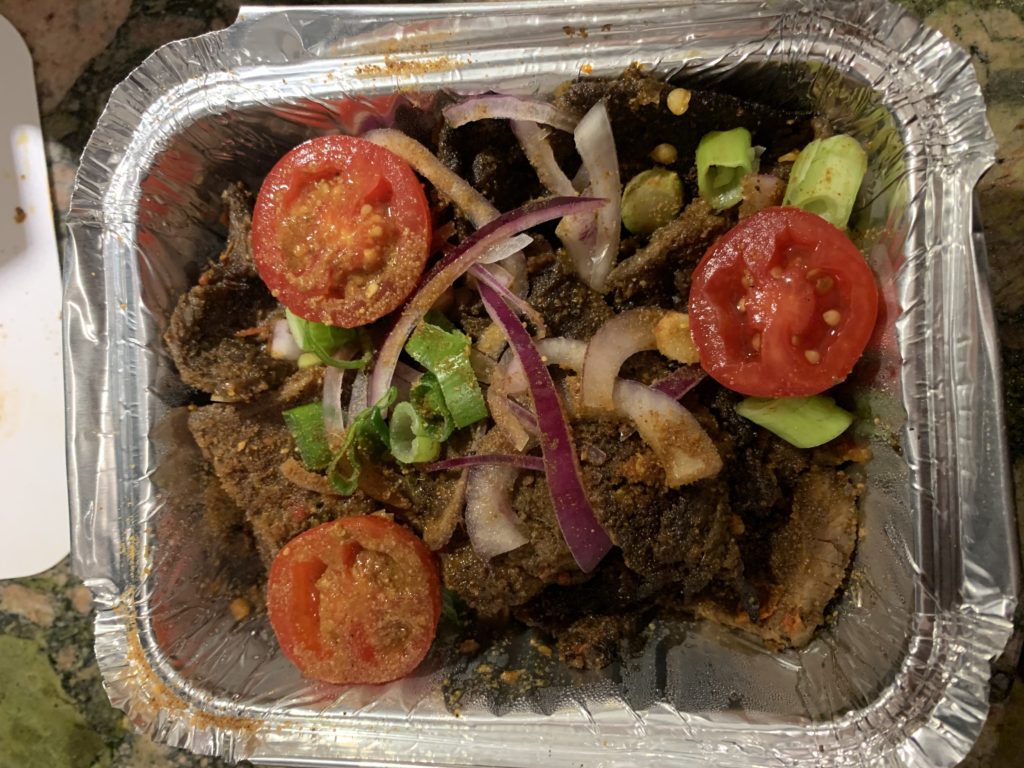
Jollof rice is most familiar staple of Nigerian food, and we ordered prawn jollof (other meat and veg options were also on offer). It was a generous and delicately spiced affair. Next was the beef suya, which were blackened and grilled strips of beef with a peanut rub, with the consistency of jerky. A bit of a spice kick in the end. The suya chicken wings were also ordered, which were cooked the same way but very much fell off the bone. Both of these dishes were punctuated by a rash of onions.

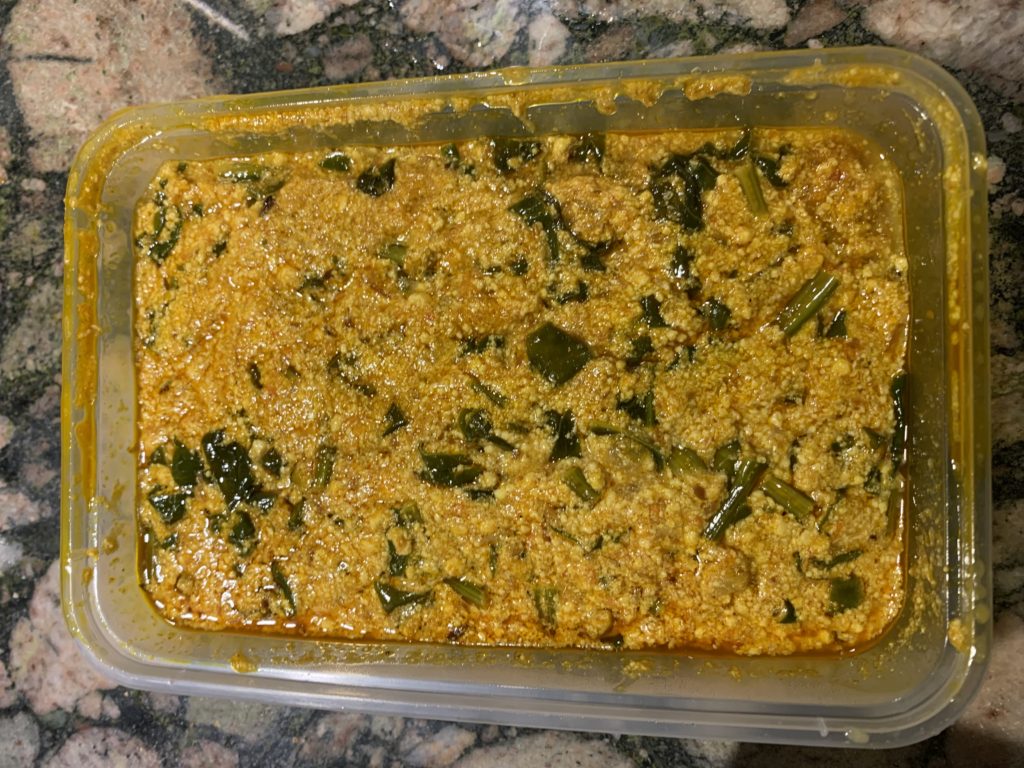
The most interesting  item your intrepid gastronomes consumed was the eguasi soup (we opted for the fish variety). Less like a soup and more like a curry, it was a blow your head off collision of scotch bonnet meets palm oil (we know palm oil is evil so please forgive us). It seemed to contain a pureed gourd or squash and definitely pureed onion. It also contained melon. If you order this just ensure you have a giant glass of water to hand. Or in our case wine. 

Eguasi. Look, we never claimed to be professional photographers.

Nigerian cuisine doesn’t exactly meet the lofty altitudes of Italian or Chinese nor does it claim to. However, for a takeway adventure of a weekend it is a great alternative to pizza or chow mein. With hindsight this was rather ‘in your face’ cooking in terms of heat and spices.  And after a full Nigerian meal you certainly won’t be feeling the pang to lick doorknobs.  

Getting a bit botanical in Montford Place

The Beefeater Distillery became an ‘experience’ in 2014 and since then the Runoff has been keen to visit.  However, we rather balked at the notion of shelling out £16 a head to tour what is in essence a factory, even with the added benefit of getting sozzeled in the end. So when we saw that #beinvauxhall were offering two for one tickets we leapt at the chance. We wrote a little missive about the history of Beefeater in Kennington last year. 

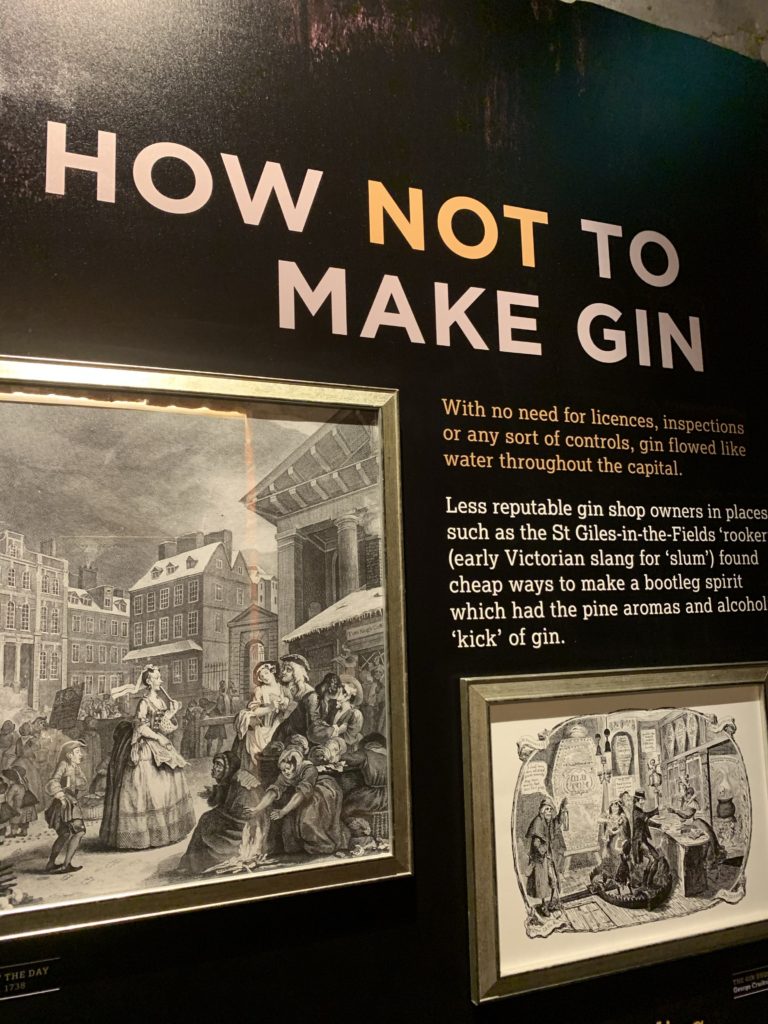
The Beefeater experience starts self guided, with a very slick history of the sauce, covering everything from the ‘gin lane’ era of Hogarth and unregulated spirits, to US prohibtion and the rise of the speakeasy. Intertwined are fun little videos about how gin is produced and the propagation of gin distilleries in London over the years. 

Our enthusiastic Italian tour guide Maria took over for the second part of the tour and put more depth into the gin making process. In the tasting room we sampled different kinds of gin and the botanicals that give different varieties their unique flavour. This included not only juniper but also orange peel, coriander, tea, licorice, and angelica seed. Our only slight digression was when Maria asked ‘so what does that remind you of’ and your scribe shouted ‘Bombay Sapphire’. Moving on…

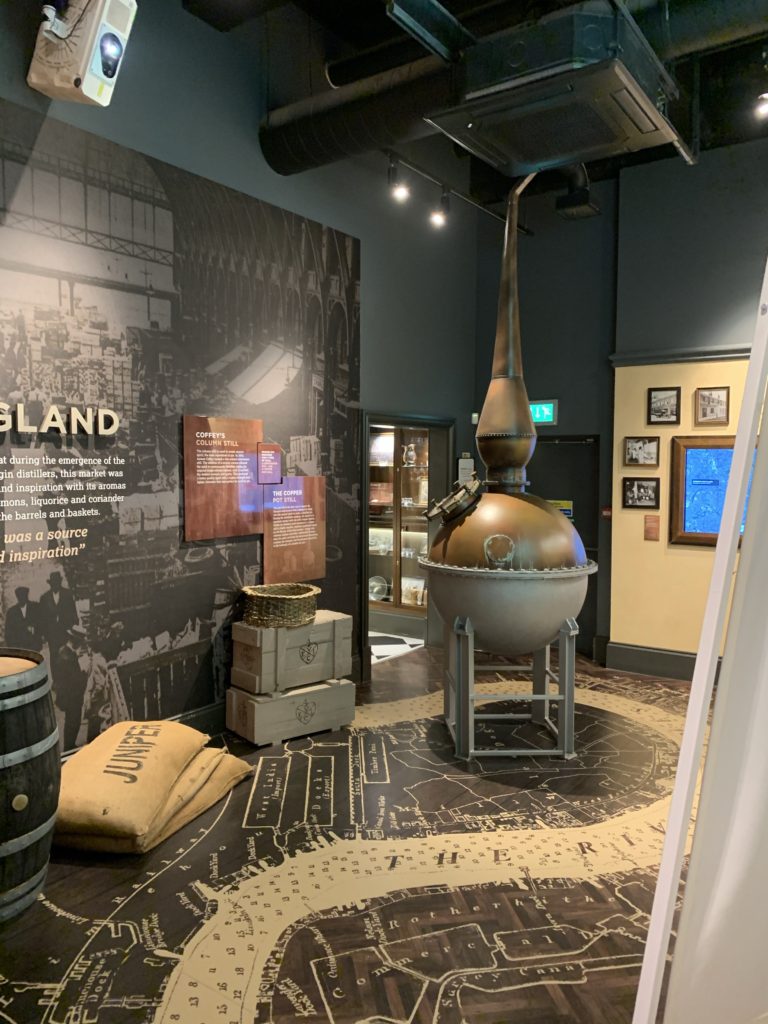
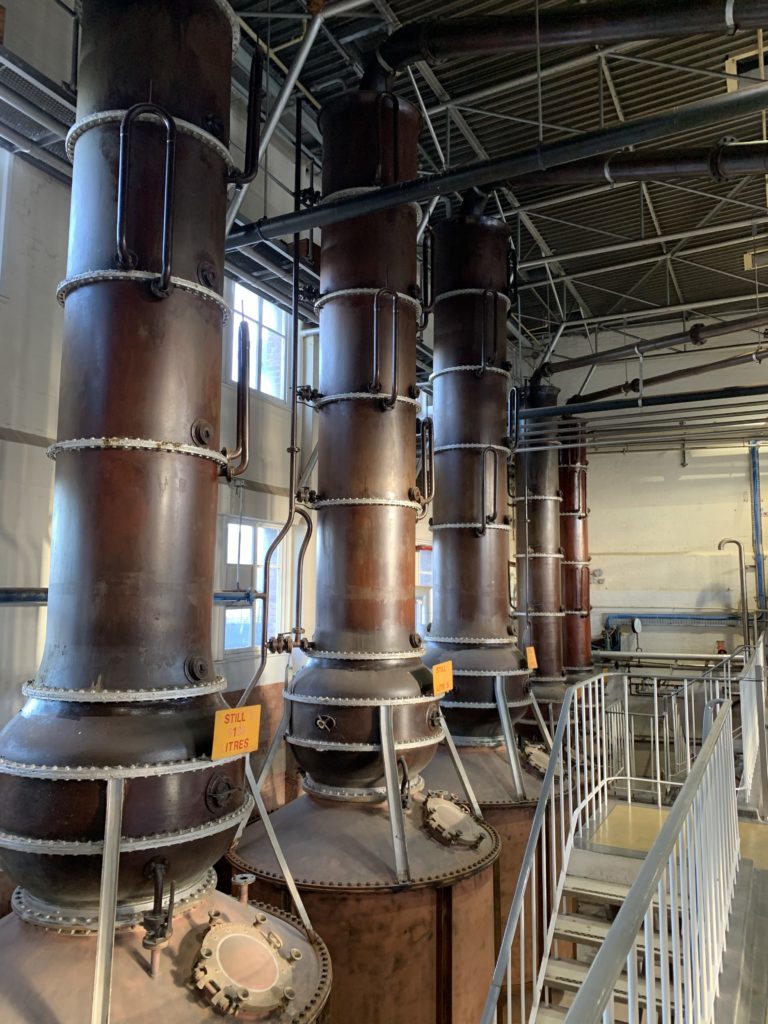
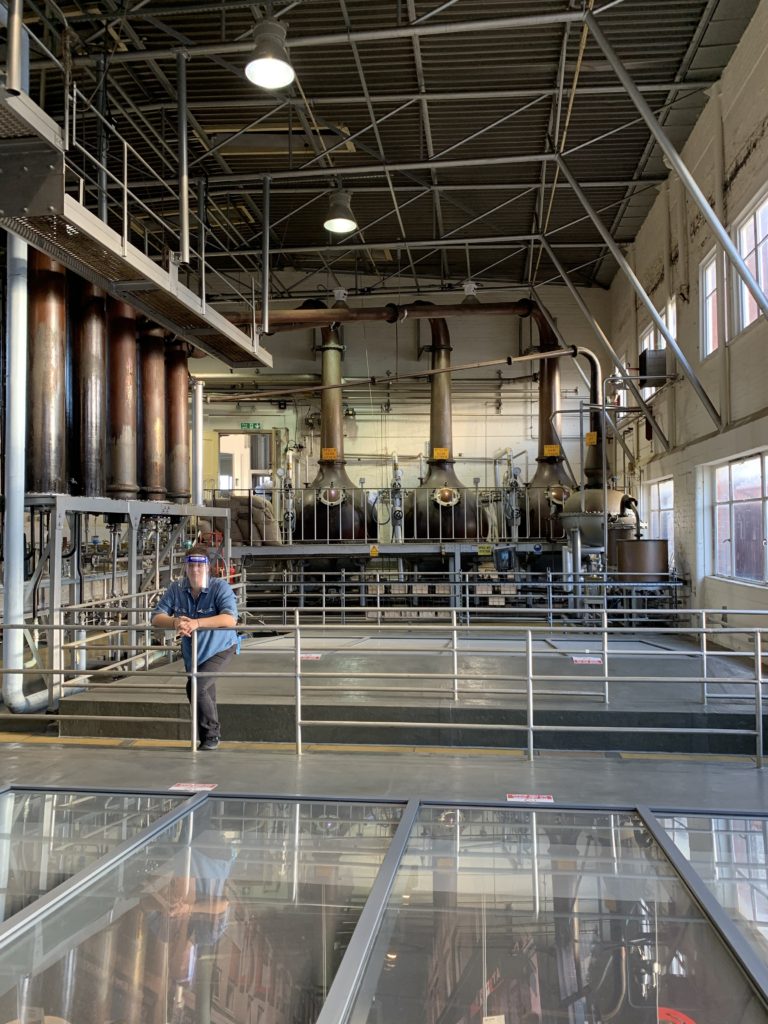
The last part of our journey was indeed the most fascinating as we had a very informative tour of the stills and learned more about the distillation process. Maria was also able to verify a long held Kennington urban myth-…..only five people are employed and produce all of the Beefeater gin sent around the globe. 

The event ended with a G&T in their tasting room and we left with the best of both worlds – feeling cerebrally enhanced and a bit tipsy. With the added benefit of being able to say to our mates with confidence – ‘yeah, I’m really getting heavy notes of angelica seed here’. 

The Be in Vauxhall deal runs at least until the end of the year, and details can be found here.  Even if Be in Vauxhall is a faceless marketing company they still seem to know what’s going on, so its fun to have a root around their website if nothing else.
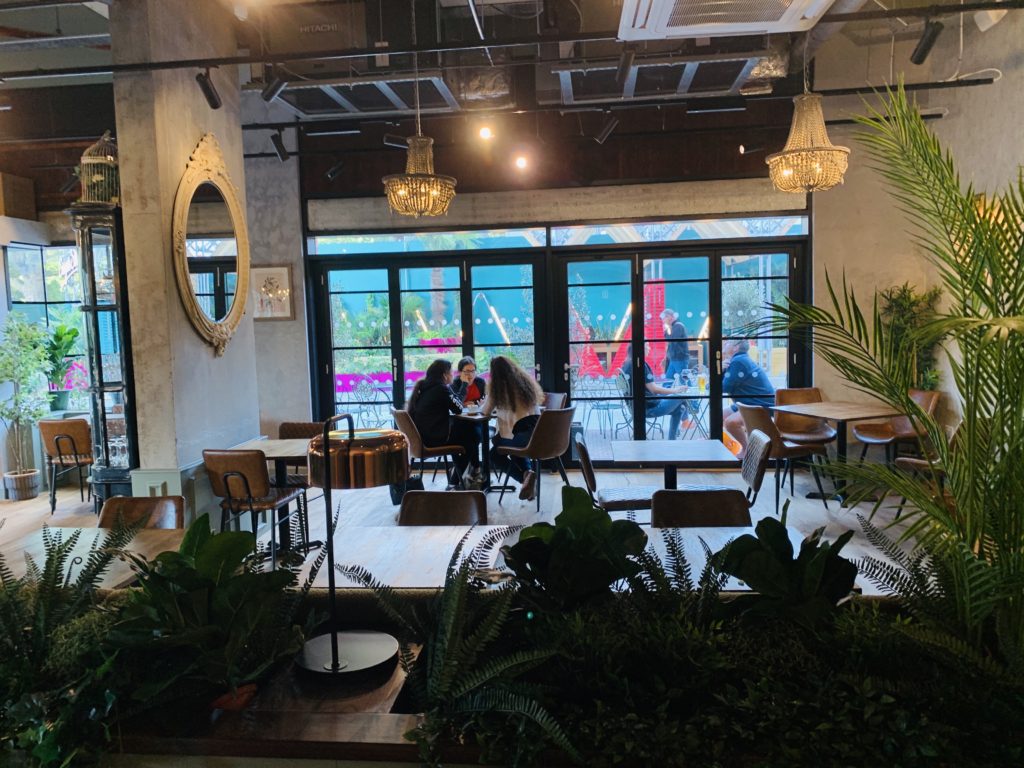
Zeitgeist – German beer heaven

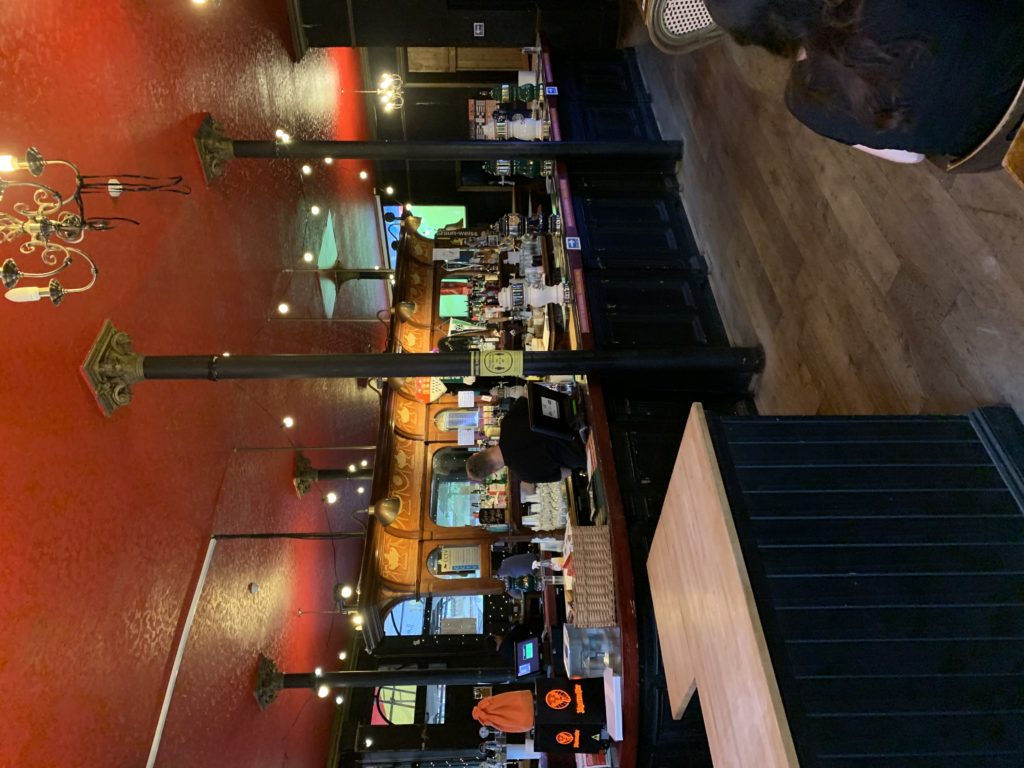
If we told you there was a German restaurant in Greater Kennington you’d probably say ‘get the schntizel outta here’. Well there is – and it’s a gastropub called Zeitgeist in Black Prince Road. The Ethelred estate seems like a rather implausible place for a pub geared at the German community, so we donned our Alpine headwear to check it out. 

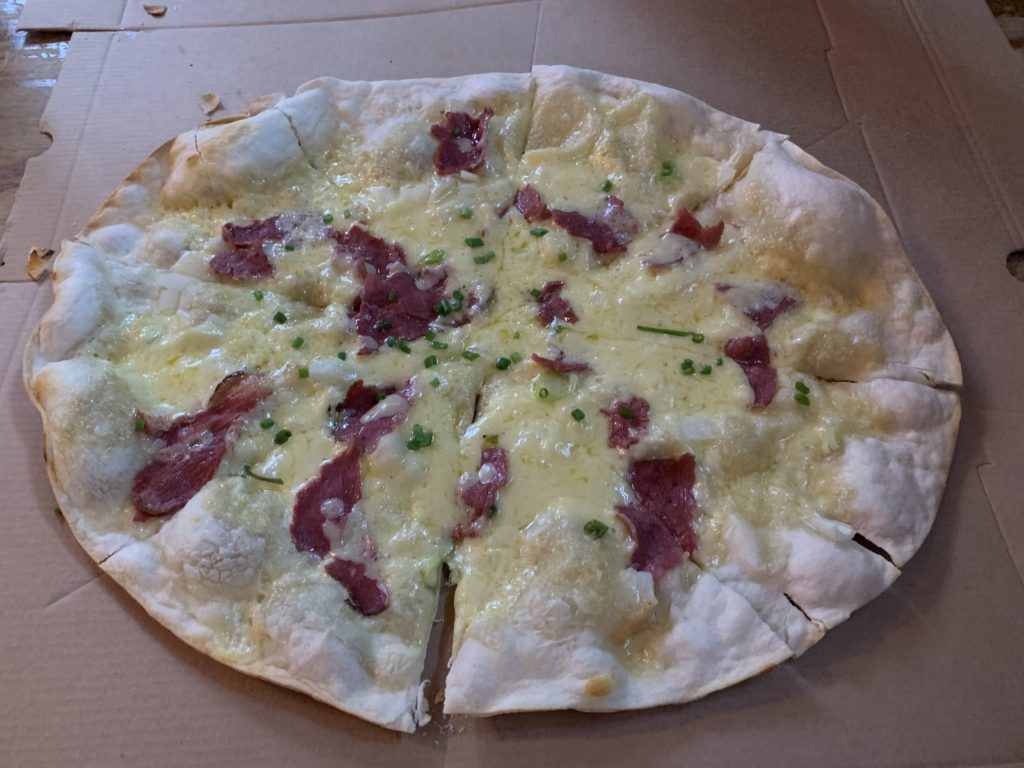
Zeitgest has a host of German beers including Pils, Helles, Hefeweizen, Kolsch and Altbier all on draft, with some bottled beers as well. A pint came gratis with our meal, which was a bonus. Of course eating was involved, and I had the Zeitgeist Flammkuchen, which is a kind of Alsace pizza. The base was extremely thin and crumbly, and the pizza consisted simply of munster cheese with pastrami. I’m not exactly sure why it was served on a piece of torn cardboard but lets just call that ‘rustic’, shall we? 

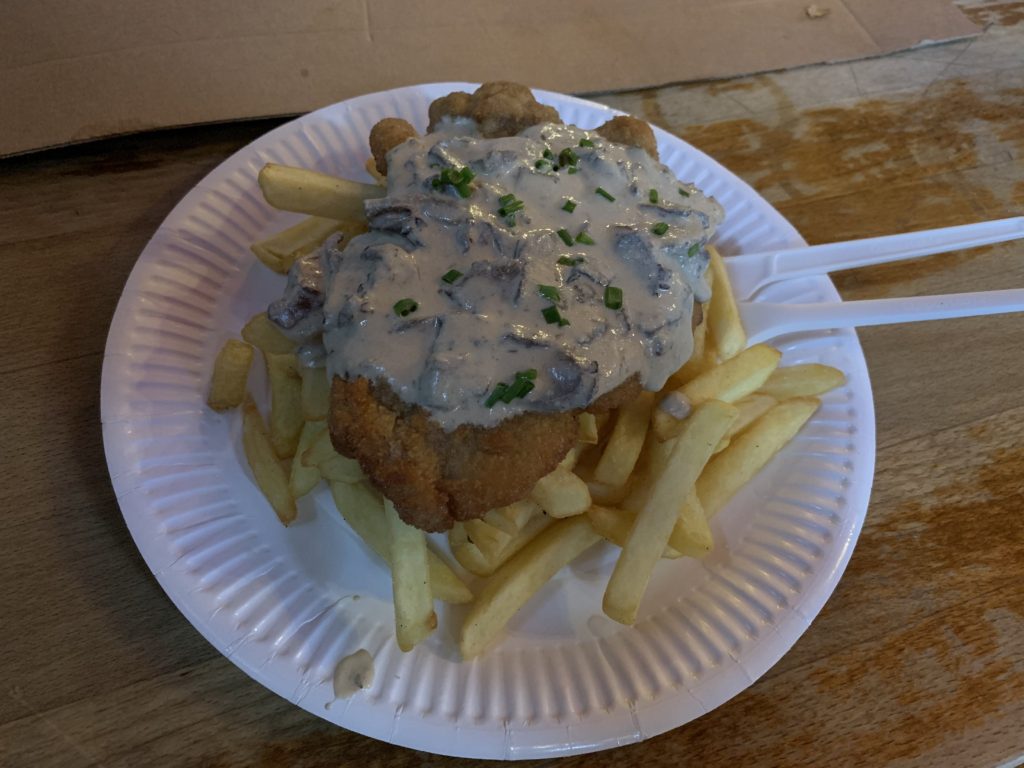
My dining partner had the Jager Schnitzel, which consisted of a generous chunk of veal, well breaded, and a creamy mushroom sauce. The huge pile of chips beneath it, unfortunately, had spent most of their short lives in a freezer.

In summary, let’s just say that eating at Zeitgeist is an activity best undertaken when you’re not entirely sober. But that’s easy, as for the German beers they have 18 on tap varying from the big German brands to the more niche. It’s also a fun environment and usually shows German football and plays 80’s music. The free beer with a mains ends on 31 August so you better get your Gesäß in motion. 

Sayer Street

We hope you are enjoying ‘Eat out to help out’ – or as we call it – ‘The Rishi Sunak £10 meal deal’ as much as we are. In fact, we find ourselves using the 50% discount as a flimsy excuse to eat out twice as much. And as we say with a mouthful of that seventh slice of pizza ‘it’s all about saving local business’. 
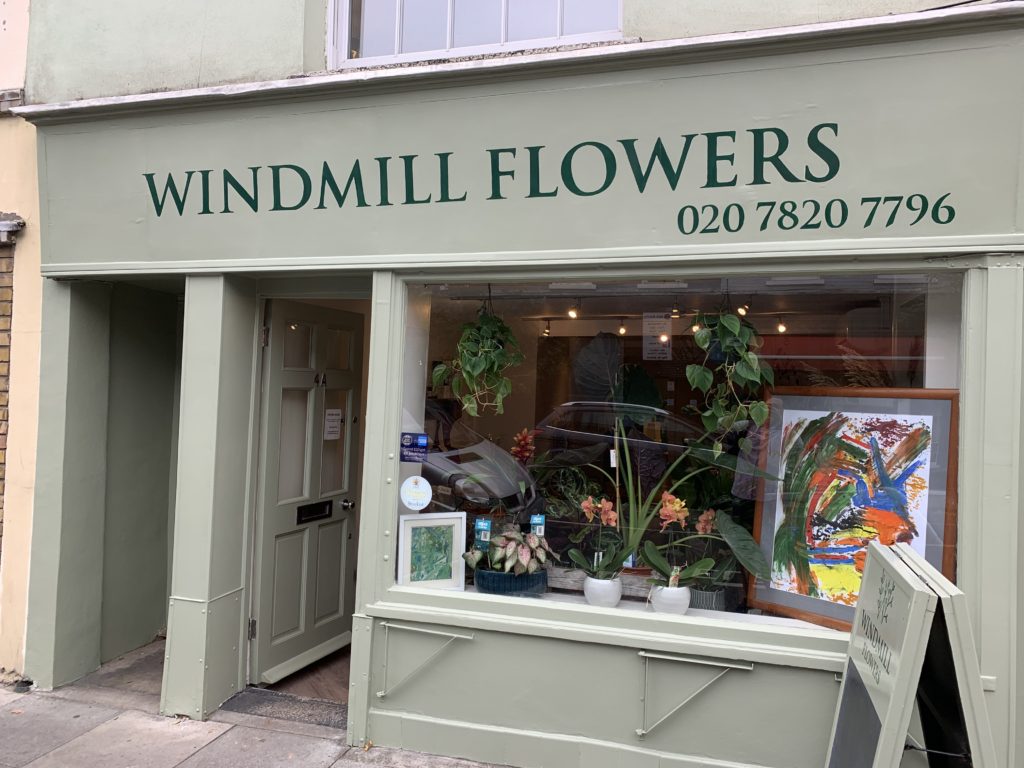
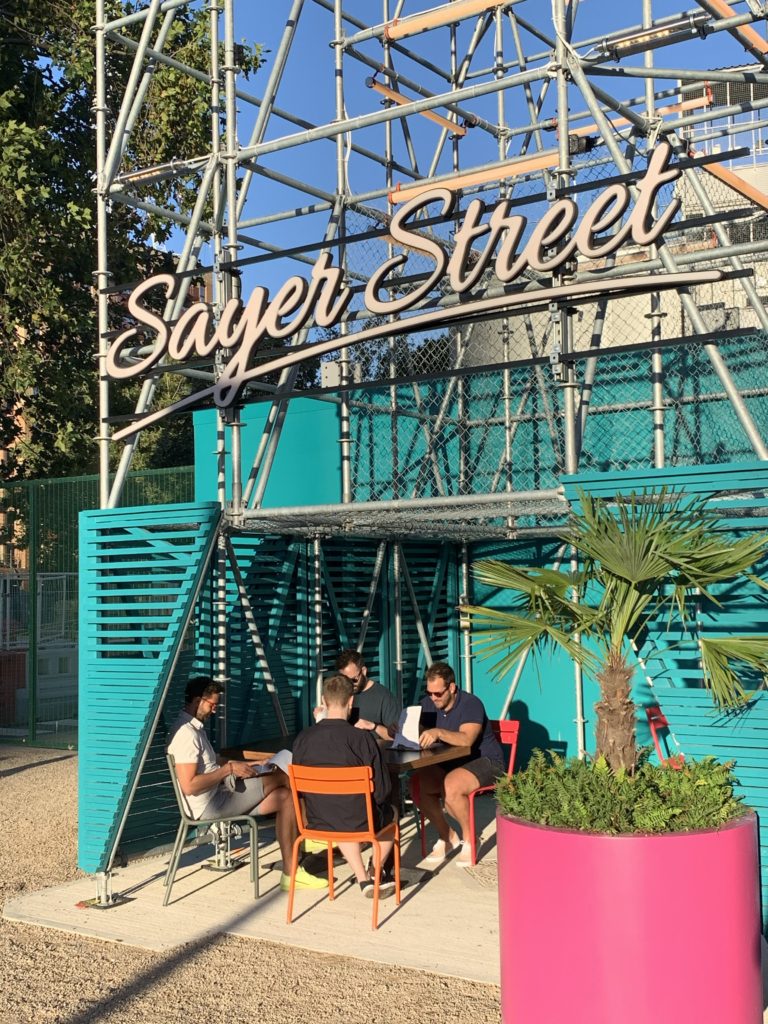
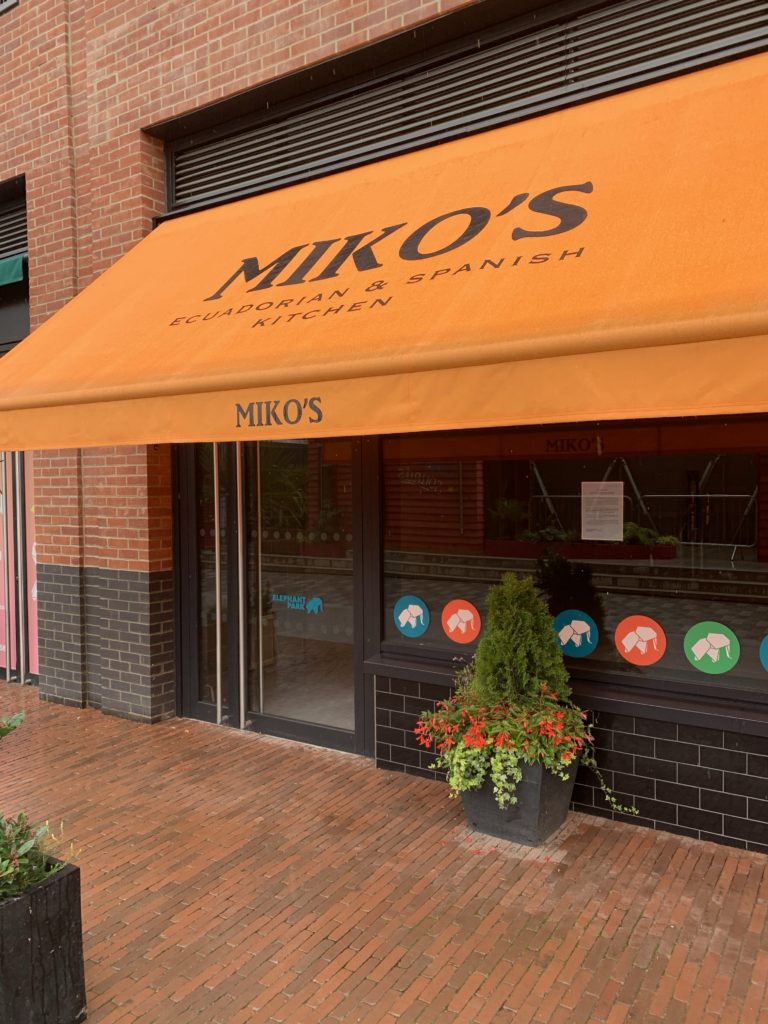
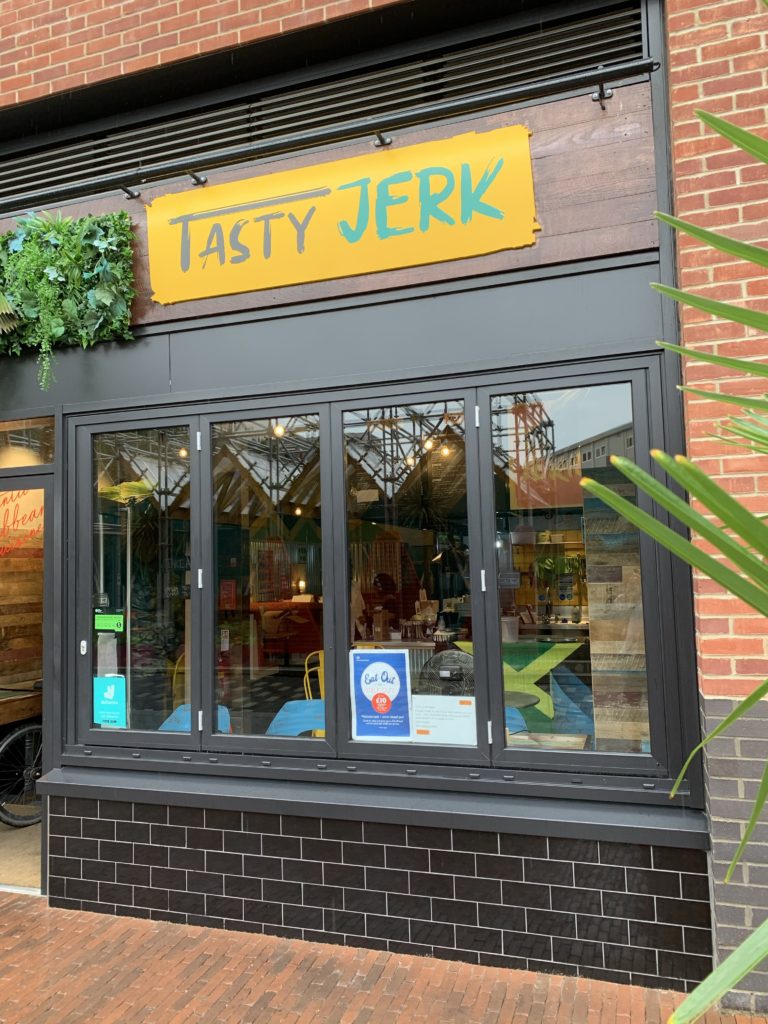
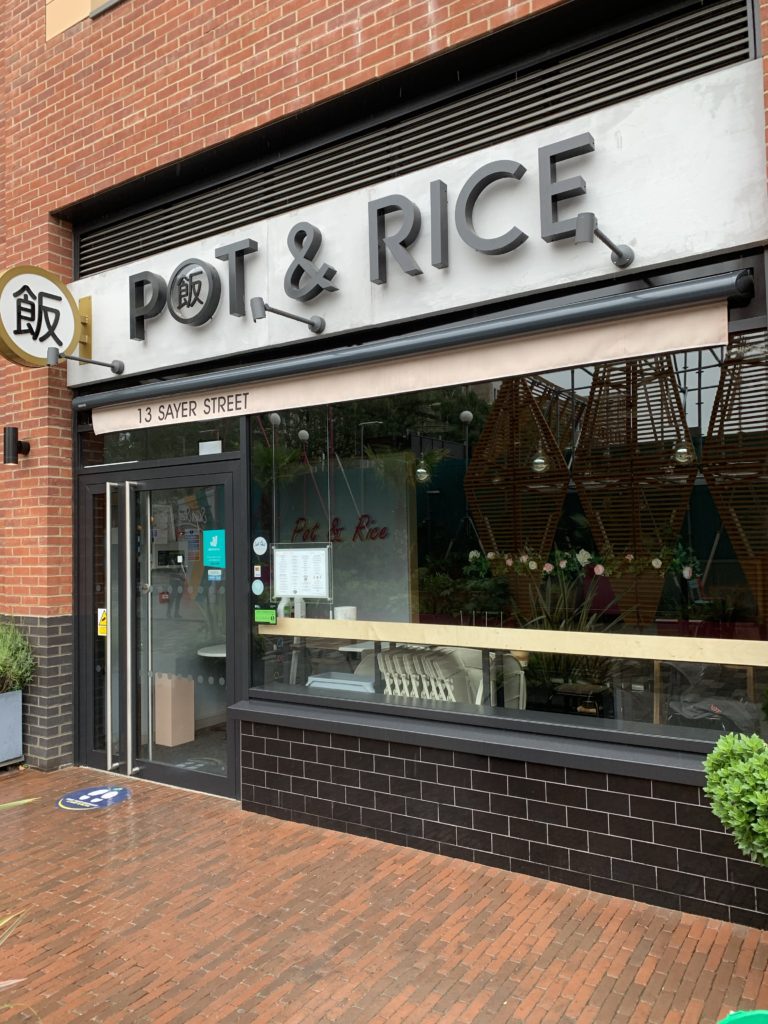
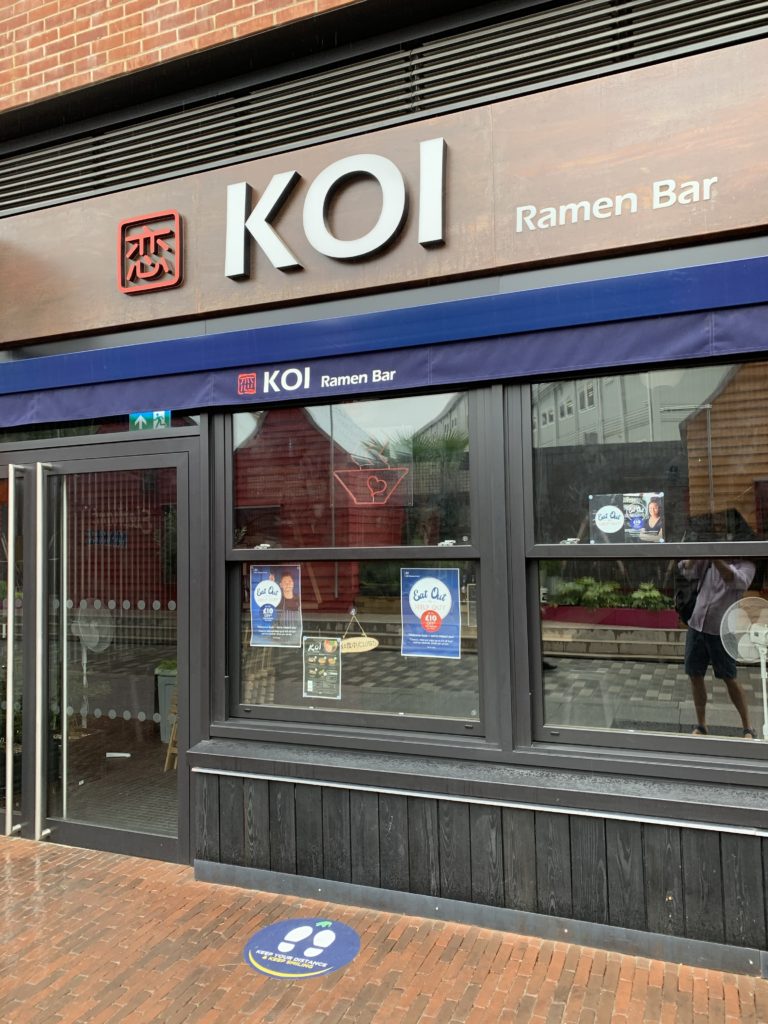
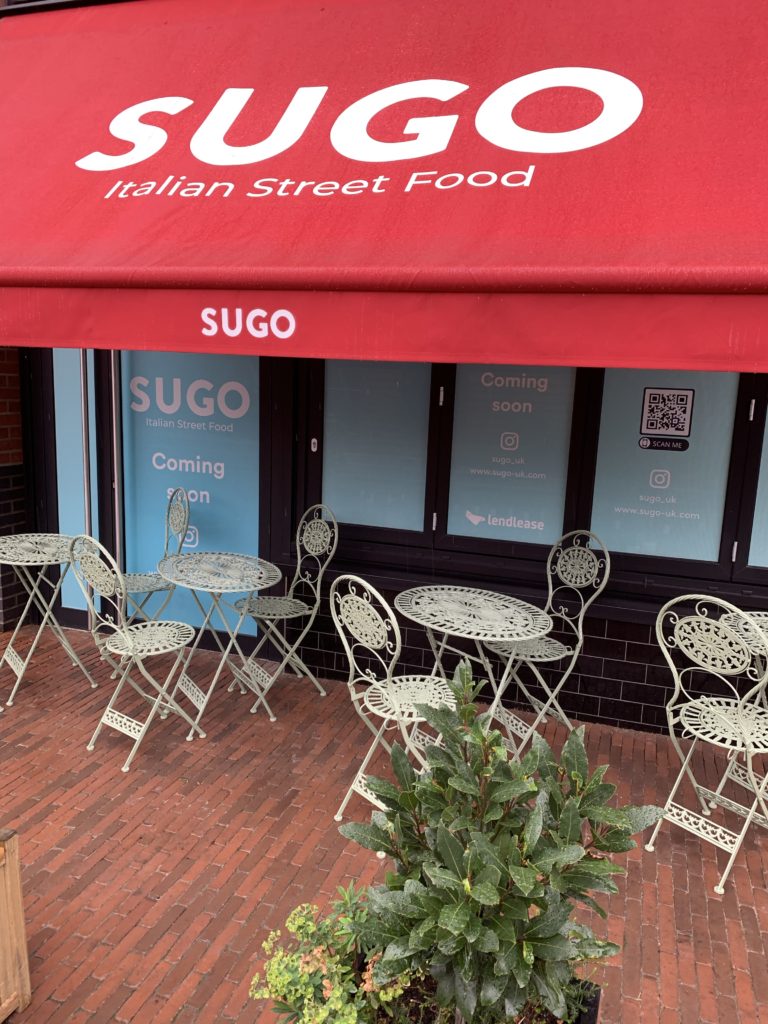
The jury is still out as to whether the mind boggling juggernaut that is Elephant Park is actually in the Runoff catchment area (don’t get your hopes up). However, a nifty little street has popped up there in recent months and it is proving quite the go to spot for foodies. Sayer St* has an array of independent food joints that includes Chinese, Italian street food, jerk chicken, ramen, a few coffee places, and more on the way. 

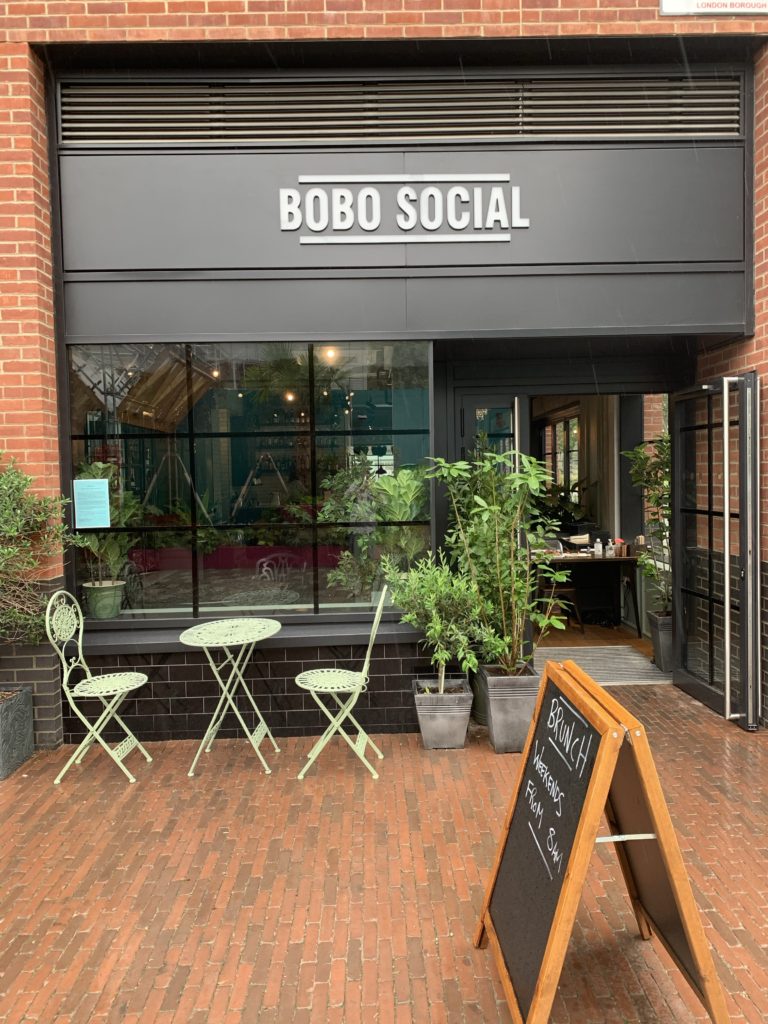
Sayer St. is anchored by a large and swish looking establishment called ‘Bobo Social‘. To us Bobo sounds like the name you’d give a yappy dog sticking out of a handbag, but we decided to go for a drink and check the place out as it received rave reviews in it’s previous location in Fitzrovia. This place ticks all the boxes for what the hip Elephant Park demographic crave at the moment. Brunch – tick. Fancy cocktails – got ‘em, strange but alluring sounding burgers – by the spadeful. Oh and what else is hmm, yes.. small plates! . The small plates that past our way looked and smelled lovely and looked great, such as braised lamb croquettes and chili squid. And as you can guess, the West End prices now sit snugly in Elephant.

A number of Sayer Street restaurants are participating in ‘Eat out to help out’ but remember to make reservations first.

*Sadly not named after washed up 70’s pop star, Leo Sayer.

Windmill Mary

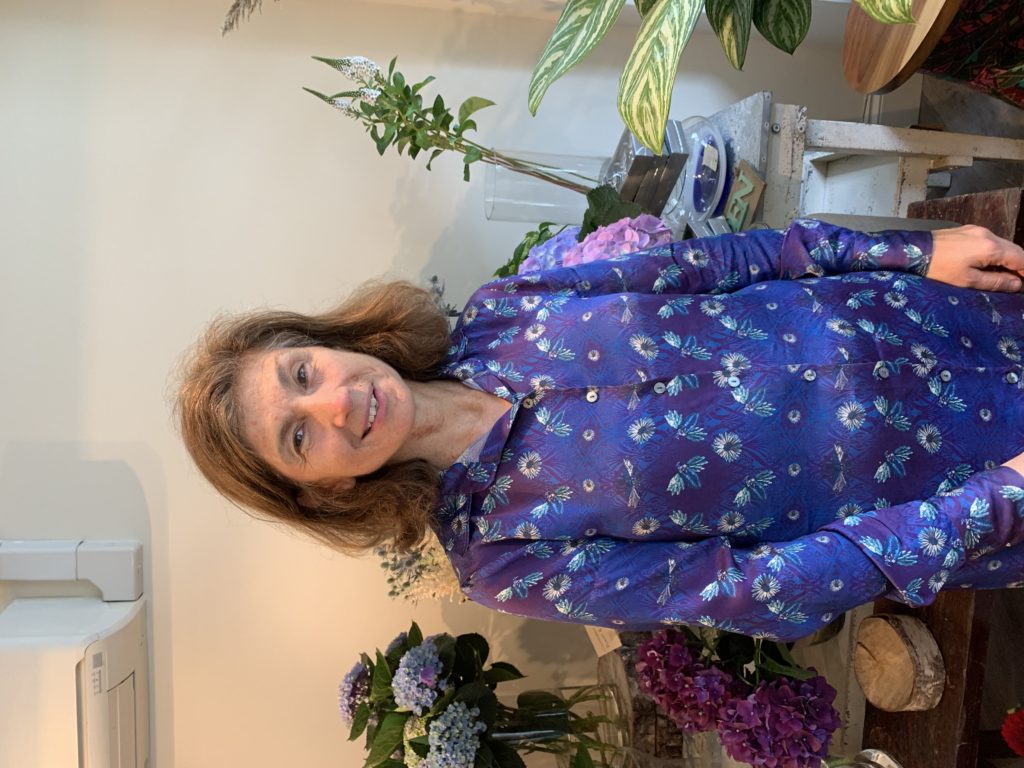
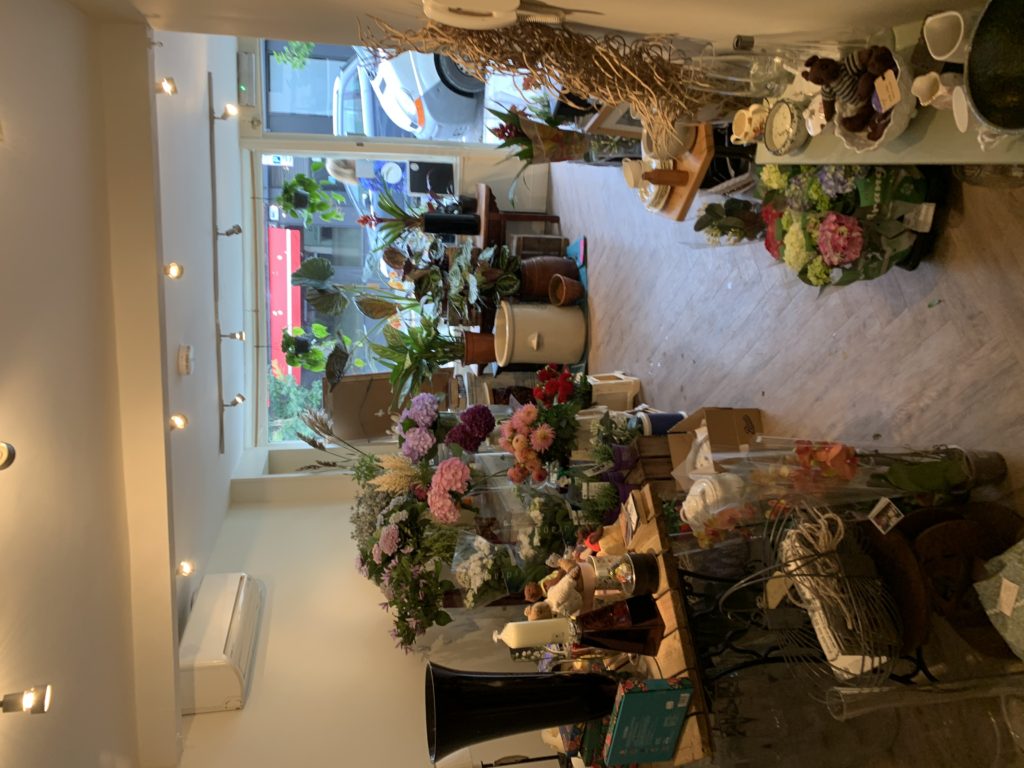
Last week we had a botanically themed exchange with  Mary Wallicott of Windmill Flowers.  Windmill Flowers in Windmill Row has been a staple of our knighted shire since 2011, and we were keen to know more about providing flowers in a time of pandemic and how she survived with her shop being closed for a number of months. 

We had always assumed that ‘Windmill Mary’ actually lived above her shop in a sort of floral Disneyworld. However, she and her husband actually live in Courtney St. Locals have always provided the backbone to Mary’s business,  and  local support helped her a great deal during lockdown, with noted support just before shops closed in March. During lockdown she undertook ‘click and collect’ and also relied on the use of couriers, and as a result Mother’s Day was better than expected. However, providing flowers for Oval Cricket Ground and summer weddings wasn’t possible for obvious reasons. 

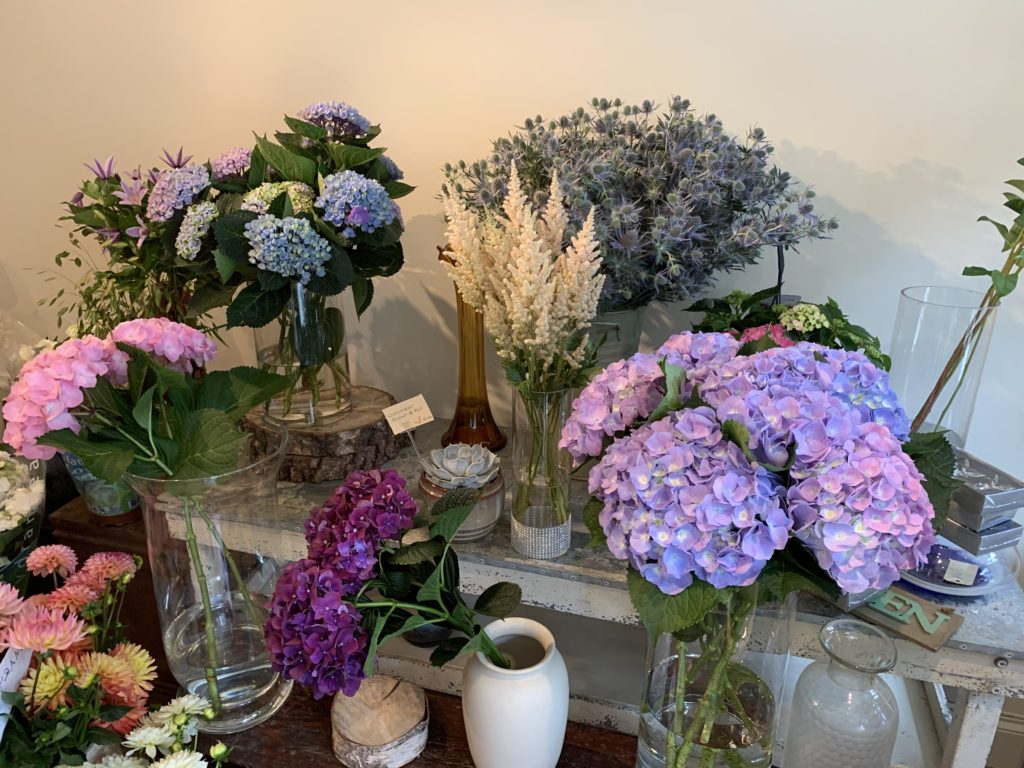
As we teeter further towards a life of semi normality, Windmill Flowers is very much open for business and Mary takes orders online, over the phone and in person. Summer is usually more quiet for Mary, but during our chat she had just finished a wedding and was preparing for another. As most bouquets and arrangements are made bespoke, it is probably easier to order for future collection than on the spot, but the latter is possible. She also sells a collection of pots, vases, and flower related objects.  
As Mary is one of those rare creatures who both lives and works locally, we asked her about her favourite spots in Kennington. She enjoys 24 The Oval for a spot of food, Vanilla Black for a spot of brunch, and the Black Prince Pub for an evening drink. With the latter Mary was pleasantly surprised (as I think many of us were) that it actually has an  outside space. As with Mary,  it’s all about shopping locally. 

From workshops to squatters – a social history of the Pullens estate

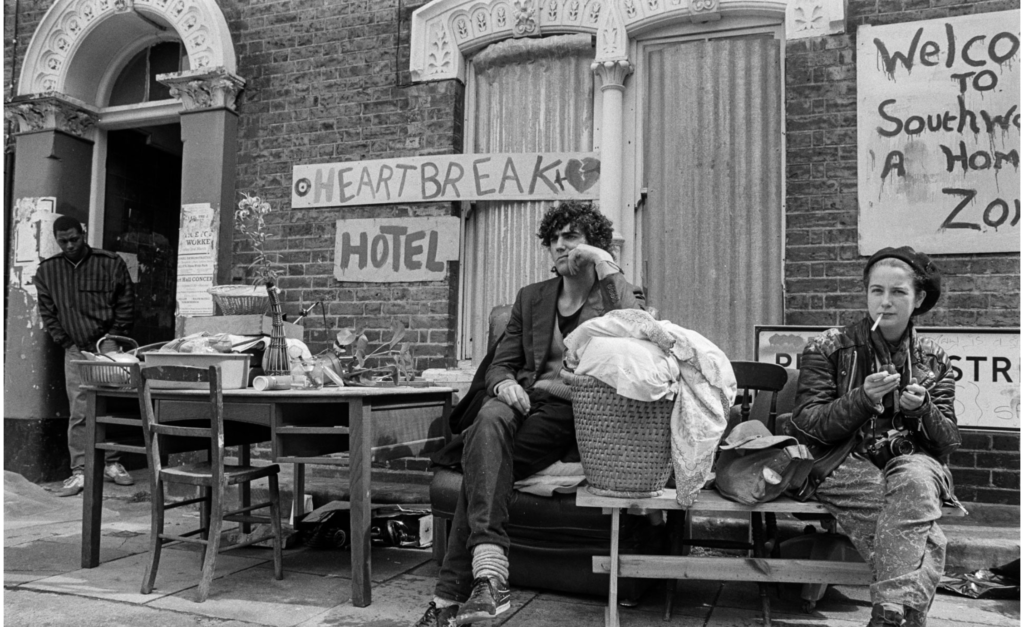
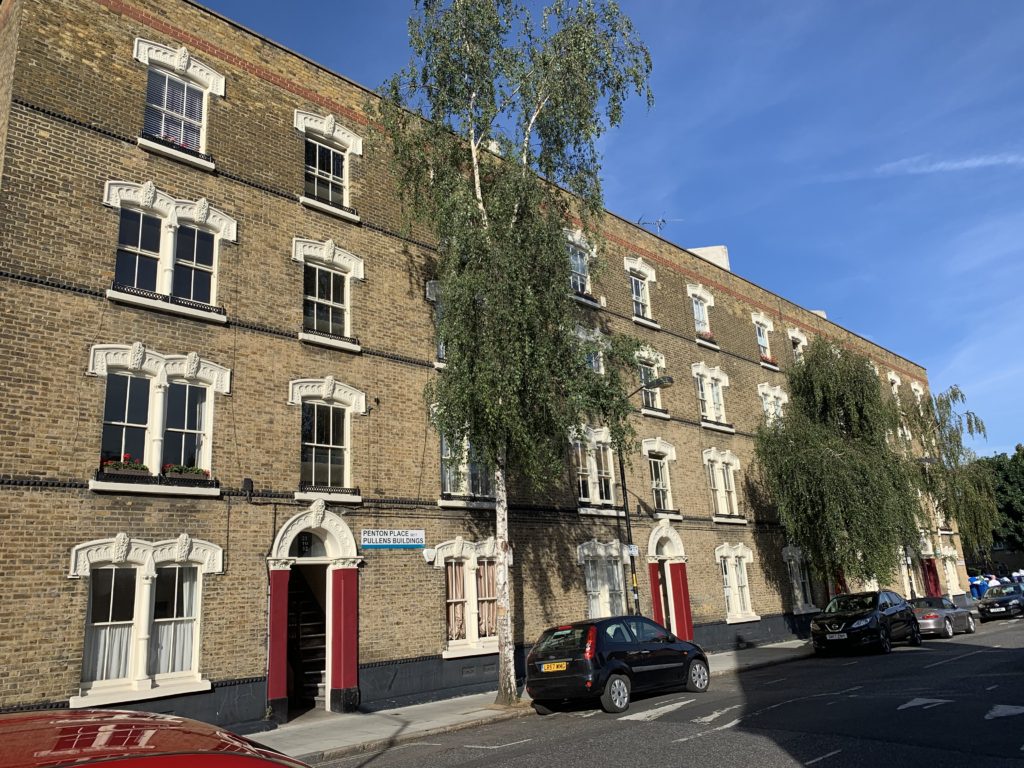
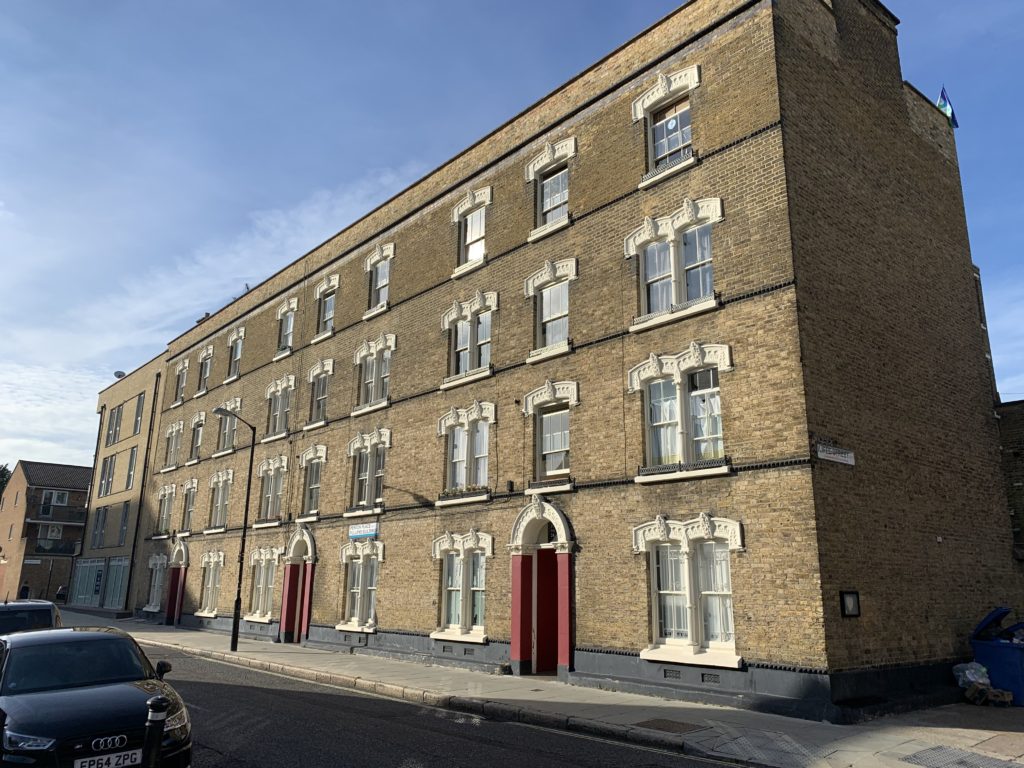
If you live in Walworth, or just walk through it, you’ve probably noticed a very fine example of Victorian tenement style dwellings in Penton Place. These are the remaining buildings of the Pullens estate. They have a very curious history, boys and girls, and we’re going to tell you about their history of workmen and squatters rights. 

The Pullens estate was made of 684 almost identical one bedroom dwellings with 106 workshops behind (in Clements, Pecock and Illfie Yards, which remain). This was an early version of a live/work space as most of the people worked in the workshops and cobbled streets behind the buildings.  This contrasts with the later Peabody dwellings which just focused on housing families. While the dwellings proved wildly popular, not a great deal is known about the workshops.  

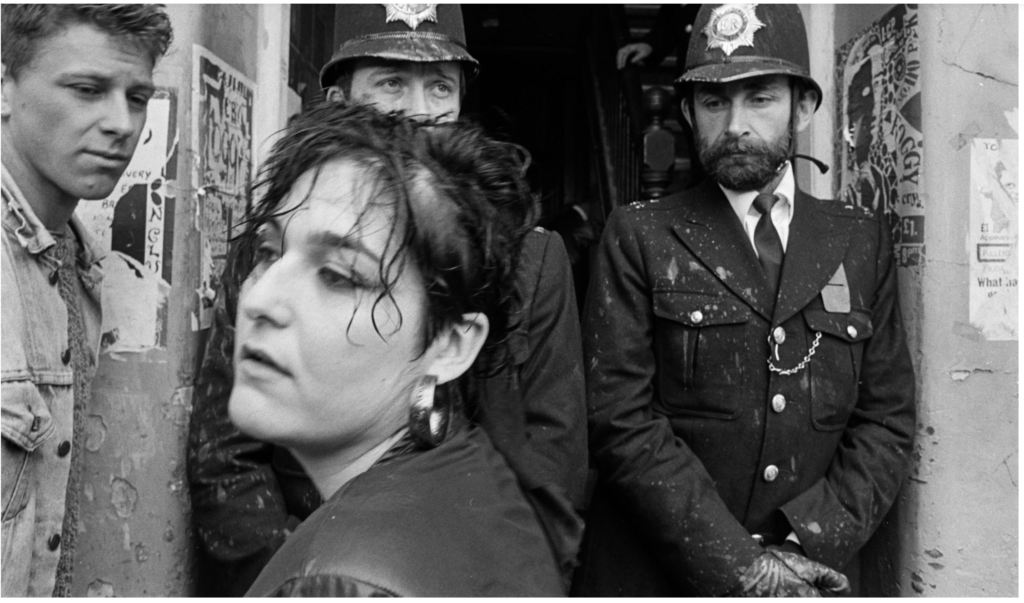
Zoom ahead to the 1977 and, in the eyes of Southwark, the estate was in serious decline and they wanted it demolished. After a high court battle half of the estate was demolished and half remained. The battle emboldened the residents, who formed a tight knit community in order to fend off future threats. To combat this, Southwark decided to stop letting out properties as they became vacant. With the support of the Tenants Association, the properties were given over to squatters who acted as caretakers. During two drawn out legal procedures in the 1980’s over threatened evictions, public interest in the plight of the squatters grew and it gained national attention. 

By 1986 Southwark had enough, and on 10 June the bailiffs moved in to evict the squatters. The residents were prepared, and many barricaded their homes against forced entry. 26 people were evicted, but as the bailiffs did not understand the unique layouts of the buildings, many just shifted their belongings and moved back in again. This became known at the ‘Battle of the Pullens’. Negotiations followed afterwards which led to the squatters being awarded caretakers rights and plans to demolish the rest of the estate were abandoned. The association were also responsible for turning the site of a demolished building into a park. It is now Pullen’s Gardens and a lovely place for a spot of lunch.