About Kennington Observer

Surreptitiously observing Kennington, including the suburbs Vauxhall, Oval, Walworth, and Elephant since 2012. We're fiercely independent and never boring.

#8 The Top Ten Best Places to Eat in Greater Kennington (+1 Sunday Roast)

Taro

And we find ourselves whizzing forward to eight and its been nabbed by Japanese canteen Taro. It is now a Kennington staple and has established itself as a local favourite, and this was certainly in evidence when we visited on a busy Thursday night.   We love Taro for consistently  serving up authentic ‘Izakaya’ fare, roughly meaning ‘pub food’ and have rejoined the glamourous Top 10 after missing out for a bit. But are they still worthy of their noble accolade? We can imagine they’re shaking in their sushi right now awaiting our answer.
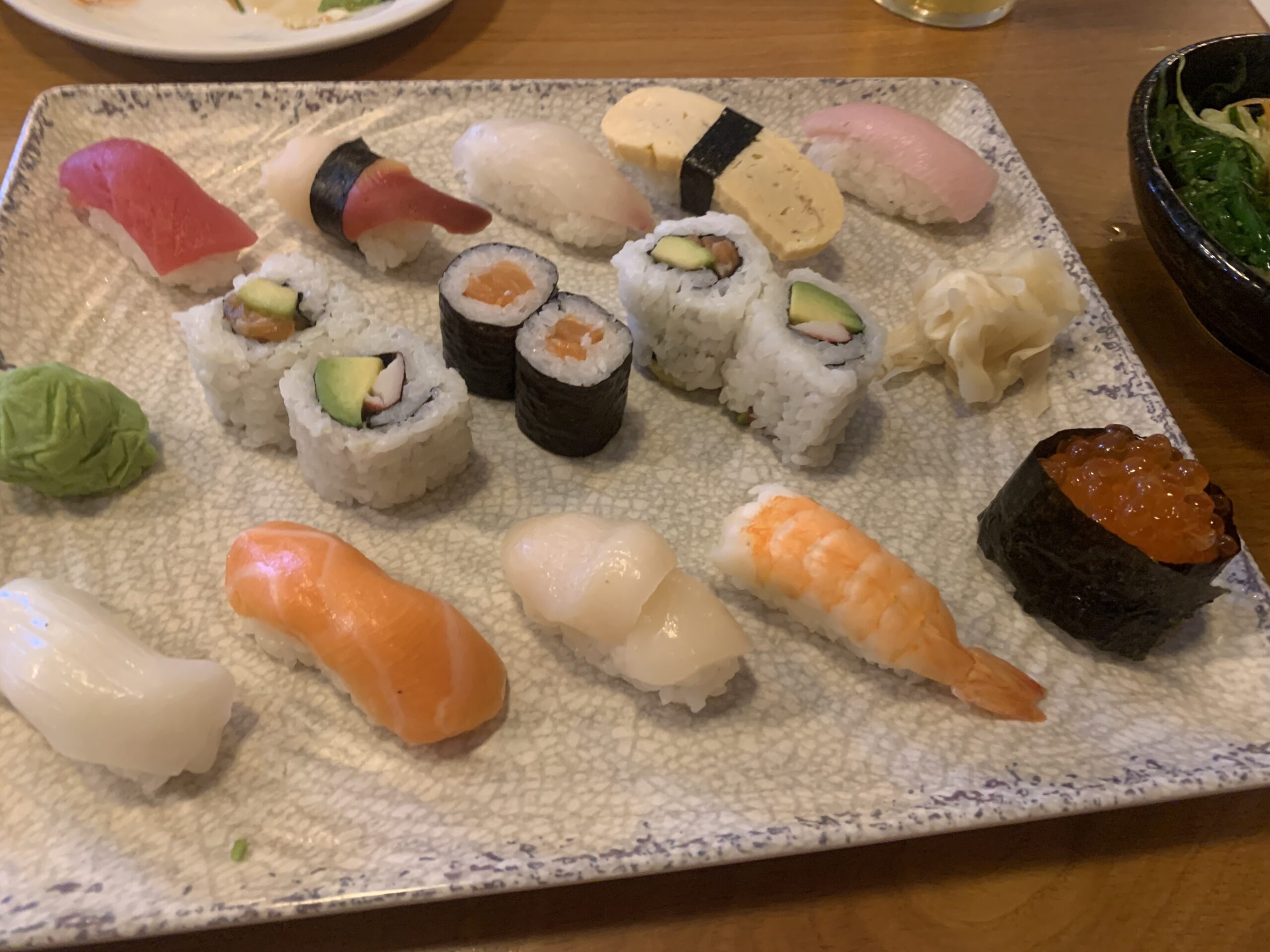
With half the office on (much needed) weight control drugs, on this visit we focused on the sushi section of the menu. The Taro sushi board offered a great mix of different nigiri and couple of rolls, a great option if you want a variety or if you find it hard to commit to anything. We also ordered a rainbow roll, a visually arresting inside out roll with crab. The mango roll was an accidental order, where mango is around the outside of the roll. That’s great if you are a mango fan, less so if you don’t usually mix savoury and sweet. We branched out most with the tempura roll. This was a sushi roll, and in this case with prawn and avocado, delicately friend in a light sushi batter. That sounds heavier than it is and generally got the thumbs up as something different, even with the Mounjaro faithful.

We would definitely advise venturing into the vegetable-focused side dish areas of the menu. The agedashi tofu in soy sauce was silky and delicate. The seaweed salad was a mix of different seaweeds with a dressing with a wasabi kick. We know this reads like we’re binge eating, and you might have a point.
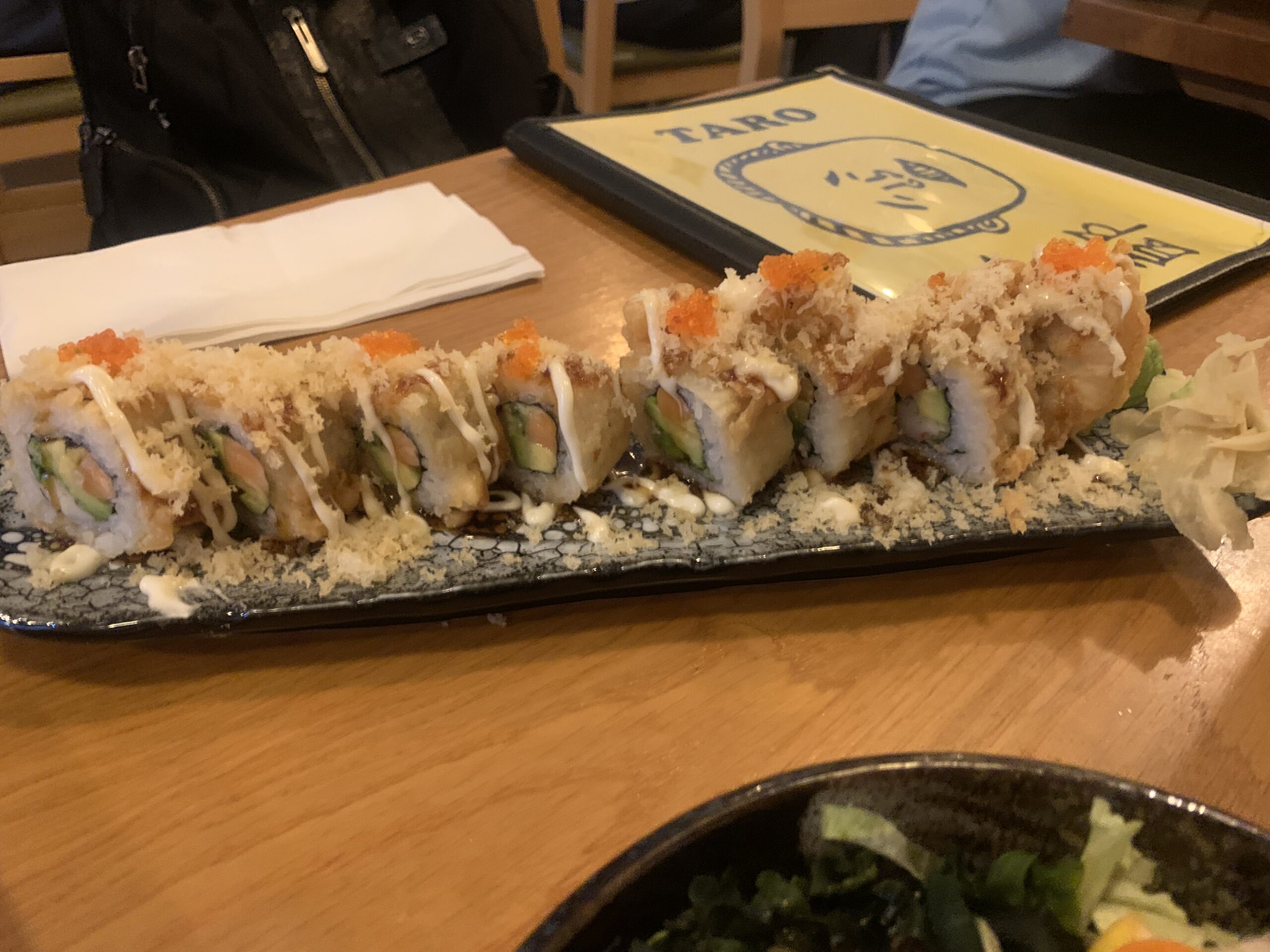
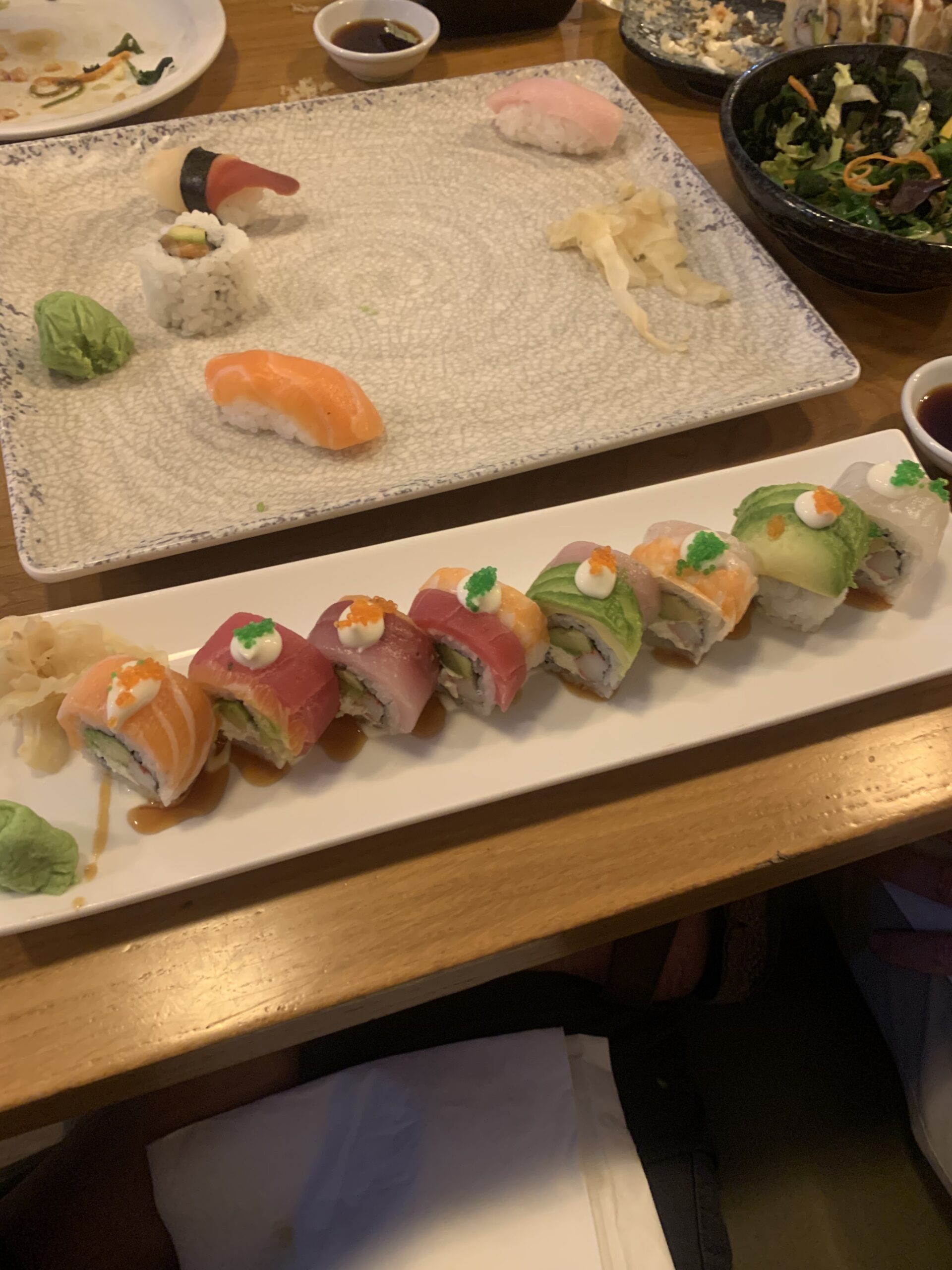
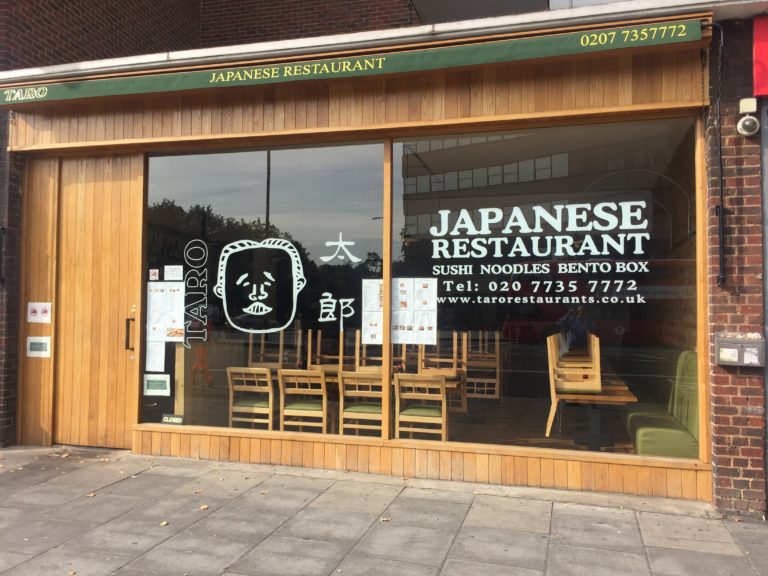
What makes Taro work is its commitment to quality Japanese food at a moderate price point. If you want a big occasion meal, you’ll probably venture that small distance to the West End, and good luck with that. What Kenningtonians demand is something that’s good quality and reliable that won’t break the bank…..Oh, and serves cocktails….

Taro, if you’re reading this (and if not you’re missing out) our only note of guidance is to find a way around the unedifying presence of balaclava hooded ‘Just Eat’ delivery drivers in the restaurant, as it rather cheapens the experience. And no one wants to be cheap. 
#9 The Top Ten Best Places to Eat in Greater Kennington (+ 1 Sunday Roast)

Beza Vegan Ethiopian

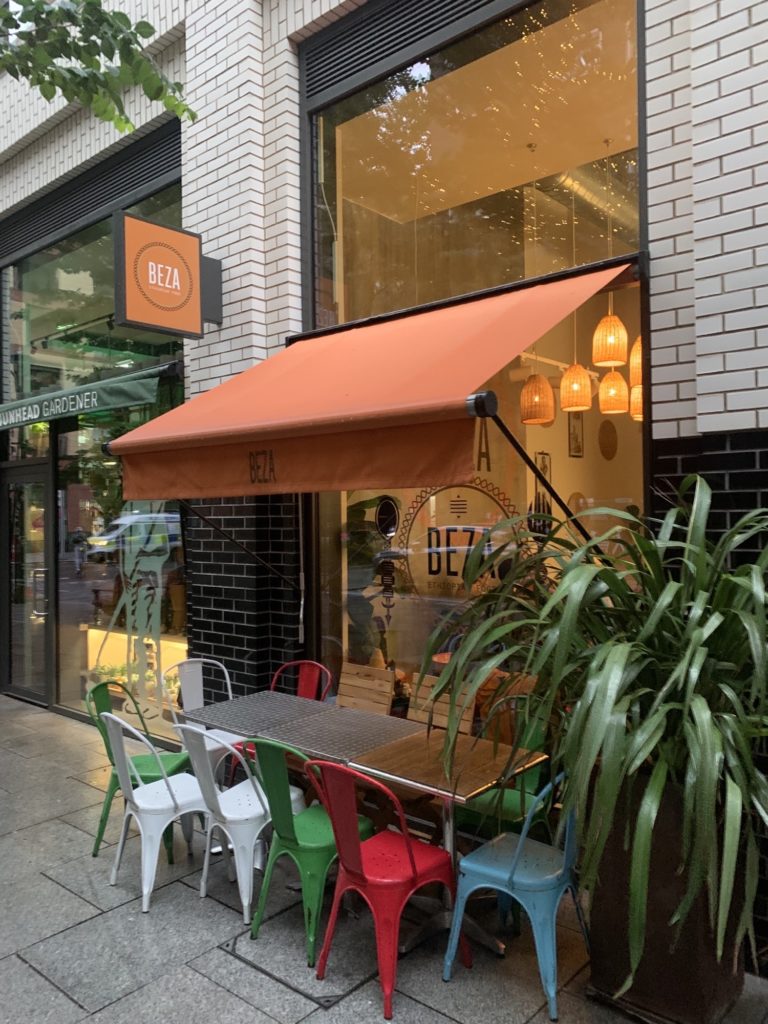
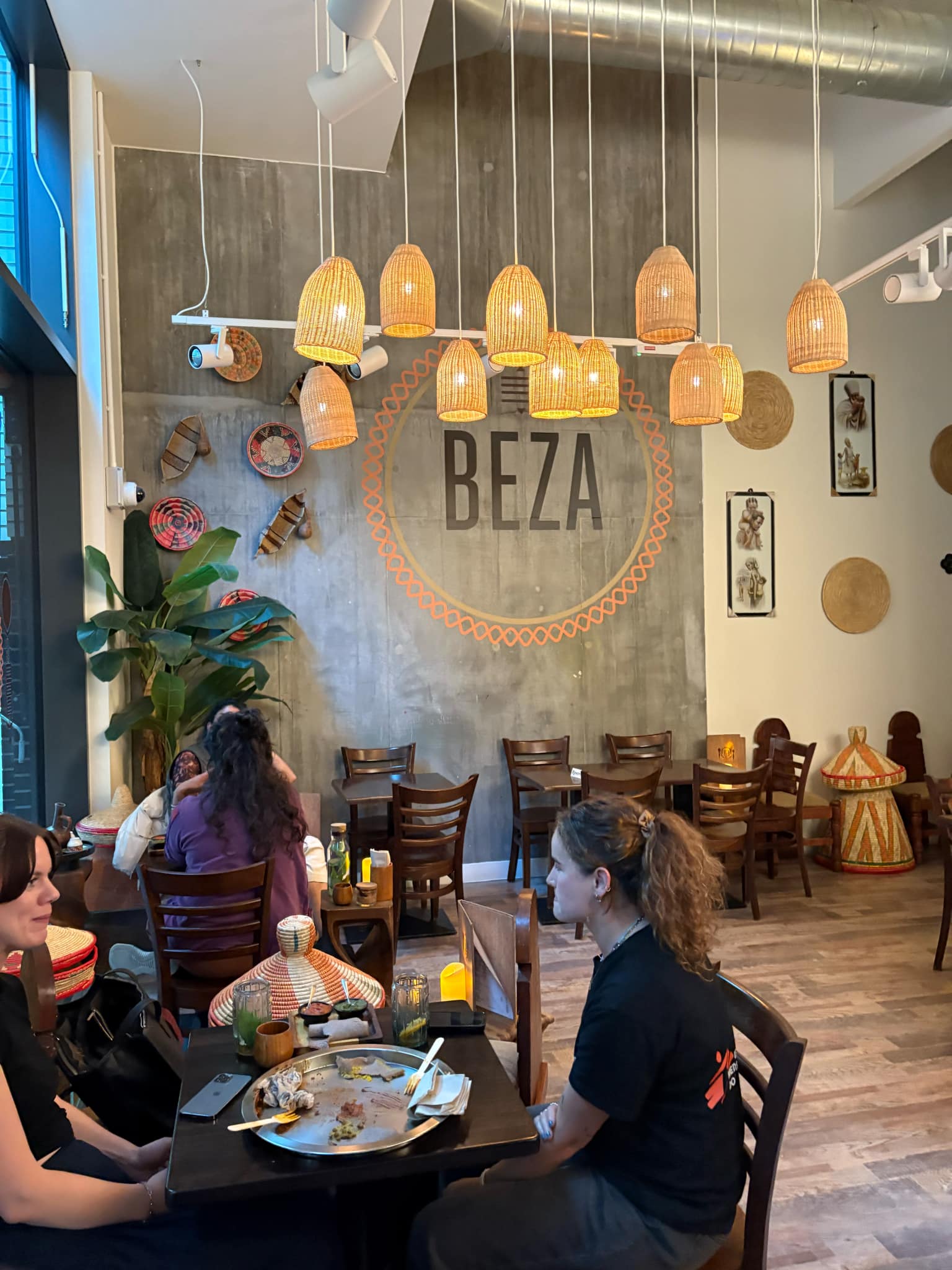
Beza Vegan Ethiopian is the Observer’s favourite vegan joint and has been since it started its local life as a pop up in Elephant and Castle shopping centre in 2016. It now lives on close to the new ‘was hip but now has a Gail’s Bakery’ dining area Sayer Street in Elephant. And the only thing better than the food is the fact that it is female owned and operated.

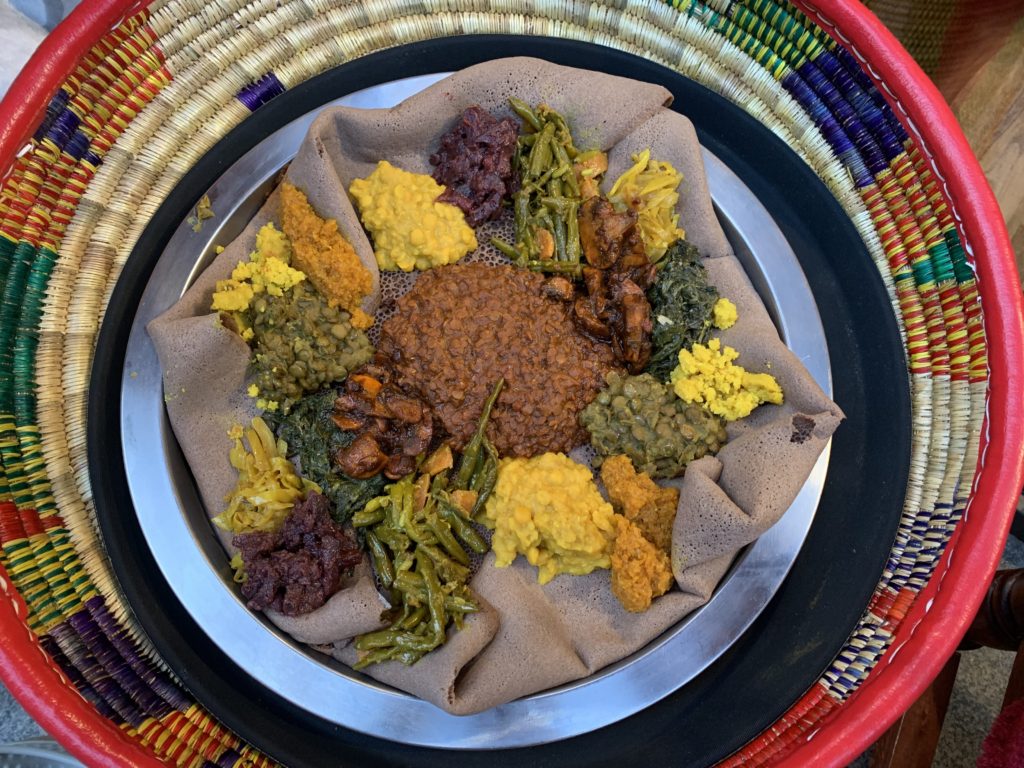
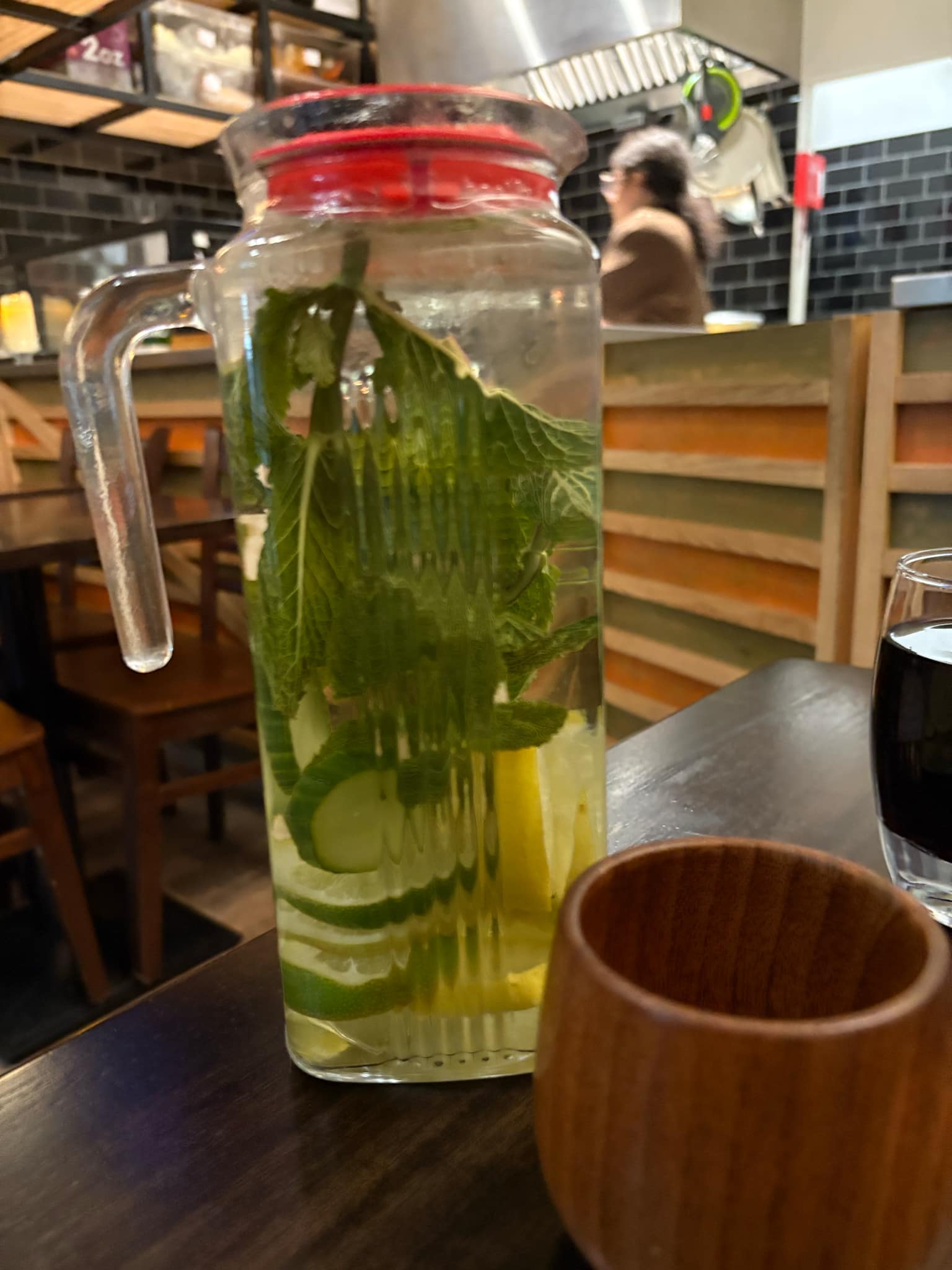
If you don’t know a great deal about Ethiopian food they make it easy for you as there is only one thing on the menu, and the very friendly Ethiopian staff can tell you all about it. The food is served on a giant platter and is intended to be eaten without cutlery by means of a glorious bread called injera, but you can choose rice (but don’t). Injera has a slight tangy flavour to it and they’ll bring you as much as you want. On the platter we had red lentils with garlic, sautéed mushrooms, chickpeas, spinach, beetroot and cabbage cooked in a variety of ways. The heat level was moderate but if want to ramp it up we were given two condiments. One was hot and the other felt like we were chomping down on molten lava, mitigated by free minty water.  All extremely pleasing.

The crowd at Beza are primarily thirty somethings who just left the gym with their water bottles and who probably live in those new flashy towers nearby. And LOTS of hair flicking. This by no means describes us, but they appeared envious of just how quickly we downed our big glasses of wine. And at only £39 for two people it was certainly good on the wallet. Or if you’re the hair flicking sort then your Apple. They also serve an even larger (were talking car tyre size) portion for four people, creating a party sharing vibe.

Why Ethopian food isn’t more popular is a great mystery to us, like that giant pong that used to be in Kennnington tube or why you never see any baby pigeons. But this shouldn’t be a mystery to you, and take your friends who dither, as there is really only one option!  አስገራሚ!

#10 The Top Ten Best Places to Eat in Greater Kennington (+1 Sunday Roast)

The Duchy Arms for BBQ

And we’re off! And this spot was achieved for excellence in smoked meats

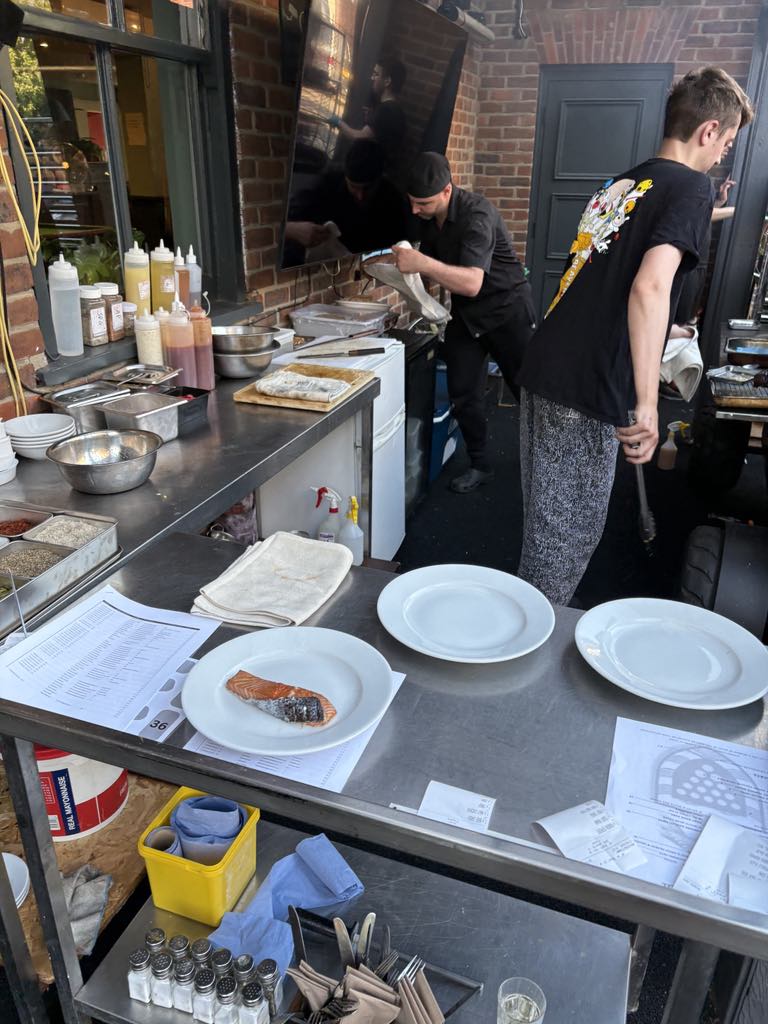
We’ve always felt slightly bad for the Duchy Arms as it suffers from BPLS, otherwise known as Bad Pub Location Syndrome. Located in Sancroft Street, you might have never seen the place in spite of its massive beer garden. In our role as ‘random yet glamourous members of the public’, we got talking to manager Josephine (who lives behind Sally White’s, tick!) who acknowledged that previous owners were ploughing through managers and menus faster than Boris Johnson has kids, and part of this was due to the location. So thinking creatively, they’ve turned the place into a barbeque smokehouse, an action of which we thoroughly approve.  

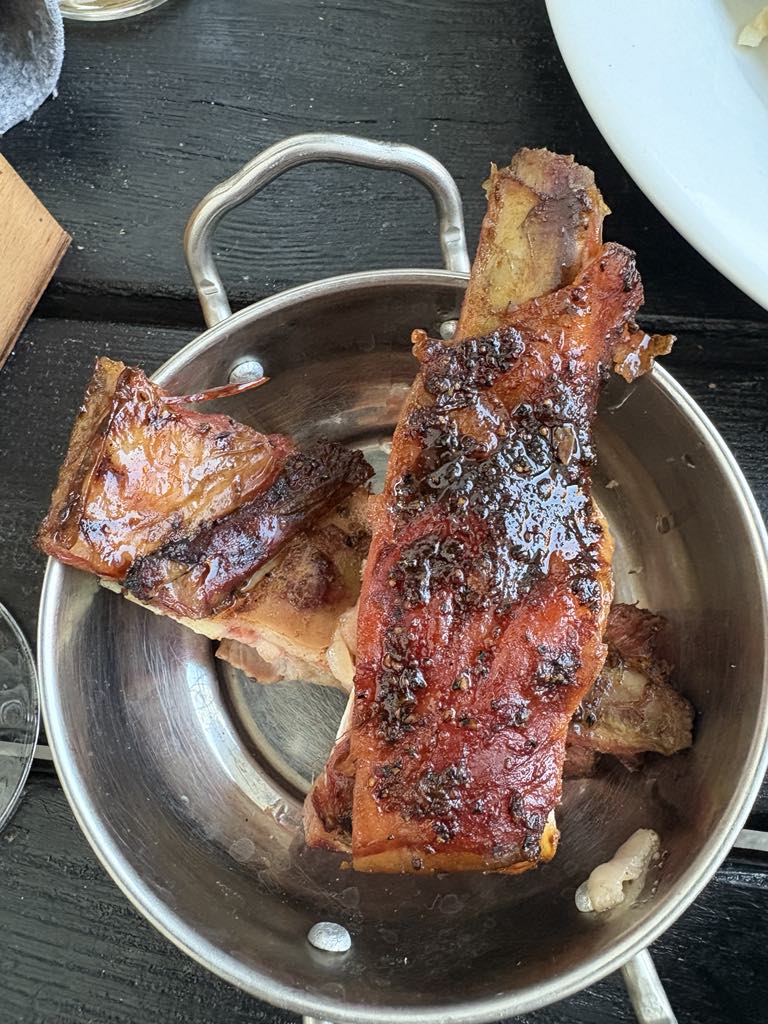
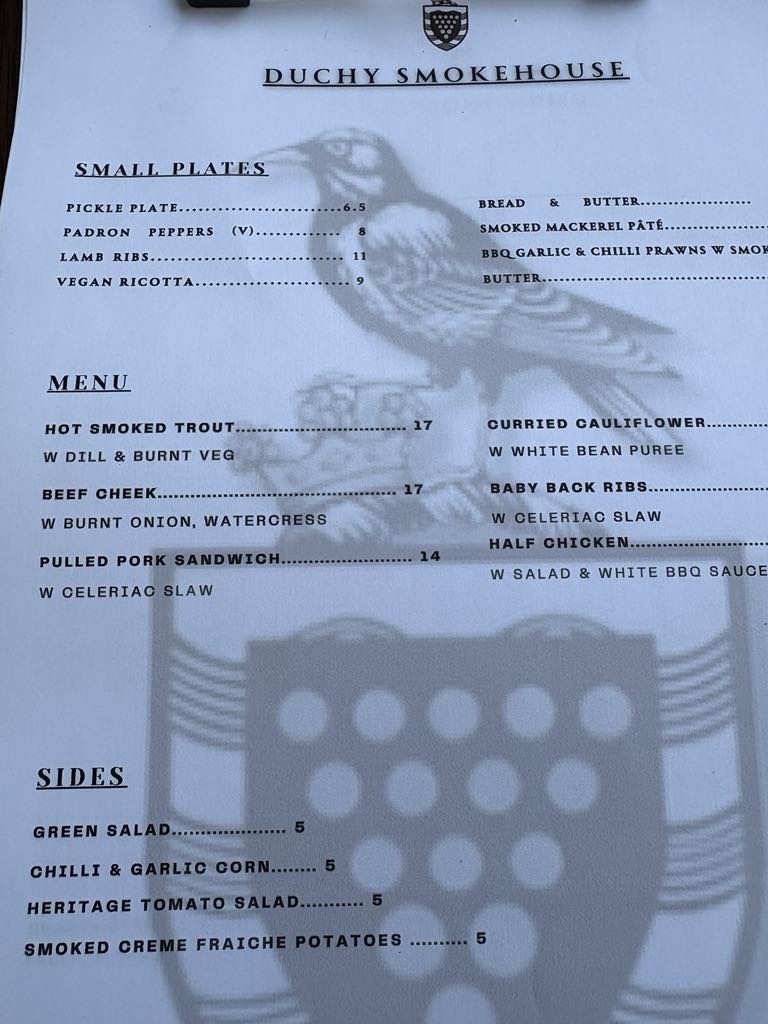
Your scribe and ‘office fun guy’ Phil from Accounts first ventured into the small plates section  by asking if Jager bombs count as a small plate. After being summarily kicked under the table, Phil ordered a pickles plate and some lamb ribs. The pickles were a mix of gherkin, carrot and radish; substantial rather than sliced and tasting home-prepared. They were sweet and sour and only gently acidic. This balanced quite well against the two fairly large lamb ribs that were as rich, fatty and lamby as you would hope. 

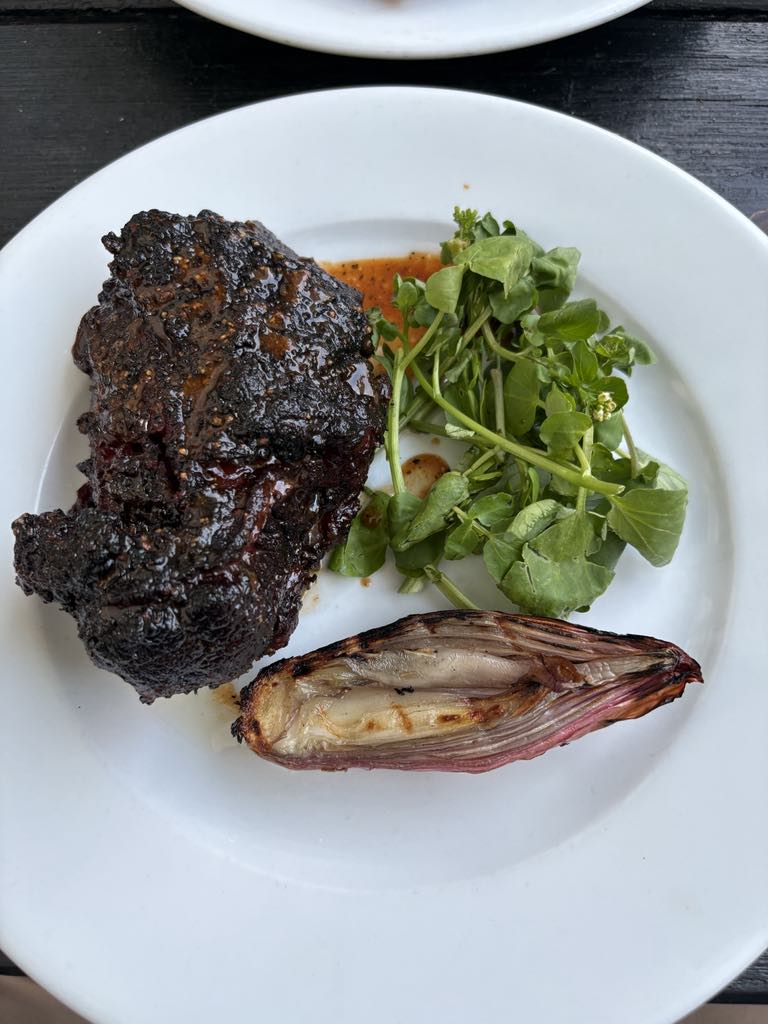
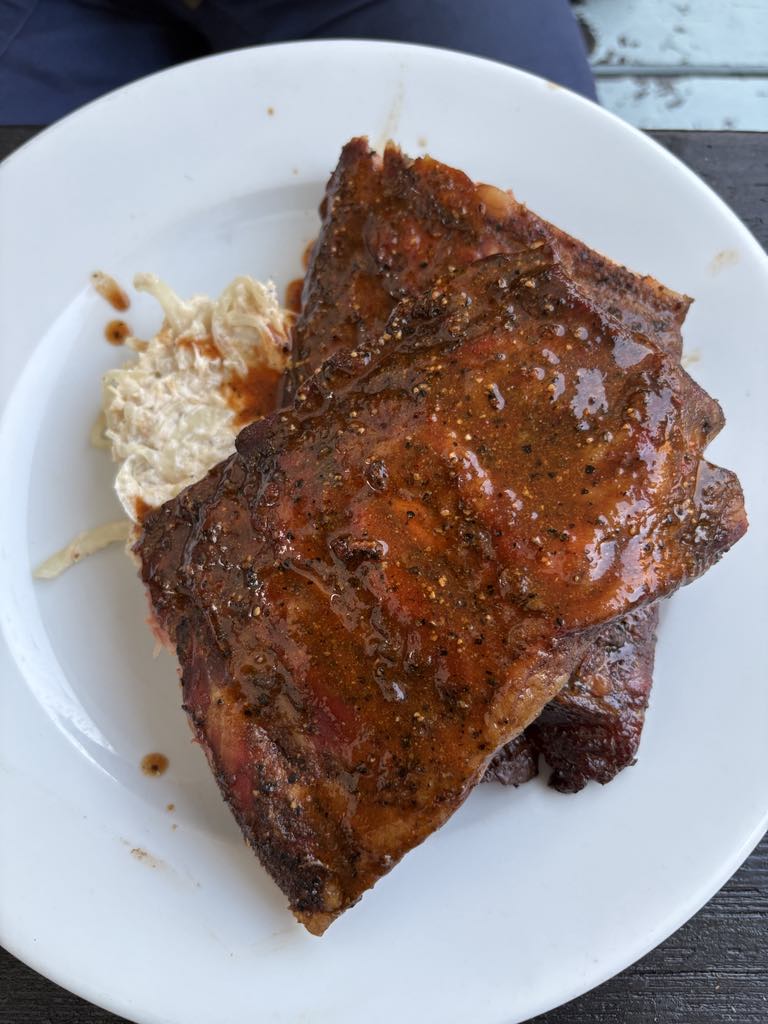
As Phil will do anything for free food, he then selected baby back ribs and your scribe grabbed the beef cheek. The ribs were a portion of two racks and had a nice glaze to them and pork meat that slid off the bone. You don’t need a sticky sauce when the meat is this good and the celeriac slaw accompaniment was great. The beef cheek wins the prize for the most surprised reaction when it arrived: as a big black glistening lump not unlike a genetically modified Malteser.  The dark smoked roast on the outside yielded to paler, supersoft meat within. If you don’t like fiddling with bones, it’s a good way to go – sticky, unctuous, super rich and smoking (traits that no one in the office possesses). It came incongruously with a  healthy cauliflower, smoke-grilled with curry spices and sat on what we assumed was hummus but was in fact a bean puree.  The side-order of chilli and garlic corn, slathered in deep smoked butter, pushed us further on the road to diabetes, but was great.

So how does the smokehouse menu stack up? The answer is excellently due to its breadth of barbecue offerings and its execution in a giant smoker in the garden. And believe it or not the Duchy does offer vegetarian items but veggies be warned – you will be seeing your favourite barnyard critters in flames in front of you as they have a giant smoker. We cannot vouch for the other items, but we think a deviation from pub classics is a good development in Kennington and we wish them the best of luck.

Ahead of the Big Event…….It’s Cafes!

As we put the final touches on our profoundly scientific yet utterly subjective rundown of the top 10 list of best places to eat in Greater Kennington (plus 1 Sunday Roast), we wanted to give an honourable mention to the cafes and coffee shops which weren’t eligible for the noble accolade but we were nevertheless loving in 2025.

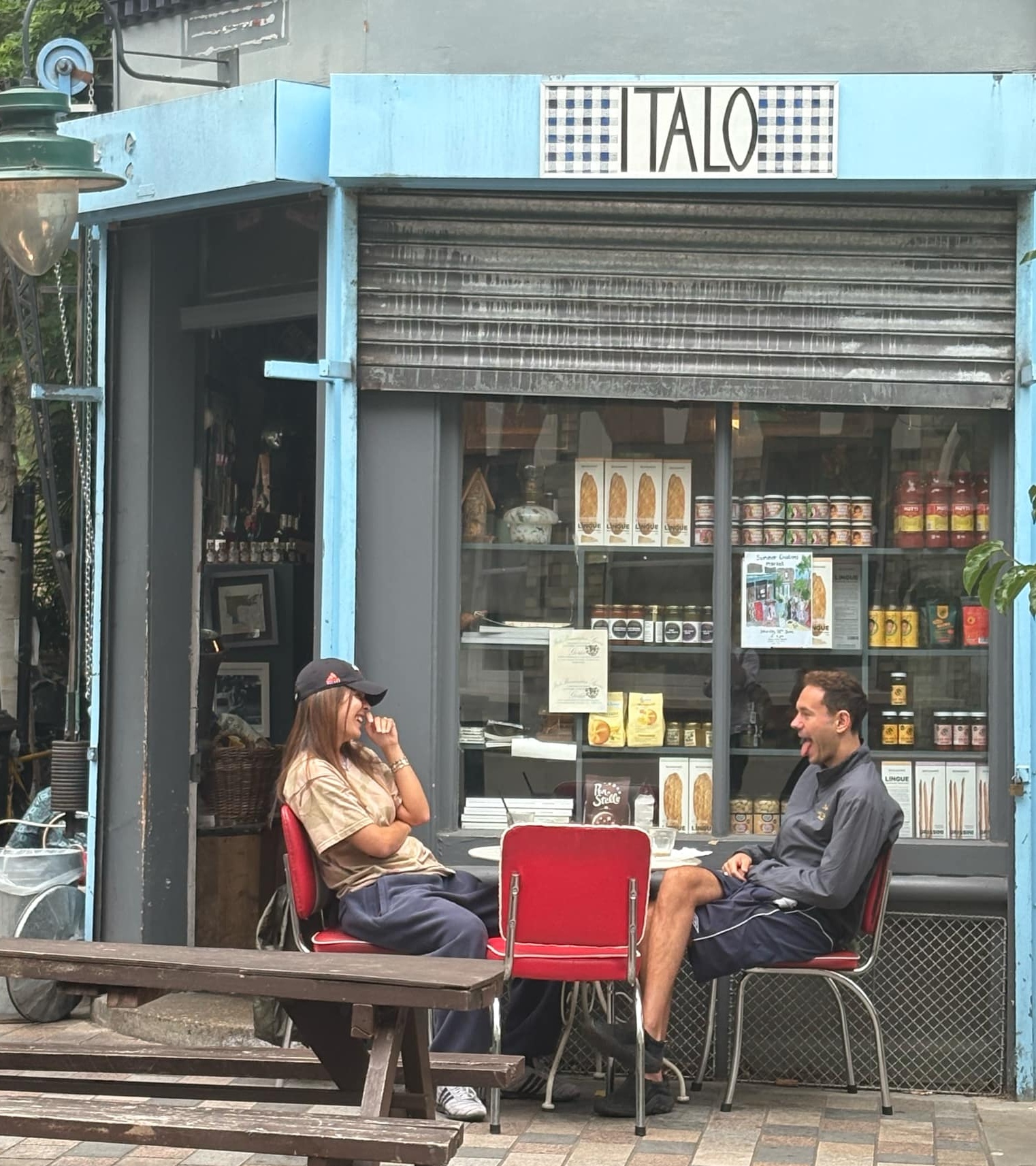
Italo Vauxhall – Cozy Italian café and shop nestled in the heart of Bonnington Sq.

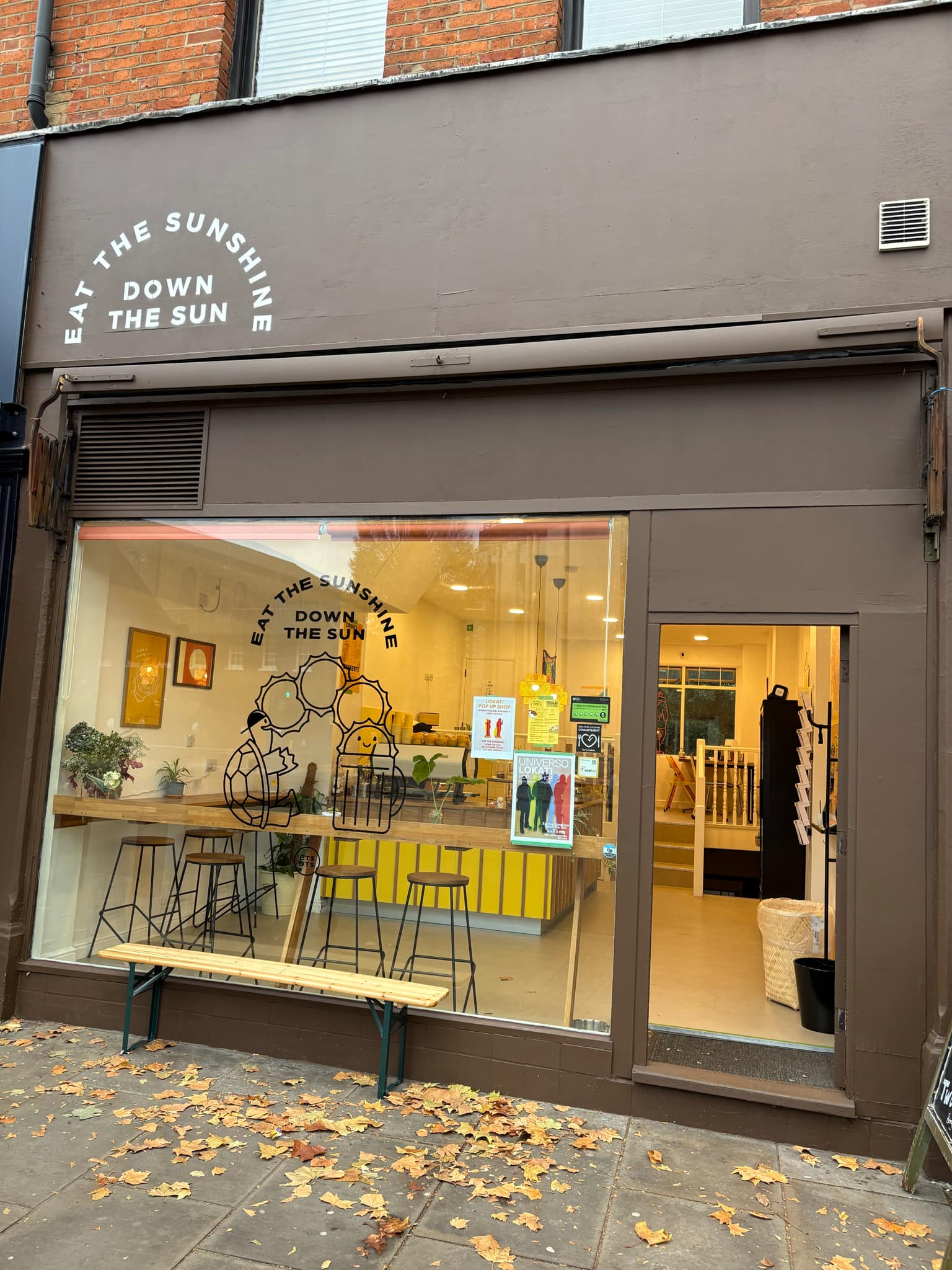
Eat the Sunshine, Down the Sun – Brand spanking new Filipino art café in Kennington Cross.

Park College Café – Hidden gem next to Kennington Park run by young people with additional needs. Cute upcycled gifts. Walworth

Electric Elephant Café – Quirky tea and cake spot that looks more like a jumble shop. The owner makes everything by hand. Walworth
Walcot Stores – Tiny and adorable café off Walworth Sq. selling baked goods and bread. And of course coffee.

Urban Botanica – Buzzy Kennington Cross staple selling a range of coffees and teas and, errr….houseplants.

Change, Please – This IS a chain but we love them as they employ people with experiences of being homeless. Elephant Park

Vauxhall City Farm – Little known but buzzy café and coffee spot. Where else can you have a coffee while watching llamas eat?

Greater Kennington’s First Skyscraper

From the Archives, the fifth and last (sadface!) month of best history posts

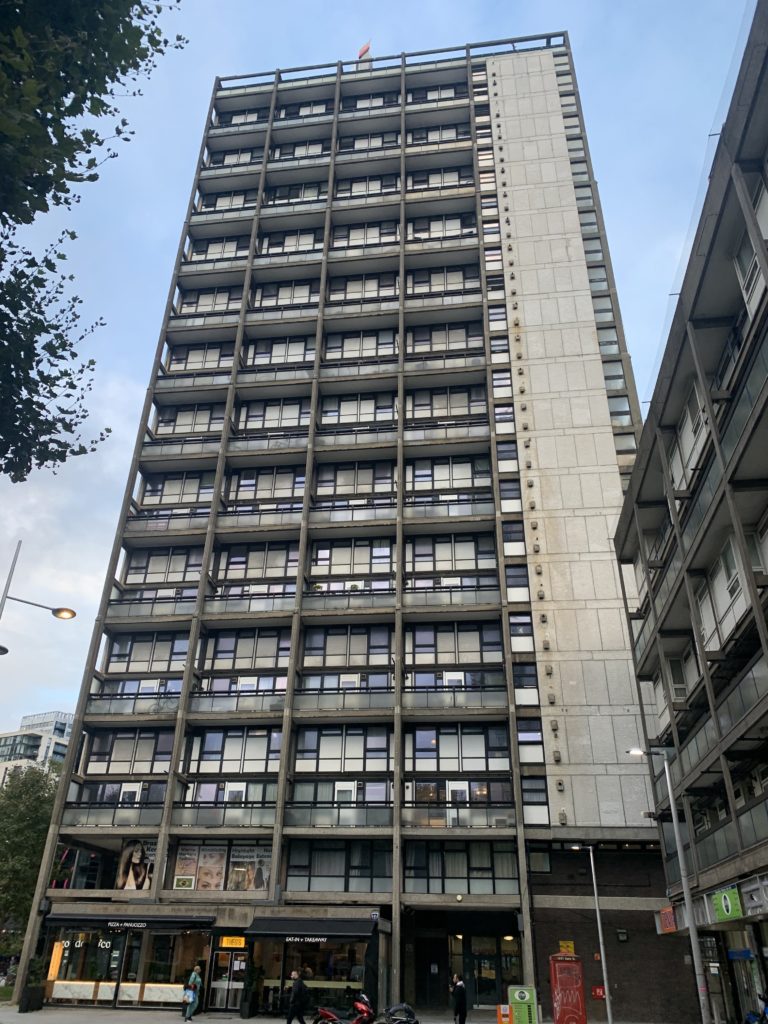
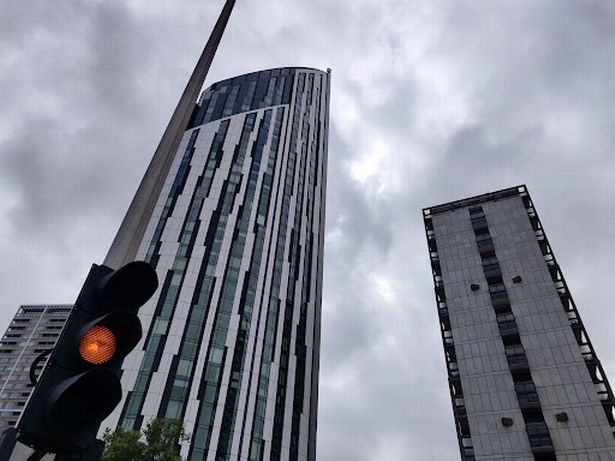
Long before the behemoths of Vauxhall and the impending towering bewilderments of Elephant, there existed Draper House in Newington Butts, where Kennington meets Elephant and Castle. Nestling shyly next to the ‘who switched the fans off’ Strata, the Draper Estate was built in the Brutalist style in 1965, and when Draper House was finished it was the tallest residential block in London. If you look up at the block today this seems almost unbelievable.  

In order to meet the varying needs of a devastated community post WW2, radical architects Kenneth Campbell and Hubert Bennett were commissioned to create a building consisting of 141 flats and maisonettes. In the manner of Le Corbusier, the idea was that ‘nothing is too good for the ordinary man and woman’ and the building had wide corridors and the unique addition of fire escapes. Campbell and Bennett transcended traditional building methods by installing a cladding of storey high slabs of white Italian marble.  Another unbelievable reality when we look at the cladding of public housing today. 

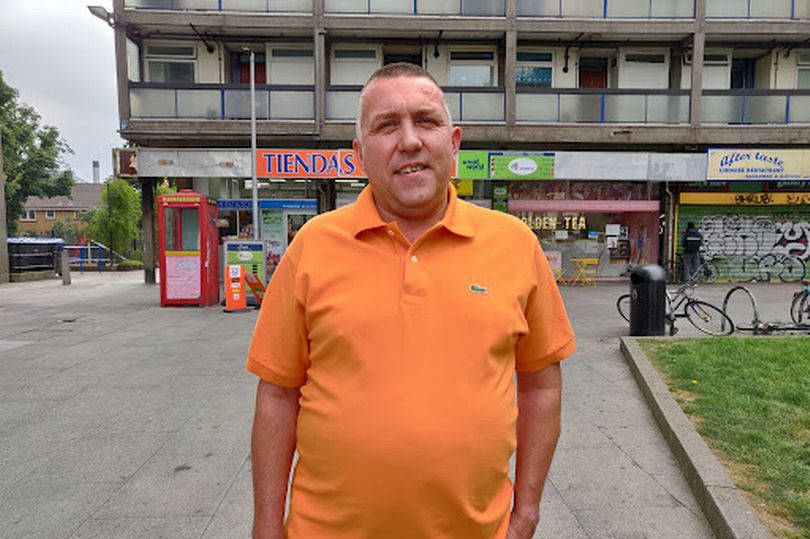
We were made aware of the interesting existence of Draper House after reading that one of its original residents just moved out after 56 years. Falling into a typical Runoff rabbit hole, we read the interesting stories of current residents such as Ian, who has lived in the building for 36 years and raised his family there. He notes that many residents have lived there for decades and over the years has progressively reflected the multi cultural dynamic that gives Elephant it’s energy. 

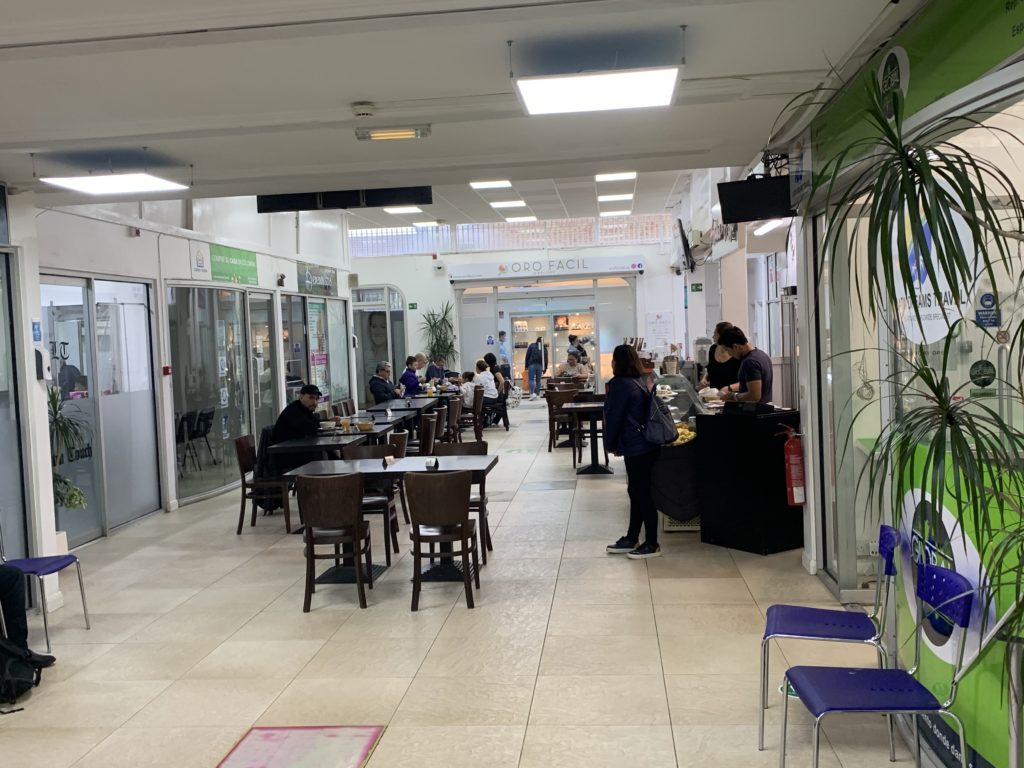
Being tall and notable does have a few downsides, and for many years Draper House had a darker side as it was known as the suicide capital of London. Those days are long gone and the multicultural essence persists at ground level with such treats as a Latin American mini mall, a Brazilian hair salon, a Chinese tea house, and two of our favourites eateries – Italian ‘Theos’, and the wonderfully named ‘After Taste’. 

The Great Conjurer of Kennington

From the archives, the fourth of our month of best history posts

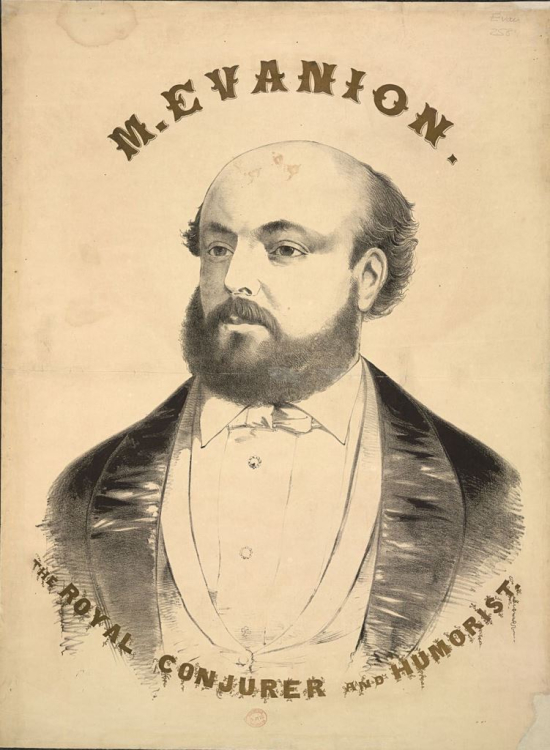
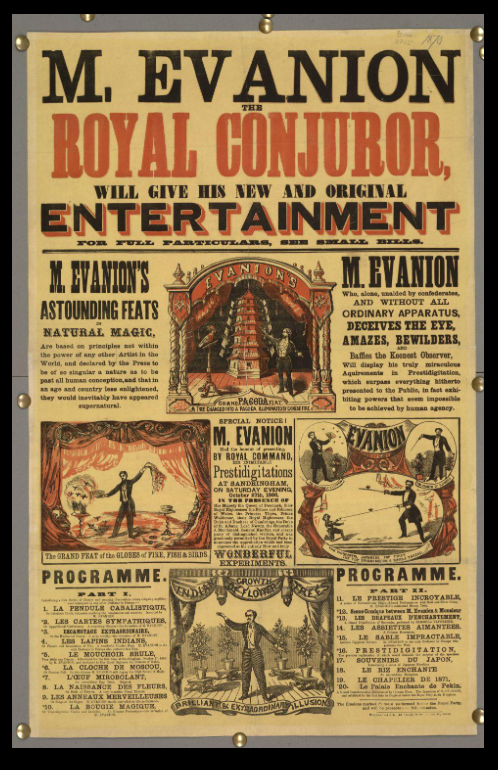
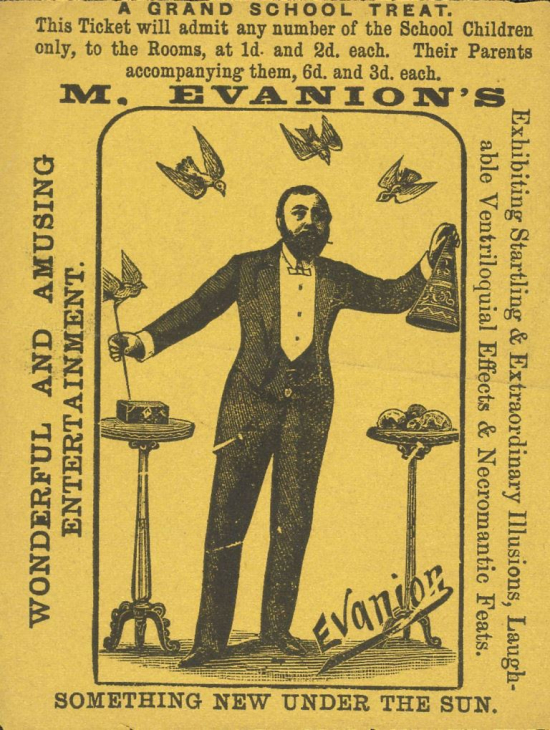
Greater Kennington has always had its share of eccentrics, and a prime Victorian example can be found in magician, humourist, collector, and wonderful oddball Henry Evanion (1832-1905) who lived his entire life in Kennington and Oval. Henry’s family sold sweets and tickets at Vauxhall Gardens during its dying years and it was there that he came into contact with mimes, jugglers, clowns and tight rope walkers. Supported by his wife Mary Ann and extended family who ran a sweet shop business at 221 Kennington Rd, he began to develop tricks of illusion and ventriloquism that evolved into a rather elaborate show. Delivered, no less, with a fake French accent. 

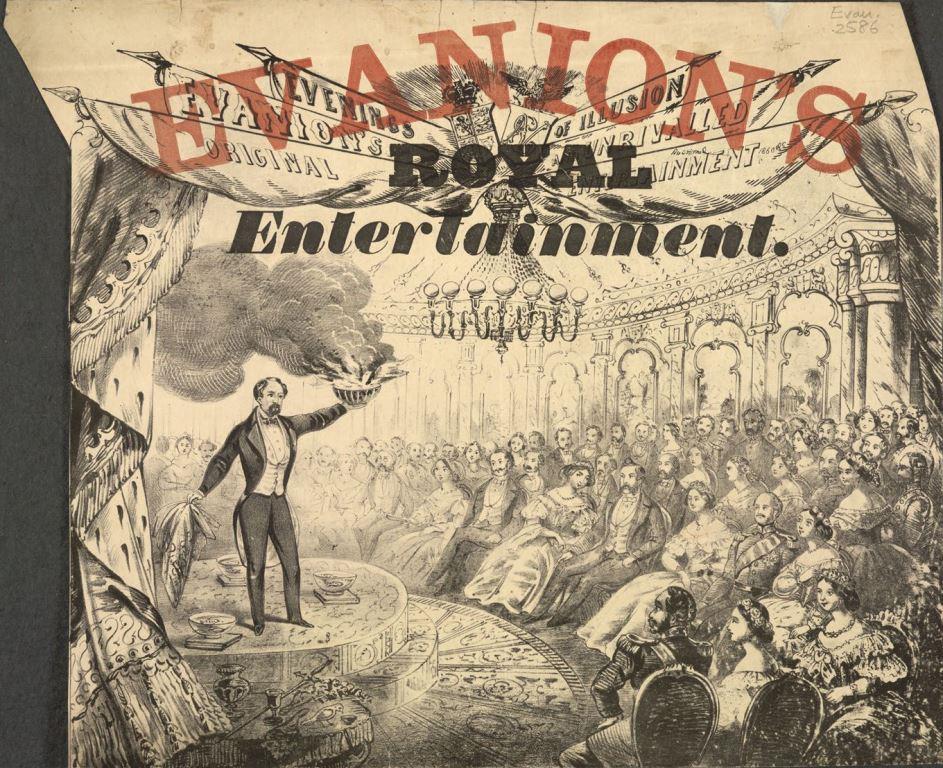
As Henry’s act evolved he began to tour the southeast and even performed for the royal family on three occasions, with the gig at Sandringham billed as ‘The Grand Feat of the Globes of  Fire, Fish and Birds’. Henry seriously milked this royal connection and it helped with bookings, but there were long stretches where our local boy had no work. He used this time to furiously research new ways to diversify his act, coming up with tricks such as ‘Vulcan’s Chain’, ‘The Mystic Parrot’ and ‘The Japanese Lady’s Reception’. At the time he was living in what is now Montford Place behind the present day Pilgrim pub. 

Henry’s long suffering and very patient wife would sometimes perform as his assistant (a kind of Victorian Debbie McGee) but she had a proper job running the sweet shop so this didn’t last very long. Henry decided to drag people in the crowd onto the stage to act as assistance, which was made easier by his jokiness and quick wit.  His shows were an assortment of magical effects, illusions, juggling and ventriloquism presented rapidly with trick following trick. Henry was also an avid collector of playbills, posters and items associated with magic and other forms of entertainment.

While working with mystic parrots, setting things on fire, and sawing people in half might sound very glamorous, it isn’t the most lucrative of professions and later in life Henry and Mary Ann fell on hard times. Living in the basement flat at 12 Methley Street, at the end of his life Henry befriended no other than the great Harry Houdini while he was in the UK. Houdini was fascinated and inspired by Henry, and on their first meeting spent almost 24 hours with Henry in Methley St. Houdini ended up purchasing some of Henry’s collection of magical ephemera. The rest of his collection was endowed to the British Museum, and gives us a fascinating insight into late Victorian light entertainment. 

The Railings That Saved Lives

From the archives, the third edition of our month of best history posts.

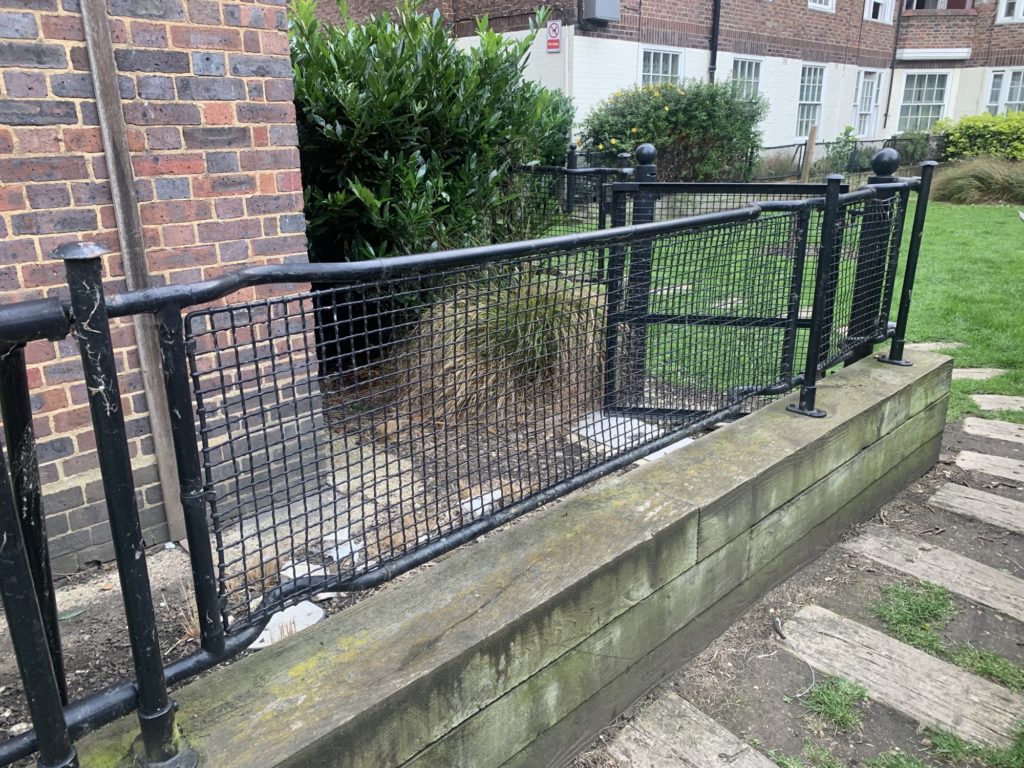
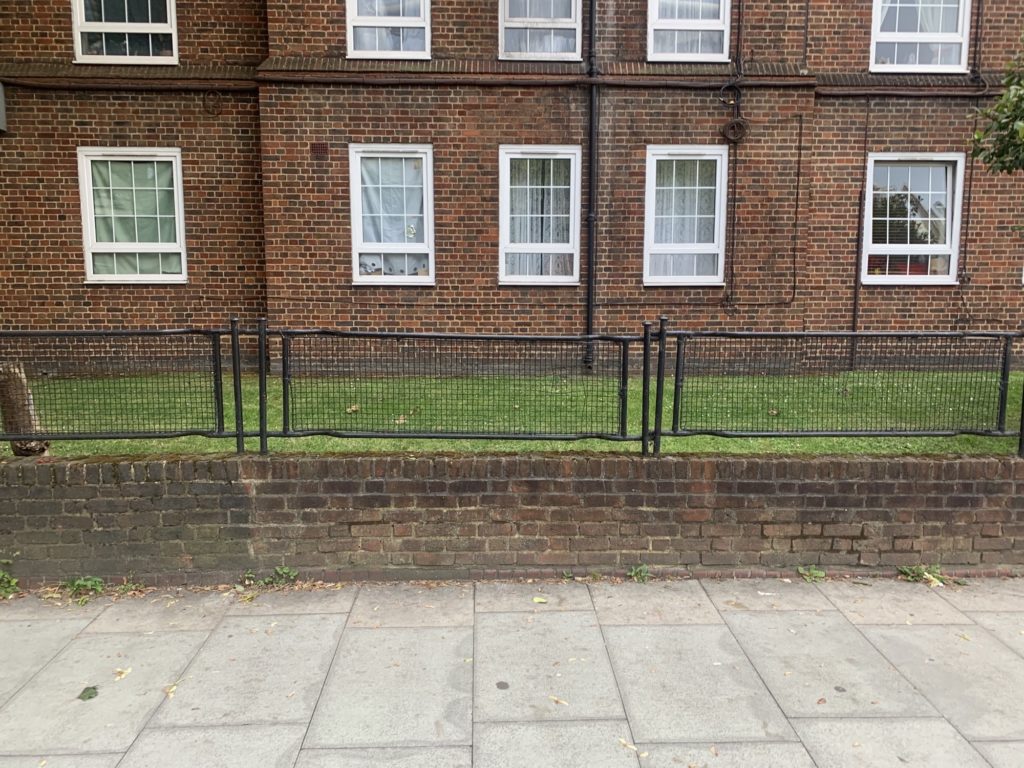
If you’re the observant or, in our case, intrusive sort you’ve probably noticed some unconventional appearing railings outside some estates in Greater Kennington. These didn’t start their life as estate railings, but rather as devices to save people’s lives. 

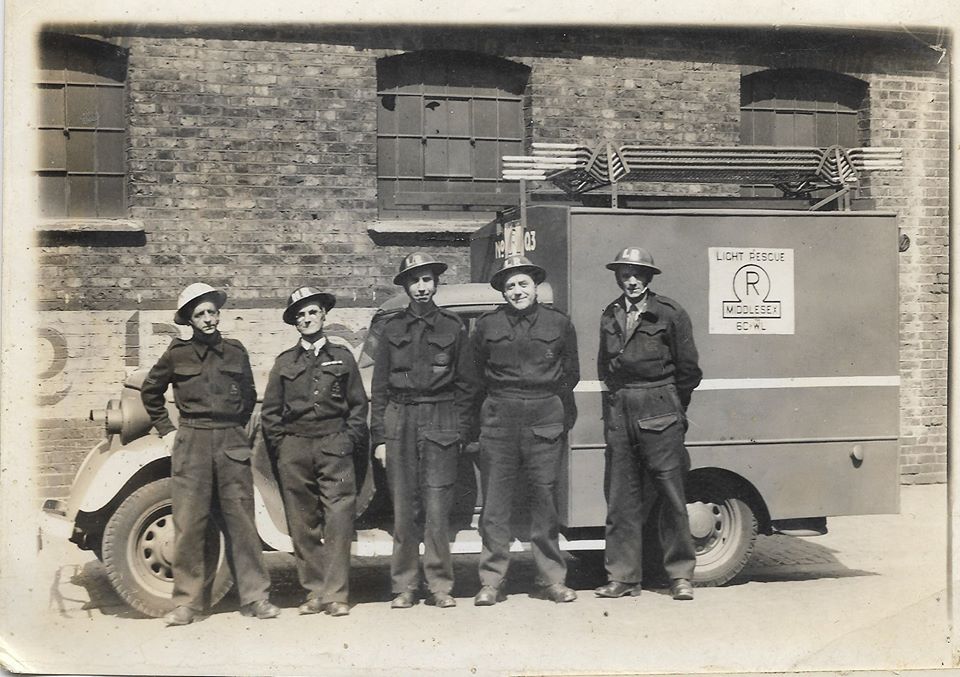
Our little railings atop an emergency vehicle

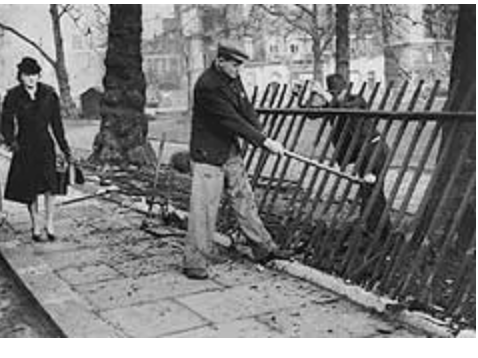
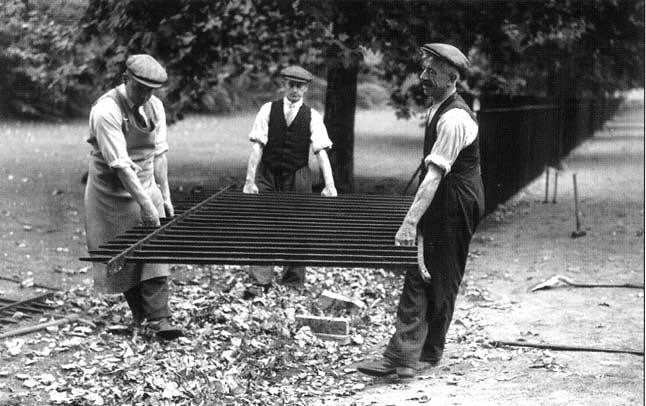
At the beginning of World War 2 London was stripped of many of its railings in order to be melted down for use as armaments. Whether they were actually used for this purpose or just an elaborate morale boosting PR stunt remains a point of debate. Ironically, the iron railings were removed at the same time as 600,000 iron stretchers were being mass produced in order to ferry away casualties from bombsites. Fortunately not nearly that many were ever needed or would be in future, so London had a whole lot of beds on her hands…. 

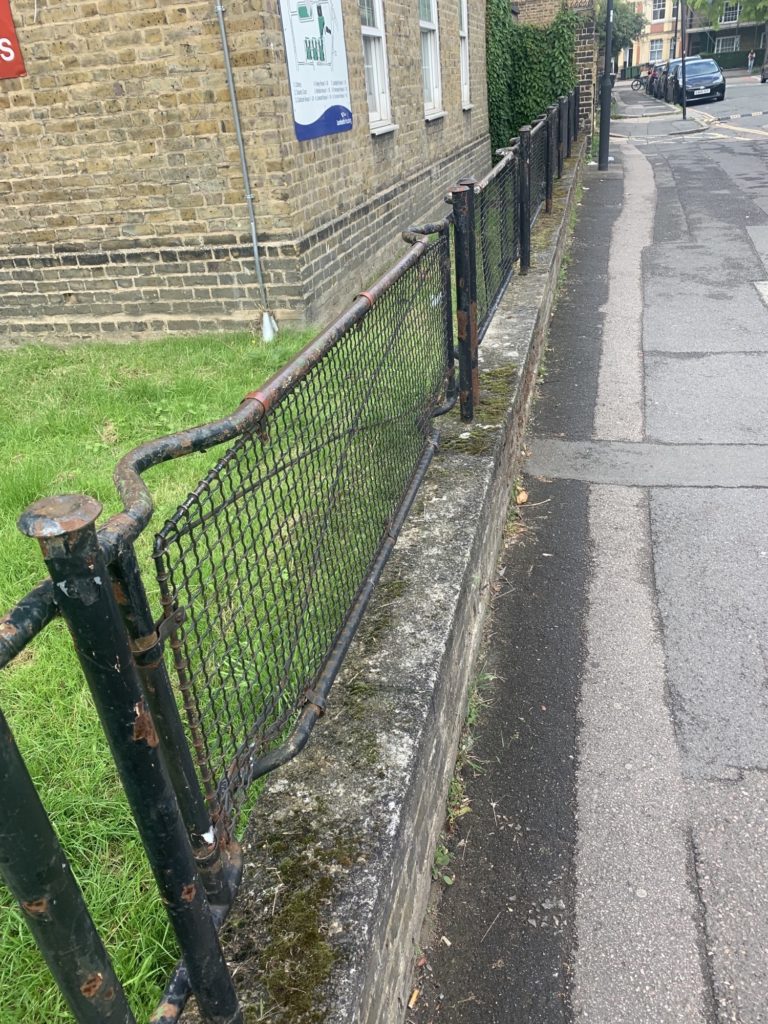
The WW2 stretchers produced during the war were cast iron and couldn’t be melted down into anything more practical afterwards, so in a rationed post war Britain someone devised the clever idea of sticking the stretchers on their sides, welding them together, and repurposing them for use as railings outside of public buildings. In this very early version of upcycling, they were reborn as fencing and exist in our estates to this day. Today our railings attract interest from around the world but sadly, like most of the staff here at the Runoff, are not being cared for properly and are in a sorry state of repair. 

Stretcher railings are a very unique part of London’s quirky street furniture and we are fortunate to possess the lion’s share right here in our anointed patch. So next time you get a pesky little idea about going to the West End for a bit of culture, just pop over to your nearest estate. There is even a stretcher railing society for those of you who have a fence fetish. But if you do join, we suggest that you keep that one to yourself. 

Harleyford Road, Vauxhall

The last great epidemic of Greater Kennington

From the March, 2020 Covid archives, the second edition of our month of best of history posts

History has an unusual system of circularity, and The Event that has engulfed the world is in many respects very similar to one experienced in early Victorian Greater Kennington. So bring those sparklingly clean hands forward boys and girls, as we are going to tell you about another misunderstood epidemic borne out of a need for greater hygiene. 

In the first half of the nineteenth century Lambeth’s waterfront was the industrial hub of London, with factories such Royal Doulton lining the waterfront between Black Prince Road and Spring Gardens and disgorging pollutants into the air and water. The area behind the factories was populated primary by migrants from the countryside and a famine stricken Ireland (and now ironically populated by multizillion pound flats, but moving on..) who struggled for survival and lacked basic sanitation. As the area was built haphazardly on damp marshland (this was before the embankment of the Thames) there were no standpipes for water and the folks had no choice but to obtain their drinking water directly from the Thames. And we’ll leave it up to you to imagine what kinds of matter were deposited in the river at the time.

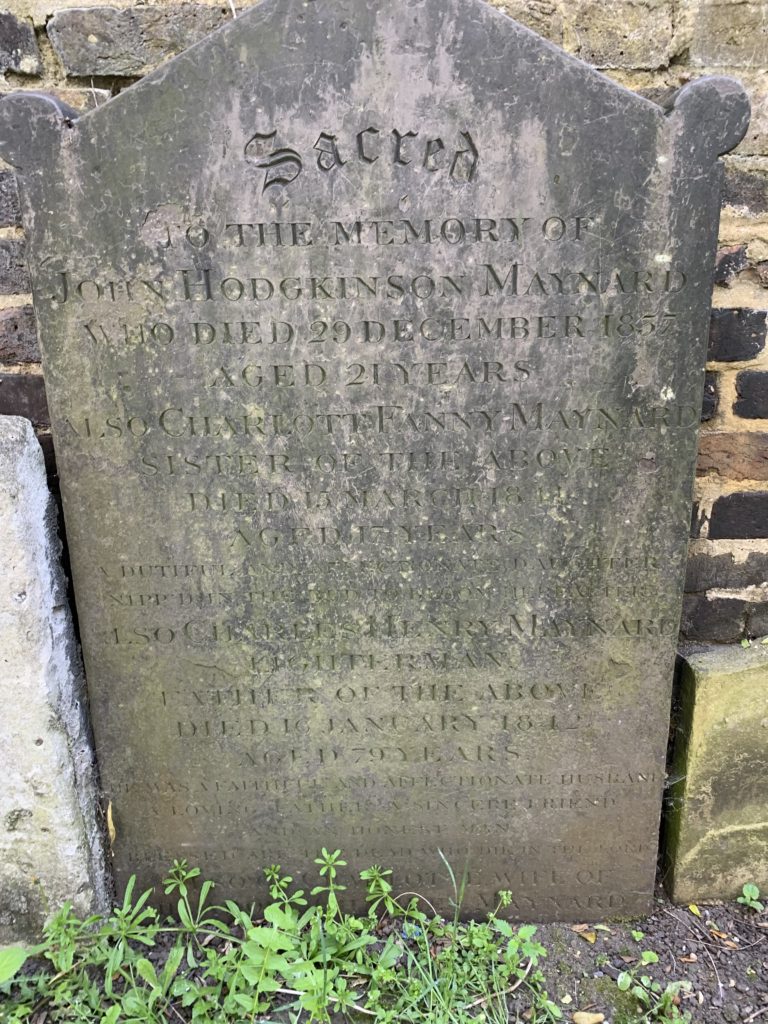
A headstone of the time of cholera

The Thames was the source of contagion when cholera struck Lambeth in October, 1848, resulting in the death of almost 2000 local men, women and children. At the time it was believed that cholera was transmitted through the air in foul smells, and foul smells were abundant in this industrial wasteland. Our patch of Lambeth was one of the first places studied by pioneering epidemiologist John Snow who, after seeing people dipping pails into the river for drinking water, began his path to discovering that cholera was a water borne illness. Proof that science can prevail over fearmongers in times of darkness. 

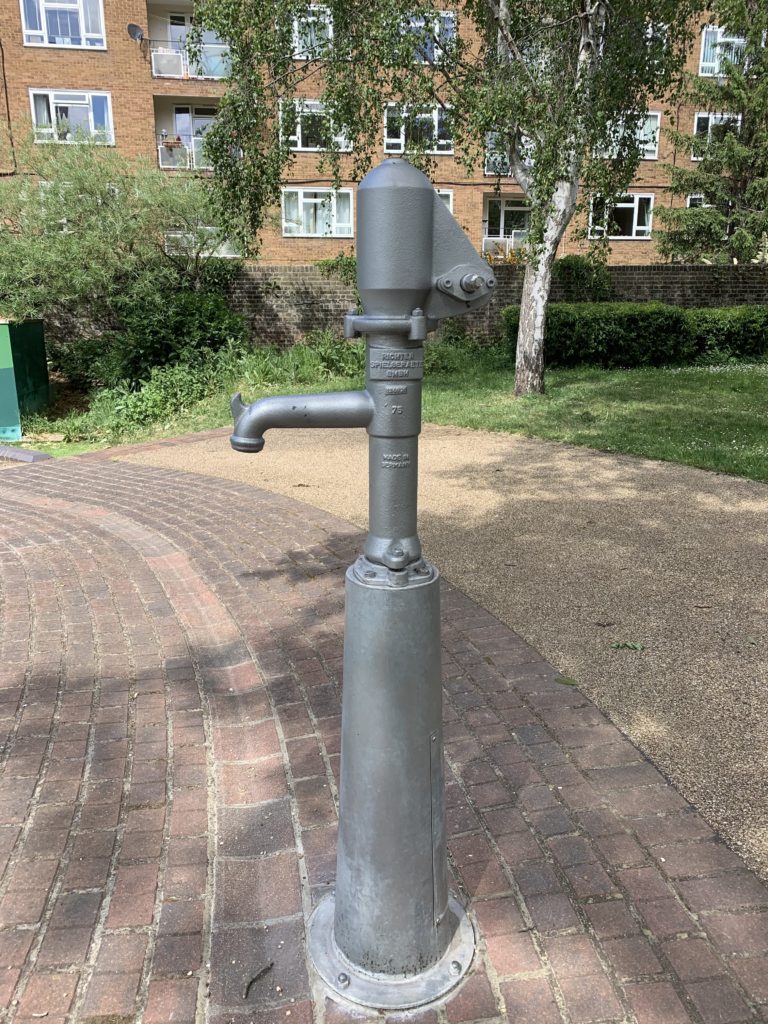
Of the people who perished, many were buried in unmarked graves in the cemetery of St. Mary’s church (now the Gardening Museum). The graveyard is now Old Paradise Park and is a little gem of solitude behind the high rises. On your daily and now unlimited walk, stop to notice the headstones of the many residents of Lambeth who were contemporaries of those 2000 who perished, but who had a more dignified send off.  And in the middle of Paradise Gardens you’ll encounter a solitary standpipe, which acts as a fitting monument to those buried beneath it. 

Manor Place Baths

From the archives, the first edition of our month of best of history posts

From Baths to Boxing to Buddhism

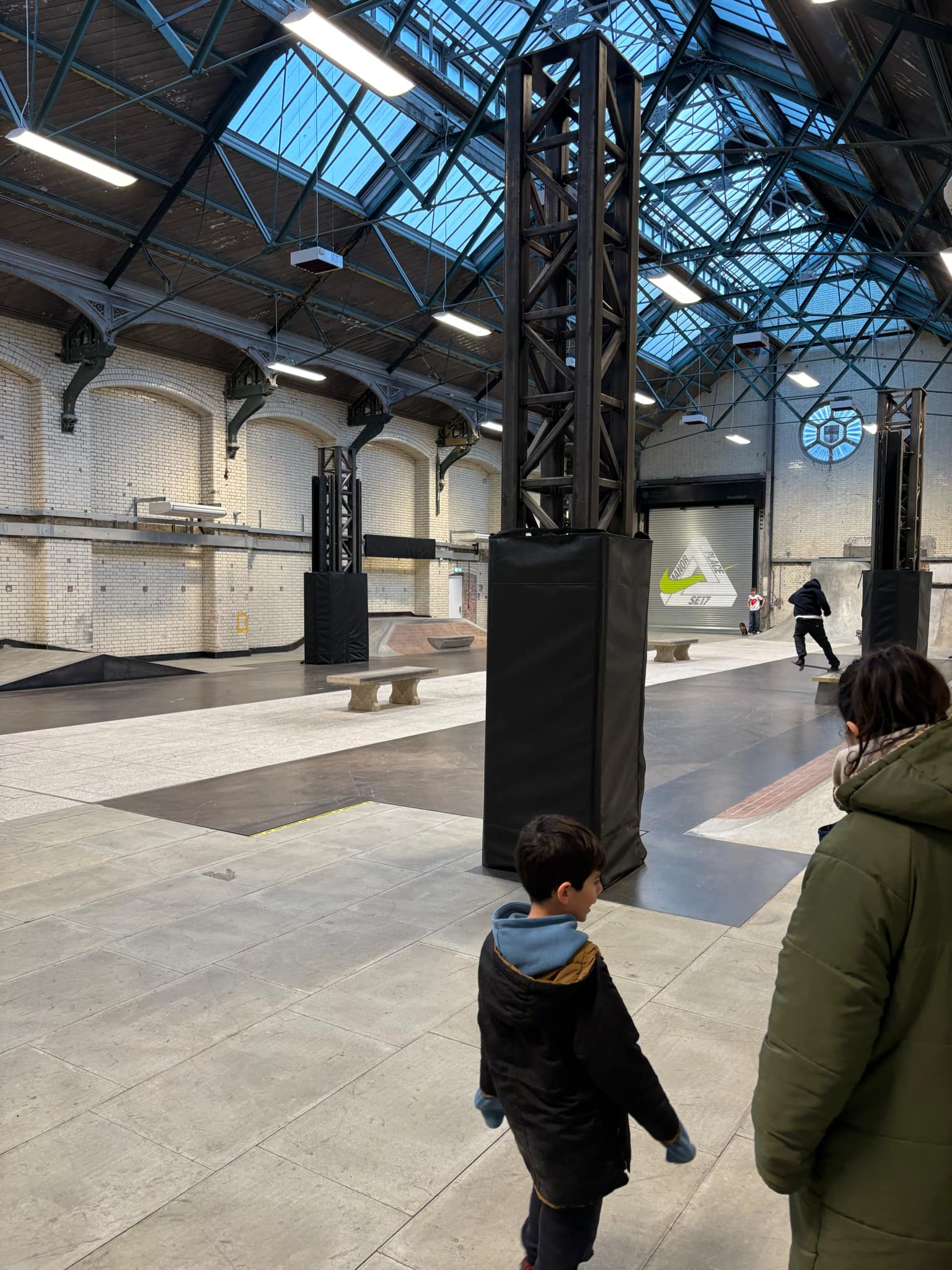
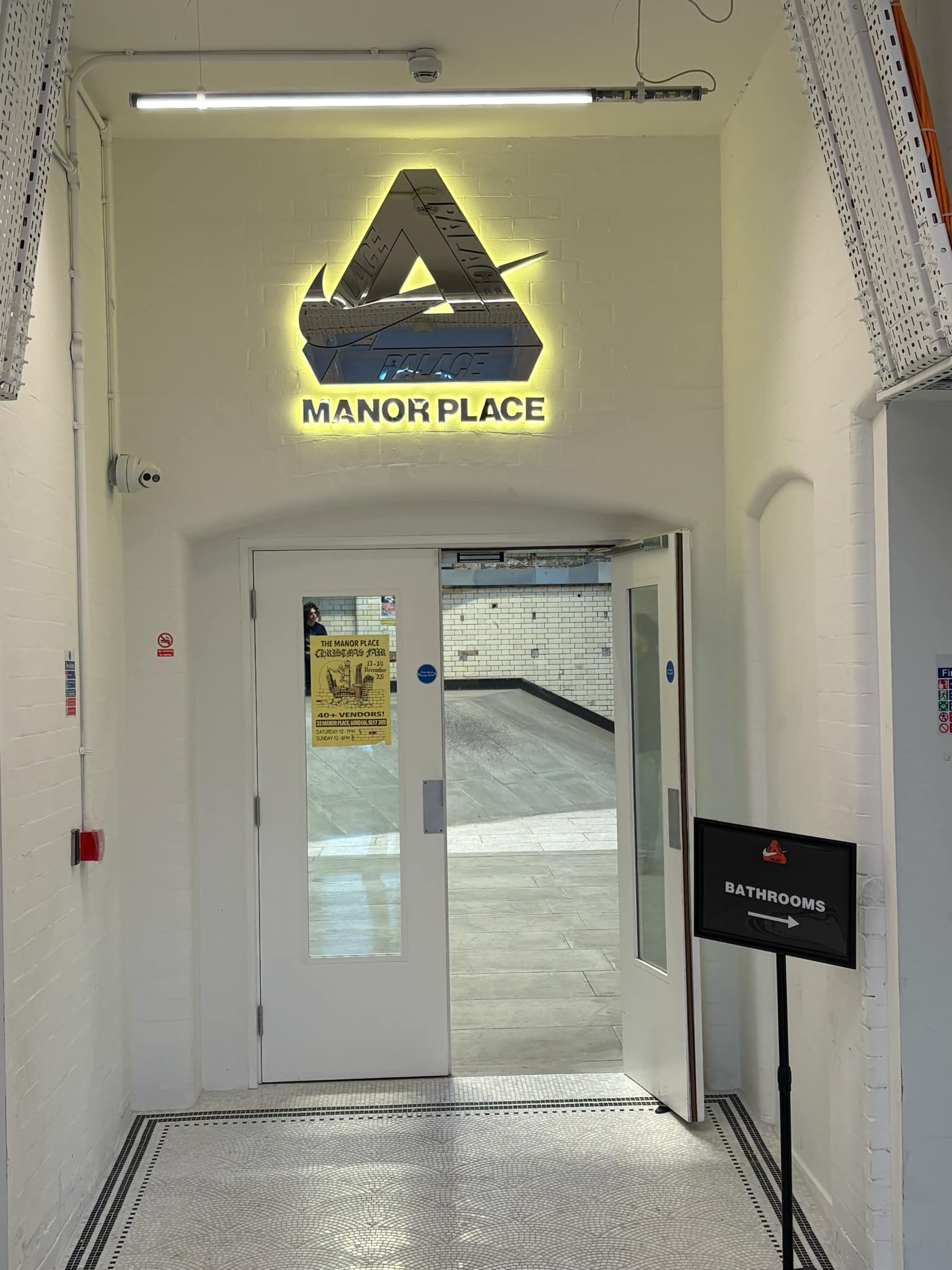
UPDATE JANUARY 2026 – Manor Place baths has just been reinvented as a free indoor skate park/mini football pitch with space for emerging artists to show their work. This is wonderful as we thought it would end up being unaffordable housing. It is, however, owned by a collab of Nike and fashion brand Palace. Which proves that you can’t always get what you want in this world.

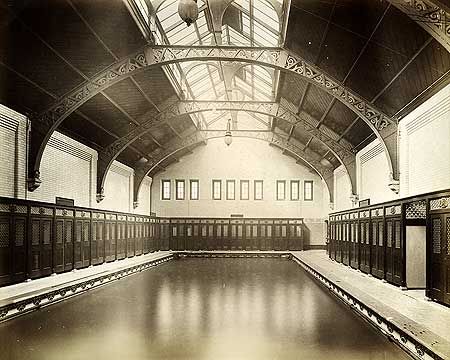
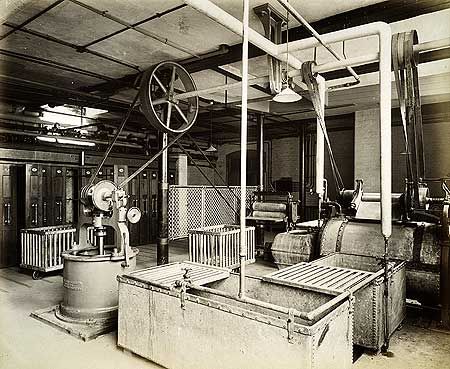
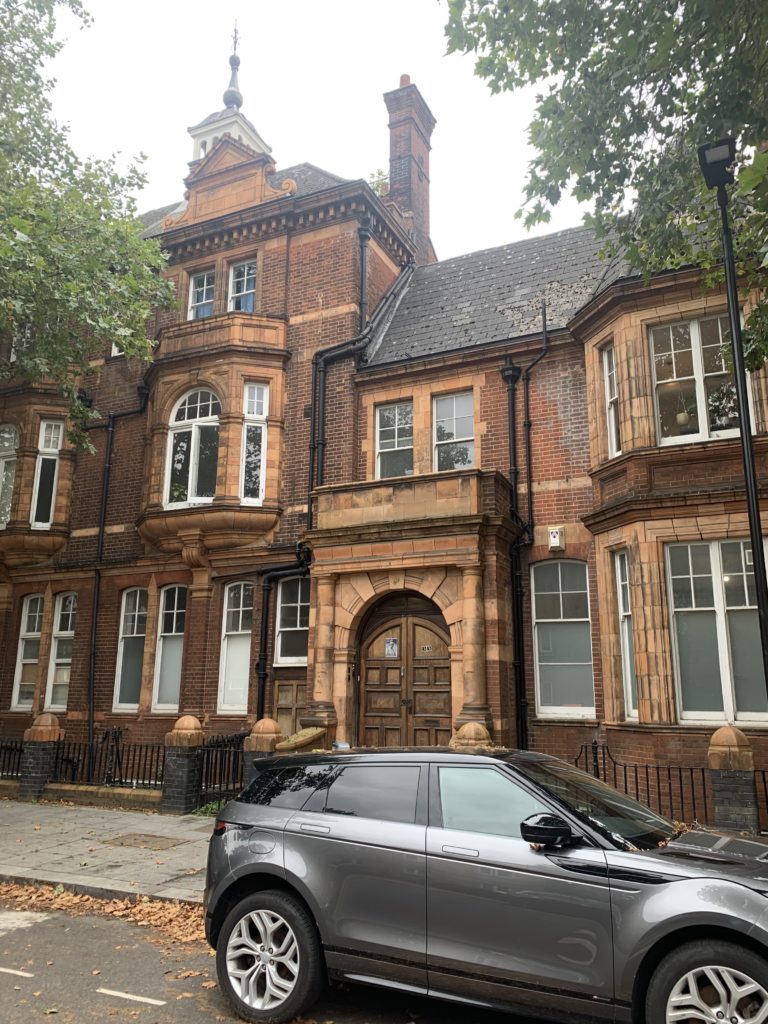
Victorians are well known for many things. We know they were sanctimonious and strived to make our minds pure, and the natural progression was to have clean bodies and clothes,  so for the health and hygiene of all the mortal bodies of Walworth, in 1895 work got underway to create Manor Place Baths. In addition to offering showers, it also had three swimming pools, private changing cubicles and large do it yourself laundry facilities. Think of it as kind of a Victorian water park.

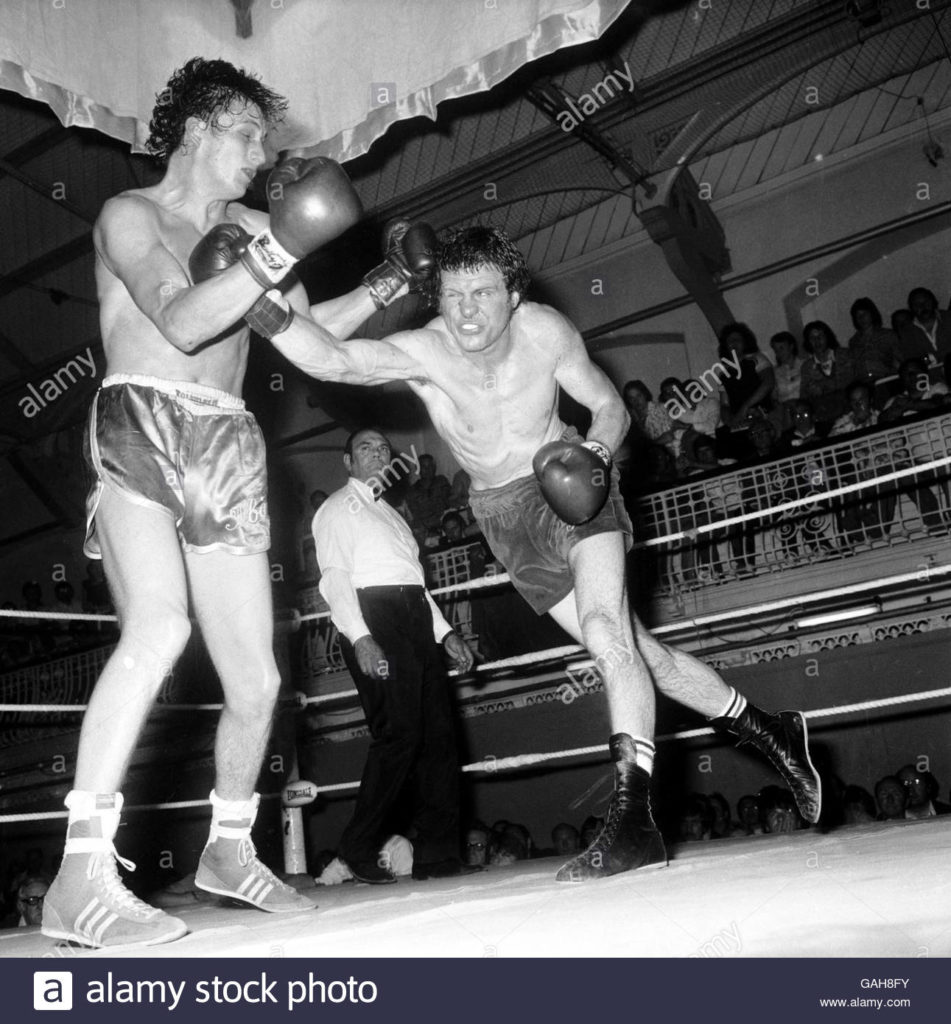
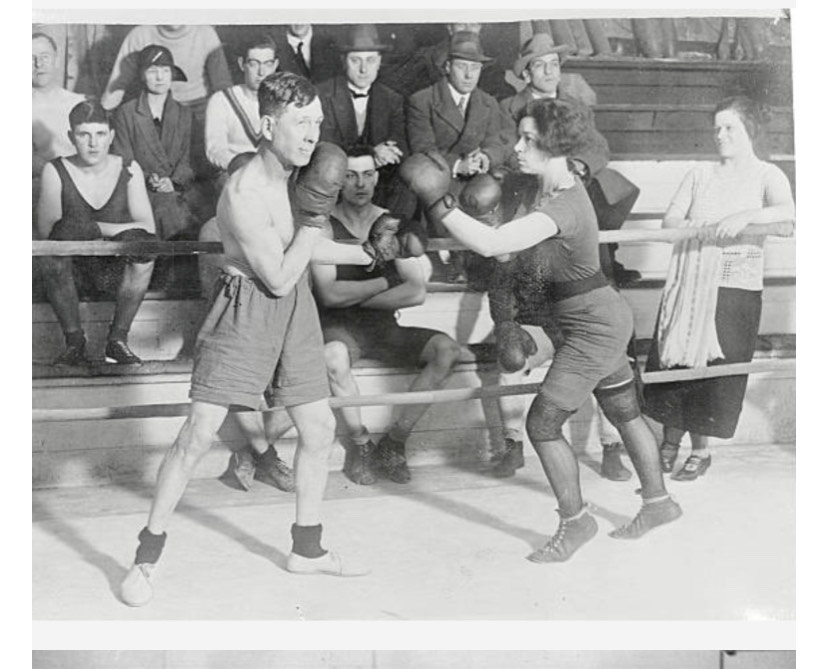
Over the years the Baths became more of a community centre and also a place for people to obtain a bit of privacy in an era where privacy was at a premium. Women could trade children’s clothes, men could catch up in the men’s pool, and even children could come along. As the pools weren’t heated and our Greater Kennington forebears didn’t fancy losing their toes to frostbite, the men’s and women’s pools were covered over with wooden flooring in the wintertime, which gave said forebears a brilliant idea……Use it in the winter as a boxing venue. 

Manor Place saw its first bout in 1908 and went on to host a roll-call of the famous and infamous, including the Kray twins. It became so well known that when the BBC began to broadcast boxing they chose our little Baths as their first venue. For more than 40 years, The Metropolitan Borough of Southwark’s Charity Boxing Committee organised the bouts, which saw the cream of the boxing world come to Walworth, giving locals the chance to see top-flight, professional boxing on their own doorstep

Fast forward to the 1970’s. By then the now sadly extinct Heygate Estate had been built and most people had their own bathrooms. Domestic labour saving washing machines were now commonplace and those who didn’t found that newly opened laundrettes would do quite nicely. The final nail in coffin of Manor Place came when the new Elephant and Castle Leisure Centre opened in 1972, which put into sharp focus just how deteriorated and outdated Manor Place had become.

Later in life our Baths were used as offices for Southwark Council and later rented out by a Buddhist organisation for use as a meditation facility. It was purchased by Notting Hill Housing Trust in 2017 and it is currently being developed into market rate flats and ‘affordable’ housing. The reason this is taking so long is that the building is, thank baby Jesus, Grade II listed and Notting Hill have to be very careful as to how it is adapted. 

Mc & Sons, Vauxhall

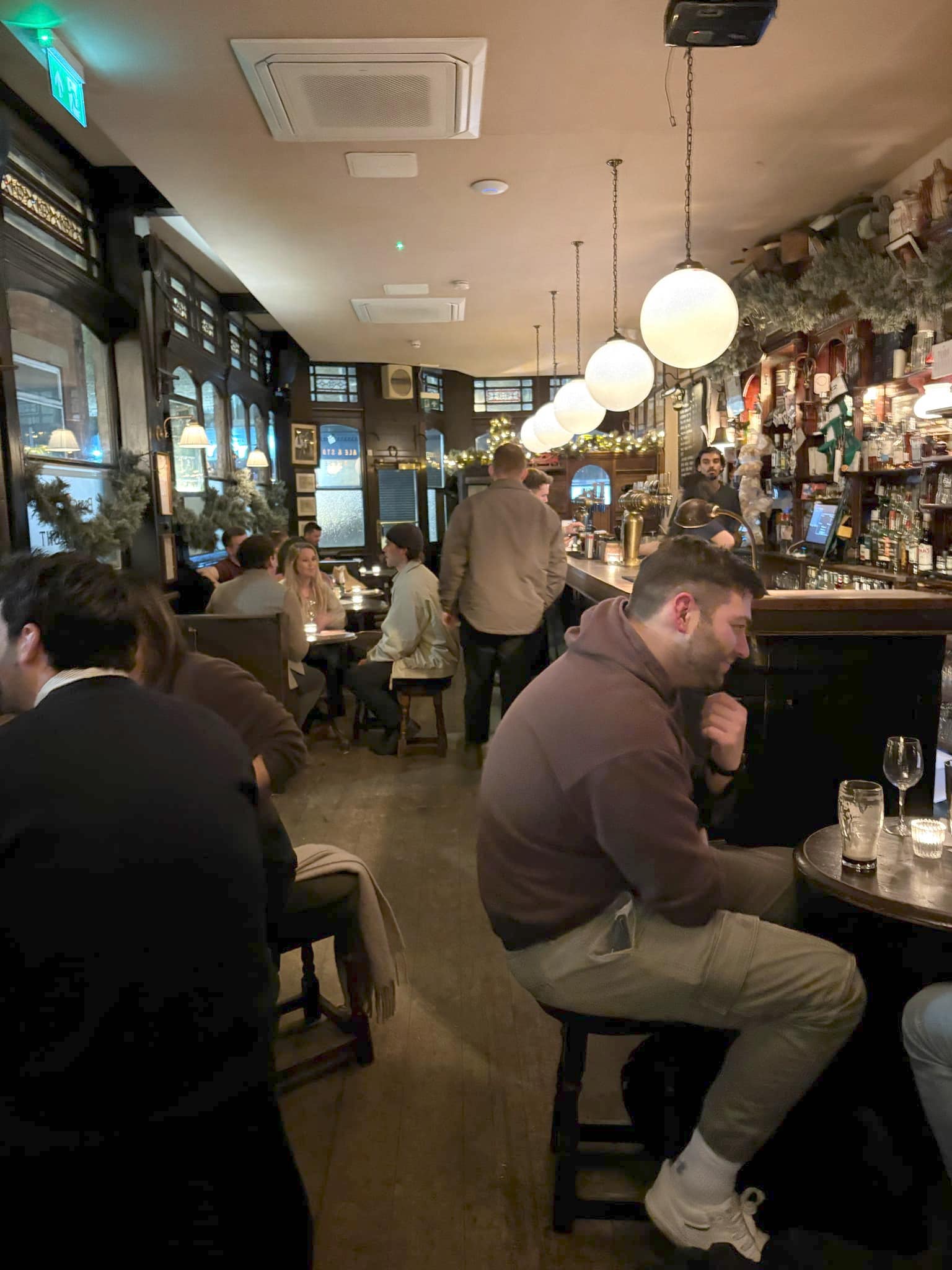
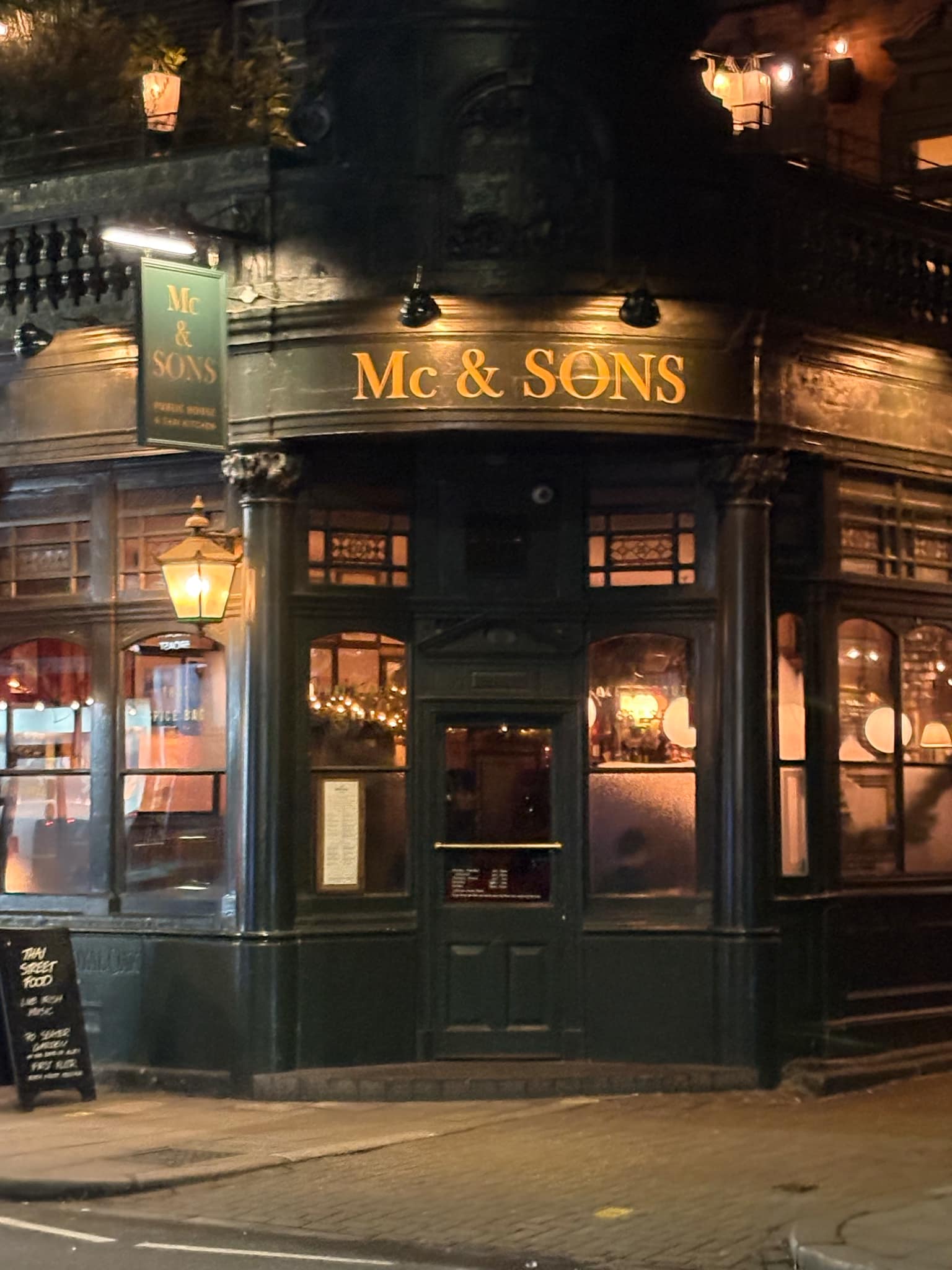
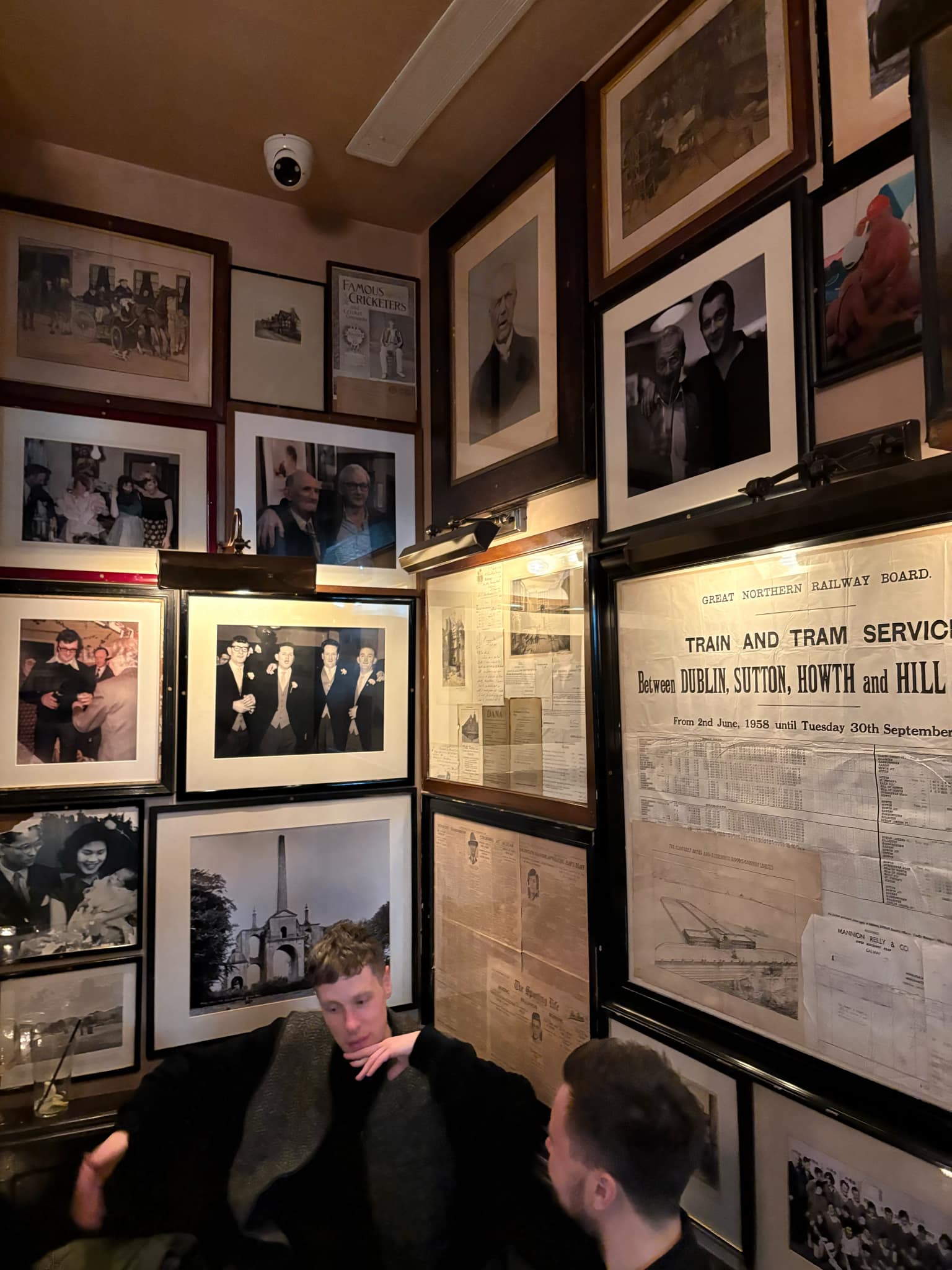
Ahead of our highly scientific yet wholly subjective countdown of the Top Ten Best Places to eat in Greater Kennington we recently revisited Mc & Sons in Vauxhall with our self appointed ‘one man party’ Phil from accounts. Mc & Sons if you’re reading this (and if not you’re missing out) we love your dark woods, quiet atmosphere, and maximalist design aesthetic as it brings to mind a trad pub in Dublin and is possibly the most visibly appealing joint in our manor. Well done.

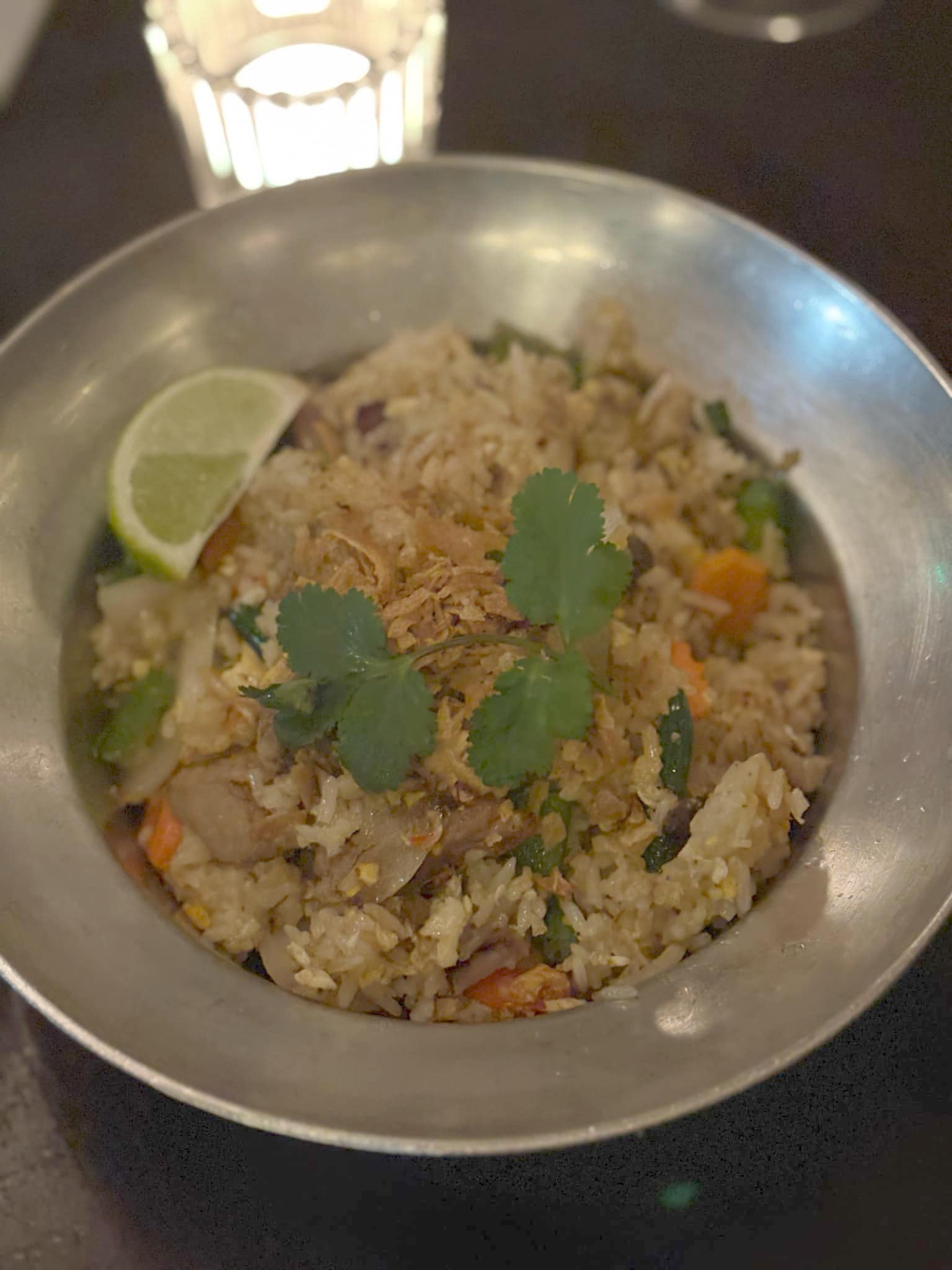
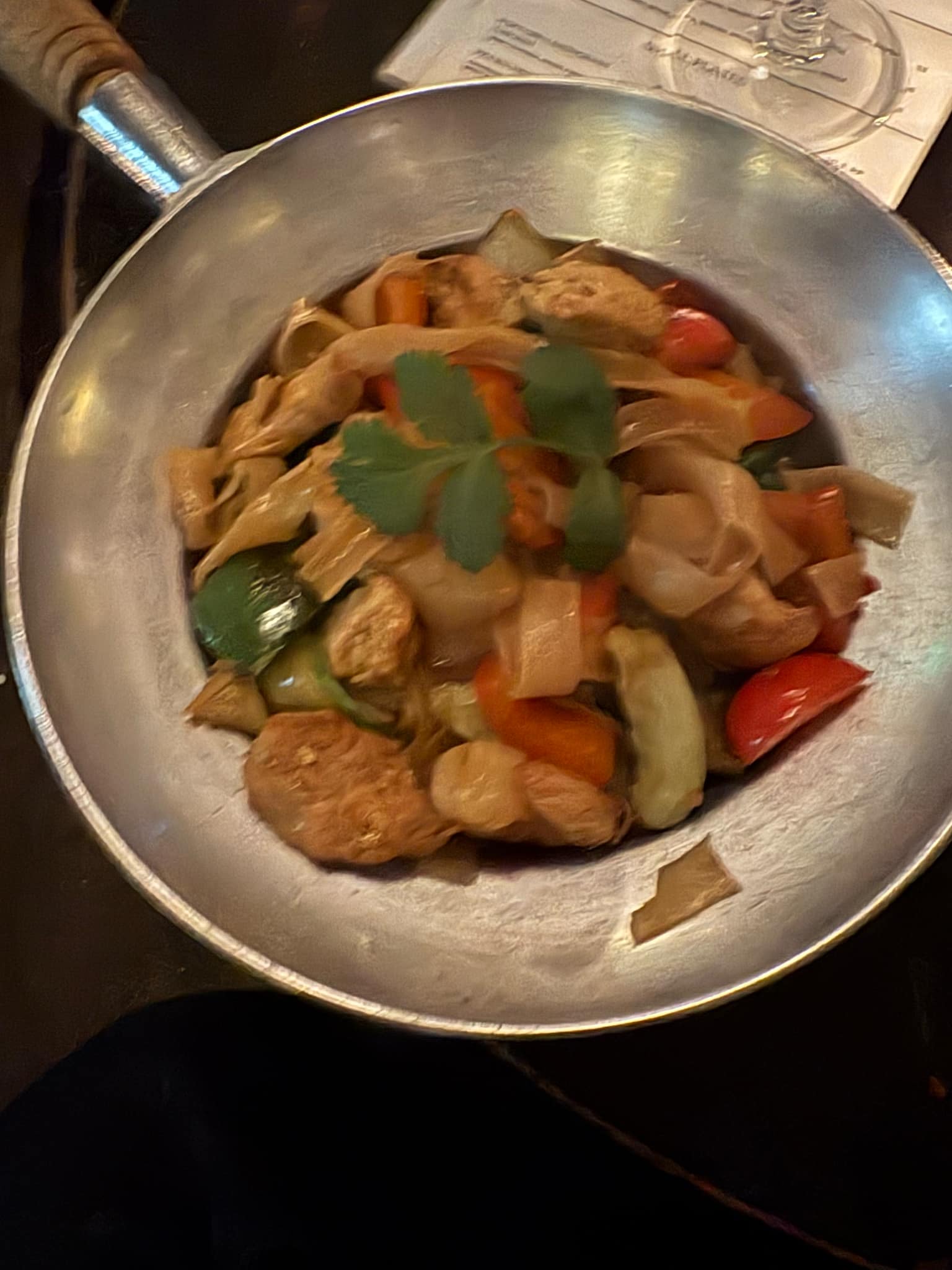
Phil was invited on this excursion primarily because a pub was involved, but also because he’s been banging on about his recent trip to Thailand on an almost daily basis. And Thai street food is indeed the cuisine of choice at Mc & Sons and your scribe ordered the stir fry duck. Served in a lovely pewter bowl, it came with fresh basil and chilli blended with a fried egg mixed with very sticky rice. Flavour profiles included hoisin and plum sauce, orange, honey, and a fare shake of black bean. It was plentiful, not too spicy, and a good sweet/sour Thai balance.

Phil ordered the drunken noodles and upon ordering flashed us a cheeky smile and said ‘what do you thinks in it. Vodka? Gin?’ When we pointed out that the name pertains to curing hangovers and there’s no actual alcohol in it,  Phil appeared at once crestfallen and perplexed. Nevertheless, he enjoyed his noodles with a refreshing pale ale(s) that took the edge off the heat. Overall, Phil thought Mc & Sons offered a good approximation of the drunken noodles in Thailand: thick rice noodles with chicken, prawns and vegetable stir fried in a sauce with all the classic spicy-salty-sweet elements. You have to be a spice-lover to enjoy this dish. 

Mc & Sons is a nice, cosy spot to spend time even if you’re not eating. We noticed a high proportion of the clientele were drinking Guinness, which is fitting as the surroundings feel like a proper, cosy family pub which doesn’t scream “check us out we’re IRISH!” like an O’Neill’s chain pub; this is done with a bit more warmth. Just don’t expect to get tipsy from the noodles.