Strike! At Southwark Playhouse

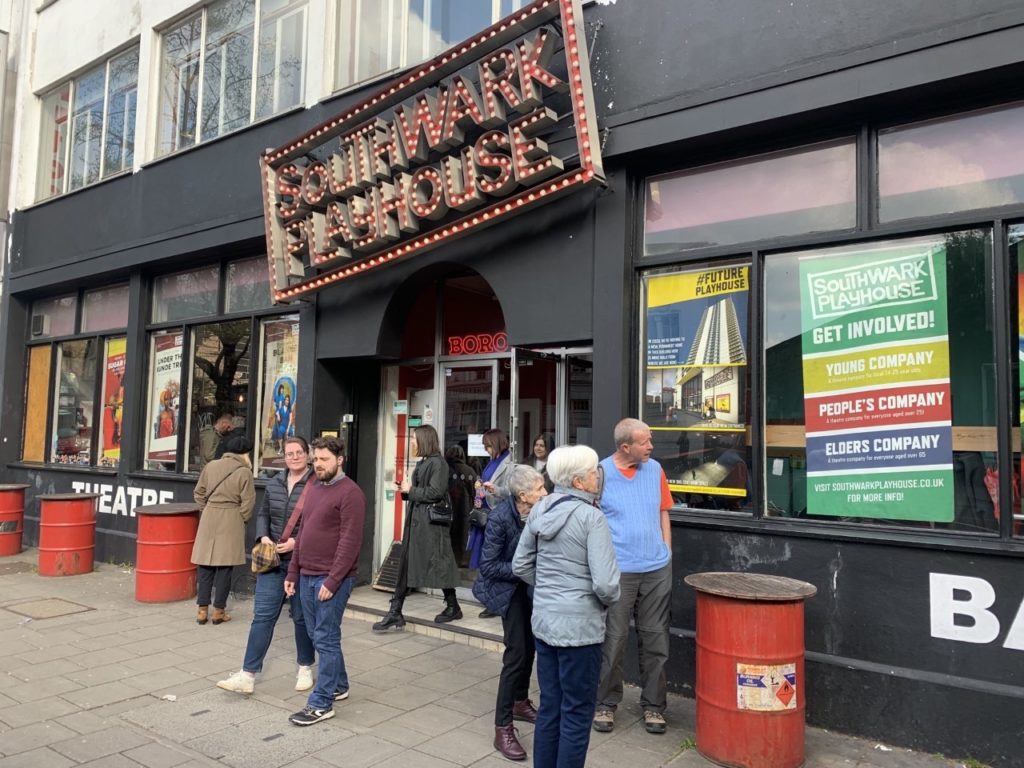
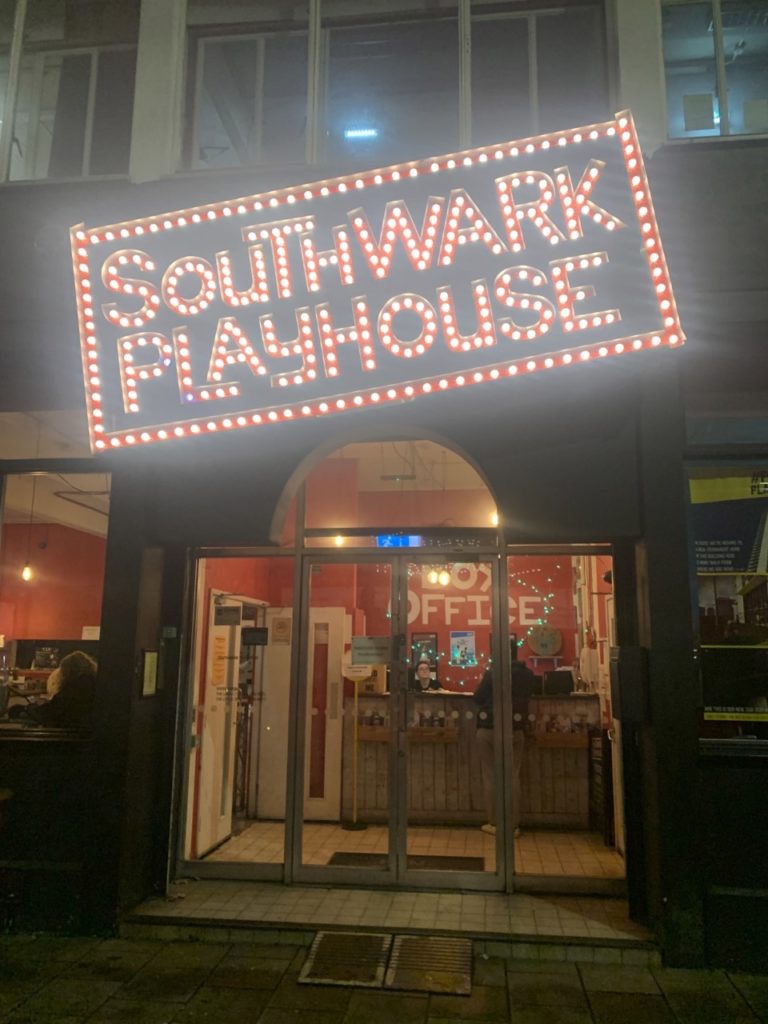
We recently popped into our much loved Southwark Playhouse to review their latest offering ‘Strike’ and we’re here to tell you rebellious souls all about it. Those of you lucky enough to be Runoff regulars will be aware that the Playhouse now has two locations. Strike is staged at the original-but-soon-to-be-extinct venue in Newington Causeway. The new, more flashy venue is much closer to Kennington in Newington Butts at the base of curiously named high rise Uncle. 
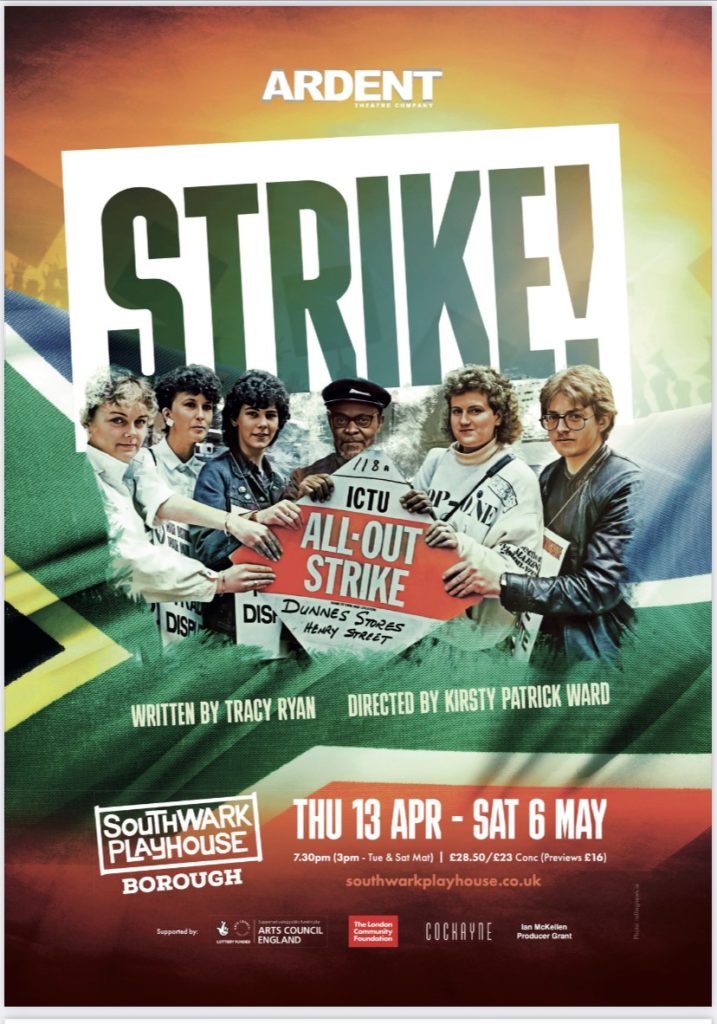
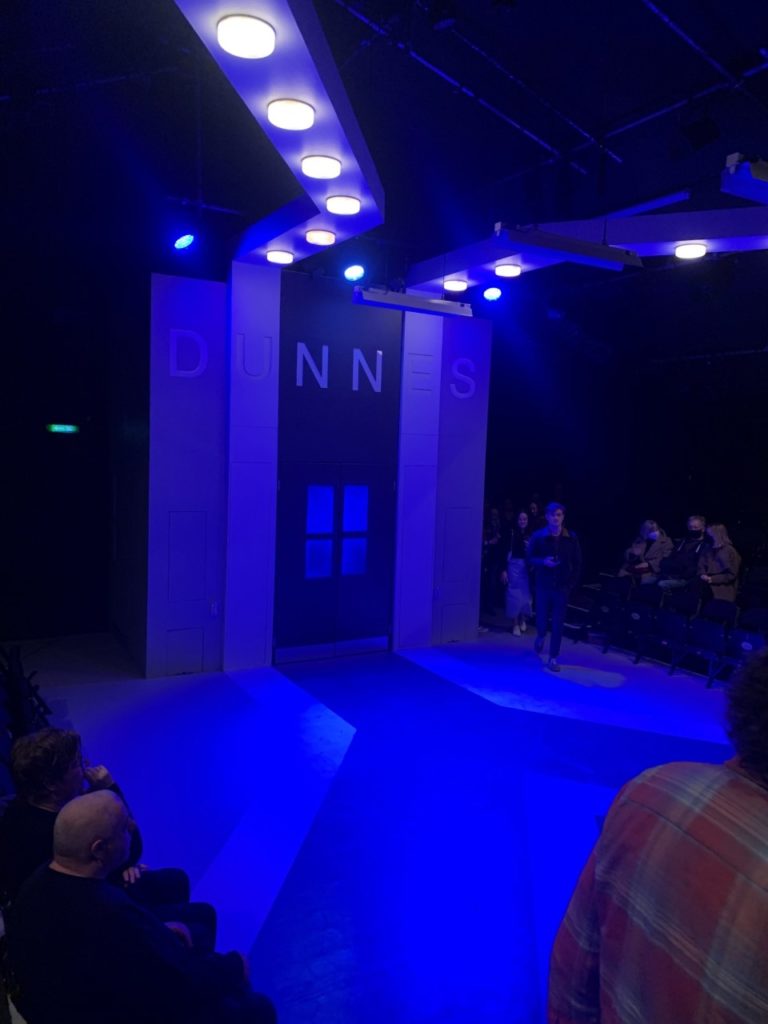
Strike is a true story set in Dunne’s department store in Dublin circa 1984. When a worker follows through with directives from her union and refuses to sell an item made in South Africa, she is suspended from her role. However, she takes 10 like minded colleagues with her and the story evolves into life on the picket line. As their movement grows the group learn lessons from South African exile Nimrod, who had been incarcerated at Robben Island with Nelson Mandela and gives insight into daily life under Apartheid.  
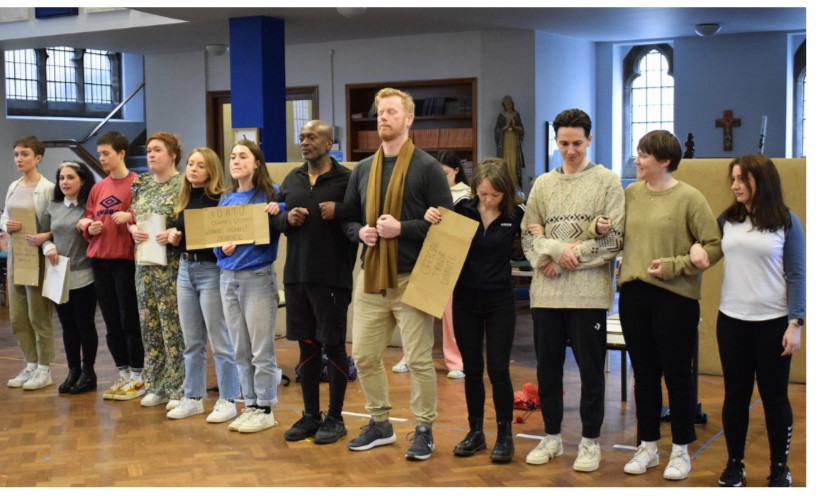
In spite of opposition from Dunnes, the Catholic Church, the government and even union bosses themselves, the strikers persevere and their profile grows and they begin to spread their message as far as the United Nations and beyond. After 2 ½ years Ireland becomes the first western nation to ban South African agricultural goods, contributing to the fall of Apartheid two years later. Although the subject matter is bleak and serious, the play is at times funny, touching, and even has a few musical numbers thrown in. 

Strike is about justice, rebellion, and the right to stand up for what you believe in, which more or less sums up most Greater Kenningtonians. The only thing we could fault about this play was that it didn’t celebrate the fact that almost all of the strikers were female and had to make great sacrifices to pursue what they felt passionately about. However, with all of the strong ensemble female roles this will become evident to everyone in the audience. 

Strike is on now and runs until 6 May at the old venue. For some strange reason there are still tickets available and they can be purchased here

Nocturne at Gasworks

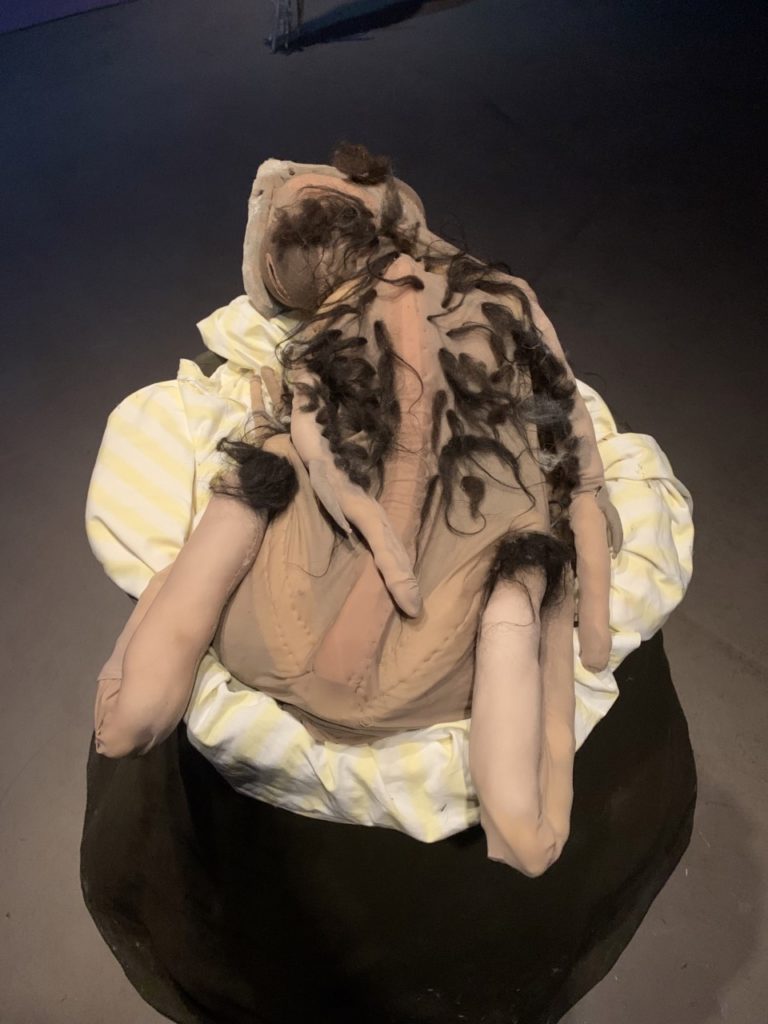
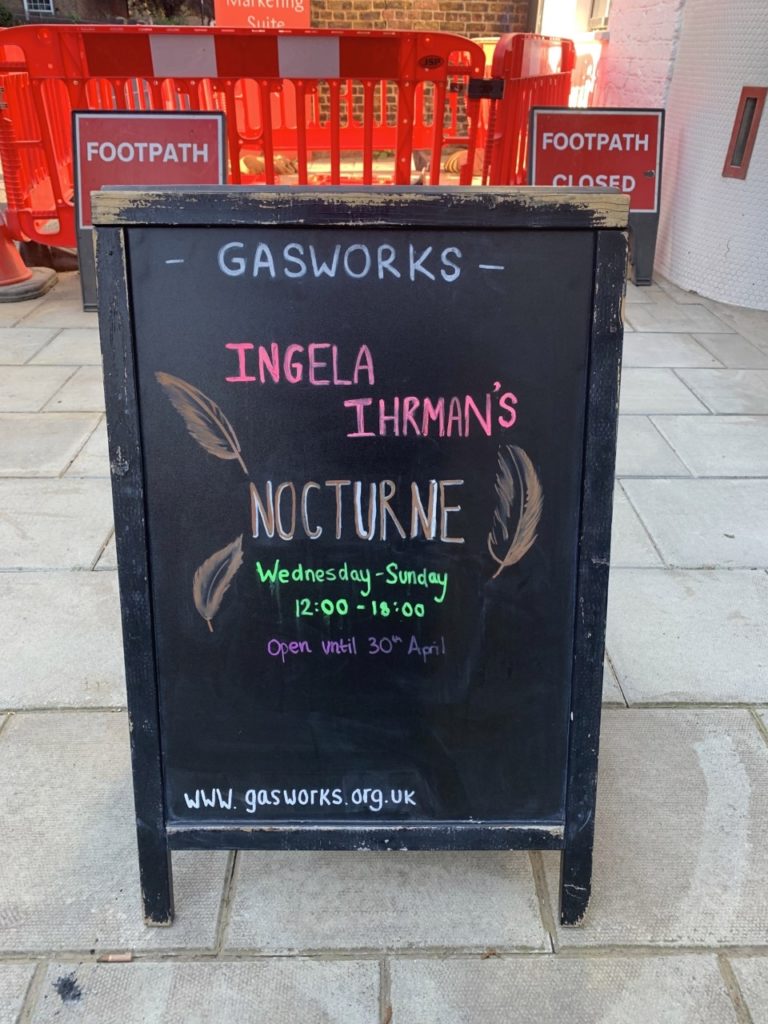
If you visit us regularly here on the Runoff you’re aware that when a new show arrives at Gasworks Gallery in Vauxhall we like to check it out for you. If you’ve never been to Gasworks it’s located at the Oval end of Vauxhall St. and is perfect if what you really demand from a gallery involves Styrofoam coffins or dolls that talk to you. 

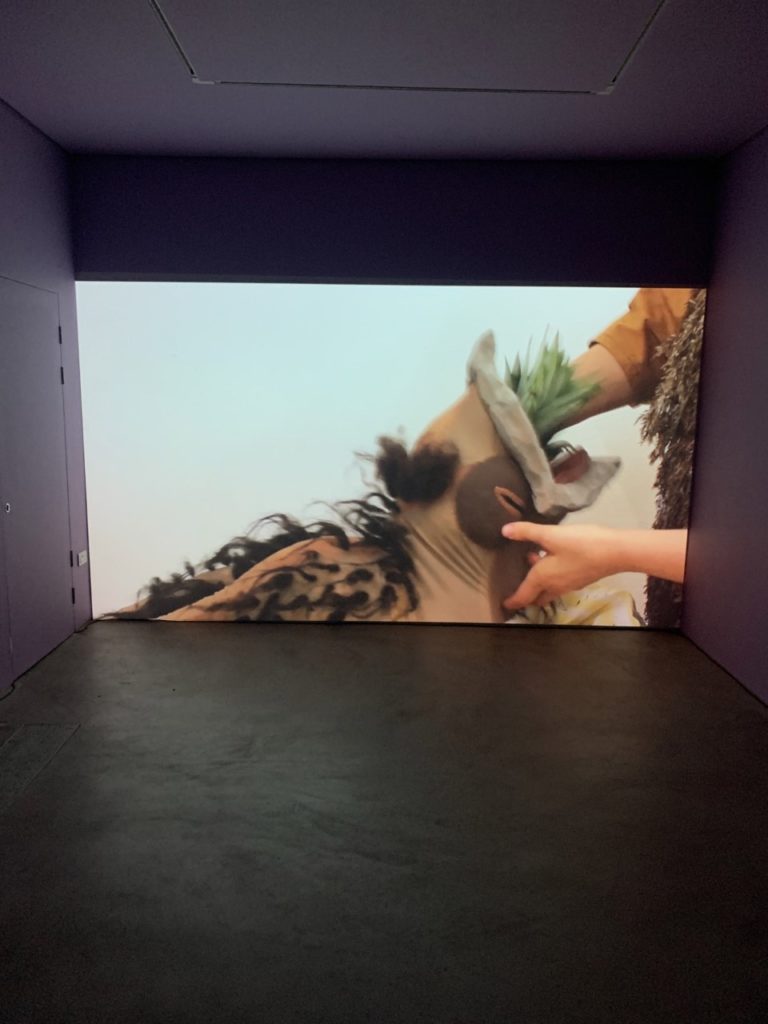
The current installation at Gasworks is ‘Nocturne’ by Swedish artist Ingela Ihrman. Her practice focusses on nurturing empathy and a sense of wonder at all living creatures, with an emphasis on cave dwelling Oilbirds. Guests can literally merge with nature itself by walking through the exhibit while wearing a sculptural cloak made from wool and, um, air fresheners, which can be found behind the reception desk 

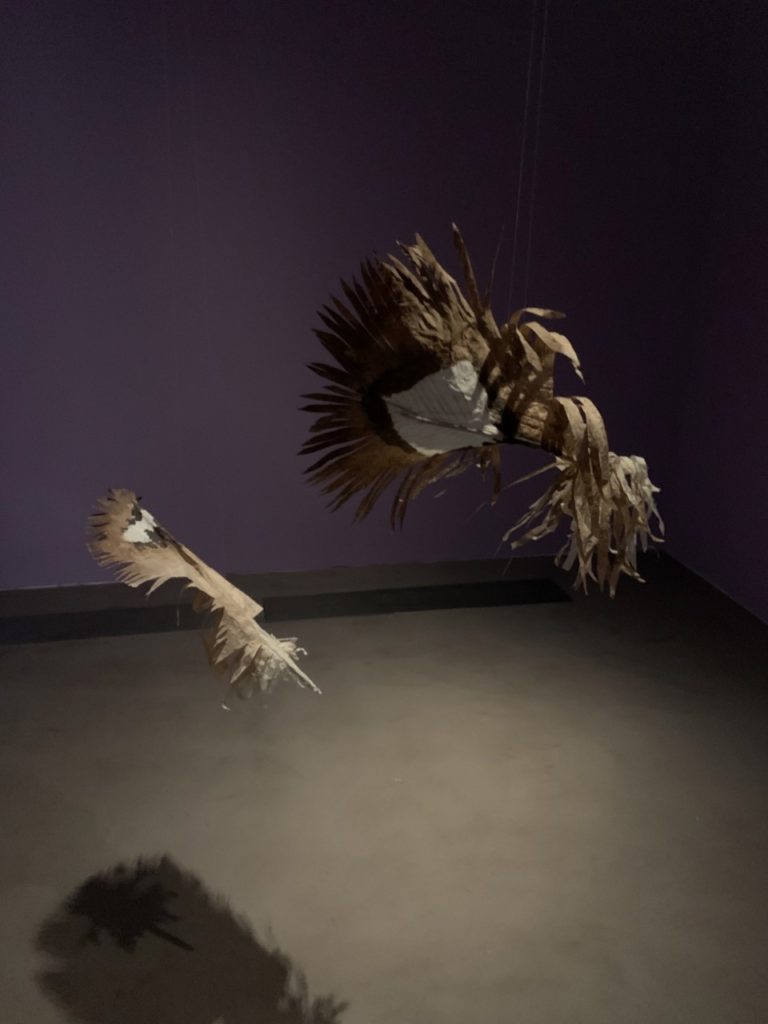
The gallery itself is cast in cave like semi darkness, with some quite beautiful hand made feathers dangling from the ceiling. There are also two video installations, the first being a gastroscopic journey through the digestive tract of a snake. In the second, the artist feeds a handmade Oilbird a variety of fruits, including a pineapple that is bigger than the bird itself. The overarching theme being a thought provoking examination of how we rely on nature and it relies on us. There are other themes too, but we’d never do your thinking for you you’ll have to check it out for yourself. 

Ingela Ihrman: Nocture is on now until 30 April and is totally free. Gasworks Gallery is open Wednesday to Sunday 12 – 6. 

Greater Kennington’s Greatest Occult Painter

The eccentric and independent nature of Greater Kenningtonians runs deep in our history and veins. In our midst we once had living a visionary artist who was cast out by the artistic establishment due to his refusal to accept to artistic norms and being from south London. Maybe this piece will go a small way in reviving his legacy. 

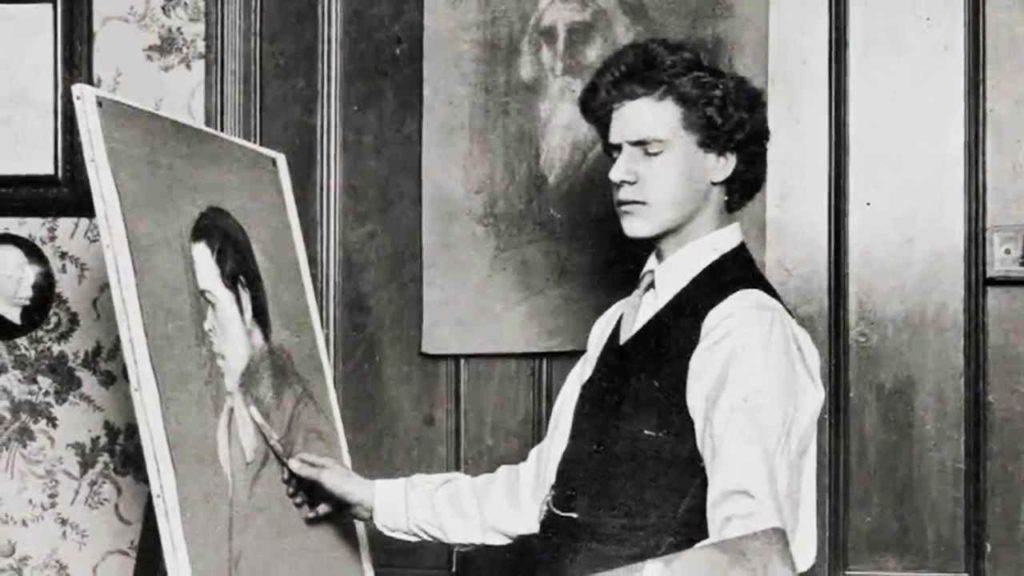
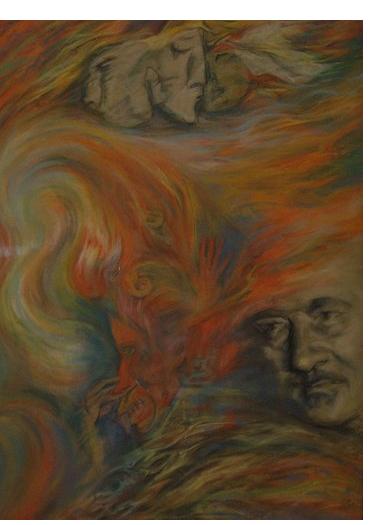
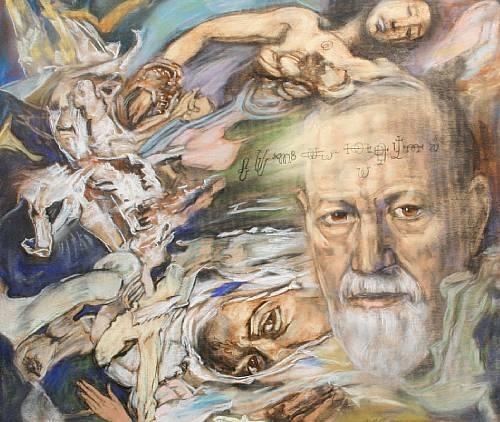
Austin Osman Spare (1886 – 1956) and his family moved to Kennington Park Gardens when he was a boy and Spare trained as an illustrator and artist. He got his first big break when he was just 17 with an exhibit at Newington Public Library (now the Art Academy) in Walworth Road. He followed this success with having a picture displayed at the Royal Academy, and was soon lauded as the new enfant terrible of his generation. This was spurred on by Spare’s wild hair and love of giving outrageous interviews. 

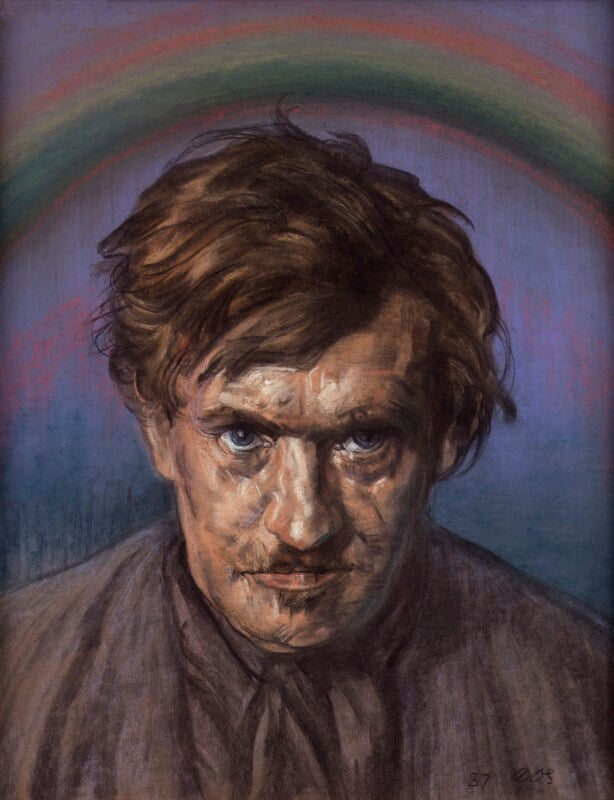
In spite of his increasing fame, Spare decided to pursue his own style which proved increasingly out of step with the art establishment. He dabbled into the furthest reaches of his imagination with coded paintings and illustrations depicting the unconscious, the occult, graphic images of sex, and paganism. Spare achieved this by painting in what he referred to as trance like states enhanced by mysticism. You can imagine his body of work was not exactly in step with post Victorian tastes as he was far ahead of his time and was marginalised as a result.

Unsurprisingly, as Spare’s art was not to everyone’s tastes he faded into obscurity and penury. However, our local boy continued to give interviews and churn out work from his tiny flat/studio at the top of Walworth Rd. He believed that art should be enjoyed by everyone, and he often displayed his art in local pubs. After his studio was bombed in WW2, Spare lost much of his collection and confidence and began to build up both gradually. The culminated in a large exhibition of his work at his local, the White Bear pub in Kennington Park Road in 1953. When this turned out to be a flop he retired and died several years later. What we are left with is his groundbreaking oeuvre of work and a realisation that we can all leave impressions after we’ve departed Greater Kennington. 

The best way to appreciate Spare’s work today is to examine online collections, as his work is still usually not on display. He also had an endearing side hustle in painting his friends and neighbours. The BBC clip below relates to a 2010 exhibit of his work at the Cuming Museum: 

Shorts at the Cinema Museum

And like the prodigal child, or some random naughty kid, we are back and we hope you enjoyed our month of history writing, picked especially for you as they get the most hits the history of Greater Kennington is important.

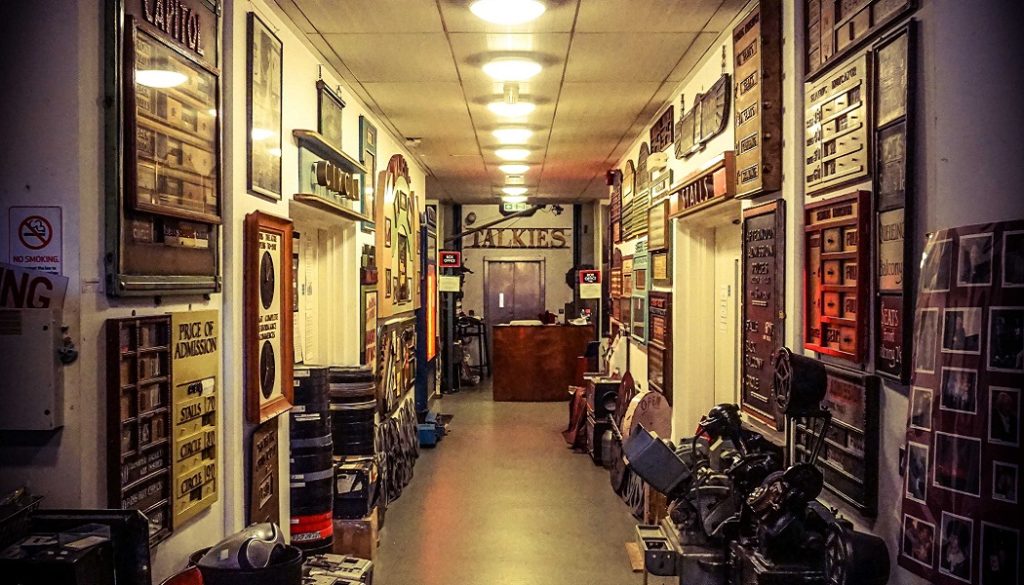
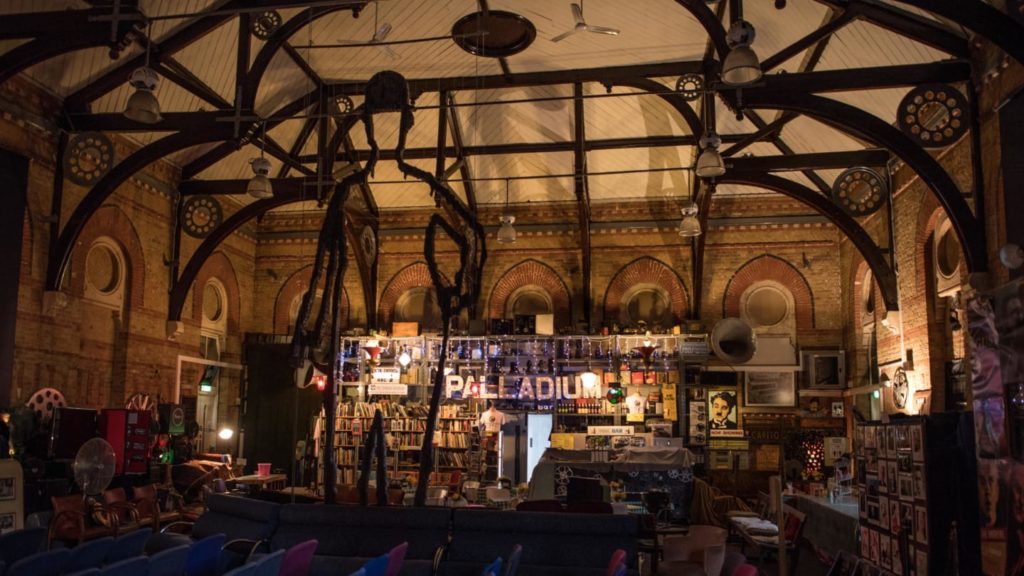
As you may or may not know, our greatest ‘at risk’ asset in is the wonderful Cinema Museum located in Charlie Chaplin’s old workhouse. To celebrate LGBTQI+ history month they are putting on series of screenings one is coming up this Thursday (the 16th) seems particularly interesting. It’s a series of shorts about aging, coming out later in life, and disabilities. Afterwards there is a QA and we all have a chance to ask the directors and actors questions about making and acting in the films. And there’s a bar. We’ve been to a number of shorts screenings at the London Film Festival; they’re great fun and an intriguing way to learn more about how films are made.

If you’ve never been to the Cinema Museum it’s a treasure trove of cinematic ephemera and your ticket to this event will allow you access to check out some of it, from ticket stubs to chairs, lighting and props. And the films are shown amongst the collection. A great even night out regardless of sexuality or even if you’re not a film buff. Did we mention there’s a bar? 

Doors open at 18:00 for a 19:00 start this Thursday and tickets can be purchased here for £8 a pop. A lot cheaper than the BFI.

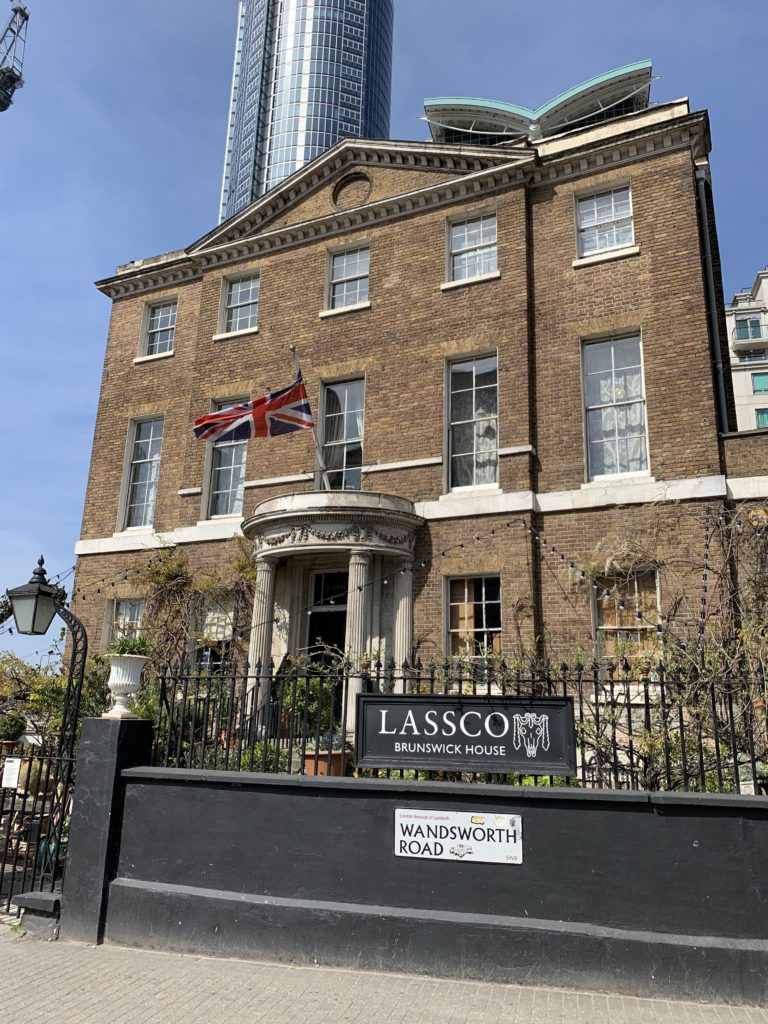
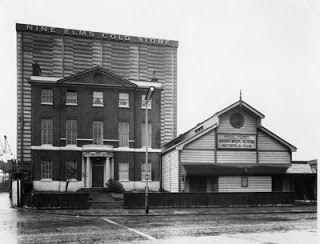
Brunswick House, the great survivor of Vauxhall

From the archives, the fifth edition of our month of best history posts

Beyond the soon to be demolished Vauxhall bus station and nestled in the midst of the behemoth known as St. George Wharf lies a beautiful Georgian building that has survived encounters with oblivion, in an area that has become unrecognisable in recent years. 

Brunswick House dates from the mid 17th century but was rebuilt in 1758. The back of the house had sweeping views to the Thames and the front overlooked the then booming Vauxhall Pleasure Gardens and market gardens of Oval. Just 32 years after being rebuilt the house suffered the ignominy  of being split into to, and would never be a single home again.  

The destiny of Brunswick House, and indeed Vauxhall, was profoundly affected by the arrival of the railways in the 1840’s in ways both good and bad. The railway was the final nail in the coffin for Vauxhall Pleasure Gardens, and poor Brunswick House had its access to the river permanently cut off by a railway goods yard. In the 1850’s the house ended up in the hands of London and South Western Railways and this is when its journey became particularly interesting. 

In 1860 a fire almost destroyed Brunswick House, and after being repaired it was used by the railways as a staff canteen for workers, a library, a concert hall, a scientific institute, a bar, and a caretaker’s cottage. In WW2 an army unit lived in the building and, according to legend, in the 1950’s it was used by MI5 and MI6 for secret meetings as they feared that their own HQ was bugged. It was threatened by the wrecking ball on several occasions but was saved from this fate by being listed in 1973. 


The house remained in railway hands for over 150 years when it was sold as the railways were being privitised and sold again in 2002 to a property developer. Some readers might remember this period as the building quickly declined as a result of vandalism and was in a pretty sorry state. It was purchased in 2005 by architectural salvage firm ‘Lassco’, who carefully restored the building and filled the rooms with its products, many of which are Georgian themselves. 

Next time you are going for your hour of exercise pop over to Brunswick House and marvel at the fact that it’s still there.  Lassco is very much open to the public (well, not right now) and a fascinating place to explore. They also have a critically acclaimed cafe. If you’re willing to sell a kidney, or your name happens to be Elton John, you might even be able to buy a doorknob there! 

Faking it at Southwark Playhouse

Are you at that point in January where there isn’t much to do but you’re nevertheless scratching to get out of the house or office? So are we, so to address the scratch we just checked out the intriguing and timely show ‘Fake News’ at Southwark Playhouse. Not the new Playhouse in Kennington that we visited last summer (it’s a thing), but the original in Newington Causeway. 

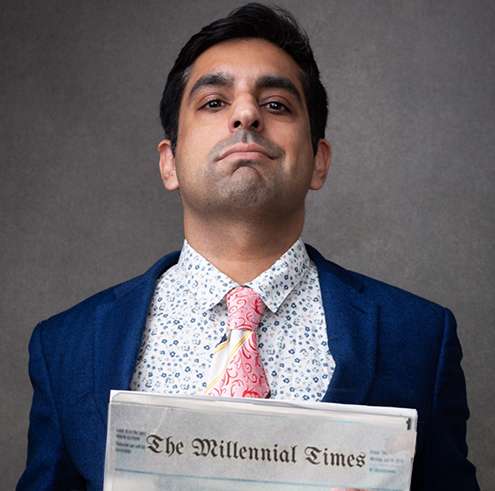
Originally presented to a sold out crowd at the Edinburgh Fringe, Fake News revolves around a budding journalist who’s just landed a plumb internship at the country’s foremost news organisation. With the audience acting as younger interns, Millennial Times is described to us as ‘the most lucrative and therefore respected media company on earth’ (we thought that was Kennington Runoff, but moving on). Given this, what the Times value most is the pursuit of clicks and money above ethics. But as long as people remain entertained, is this such a bad thing? 

As our budding journalist finds himself increasing enmeshed in a hilarious and distressing workplace with Angus and Debbie, he struggles to find a story that will launch his career and prove that he deserves to be there. Eventually he stumbles across a story that might not only make his career, but might disprove one of the biggest news stories since 9/11. But is his revelation itself fake news and if so, does it matter if it makes people happy and shareholders richer? Of course we’re not going to tell you.

Fake News is on now and runs until 28 January and tickets can be booked here. A delicious irony is that it’s received rave reviews from some of the same news outlets that it bashes. Below is the writer appearing on Sky News. The running time is one hour so you can toddle on home and still make it an early night. 
We here at the Runoff will be taking a break for the next month. But before you fall into apoplectic fits of anguish, don’t worry as we will be spoon feeding you with highlights from our history archives. We’re offering you these stories purely because they had the most hits give Greater Kenningtonians much more depth and context into our anointed patch. Enjoy!

War Games at IWM

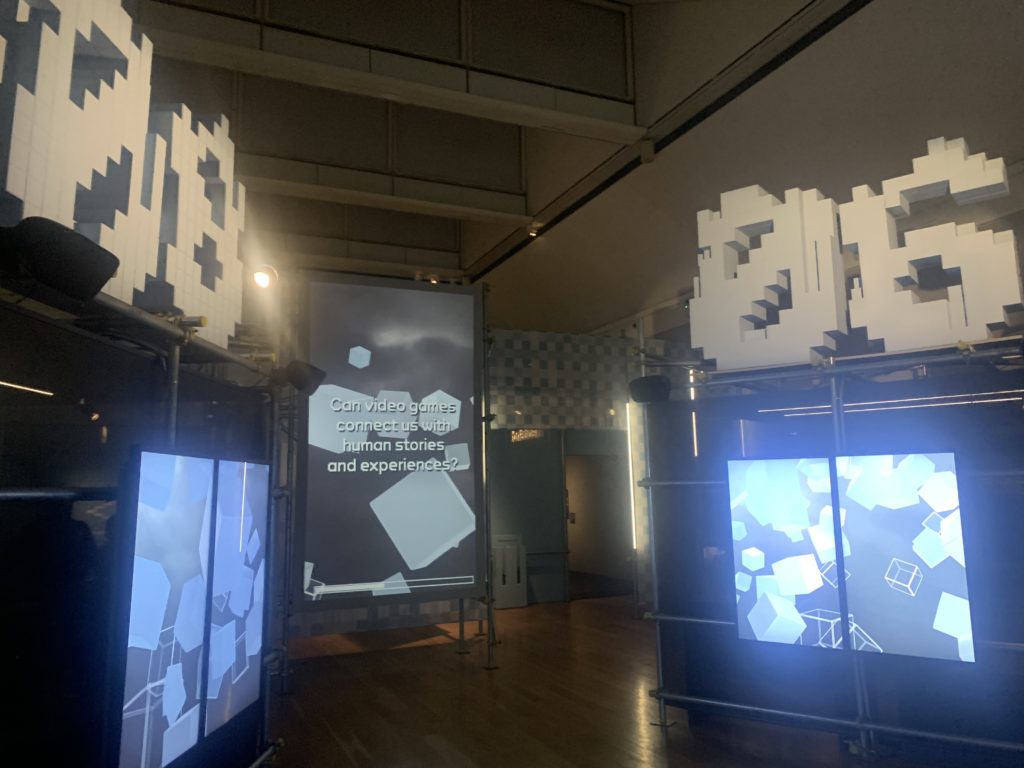
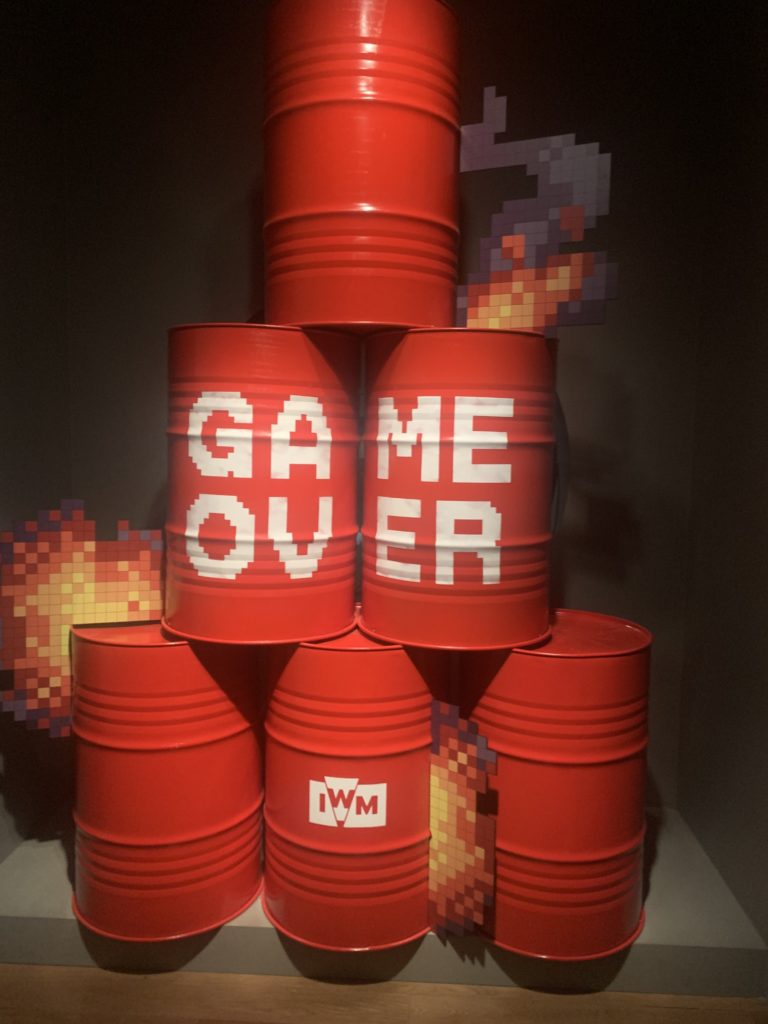
We usually like to review the new exhibits at the Imperial War Museum, but had some understandable reluctance to check out their newest show. As it’s about war related video games as we didn’t think it exactly fit, lets just say, the sensitive demographic that we cater to. However, we found it fascinating and it dispelled, among other things, the dated myth that online gaming is a domain for spotty teenage boys. 

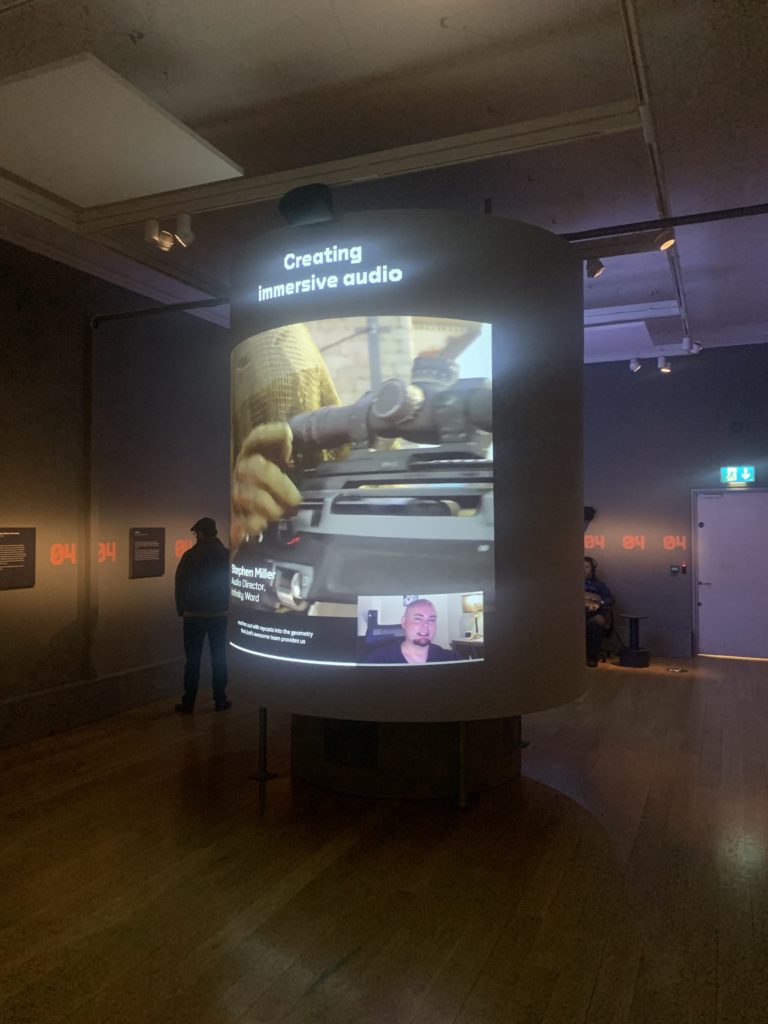
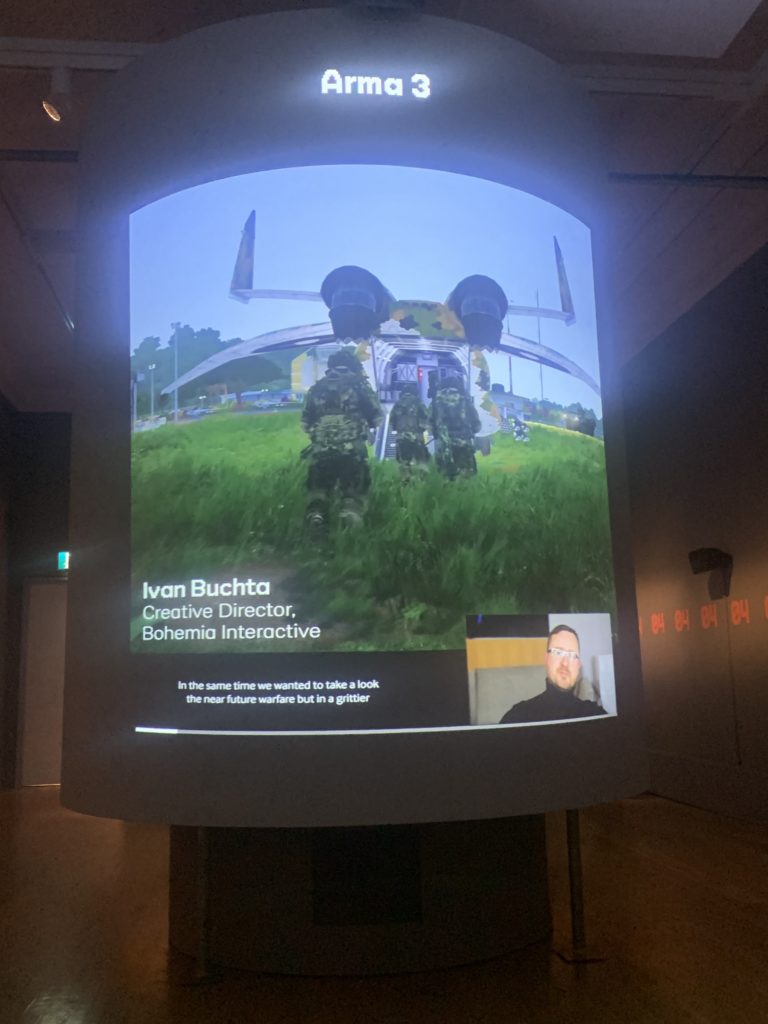
War Games: Real Conflicts, Virtual Worlds, Extreme Entertainment is a show displayed in 10 parts, or levels, starting with the psychology of why people  have a long history of gravitating to games involving tactic and strategy. We are then shown a live action game, Wolfenstein 3D (1992) next to Sniper Elite 5 (2022) to see how profoundly gaming has changed over the years. This is where we encounter two enormous screens showing war games and developers telling us in laymen’s terms (it has to be very laymen for us) how they are based on real environments, and they show us how users can play for a few minutes or plan a campaign that takes years to complete. The mind boggles.  

The largest room touches on some of the inevitable ethical complexities involved in developing products based on crushing people’s heads and then running them over. Apparently one of the largest growth areas are games which involve saving people affected by war, which is a relief. And increasingly developers are creating figures which can be succinctly personalised to give gamers a feeling that they have agency with that figure. Video games often reflect the anxieties we face at the time they were created and can be seen as mirrors of the age. For example, imagine a videogame fronted by a resurrected Liz Truss with Covid, running around cutting off everyone’s heating. 

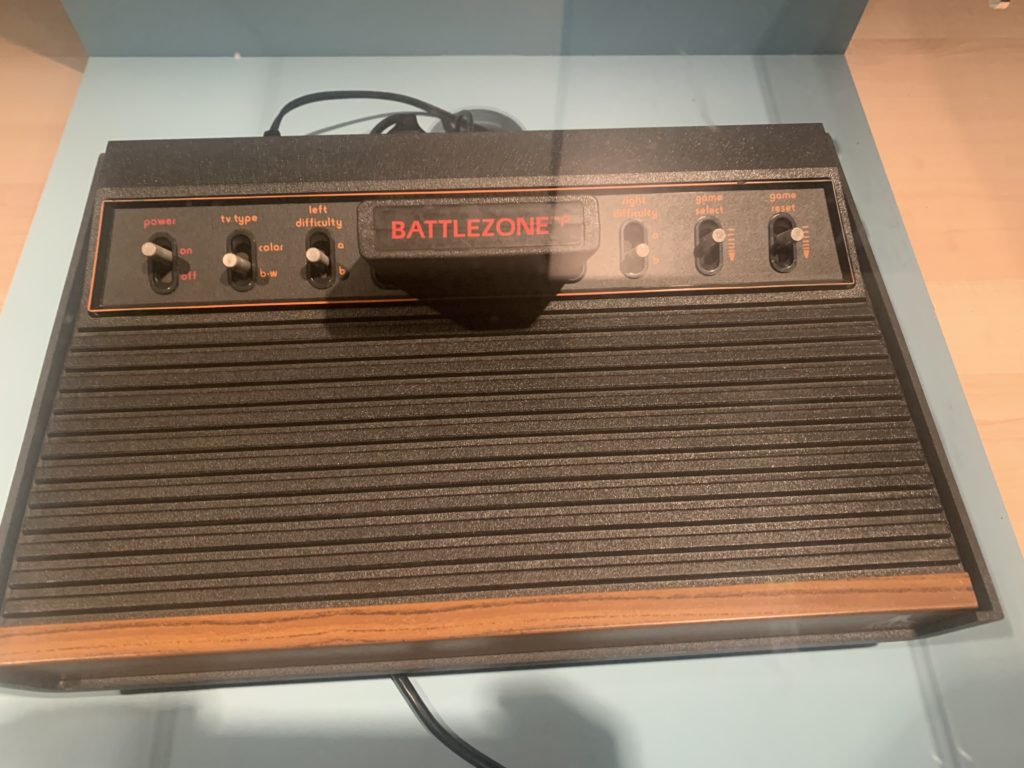
The most enjoyable element of this exhibit can be found on Level 10 (this room is only open until the end of January) which has dozens of retro video consoles from 1980 up until the current day which you can play for free. We saw Sega, Atari, Commodore 24, X Box, Nintendo 64 and others. We won’t tell you which era we played as you’ll then be one step closer to knowing who we are. But suffice it to say that War Games is a sophisticated spread of immersive installations about a culture that many of us know little about. 

For those of you who’ve given IWM a wide berth over the years for moral reasons, we understand your reluctance. However, it is not a temple of jingoistic celebration, and if anything it is dedicated to the human spirit and survival. Galleries dedicated to the Holocaust and women on the home front are very poignant and reminders of the profound impact that conflict has on the innocent.

War Games: Real Conflict, Virtual Worlds, Extreme Entertainment is on now until 28 May and is totally free. 


The Currency in Newport St.

When Time Out, or as we like to call it, ‘that listings site from a bygone era’ described the new show at Newport Street Gallery as ‘stupid, lazy, arrogant, crap art’ we knew we had to get over there as soon as possible.  This very controversial show is called ‘The Currency’ by Damien Hirst and features 10,000 of his dot paintings in several eras of existence. These range from physical paintings to photocopies and then cinder, as the artworks are torched on the first floor. 

For people not aware of Mr. Hirst’s oeuvre, he has spent a large amount of his career preserving dead animals in formaldehyde, sticking diamonds of skulls, and exterminating flies. We reviewed a previous show at Newport in October, 2020.  An abiding theme of Hirst is the repetitive nature of objects and their cycle from inception, to life, to being fetishized and worshiped, and eventual meaningless demise. 

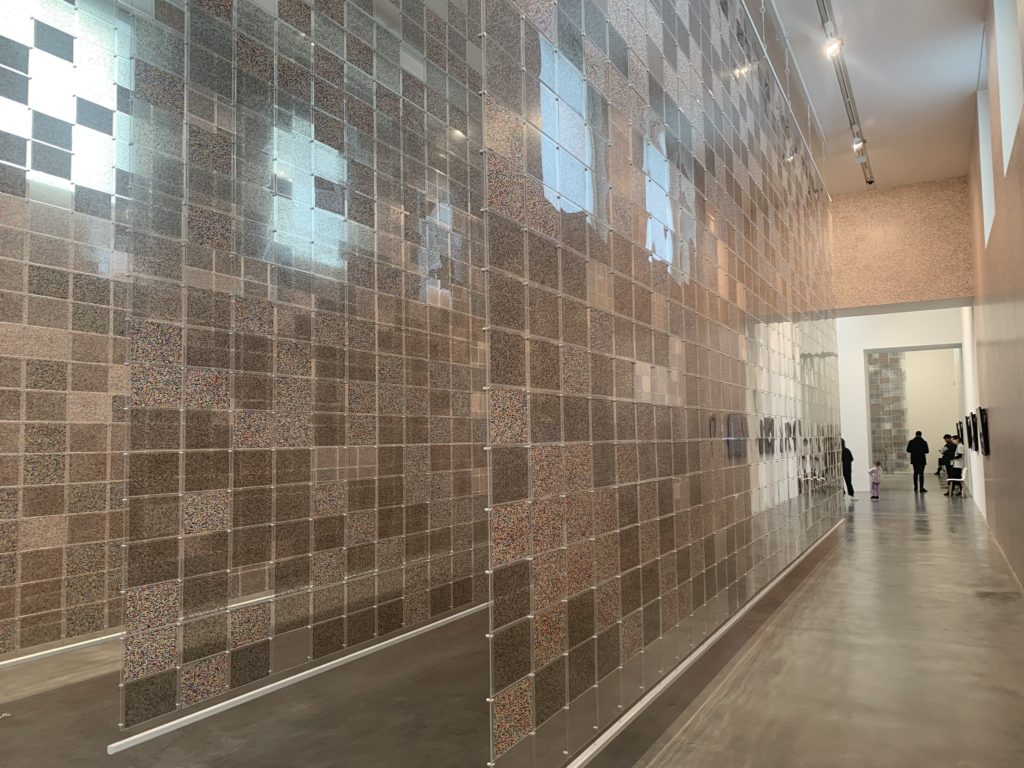
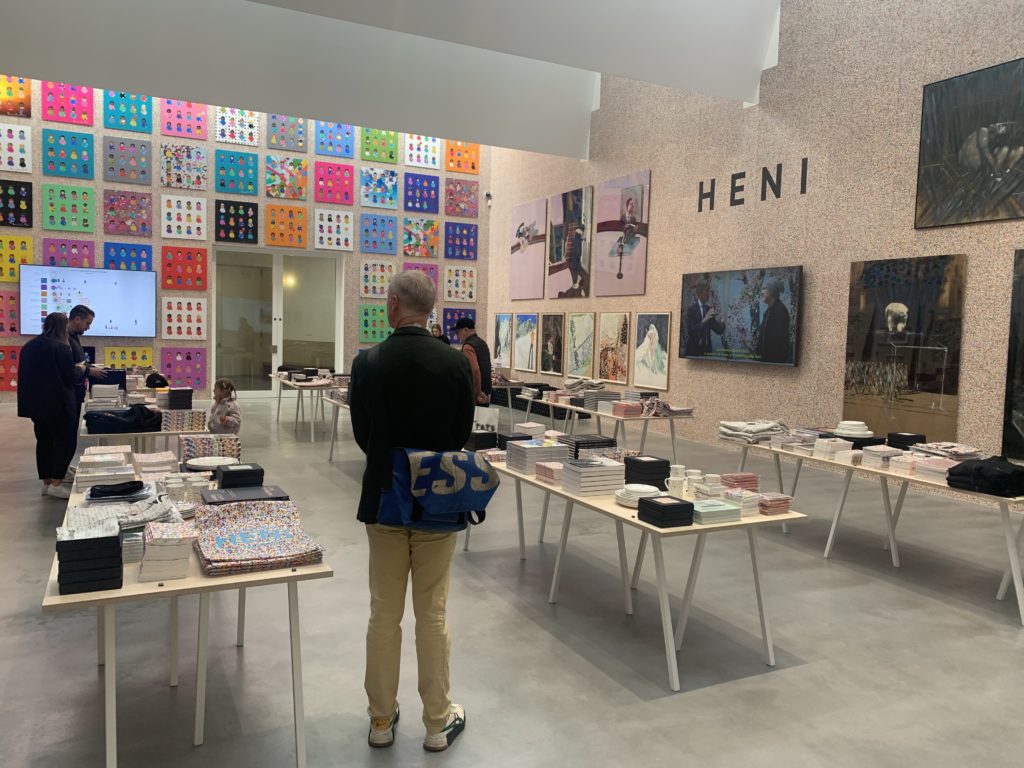
Hirst’s interest in the repetitive nature of dots is well established, and last year he gave 10,000 people the option to buy an NFT .jpg dot painting for £2000. The NFT could then be traded for an original 8×10 work. About half the punters traded it for an original and the remaining suckers  folks stuck with the NFT option. It is these physical works which are on display in monumental floor to ceiling displays and ultimately dispatched into ashen bits above Vauxhall.  

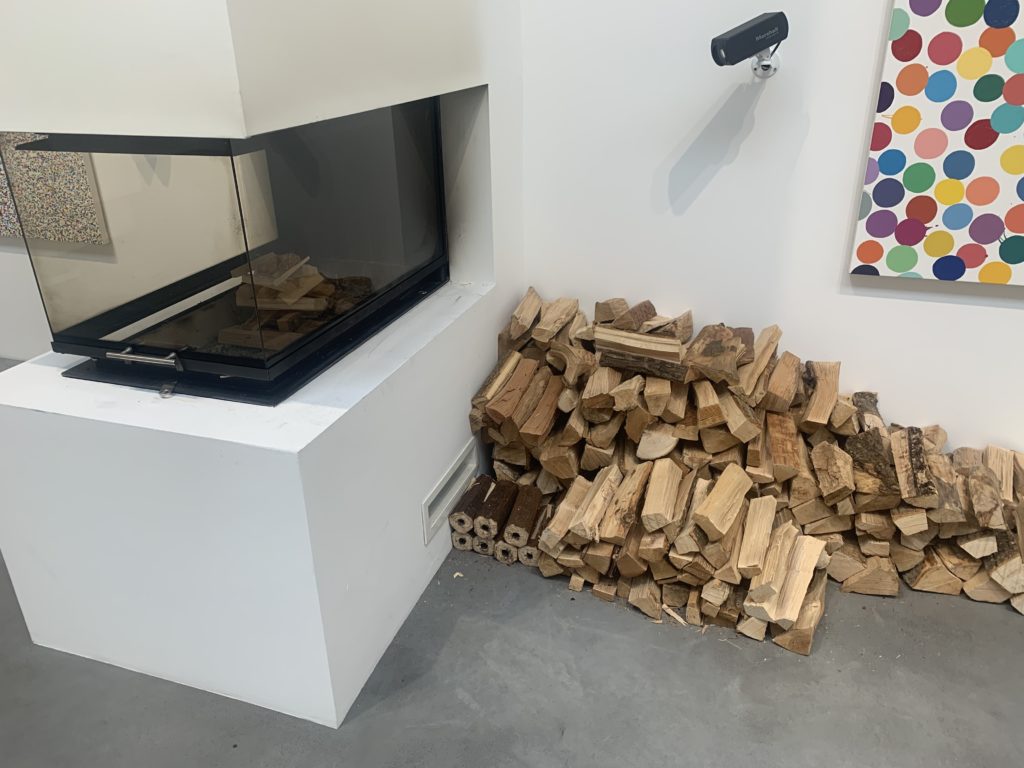
The exhibit is peppered with TV screens featuring live footage of the works being prepped and torched. When the fires aren’t on, there are clips of Mr. Hirst in conversation with actually responsible people such as former Bank of England boss Mark Carney and Stephen Fry, with topics ranging from the absurdity of the art market to the meaningless value of money. Try telling that to the single mum who can’t heat her home at the moment. But we digress. 

Damien Hirst: The Currency is on now until 30 October and is free. Even if you find the theme distasteful, the exhibition itself is quite thought provoking as the paintings/photocopies begin to incrementally disappear. There is also a great gift shop. The fact that over the past 12 months the NFT market has crashed is just a side giggle. However, we at the Runoff would never capitalise of personal loss as that would make us no better than a Florist. 

The Tale of Two Fountains

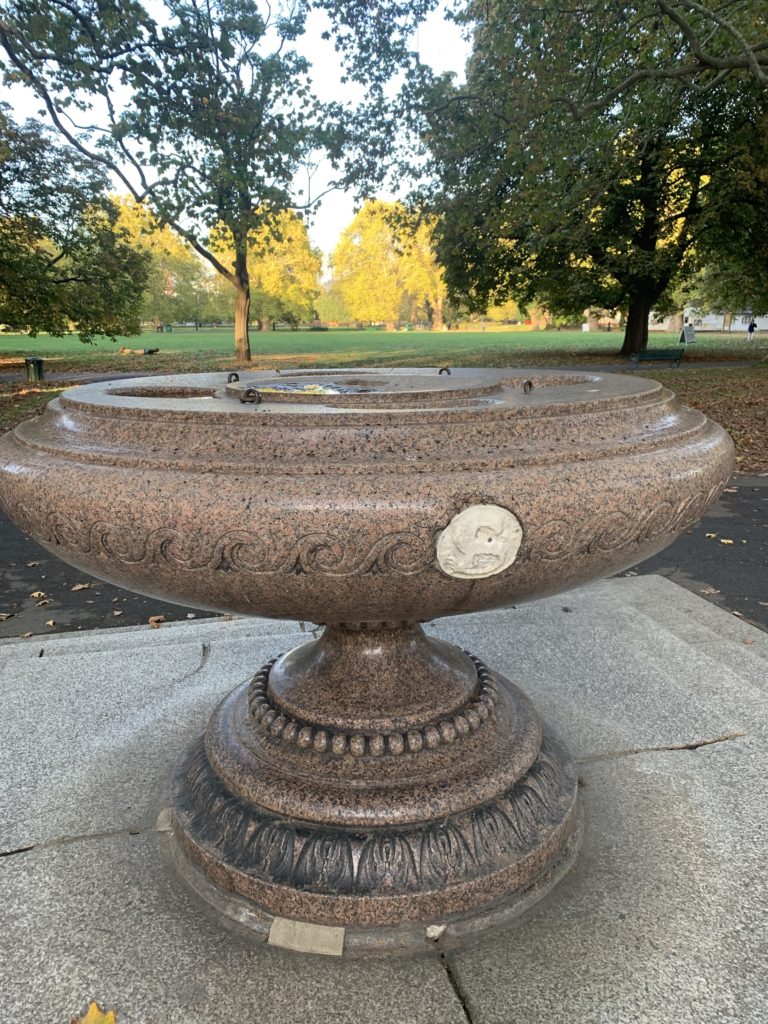
Next time you go for your constitutional in Kennington Park, take a moment to inspect two unloved fountains which you’ve probably walked past a thousand times but never taken notice of. Their creation and endurance are interesting reminders of the people and events that have unfolded in our hallowed patch over the years. 

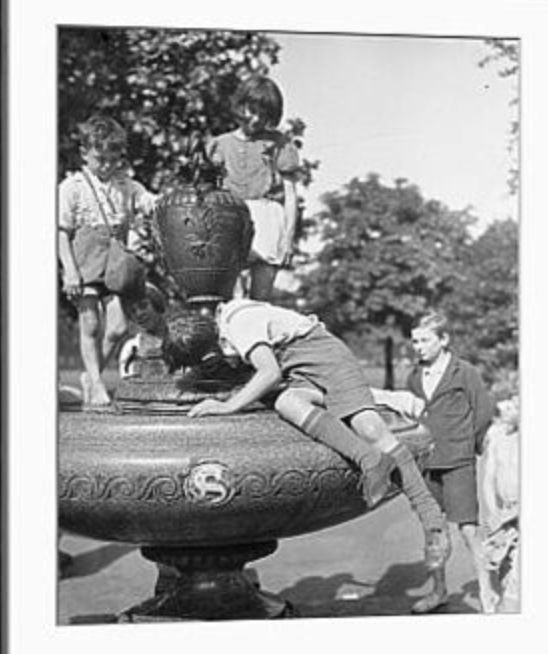
In the southwest corner of the park you can find part of a fountain which was donated by philanthropist Felix Slade in 1861. This is the same Slade who founded the school of art and a number of professorships. Slade lived in Aulton Place, and the story goes that while walking through the park he asked for a glass of water and was handed dirty water in a chipped glass (with Aulton Place only over the road he could have just popped back home but let’s not get stuck on tiny details). When he saw kids playing in the park without access to clean water, Slade to took to the task like a duck to, well, water.  

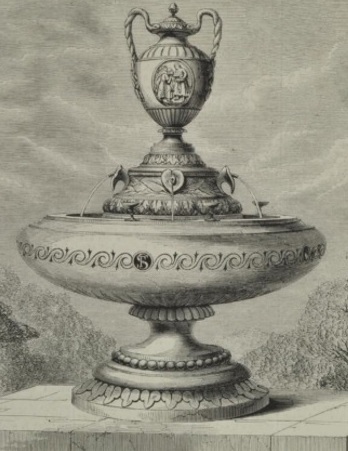
Slade’s solution for the lack of clean water was laudable but perhaps a bit over the top for a working class Victorian neighbourhood. He funded the erection of an elaborate fountain on a plinth in red Aberdeen granite with brass handles, a large bronze urn, and his own monogram stamped over it, lest people forget who put it there. The handles were nicked shortly thereafter, followed by the urn. When the urn was replaced it was nicked again and then went from being a fountain to a curious oddity and relic of the past.  The ornate base remains and is a reminder of the gulf of understanding and wealth that exists in Greater Kennington to this day.
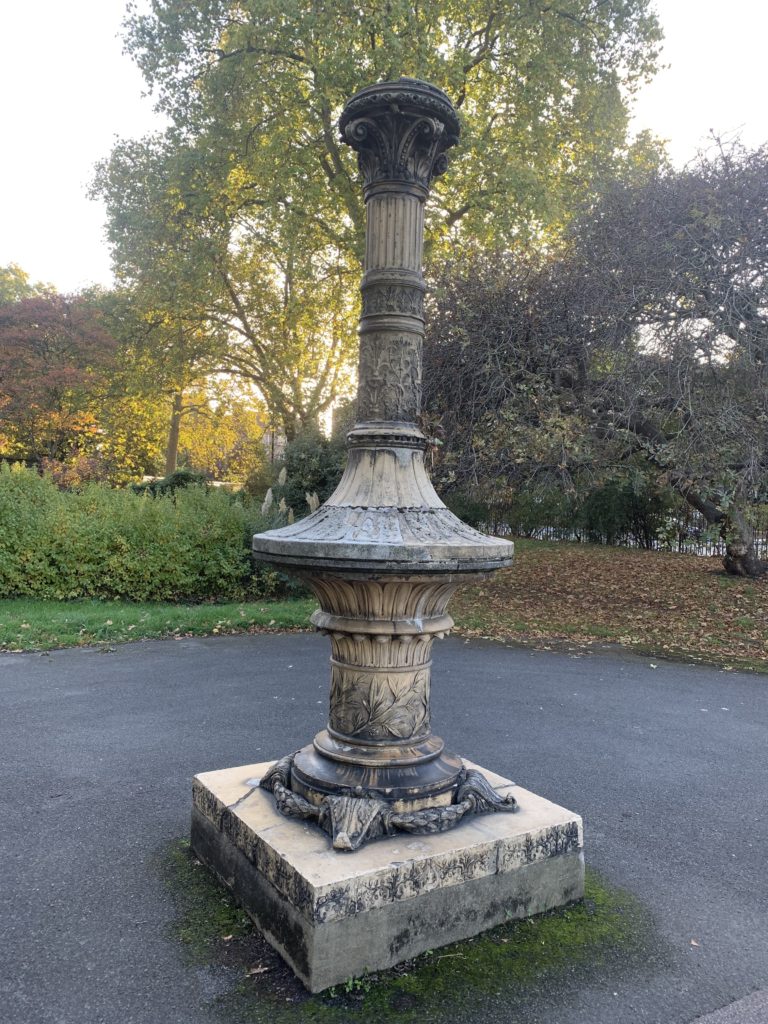
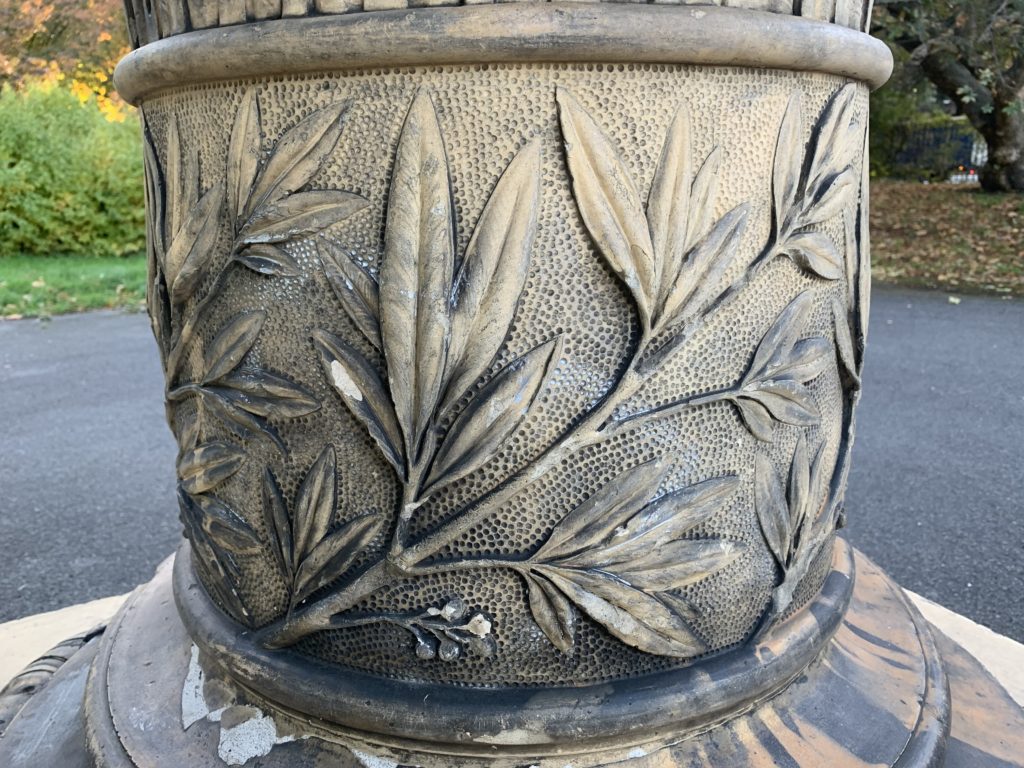
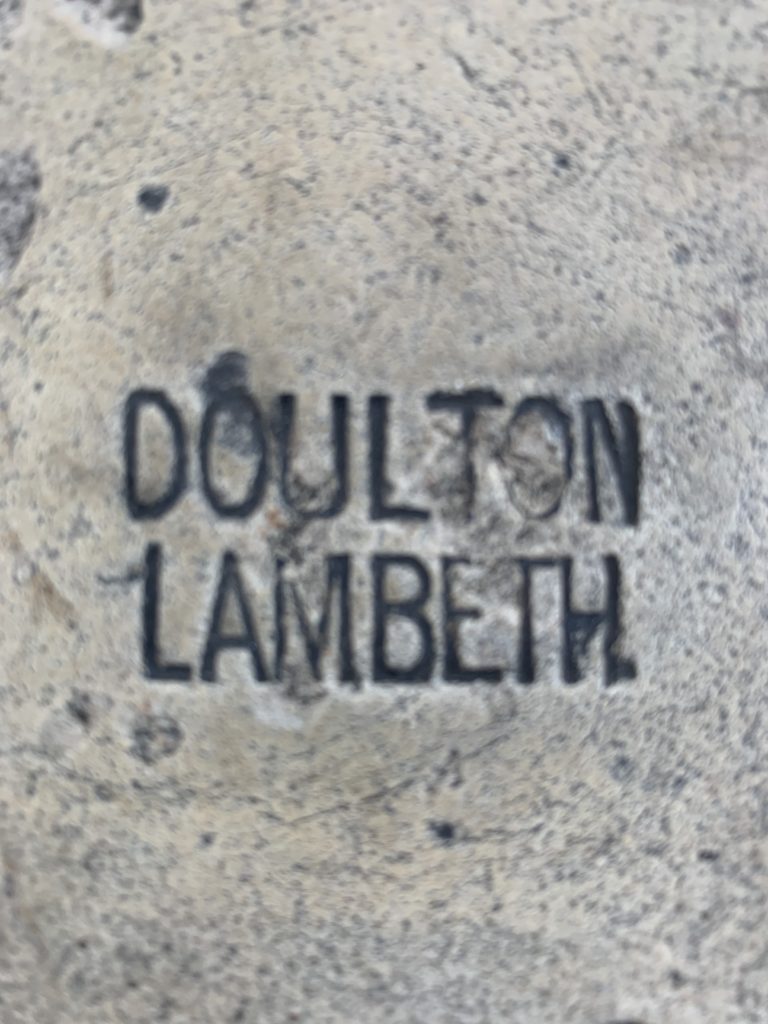
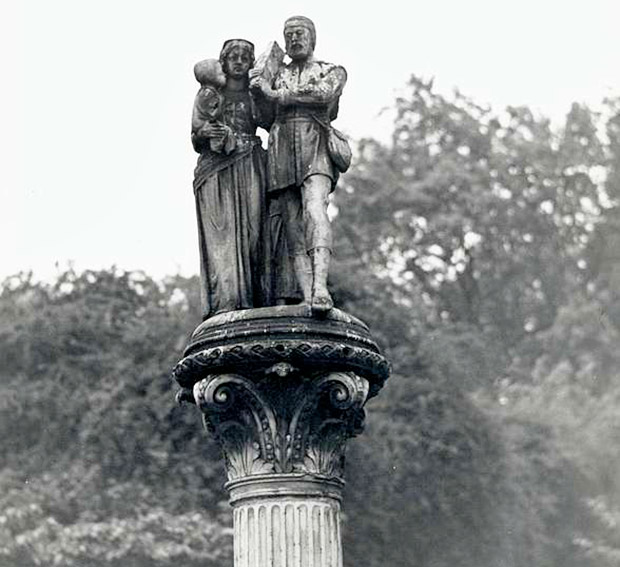
A bit further up into the park you can see the column which is the remains of Tinworth Fountain. It was created in 1872 in buff terracotta by the Doulton Factory in Vauxhall and was the centrepiece of an ornate sunken garden located where the basketball courts currently reside. It was almost totally destroyed in WWII and put back together without its resplendent and overflowing bowl, which moved and then lost. After being relocated several times it found its current home while still sporting its grand central feature, a sculpture depicting the pilgrimage of life. Sadly the sculpture was knocked over and completely destroyed in 1981. The column that we see today was later used as target practice by local youths. 

Our beaten and bombed column still stands and if you look closely you can see the painstaking efforts made to both restore and destroy it. Some very clever soul even decided to replace some of the unglazed buff terracotta  poured concrete. Nevertheless, Kennington Park has meant many things to many people over the years, and our battered little monuments stand as eternal reminders of that.

Queer Art(ists) Now at Space Station 65

We recently attended the intriguing exhibit ‘Queer Art(ists) Now’ at Space Station Sixty Five in Kennington Cross. Now if you’re thinking ‘but I’ve never heard of this place’ then you can be forgiven. It’s a very underused artist run space and gallery in the car park (don’t we take you to the most glam places) of Kennington Film Studios. Which we all know as the legendary studio where ‘Richard and Judy’ was once filmed. 

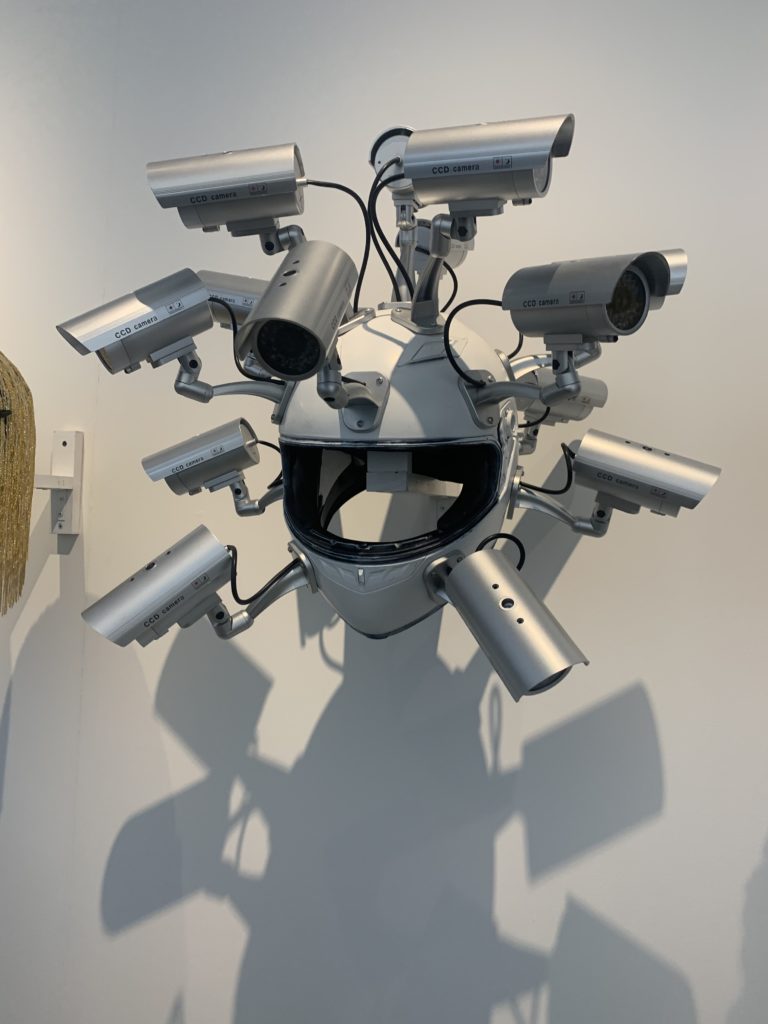
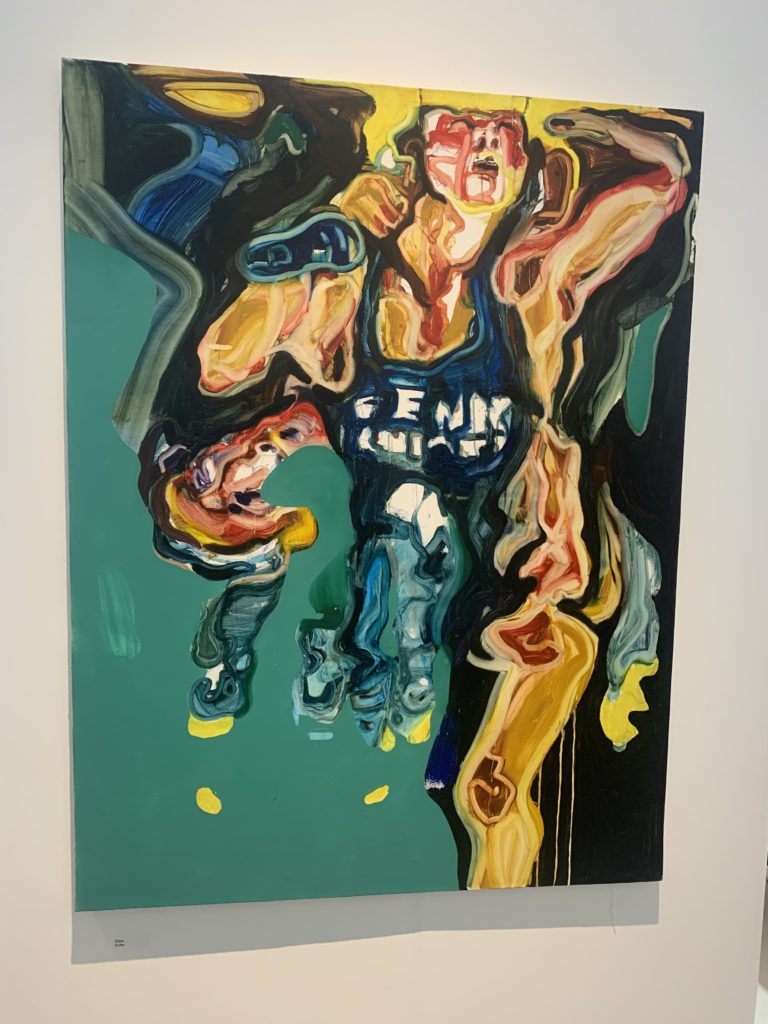
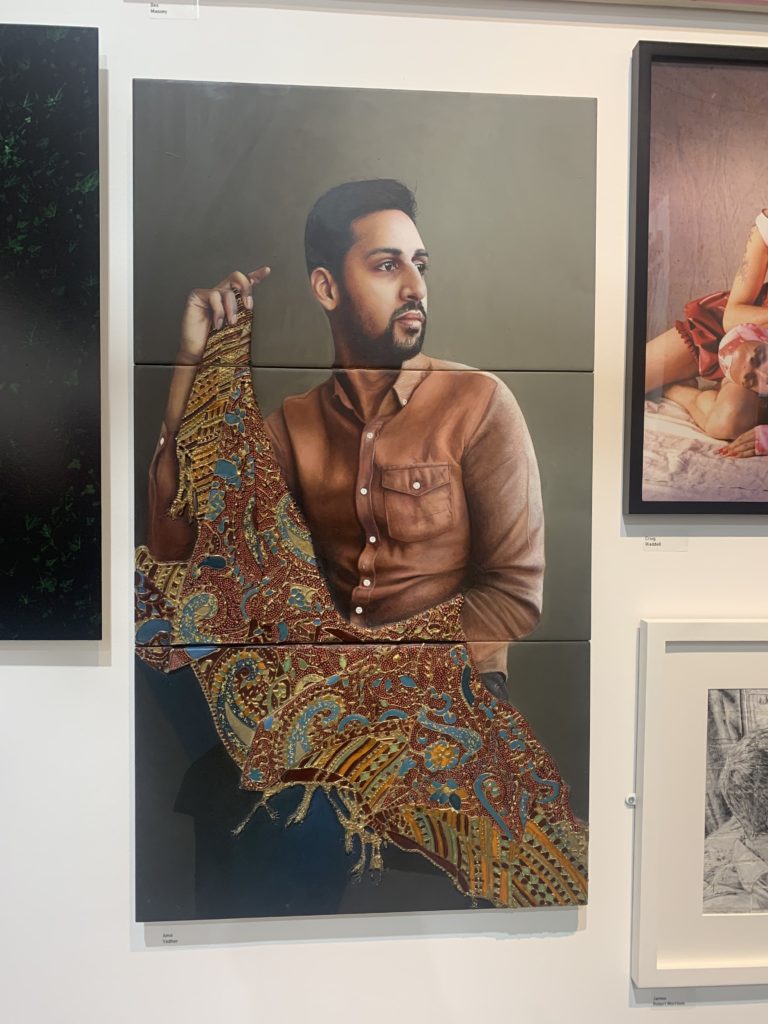
Queer Art(ists) Now brings together 70 artists out of 300 applications and 1000 pieces of art and showcases the best in Queer art at the moment. They have also commissioned five artists to create bespoke works for the exhibit. The works are remarkable for their diversity and cover a range of mediums including oils, photography, film, textiles, papier mache, traffic cones, and discarded items. 

At times, exhibits like this can devolve into preachy diatribes about oppression, or become overtly political and worthy, which leaves people a bit deflated or alienates those who don’t come from that community.  This exhibit is curated in such a manner that it has a certain levity and playfulness about it, and makes you question your assumptions. There are works about the trans experience, body image, gender politics, sex, and the intersection between ‘straight and gay’ and what that means. The variety means you’ll likely come across something pleasing regardless of your tastes or sexuality.  On our visit we were greeted by a young man dancing in a dressing gown and they were giving away free permanent tattoos.

Queer Art(ists) Now is totally free and open Wednesday to Saturday 12 – 8 Until 8 October. They also have a variety of merch on sale to peruse. And why this great exhibition space isn’t used more regularly is one of life’s great mysteries. Like why you never see any baby pigeons or the sudden craze for Greggs branded clothing