#7 The Top Ten Best Places to Eat in Greater Kennington (+ 1 Sunday Roast)

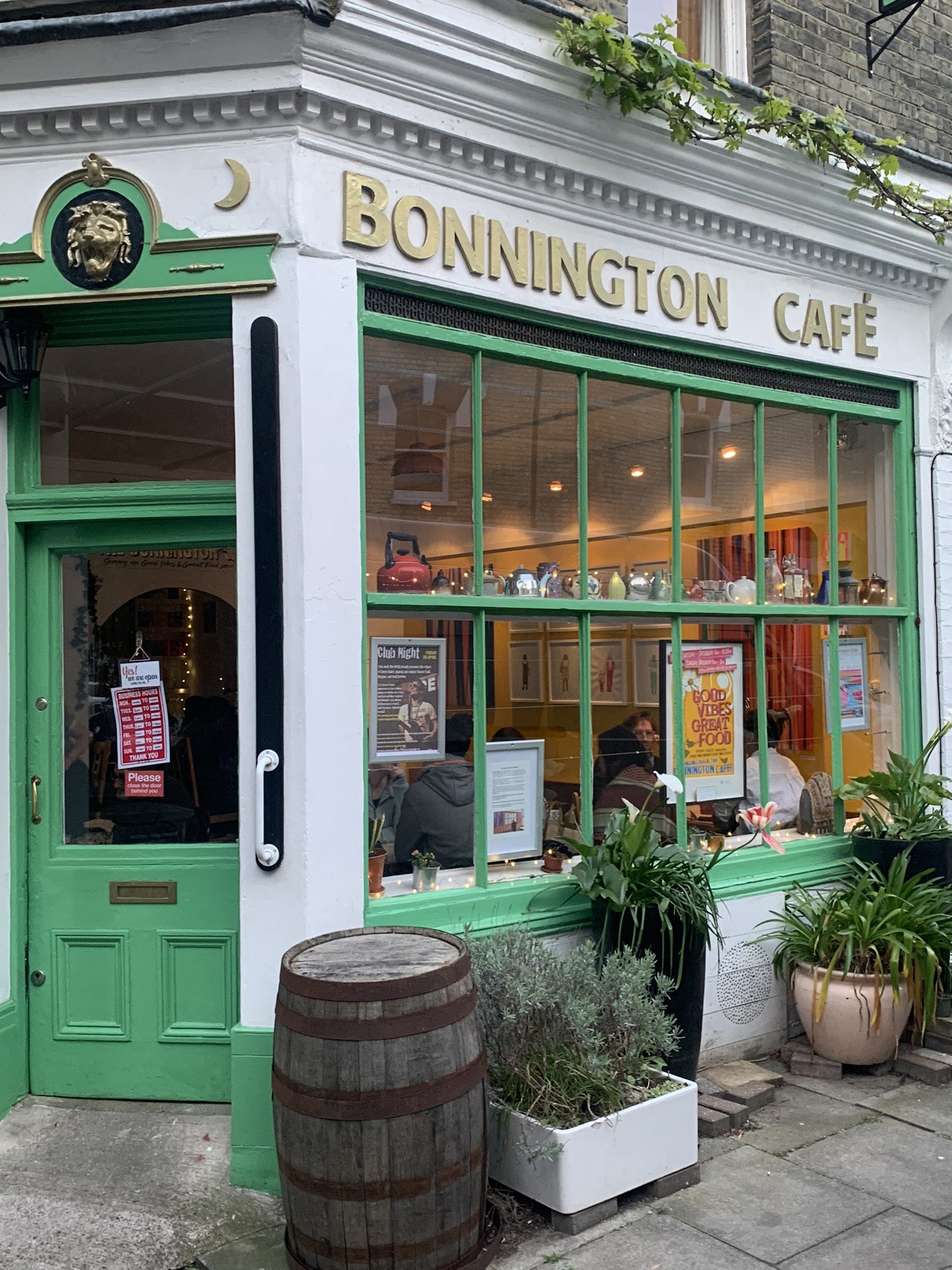
Bonnington Cafe

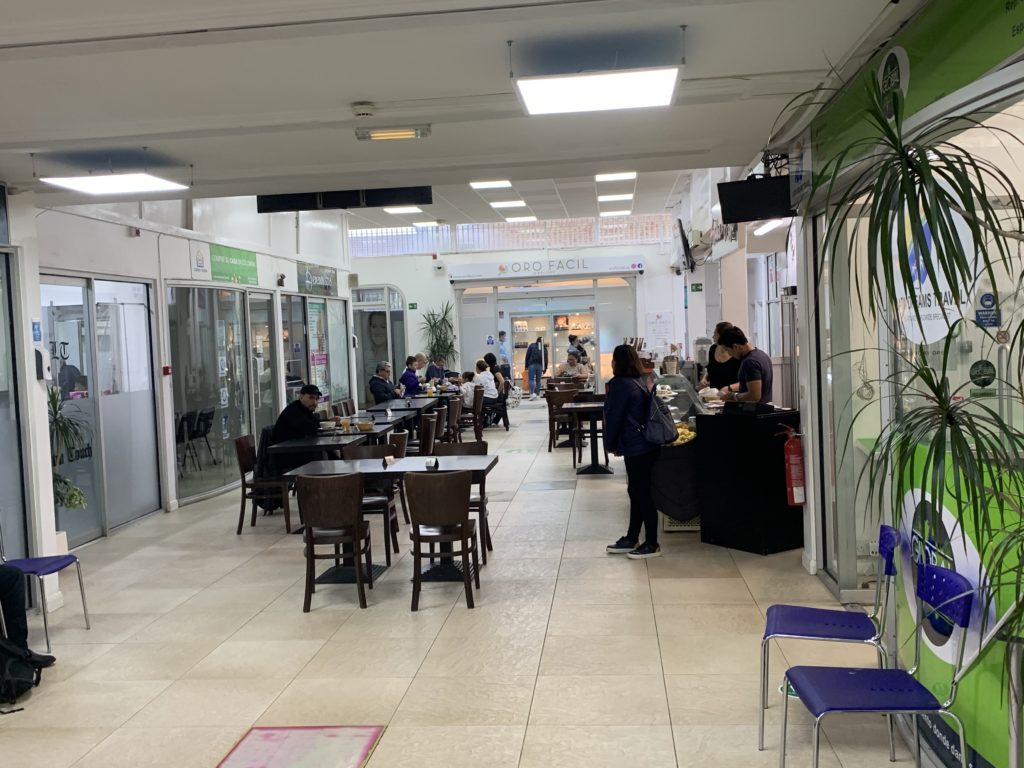
Motoring on, and the number #7 Spot is awarded to the very independent Bonnington Cafe, and we recently made a much overdue visit to the Vauxhall institution in Bonnington Square. The Cafe is part of the larger Bonnington Centre, but more on that later. 
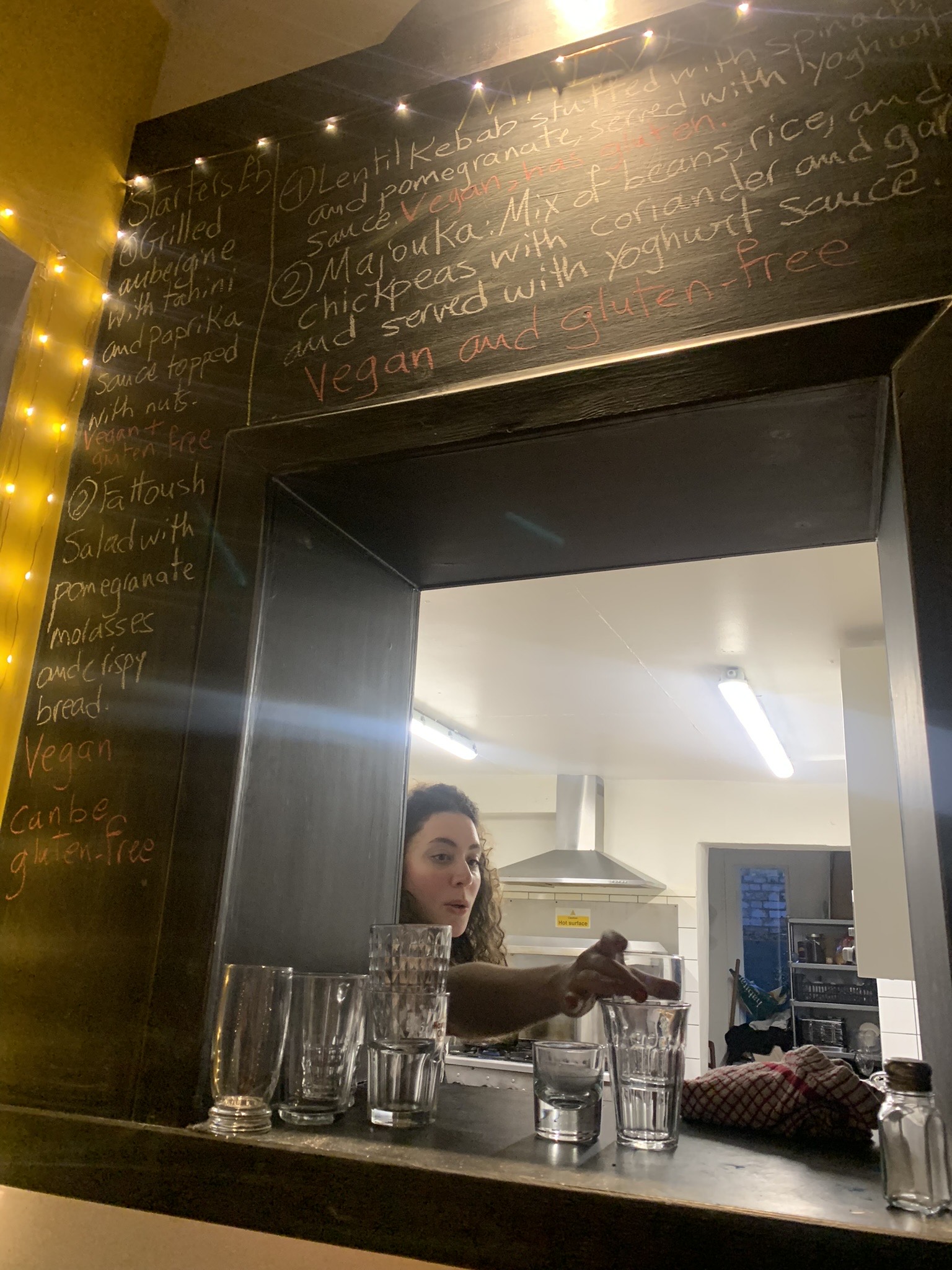
Bonnington Café was established over forty years ago as a not for profit endeavour and still serves its original purpose of serving affordable (£5 starters £12 mains £5 desserts) vegetarian and vegan fare prepared by a rotating cast of chefs. They also have a BYOB policy to make it even more affordable. At the moment the chefs are creating British comfort food, vegan Polish fare, and locally sourced favourite dishes (UPDATE FEB 2026 – still occurring). Our night was led by Syrian chef Hind Danoun, who passionately cooks her mother’s Syrian vegetarian dishes. She’s in the kitchen on Fridays and some other nights. 
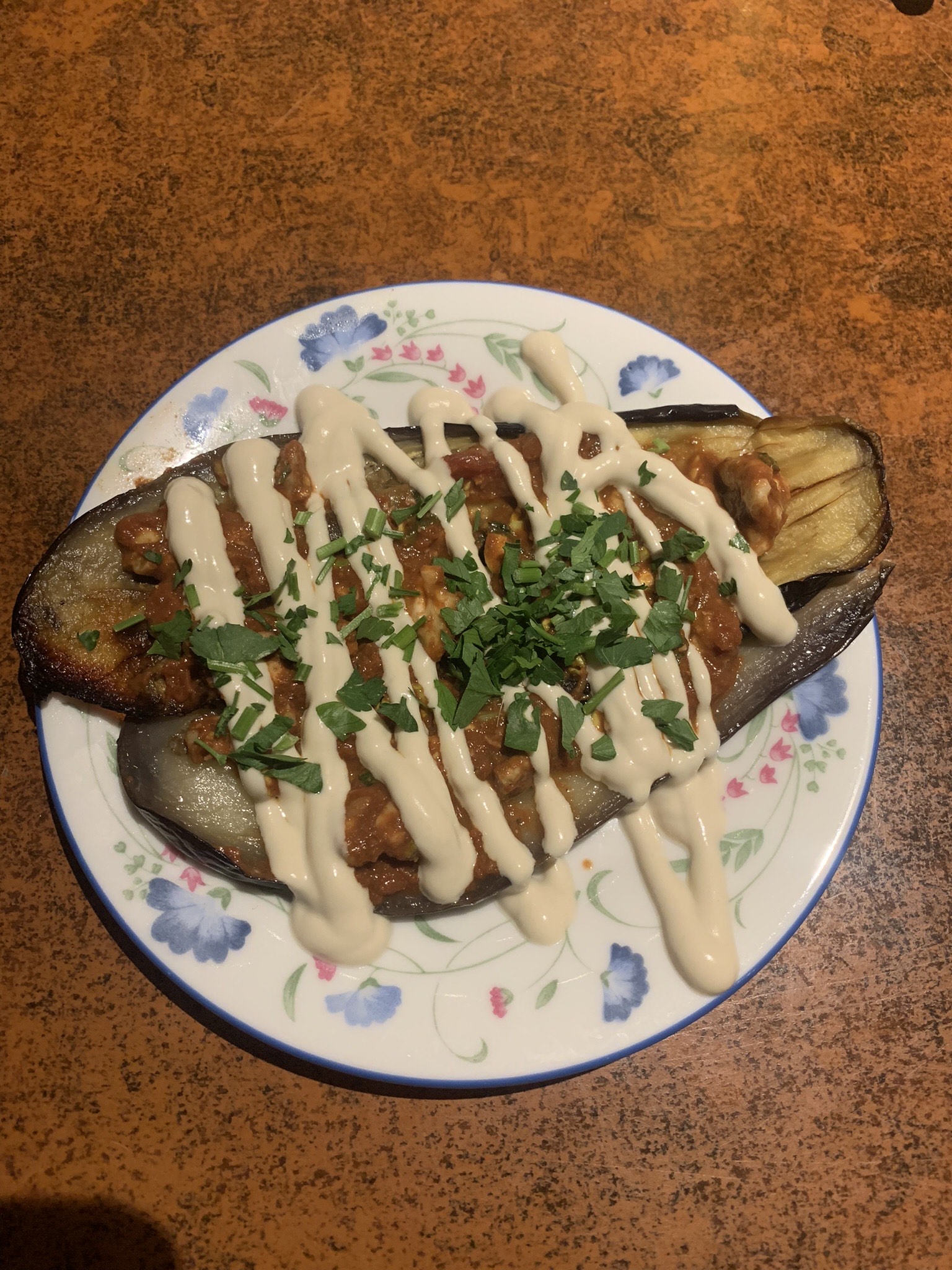
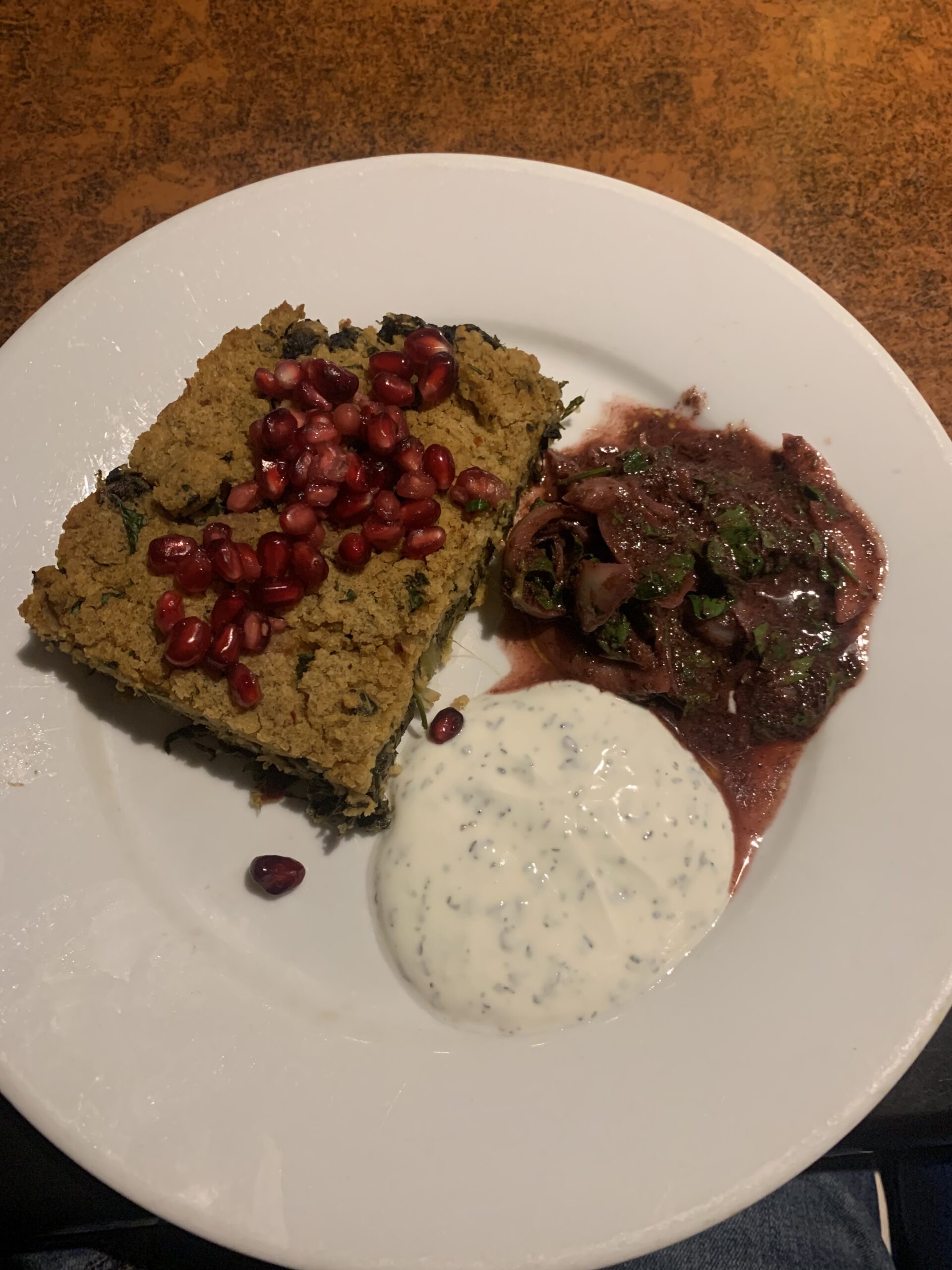
The menus at BC are purposefully very small, and showcase what the chef is working on at the moment. Cliff from the HR team chose the grilled aubergine with tahini and paprika sauce topped with nuts for a starter and he called it ‘sublime’. The tahini was described as creamy and smooth, no clagginess: a light dish of splendidly umami flavours. The lentil kebab main didn’t feel remotely like a kebab to Cliff, so an odd name: lentil steak would have been closer. This was lightly spiced, and benefitted from its accompaniment of yoghurt sauce and a great sumac sauce that made the dish.

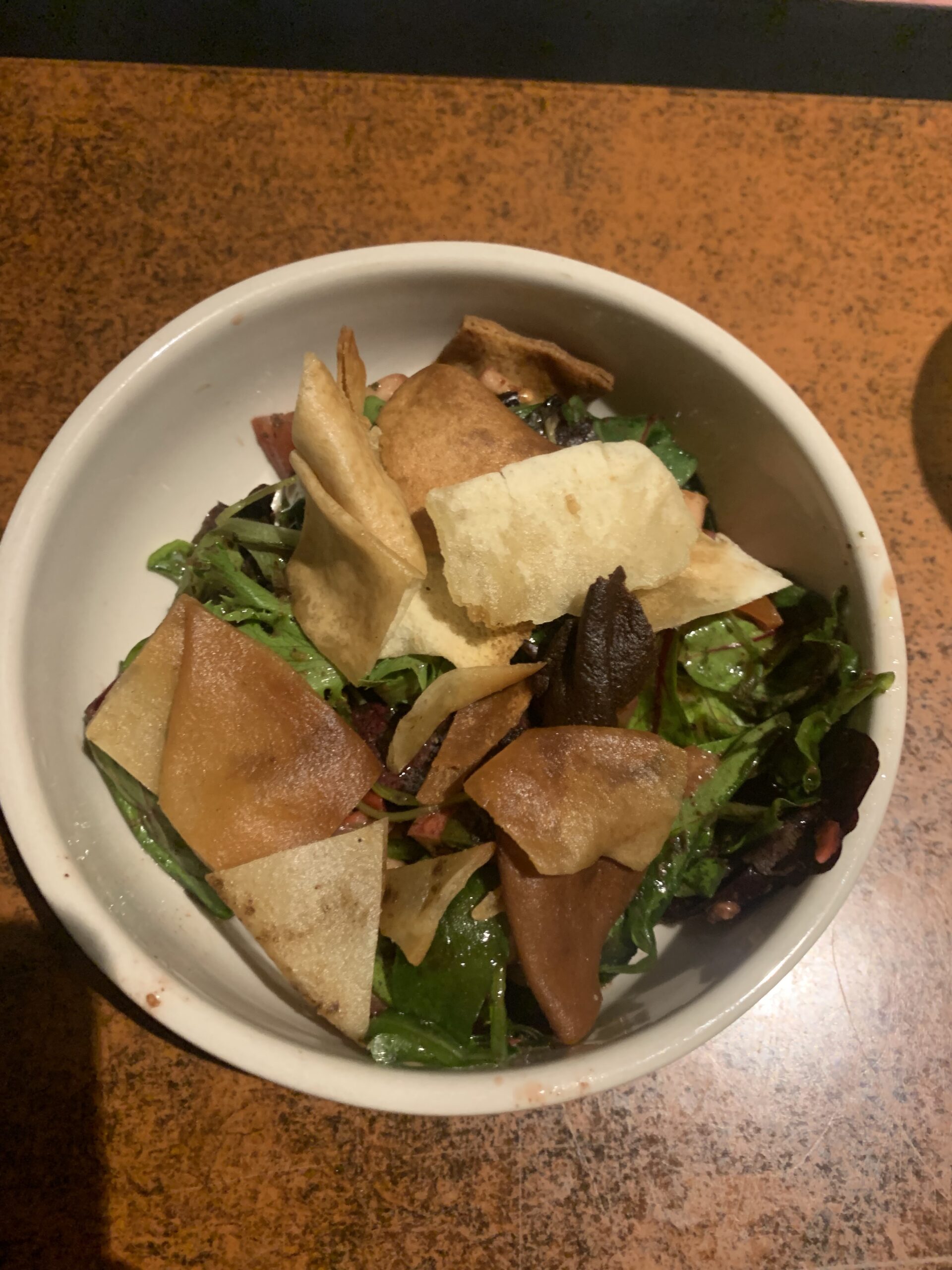
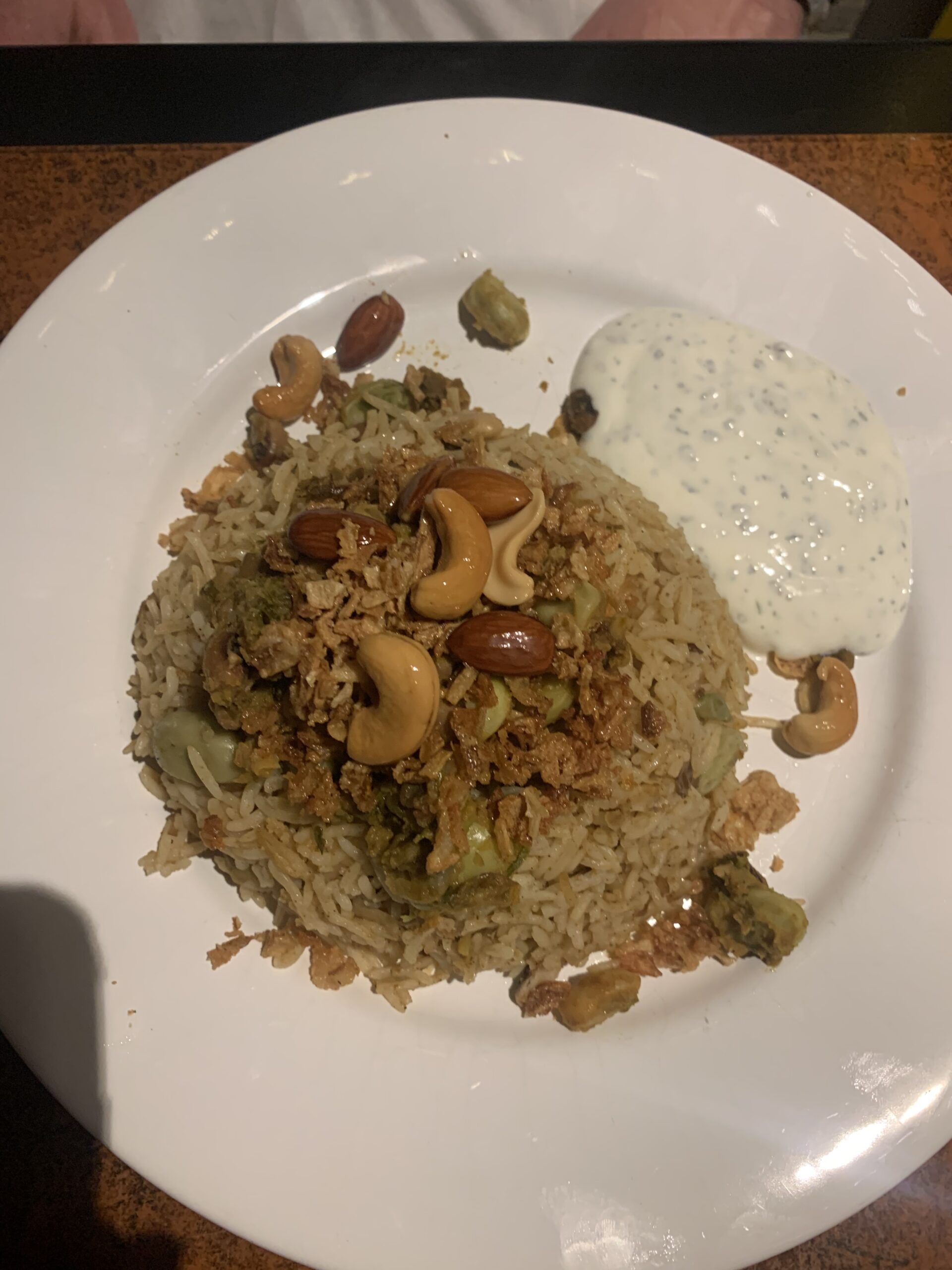
Your scribe had the fattoush salad with pomegranate molasses, which was bright and sharp: a little too sour for some tongues but a nice contrast of leaf and crunch. Meanwhile, majouka felt rather like a Syrian take on a vegetarian biryani – which was a result that your scribe could get on board with: simple, tasty, hearty.
Overall, both in terms of pocketbook and what we consumed we left feeling healthy. Well, maybe that £7 bottle of Tesco Malbec we knocked back in half an hour wasn’t so healthy, but don’t judge us. If you don’t fancy a meal at the BC then pop over to Bonnington Square itself for a bit of a wonder, as it’s a verdant urban subtropical oases (maybe not in February) with a storied past that we wrote about previously.

The Bonnington Centre has an eclectic sounding programme of activities on the first floor including one called ‘Death Café’, which rather reminded us of the time when Phil brought homemade brownies into the office. They also have yoga and film nights. On our night there were a motley and hungry group of amateur musicians coming downstairs for a bite, while as we left we were serenaded by the lovely tones of other musicians upstairs.  
Greater Kennington’s First Skyscraper

From the Archives, the fifth and last (sadface!) month of best history posts

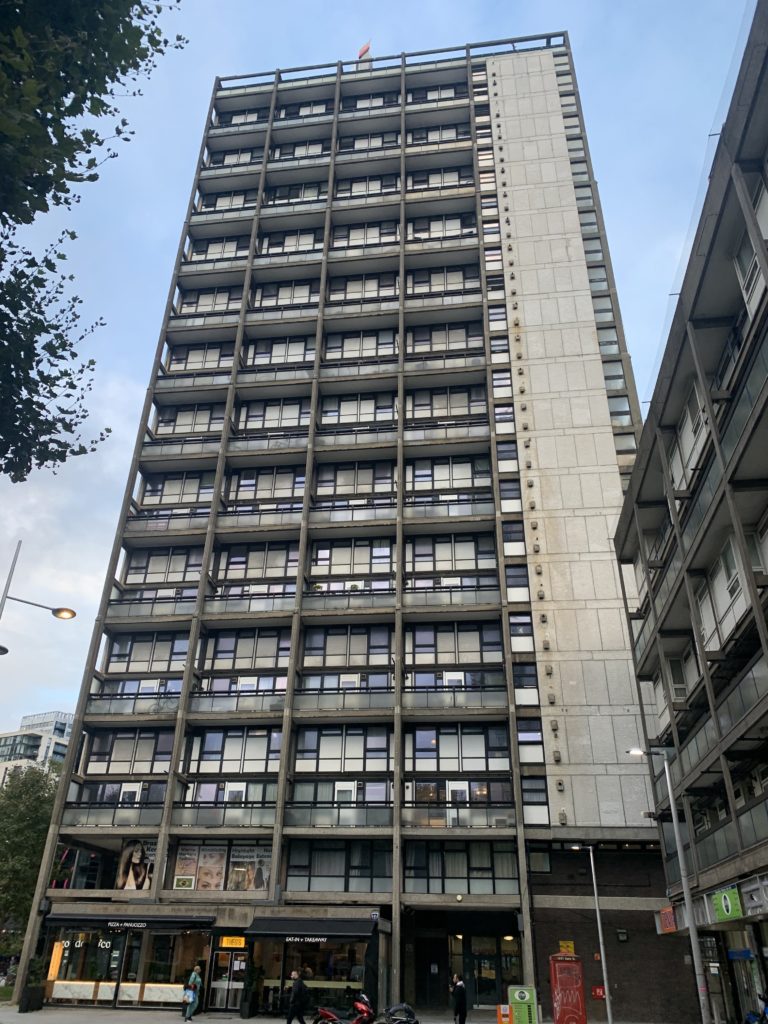
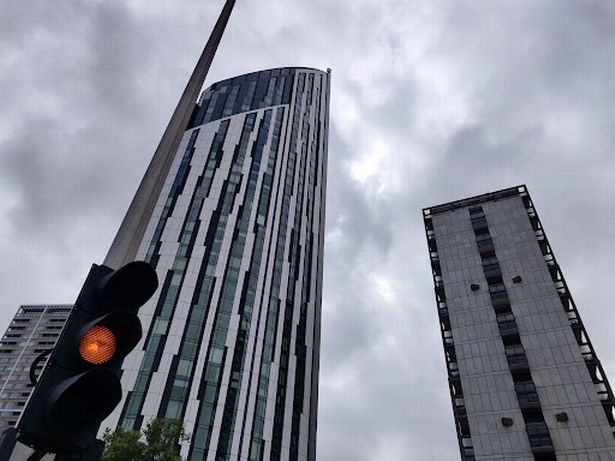
Long before the behemoths of Vauxhall and the impending towering bewilderments of Elephant, there existed Draper House in Newington Butts, where Kennington meets Elephant and Castle. Nestling shyly next to the ‘who switched the fans off’ Strata, the Draper Estate was built in the Brutalist style in 1965, and when Draper House was finished it was the tallest residential block in London. If you look up at the block today this seems almost unbelievable.  

In order to meet the varying needs of a devastated community post WW2, radical architects Kenneth Campbell and Hubert Bennett were commissioned to create a building consisting of 141 flats and maisonettes. In the manner of Le Corbusier, the idea was that ‘nothing is too good for the ordinary man and woman’ and the building had wide corridors and the unique addition of fire escapes. Campbell and Bennett transcended traditional building methods by installing a cladding of storey high slabs of white Italian marble.  Another unbelievable reality when we look at the cladding of public housing today. 

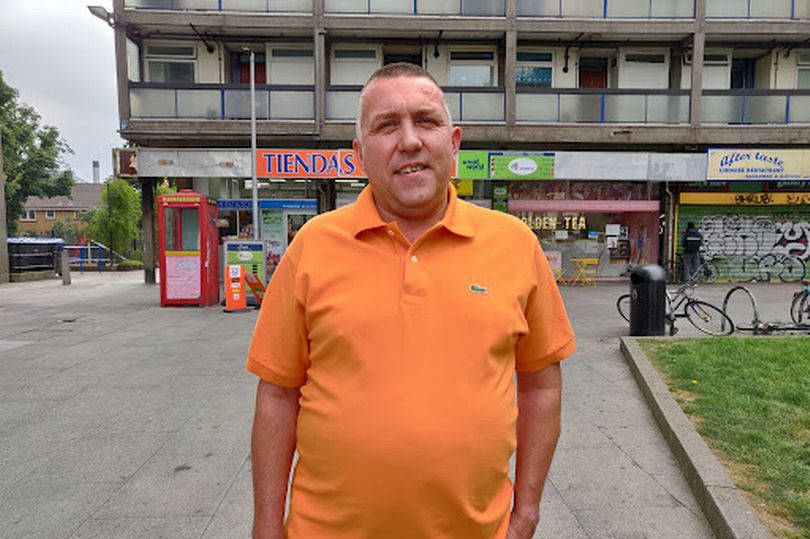
We were made aware of the interesting existence of Draper House after reading that one of its original residents just moved out after 56 years. Falling into a typical Runoff rabbit hole, we read the interesting stories of current residents such as Ian, who has lived in the building for 36 years and raised his family there. He notes that many residents have lived there for decades and over the years has progressively reflected the multi cultural dynamic that gives Elephant it’s energy. 
Being tall and notable does have a few downsides, and for many years Draper House had a darker side as it was known as the suicide capital of London. Those days are long gone and the multicultural essence persists at ground level with such treats as a Latin American mini mall, a Brazilian hair salon, a Chinese tea house, and two of our favourites eateries – Italian ‘Theos’, and the wonderfully named ‘After Taste’. 

The Railings That Saved Lives

From the archives, the third edition of our month of best history posts.
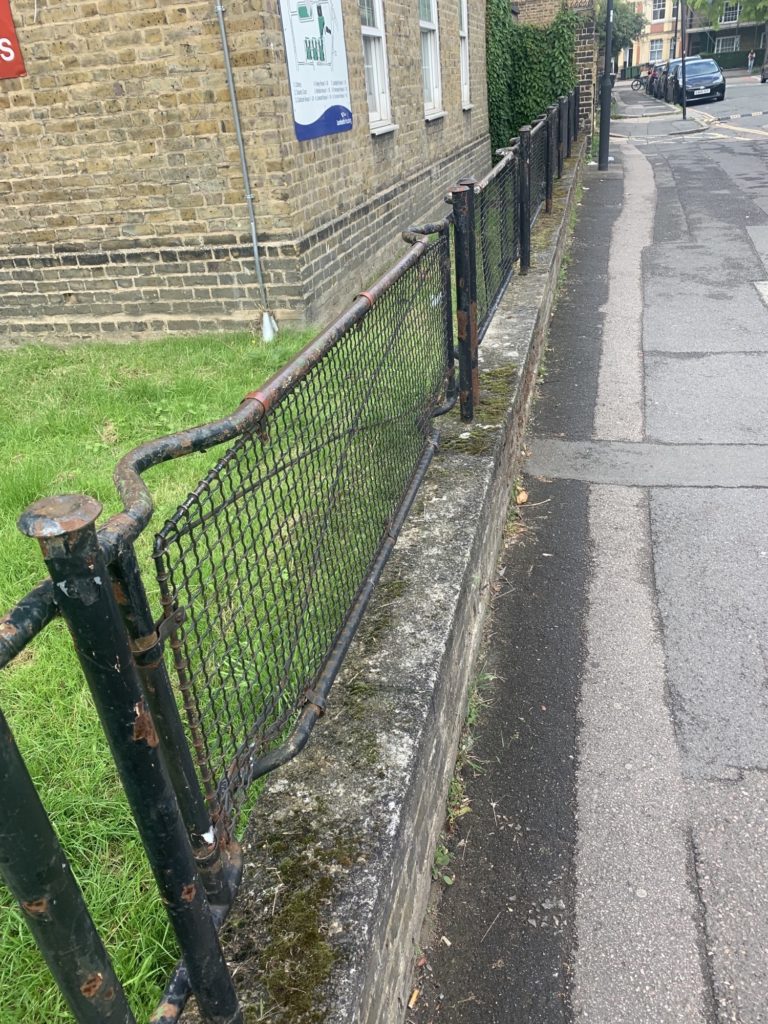
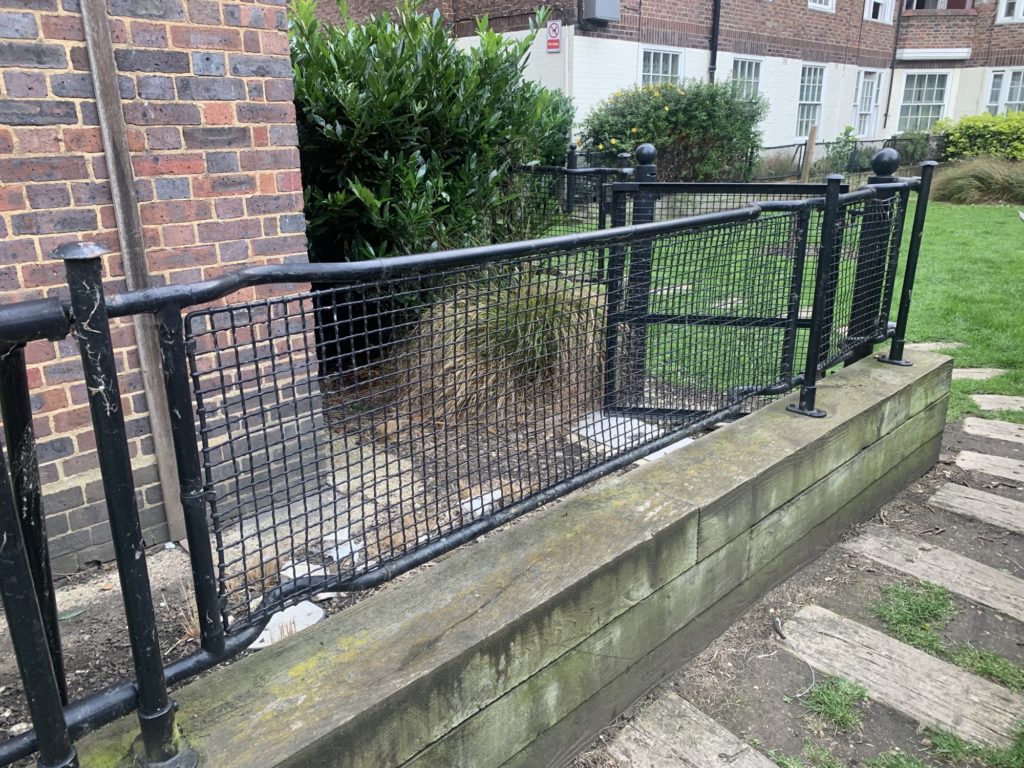
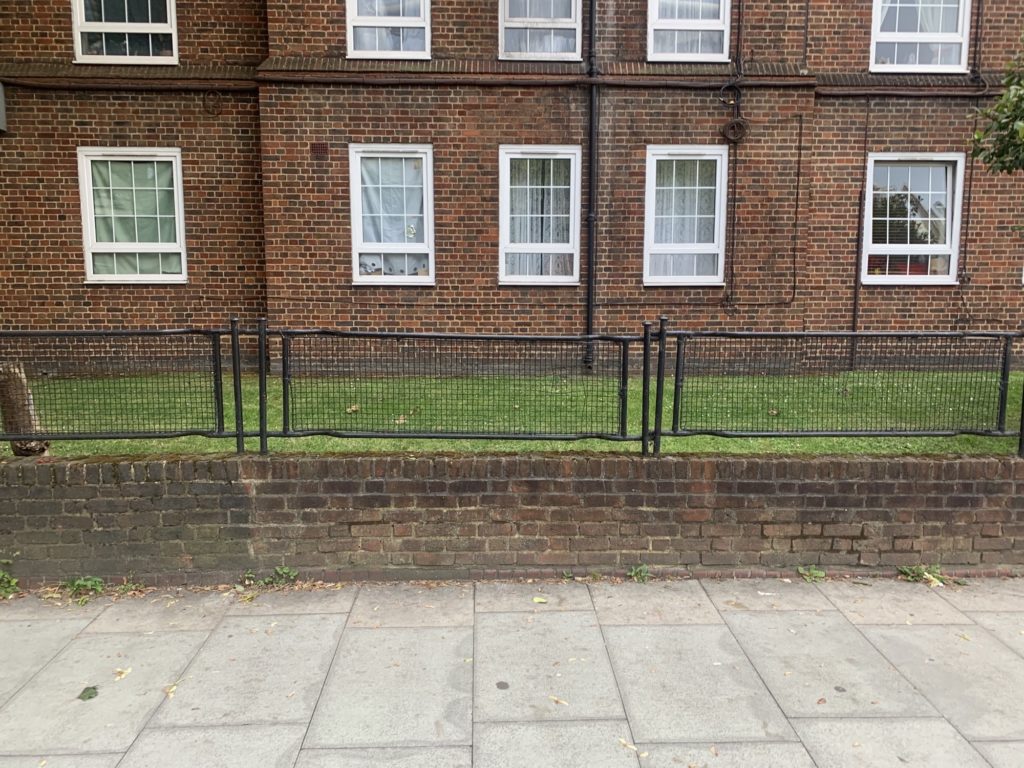
If you’re the observant or, in our case, intrusive sort you’ve probably noticed some unconventional appearing railings outside some estates in Greater Kennington. These didn’t start their life as estate railings, but rather as devices to save people’s lives. 
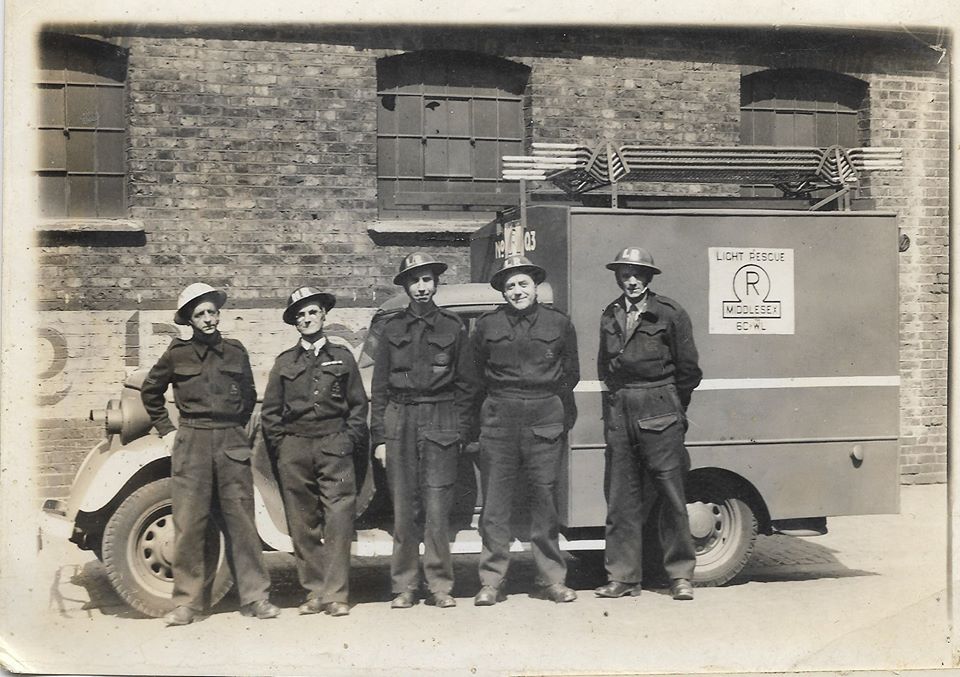
Our little railings atop an emergency vehicle

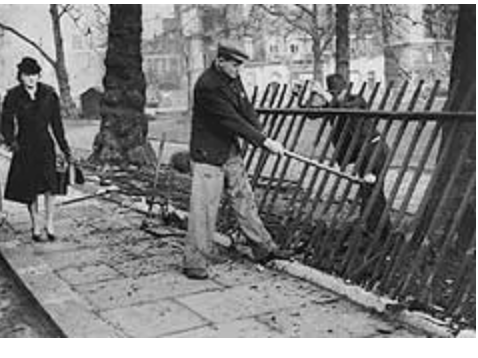
At the beginning of World War 2 London was stripped of many of its railings in order to be melted down for use as armaments. Whether they were actually used for this purpose or just an elaborate morale boosting PR stunt remains a point of debate. Ironically, the iron railings were removed at the same time as 600,000 iron stretchers were being mass produced in order to ferry away casualties from bombsites. Fortunately not nearly that many were ever needed or would be in future, so London had a whole lot of beds on her hands…. 

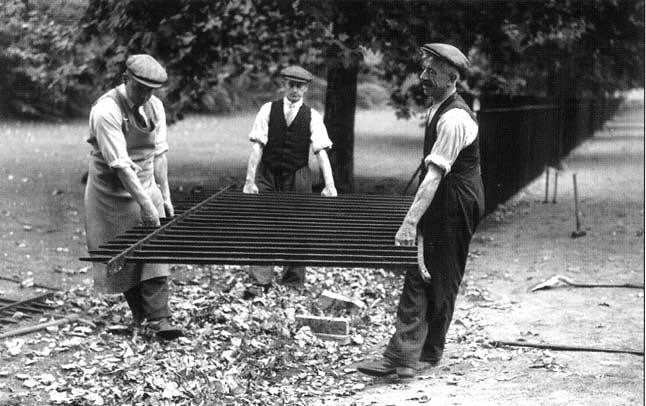
The WW2 stretchers produced during the war were cast iron and couldn’t be melted down into anything more practical afterwards, so in a rationed post war Britain someone devised the clever idea of sticking the stretchers on their sides, welding them together, and repurposing them for use as railings outside of public buildings. In this very early version of upcycling, they were reborn as fencing and exist in our estates to this day. Today our railings attract interest from around the world but sadly, like most of the staff here at the Runoff, are not being cared for properly and are in a sorry state of repair. 

Stretcher railings are a very unique part of London’s quirky street furniture and we are fortunate to possess the lion’s share right here in our anointed patch. So next time you get a pesky little idea about going to the West End for a bit of culture, just pop over to your nearest estate. There is even a stretcher railing society for those of you who have a fence fetish. But if you do join, we suggest that you keep that one to yourself. 

Harleyford Road, Vauxhall

Manor Place Baths

From the archives, the first edition of our month of best of history posts

From Baths to Boxing to Buddhism

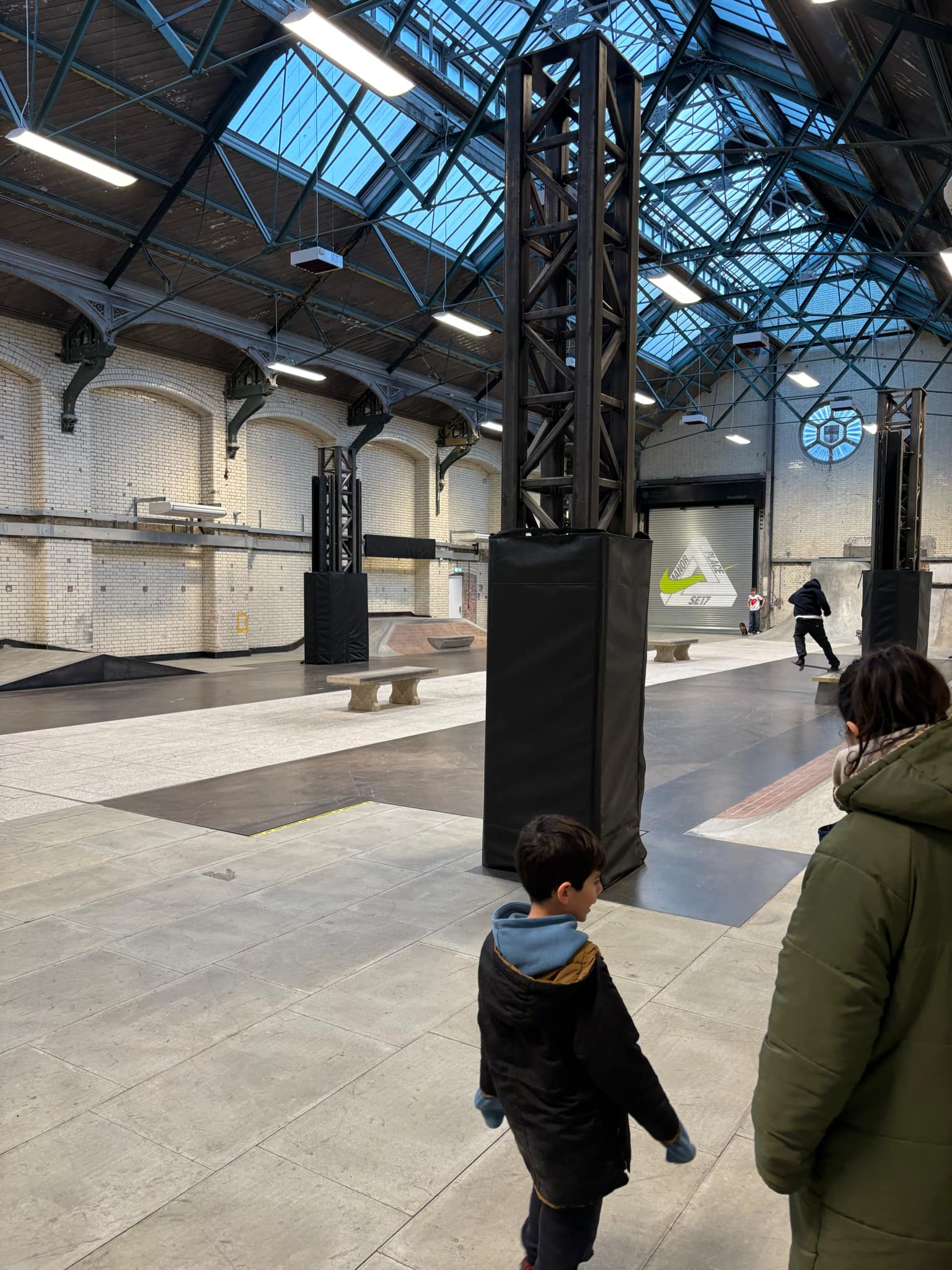
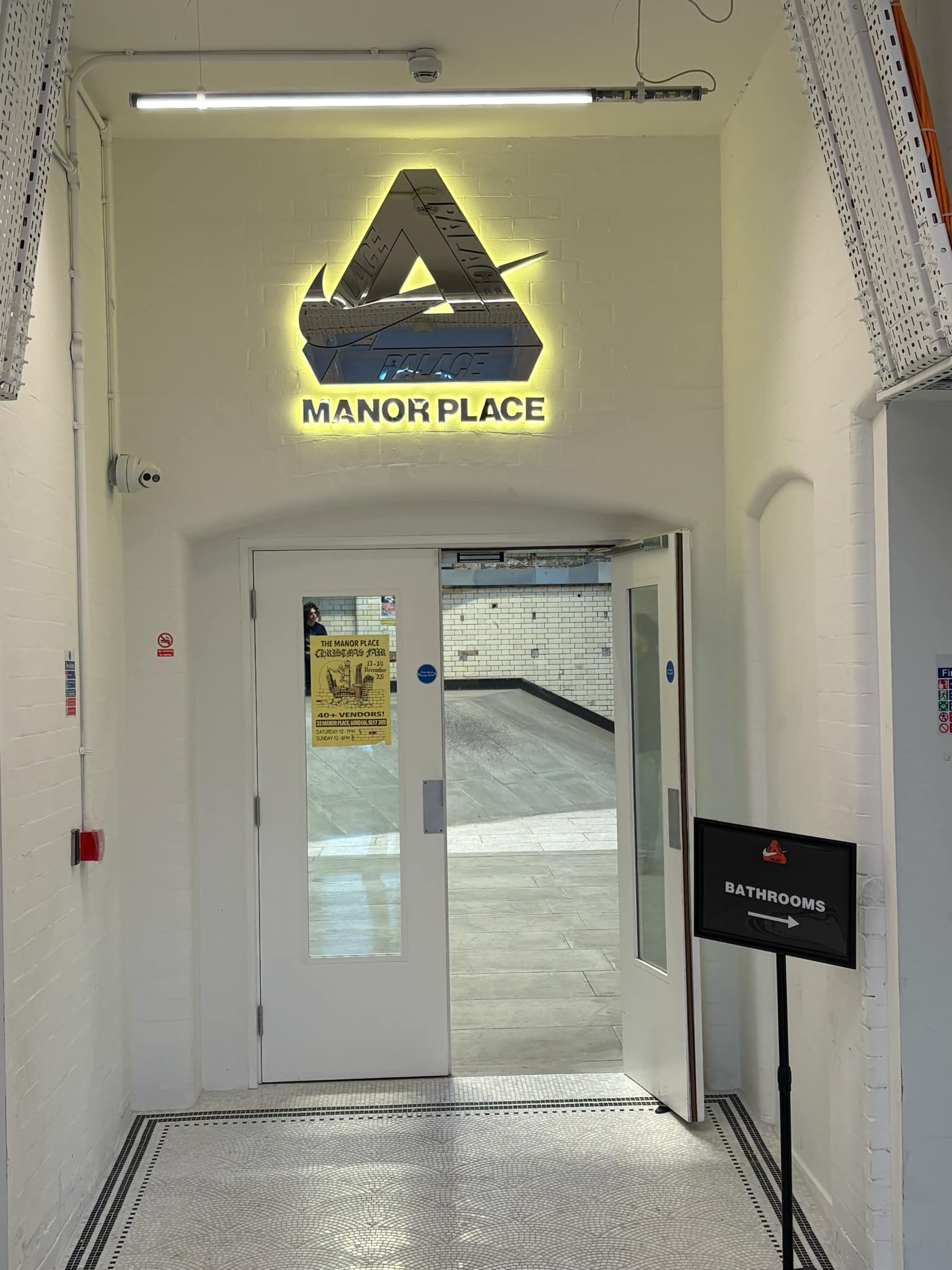
UPDATE JANUARY 2026 – Manor Place baths has just been reinvented as a free indoor skate park/mini football pitch with space for emerging artists to show their work. This is wonderful as we thought it would end up being unaffordable housing. It is, however, owned by a collab of Nike and fashion brand Palace. Which proves that you can’t always get what you want in this world.

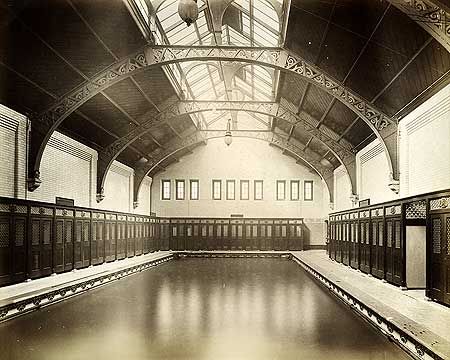
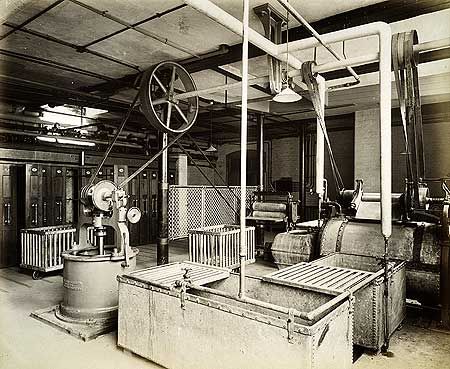
Victorians are well known for many things. We know they were sanctimonious and strived to make our minds pure, and the natural progression was to have clean bodies and clothes,  so for the health and hygiene of all the mortal bodies of Walworth, in 1895 work got underway to create Manor Place Baths. In addition to offering showers, it also had three swimming pools, private changing cubicles and large do it yourself laundry facilities. Think of it as kind of a Victorian water park.

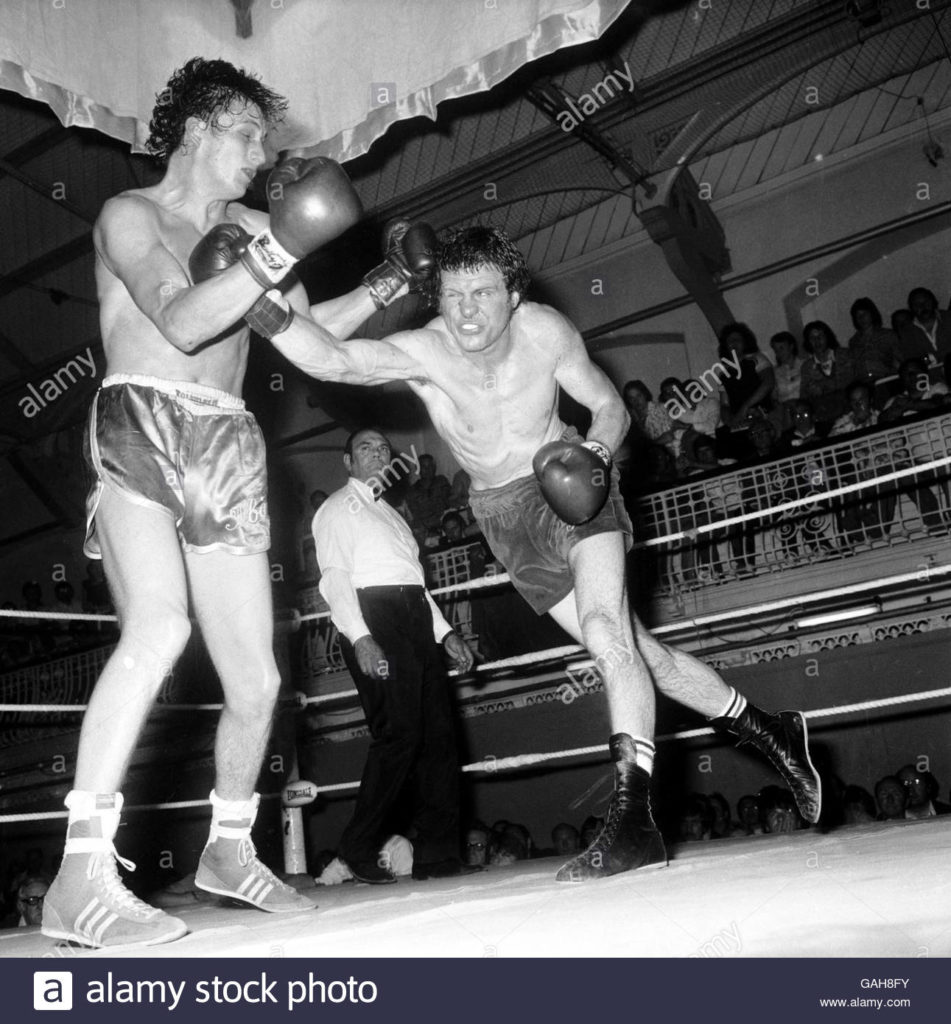
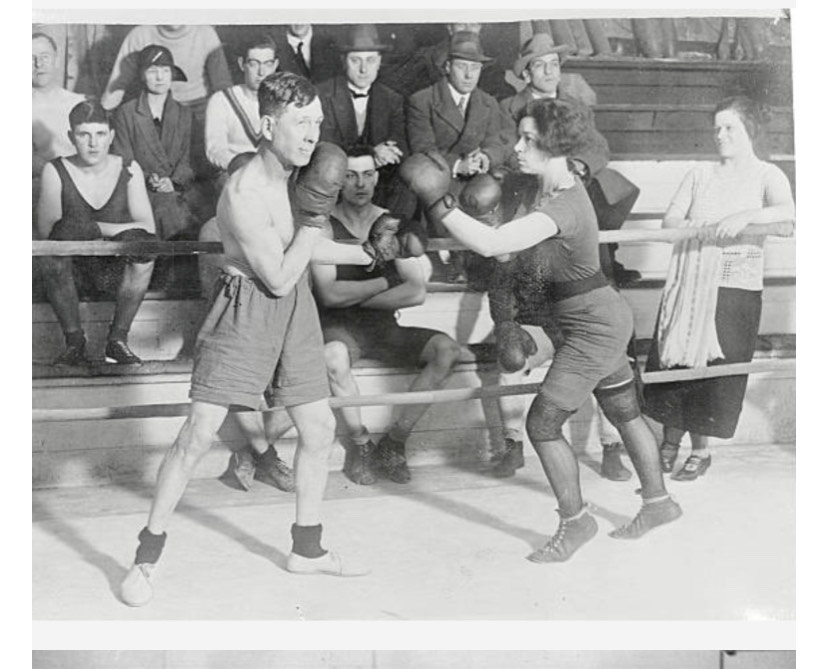
Over the years the Baths became more of a community centre and also a place for people to obtain a bit of privacy in an era where privacy was at a premium. Women could trade children’s clothes, men could catch up in the men’s pool, and even children could come along. As the pools weren’t heated and our Greater Kennington forebears didn’t fancy losing their toes to frostbite, the men’s and women’s pools were covered over with wooden flooring in the wintertime, which gave said forebears a brilliant idea……Use it in the winter as a boxing venue. 

Manor Place saw its first bout in 1908 and went on to host a roll-call of the famous and infamous, including the Kray twins. It became so well known that when the BBC began to broadcast boxing they chose our little Baths as their first venue. For more than 40 years, The Metropolitan Borough of Southwark’s Charity Boxing Committee organised the bouts, which saw the cream of the boxing world come to Walworth, giving locals the chance to see top-flight, professional boxing on their own doorstep

Fast forward to the 1970’s. By then the now sadly extinct Heygate Estate had been built and most people had their own bathrooms. Domestic labour saving washing machines were now commonplace and those who didn’t found that newly opened laundrettes would do quite nicely. The final nail in coffin of Manor Place came when the new Elephant and Castle Leisure Centre opened in 1972, which put into sharp focus just how deteriorated and outdated Manor Place had become.

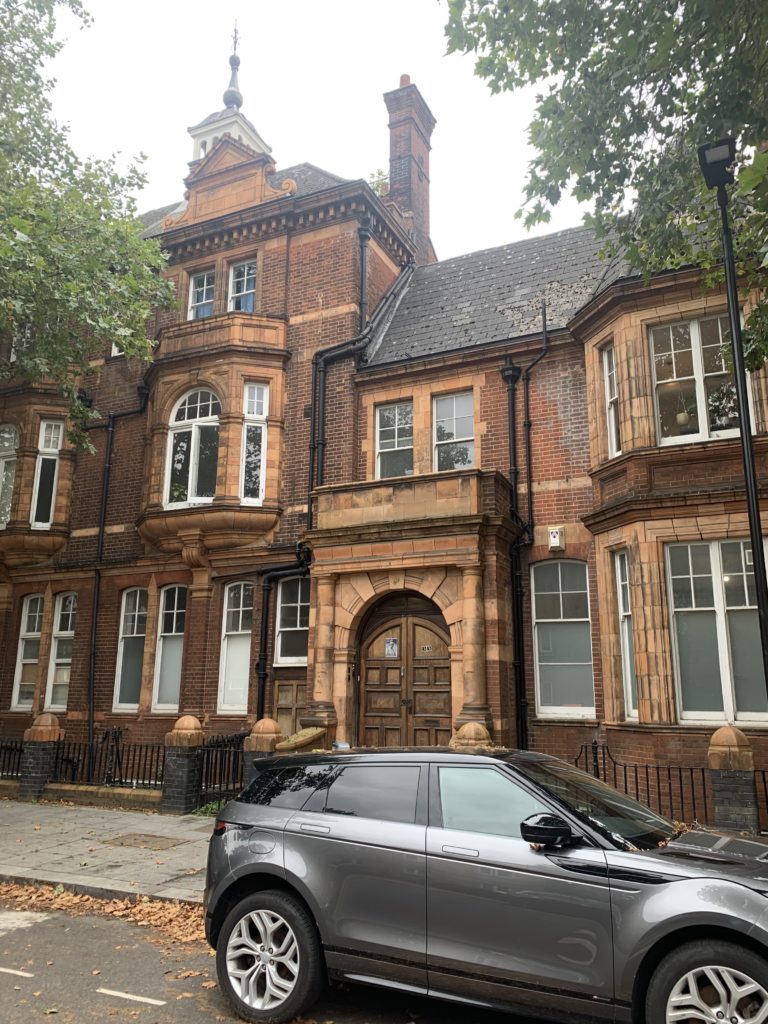
Later in life our Baths were used as offices for Southwark Council and later rented out by a Buddhist organisation for use as a meditation facility. It was purchased by Notting Hill Housing Trust in 2017 and it is currently being developed into market rate flats and ‘affordable’ housing. The reason this is taking so long is that the building is, thank baby Jesus, Grade II listed and Notting Hill have to be very careful as to how it is adapted. 

Pullens Yard Open Christmas 2025

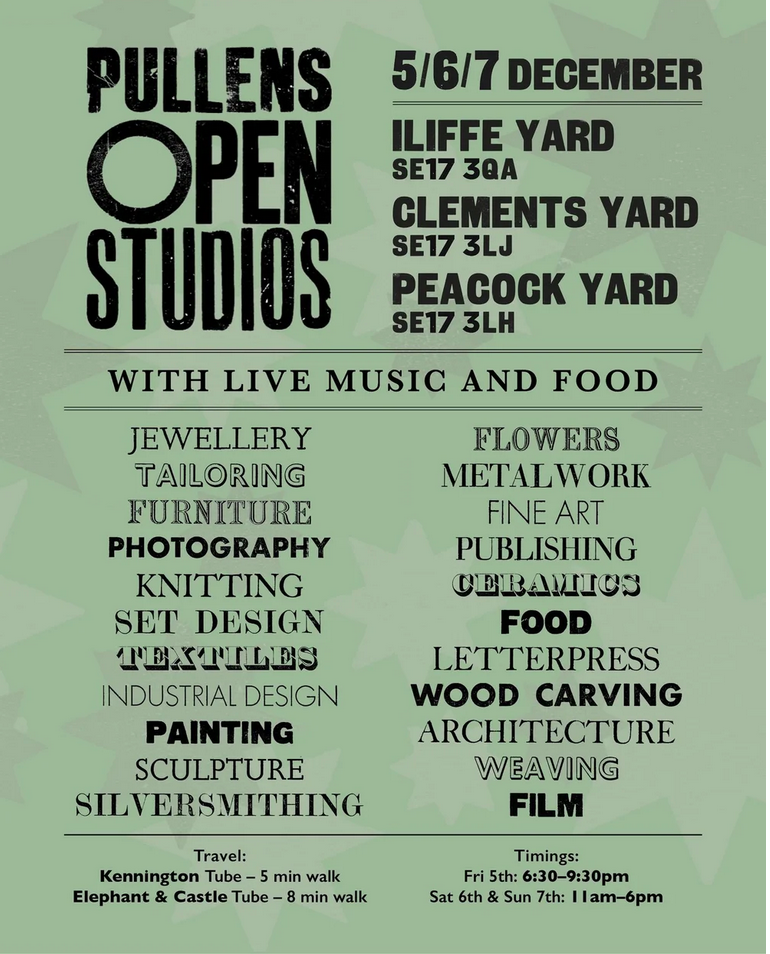
As frequent readers are all too aware, we here at the Observer love nothing more than anonymously sticking our noses where they don’t belong. So why not join the merry ranks of middle class white people and partake of our passion/dysfunction? We’re talkinng, of course, of the great Pullen’s Yard Christmas Open Studios weekend taking place on 5-7 December (that’s this weekend, folks) in Walworth.

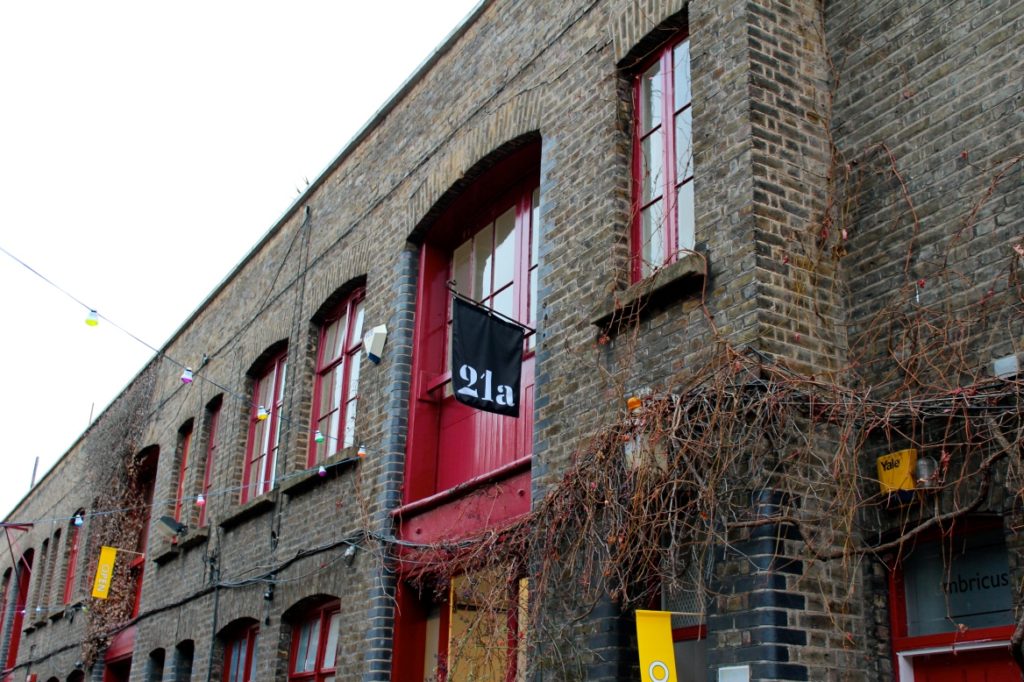
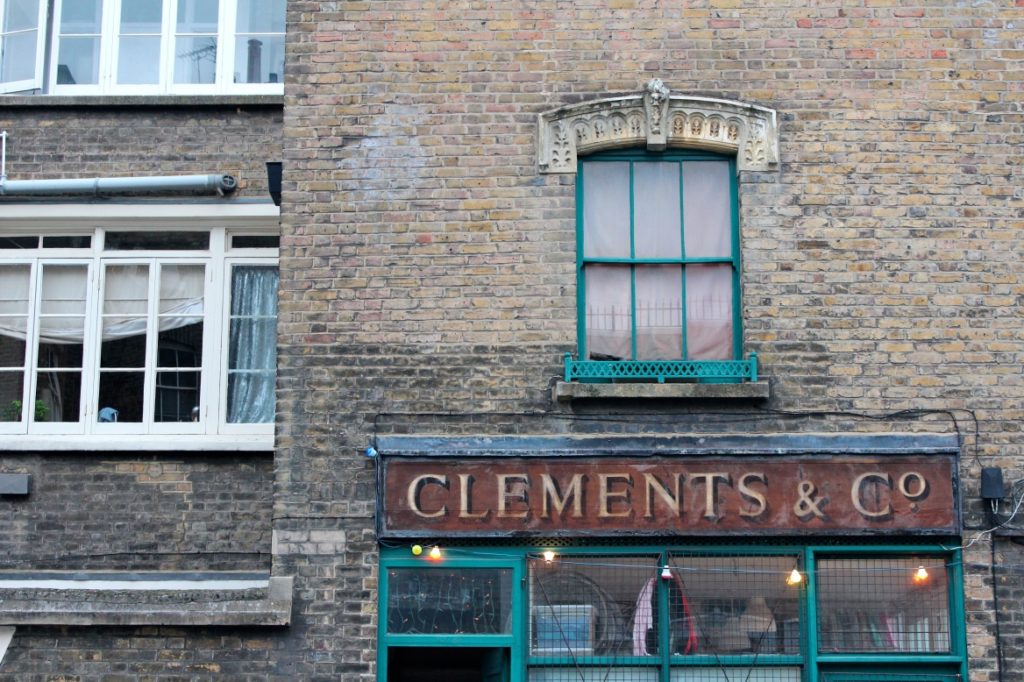
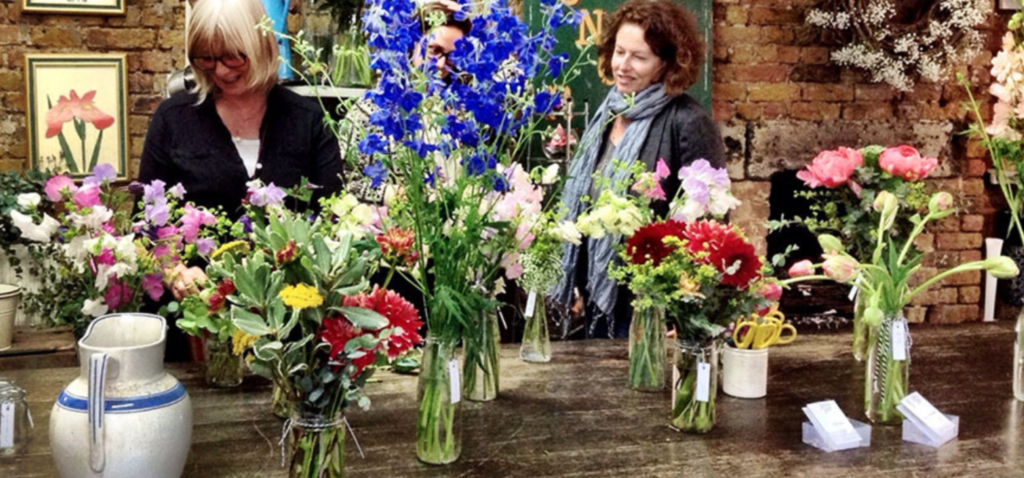
Pullens Yards (Clements, Peacock and the large Iliffe Yard) are an amazing collection of 1880’s workhouses which were originally designed for the people who lived in the nearby Pullens Estate. We wrote about the fascinating squatting history of the estate a few years ago. Instead of being converted into luxury flats, the Yards serve the same purpose as they did 140 years go, and the cabinet makers and blacksmiths have been replaced by potters, jewellery makers, card makers and folks who make things that smell nice or wrap up for a gift. We once bought moth balls disguised as little knitted mice. And as we know crystals are just rocks, but the stall holders might just convince you that they have the power to heal.

The studios at Pullens Yards are usually not open to the public, but twice a year they fling their doors open to give us a glimpse into their creative universe. The artists are more than happy to show you what and how they create, and of course you can buy what’s on show. And buying is by no means compulsory, as at the end the day these folks just want to show off how clever they are and it’s totally free. Have we mentioned how much we love free?

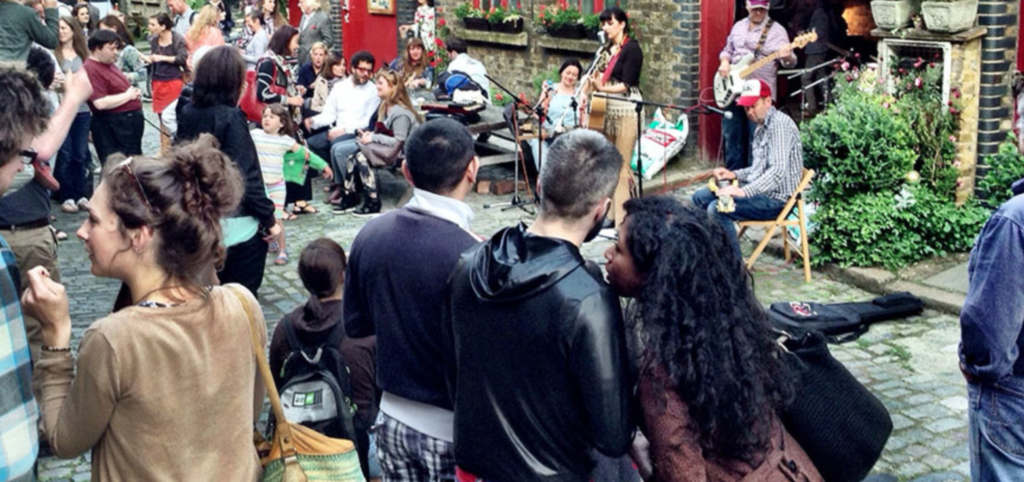
A visit to the Yards is a fun way to spend a morning or a late afternoon searching for quirky and unnecessary things. In the past we’ve encountered live music, food for sale, a bar provided by Orbit Brewery(!) and live music. A wet Friday night is a particularly evocative time. And who knows, you just might discover a previously unrealised desire to own a necklace made out of forks or a room deodoriser fashioned as a piece of cheese.

Pullen’s Open Studios is open Friday evening and in the daytime over the weekend. And if you’re hungry or want some tea, check out the great and very quirky Electric Elephant Café. And no, its not a charity shop. It just looks like one.

Guy Fawkes Never Lived in Lambeth

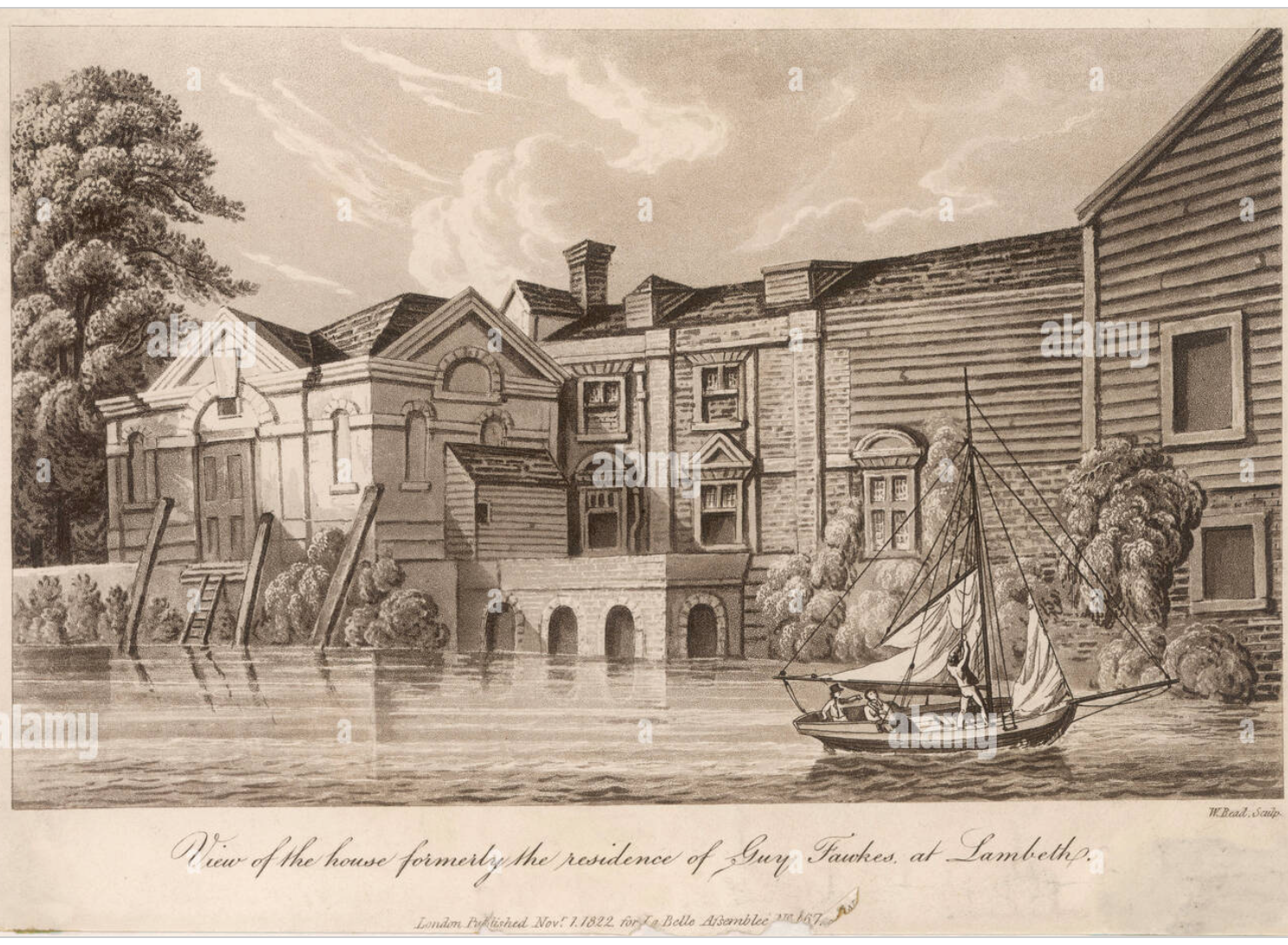
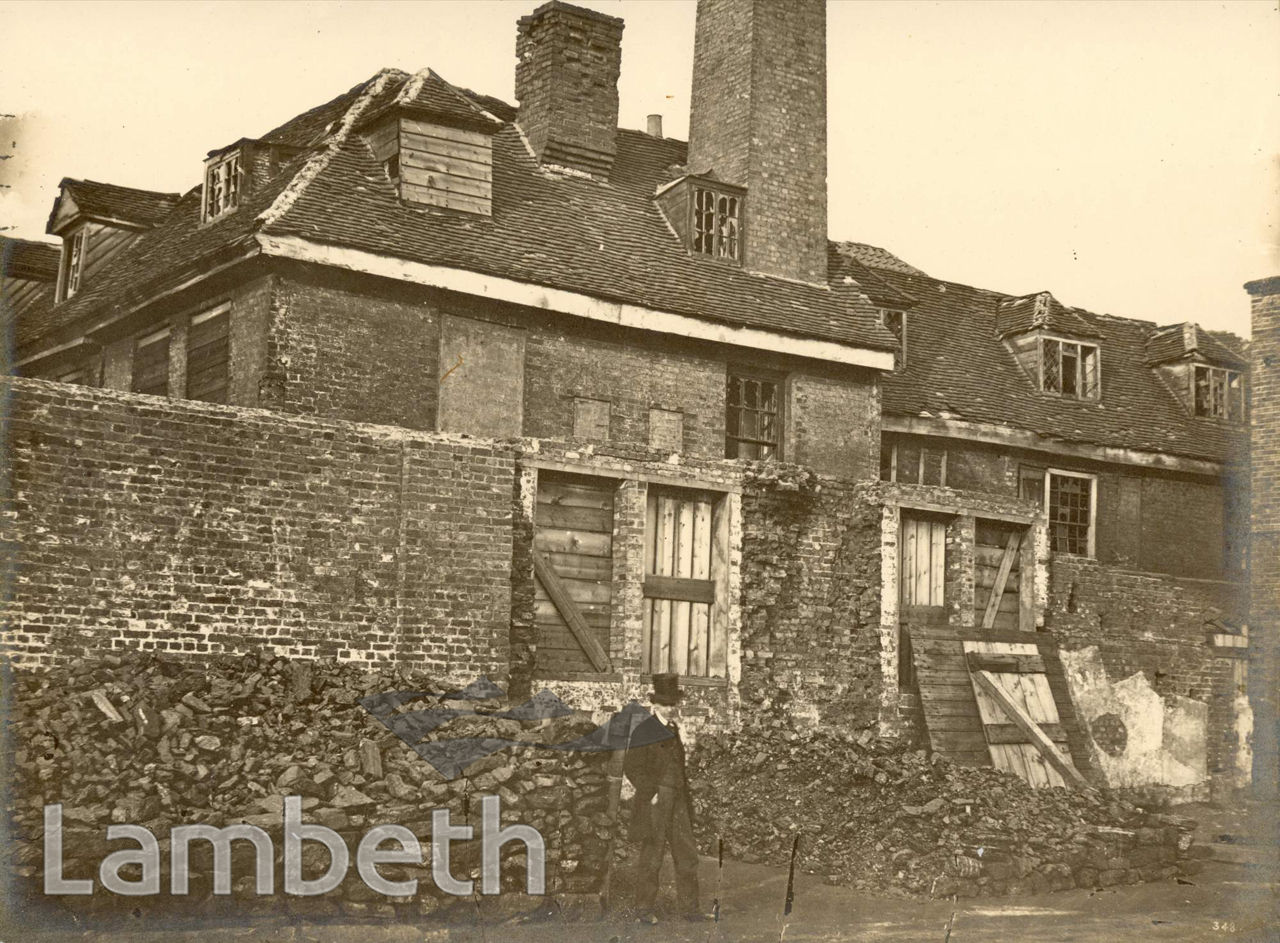
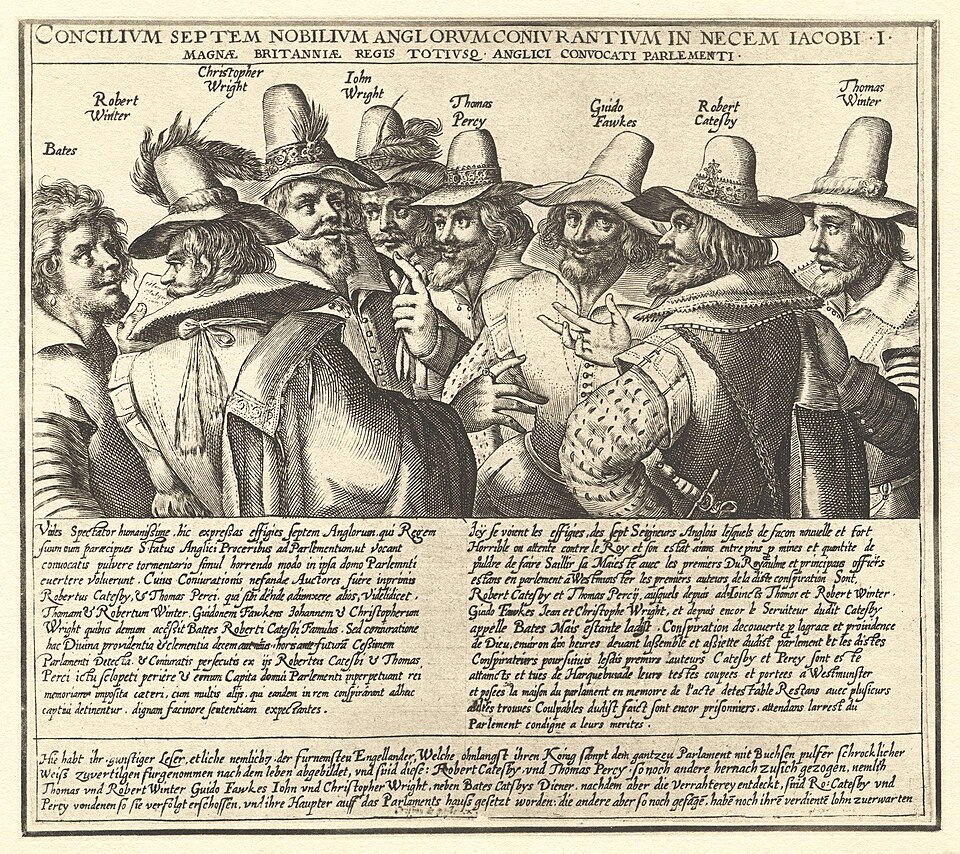
Normally, we here at the Observer love nothing more than a baseless rumour mill, but today we’re here to debunk one. For many years the house that was used to plan and execute the Gunpowder Plot was referred to as ‘Guy Fawkes Residence’. It was situated on the Thames Foreshore close to Lambeth Bridge and was leased by Fawkes accomplice Robert Catesby due to the property’s Zone 1 address and handy access to Parliament (homes with river views being a bit cheaper in the 17th century Vauxhall than today).

So what was our house in Upper Fore Street actually used for? It was a spacious and elegant family home, perfect for light entertaining or stashing gunpowder intended to blow up people. Said gunpowder was then transferred at night to a leased storage space beneath the House of Lords. As most of the conspirators lived in the north, the house was used for meetings and perhaps lodging. And were imagining a kind of ‘Netflix and chill meets mancave’ crash pad scenario for the doomed men. And while Fawkes was known to frequent the ‘gaff, he never lived there.

In the end poor Fawkes and three of his co-conspirators, including Catesby, were hung, drawn and quartered for their espionage, and that got us in the office thinking. Once you’ve been hung you’re pretty much dead anyway, so wouldn’t then having your genitalia chopped off (drawing) and then chopping up your body (quartering) seem a bit, well, unnecessary? And one can only imagine what the clean up afterwards was like.

So yes, we can claim a bit of the Gunpowder Plot as our own but sad, dismembered Fawkes never lived there.

The Observer Gets Sporty

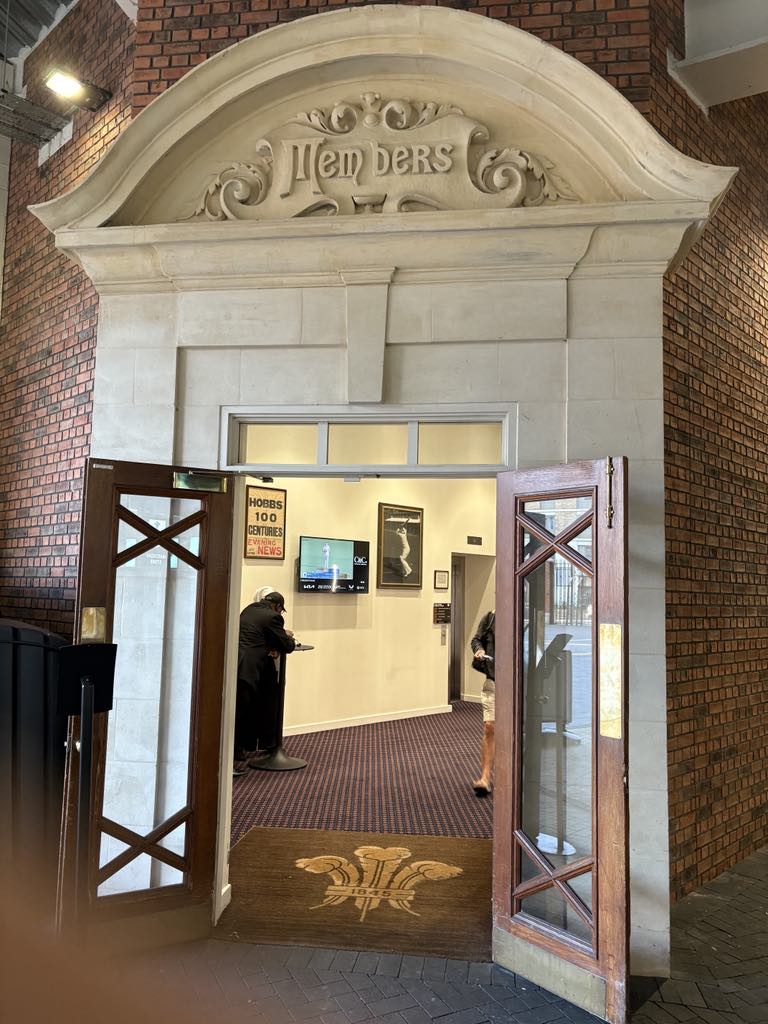
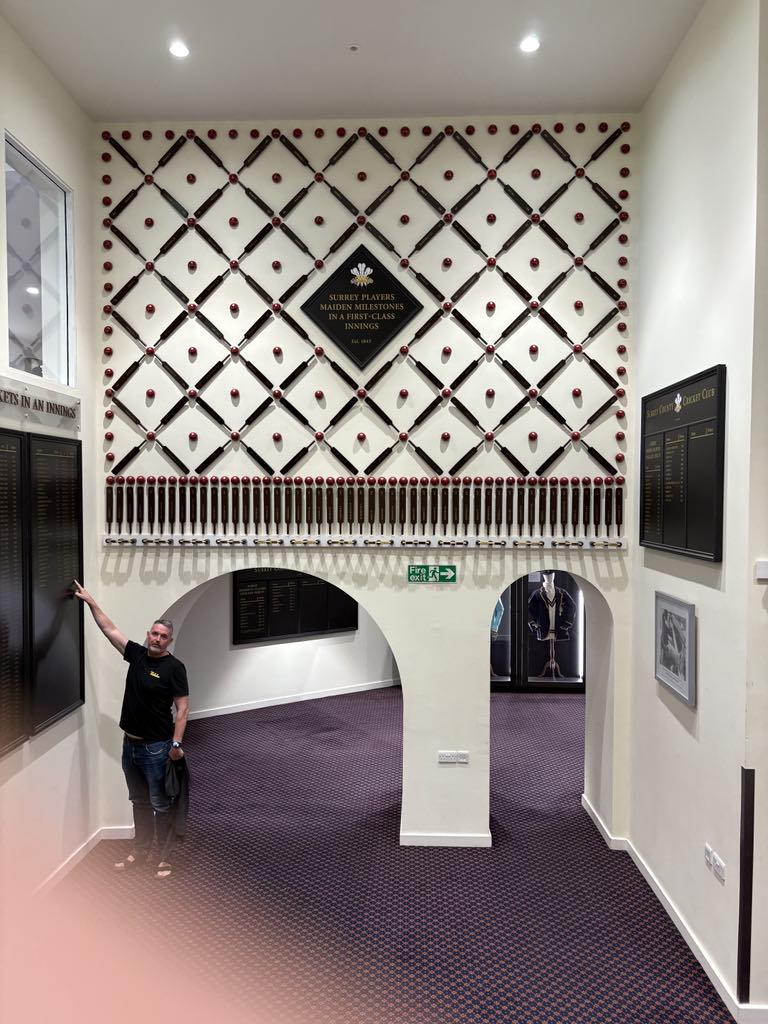
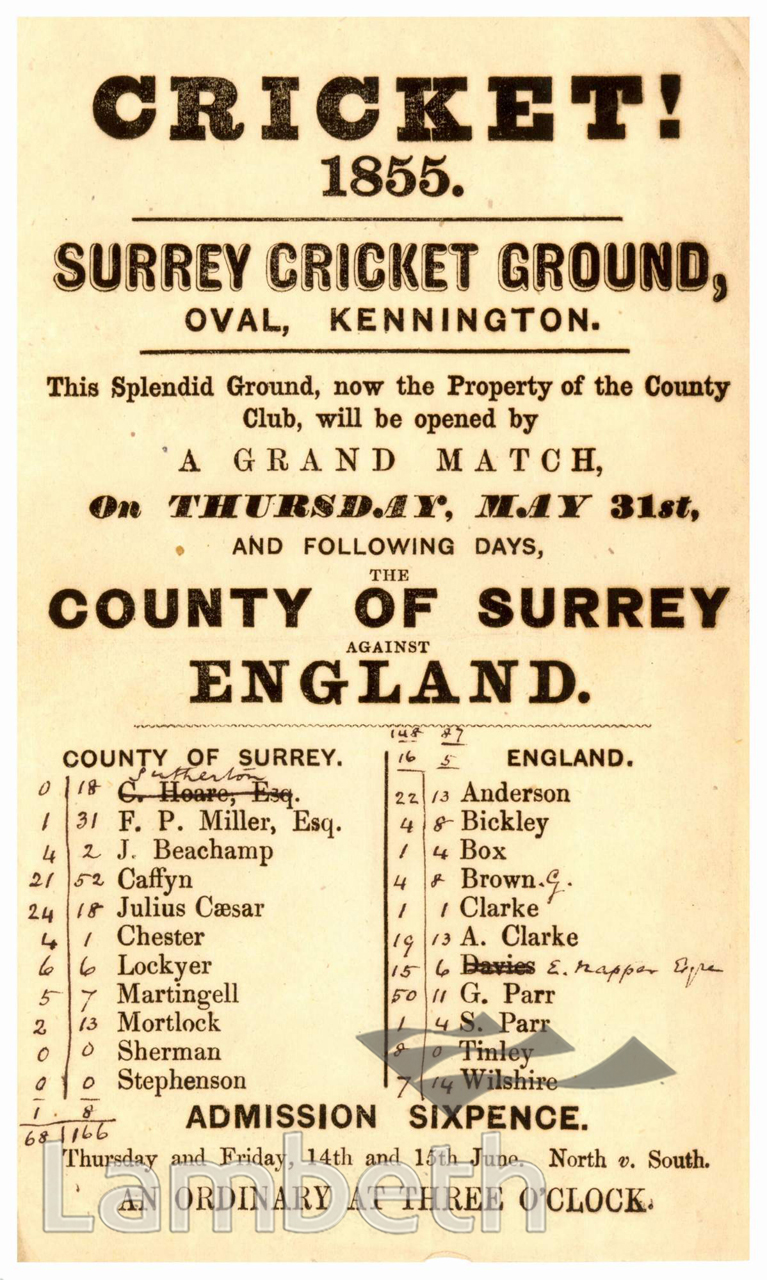
We recently scored members seats for the Oval Pavilion to catch a cricket match. These were procured through our Sport correspondent Mark. As you can imagine, in our office Mark has a great deal of time on his hands and in fact we forgot he existed.  He was therefore more than happy to give us a tour of the Pavilion and the artifacts it contains. Tours are also available to the general public.

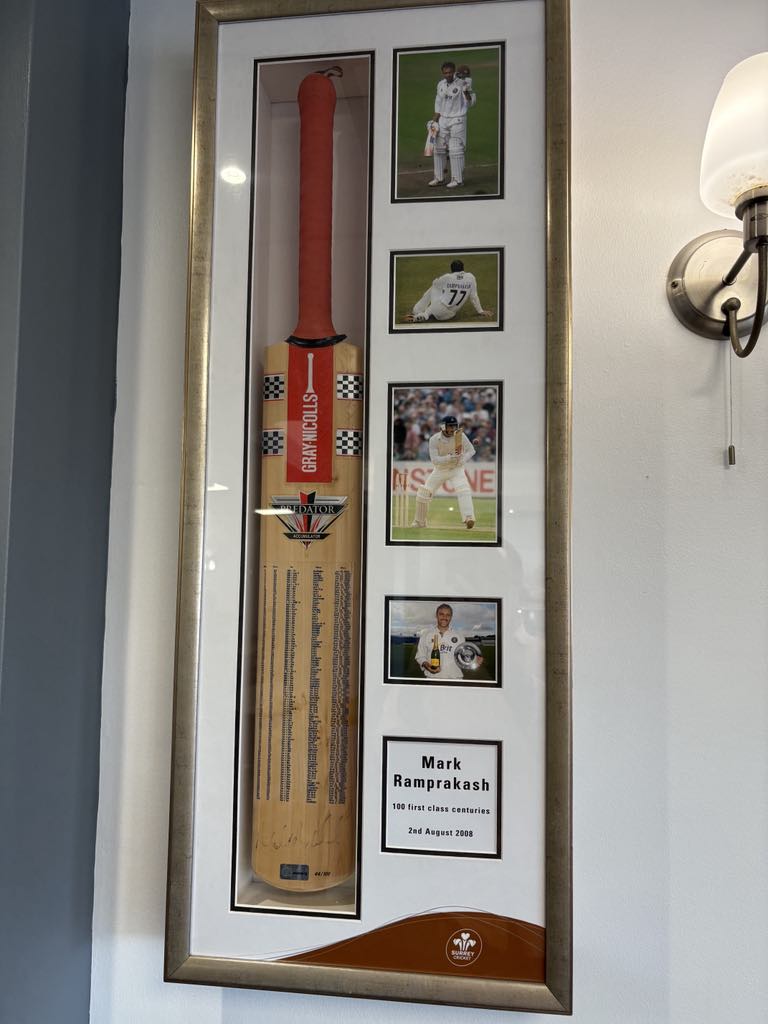
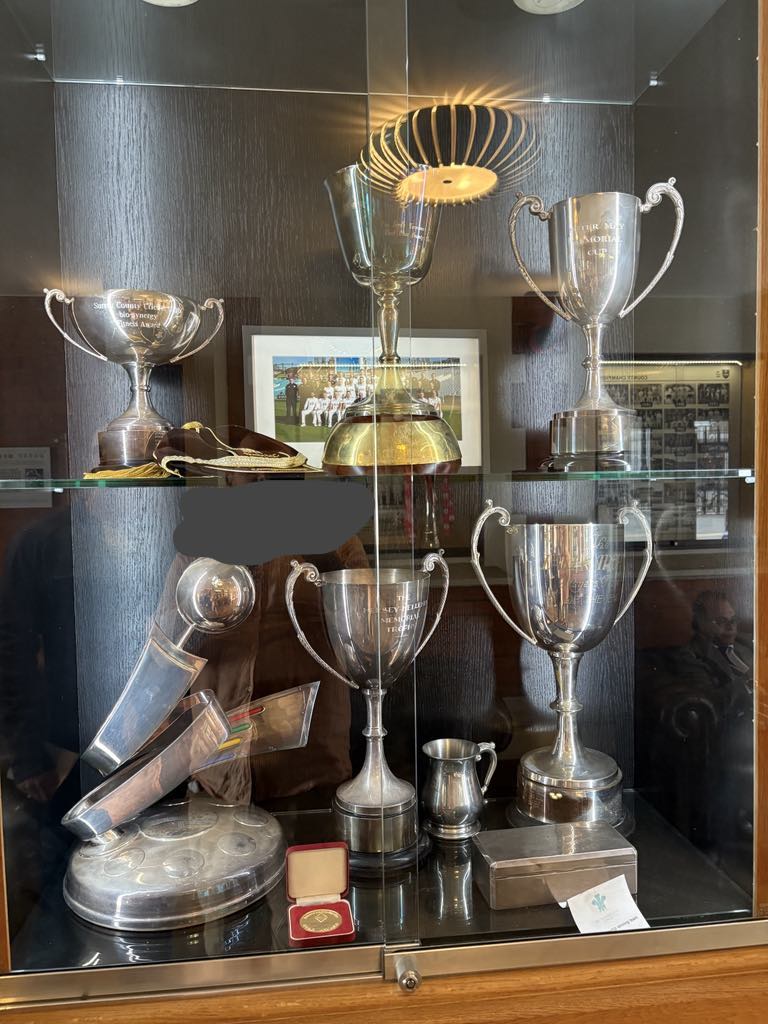
The Pavilion acts a fascinating backdrop to the sport and we learned about the cricket prowess of legends such as Len Hutton, Graham Gooch and Stuart Broad. To be honest we’ve never heard of these people but their dedication to the sport appears to be remarkable and their achievements abound. Also abundant are trophies, jackets, bats and balls from varying generations. If you want to know more about how the Oval was the world’s first for profit sporting venue, we wrote about it a few weeks ago. Mark can be seen below pointing at a black void.

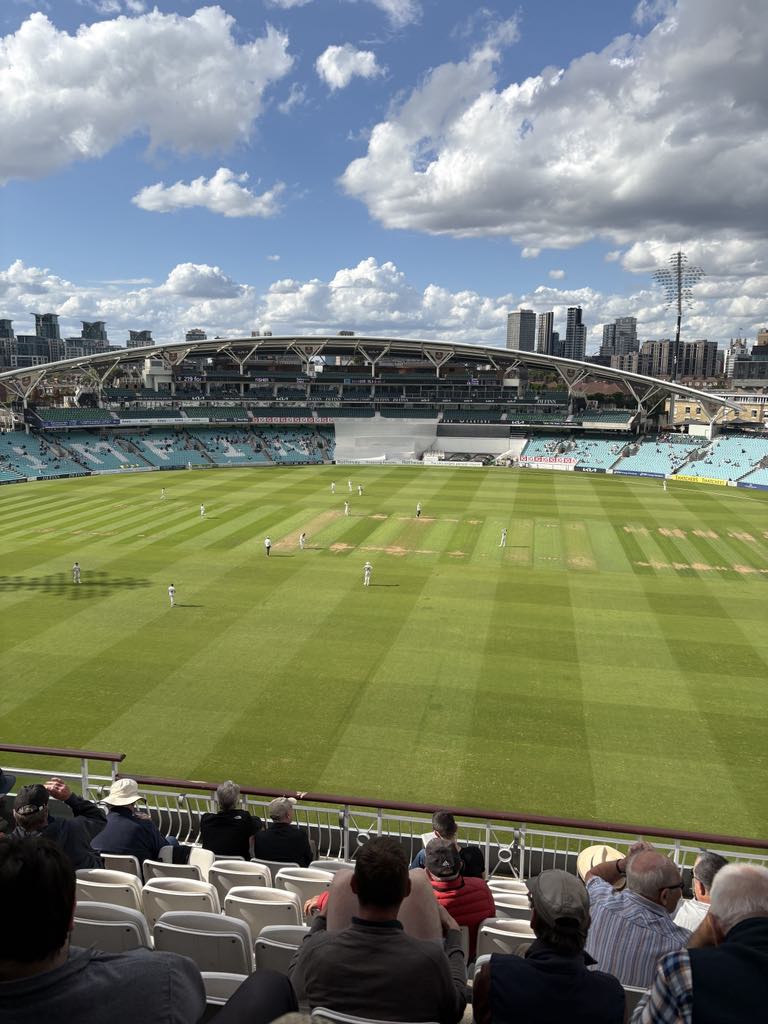
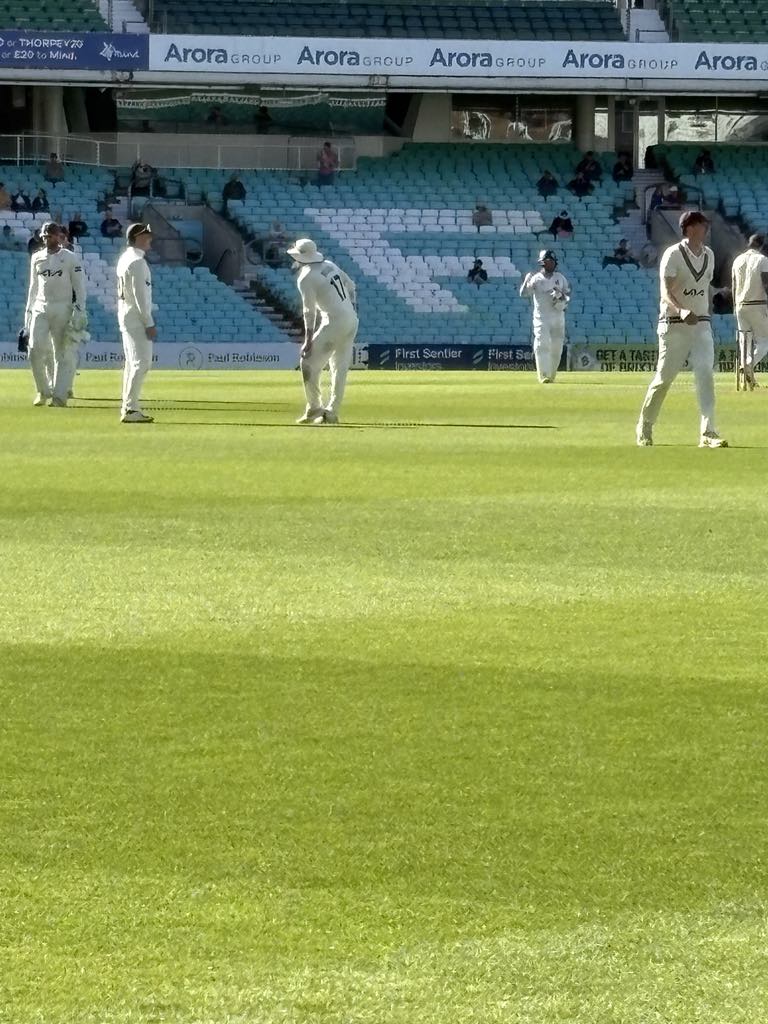
As part of our day with Mark we actually saw a match and were able to walk onto the pitch. Seated amongst a dizzyingly diverse array of geriatric white men reading actual newspapers, it was quite a revelation to learn that cricket is one of the few sports that you appreciate whilst reading, talking, or indeed even sleeping. Mark exhibited immaculate decorum when we asked such probing questions as ‘how do they get the grass stains out’ and ‘why can’t they just wear shorts’? The view from the Pavilion to the Vauxhall riviera was worth the ticket price itself.

Match play doesn’t start again until April of next year, so seeing the men in white ply their trade is one for your sparkly diary. Tickets for many matches are just £15 and its great fun. It isn’t it so fun if it is your round at the bar as three drinks set us back £28, Luckily if it’s a county fixture you can bring in your own booze. On match days there are also an impressive number of food outlets, from venison burgers to curry.

A tour of the Pavilion and grounds is a great way to know more about the sport and how it shaped Greater Kennington, and how Greater Kennington in turn shaped the Oval. Tours of the Pavilion and grounds take place at 10:30am daily. While you might not witness the unbridled fascination of seeing a man reading the Telegraph whilst asleep, you’ll learn a lot more about the national sport and the other sports that were once played there.  

Free Culture in Greater Kennington 3 – Open House London 2025

It’s that time of year again and one of our favourite activities here at the Observer….sticking our noses where they don’t belong! From 13 September to 21 September ii’s the Open House London Festival, celebrating London’s housing, architecture and neighbourhoods by flinging open doors and streets not usually open to the public. We have a few suggestion for you and they are all FREE, and we love free. Well, the last two aren’t free.

Most Open House venues have friendly staff on hand to tell you more about what you’re seeing and there are often things to read. If you look on the website you’ll see some local bookable things, but we’re afraid you’ve mostly missed the boat on those babies. The localish venues listed below are open to the public on specific dates, so look at opening times. However, if you possess the audacious gaul to travel out of Greater Kennington you might find there are hundreds more free things to stick your head into around the capital. But we couldn’t possibly encourage that kind of behaviour.

London Fire Brigade Memorial Hall (perhaps your last chance to see it before it is turned into, you guessed it, flats and a luxury hotel).

https://programme.openhouse.org.uk/listings/11781

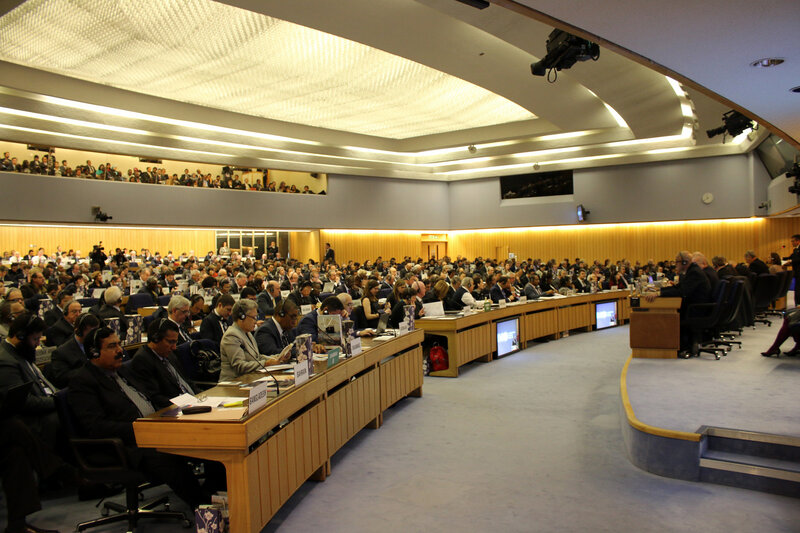
International Maritime Organisation (that bizarre looking building on Albert Embankment. pictured below)

https://programme.openhouse.org.uk/listings/7730

Anderson WW2 Bomb Shelter (for the fetishists among you).

https://programme.openhouse.org.uk/listings/10010

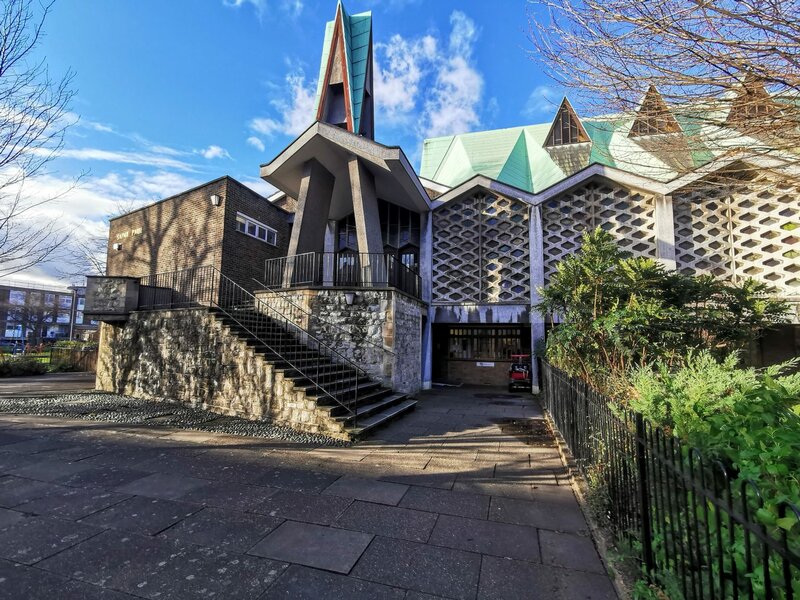
St. Paul’s Newington  (Been and recommend. 1950’s beaut)

https://programme.openhouse.org.uk/listings/2556

Walworth Garden (been and recommend, even if it is like a stroll through a garden centre)

https://programme.openhouse.org.uk/listings/10950

Soane Re-imagined – St. Peter’s Church

https://programme.openhouse.org.uk/listings/13342

Southwark Heritage Centre and Walworth Library (been and recommend. Yes, it’s a trip to the library but with a museum stuck in it)

https://programme.openhouse.org.uk/listings/9722

Van Gogh House London (Been and recommend. Its more about restoration than the great man so don’t expect any paintings or a severed ear).

https://programme.openhouse.org.uk/listings/8317

Lots of other interesting things that are less than free such as an Elephant and Castle Walking Tour

https://open-city.org.uk/events/elephant-48

And Nine Elms Walking Tour (fun but also not free)

https://open-city.org.uk/events/elms-29

The Bygone Era of Greater Kennington

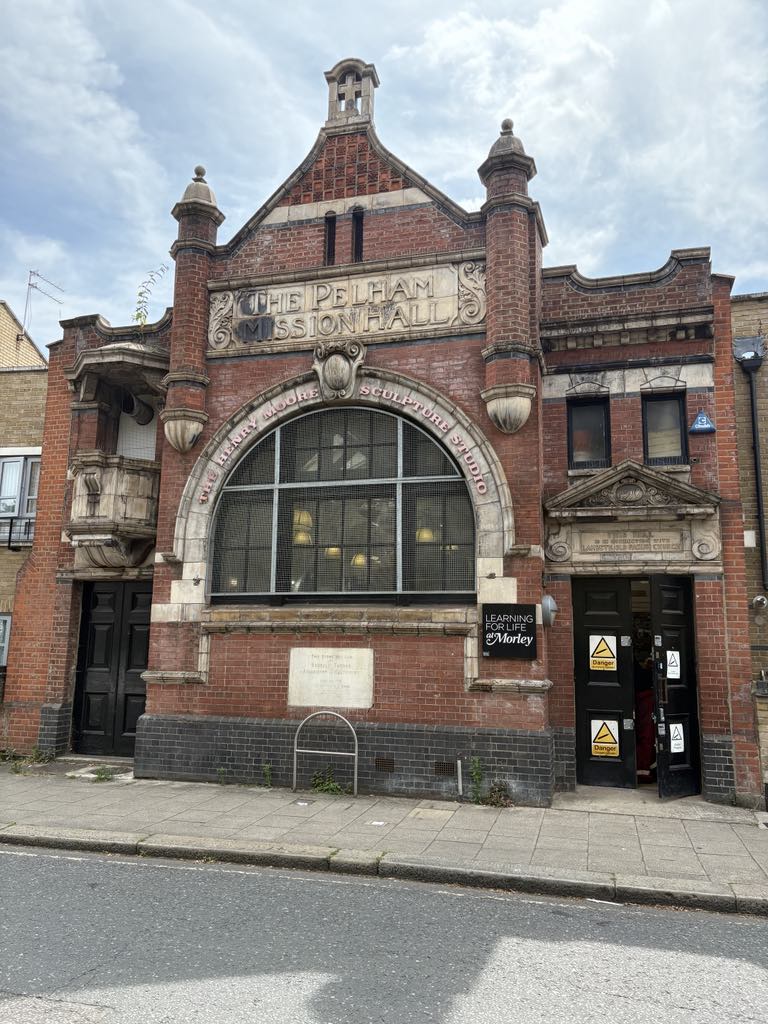
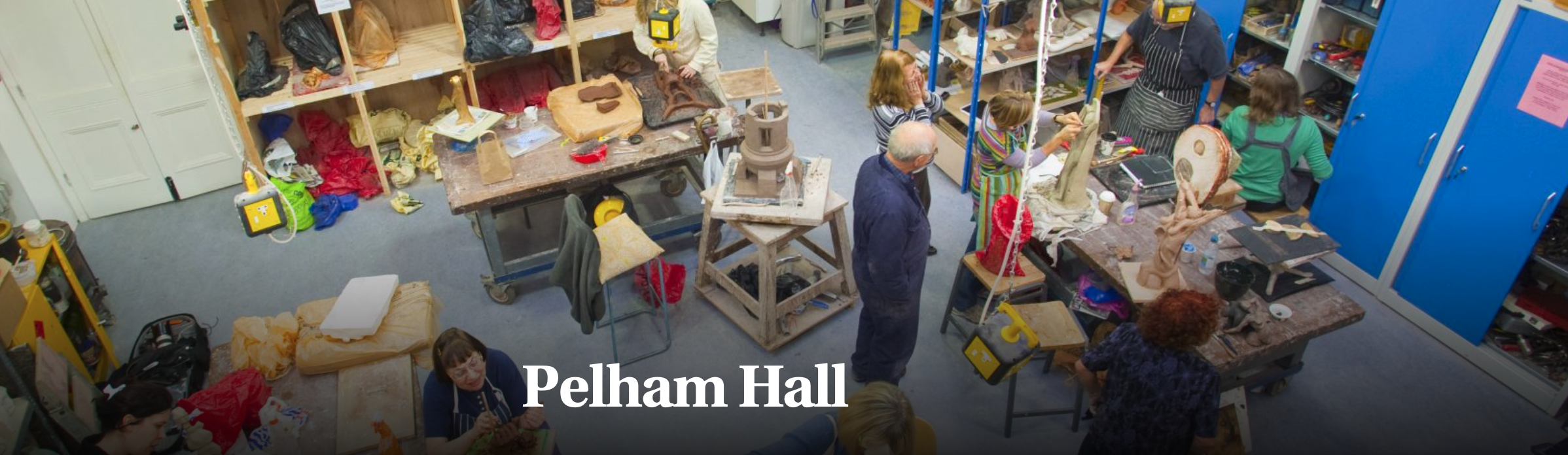
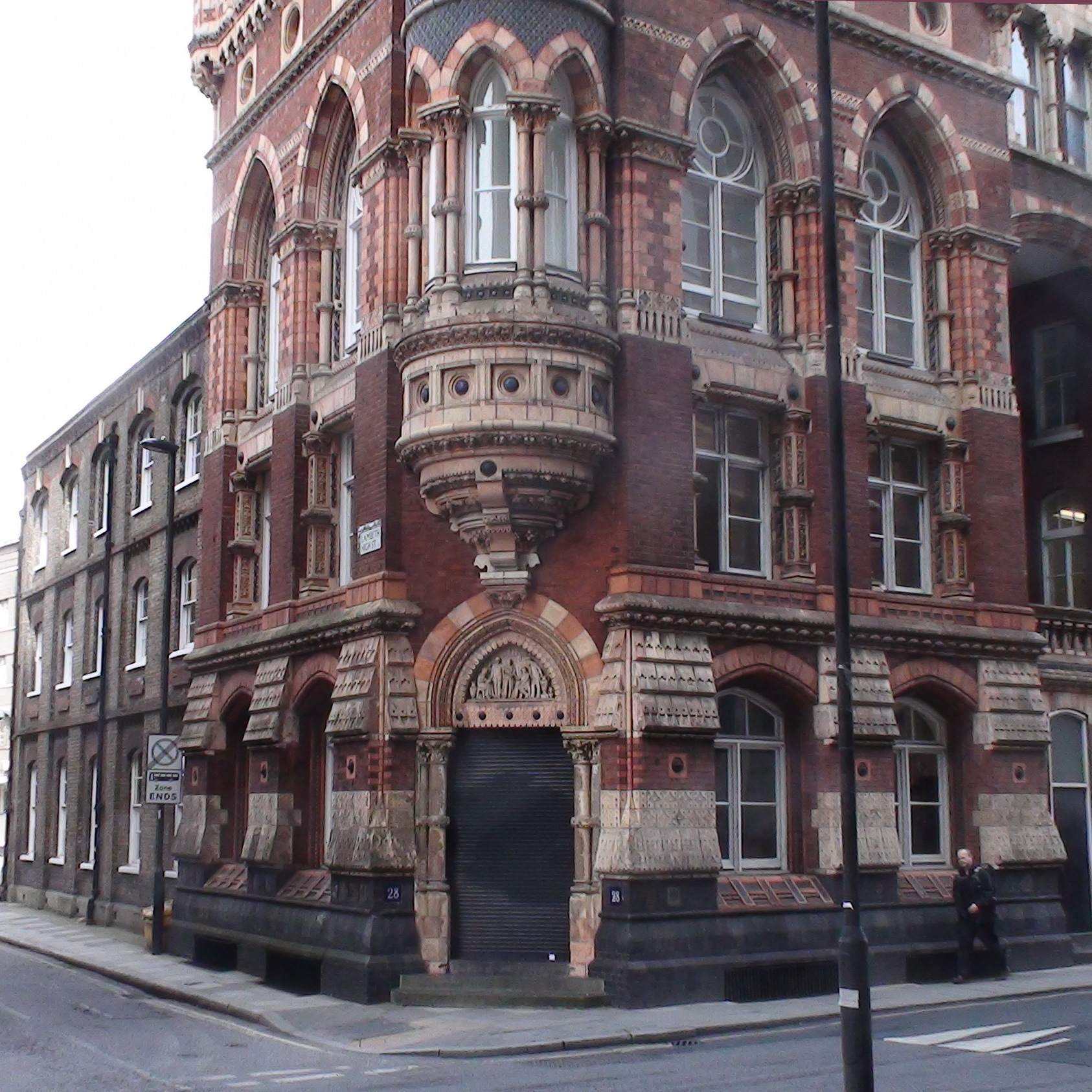
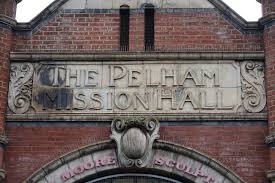
Some parts of Greater Kennington have survived for centuries, some were lost as a result of enemy action, and other parts bulldozed as a result of short term thinking and poor planning. Others are lost in plain sight as not many people know about them. Have you ever noticed the former Pelham Mission Hall in Lambeth Walk?

The quite striking Mission Hall was built on 1910 to a design by local architects Waring and Nicholson, who possibly collaborated on the stunning Doulton Pottery building (below) in Black Prince Road. It replaced something called a “beerhouse” of which little is known. The Hall was in fact a church, complete with an outdoor pulpit. One can imagine that it’s no coincidence that a church should supplant a beerhouse, and perhaps the Rector used his bully pulpit to warn the marketgoers in Lambeth Walk about the evils of drink and its associated lascivious behaviours.

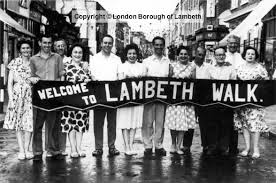
The Mission Hall is one of those rare survivors of the bygone era of a Cockney Kennington tinged with deprivation and struggle. When the Hall was built Lambeth Walk had over 100 market stalls run by street sellers, or costermongers, who would hawk their wares in a melodic street patter which can still be heard in East Street market in Walworth. If you want to know more about the history or Lambeth Walk itself, check out our post from 2021.

Like the pawn shops and fruit sellers which once dominated Lambeth Walk to ease the hardship of people, there is no longer the need for a rector to be spouting the value of pious living for eternal salvation. Today the Hall has stopped  saving souls but is a home to creating sculpture. The Henry Moore Sculpture Studio exists as a creative place for sculpture courses and a space for creating lovely things. They offer a range of courses in all aspects of sculpture which are not free, and periodic lectures which are. Check out their website for information about both.

Community Space, a Fine Place to Get the Job Done

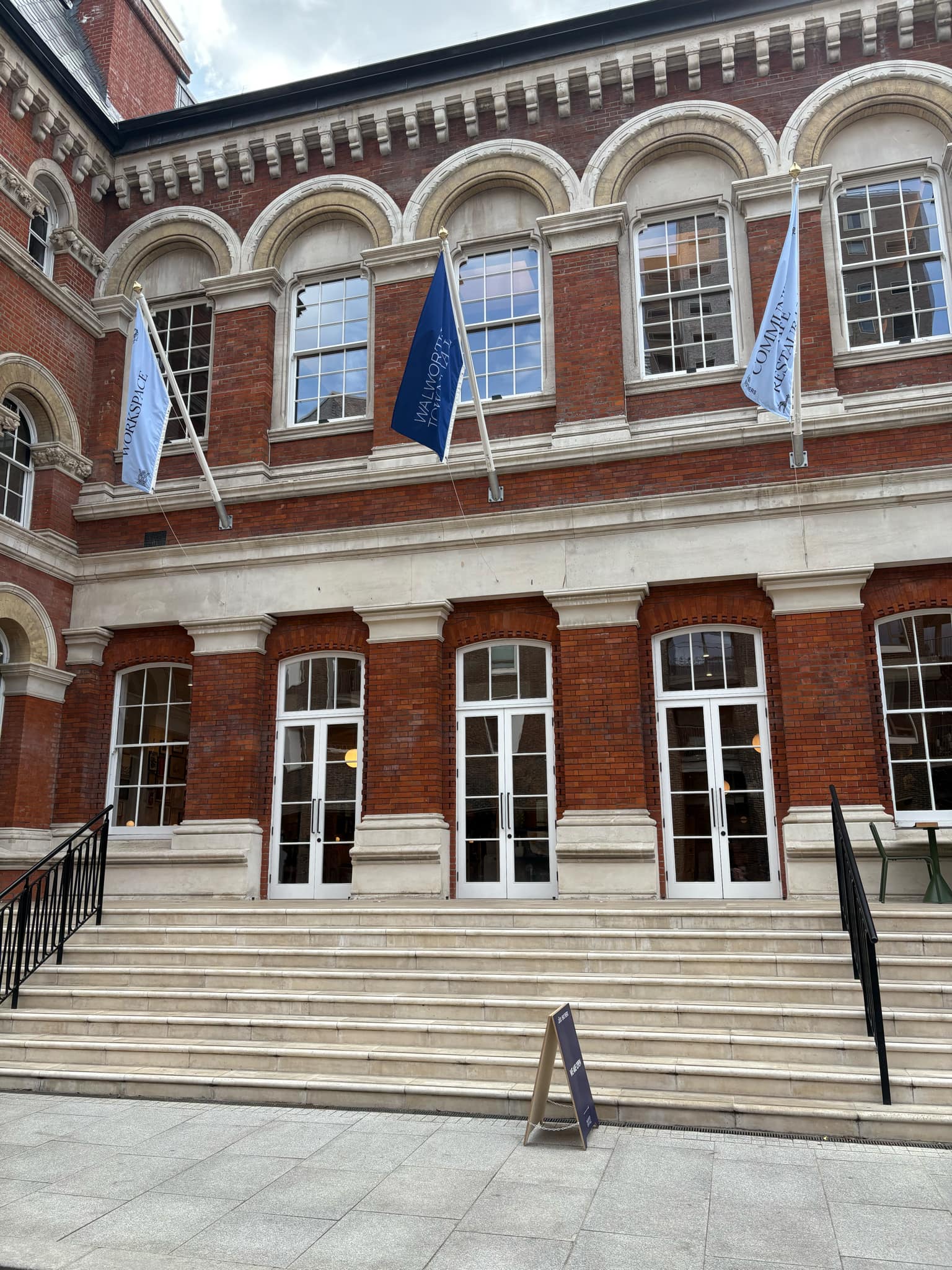
  • You might recall that Walworth Town Hall sadly burned down several years ago and has had hoarding over it for aeons. Well, like a Phoenix or anything else that comes out of ashes it’s been reborn as Community Space, with rooms for hire for community and charity groups. As we at the Observer have no morals when it comes to free WiFi, and we just checked out their very swishy café which is to be used by mere mortals like us. 

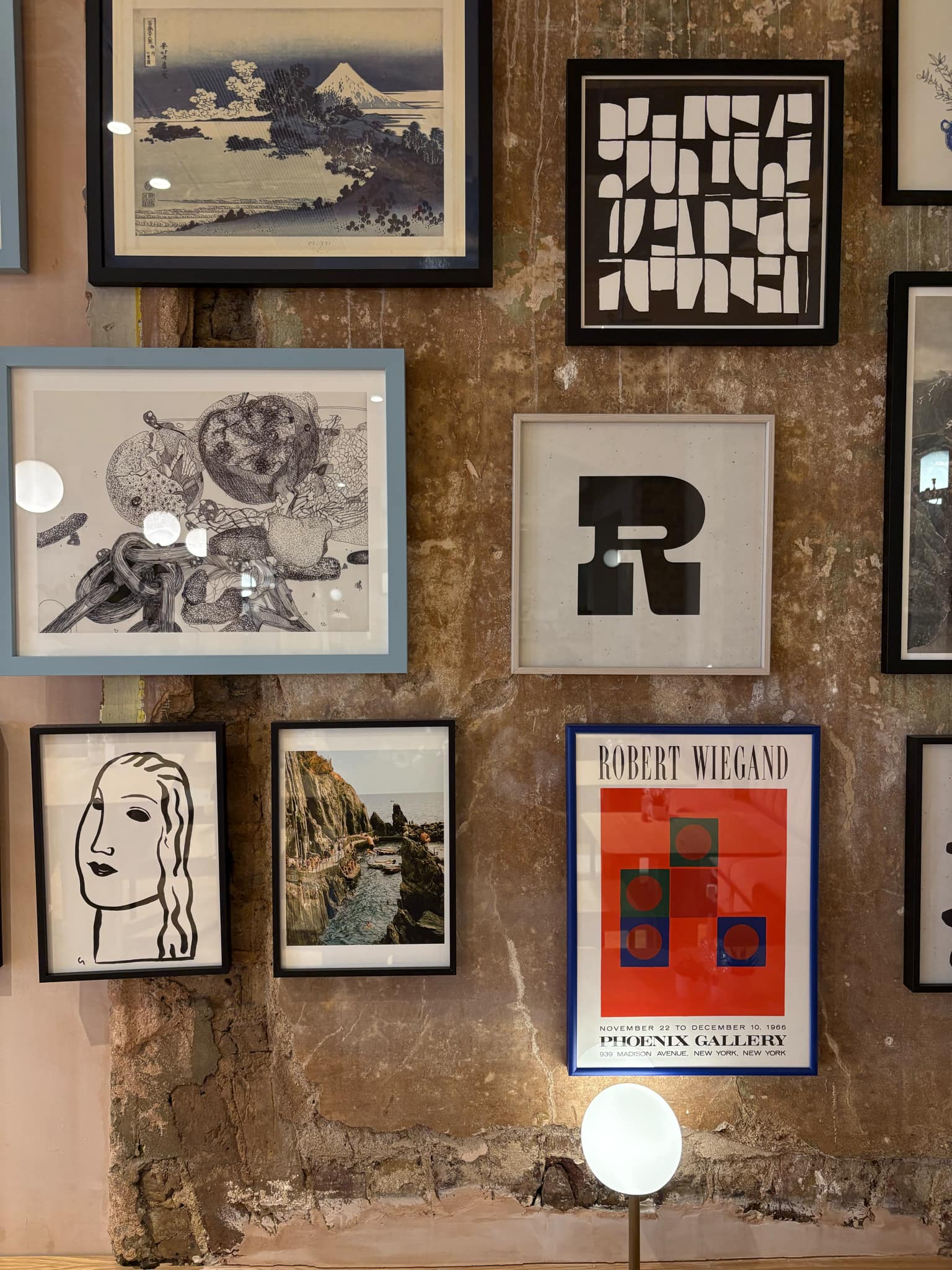
The café look looks less like a coffee joint and more like a private members club. Mind you, we’re just speculating here as our experience of private members club extends only to  Subway’s ‘Sub Club’. This part of Walworth Town Hall was purchased by Community Space in order to provide flexible office areas upstairs, aimed at non profits. We have a feeling that a condition of purchase was that they had to provide services to the community, and they offer a number of free classes, such as yoga.  

In the Café we had an extremely overpriced (£4!) tea but at this price it gave us licence to sit there in quiet serenity for five hours. The coffees (espresso, latte, macchiato, the usual stuff) appeared a bit more reasonable. One half of the café is a casual restaurant offering an all day breakfast. Lunch offerings have a Japanese air and touch on everything that’s ‘on point’ at the moment, such as poke bowls and quinoa. The staff are very friendly. 

Although located at the eastern fringe of Greater Kennington, if you’re looking for a quiet place to work this could be for you. It did make us wonder if this is what it’s like being in Soho House, but without City types taking a ‘toilet break’ every ten minutes and shuttling past Barry from Eastenders to get to the bar.