Brunswick House, the great survivor of Vauxhall

From the archives, the fifth edition of our month of best history posts

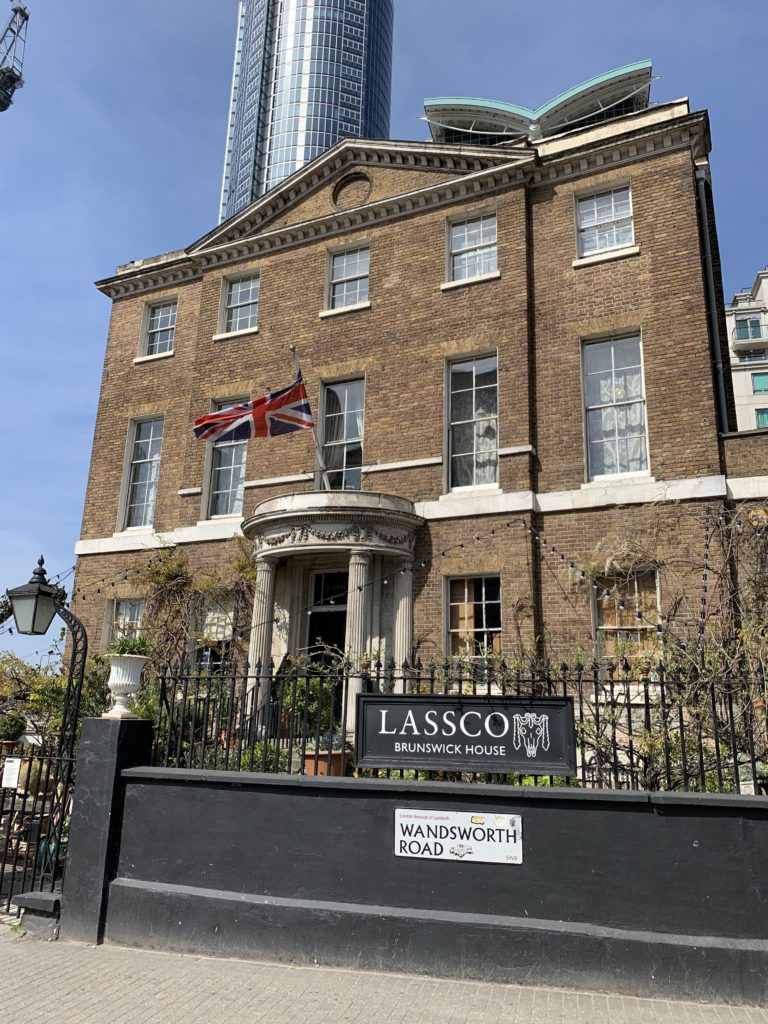
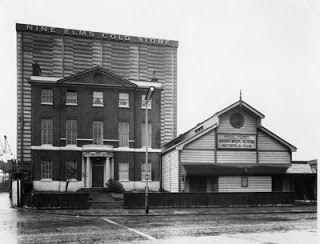
Beyond the soon to be demolished Vauxhall bus station and nestled in the midst of the behemoth known as St. George Wharf lies a beautiful Georgian building that has survived encounters with oblivion, in an area that has become unrecognisable in recent years. 

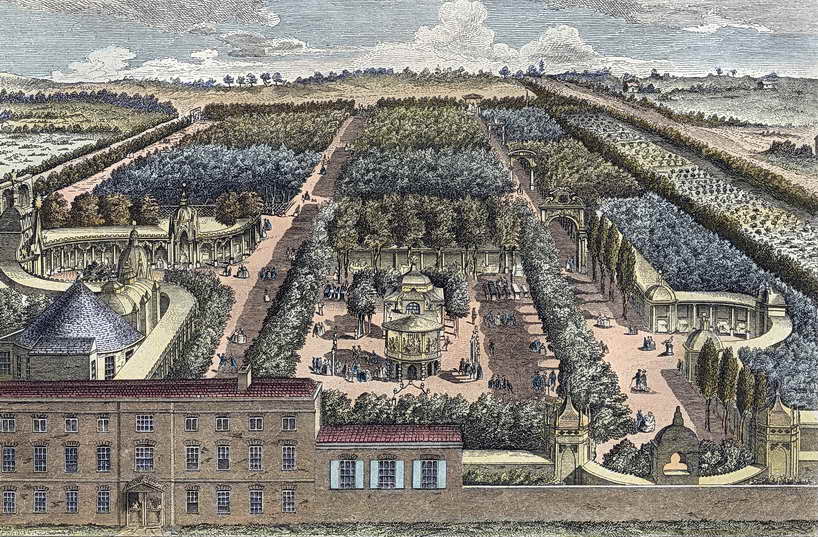
Brunswick House dates from the mid 17th century but was rebuilt in 1758. The back of the house had sweeping views to the Thames and the front overlooked the then booming Vauxhall Pleasure Gardens and market gardens of Oval. Just 32 years after being rebuilt the house suffered the ignominy  of being split into to, and would never be a single home again.  

The destiny of Brunswick House, and indeed Vauxhall, was profoundly affected by the arrival of the railways in the 1840’s in ways both good and bad. The railway was the final nail in the coffin for Vauxhall Pleasure Gardens, and poor Brunswick House had its access to the river permanently cut off by a railway goods yard. In the 1850’s the house ended up in the hands of London and South Western Railways and this is when its journey became particularly interesting. 

In 1860 a fire almost destroyed Brunswick House, and after being repaired it was used by the railways as a staff canteen for workers, a library, a concert hall, a scientific institute, a bar, and a caretaker’s cottage. In WW2 an army unit lived in the building and, according to legend, in the 1950’s it was used by MI5 and MI6 for secret meetings as they feared that their own HQ was bugged. It was threatened by the wrecking ball on several occasions but was saved from this fate by being listed in 1973. 


The house remained in railway hands for over 150 years when it was sold as the railways were being privitised and sold again in 2002 to a property developer. Some readers might remember this period as the building quickly declined as a result of vandalism and was in a pretty sorry state. It was purchased in 2005 by architectural salvage firm ‘Lassco’, who carefully restored the building and filled the rooms with its products, many of which are Georgian themselves. 

Next time you are going for your hour of exercise pop over to Brunswick House and marvel at the fact that it’s still there.  Lassco is very much open to the public (well, not right now) and a fascinating place to explore. They also have a critically acclaimed cafe. If you’re willing to sell a kidney, or your name happens to be Elton John, you might even be able to buy a doorknob there! 

The Quiet Life and Death of Kennington Theatre

From the archives, the fourth edition of our month of best history posts

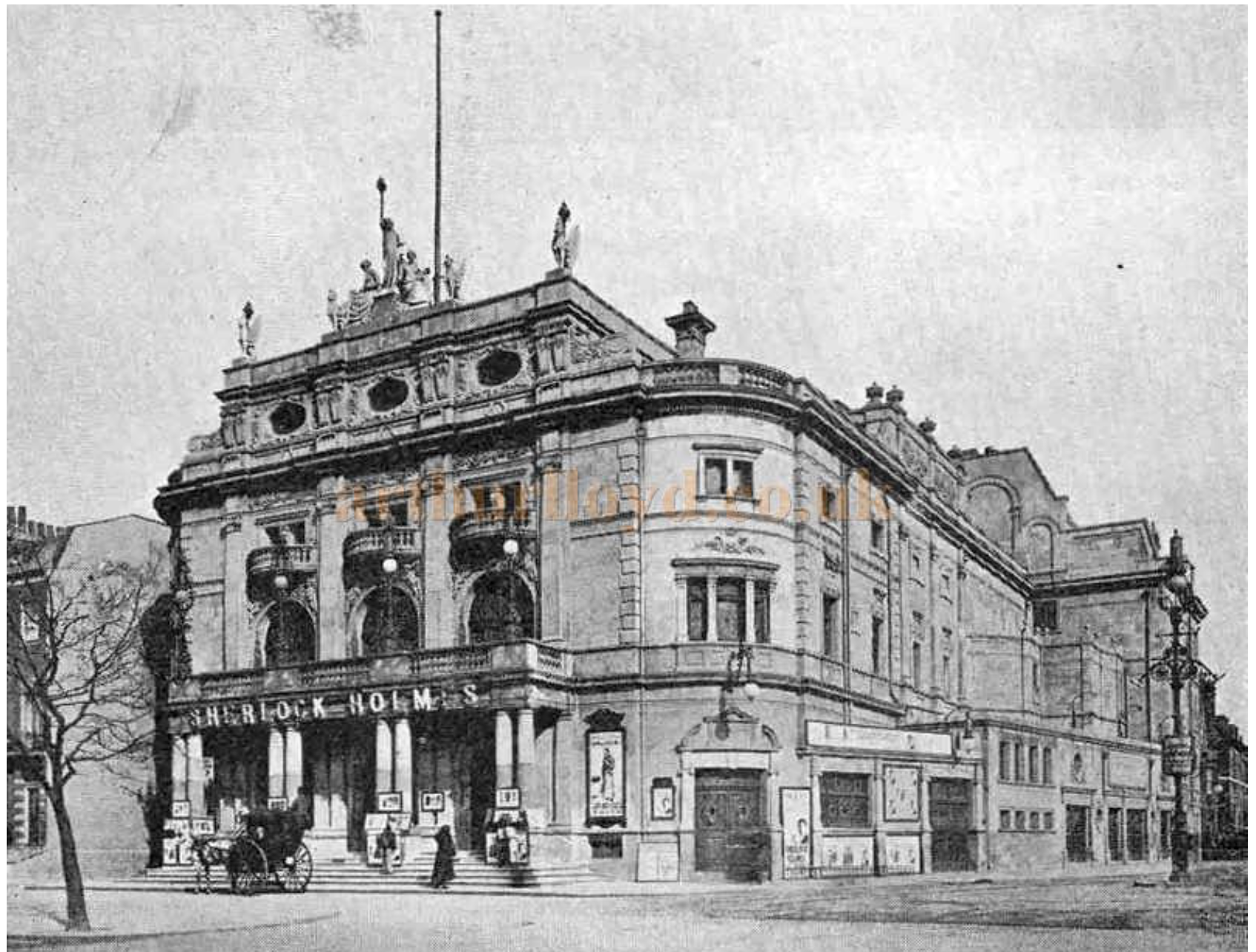
The fourth in our series of images from Lambeth Archives Were you aware that for a brief moment in time greater Kennington (Walworth) had a world class theatre in Kennington Park Road? It’s marble clad limelight flourished for just 23 years before being briefly converted into a cinema, and then it lay derelict before being damaged by enemy action and then final action from Lambeth council.

Screenshot 2019-07-18 at 14.45.51

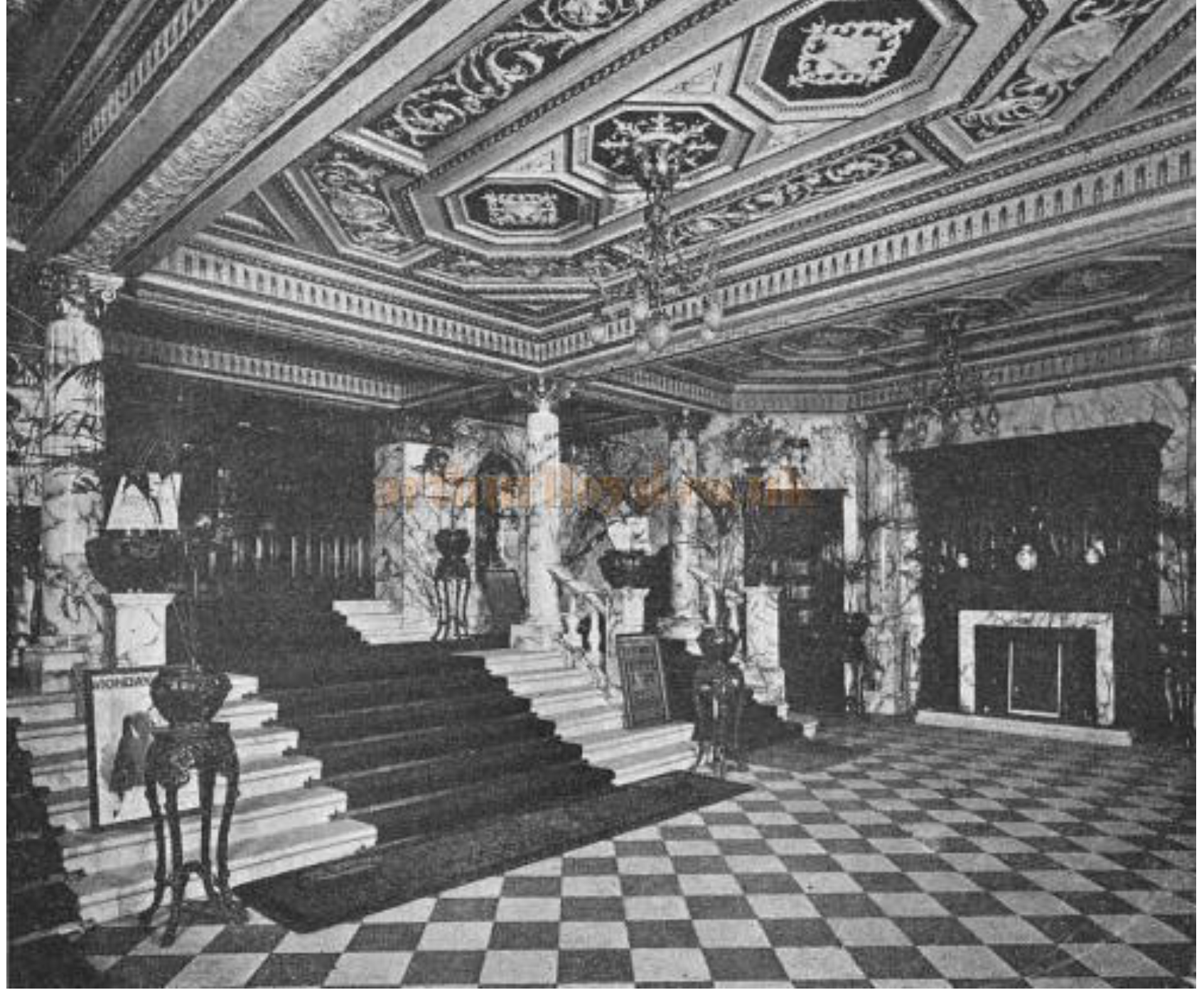
Kennington Theatre was situated to the north of the park where a hefty block of flats currently reside. The frontage was executed in Portland stone, with the interiors highlighted by marble columns and fireplaces. As was the fashion at the time, the emphasis was on French renaissance and no small expense was spared on fittings and adornments.

Screenshot 2019-07-18 at 14.46.32

Following what seemed to be a successful season of pantos and plays the theatre was closed and converted into a cinema in 1921. According to records it’s last license was granted in 1934 and then left derelict. Afterwards the Odeon group purchased the property and had designs on demolishing the building but this never transpired, and it lay derelict for a number of years.

The final nail in the coffin of Kennington Theatre came at the end of 1943 when the back of the now defunct building was partially damaged by a German bomb. As it was then deemed a hazard to the public it was purchased by Lambeth under a compulsory purchase order and bulldozed. The site is now occupied by a mid century block of flats. Next time you walk by, cast your mind back to the other century of Kennington panto goers who tread before you.

If you’ve ever wondered why listing buildings is important, now you know..

Jonathan Tyers and the Pinnacle of the Pleasure Gardens

From the archives, the third edition of our month of best history posts

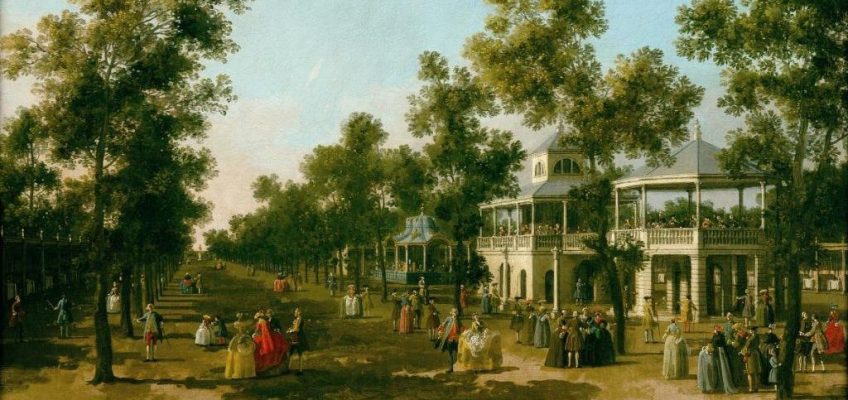
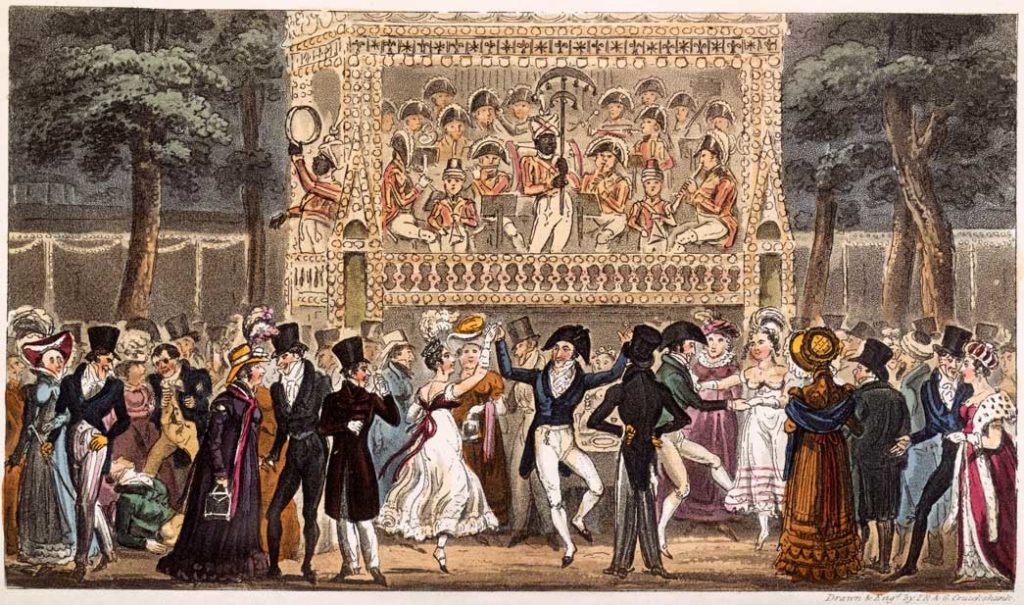
If you’re a new arrival in the area or your interests are not so much focussed on local history, you might not be aware that for almost two centuries London’s most acclaimed pleasure garden existed on our anointed patch. Vauxhall Pleasure Gardens has been celebrated in books and songs, and even featured at key moments of the recent Netflix hit ‘Bridgerton’. While we can’t do the legendary place justice in the space of a solitary blog, we can crystallise it’s meaning by the man at the helm of its glory days in the first half of the 18th century, and his name was Jonathan Tyers (1702-1767)

A young Jonathan Tyers subletted ‘Vauxhall Spring-Gardens’ in 1729 and undertook the hefty task of reimagining the slightly disreputable old gardens into an innocent and elegant venue for families and people of all classes. However, with an admission charge of one shilling  in reality it was out of reach for most people. He  was inspired by a meeting with artist and buzzkill moralist William Hogarth, who advocated  the value of creating something that sent a moral message cloaked in the guise of humour and entertainment. We now refer to this as ‘family friendly’. 

The egalitarian and polite nature of Spring Gardens was a welcome and needed riposte to a London that was violent, smelly and uncouth and it would kick start the civilisation of Georgian London. However noble, the Spring Garden regulars were still out for a bit of bawdy fun and didn’t take kindly to being preached to. Tyers had to think on his feet before the whole thing went belly up, and his masterstroke was that beyond the elegant supper boxes and promenading avenues he created a wooded and dark area called the Grove. We will leave it up your imagination what went on in the Grove, but let’s just say it was dark and proved very popular. 

Assignations aside, what Tyers created for those who could afford it was a site for music, dancing, eating and drinking. The paintings in the supper boxes made it in reality the first public art gallery in Britain. On a typical night revellers could be entertained by performers, bands, fireworks, operas and masquerades. George Fredrick Handel became a kind of ‘artist in residence’ at the Garden and performed there regularly. When Tyers made profits he drove them directly into new structures and events, making the spot a ‘must see’ on a regular basis. After Tyers’ death in 1767 the Gardens were passed to his son and this initiated the very slow but inexorable decline of the place. 

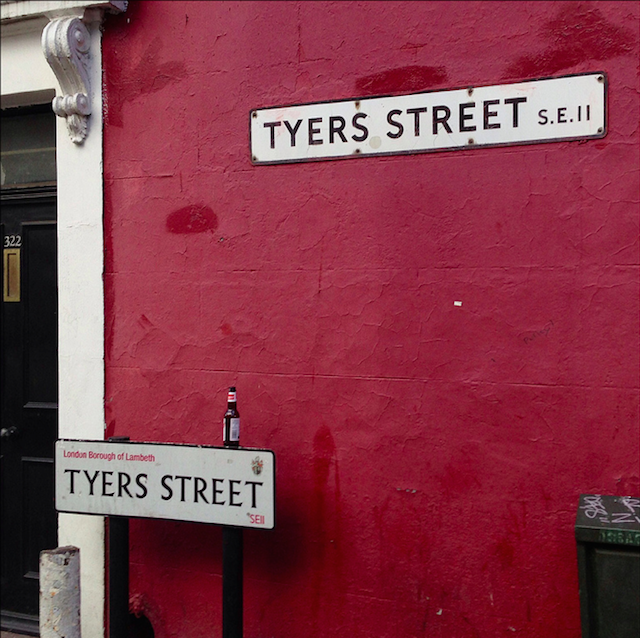
The precise location of Vauxhall Pleasure Gardens only roughly matches the footprint of the current Pleasure Gardens (created in the late 1970’s), and it’s epicentre was at the current St. Peter’s Church. Rumours of redemption from carnal sin abound about the decision to place a church on this site, and we invite you to make your own conclusion. Tyers Street is a commemoration of his efforts, both lurid and noble.

And as you can see, dear readers, attempts to gentrify Vauxhall from a place of dissolute debauchery into something more agreeable to a wealthier public for profit making purposes is by no means a contemporary undertaking. 

The Three Stage Life of Imperial Court

From the archives, the second edition of our month of best history posts

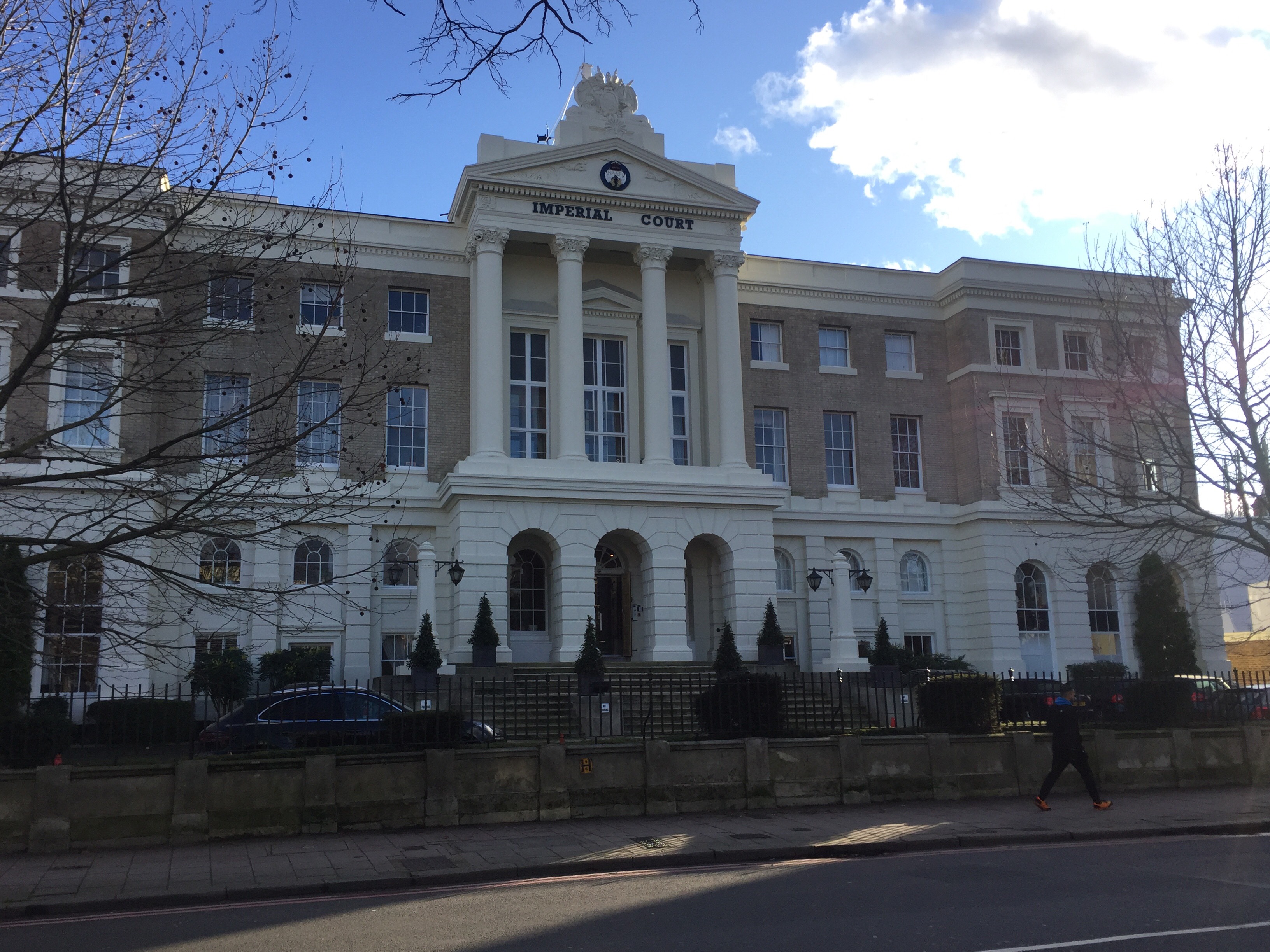
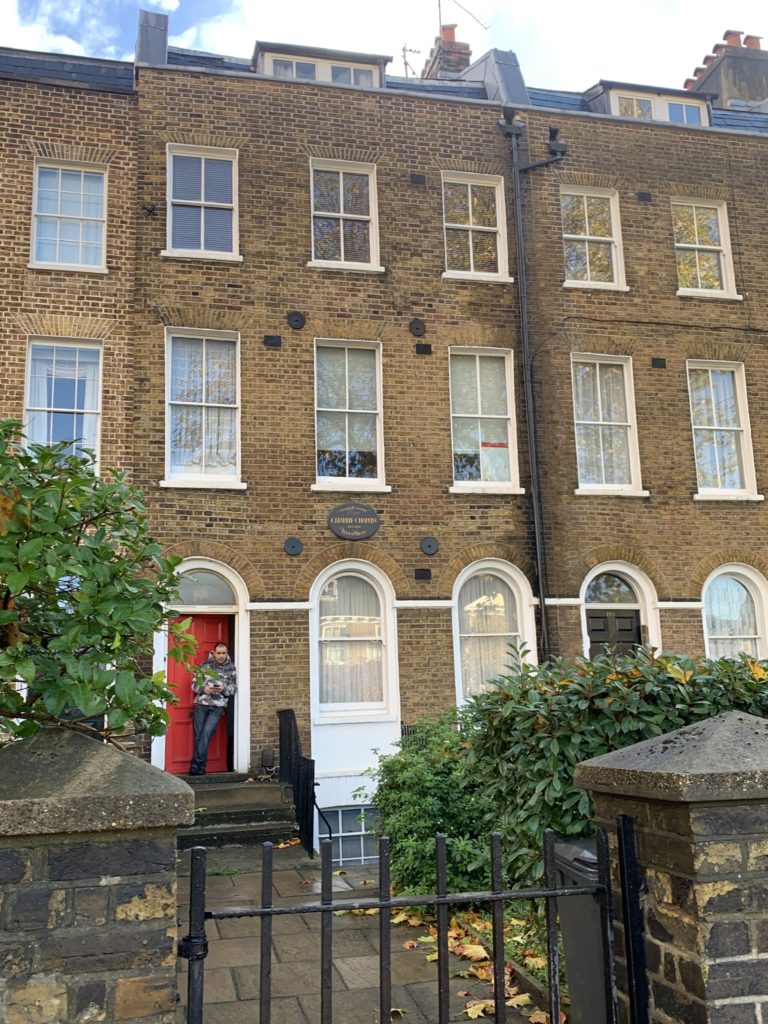
Fixate your eyes girls and boys, as we’re about to give you a little potted history of a lovely neo Classical institution in Kennington Lane with a funny badge on the front of it; Imperial Court.

IMG_6169


  1. 1. The Licensed Victuallers School, Kennington Green

In 1794 the Friendly Society of Licensed Victuallers was established to educate the children of publicans affected by long term illness, incapacity, or poverty (take it from Peggy Mitchell, running a pub isn’t easy). As this was the era that proceeded free public education, publicans were keen to ensure their children’s education and well being. The school was so popular that admission was granted exclusively on the basis of a lottery, but over time the school was so oversubscribed that a larger building was required.

The original school was demolished in 1835 and the core of the building we have inherited was erected in 1836 (with extensions in 1890). The school was now able to expand its enrollment from 100 to 250 pupils, both boys and girls. The children were generally taught apprenticeships and educated from the age of 7-12 until they were 15, and then sent on their way with a small bonus for good conduct. The school moved to Slough in 1921.

  1. NAAFI

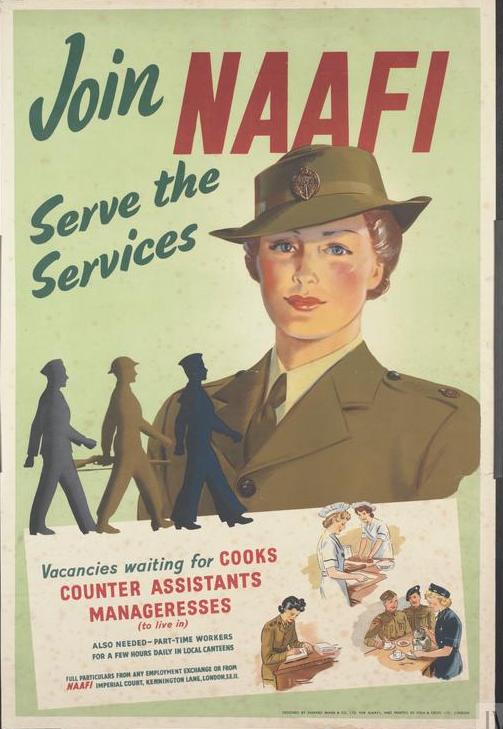
Following WW1 The comprehensive welfare of Forces was put into sharp focus, and from 1921 to 1992 Imperial Court again served the public proudly as the headquarters of  the Navy, Army, and Air Forces Institutes, or ‘NAAFI’. NAAFI existed (and on a much smaller scale still does) to provide catering and recreational activities needed by the British Armed Forces and their families posted overseas. This included mess services, selling British goods, and organising entertainment and activities.

Providing non combat services to troops and families required trained staff, on a voluntary and on a paid basis. To this extent NAAFI in Kennington served as a training centre for cooks, cleaners, caterers, and people interested in the logistics of getting auxiliary services to people overseas. Training at NAAFI was often undertaken by women, and their work in the war effort is duly celebrated at the Imperial War Museum (keeping it local).

Join the NAAFI - Serve the Services (Art.IWM PST 0764) whole: the image is positioned in the upper three-quarters, with three smaller images located in the lower right. The title is partially integrated and placed in the upper third, in green and in red. The text is separate and located in the lower quarter, in green and in red. The smaller images and text are held within a white inset. All set against a light green background. image: a shoulder-lengt... Copyright: � IWM. Original Source: http://www.iwm.org.uk/collections/item/object/23806

3. Flats

Imperial Court was Grade 2* listed in 1980, so it is luckily beyond the grasp of the wrecking ball. After it was sold in 1992 it was converted into flats and now functions as a home to your neighbours.

Christmas Fun in Bonnington Square

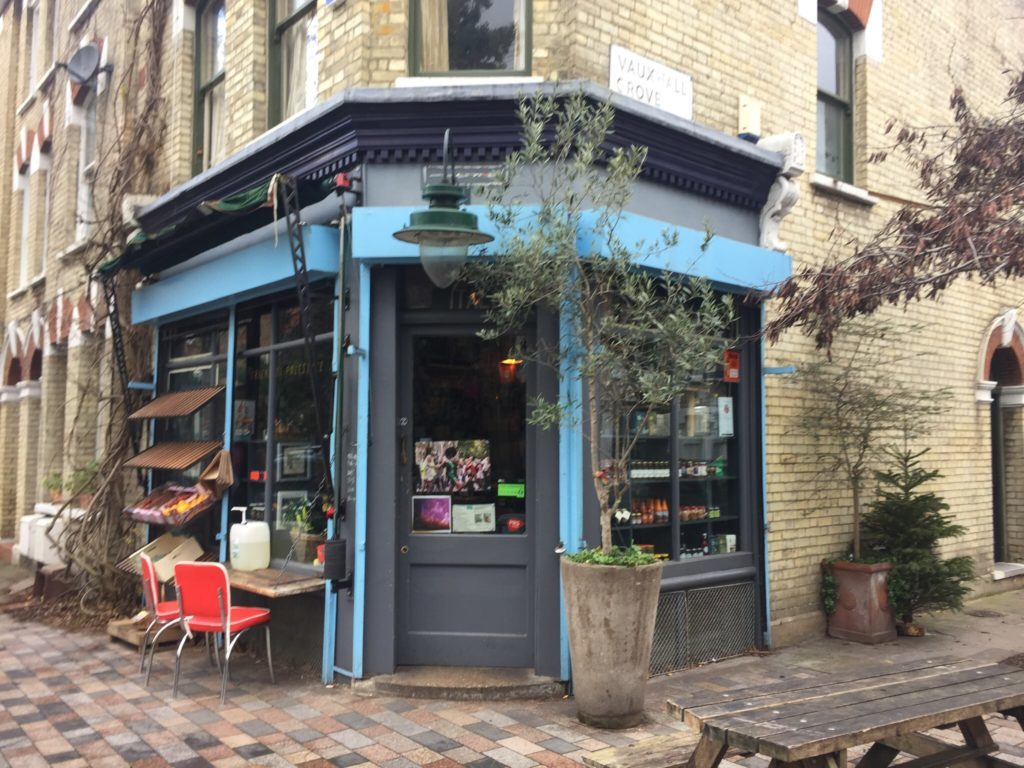
Yes, dear readers, we are notifying you of two Christmassy happenings in a row. We only have the press release to go by, but we are all invited to ‘Christmas at Italo’, a celebration sponsored by Italo Vauxhall in Bonnington Square. For those not in the know, Italo is a locally owned, pint sized delight of a deli, sandwich and Italian food shop. On Wednesday it will be open until 20:00.

From Italo – 

‘On Wednesday 21st December, Winter Solstice, there is a big local party. Starting at 4pm with country dancing in St Annes Hall, on the corner of Vauxhall Grove and Harleyford Road, 2 minutes walk from the shop. Then there will be the usual solstice pagan carols outside the shop, officiated by our local pagan priest David Spofforth, from 6.30… with mulled wine. Then there is a ‘Bring Food (Vegan and Vegetarian only) and Drinks to share” community party in the Bonnington Centre. Then upstairs at the Bonnington Centre. And everyone is very welcome to come, and bring many family and friends…’

We’re acutely aware of the renegade tendency of Runoff readers, so we implore you to respect the solstice, pagan and vegetarian nature of this event. To put it bluntly,  don’t pitch up in a nun’s habit with a giant gravy double bucket from the new KFC in Vauxhall.   We will certainly plan to abide by this. 

Charlie’s Home Movie

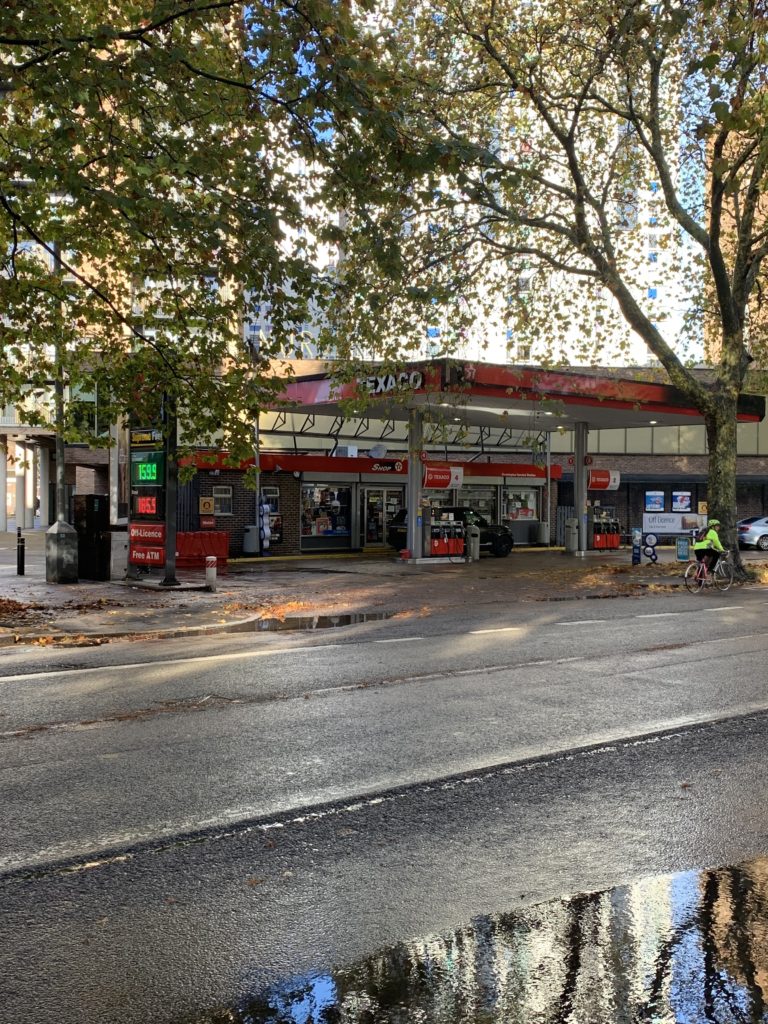
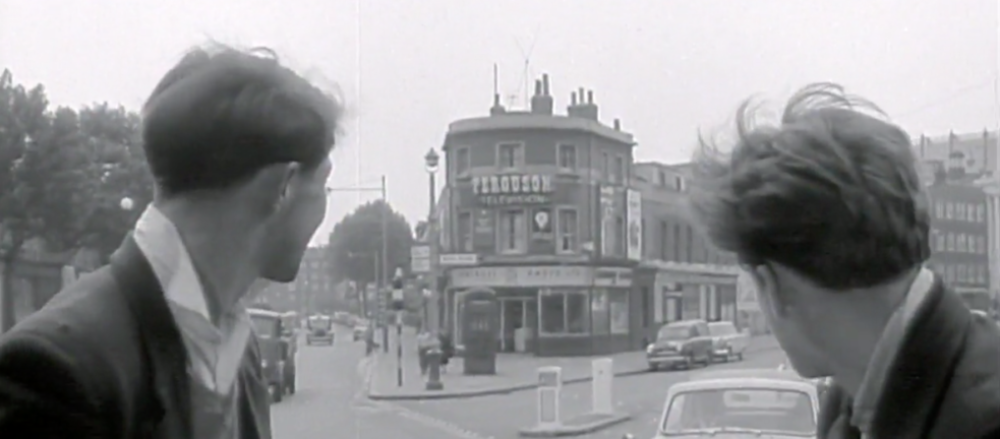
We’d like to share with you a fascinating clip of our local Tramp Charlie Chaplin visiting his old homes in central Kennington in 1959, where he lived in at least four places. In this home movie (at bottom) made by his wife, he first visits 287 Kennington Road, just behind the Doghouse Pub. The next home is at 3 Pownall Terrace, a now nonexistent row of homes just behind the Texaco in Kennington Road (and if your friends tell you that he lived in Pownell Terrace at the back of Kennington Park – smugly correct them). This flat is mentioned many times in his memoirs. And after a few scenes in West Square, Chaplin finds himself by a very different looking Methley Street where Chaplin, with his mum and brother, lived in the garret at number 39. Chaplin also famously lived at the Lambeth Workhouse which we wrote about in 2019. 

This video gives us a snippet of our hallowed patch in the 1950’s and is an interesting testament to how things change but at the same time remain constant.  After two minutes the video morphs into more of a traditional home movie, showing scenes of a rather dismal and tophatted London still recovering from bomb damage. And the brightest of you (which is most, as you’ve read this far), will see a brief glimpse of Chaplin’s old school, now the Lycee flats in Kennington Lane. 

Queer Art(ists) Now at Space Station 65

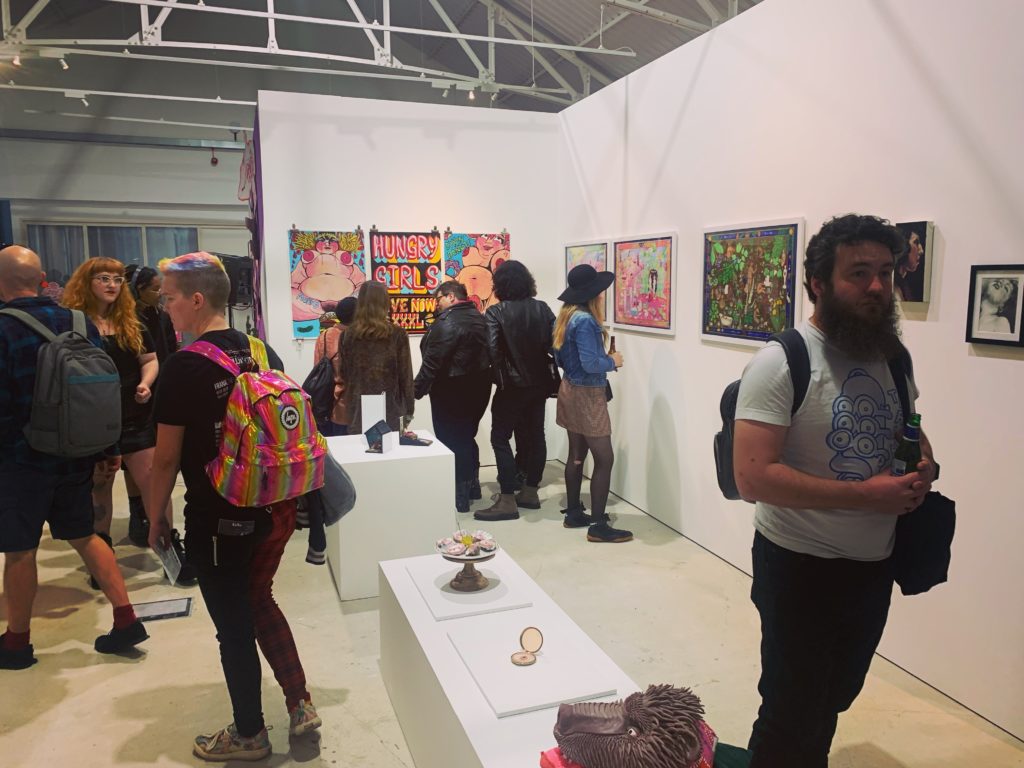
We recently attended the intriguing exhibit ‘Queer Art(ists) Now’ at Space Station Sixty Five in Kennington Cross. Now if you’re thinking ‘but I’ve never heard of this place’ then you can be forgiven. It’s a very underused artist run space and gallery in the car park (don’t we take you to the most glam places) of Kennington Film Studios. Which we all know as the legendary studio where ‘Richard and Judy’ was once filmed. 

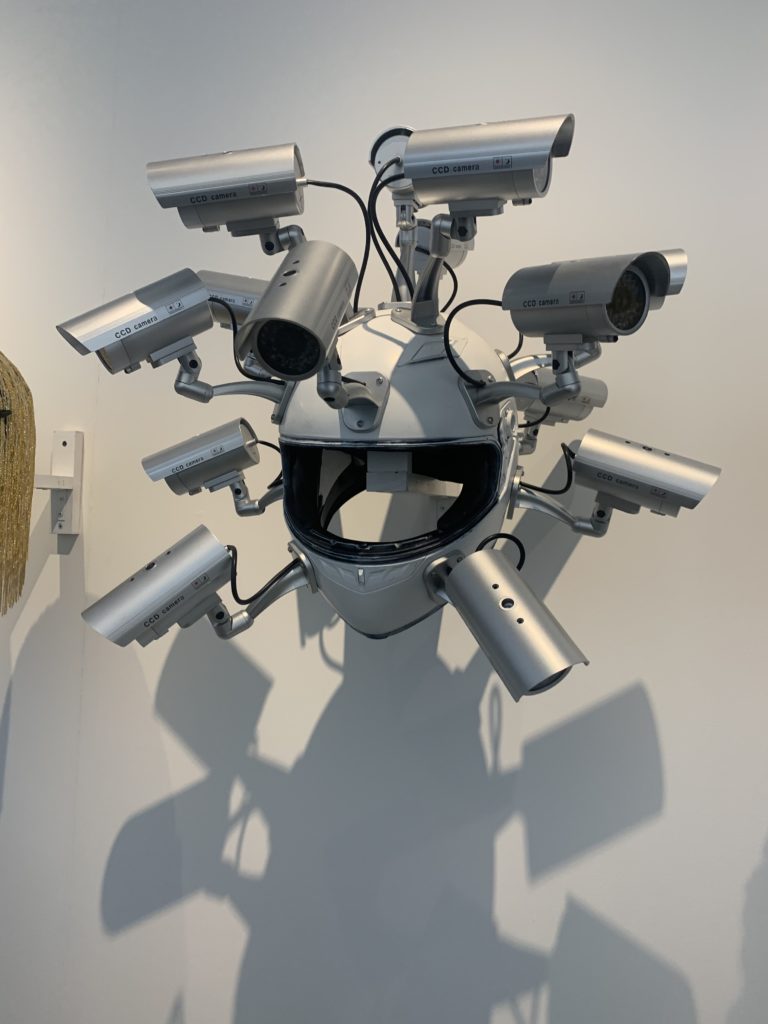
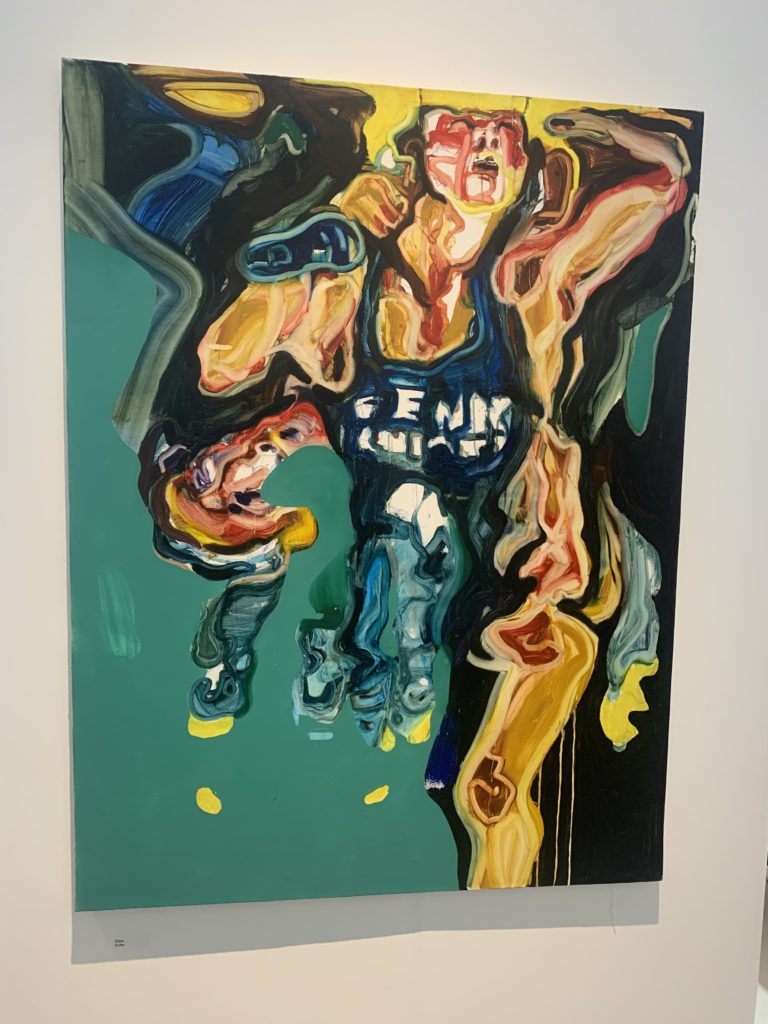
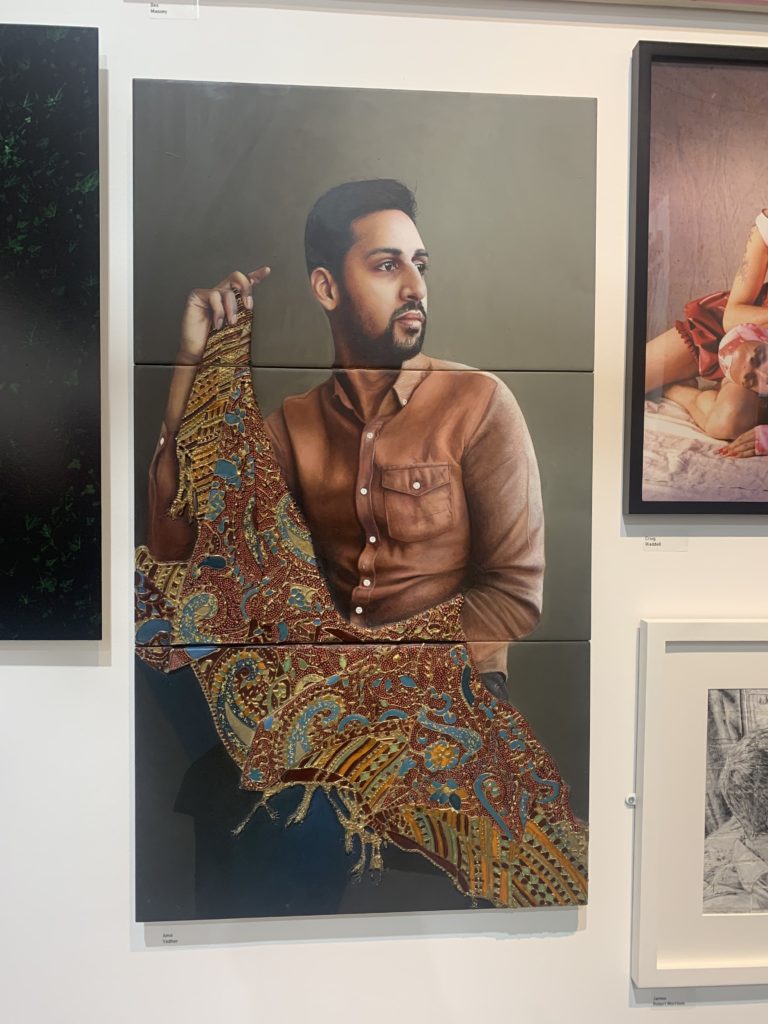
Queer Art(ists) Now brings together 70 artists out of 300 applications and 1000 pieces of art and showcases the best in Queer art at the moment. They have also commissioned five artists to create bespoke works for the exhibit. The works are remarkable for their diversity and cover a range of mediums including oils, photography, film, textiles, papier mache, traffic cones, and discarded items. 

At times, exhibits like this can devolve into preachy diatribes about oppression, or become overtly political and worthy, which leaves people a bit deflated or alienates those who don’t come from that community.  This exhibit is curated in such a manner that it has a certain levity and playfulness about it, and makes you question your assumptions. There are works about the trans experience, body image, gender politics, sex, and the intersection between ‘straight and gay’ and what that means. The variety means you’ll likely come across something pleasing regardless of your tastes or sexuality.  On our visit we were greeted by a young man dancing in a dressing gown and they were giving away free permanent tattoos.

Queer Art(ists) Now is totally free and open Wednesday to Saturday 12 – 8 Until 8 October. They also have a variety of merch on sale to peruse. And why this great exhibition space isn’t used more regularly is one of life’s great mysteries. Like why you never see any baby pigeons or the sudden craze for Greggs branded clothing

City & Guilds Free MA Show

Under the flimsy guise of being actual journalists, we just attended the private view of the huge MA degree show over at City and Guilds in Kennington Park Road. This year does not feature the usual staples of woodcarving and conservation, with a larger emphasis on painting and sculpture. However, it extends over to the old telephone exchange in Kennings Way. 

The themes this year seem to run the gamut to contemplations over solitude, to Japanese anime, to broken pottery.   The MA show is totally free and open this week (Tues-Thu) from 11:00 to 17:00. It’s open until 20:00 on Friday with the tantalising caveat ‘bar from 18:00’.  It closes on Saturday, 10 September at 17:00. 

Kennington Tube Blazes the Trail

Unlike other areas in south London, Greater Kennington is awash with tube stations. Two of them, Kennington and Oval, were the first deep level electric underground stations in the world when they were completed in 1890 (aren’t we always ahead of the curve). The line was built by City and South London Railway Co. and originally stretched from Stockwell to King William St. (near Bank). It proved such a wild success that it inspired other speculative builders to rip up streets and dig routes into the City from places like Shepherd’s Bush (Central Line) and Waterloo (W&C Line). 

In 1890 alone our little stretch of what would later become part of the Northern Line attracted over five million passengers. The price of the fare was low enough to attract not just snooty bankers living in Kennington Lane, but also people who worked as clerks, in factories, or as teachers. The line also attracted sightseers to gawp over our anointed and hallowed patch and get some R&R in Kennington Park. And by 1897 more nerdy types might have been enticed by the first electric lift of any tube station (remembered by the now redundant dome). 

Entrance hall, 1934

For our forebears, all of the giddy thrill associated with travelling through a hole in the ground did have certain drawbacks. The carriages were described as  ‘padded cells’ and people faced stifling heat in addition to near blackouts when the train accelerated. As the novelty wore off electrified trams began scuttling down Kennington Park Rd. and into the City. Not only did trams minimise the risk of getting touched up in the dark, they also had many more stops. So profits began to decline for our pioneering Railway Company, and by the 1920’s  shareholders gladly sold up to the ever expanding tube network. 

Sadly, while researching this piece we made little headway in ascertaining the source of the great pong of Kennington tube. For those who weren’t around, the smell was somewhere between just stomped on cheddar cheese and wet cat hair. 

Trams on a very different looking Kennington Park Rd. at Oval tube.

A New Theatre for Greater Kennington

There’s a brand spanking new 300+ seat theatre set to fling open its cutting edge doors in Greater Kennington and we’ve just had a behind the scenes sneak preview of the place. Located in the surreally named ‘Uncle’ building in Newington Causeway, Southwark Playhouse is actually just moving from the other side of Elephant. The old site will be open for a few more years, but this will be the new permanent home of one of the most acclaimed theatres south of the river. The opening is set for the end of 2022, and if there’s a gala opening party we’ll play the ‘but we’re Kennington INFLUENCERS’ card to bag an invite*

The design of our new playhouse is actually something to behold in itself. The theatre is fully adaptable with the ability to remove all of the seats or even the galleries (!) to create theatre in the round, traverse, or proscenium staging. The new space also prides itself on its green credentials: Much of the wood is reclaimed and kept to a minimum, and there are a few living green walls in the cafes. One thing we love about the other venue is the very cool and somewhat ramshackle café area, where you can get a cheap pizza and cocktail before a show or at other times of the day. They’re hoping to recreate this in their new venue with council approval. Southwark, we’re wagging a fat Runoff finger at you as we type! 

What really makes Southwark Playhouse special is its free outreach programmes for young people aged 11 – 18 (Southwark residents). They also have acting groups for people aged 65+ and a ‘people’s company’ geared towards all adults who are interested in different aspects of the stage, from set design to acting. There is a studio in the building for the bespoke use of these groups.

If you’ve never been to the Playhouse, it focuses primarily on new writing and emerging artists in a manner similar to that of the Young Vic. Sometimes this work is challenging (the current offering is a musical about yeast), but at other times fun and delectable. Earlier this year we saw a Romeo and Juliet re-imagined  in a south London council estate in 1981 set to a soundtrack by Madness. We also had underpants thrown at us but we’ll ignore that. 

*This never works