Greater Kennington’s First Skyscraper

From the Archives, the fifth and last (sadface!) month of best history posts

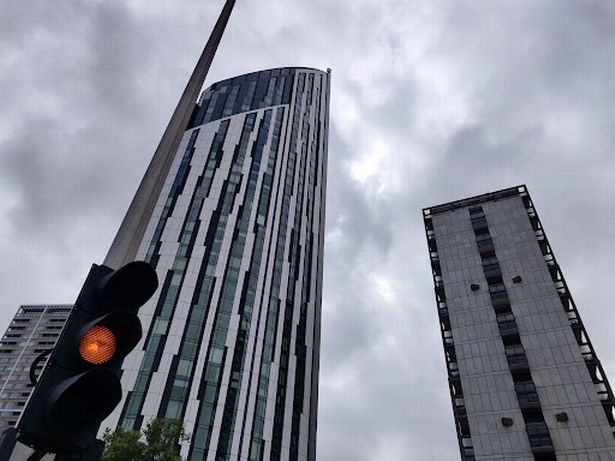
Long before the behemoths of Vauxhall and the impending towering bewilderments of Elephant, there existed Draper House in Newington Butts, where Kennington meets Elephant and Castle. Nestling shyly next to the ‘who switched the fans off’ Strata, the Draper Estate was built in the Brutalist style in 1965, and when Draper House was finished it was the tallest residential block in London. If you look up at the block today this seems almost unbelievable.  
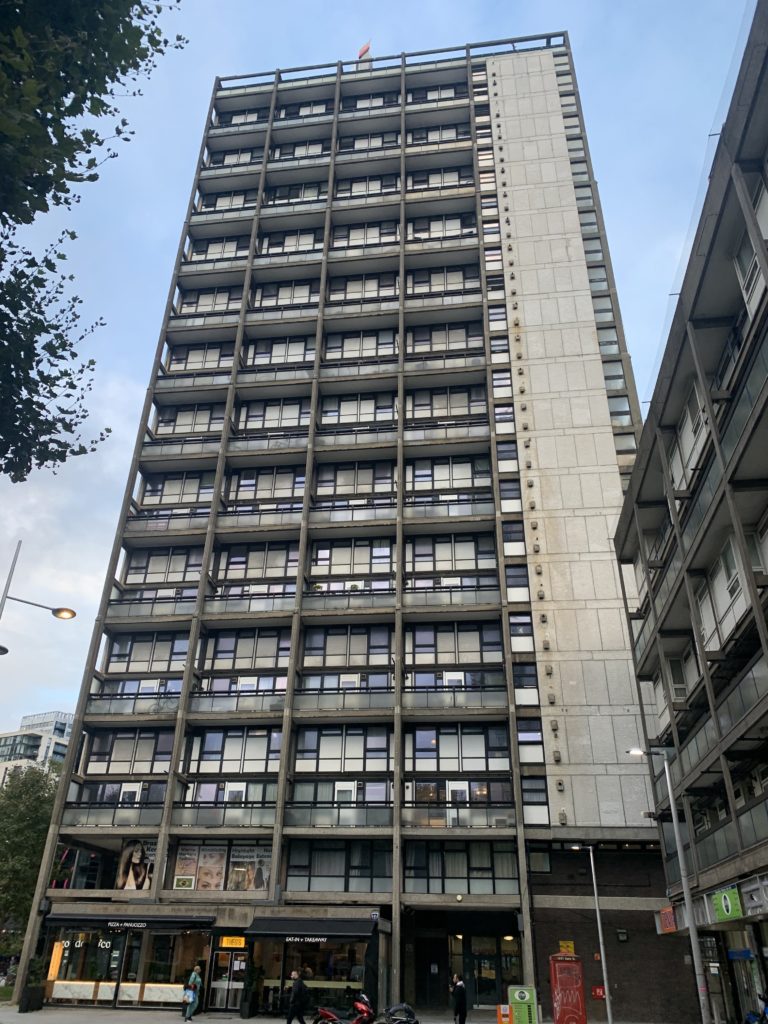
In order to meet the varying needs of a devastated community post WW2, radical architects Kenneth Campbell and Hubert Bennett were commissioned to create a building consisting of 141 flats and maisonettes. In the manner of Le Corbusier, the idea was that ‘nothing is too good for the ordinary man and woman’ and the building had wide corridors and the unique addition of fire escapes. Campbell and Bennett transcended traditional building methods by installing a cladding of storey high slabs of white Italian marble.  Another unbelievable reality when we look at the cladding of public housing today. 

We were made aware of the interesting existence of Draper House after reading that one of its original residents just moved out after 56 years. Falling into a typical Runoff rabbit hole, we read the interesting stories of current residents such as Ian, who has lived in the building for 36 years and raised his family there. He notes that many residents have lived there for decades and over the years has progressively reflected the multi cultural dynamic that gives Elephant it’s energy. 
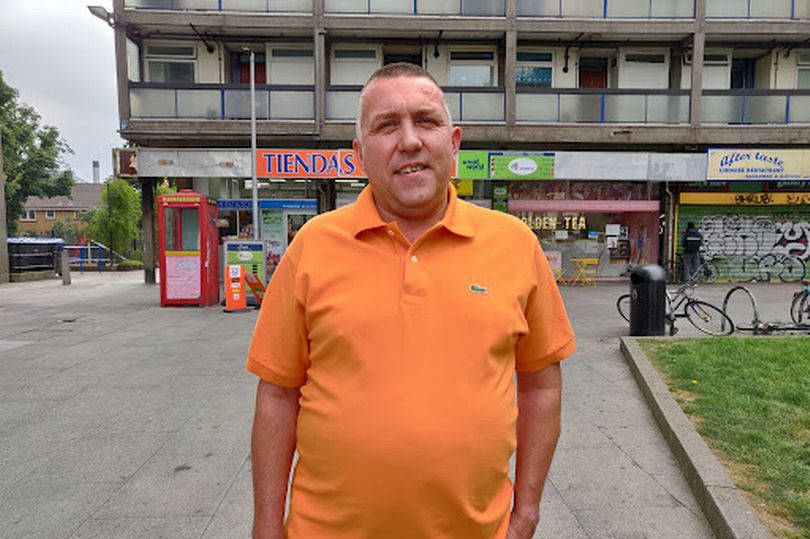
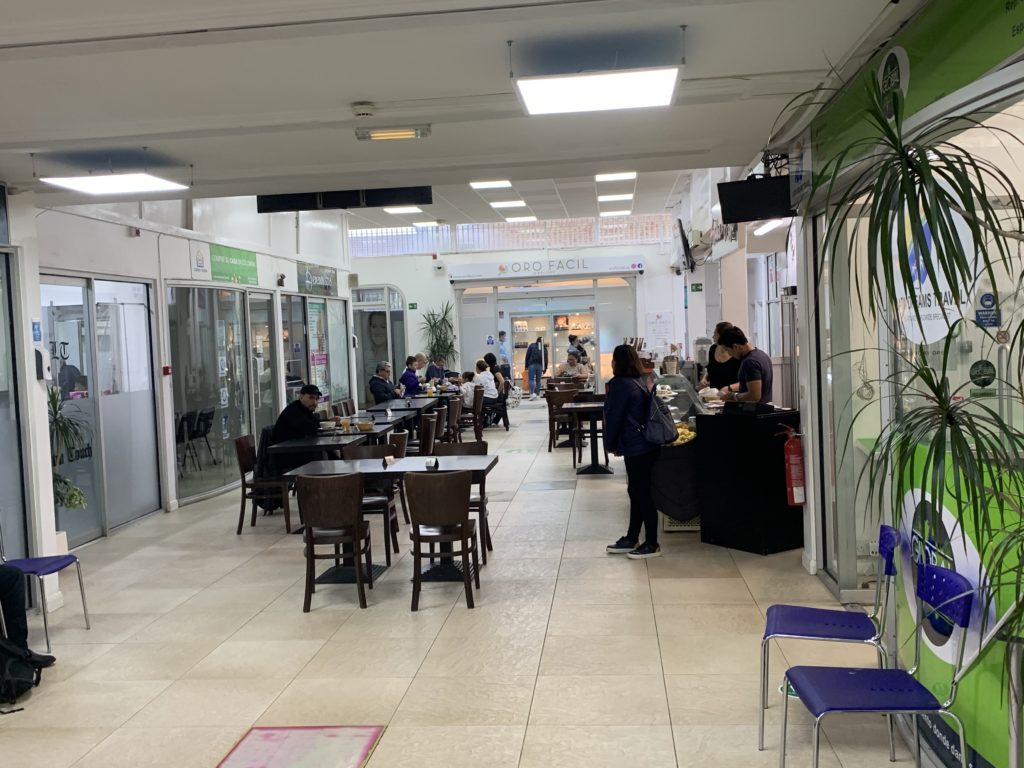
Being tall and notable does have a few downsides, and for many years Draper House had a darker side as it was known as the suicide capital of London. Those days are long gone and the multicultural essence persists at ground level with such treats as a Latin American mini mall, a Brazilian hair salon, a Chinese tea house, and two of our favourites eateries – Italian ‘Theos’, and the wonderfully named ‘After Taste’. 
The Great Conjurer of Kennington

From the archives, the fourth of our month of best history posts

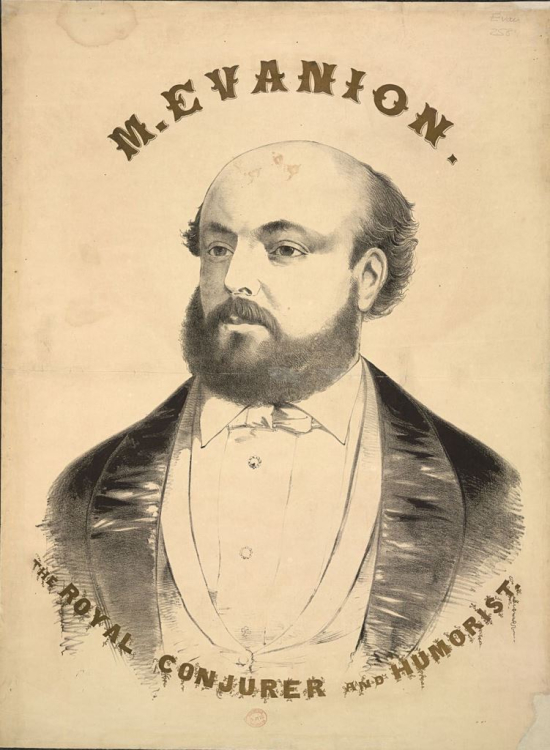
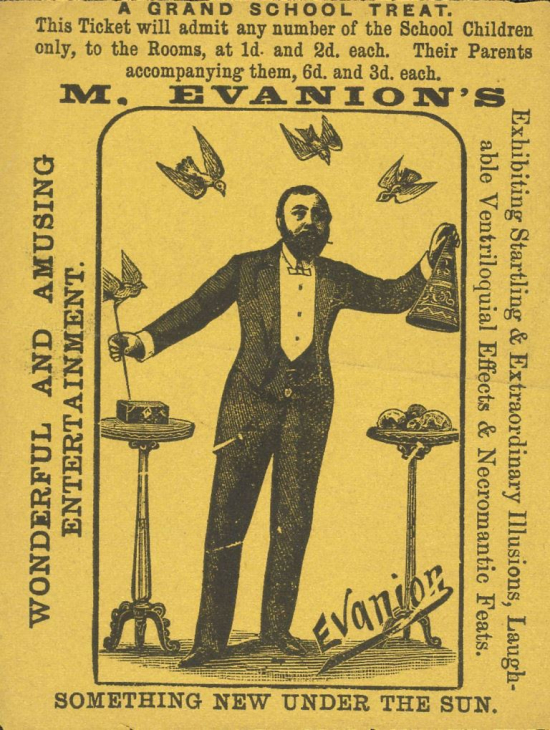
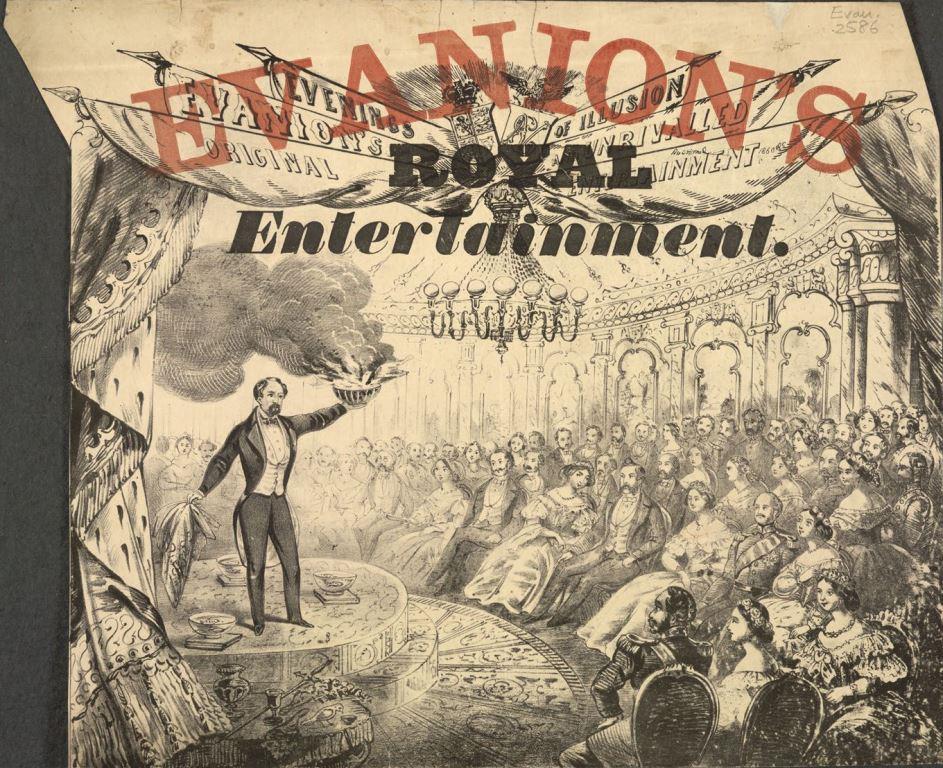
Greater Kennington has always had its share of eccentrics, and a prime Victorian example can be found in magician, humourist, collector, and wonderful oddball Henry Evanion (1832-1905) who lived his entire life in Kennington and Oval. Henry’s family sold sweets and tickets at Vauxhall Gardens during its dying years and it was there that he came into contact with mimes, jugglers, clowns and tight rope walkers. Supported by his wife Mary Ann and extended family who ran a sweet shop business at 221 Kennington Rd, he began to develop tricks of illusion and ventriloquism that evolved into a rather elaborate show. Delivered, no less, with a fake French accent. 

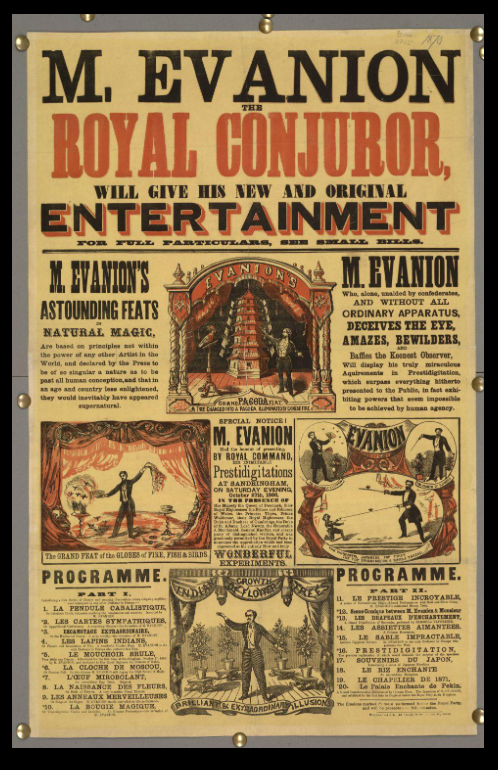
As Henry’s act evolved he began to tour the southeast and even performed for the royal family on three occasions, with the gig at Sandringham billed as ‘The Grand Feat of the Globes of  Fire, Fish and Birds’. Henry seriously milked this royal connection and it helped with bookings, but there were long stretches where our local boy had no work. He used this time to furiously research new ways to diversify his act, coming up with tricks such as ‘Vulcan’s Chain’, ‘The Mystic Parrot’ and ‘The Japanese Lady’s Reception’. At the time he was living in what is now Montford Place behind the present day Pilgrim pub. 

Henry’s long suffering and very patient wife would sometimes perform as his assistant (a kind of Victorian Debbie McGee) but she had a proper job running the sweet shop so this didn’t last very long. Henry decided to drag people in the crowd onto the stage to act as assistance, which was made easier by his jokiness and quick wit.  His shows were an assortment of magical effects, illusions, juggling and ventriloquism presented rapidly with trick following trick. Henry was also an avid collector of playbills, posters and items associated with magic and other forms of entertainment.

While working with mystic parrots, setting things on fire, and sawing people in half might sound very glamorous, it isn’t the most lucrative of professions and later in life Henry and Mary Ann fell on hard times. Living in the basement flat at 12 Methley Street, at the end of his life Henry befriended no other than the great Harry Houdini while he was in the UK. Houdini was fascinated and inspired by Henry, and on their first meeting spent almost 24 hours with Henry in Methley St. Houdini ended up purchasing some of Henry’s collection of magical ephemera. The rest of his collection was endowed to the British Museum, and gives us a fascinating insight into late Victorian light entertainment. 

BCO Christmas Estates Tour

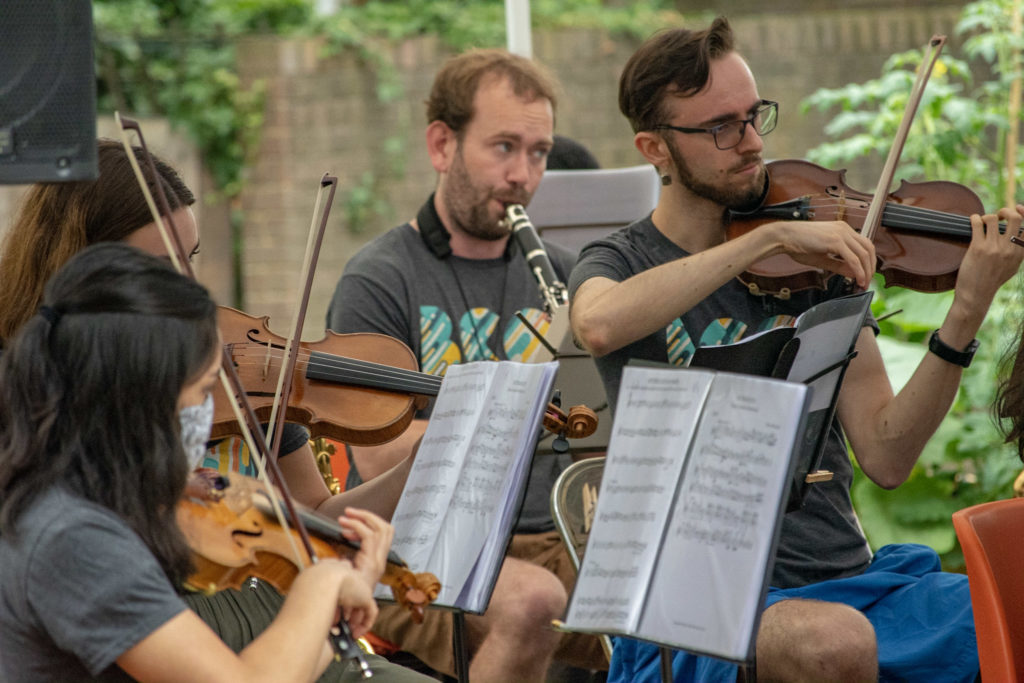
Orchestral music is often inaccessible to many people for a variety of reasons, but this weekend we’re about to be blessed yet again in the Brandon and China Walk estates for Christmassy concerts which are free and open for everyone (that means you)!

Brixton Chamber Orchestra is a diverse group of 25 Brixton based instrumentalists who provide and create music across a range of genres including…wait for it….classical, disco, gospel, grime, rap, swing, pop, drum & bass and others, and often have guest vocalists. They usually ply their trade in community halls and churches in Brixton, but two times a year they hoist their trumpets northward to grace our soil.

Funded by Arts Council England and, surprisingly, by Lambeth Council, BCO is in the midst of a Christmas estates tour of 11 estates in Lambeth. They will be gracing us with their presence on Saturday at Jack Hobbs Hall in Brandon Estate (those large buildings at the back of Kennington Park) and inside Chandler Hall in Lambeth Walk.

BRANDON ESTATE
Sat 20th December @ 3:00 PM
Jack Hobbs Club Hall
Maddock Way, London SE17 3NH

CHINA WALK ESTATE
Sat 20TH December @ 7:00 PM
Chandler Hall 
15 Lambeth Walk, London SE11 6DU

These events are indoors but might be chilly so dress accordingly and buy your warming tipple from a local corner shop.

We attended this event in 2023 and it was great fun. Each show is unique and they’ve been known to feature guests musicians. They also encourage folks to get up and sing along, which should be made easier with that bottle you bought from the offie. And if this is sounding like a kids event, trust us it isn’t. Not that there is anything wrong with kids, as a few Observer staff were once kids themselves. If you can’t make it or shockingly don’t live in Greater Kennington there are more dates on their website.

Did we mention it’s free? Did we add that we love free? The clip below is the streetband gigging around Brixton recently, which we equally love.


Guy Fawkes Never Lived in Lambeth

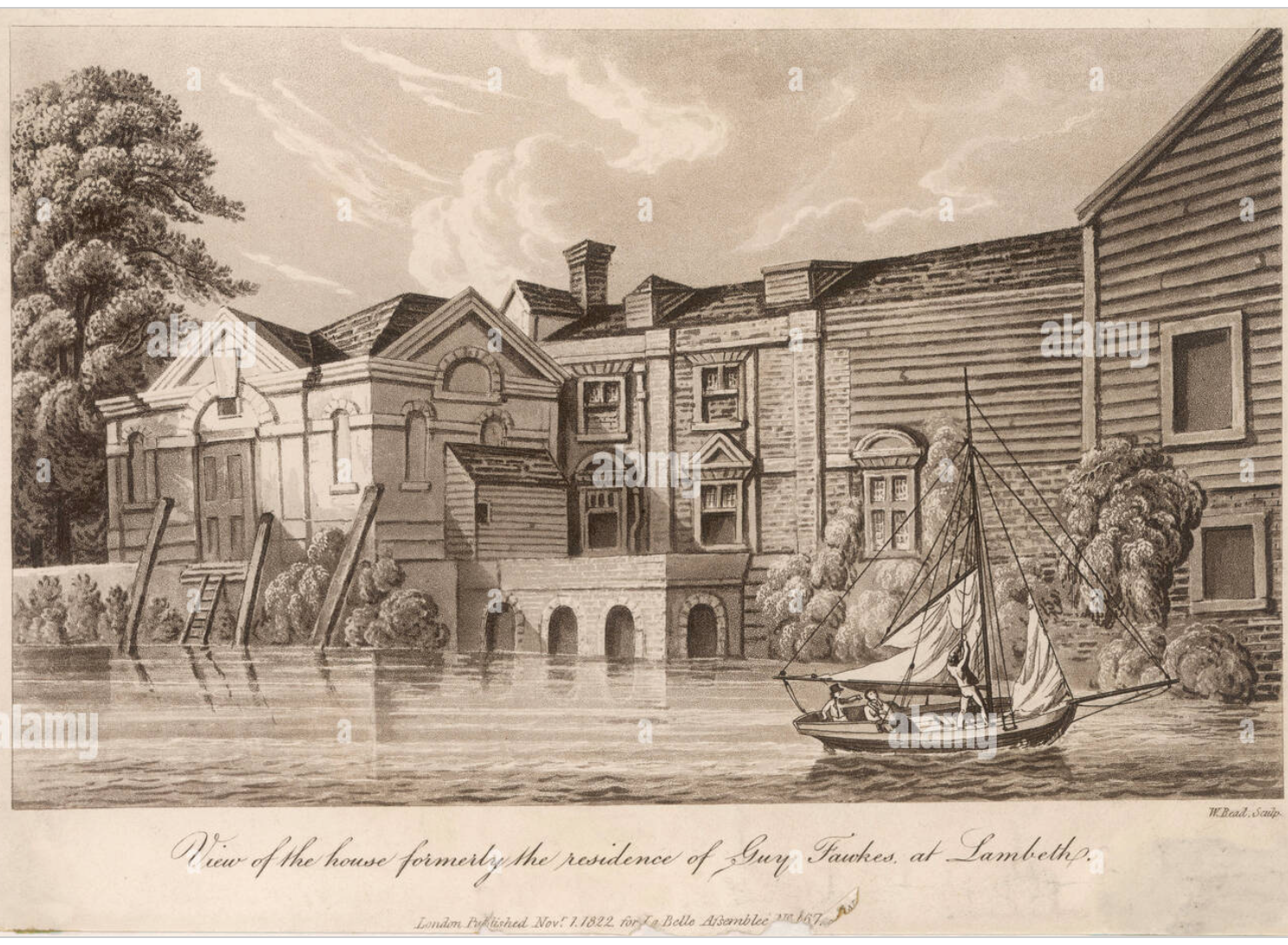
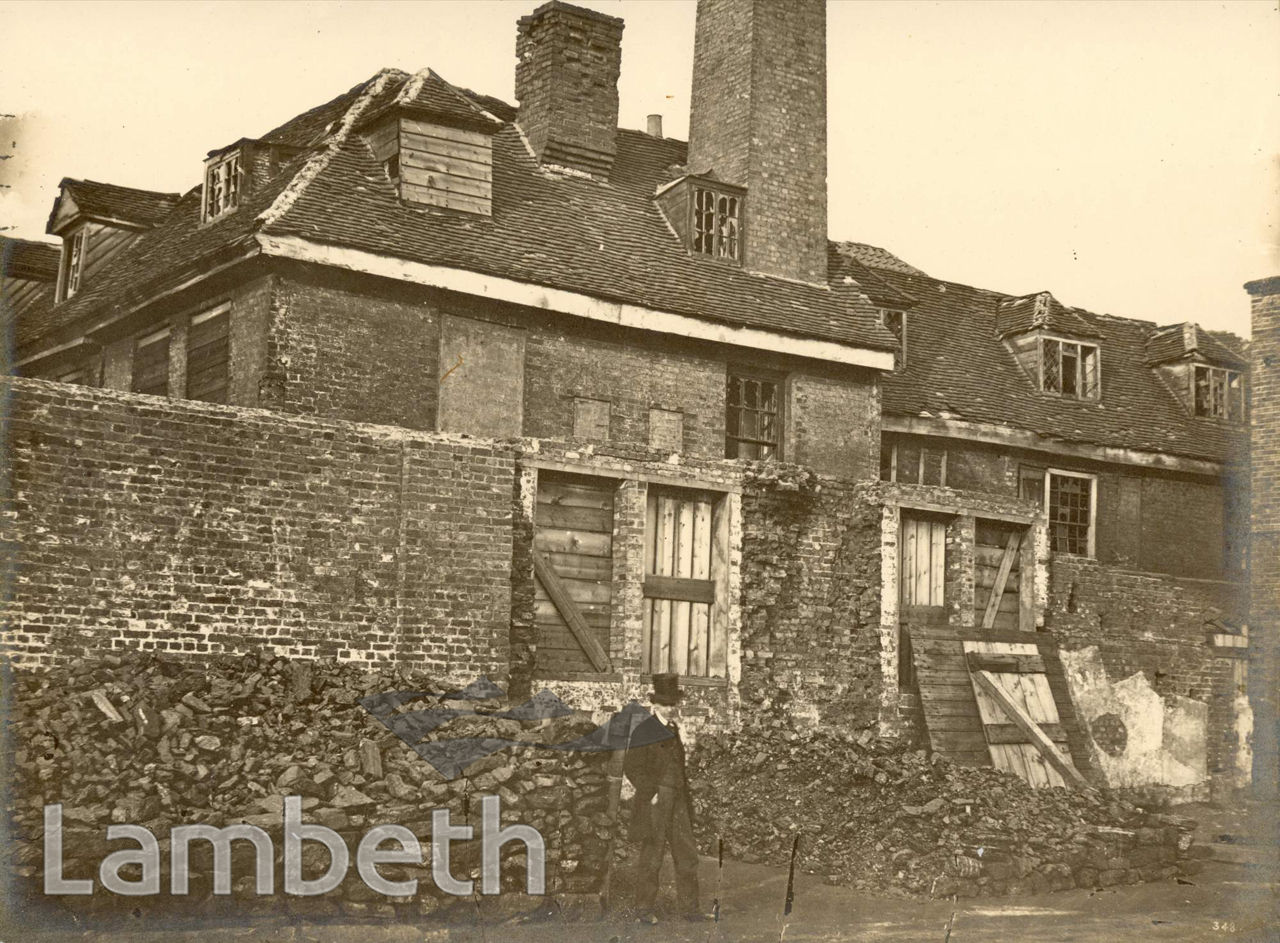
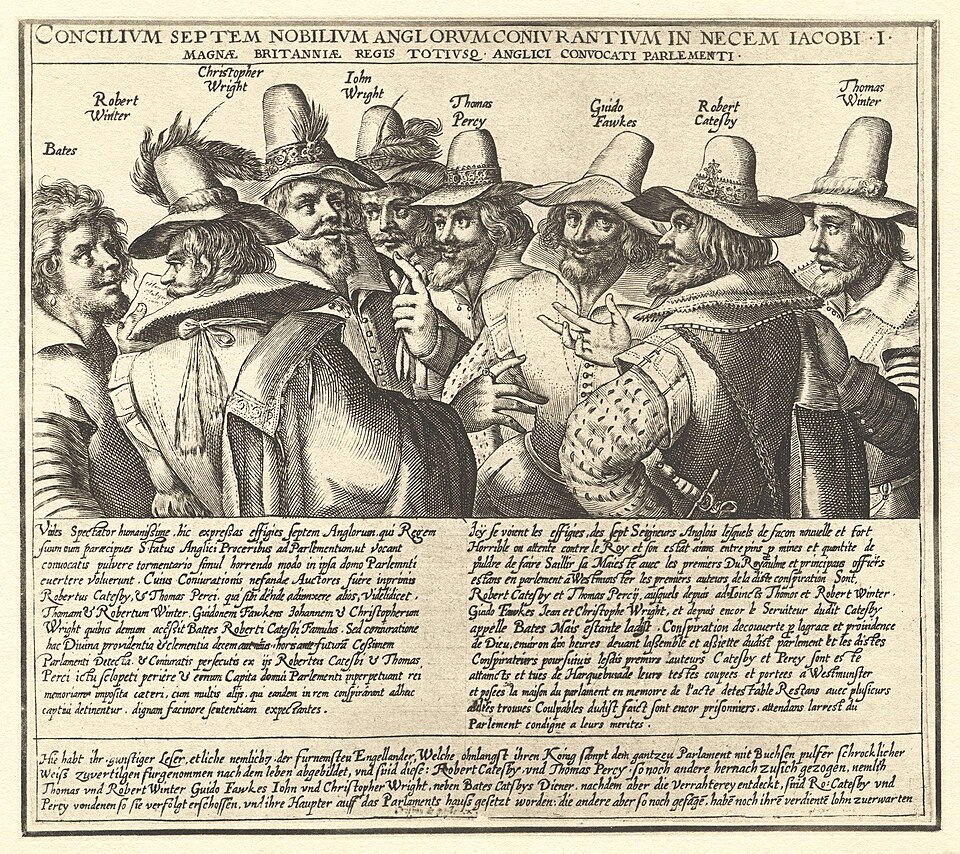
Normally, we here at the Observer love nothing more than a baseless rumour mill, but today we’re here to debunk one. For many years the house that was used to plan and execute the Gunpowder Plot was referred to as ‘Guy Fawkes Residence’. It was situated on the Thames Foreshore close to Lambeth Bridge and was leased by Fawkes accomplice Robert Catesby due to the property’s Zone 1 address and handy access to Parliament (homes with river views being a bit cheaper in the 17th century Vauxhall than today).
So what was our house in Upper Fore Street actually used for? It was a spacious and elegant family home, perfect for light entertaining or stashing gunpowder intended to blow up people. Said gunpowder was then transferred at night to a leased storage space beneath the House of Lords. As most of the conspirators lived in the north, the house was used for meetings and perhaps lodging. And were imagining a kind of ‘Netflix and chill meets mancave’ crash pad scenario for the doomed men. And while Fawkes was known to frequent the ‘gaff, he never lived there.

In the end poor Fawkes and three of his co-conspirators, including Catesby, were hung, drawn and quartered for their espionage, and that got us in the office thinking. Once you’ve been hung you’re pretty much dead anyway, so wouldn’t then having your genitalia chopped off (drawing) and then chopping up your body (quartering) seem a bit, well, unnecessary? And one can only imagine what the clean up afterwards was like.

So yes, we can claim a bit of the Gunpowder Plot as our own but sad, dismembered Fawkes never lived there.

The Observer Gets Sporty

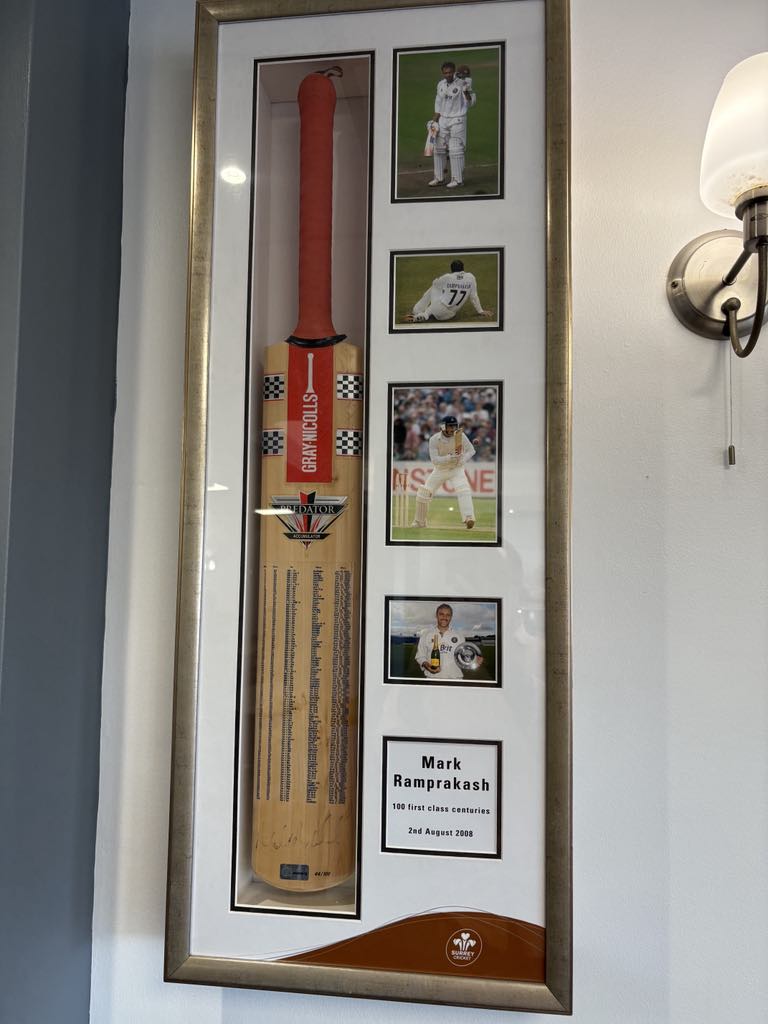
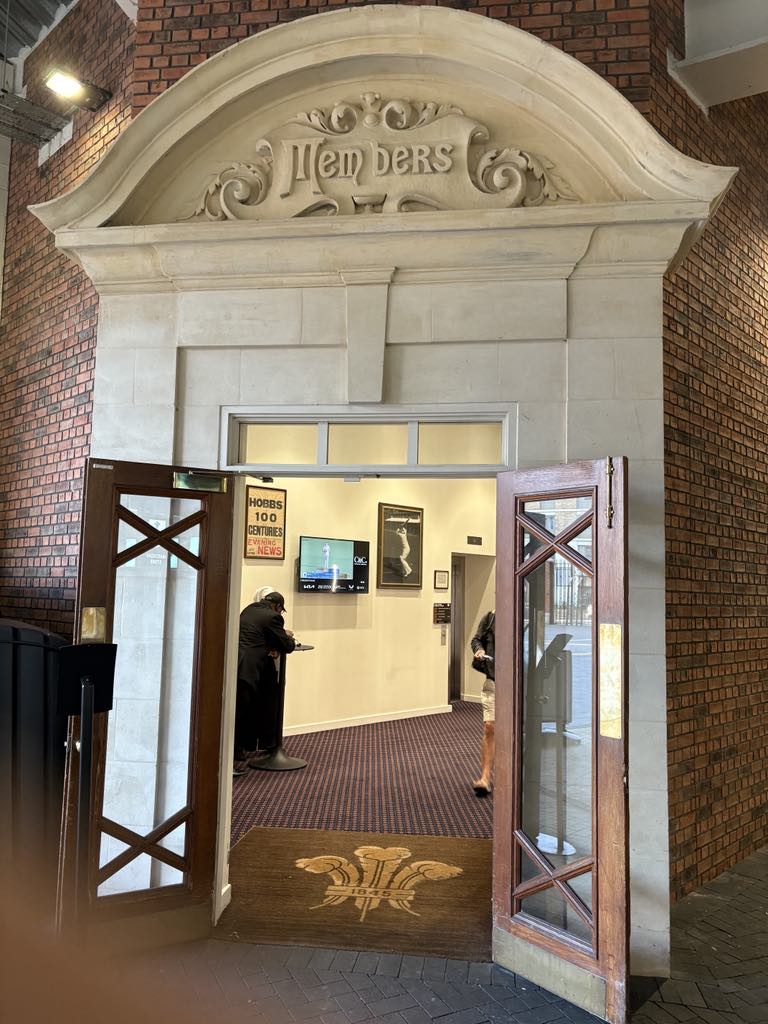
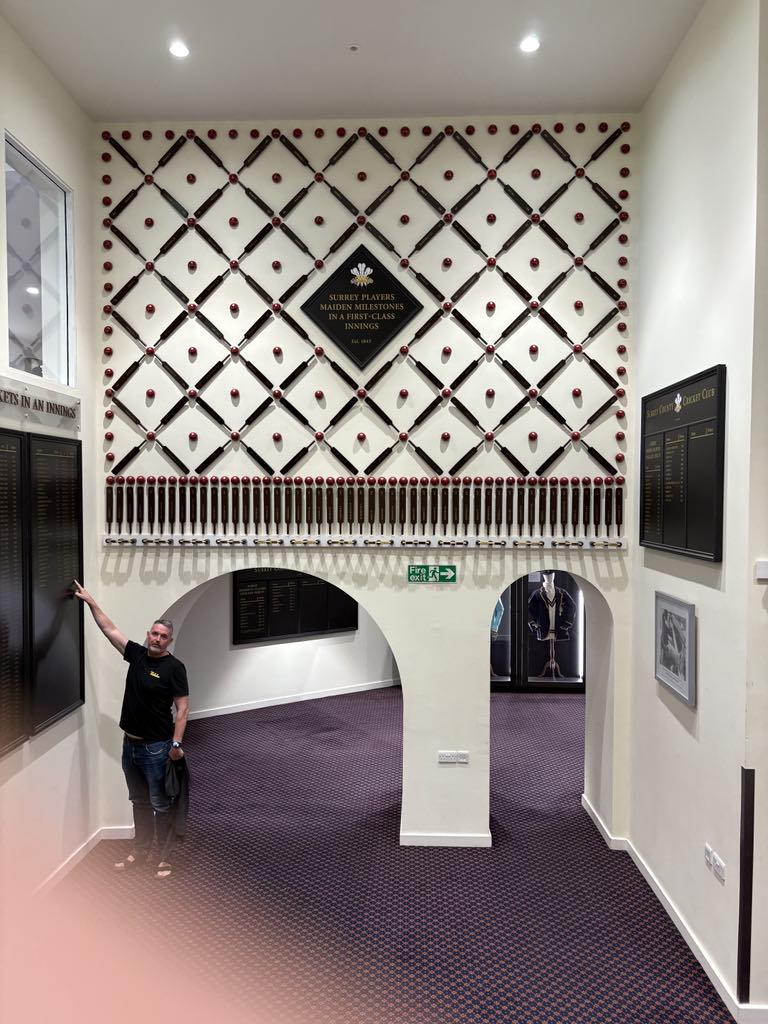
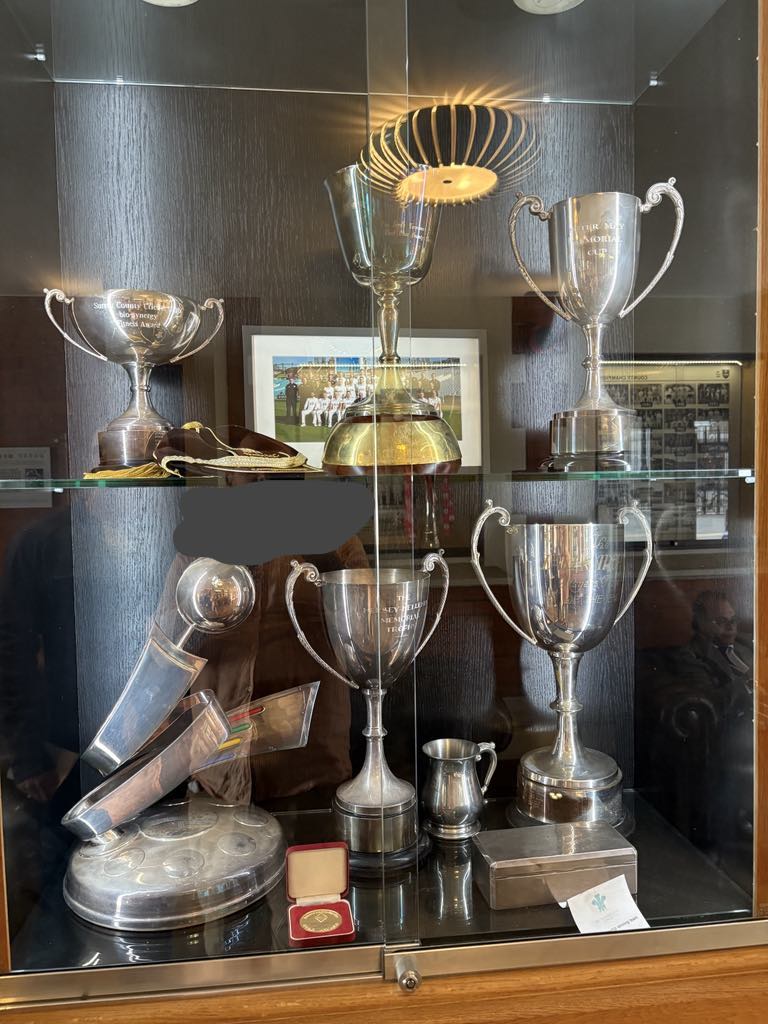
We recently scored members seats for the Oval Pavilion to catch a cricket match. These were procured through our Sport correspondent Mark. As you can imagine, in our office Mark has a great deal of time on his hands and in fact we forgot he existed.  He was therefore more than happy to give us a tour of the Pavilion and the artifacts it contains. Tours are also available to the general public.

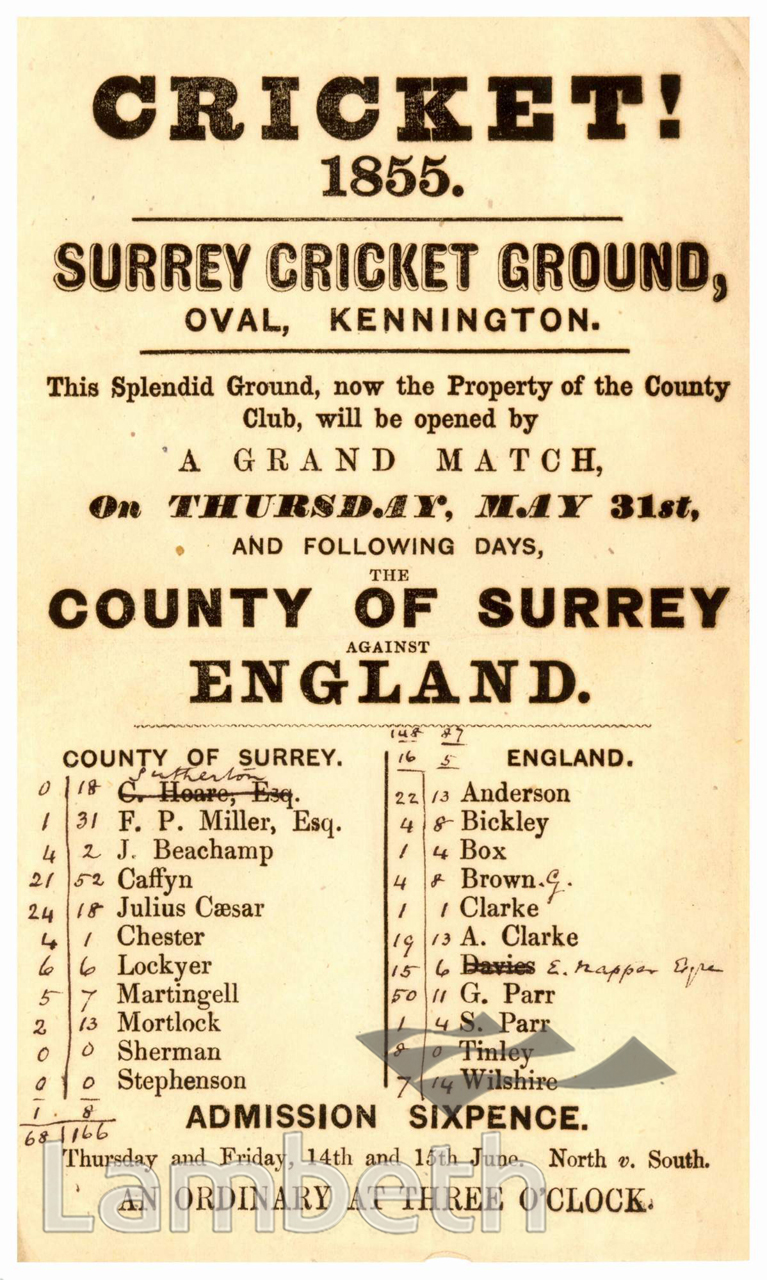
The Pavilion acts a fascinating backdrop to the sport and we learned about the cricket prowess of legends such as Len Hutton, Graham Gooch and Stuart Broad. To be honest we’ve never heard of these people but their dedication to the sport appears to be remarkable and their achievements abound. Also abundant are trophies, jackets, bats and balls from varying generations. If you want to know more about how the Oval was the world’s first for profit sporting venue, we wrote about it a few weeks ago. Mark can be seen below pointing at a black void.

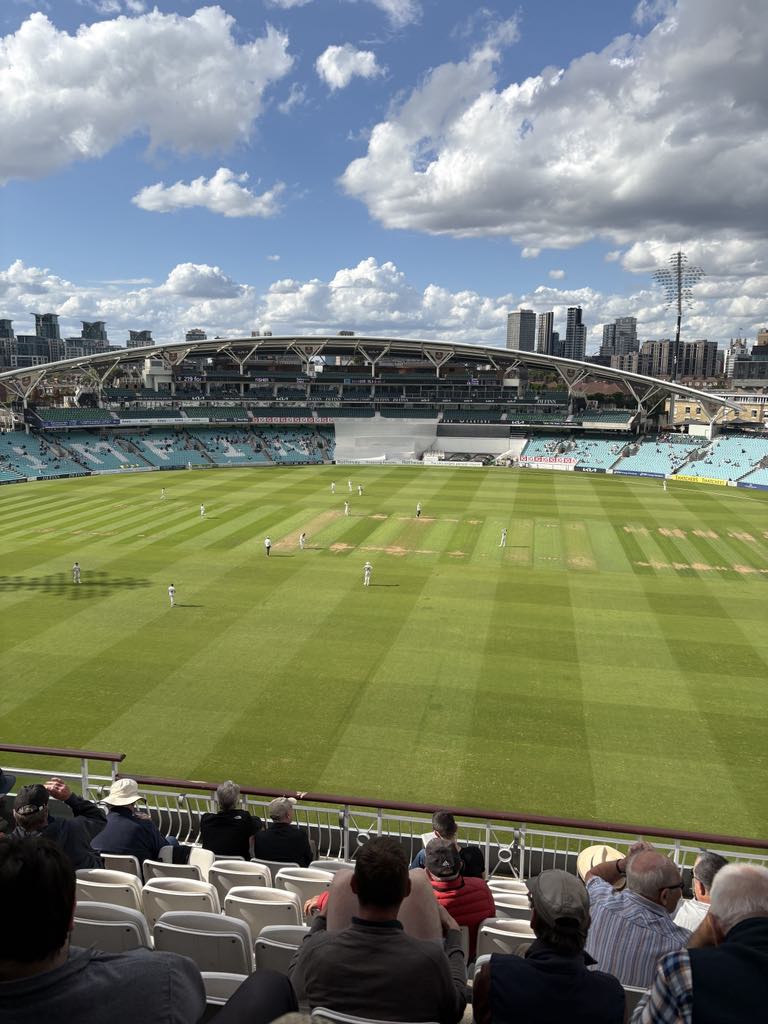
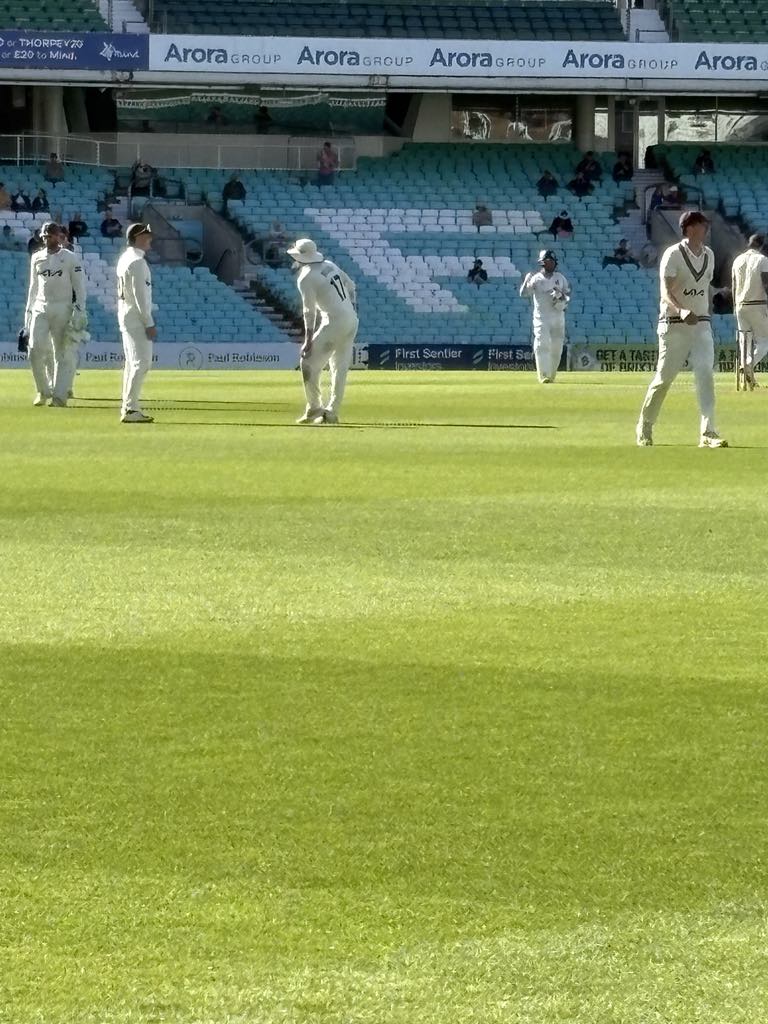
As part of our day with Mark we actually saw a match and were able to walk onto the pitch. Seated amongst a dizzyingly diverse array of geriatric white men reading actual newspapers, it was quite a revelation to learn that cricket is one of the few sports that you appreciate whilst reading, talking, or indeed even sleeping. Mark exhibited immaculate decorum when we asked such probing questions as ‘how do they get the grass stains out’ and ‘why can’t they just wear shorts’? The view from the Pavilion to the Vauxhall riviera was worth the ticket price itself.

Match play doesn’t start again until April of next year, so seeing the men in white ply their trade is one for your sparkly diary. Tickets for many matches are just £15 and its great fun. It isn’t it so fun if it is your round at the bar as three drinks set us back £28, Luckily if it’s a county fixture you can bring in your own booze. On match days there are also an impressive number of food outlets, from venison burgers to curry.

A tour of the Pavilion and grounds is a great way to know more about the sport and how it shaped Greater Kennington, and how Greater Kennington in turn shaped the Oval. Tours of the Pavilion and grounds take place at 10:30am daily. While you might not witness the unbridled fascination of seeing a man reading the Telegraph whilst asleep, you’ll learn a lot more about the national sport and the other sports that were once played there.  

Free Culture in Greater Kennington 3 – Open House London 2025

It’s that time of year again and one of our favourite activities here at the Observer….sticking our noses where they don’t belong! From 13 September to 21 September ii’s the Open House London Festival, celebrating London’s housing, architecture and neighbourhoods by flinging open doors and streets not usually open to the public. We have a few suggestion for you and they are all FREE, and we love free. Well, the last two aren’t free.

Most Open House venues have friendly staff on hand to tell you more about what you’re seeing and there are often things to read. If you look on the website you’ll see some local bookable things, but we’re afraid you’ve mostly missed the boat on those babies. The localish venues listed below are open to the public on specific dates, so look at opening times. However, if you possess the audacious gaul to travel out of Greater Kennington you might find there are hundreds more free things to stick your head into around the capital. But we couldn’t possibly encourage that kind of behaviour.

London Fire Brigade Memorial Hall (perhaps your last chance to see it before it is turned into, you guessed it, flats and a luxury hotel).

https://programme.openhouse.org.uk/listings/11781

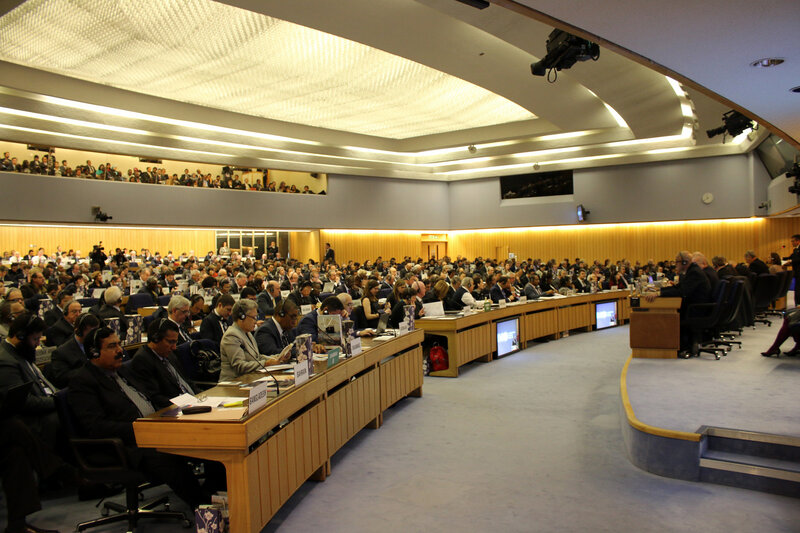
International Maritime Organisation (that bizarre looking building on Albert Embankment. pictured below)

https://programme.openhouse.org.uk/listings/7730

Anderson WW2 Bomb Shelter (for the fetishists among you).

https://programme.openhouse.org.uk/listings/10010

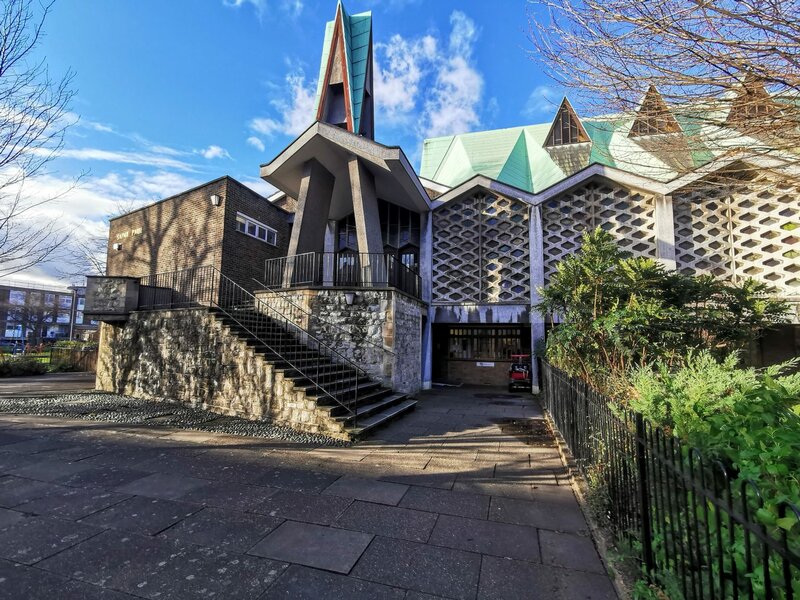
St. Paul’s Newington  (Been and recommend. 1950’s beaut)

https://programme.openhouse.org.uk/listings/2556

Walworth Garden (been and recommend, even if it is like a stroll through a garden centre)

https://programme.openhouse.org.uk/listings/10950

Soane Re-imagined – St. Peter’s Church

https://programme.openhouse.org.uk/listings/13342

Southwark Heritage Centre and Walworth Library (been and recommend. Yes, it’s a trip to the library but with a museum stuck in it)

https://programme.openhouse.org.uk/listings/9722

Van Gogh House London (Been and recommend. Its more about restoration than the great man so don’t expect any paintings or a severed ear).

https://programme.openhouse.org.uk/listings/8317

Lots of other interesting things that are less than free such as an Elephant and Castle Walking Tour

https://open-city.org.uk/events/elephant-48

And Nine Elms Walking Tour (fun but also not free)

https://open-city.org.uk/events/elms-29

RVT Sports Day in Spring Gardens

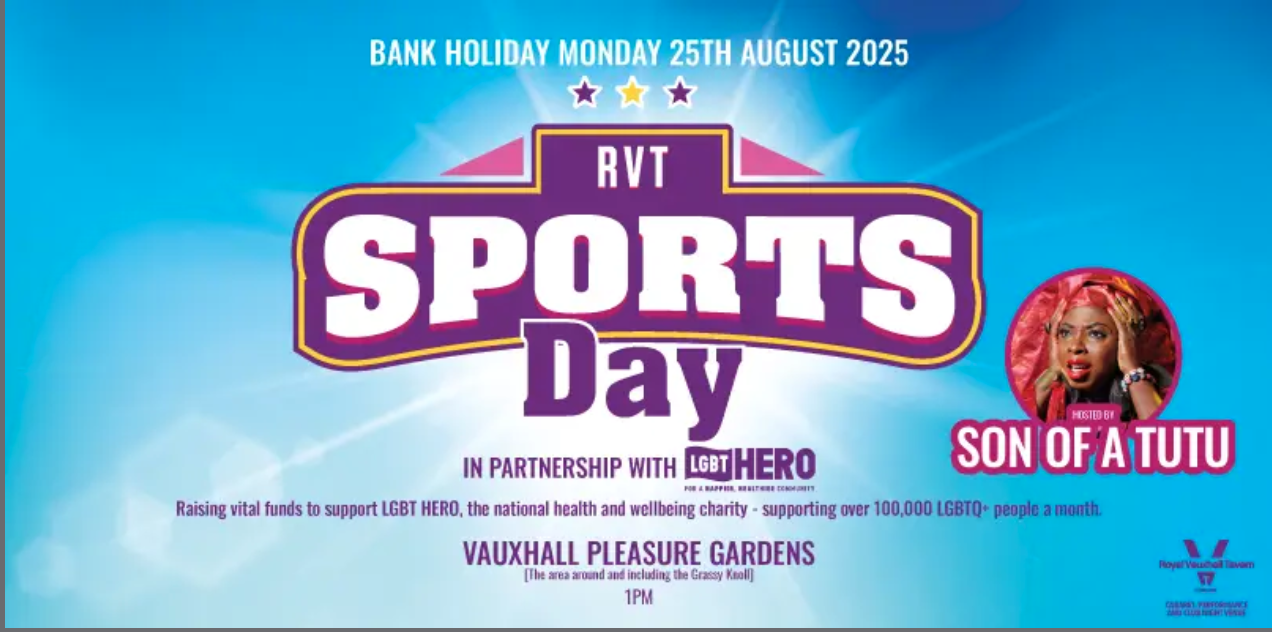
Looking for a fun distraction on what will probably be the last weekend of this steamy summer? Of course you are and so are we, and we can recommend nothing better than the charity raising and inclusive Royal Vauxhall Tavern Sports Day at the back of Spring Gardens on Monday 25 August from 1pm. Because we’re all about charity.

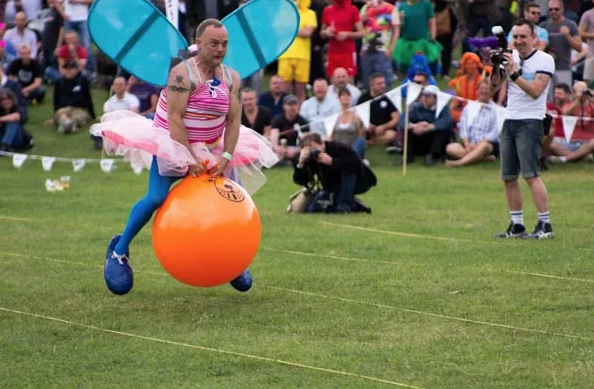
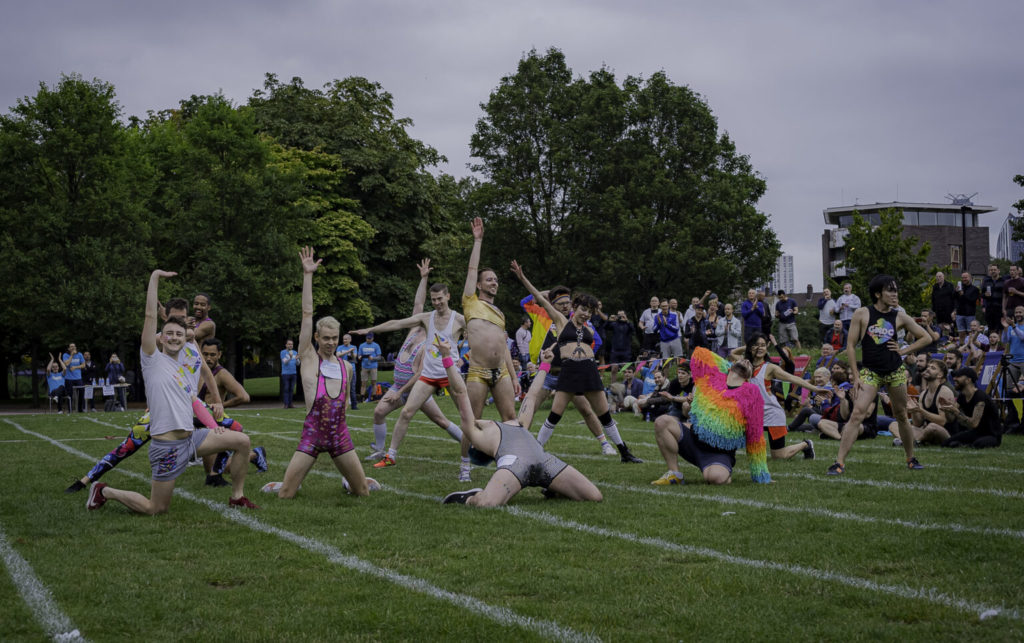
For the uninitiated, Sports Day is our own little Notting Hill carnival, with soca and steel drums substituted with handbag throwing, tug of war and drag queens.  The event is composed  of approximately 10 teams, usually dressed up and with great names. As you can imagine, there is a definite comedy element to the proceedings but is MC’ed by some professional sports reporters who corral events into a semblance of actual competition. The various tasks (egg and spoon, the 50 metre mince, drag race relay, etc) are constructed in a knockout format with the winning team being crowned at about 5pm. All proceeds go to charity LGBT Hero, which promotes health in the lesbian. trans and gay communities.

This event is free but bring some cash or a tappable phone as there will be charity buckets and volunteers about, and there is also a raffle.  The day is certainly not limited to a specific demographic and there are a number of families there with kids, older folks, and an overall sense of mirth abounds. There are bars, music and once in a while the cute critters from Vauxhall City Farm even pop over for a visit. We would never presume to tell you how to live your life, but for maximum enjoyment we might suggest a picnic consisting of ultraprocessed food scored from the corner shop. The website indicates a kickoff at 1, but is usually about 1:30. And If you are going please pop over and say hello to the Observer team. And good luck trying to find out what we look like, as we might even have a team ourselves.

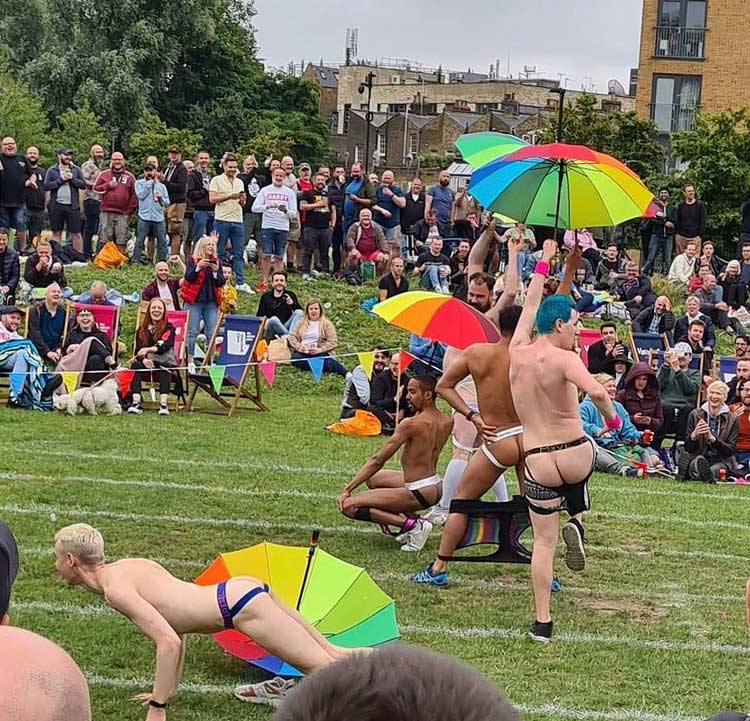
The highlight of the day has to be the rhythmic gymnastics because, let’s be frank, you haven’t truly lived until you’ve witnessed a dozen men in jock straps and umbrellas dancing to ‘Barbie Girl’.
The Bygone Era of Greater Kennington

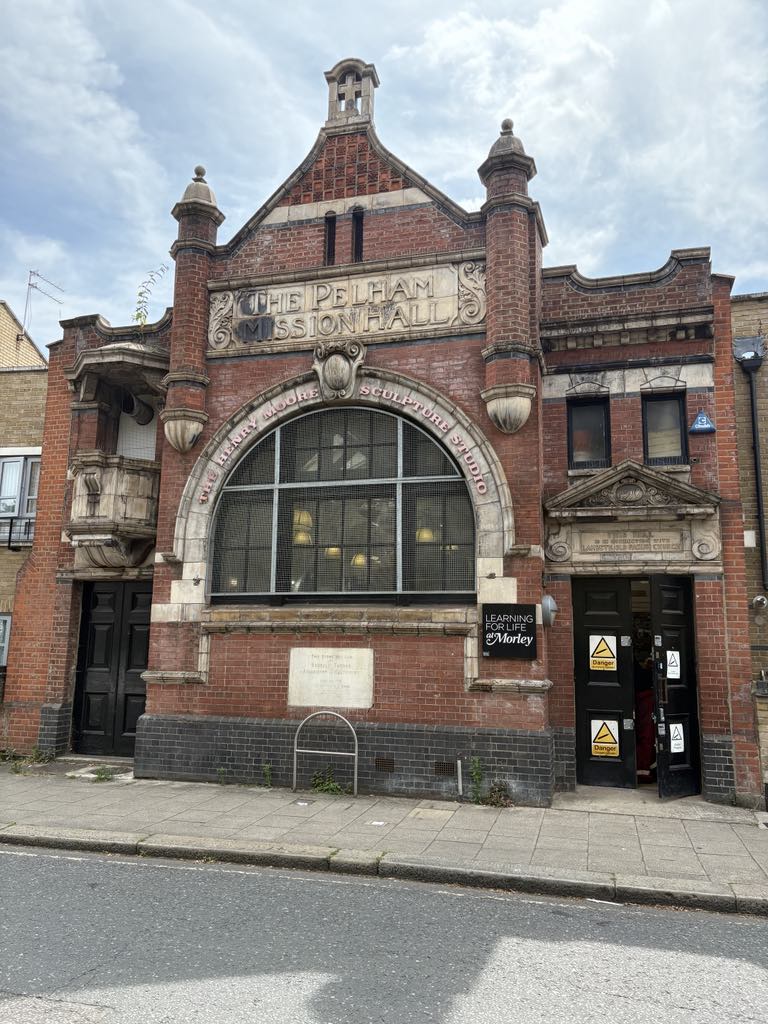
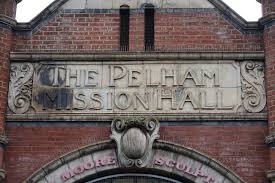
Some parts of Greater Kennington have survived for centuries, some were lost as a result of enemy action, and other parts bulldozed as a result of short term thinking and poor planning. Others are lost in plain sight as not many people know about them. Have you ever noticed the former Pelham Mission Hall in Lambeth Walk?
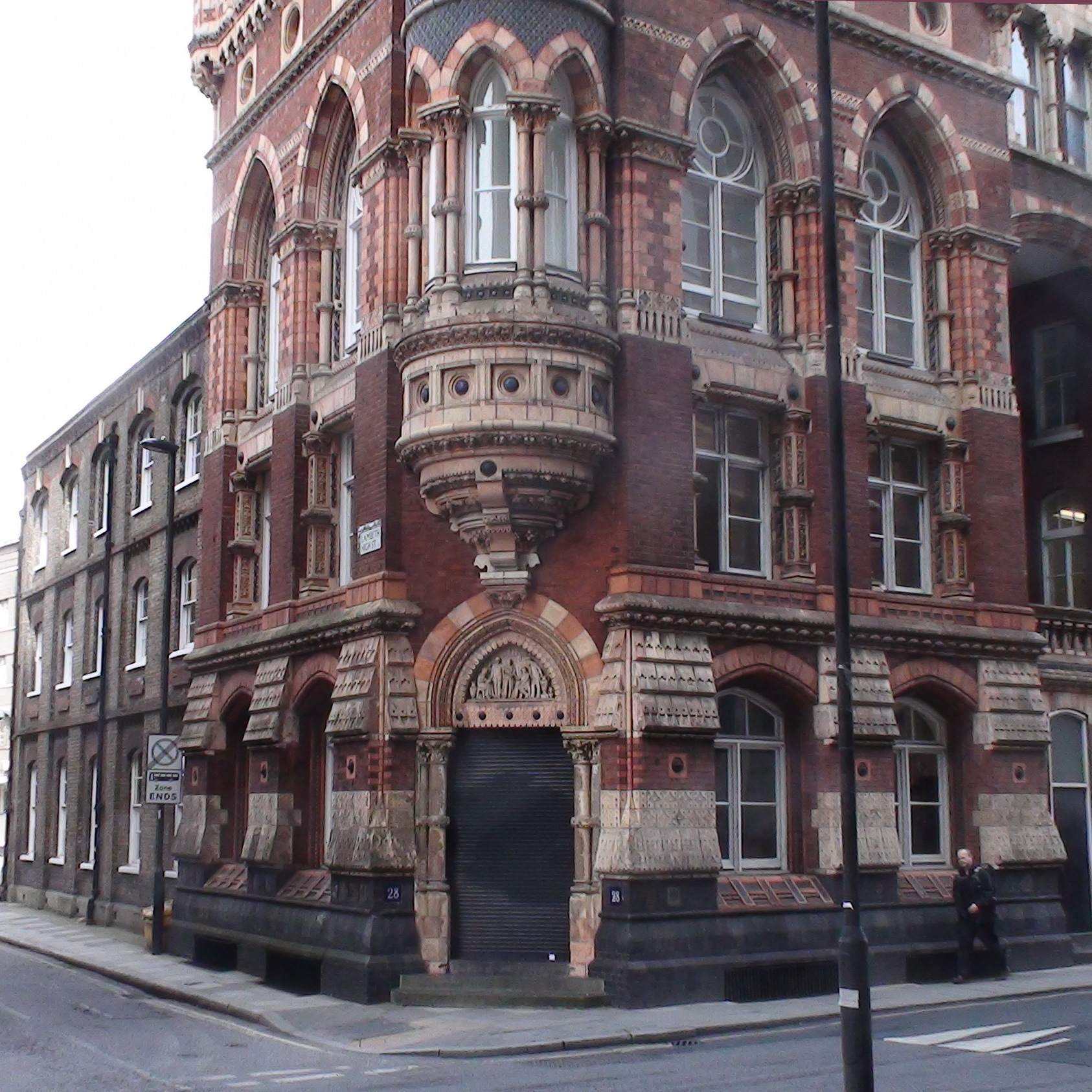
The quite striking Mission Hall was built on 1910 to a design by local architects Waring and Nicholson, who possibly collaborated on the stunning Doulton Pottery building (below) in Black Prince Road. It replaced something called a “beerhouse” of which little is known. The Hall was in fact a church, complete with an outdoor pulpit. One can imagine that it’s no coincidence that a church should supplant a beerhouse, and perhaps the Rector used his bully pulpit to warn the marketgoers in Lambeth Walk about the evils of drink and its associated lascivious behaviours.

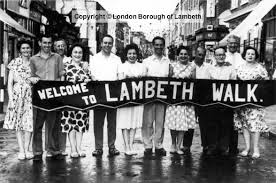
The Mission Hall is one of those rare survivors of the bygone era of a Cockney Kennington tinged with deprivation and struggle. When the Hall was built Lambeth Walk had over 100 market stalls run by street sellers, or costermongers, who would hawk their wares in a melodic street patter which can still be heard in East Street market in Walworth. If you want to know more about the history or Lambeth Walk itself, check out our post from 2021.

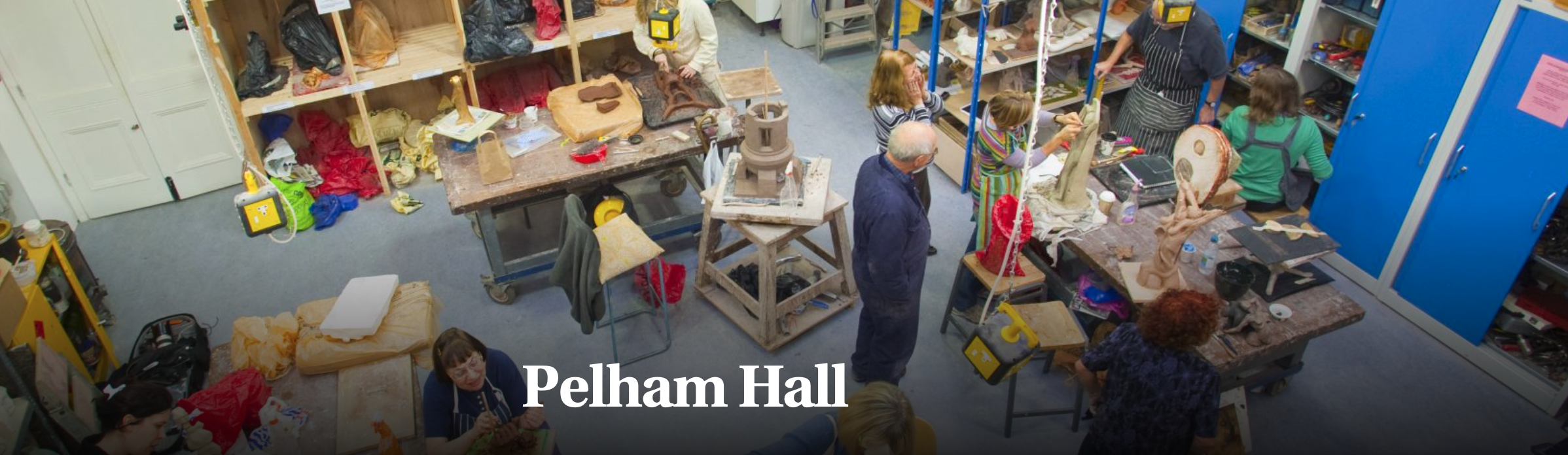
Like the pawn shops and fruit sellers which once dominated Lambeth Walk to ease the hardship of people, there is no longer the need for a rector to be spouting the value of pious living for eternal salvation. Today the Hall has stopped  saving souls but is a home to creating sculpture. The Henry Moore Sculpture Studio exists as a creative place for sculpture courses and a space for creating lovely things. They offer a range of courses in all aspects of sculpture which are not free, and periodic lectures which are. Check out their website for information about both.

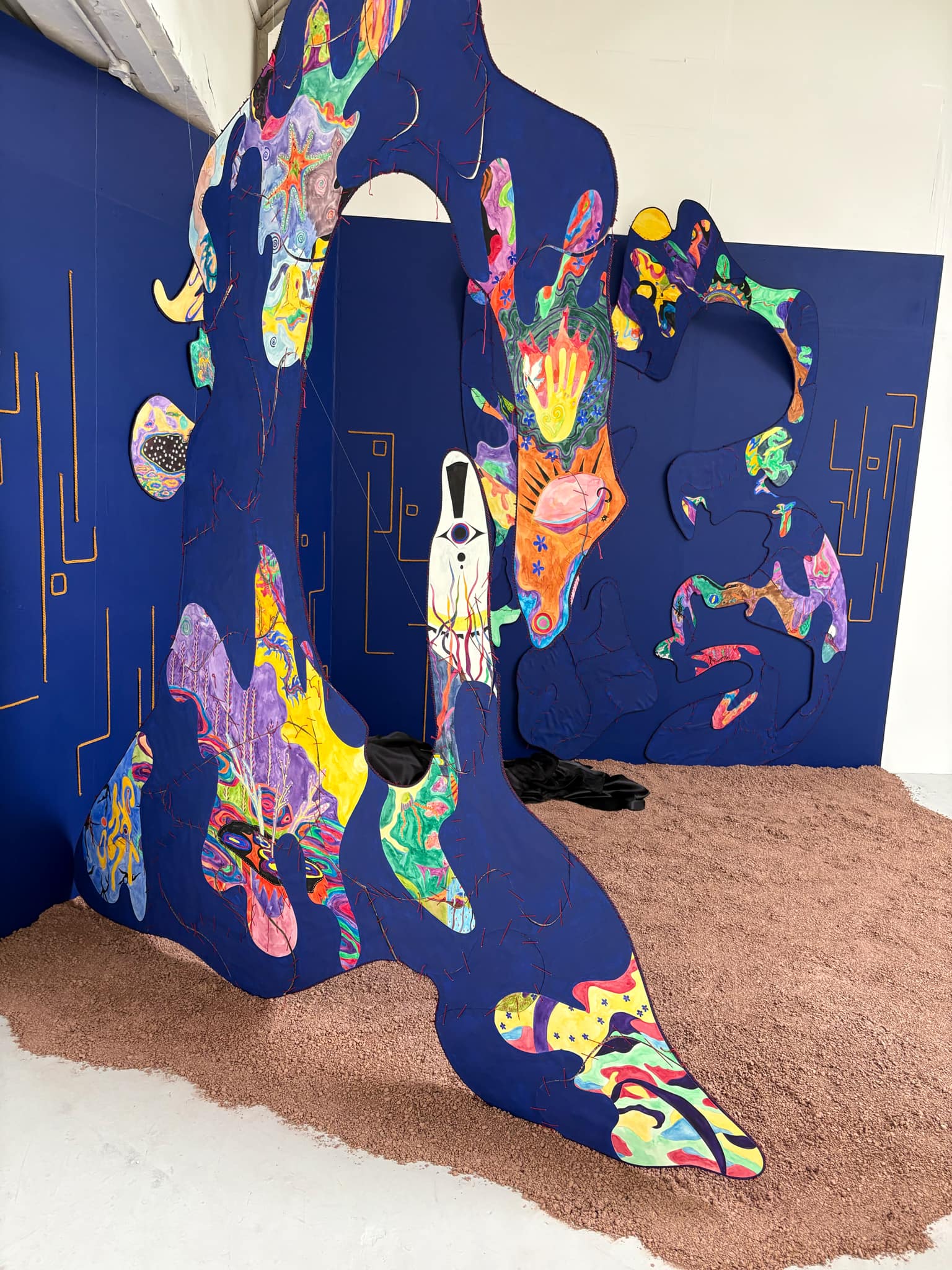
City & Guilds Degree Show 2025

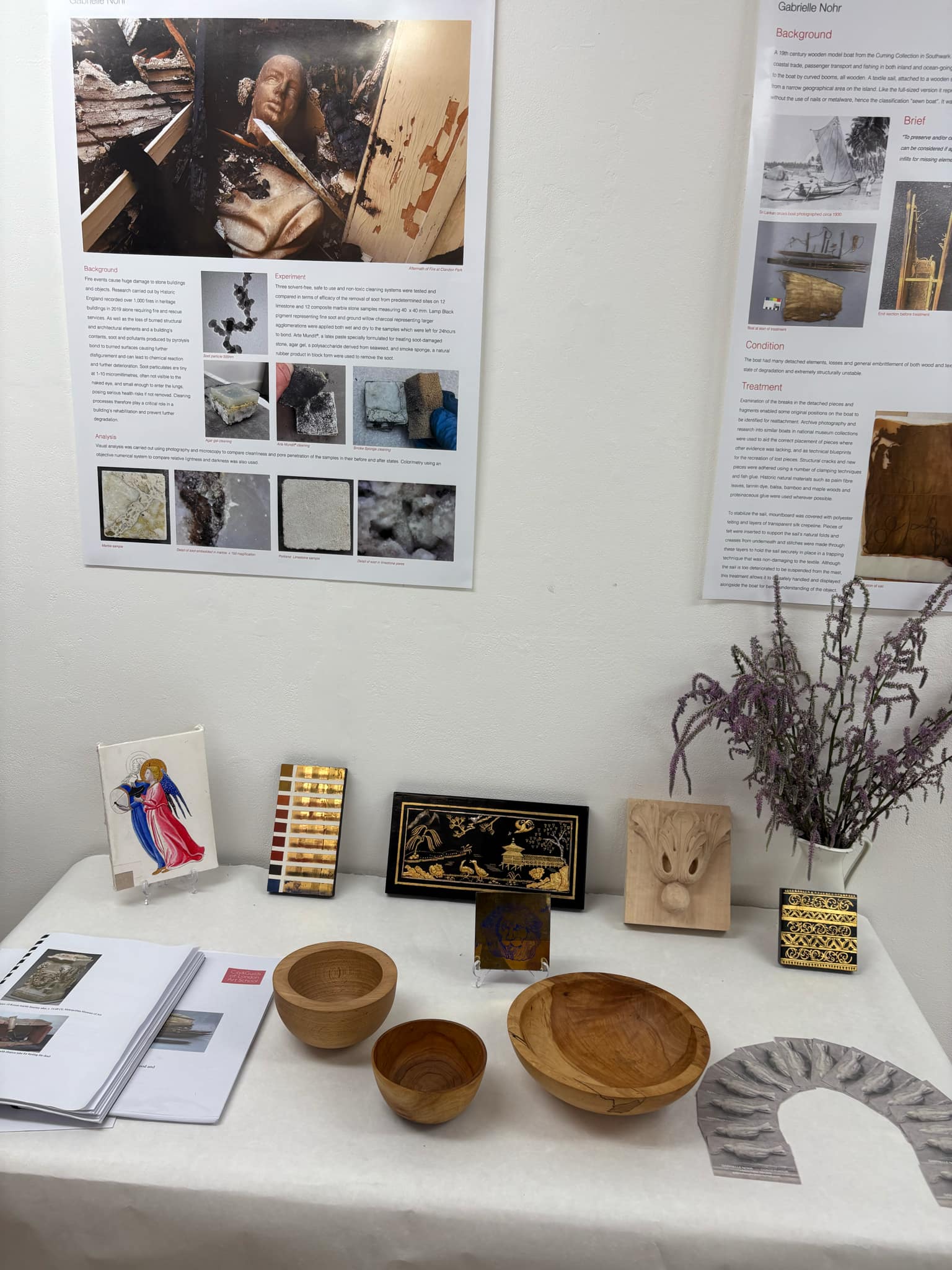
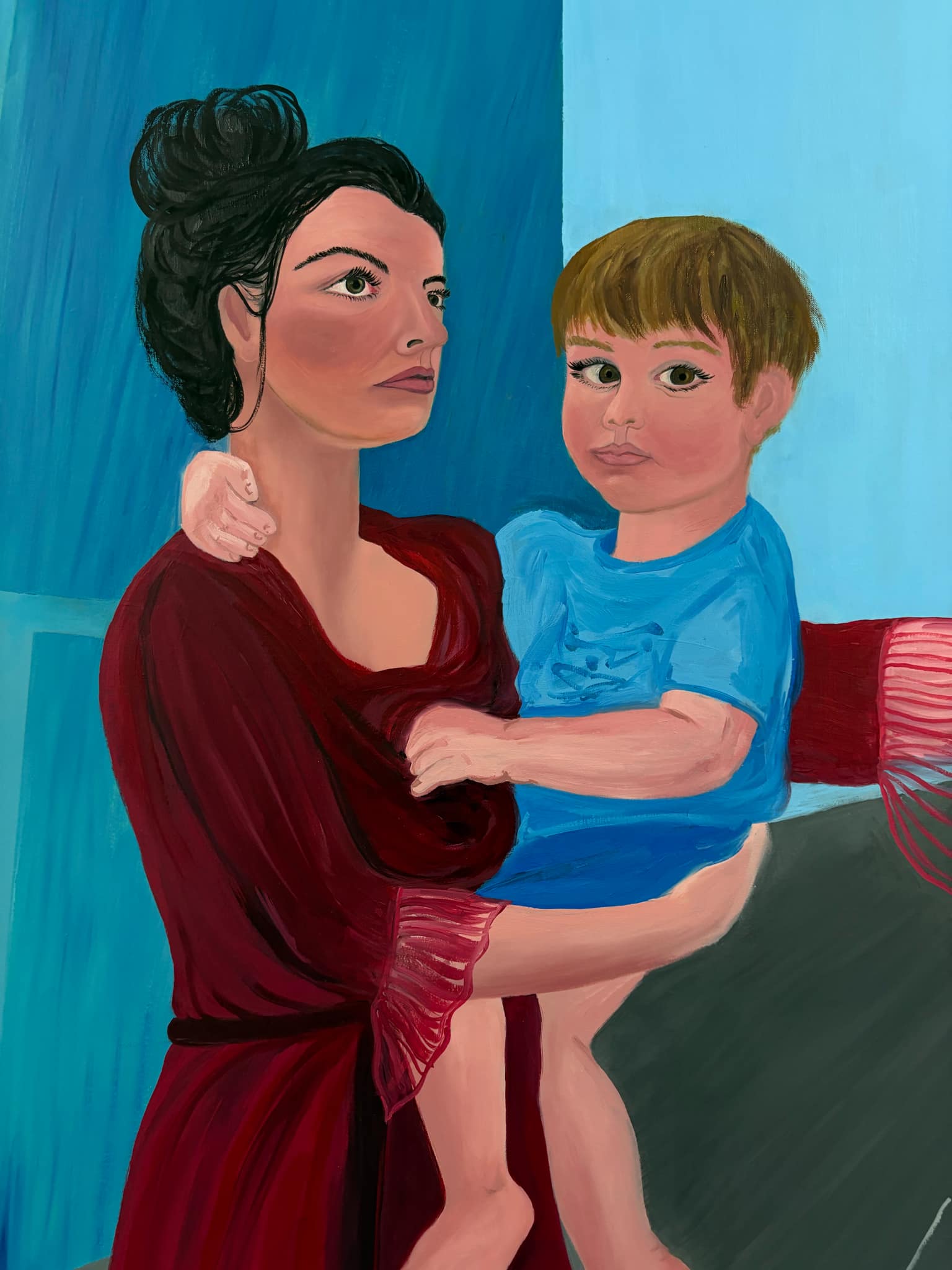
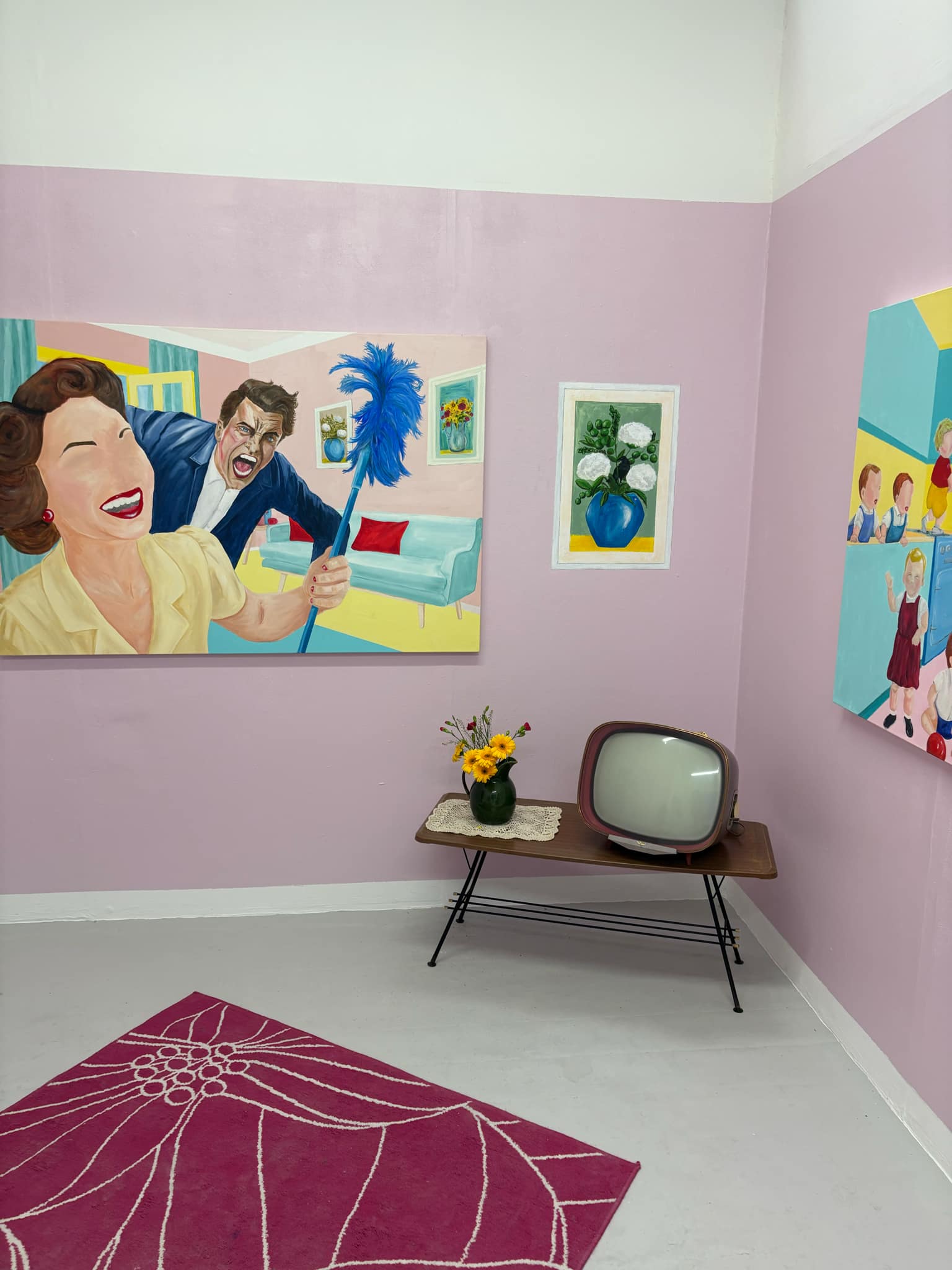
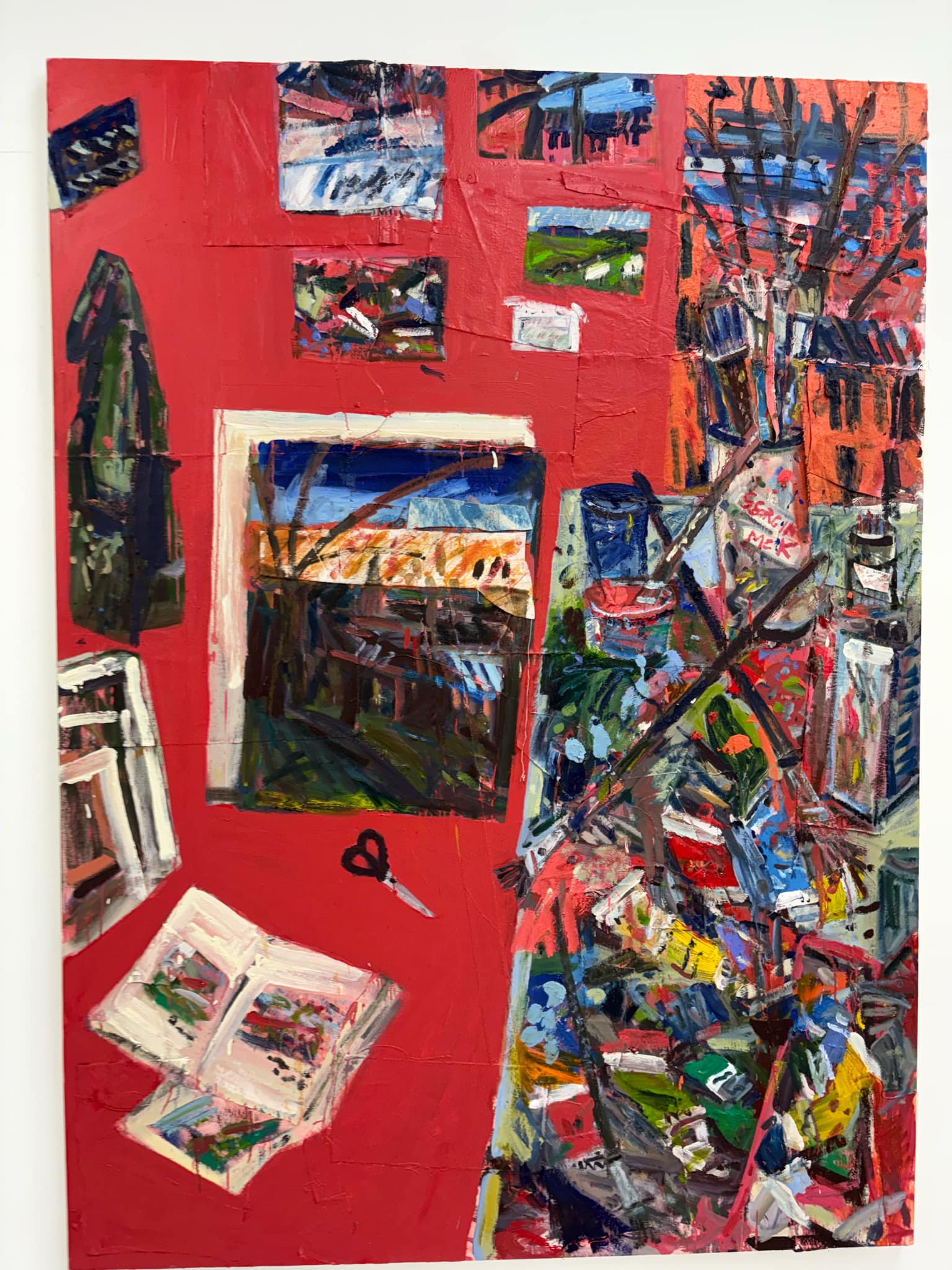
We’ve just donned our crimson berets and sunglasses to attended the opening of the degree show over at City and Guilds. For the unfamiliar, City and Guilds is our own world beating arts school in Kennington Park Road, and twice a year they fling open their painterly doors to allow us a glimpse into what their students get up to. And you can buy what you see, but buying is by no means obligatory. 

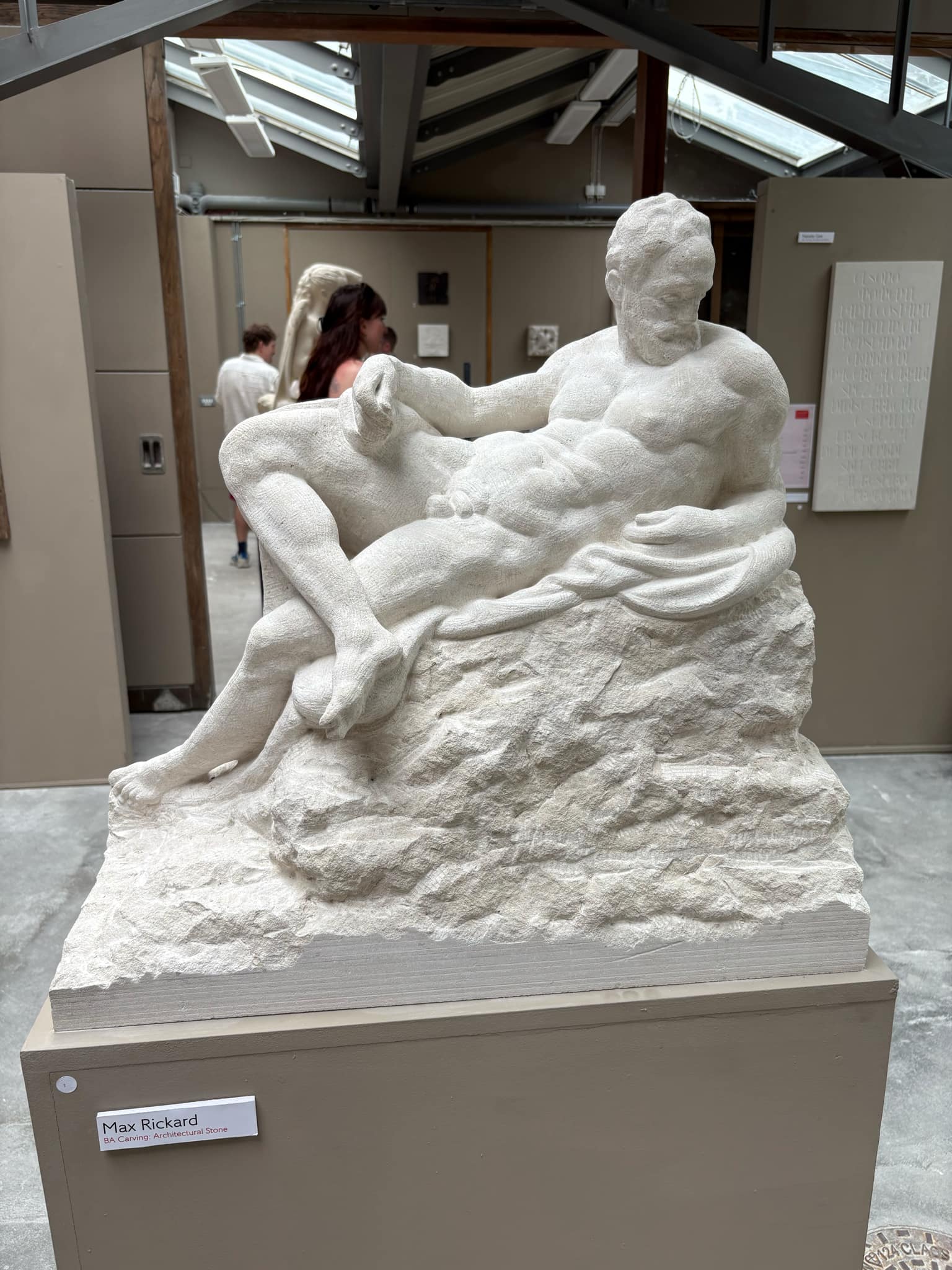
The BA show is a celebration of the work of current students as well as current work from fellows of the institution. It tends to be more circumscribed than the huge and quite zany foundation show in the spring and concentrates its efforts not only on painting, but fascinating shows of woodwork, restoration, stonework, and carving. Themes often dominate these shows, and this year’s themes appear to focus on impending doom/raucous celebrations. And there’s something about people who don’t have eyes, but we couldn’t exactly pin that one down. 

Along with the exhibits there are handy notes offering a bio of the artists and their approach to their craft. And if you don’t like what you’re looking at keep it to yourself, as the artist might be nearby – but very handy if you want to ask them anything. And if you have no idea what you’re looking at but what to look as if you do, take a long dramatic breath, look at your friend, and say ‘It’s about IDENTITY’. Then throw that crimson beret to the floor and march out of the room.  

The City and Guilds degree Show 2025 is on now until Friday, 27 June. Hours are 11:00 to 18:00 Monday to Friday, 13:00 – 17:00 Saturday and 10:00am to 17:00 on Sunday, and open until 20:00 on Friday. They often have a bar on a Friday which is great fun. And of course, it’s free. Not the bar, sadly.

The Most Miserable Man in Kennington

Anyone who has ever walked out of a Gail’s Bakery knows what it feels like to be miserable. But it might surprise you that there have been miserable people in Greater Kennington for centuries, and we’re here to tell you about one.

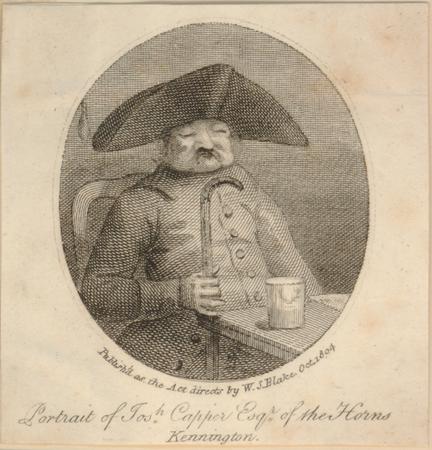
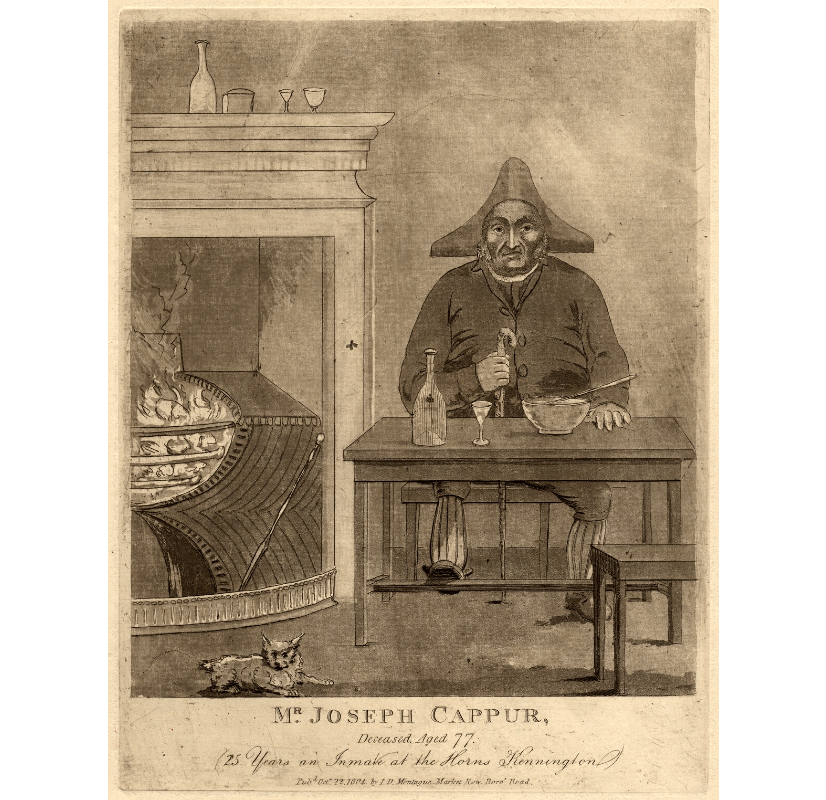
Joseph Cappur was born in 1727 in Cheshire into humble circumstances. At an early age, he came to London to begin an apprenticeship as a grocer before setting up his own shop in Whitechapel. Cappur soon prospered in his trade and, having been fortunate in various speculations, the lucky sod was able to retire in his 50’s.

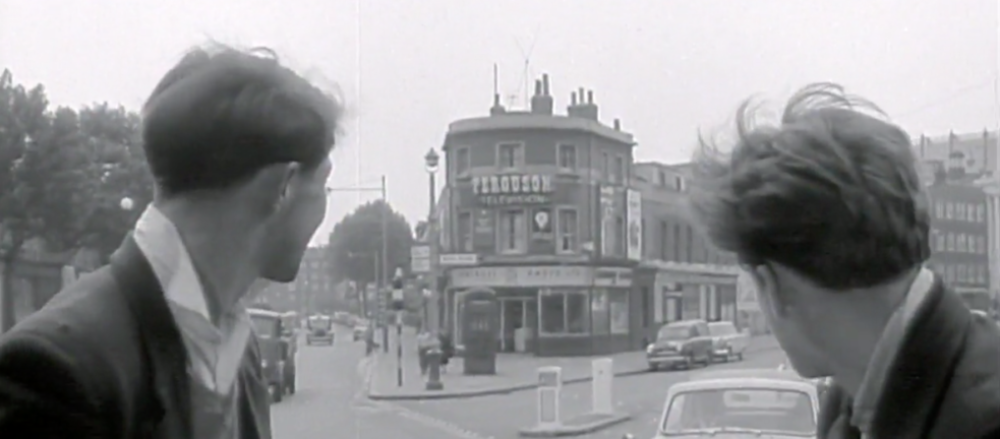
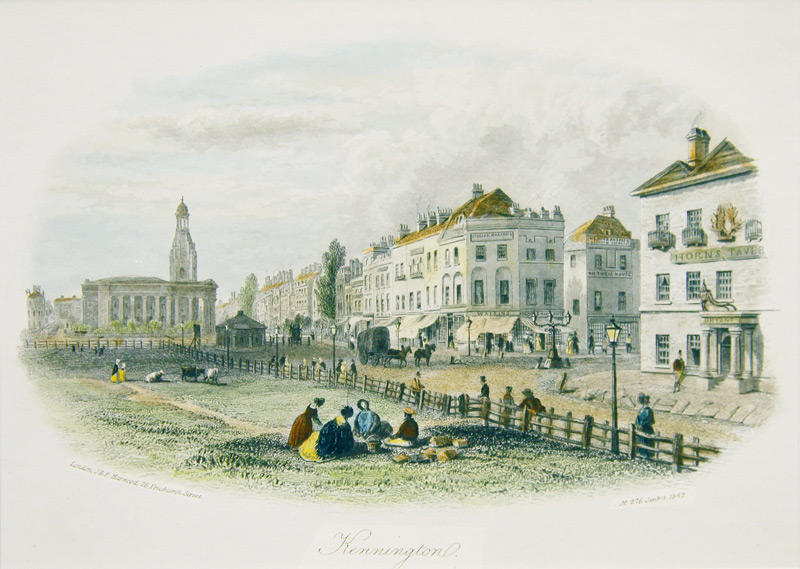
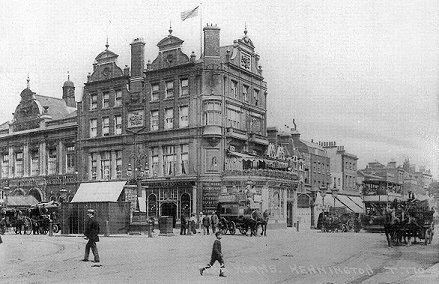
Upon retiring,  Cappur spent several days aimlessly walking around London searching for lodgings. His search eventually brought him to the beloved Horn’s Tavern in Kennington. It was located at Kennington Park Rd and Kennington Rd. Below you can see it in its Georgian version and then its Victorian version. The current version is actually now a Job Centre Plus, or as we like to call it ‘the ugliest building in Greater Kennington’. Soon to be replaced by the second ugliest, a giant skyscraper full of students. But we digress.

When he arrived at the Horns, Cappur ordered a pork chop in his usual blunt and demanding manner.  As the evening progressed he demanded a bed, and he received an equally blunt refusal from the Landlord, in a style of not unlike that of Cappur himself. Cappur refused to accept this and after some altercation was accommodated with a bed. It was at this point that he determined to stay and ‘plague the growling fellow!’ Cappur talked a good game and and for many years he discussed quitting the Horns the following day. Unfortunately for the punters he lived there until the day of his death,  twenty-five years later. At no stage was any agreement reached as to lodging or eating but wished to be considered as an inmate.

So methodical were Cappur’s habits that he would not drink his tea out of any other than his favourite cup, as well as using the same plate and cutlery. He rose at the same hour every day and would always sit in the same chair next to the fire. He was elected as the Steward of said  fire, and if anyone were found daring enough to put a poker into it without permission, they incurred the risk of experiencing the weight of his cane. We rather respect the tenacity of Cappur as there are a great number of people in Kennington who we’d love to hit with a cane ourselves.

At breakfast Cappur arranged, in a particular way, the paraphernalia of the tea table, but first he would read the newspapers. At dinner, he observed a general rule and invariably drank a pint of wine and a quarter pint of rum with sugar, lemon peel and porter mixed together, the latter he saved from the pint he had the previous day.. So regular was he in his habits that his bill was always £4.18s every fortnight.

Cappur called himself the champion of government, and nothing angered him more than to hear anyone disparaging the British constitution.  His favourite amusement, or some might call it a fetish, was killing flies with his cane, and while doing this he would tell a story about the perniciousness of all Frenchmen, whom, he said, ‘I hate and detest, and would knock down just the same as these flies.’  So if he were alive today he would likely vote Reform and read the Daily Mail.

When a new landlord took over the Horns, he found that Cappur came with the Tavern, and such was treated not unlike a pint glass or a stool. This led to a new understanding and acceptance of Cappur’s peculiar behaviour. Why the new landlord didn’t just say (cue Peggy Mitchell voice) ‘Get your poking cane and pint of wine out my pub’ is not recorded. Joseph Cappur died at the Horns on 6 Sept. 1804, at the age of seventy-seven.