Ten Best Places to Eat in Greater Kennington

+One Sunday Roast

#10 CAFE VAN GOGH

Coming up at the rear of our very best is vegan institution Café Van Gogh in Oval. The Café operates as a not for profit social enterprise and many of the people working there live with challenges which would exclude them from most of the job market. They also aspire to be zero waste and all of their takeaway containers and coffee cups are fully compostable. According to their website ‘our social purpose is more important than making tonnes of cash’. TICK! 
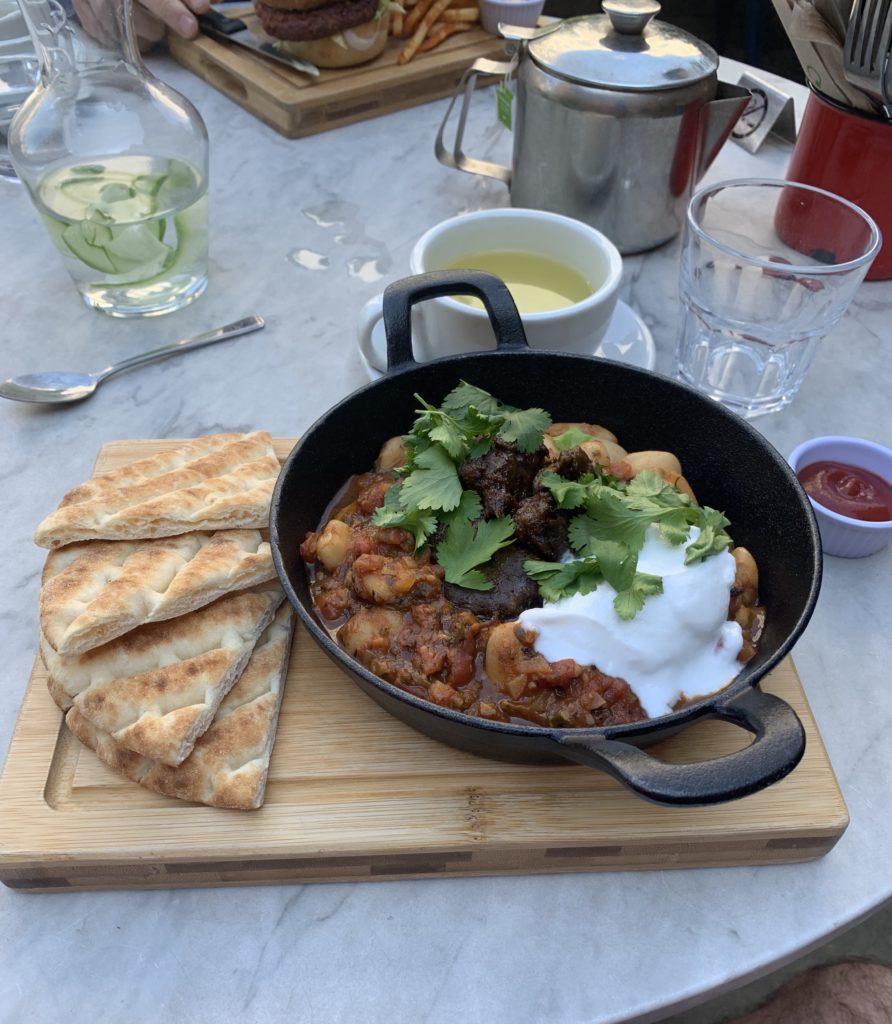
Your noble scribe tucked into the shiitake shawarma served in a bowl with flatbread. The generous portion was augmented by baked butterbeans, yogurt, dukkah and sprinkled with coriander. The flavours worked well and the meaty mushrooms melted in my mouth very quickly. In a sense it was amazing that this was vegan at all, and reflects what must be a great deal of experimentation in the kitchen. This very much had a home cooked feel. 
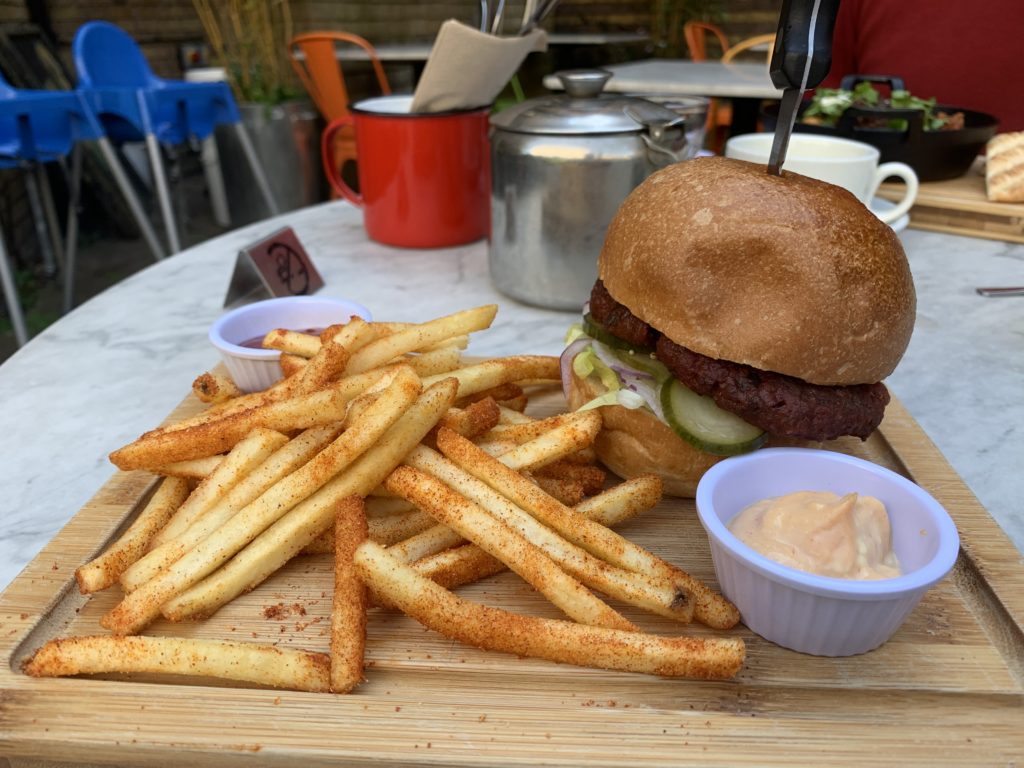
Mike from our IT team had the Van Gogh burger. This is a house speciality with the burger being based on shiitake mushrooms, with likely some beetroot in the mix for a bit of colour. This was at the softer end of veggie burgers but agreeable and was elevated by an excellent soft domed roll and some spicy vegan mayo. Served with this were some thin cut chips dusted with a kind of fake bacon (fakon?) powder, which was a fun addition. Mike has a very complex, and some would say tortured, relationship with vegan cheese, so it did not make an appearance. 
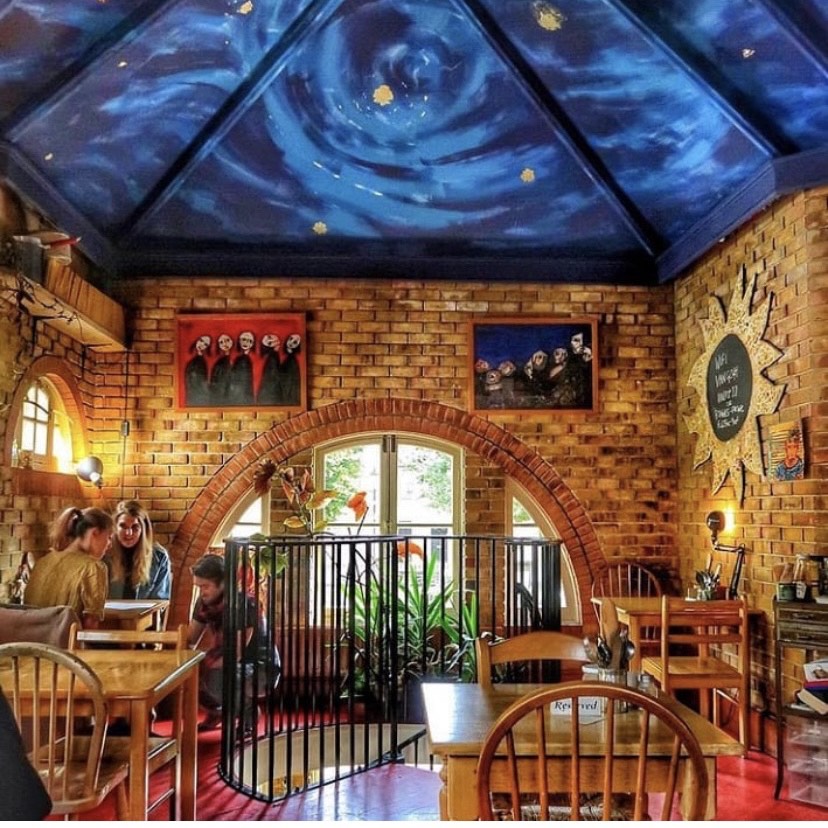
Overall, Café Van Gogh is a gently Bohemian and effortlessly welcoming space, and the Van Gogh prints on the wall and Starry Night ceiling reminded us of those immersive art installations that are all the rage at the moment. If you don’t take our (meat eating) word for the quality of the food at Café Van Gogh, it was recently recognised as one of the top vegan restaurants be no less than Conde Nast Traveller! They are also very much open in the evening, and sell a rage of vegan wines and beers. 
The Walworth Farce @ Southwark Playhouse

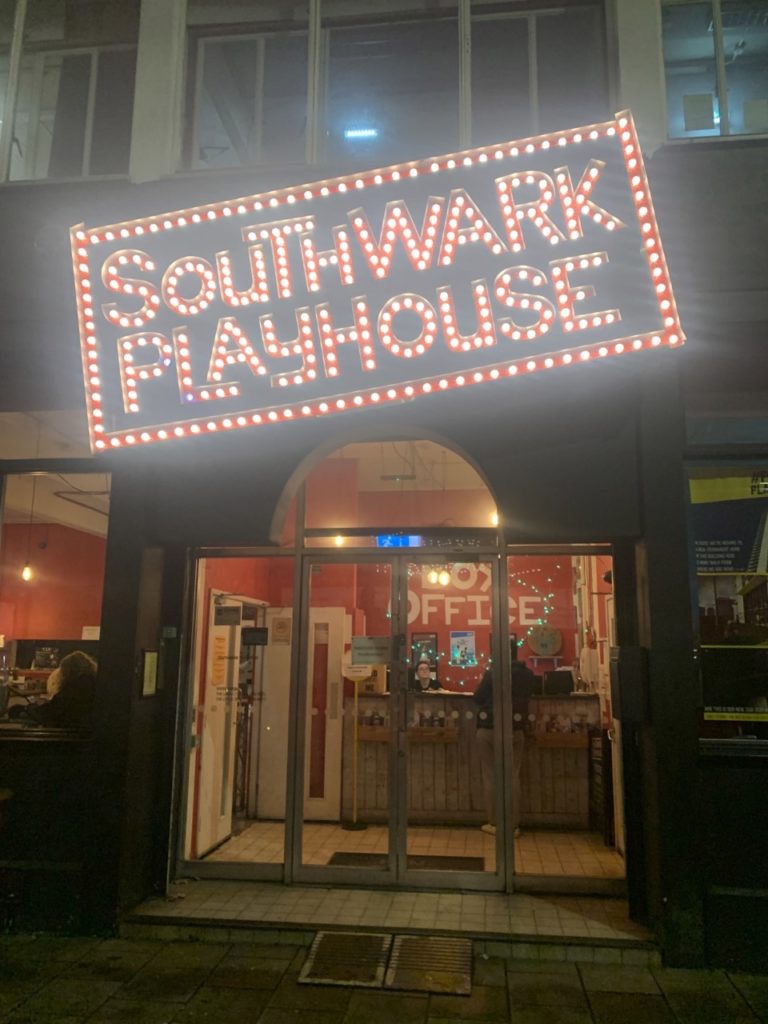
If you’re a committed Runoff reader (and when you think about it, why not?), you’ll be aware that we’ve been closely monitoring the opening of the new Kennington facing Southwark Theatre and we toured the place last summer. It’s now open for business with the geographically appropriate dark comedy ‘The Walworth Farce’ and we’ve just checked it out for you. 

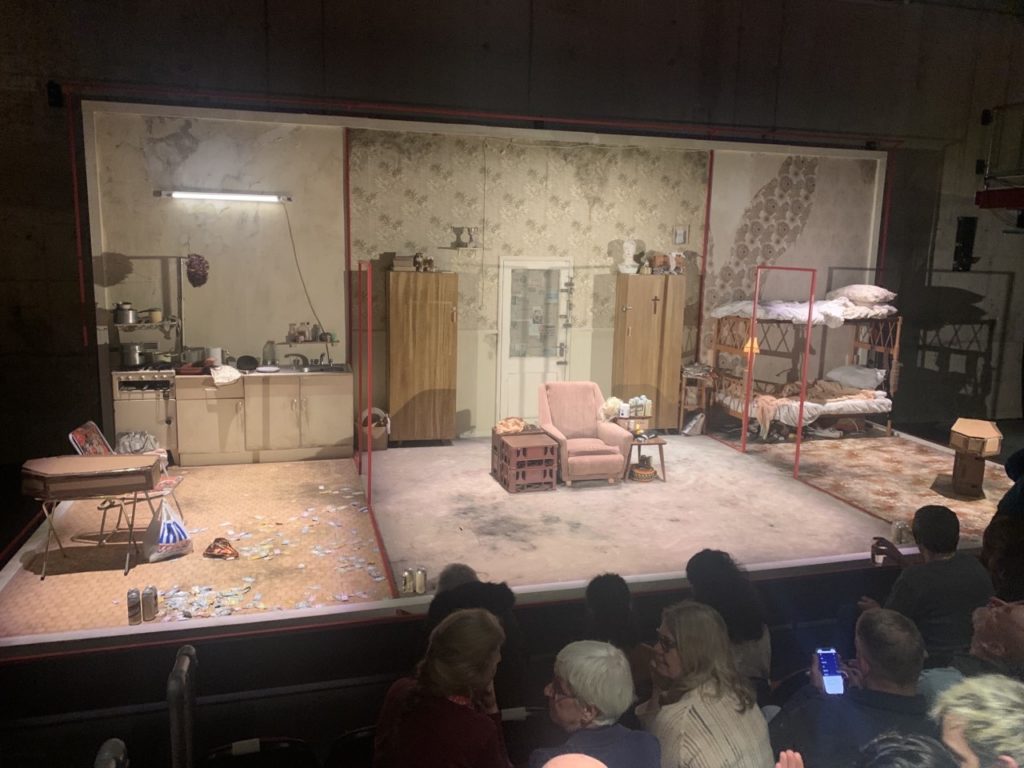
Set in three claustrophobic rooms in a council block in Walworth Road, Irish brothers Blake and Sean live with their father Dinny and spend their day recreating a script of their previous life in Cork. In some scenes Blake and Sean play younger versions of themselves. In other scenes they depict older members of their family in various scenarios primarily centred on murder and inheritance, to an audience of no one. As the older sibling, Sean vaguely remembers what actually happened to his family in Cork and presents this to Dinny, who has an vested interest in reinterpreting the narrative. 

Sean is the only member of the household allowed to leave the flat, and in his daily visit to Walworth Tesco he befriends Hayley, who turns up to drop off some shopping. Seemingly obvious to her presence, the trio continue to depict their series of tragic events and struggle to bring Hayley into the narrative. We won’t tell you if the arrival of Hayley becomes an existential threat to their endless play or if she can liberate Sean to safety. The play’s theme of physically and emotionally trapped characters, compelled to act out narratives in an endless loop, certainly reminded us our lives in 2020 and 2021. 

The Walworth Farce is on now until 18 March and £15 tickets can be purchased here. Or you could just sit at home and watch a programme about Katie Price doing her house up. The choice is yours. 

And only five days to go until we unveil our Ten Best Places to Eat in Greater Kennington (+ One Sunday Roast)!

Getting Classy in Vauxhall

OK people, now that you’ve completed that new year’s resolution of running around Kennington Park six times, it’s time to work on your grey matter. It’s that time in the Greater Kennington cultural calendar (it’s a thing, trust us) to enlighten you about the ‘Classical Vauxhall’ series of concerts at St. Mark’s Church in Oval from 2 to 5 March. The press release boldly describes it as ‘a four day festival of live music and song, featuring top artists and four centuries of composers’. While the revival of dead white men might not sound like a merry blast, it seems that these artists have their own unique twist on things. 

The concept behind these five concerts is to put on shows that are varied, lively, and accessible to people who (like us) are not habitues of the Royal Opera House and might otherwise be a bit intimidated by this genre.  Each night is set to a theme, from jazz in Hollywood to finding comfort in chaos (very hard to do in Vauxhall) and feature a range of artists performing short pieces. The last day is a freebie and is dedicated to young artists learning their trade.  

The director of the festival and the brains behind the whole thing is Fiachra Garvey and he is joined by artists Clifton Harrison, Tamsin Waley, Rakhi Singh, and the Julian Bliss Septet. To be honest we have no idea who any of these people are – But– we have seen some of their work on YouTube and it’s beautiful. Rakhi and her amazing violin are featured here.  

Tickets are £22.15 so not exactly cheap, but a great way to support local culture and artists who have probably didn’t have much work during the pandemic. Some folks from KR towers went in 2022 and they described it as both amazing and great fun.  A nice way to get a little culture in your life without venturing much further than your local pub. 

Only 10 days to go until our ‘Ten Best Places to Eat in Greater Kennington (+ 1 Sunday Roast)’ countdown, people! 

Shorts at the Cinema Museum

And like the prodigal child, or some random naughty kid, we are back and we hope you enjoyed our month of history writing, picked especially for you as they get the most hits the history of Greater Kennington is important.

As you may or may not know, our greatest ‘at risk’ asset in is the wonderful Cinema Museum located in Charlie Chaplin’s old workhouse. To celebrate LGBTQI+ history month they are putting on series of screenings one is coming up this Thursday (the 16th) seems particularly interesting. It’s a series of shorts about aging, coming out later in life, and disabilities. Afterwards there is a QA and we all have a chance to ask the directors and actors questions about making and acting in the films. And there’s a bar. We’ve been to a number of shorts screenings at the London Film Festival; they’re great fun and an intriguing way to learn more about how films are made.

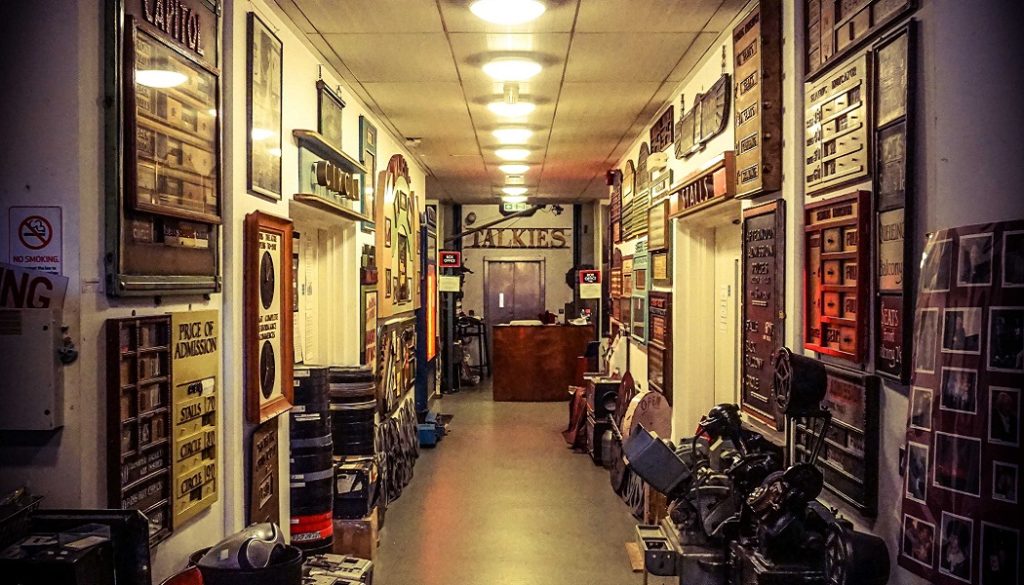
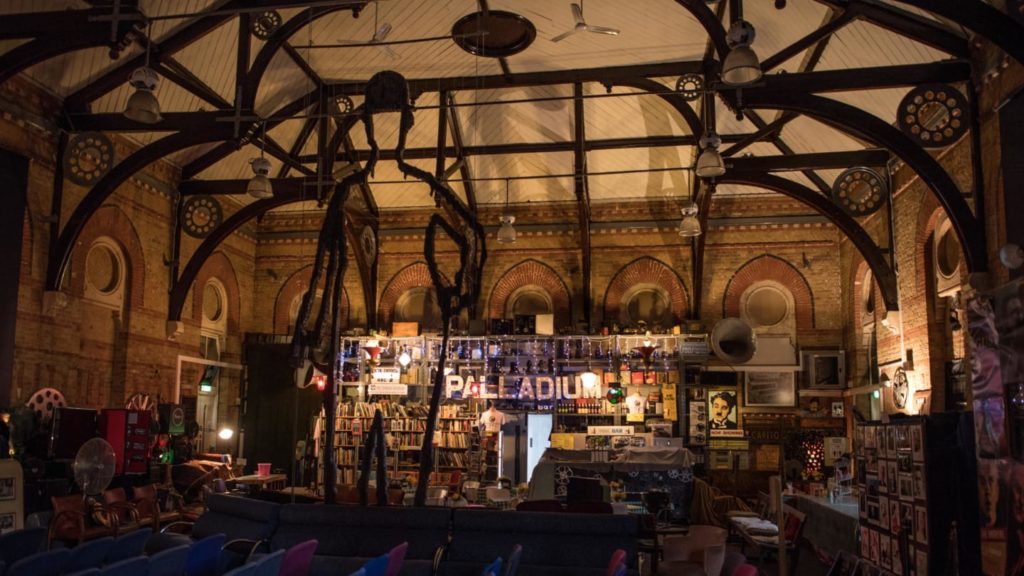
If you’ve never been to the Cinema Museum it’s a treasure trove of cinematic ephemera and your ticket to this event will allow you access to check out some of it, from ticket stubs to chairs, lighting and props. And the films are shown amongst the collection. A great even night out regardless of sexuality or even if you’re not a film buff. Did we mention there’s a bar? 

Doors open at 18:00 for a 19:00 start this Thursday and tickets can be purchased here for £8 a pop. A lot cheaper than the BFI.

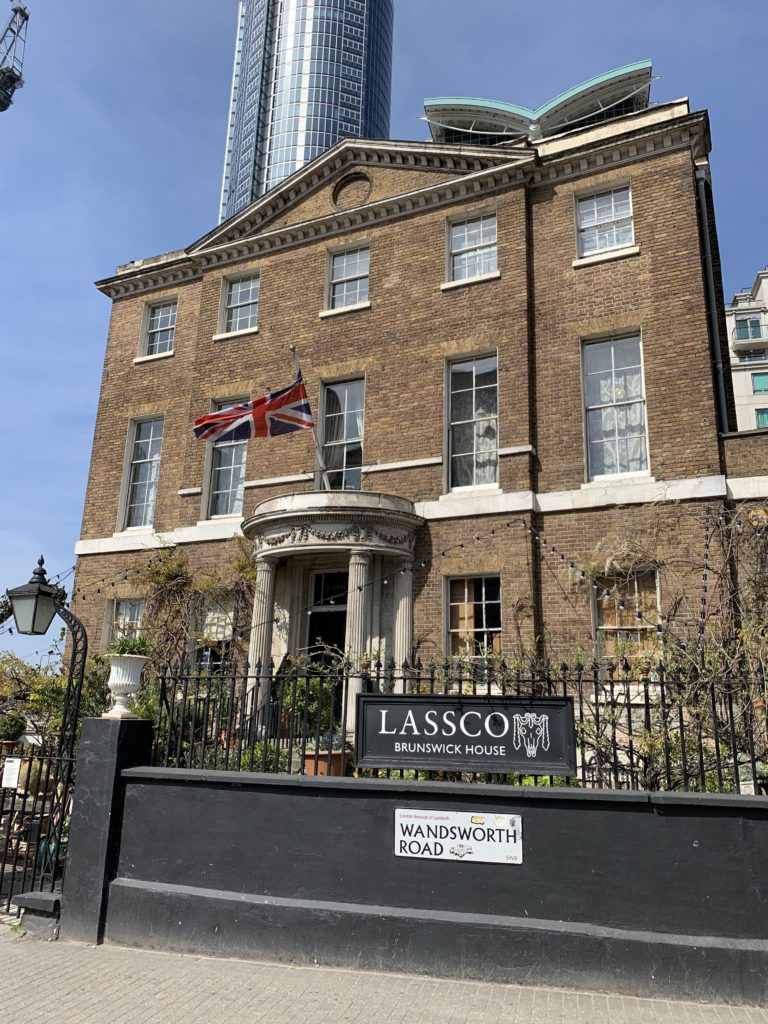
Brunswick House, the great survivor of Vauxhall

From the archives, the fifth edition of our month of best history posts

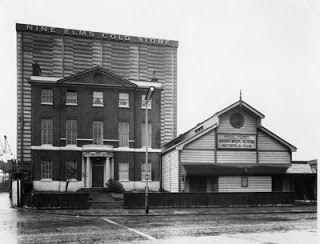
Beyond the soon to be demolished Vauxhall bus station and nestled in the midst of the behemoth known as St. George Wharf lies a beautiful Georgian building that has survived encounters with oblivion, in an area that has become unrecognisable in recent years. 

Brunswick House dates from the mid 17th century but was rebuilt in 1758. The back of the house had sweeping views to the Thames and the front overlooked the then booming Vauxhall Pleasure Gardens and market gardens of Oval. Just 32 years after being rebuilt the house suffered the ignominy  of being split into to, and would never be a single home again.  

The destiny of Brunswick House, and indeed Vauxhall, was profoundly affected by the arrival of the railways in the 1840’s in ways both good and bad. The railway was the final nail in the coffin for Vauxhall Pleasure Gardens, and poor Brunswick House had its access to the river permanently cut off by a railway goods yard. In the 1850’s the house ended up in the hands of London and South Western Railways and this is when its journey became particularly interesting. 

In 1860 a fire almost destroyed Brunswick House, and after being repaired it was used by the railways as a staff canteen for workers, a library, a concert hall, a scientific institute, a bar, and a caretaker’s cottage. In WW2 an army unit lived in the building and, according to legend, in the 1950’s it was used by MI5 and MI6 for secret meetings as they feared that their own HQ was bugged. It was threatened by the wrecking ball on several occasions but was saved from this fate by being listed in 1973. 


The house remained in railway hands for over 150 years when it was sold as the railways were being privitised and sold again in 2002 to a property developer. Some readers might remember this period as the building quickly declined as a result of vandalism and was in a pretty sorry state. It was purchased in 2005 by architectural salvage firm ‘Lassco’, who carefully restored the building and filled the rooms with its products, many of which are Georgian themselves. 

Next time you are going for your hour of exercise pop over to Brunswick House and marvel at the fact that it’s still there.  Lassco is very much open to the public (well, not right now) and a fascinating place to explore. They also have a critically acclaimed cafe. If you’re willing to sell a kidney, or your name happens to be Elton John, you might even be able to buy a doorknob there! 

The Quiet Life and Death of Kennington Theatre

From the archives, the fourth edition of our month of best history posts

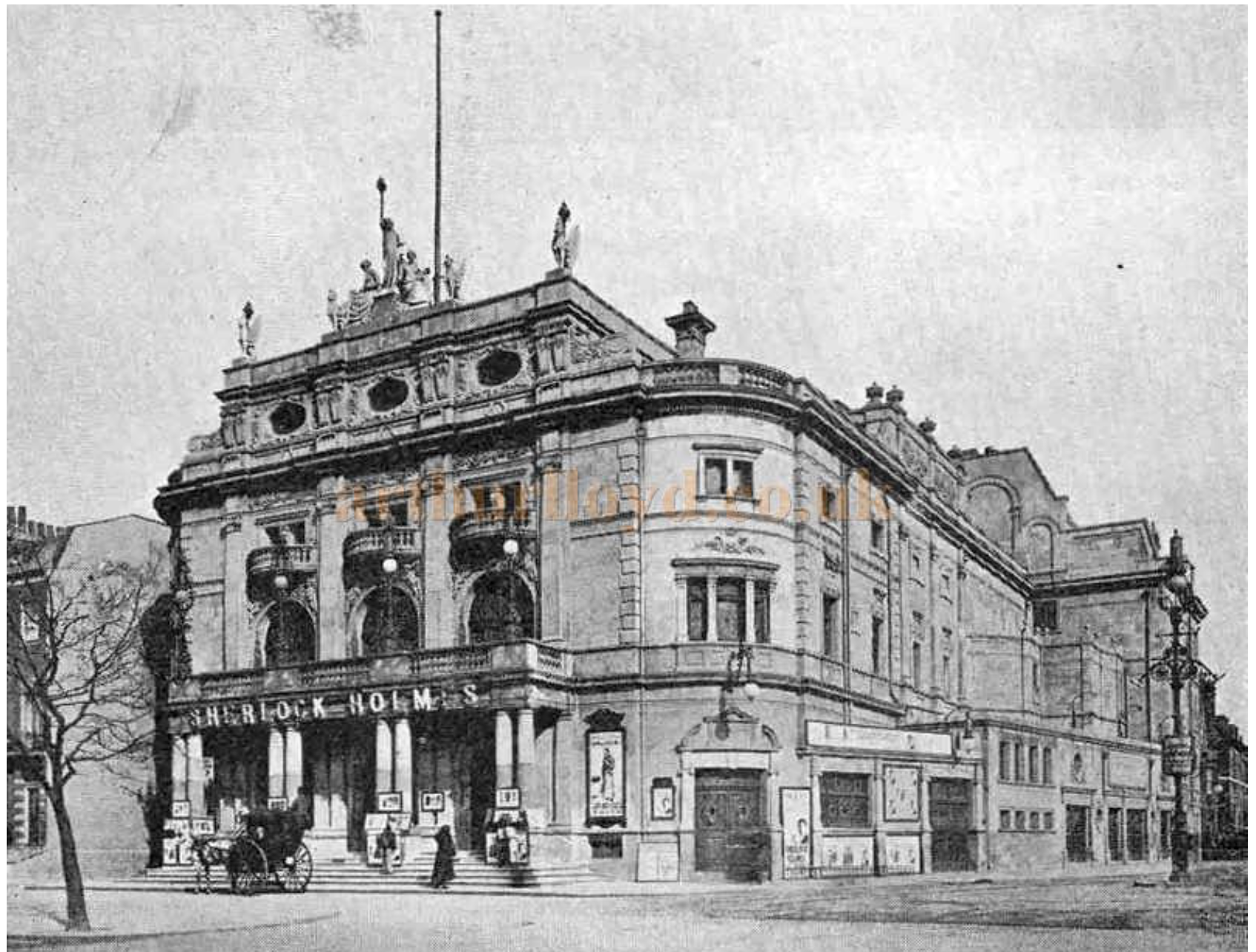
The fourth in our series of images from Lambeth Archives Were you aware that for a brief moment in time greater Kennington (Walworth) had a world class theatre in Kennington Park Road? It’s marble clad limelight flourished for just 23 years before being briefly converted into a cinema, and then it lay derelict before being damaged by enemy action and then final action from Lambeth council.

Screenshot 2019-07-18 at 14.45.51

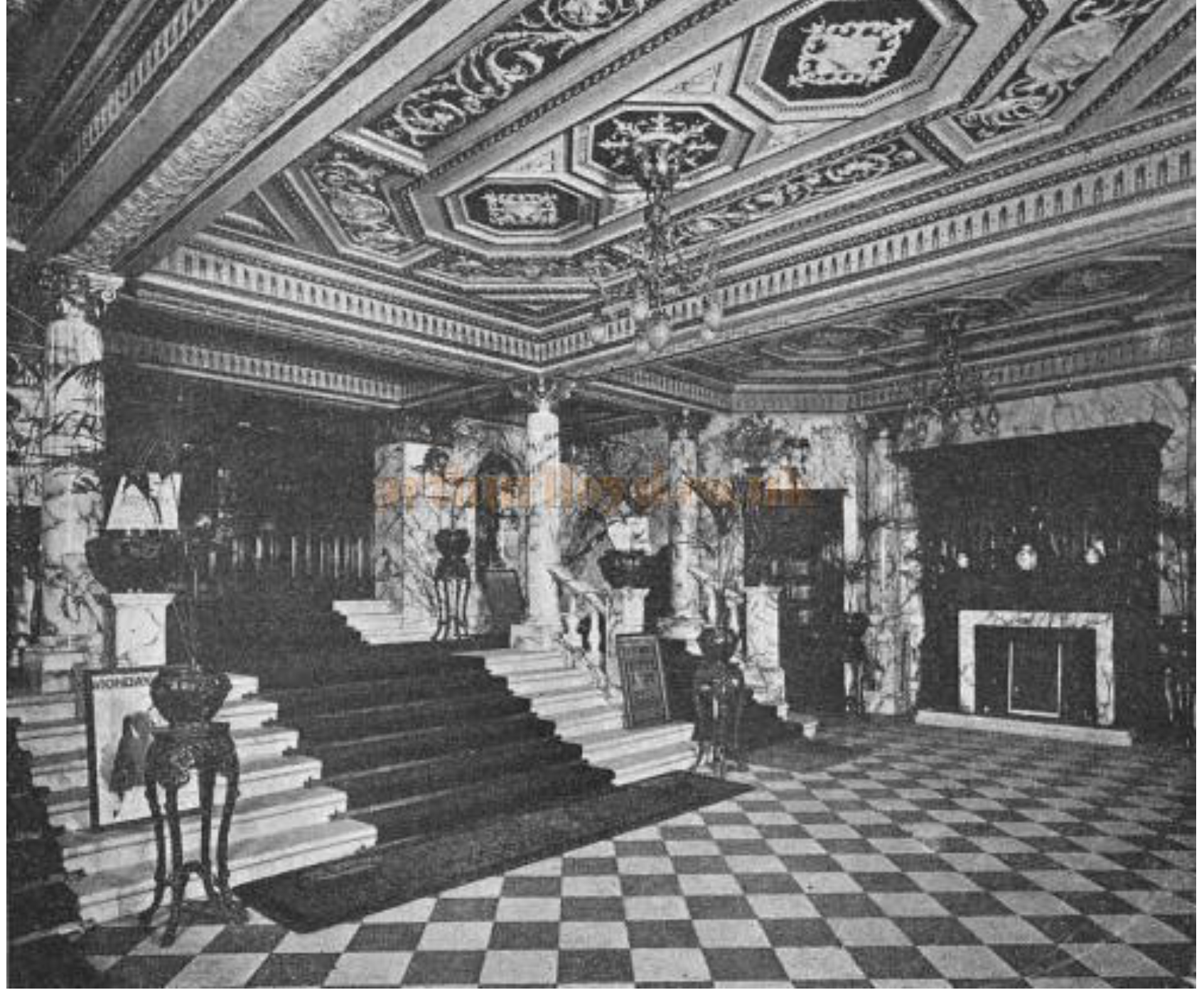
Kennington Theatre was situated to the north of the park where a hefty block of flats currently reside. The frontage was executed in Portland stone, with the interiors highlighted by marble columns and fireplaces. As was the fashion at the time, the emphasis was on French renaissance and no small expense was spared on fittings and adornments.

Screenshot 2019-07-18 at 14.46.32

Following what seemed to be a successful season of pantos and plays the theatre was closed and converted into a cinema in 1921. According to records it’s last license was granted in 1934 and then left derelict. Afterwards the Odeon group purchased the property and had designs on demolishing the building but this never transpired, and it lay derelict for a number of years.

The final nail in the coffin of Kennington Theatre came at the end of 1943 when the back of the now defunct building was partially damaged by a German bomb. As it was then deemed a hazard to the public it was purchased by Lambeth under a compulsory purchase order and bulldozed. The site is now occupied by a mid century block of flats. Next time you walk by, cast your mind back to the other century of Kennington panto goers who tread before you.

If you’ve ever wondered why listing buildings is important, now you know..

Jonathan Tyers and the Pinnacle of the Pleasure Gardens

From the archives, the third edition of our month of best history posts

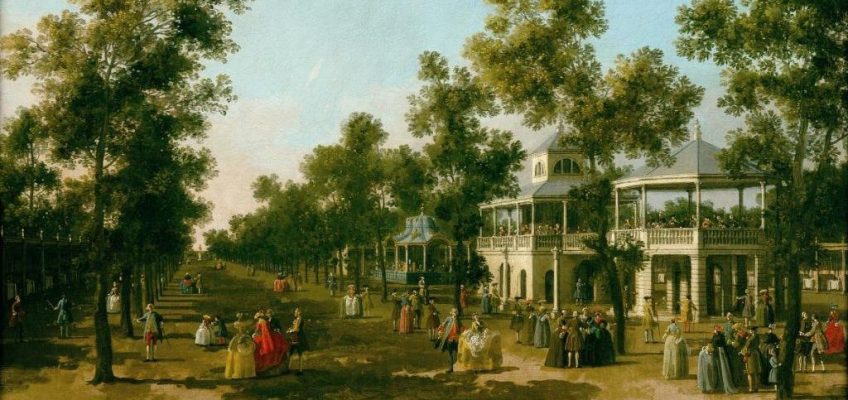
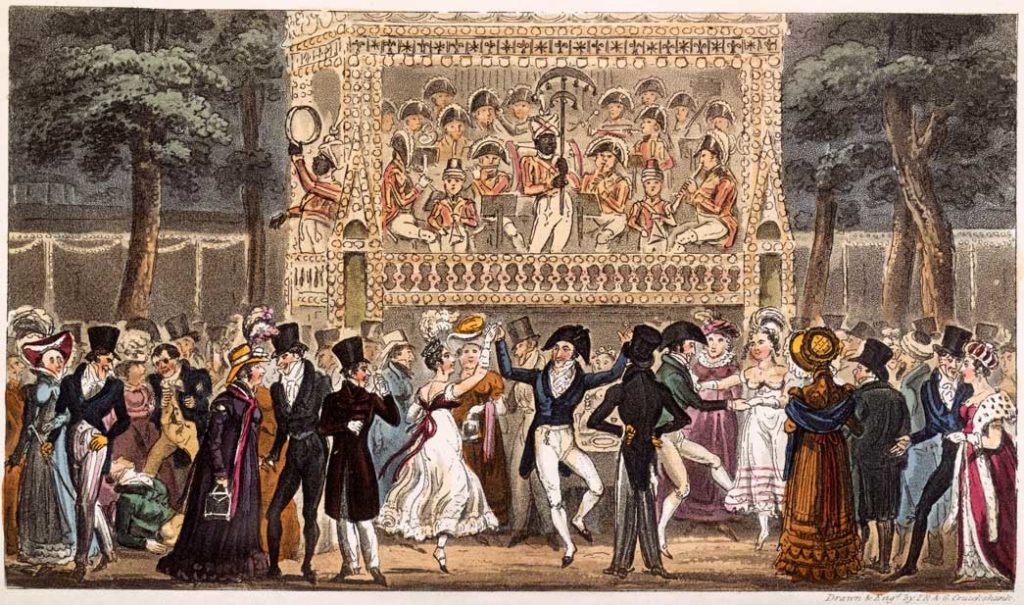
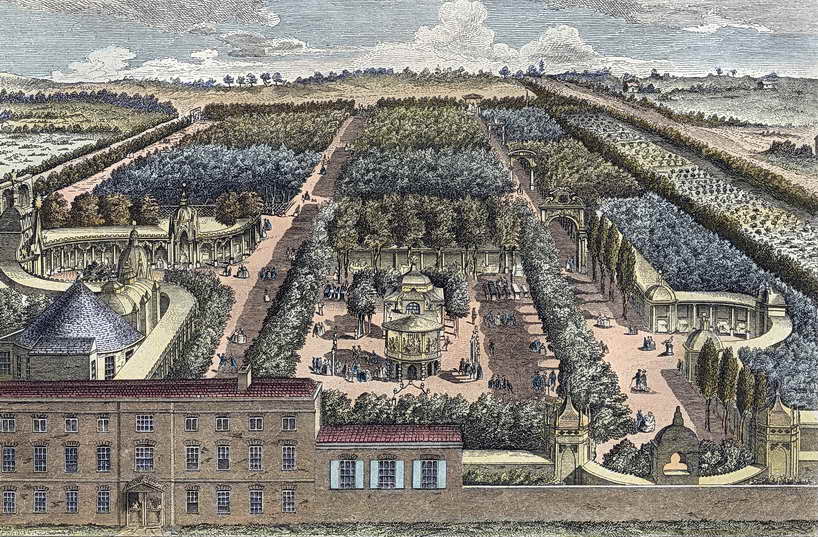
If you’re a new arrival in the area or your interests are not so much focussed on local history, you might not be aware that for almost two centuries London’s most acclaimed pleasure garden existed on our anointed patch. Vauxhall Pleasure Gardens has been celebrated in books and songs, and even featured at key moments of the recent Netflix hit ‘Bridgerton’. While we can’t do the legendary place justice in the space of a solitary blog, we can crystallise it’s meaning by the man at the helm of its glory days in the first half of the 18th century, and his name was Jonathan Tyers (1702-1767)

A young Jonathan Tyers subletted ‘Vauxhall Spring-Gardens’ in 1729 and undertook the hefty task of reimagining the slightly disreputable old gardens into an innocent and elegant venue for families and people of all classes. However, with an admission charge of one shilling  in reality it was out of reach for most people. He  was inspired by a meeting with artist and buzzkill moralist William Hogarth, who advocated  the value of creating something that sent a moral message cloaked in the guise of humour and entertainment. We now refer to this as ‘family friendly’. 

The egalitarian and polite nature of Spring Gardens was a welcome and needed riposte to a London that was violent, smelly and uncouth and it would kick start the civilisation of Georgian London. However noble, the Spring Garden regulars were still out for a bit of bawdy fun and didn’t take kindly to being preached to. Tyers had to think on his feet before the whole thing went belly up, and his masterstroke was that beyond the elegant supper boxes and promenading avenues he created a wooded and dark area called the Grove. We will leave it up your imagination what went on in the Grove, but let’s just say it was dark and proved very popular. 

Assignations aside, what Tyers created for those who could afford it was a site for music, dancing, eating and drinking. The paintings in the supper boxes made it in reality the first public art gallery in Britain. On a typical night revellers could be entertained by performers, bands, fireworks, operas and masquerades. George Fredrick Handel became a kind of ‘artist in residence’ at the Garden and performed there regularly. When Tyers made profits he drove them directly into new structures and events, making the spot a ‘must see’ on a regular basis. After Tyers’ death in 1767 the Gardens were passed to his son and this initiated the very slow but inexorable decline of the place. 

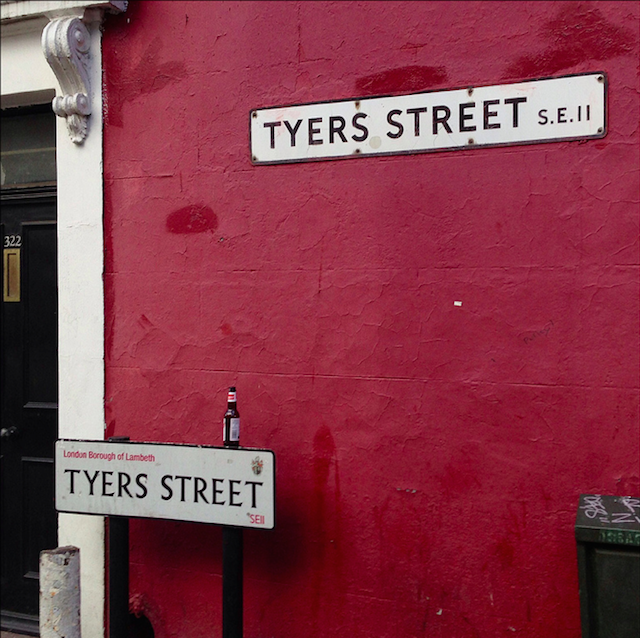
The precise location of Vauxhall Pleasure Gardens only roughly matches the footprint of the current Pleasure Gardens (created in the late 1970’s), and it’s epicentre was at the current St. Peter’s Church. Rumours of redemption from carnal sin abound about the decision to place a church on this site, and we invite you to make your own conclusion. Tyers Street is a commemoration of his efforts, both lurid and noble.

And as you can see, dear readers, attempts to gentrify Vauxhall from a place of dissolute debauchery into something more agreeable to a wealthier public for profit making purposes is by no means a contemporary undertaking. 

The Three Stage Life of Imperial Court

From the archives, the second edition of our month of best history posts

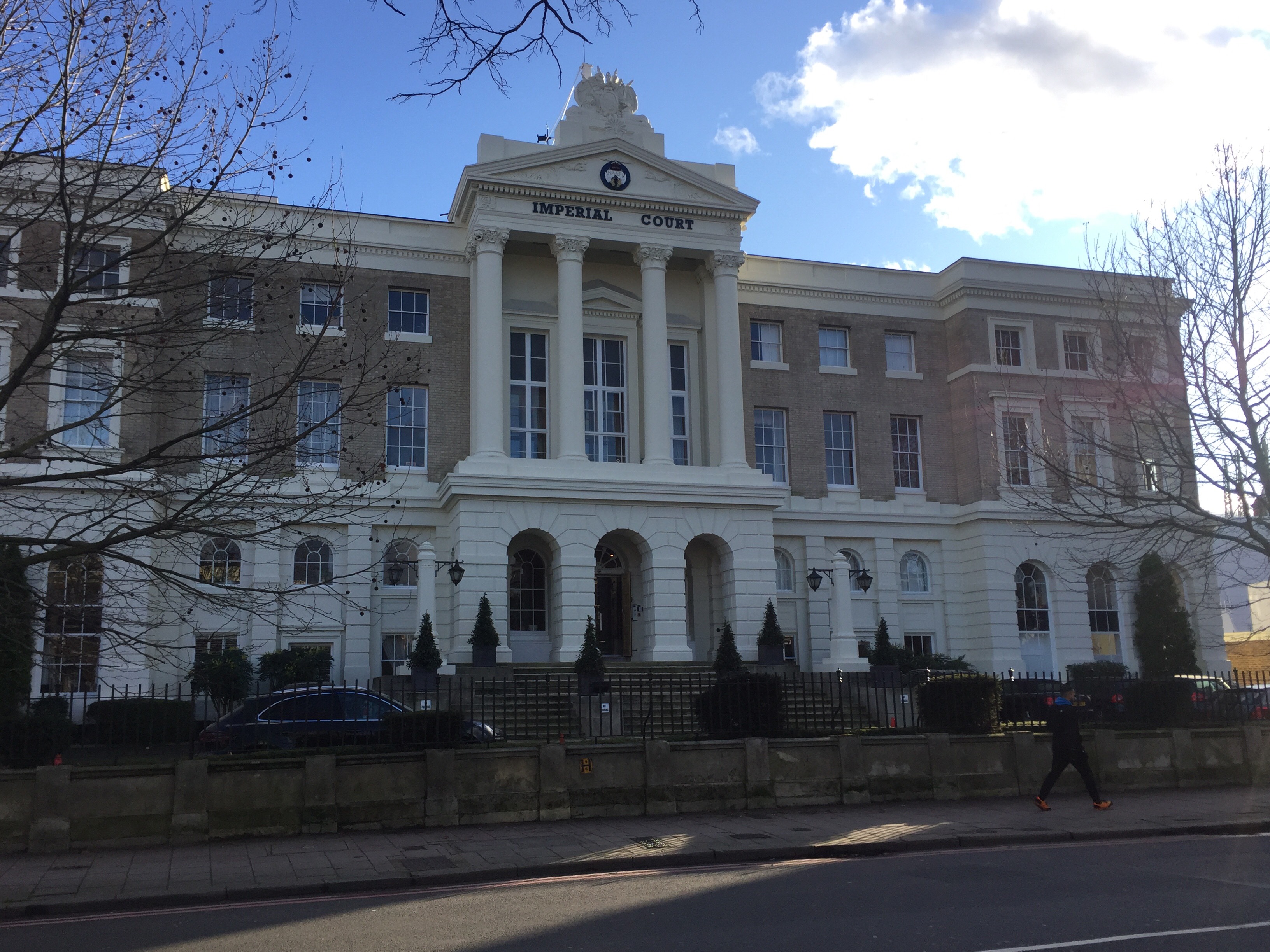
Fixate your eyes girls and boys, as we’re about to give you a little potted history of a lovely neo Classical institution in Kennington Lane with a funny badge on the front of it; Imperial Court.

IMG_6169


  1. 1. The Licensed Victuallers School, Kennington Green

In 1794 the Friendly Society of Licensed Victuallers was established to educate the children of publicans affected by long term illness, incapacity, or poverty (take it from Peggy Mitchell, running a pub isn’t easy). As this was the era that proceeded free public education, publicans were keen to ensure their children’s education and well being. The school was so popular that admission was granted exclusively on the basis of a lottery, but over time the school was so oversubscribed that a larger building was required.

The original school was demolished in 1835 and the core of the building we have inherited was erected in 1836 (with extensions in 1890). The school was now able to expand its enrollment from 100 to 250 pupils, both boys and girls. The children were generally taught apprenticeships and educated from the age of 7-12 until they were 15, and then sent on their way with a small bonus for good conduct. The school moved to Slough in 1921.

  1. NAAFI

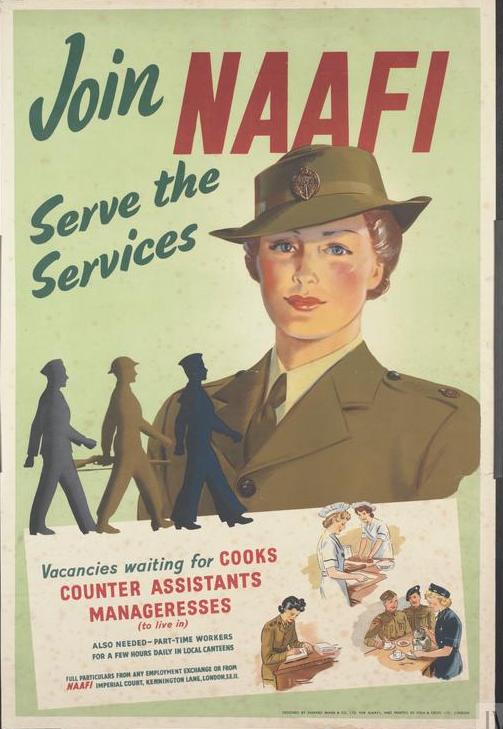
Following WW1 The comprehensive welfare of Forces was put into sharp focus, and from 1921 to 1992 Imperial Court again served the public proudly as the headquarters of  the Navy, Army, and Air Forces Institutes, or ‘NAAFI’. NAAFI existed (and on a much smaller scale still does) to provide catering and recreational activities needed by the British Armed Forces and their families posted overseas. This included mess services, selling British goods, and organising entertainment and activities.

Providing non combat services to troops and families required trained staff, on a voluntary and on a paid basis. To this extent NAAFI in Kennington served as a training centre for cooks, cleaners, caterers, and people interested in the logistics of getting auxiliary services to people overseas. Training at NAAFI was often undertaken by women, and their work in the war effort is duly celebrated at the Imperial War Museum (keeping it local).

Join the NAAFI - Serve the Services (Art.IWM PST 0764) whole: the image is positioned in the upper three-quarters, with three smaller images located in the lower right. The title is partially integrated and placed in the upper third, in green and in red. The text is separate and located in the lower quarter, in green and in red. The smaller images and text are held within a white inset. All set against a light green background. image: a shoulder-lengt... Copyright: � IWM. Original Source: http://www.iwm.org.uk/collections/item/object/23806

3. Flats

Imperial Court was Grade 2* listed in 1980, so it is luckily beyond the grasp of the wrecking ball. After it was sold in 1992 it was converted into flats and now functions as a home to your neighbours.

Faking it at Southwark Playhouse

Are you at that point in January where there isn’t much to do but you’re nevertheless scratching to get out of the house or office? So are we, so to address the scratch we just checked out the intriguing and timely show ‘Fake News’ at Southwark Playhouse. Not the new Playhouse in Kennington that we visited last summer (it’s a thing), but the original in Newington Causeway. 

Originally presented to a sold out crowd at the Edinburgh Fringe, Fake News revolves around a budding journalist who’s just landed a plumb internship at the country’s foremost news organisation. With the audience acting as younger interns, Millennial Times is described to us as ‘the most lucrative and therefore respected media company on earth’ (we thought that was Kennington Runoff, but moving on). Given this, what the Times value most is the pursuit of clicks and money above ethics. But as long as people remain entertained, is this such a bad thing? 

As our budding journalist finds himself increasing enmeshed in a hilarious and distressing workplace with Angus and Debbie, he struggles to find a story that will launch his career and prove that he deserves to be there. Eventually he stumbles across a story that might not only make his career, but might disprove one of the biggest news stories since 9/11. But is his revelation itself fake news and if so, does it matter if it makes people happy and shareholders richer? Of course we’re not going to tell you.

Fake News is on now and runs until 28 January and tickets can be booked here. A delicious irony is that it’s received rave reviews from some of the same news outlets that it bashes. Below is the writer appearing on Sky News. The running time is one hour so you can toddle on home and still make it an early night. 

We here at the Runoff will be taking a break for the next month. But before you fall into apoplectic fits of anguish, don’t worry as we will be spoon feeding you with highlights from our history archives. We’re offering you these stories purely because they had the most hits give Greater Kenningtonians much more depth and context into our anointed patch. Enjoy!

Call the Doctor!

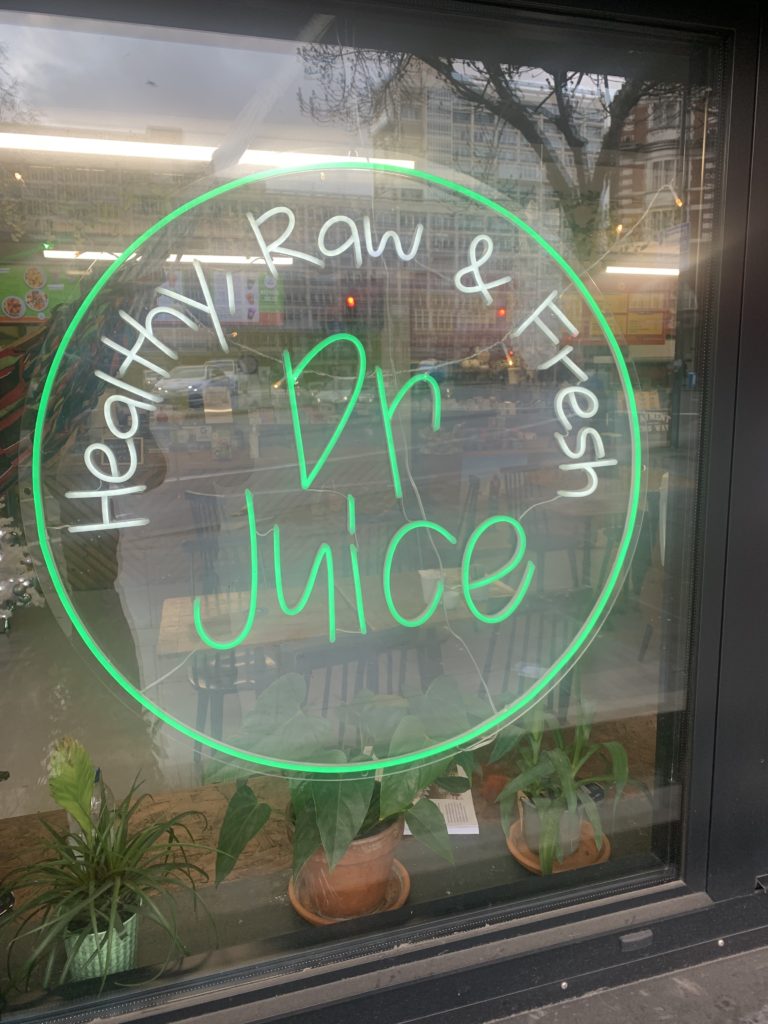
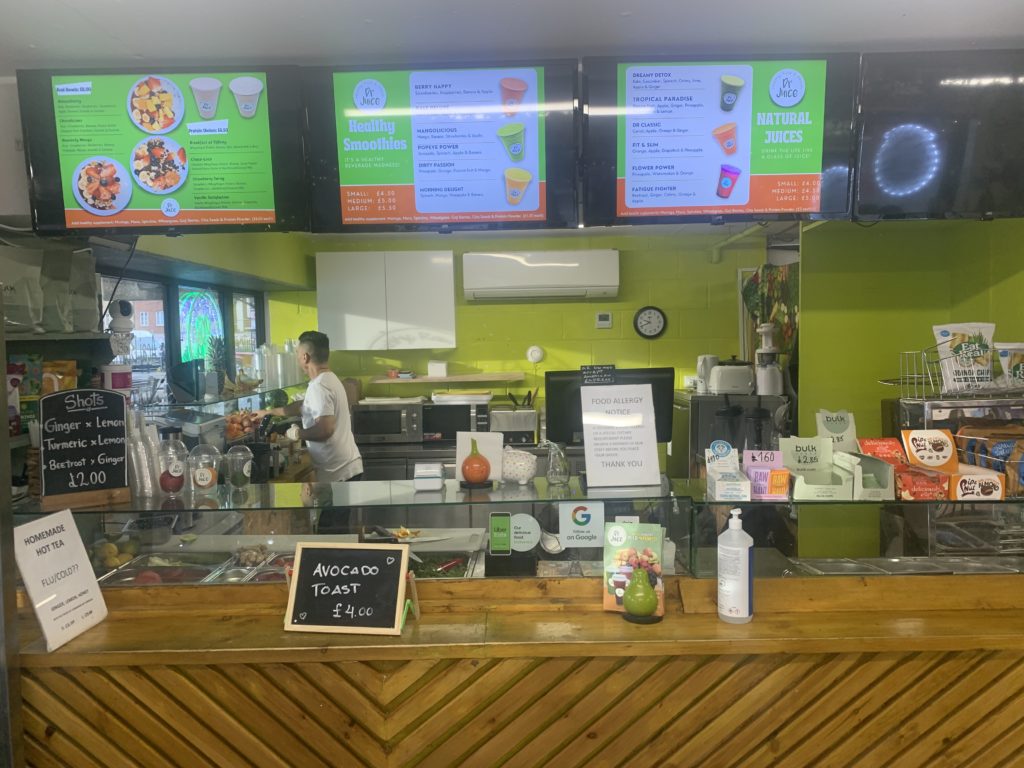
Since the demise of Elephant and Castle shopping centre a few years ago, we’ve been telling you how the small businesses that were there have adapted to other premises. Two sterling examples are the great Black Cowboy Coffee and critically acclaimed Kaieteur Kitchen. As it’s January and we’re now expected *eats doughnut* to lead much more healthy lifestyles, we’re here to tell you about another of these ventures; ‘Dr. Juice’.

Dr. Juice is the brainchild of Colombian born entrepreneur John Parra. In 2015 he was working for M&S and he and his friends noticed a distinct lack of healthy food options around Elephant and Castle. Given that healthy juices are a feature of most Colombian tables, the gap in the market seemed obvious and John tasked himself with addressing the issue. According to John ‘I just wanted to make the community become healthier’.

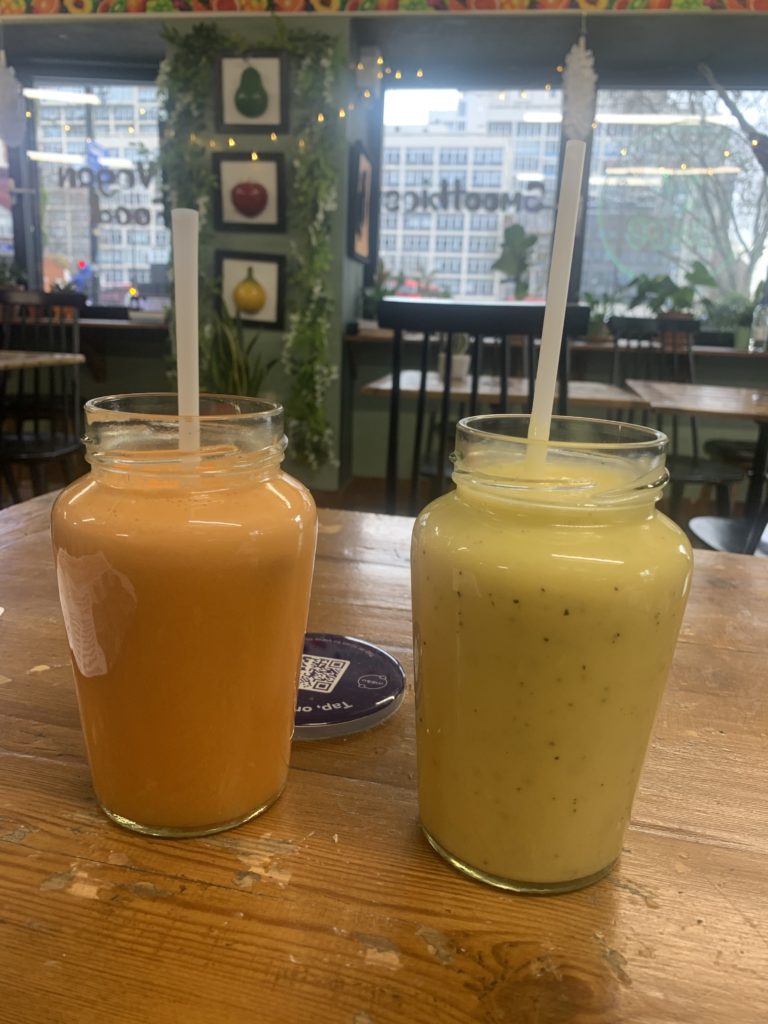
On our stopover, my juicy companion had the ‘Dirty Passion’ smoothie, comprised of mango, passion fruit, orange and pineapple. Your scribe had the ‘Dr. Classic’ juice drink consisting of carrot, apple, orange and ginger. All of the ingredients worked powerfully when whizzed together. These drinks are made before your very eyes and there are no artificial additives, but you can add items such as chia seeds and protein. Dr. Juice also sells acai bowls and fruit bowls 

We remember John’s petite pop up juice bar in the shopping centre fondly as they were located across from the erotic electric massage chairs. The new location is much more spacious and benefits from being in an area full of students. However, as we know post pandemic, every food establishment is at risk and benefits from our patronage.