Ragged School in Lambeth

By the second half of the 19th century the rural idyll that was Vauxhall was well and truly over and replaced largely by desperate folks looking for work, and they brought their kids. Ragged schools were charitable organisations that popped up to educate destitute (hence the name ragged) children who were not allowed in traditional schools. A very significant one existed in what is now Newport St. 

La

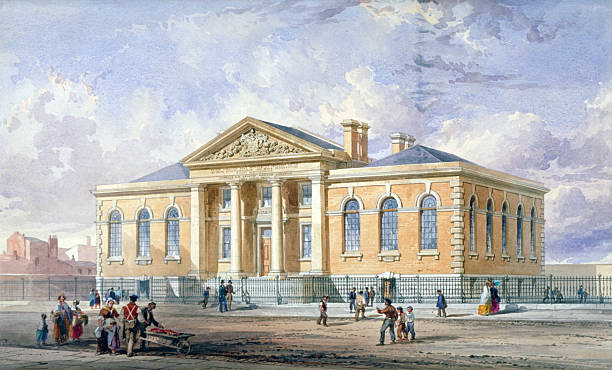
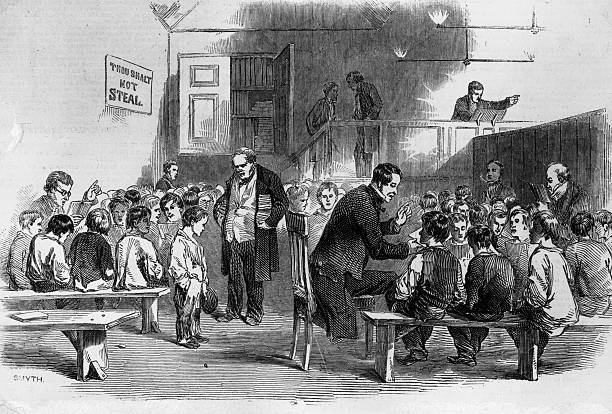
Local gin/vinegar (that must have been some pretty foul gin) magnate Henry Hanbury Beaufoy funded and founded the school, opening it in 1851 and dedicating it to his wife. Like other Ragged Schools, our Vauxhall branch taught reading writing, bible studies and even ways to emigrate. On the pastoral side, the children were fed and children without parents lived there. A visitor at the time noted – 

1

“The attendance in the winter averages about 400 boys and girls every Sunday evening. The gentlemen who manage the Ragged School do everything they can to instruct and encourage the children in well-doing; they make them presents of Testaments and Bibles and give them occasional tea parties. In fact, everything is done to improve them in the school. The patience of the teachers is surprising. The girls are better behaved than the boys; they are the children of very poor people in the neighbourhood, such as the daughters of people selling fruit in the street, and such like, and found several children of street-beggars there”. 

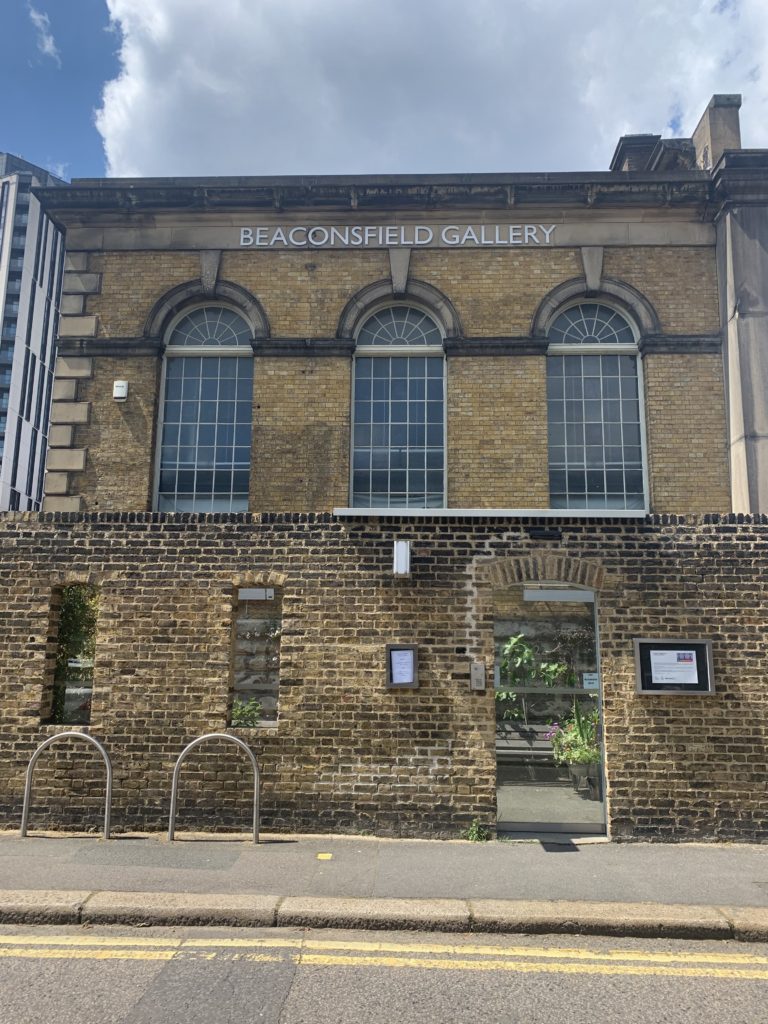
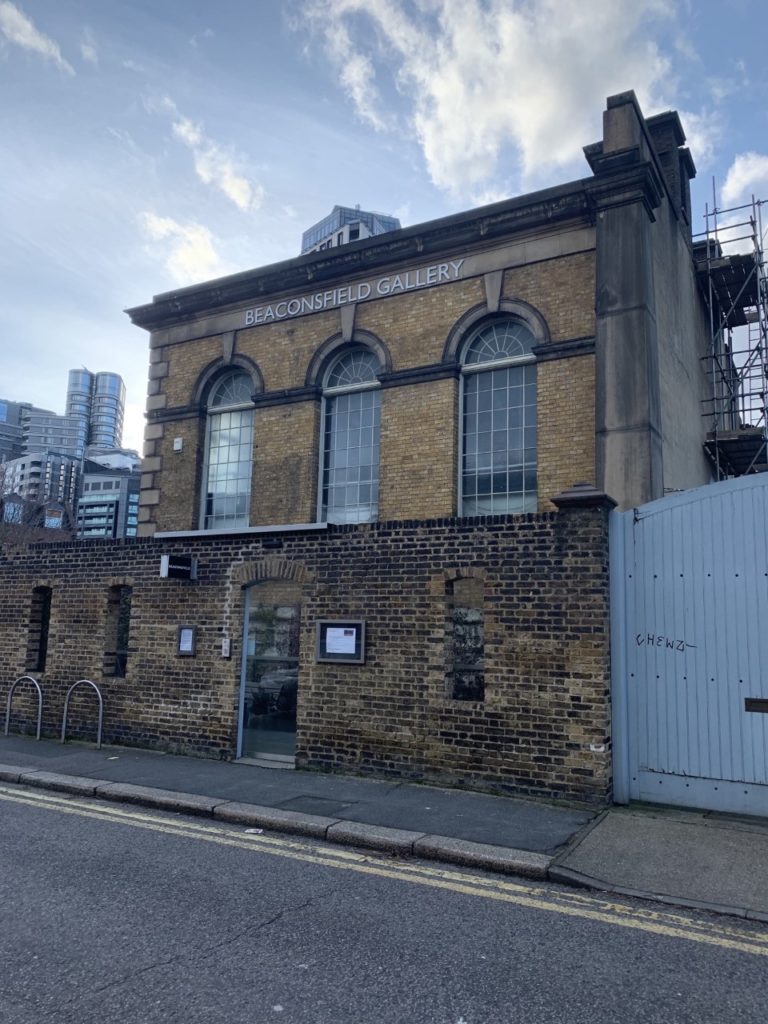
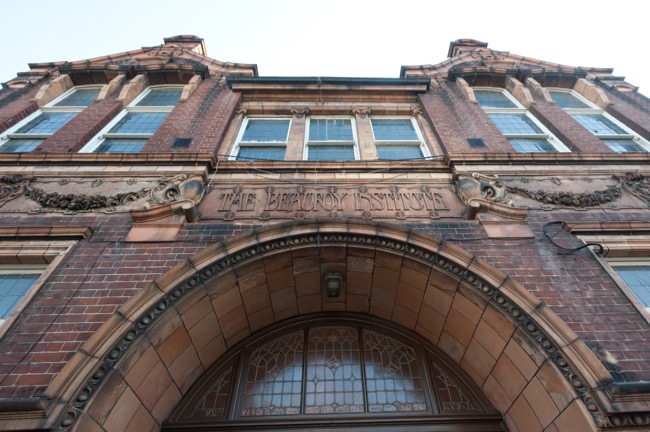
As the Ragged School was built to address the migration of people, the beautiful edifice above also met its fate due to people moving. It was unfortunately flattened just a few decades after its creation as it fell victim of a Vaxuall/Waterloo rail line extension. Curiously, a bit of the building was left standing and is now home to the great but almost never open Beaconsfield Gallery, and its Ragged Café. The school was restablished by Henry’s nephew Mark Beaufoy (the Liberal MP for Kennington at the time) and rechristened as the Beaufoy Institute in Black Prince Road. This building has had many incarnations but it survives. 

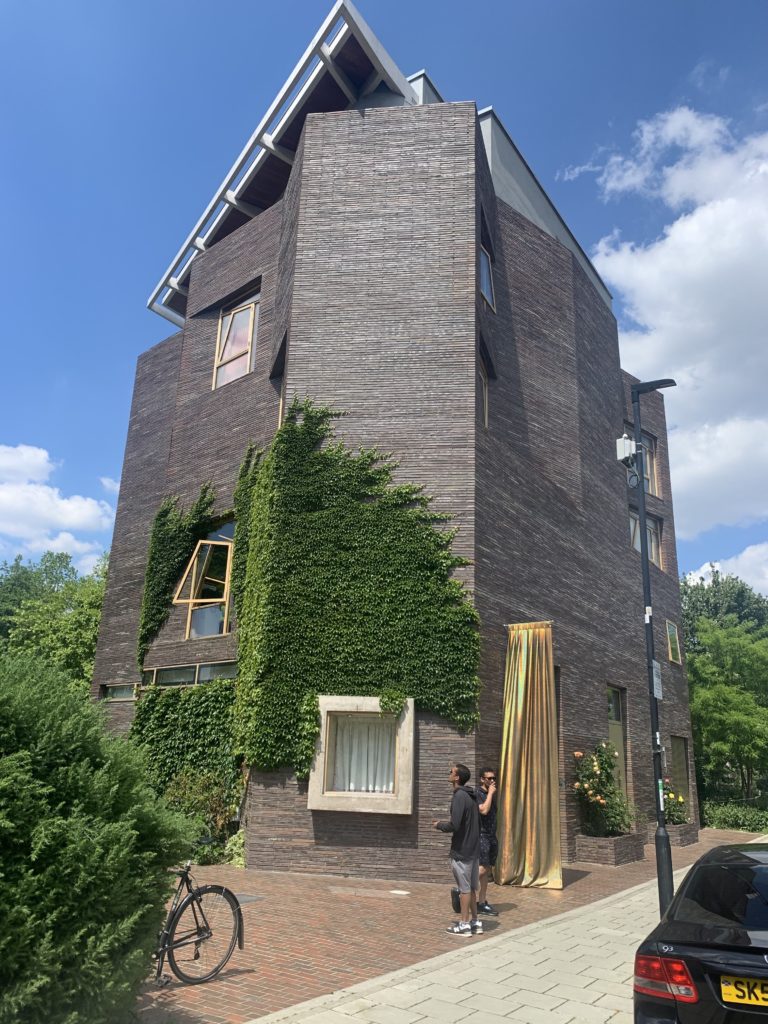
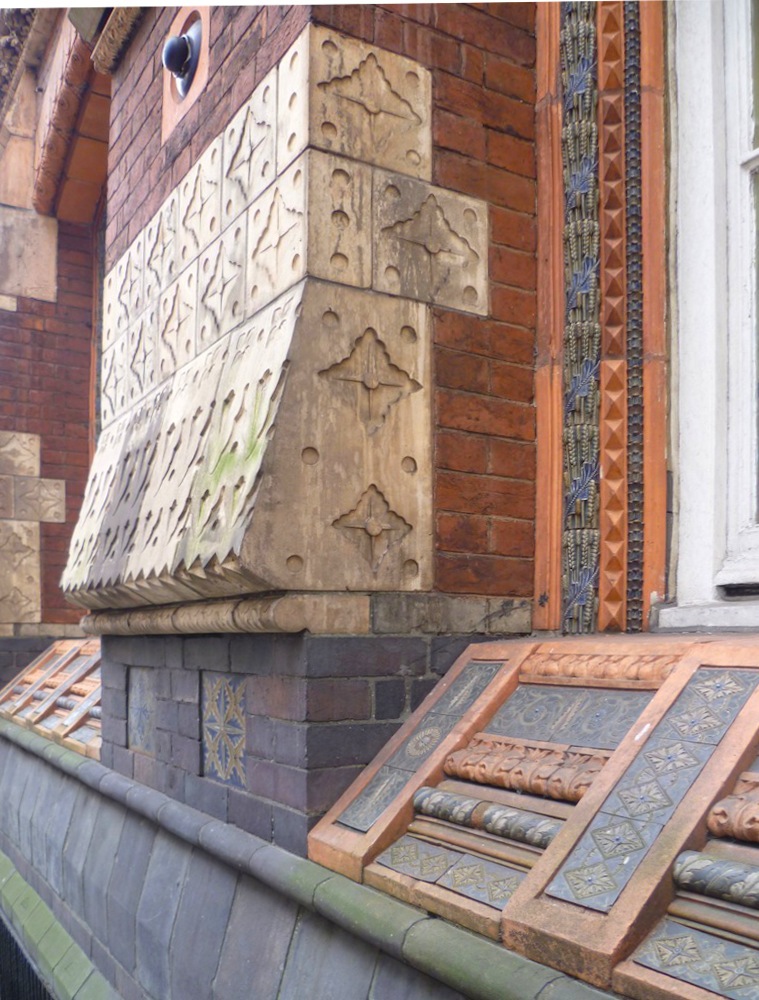
You might find it intriguing that the handsome Doulton adorned Beaufoy Institute building below wasn’t just turned into luxury flats when a school there closed a number of years ago. This is again the legacy of the Beaufoys. Lambeth respected the Beaufoy wish that at least half of the land be sold to a non profit organisation. So the old car park in the back was sold to Bellway homes, and the institute is now inhabited by the Diamond Way Buddhist Centre. 

Getting Classy in Vauxhall

Twelve months ago the most optimistic of you lot said ‘great, I’m going to use this lockdown period to get really fit/do an online course /Run 15 times around Kennington Park’. But even in this era where time seems to be a meaningless concept, you haven’t actually done any of those things. Well here’s your chance to finally tick something off your list……getting into classical music. 

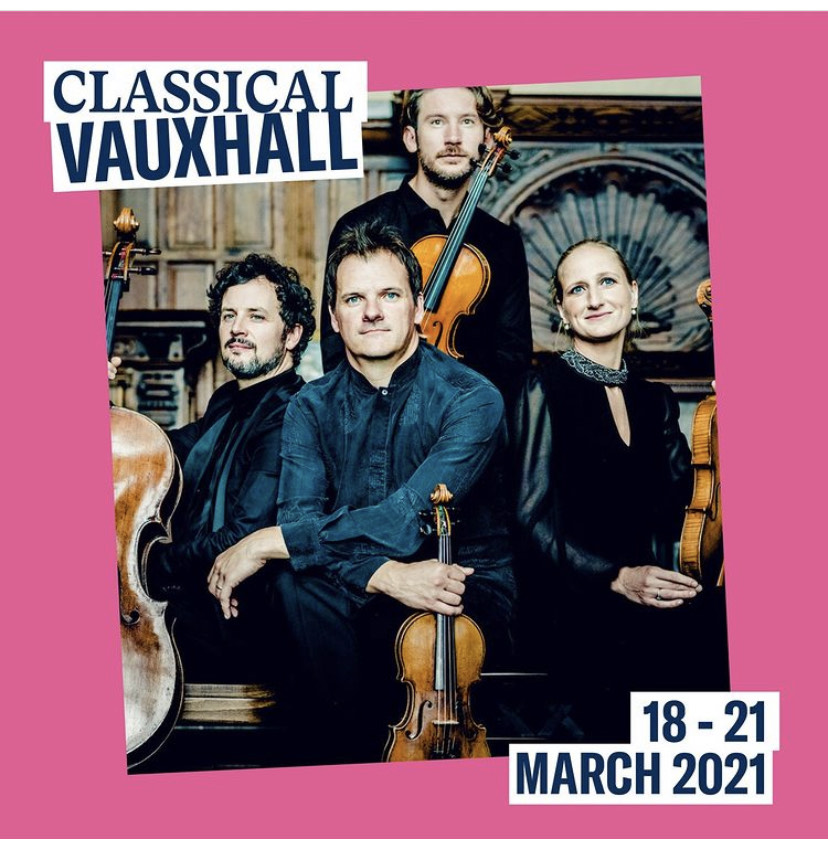
‘Classical Vauxhall’ returns on 18 – 21 March and can be streamed for free on these dates. It will of course be virtual this year, and we have trusted colleagues who went to the live events in 2020 and said it was amazing. Festival Director and the brains behind it Fiachra Garvey is joined by artists Jess Gilliam (saxophone), Zeynep Özsuca (piano), Elena Urioste (violin) & Tom Poster (piano), Hanna Hipp (mezzo-soprano) and Emma Abbate (piano). We’ve never actually heard of any of these people -BUT – we have seen some of their work on YouTube and it’s remarkable. Jess and her Sax is here   

The press release for this event intriguingly states that the performances will be set in closed venues ‘live in Vauxhall’. That got our grey matter working…where?  Perhaps Gentlemen’s Sauna ‘Chariots’ (doubtful as all the water would wreak havoc with the instruments)?   Notorious nightclub ‘Fire’ (the acoustics under a railway arch must be awful)? With a bit of research we discovered they will be held in the most more rarefied environments of St. Marks Church and Brunswick house, so easy on the eyes as well. 

The streams are free and will also give you a change to learn more about music in Vauxhall and the history of the Vauxhall Pleasure Gardens. Book here: http://bit.ly/CVaux-2021

The Elephant (not) in the Room

If you’re the astute sort you’ve probably noticed that the famous statue that used to adorn the primary entrance to the ‘now past tense’ Elephant and Castle shopping centre has been removed. And if you aren’t astute then trust us, it ain’t there anymore. We’re here to tell you more about the Elephant and if we’ll ever see it again. 

The original

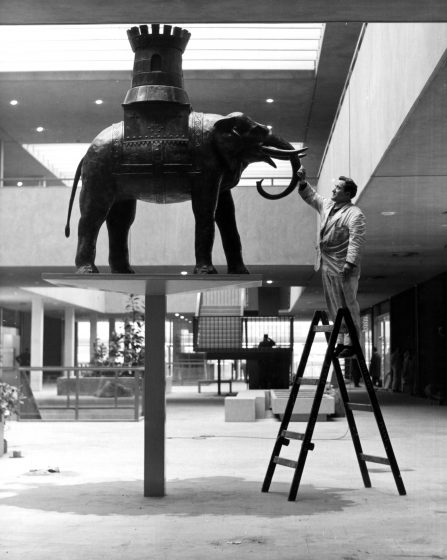
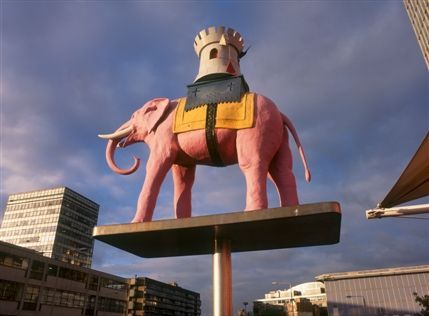
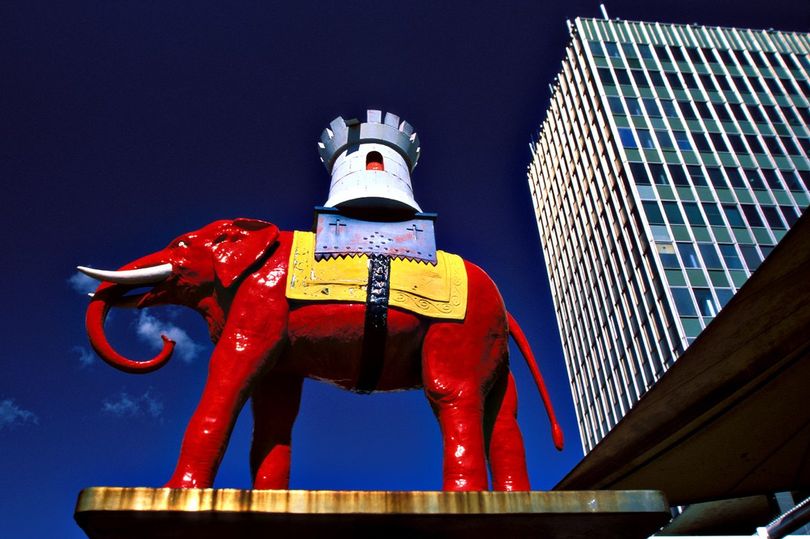
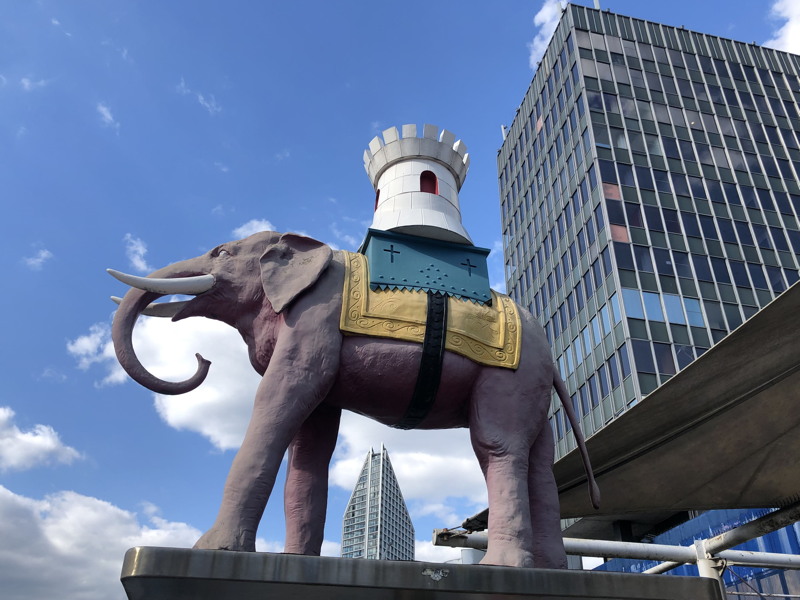
When the Elephant and Castle pub closed for redevelopment in 1959 the metal statue was removed and then given a second lease on life as the centrepiece when the new shopping centre opened in 1965, above. Unfortunately it vanished in still mysterious circumstances a few years later and the centre was left without a mascot. Fast forward a few years and our current elephant was fashioned as a fibreglass replica and given pride of place. For over four decades it grew as a loveable mascot of Elephant. Frequently repainted in red and pink, over time it settled into a more grey patina, more suitable for a proud pachyderm. 

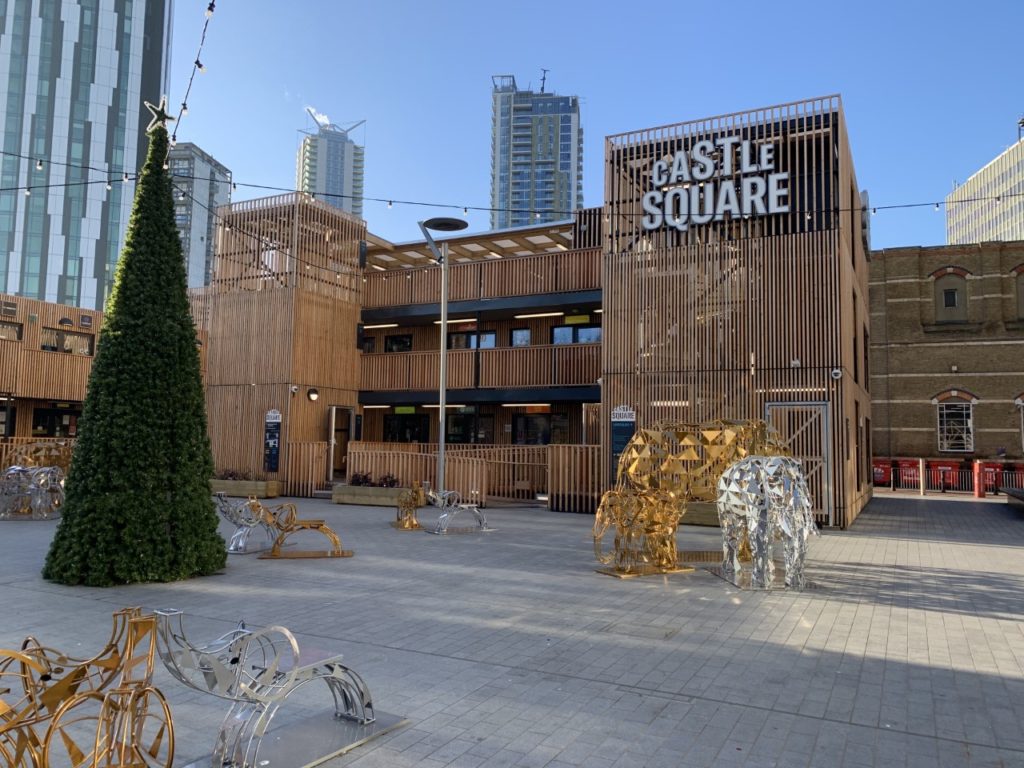
The statue has been removed for several months as it is apparently undergoing a million pounds (??!!) in renovation work. According to developers Delancey “We have been keen to keep the Elephant in the local area and are now therefore pleased to announce that the Elephant & Castle statue will be moving to its new home in Castle Square”.  We think this is builder’s parlance for ‘we wanted to get rid of it but Southwark told us we had to keep it’. Castle Square is a surprisingly spiffy little square behind the old shopping centre and is the current but temporary home to many of the centres’ former tenants, as seen below. 

If you have a preoccupation for statues that go missing from one place and then turn up somewhere else, first of all you might want to seek professional help. If the condition persists, have a look at our intriguing article about the mighty South Bank Lion that adorns our fair side of Westminster Bridge. 

Royal Doulton in Vauxhall

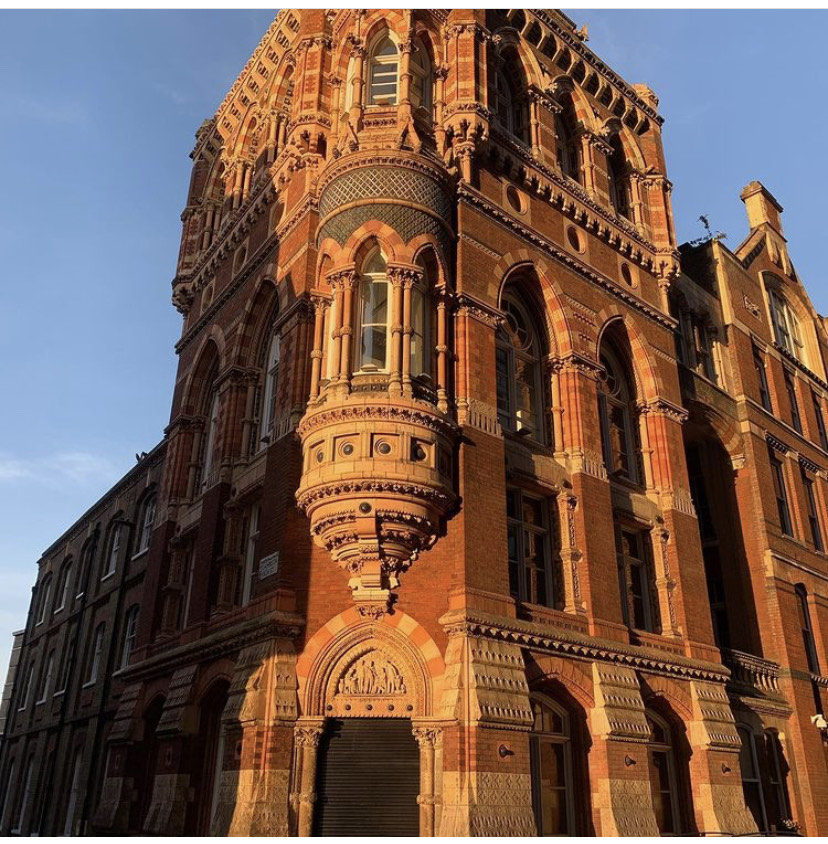
We humans were not built to spend six hours a day on ‘Zoom’ calls (which we are thinking about renaming ‘Co-Vid’ calls) and if you’re working from home it is always good to take a brisk walking break. We recommend having a gander at one of the most striking buildings in our area, the former Royal Doulton Pottery building now known as ‘China Works’.

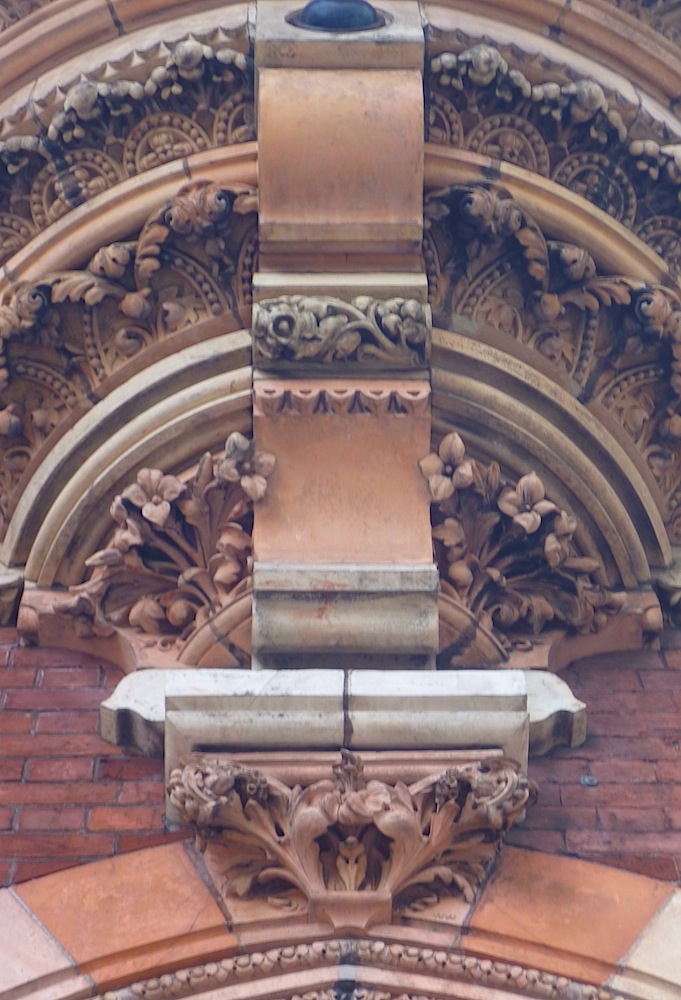
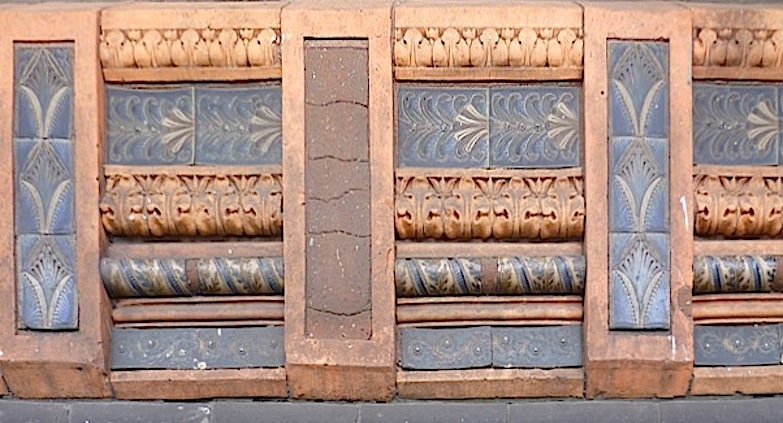
Royal Doulton was established in Vauxhall Walk but moved to the corner of Black Prince Road and Lambeth High Street where this Gothic wedding cake was erected in 1876. This building is a survivor of a vast Doulton complex which was in use until the 1950’s. The building is cast in red brick with polychromy and an array of terracotta highlights. It was intended as a living advertisement to show off the Doulton product. 

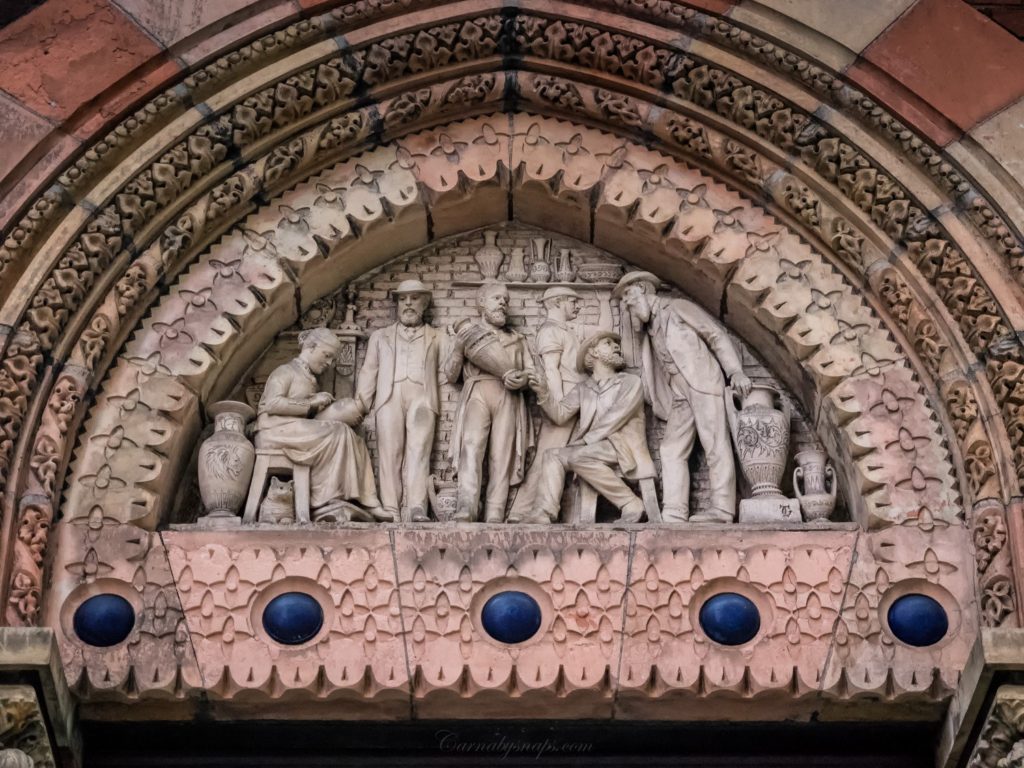
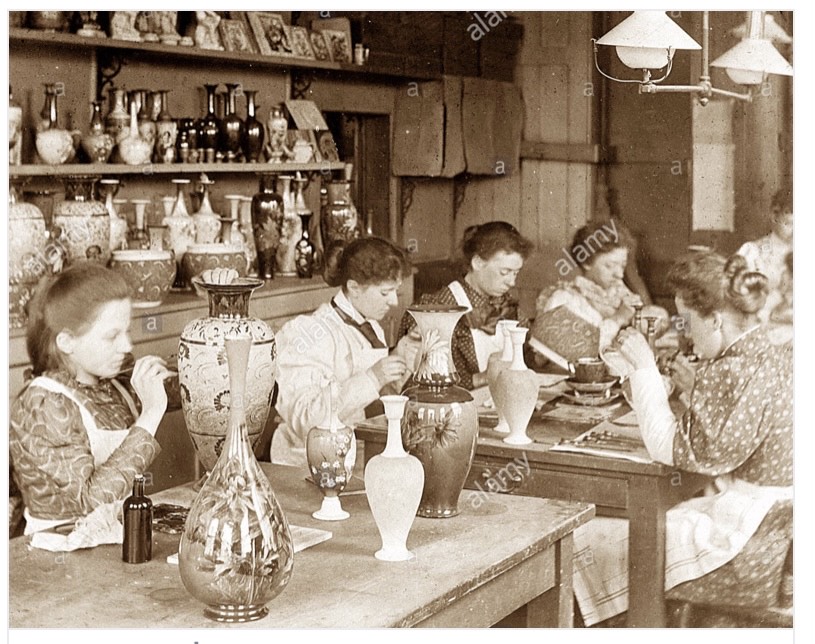
This particular building was used as a museum and art school, and the relief above the door (called a ‘tympanum’, and aren’t we smart) depicts a group of people inspecting some terracotta pots, and a woman with a cat painting one. By the 1870’s Doulton was moving in a more decorative direction with the aid of Lambeth School of Art, which is now City & Guilds of London Art School in Kennington Park Road. It should be noted that almost all of the painting and decorating of the pots was undertaken by women, and was a rare and early example of a skilled craft which women could access. 

The area around the Doulton Factory is about to undergo some very profound and very controversial changes. We don’t make judgements on planning issues on KR but judge for yourself. The building is, thank god, listed and currently occupied by one of those workspace outfits which recently have been popping up like head lice. So our gothic confection is going nowhere, but it might suffer the indignity of having a ‘Franco Manca’ stuck into it one day.

Gasworks Gallery (breathspace)

This review was written before ‘Lockdown fois deux’ was announced on Saturday evening, but it will invariably still be around when we are allowed to visit cultural institutions again, so put this in that little pocket diary we’ve been telling you to keep for the past two years, and think of it as something to look forward to. 

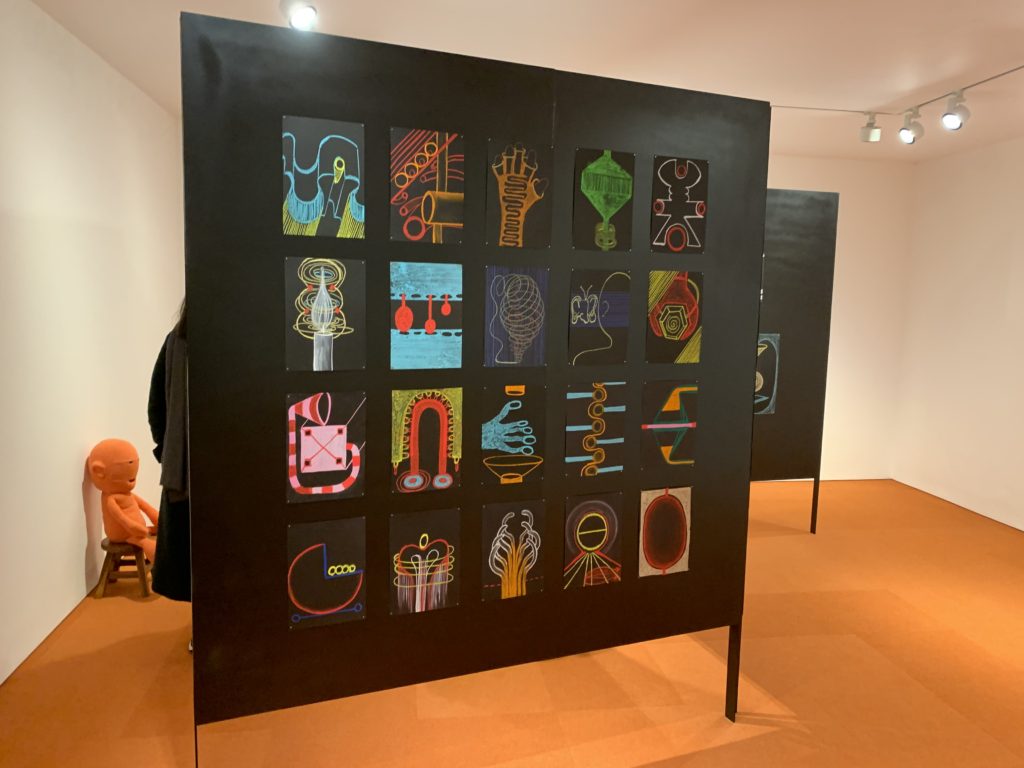
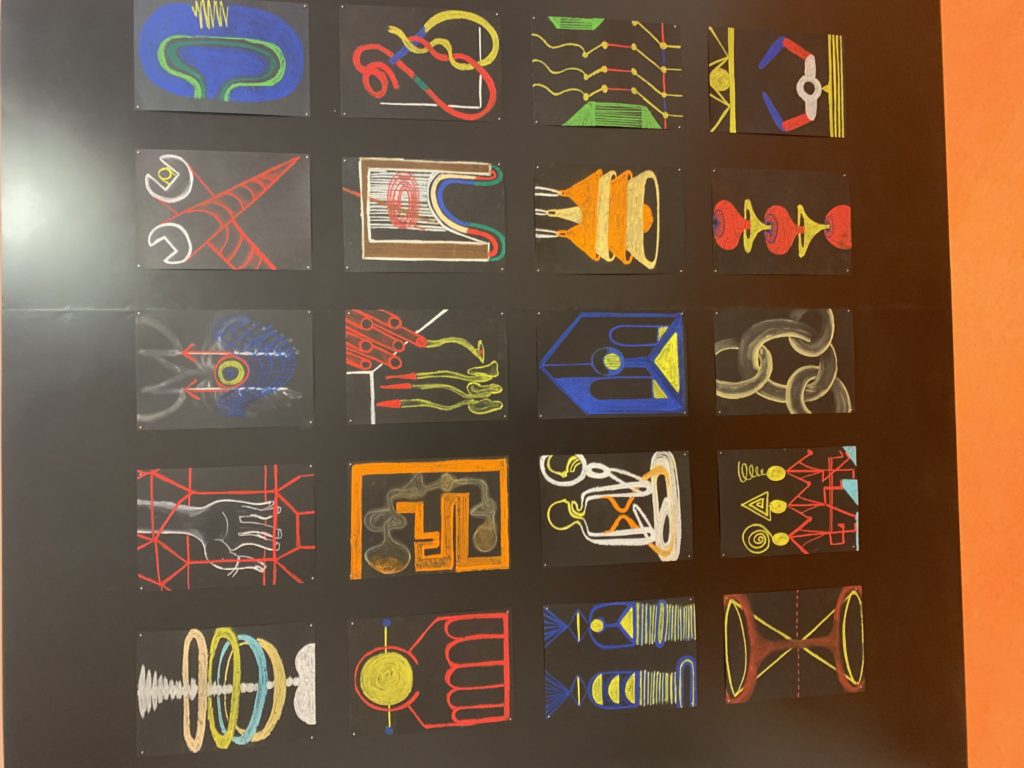
The exhibit at Gasworks is the first UK solo exhibition from Buenos Aries based artist Eduardo Navarro and, according to our guide, (breathspace) was originally scheduled to premiere in April. Navarro’s plans were meant to transform the gallery into a living, breathing organism in the shape of a gigantic lung. The lung was meant to encourage visitors to synchronise their most vital functions with one another ‘offering a space for collective meditation and oceanic breathing’. 

Given that sharing breathing and bodily functions isn’t exactly…lets say, ‘on trend’ at the moment, in a post lockdown Buenos Aries Navarro decided to relocate this work inside his head. The 100 drawings featured in the exhibition represent a synthesis of the body and what he found in his home at the time, reminding us that our homes and bodies are not somewhat differentiated display lockdown and we are compelled to rely on inanimate objects. Through a little portal you’ll find a video display of pulsating quantum physical lights, maybe alluding to the idea that society won’t be destroyed no matter what is thrown at it. 

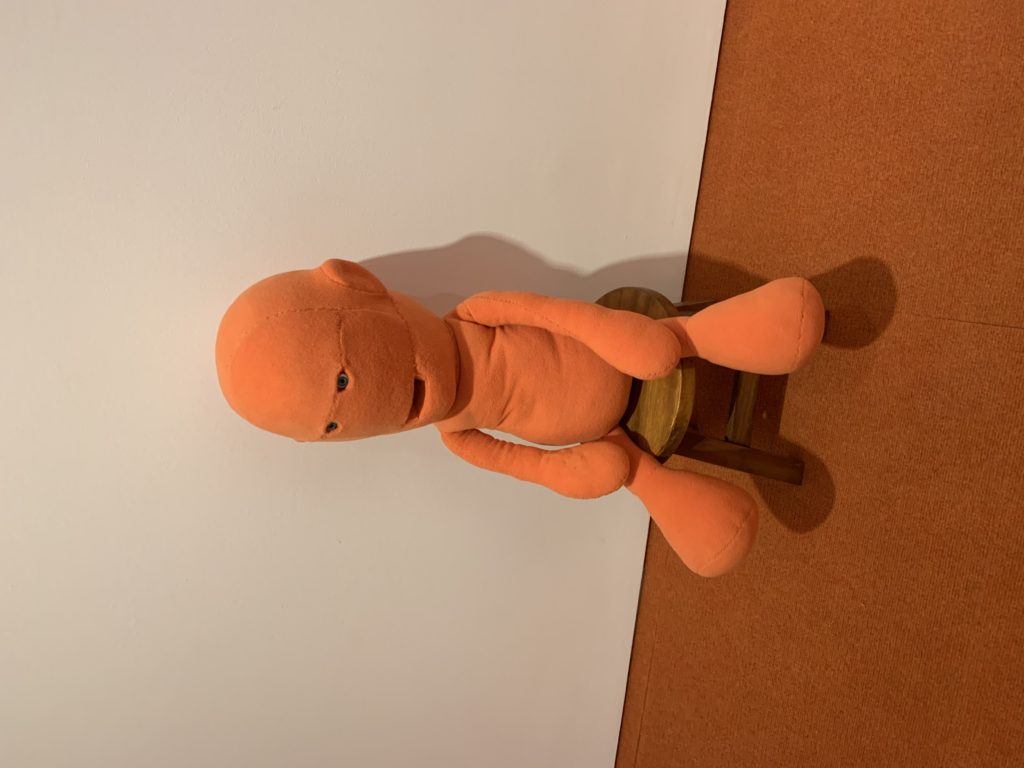
The central feature of (breathspace) is a tiny stuffed humanoid creature on a stool. It reminded us a little of something a three year old niece would give you for Christmas, requiring you to say ‘well, isn’t THAT something?’. Apparently, at a time of social distancing the doll serves as a metaphor for a loss of communication and loneliness. The doll is fitted with a microphone and at certain times of the day Navarro himself speaks through the doll and communicates with people. If that had happened we would have probably run into the street in screaming panic. To see the doll actually talking to people click here….

(breathspace) is not open now and will not be open for the foreseeable future. But write it down for a random date in January and prepare yourself for a bit of fun. 

A mysterious model village in Vauxhall

If you’re anything like us (and you know you are) you probably spend a fraction of your working week thinking ‘if only there was a miniature mock Tudor village of homes no larger than two feet high in greater Kennington’. Well guess what dear reader, you’re in luck. A mysterious village exists in Vauxhall park, but if you blink you’ll miss it. 

Our little Smurf village was created in 1949 by a retired engineer from West Norwood but not a great deal more is known about it. It was originally intended for Brockwell Park (where the rest of the  village still stands) but this assortment was moved to Vauxhall park in the 1950’s. I mean really, why should Brockwell Park have all the fun? The village consists of six homes and three outbuildings and something vaguely resembling a pub. Cast in concrete and lead, these diminutive dwellings were meant to last, but the reason still remains unknown. 

A nice gawp at the tiny homes in Vauxhall park is just one reason to check it out. It’s also a delightful place to spend a few hours, even in the midst of autumn. They have tennis courts, a kids area, and table tennis amongst other attractions. A few years ago a local benefactor even donated an interesting human sundial to the park. The method by which time is told by the use of the body is suggestively called an ‘analemmatic sundial’. We would love to have been a fly on the wall when the following conversation took place – 

“Hi, is this Vauxhall Park? I’m a benefactor who is really interested in anatomy and I’d like to install an analemmatic sundial into your garden. Any chance of that”? 

Blanco – Kennington on video

We would like you to believe that Blanco has been on our turntables for AGES, but to be honest we’d never heard of him until a handy (and younger) reader sent us this intriguing video.

Blanco is the pseudonym of 20 year old rapper Johshua Eduardo. A Kennington native, this video is shot almost entirely on the Kennington Park Estate (behind the Post Office). Look carefully and you’ll also see glimpses of Vauxhall and the Kennington side of Elephant. Enjoy!

Damien Hirst at Newport St.

Without a great deal of fanfare, on Wednesday Newport Street Gallery reopened with  a survey of Damien Hirst’s early work called ‘End of a Century’. The timing of this retrospective might be a coincidence or an intentional and very prescient observation of the world around us in 2020, as Hirst’s early work explored themes of death, healing, life saving medication, infection, and anatomy.  We checked out the show on it’s opening day. 

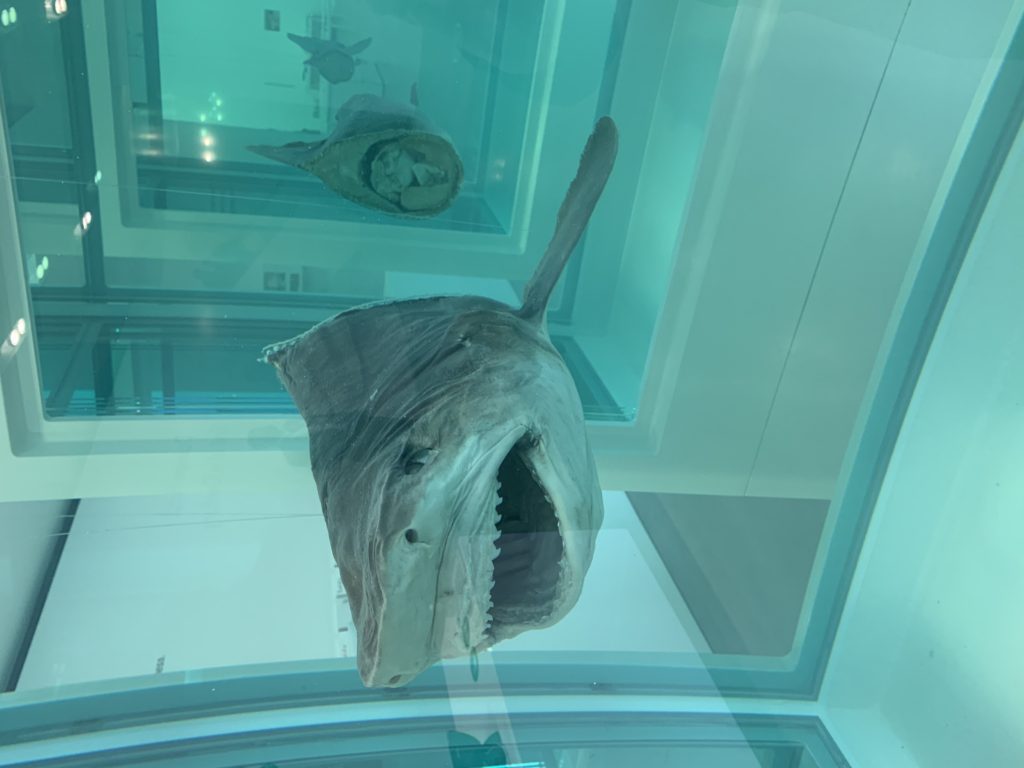
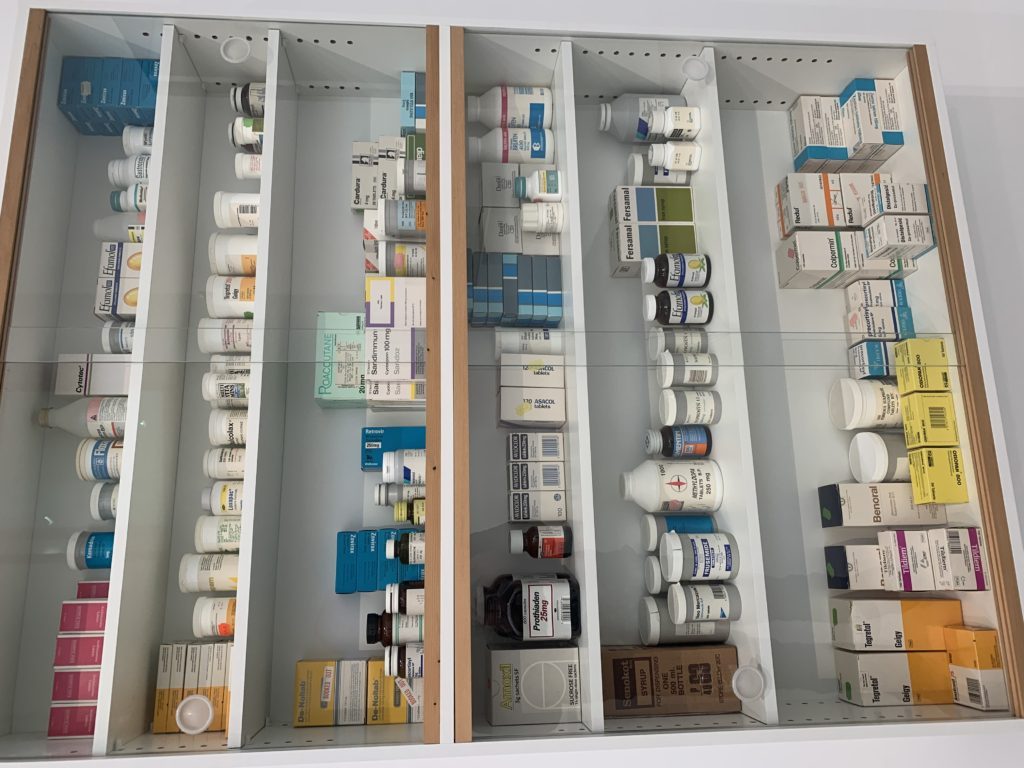
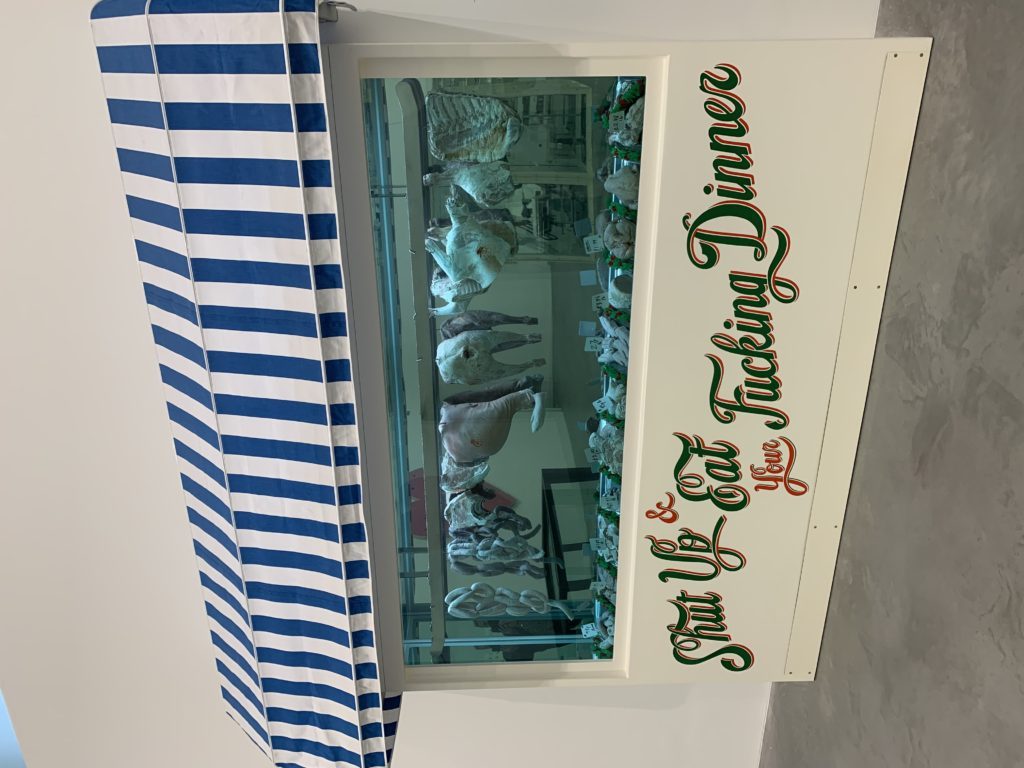
In the first gallery we were introduced to one of Hirst’s trademark dissected animals; this one being a baby shark in formaldehyde. Moving into the main galleries you might think you’d just wandered into aisle three at Iceland, as there were several freezers stuffed with frozen cow heads (we asked, and they are real). Also on show were Hirst’s trademark medication cabinets and a variety of medical implements. After an enormous anatomical model we’re left to ponder the slightly humorous ‘Shut Up and Eat Your Fucking Dinner’ (pictured at bottom) which was fashioned as a butcher shop window featuring a variety of meats encased in formaldehyde. Is meat murder? 


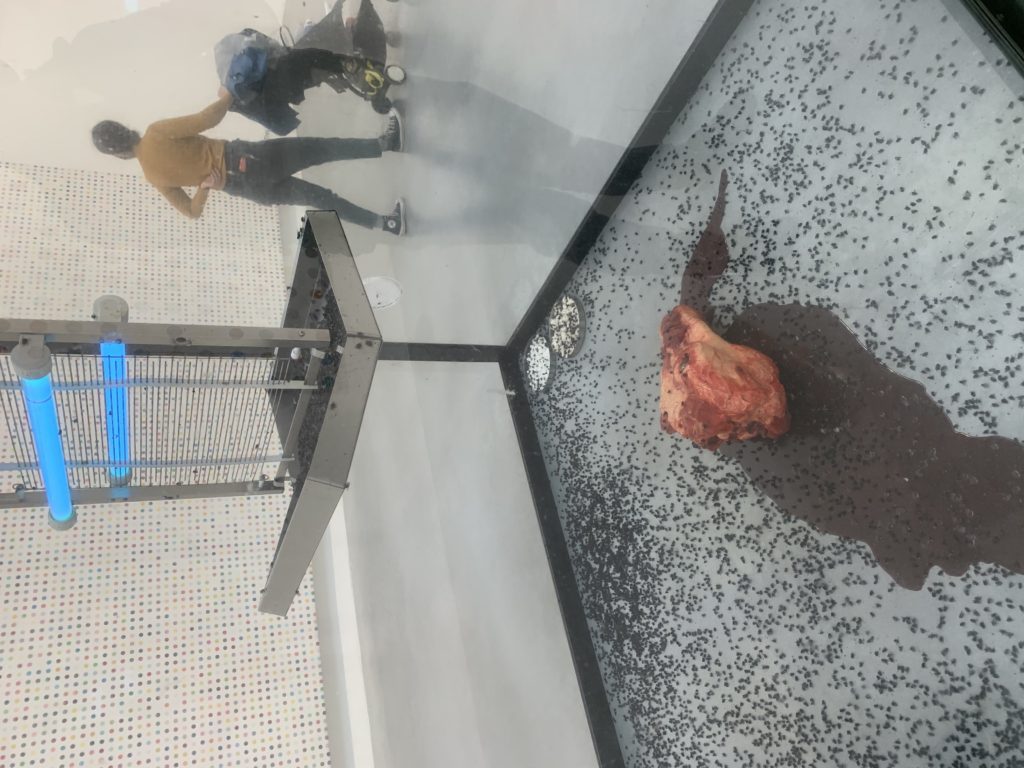
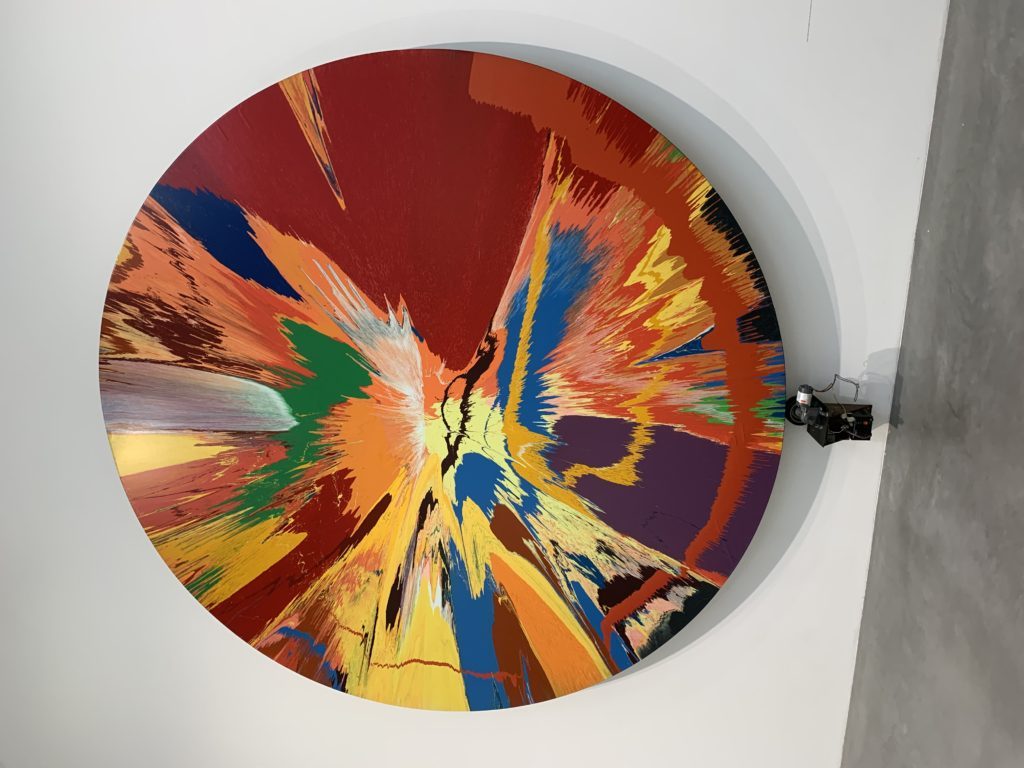
On the first floor we got to grips with several of Hirst’s spin paintings and dot paintings, with one actually spinning in the room. Surprisingly, there were several cubist inspired collages of found materials which Hirst created before he was a student at Goldsmiths, even then showing his early interest in mortality and resurrection. The most arresting work upstairs was ‘A Hundred Years’, in which a bloody severed cow head is being eaten by maggots who turn into flies who then get executed by  an inect-ocutor. We’re not making this up. 

Some of these works are almost 30 years old and don’t have the shock value they once possessed. But if your artistic taste embraces decapitated cow heads, meat, pills, blood, dead flies, and medical implements then this show will be right up your street. Vegetarians might want to steer clear. And lest you don’t give your mortality much of a thought during the pandemic, this show is a reminder of the profound fragility of organic matter. 

End of a Century is on now and until the end of March, 2021. Tickets are free and can be booked here.

Spirits in the Drawing Room

With the Gasworks gallery closed for now (reopening on 1 Oct) and Newport Street Gallery closed for the foreseeable, you might be feeling a tad culture deprived. We would like to share with you a little gallery in Elephant and Castle that has recently come to our attention, The Drawing Room.

The Drawing Room is a space to discover both historic and contemporary drawing in an open and accessible manner. They have an impressive art library and (probably not right now) have a series of talks, artist led projects, and hands on learning. The show currently on until the end of October is called ‘Not Without My Ghosts: The Artist as Medium’ and features work by Victor Hugo, Yves Tanguy, Sigmar Polke and William Blake, with many newer artists who, unlike those guys, are still very much of this mortal coil. 

It’s hard to overestimate the importance of the metaphysical, occult, and communicating with higher powers to 18th and 19th century society. This was not missed by artists and writers, who often considered themselves to be mediums who could communicate with the dead and other spirits. The output which resulted from this communication was strikingly at odds with prevailing artistic tradition at the time, which was increasingly concerned with learned artistic forms and rigorous training. The exhibit moves into the 20th century by examining current artists who continue using the concept of the unseen to grapple with the ambiguities of the world around us. Quite prescient given how 2020 has unfolded.

Not Without my Ghosts is totally free but it’s best too book first. It should be noted that most of the works in this exhibit are sketches and drawings, so don’t go in expecting a blockbuster experience. But on the bright side, after the show you might find a way to have a nice chat with your auntie Vera who popped her clogs back in 2015.  


Runoff gets cultural

Pimlico isn’t in Greater Kennington, so let us apologise in advance. However, you can actually kind of see it from Greater Kennington, so yesterday we packed our passport to Pimlico to check out Tate Britain on it’s first week of reopening. 

There have been split opinions in the media about the efficacy of reopening museums in the midst of a pandemic. Some see it as unsafe and also burdensome to have to be allocated a slot to view a painting, while others see it as crucial to an institutions’ survival and a source of inspiration for folks. All public galleries in London now operate via timed entry only, booked online (which means you can’t just swan in off the street). At Tate you are asked to choose two ‘routes’ through the free stuff; 1540-1890 or 1930-now.  Booking was easy enough with plenty of open slots.

We approached the gallery with an ominous feeling that we might be the only people in there, but were pleasantly surprised. It was about as busy as usual and felt quite normal (well if your definition of normal extends to walking around looking like a bank robber). There were arrows on the floor to guide you through the collections but it was more or less the route taken anyway, and there was no harm in visiting a previous room if you desire. There was no queuing in front of paintings and the rooms felt well spread out, with plenty of gallery guides present to ensure that it stayed that way. 

Some of the rooms are closed (such as the Turner galleries) but most are open. The giftshop and Djanogly café are open, and the acclaimed ‘Steve McQueen Year 3’ exhibit in the main gallery has been extended. The cloakroom ain’t gonna happen, however, so leave your giant suitcase at home and enjoy!  Oh, and the exit is now through a small door in the cafe.