Royal Doulton in Vauxhall

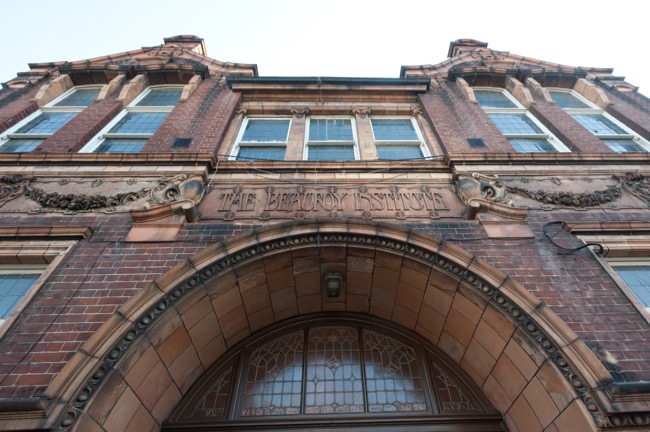
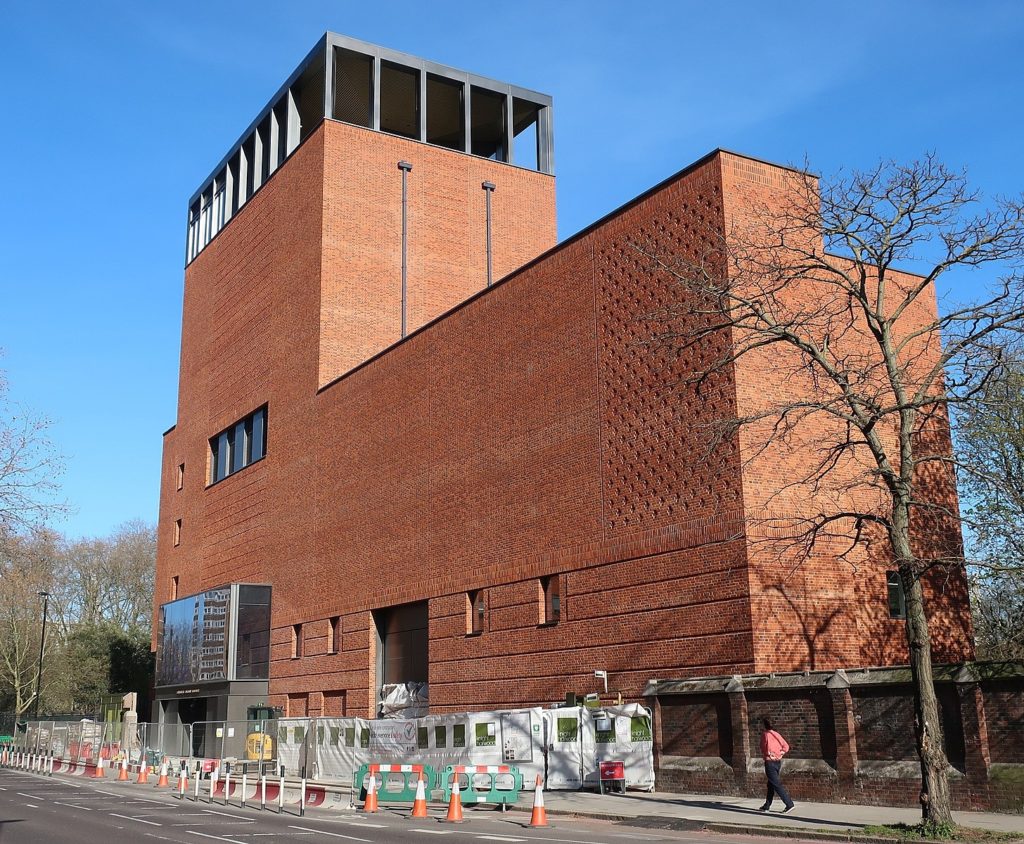
We humans were not built to spend six hours a day on ‘Zoom’ calls (which we are thinking about renaming ‘Co-Vid’ calls) and if you’re working from home it is always good to take a brisk walking break. We recommend having a gander at one of the most striking buildings in our area, the former Royal Doulton Pottery building now known as ‘China Works’.

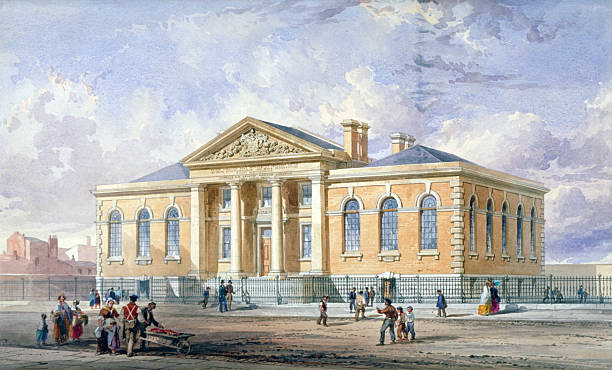
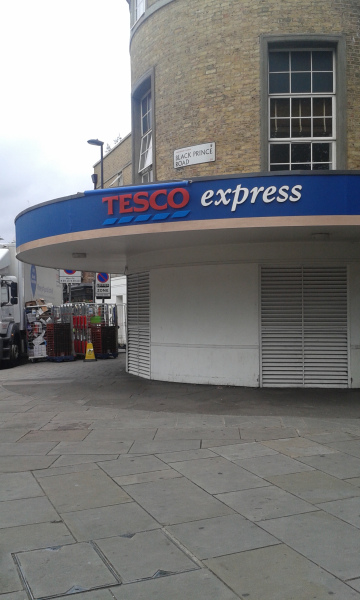
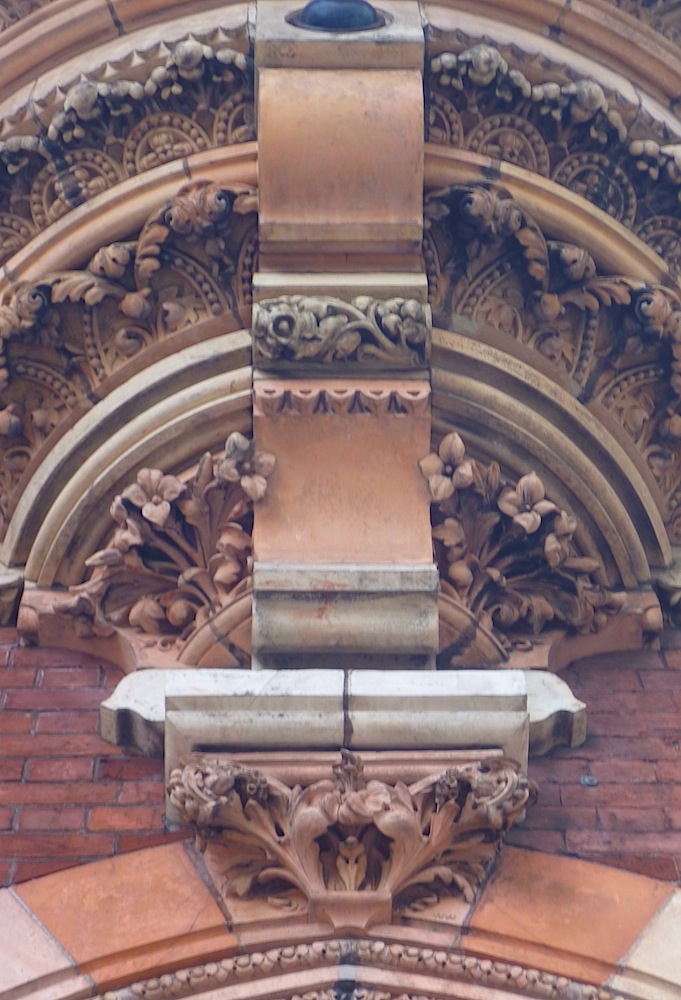
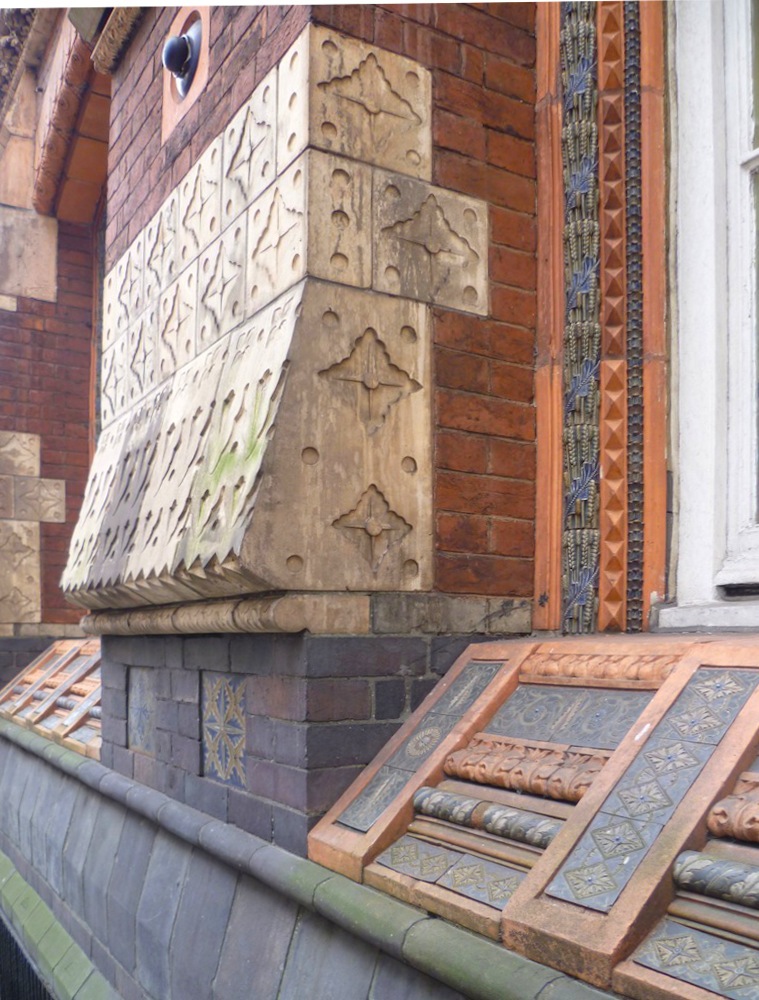
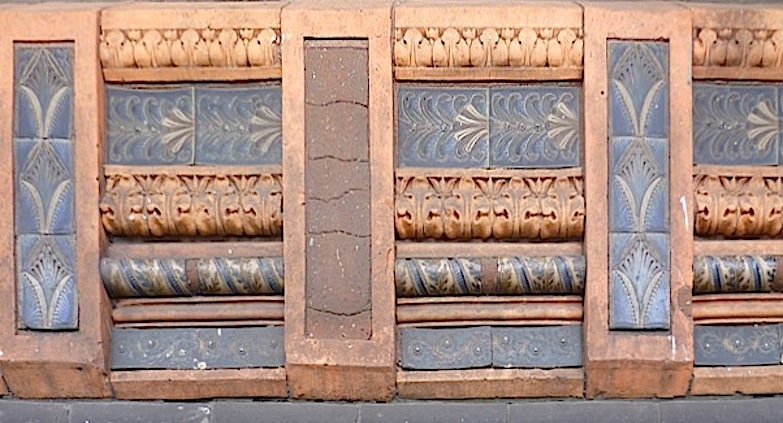
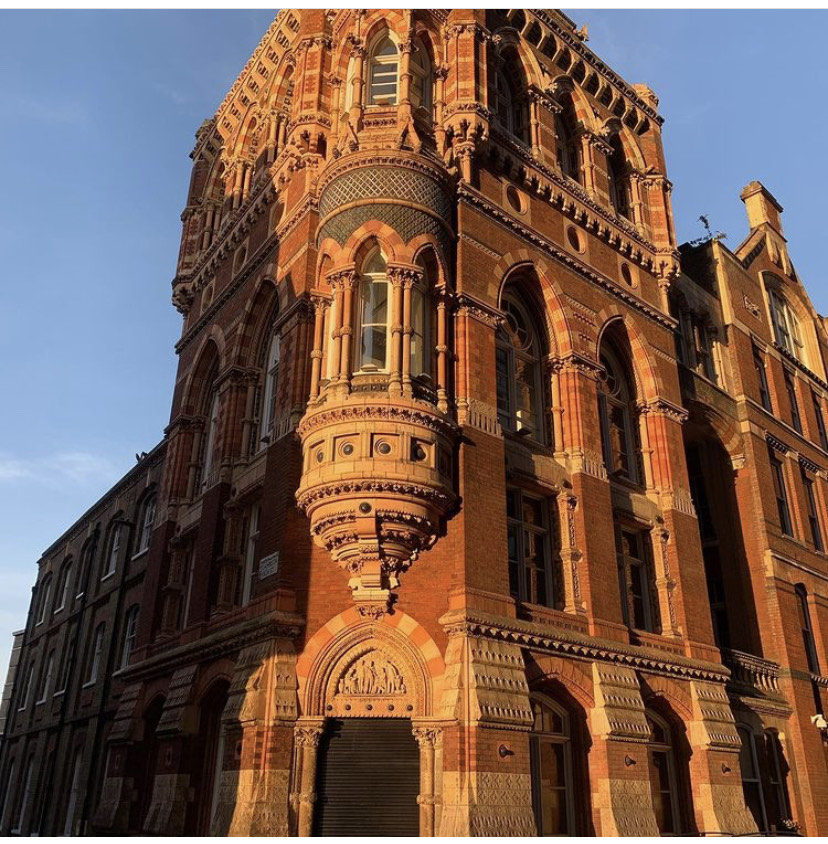
Royal Doulton was established in Vauxhall Walk but moved to the corner of Black Prince Road and Lambeth High Street where this Gothic wedding cake was erected in 1876. This building is a survivor of a vast Doulton complex which was in use until the 1950’s. The building is cast in red brick with polychromy and an array of terracotta highlights. It was intended as a living advertisement to show off the Doulton product. 

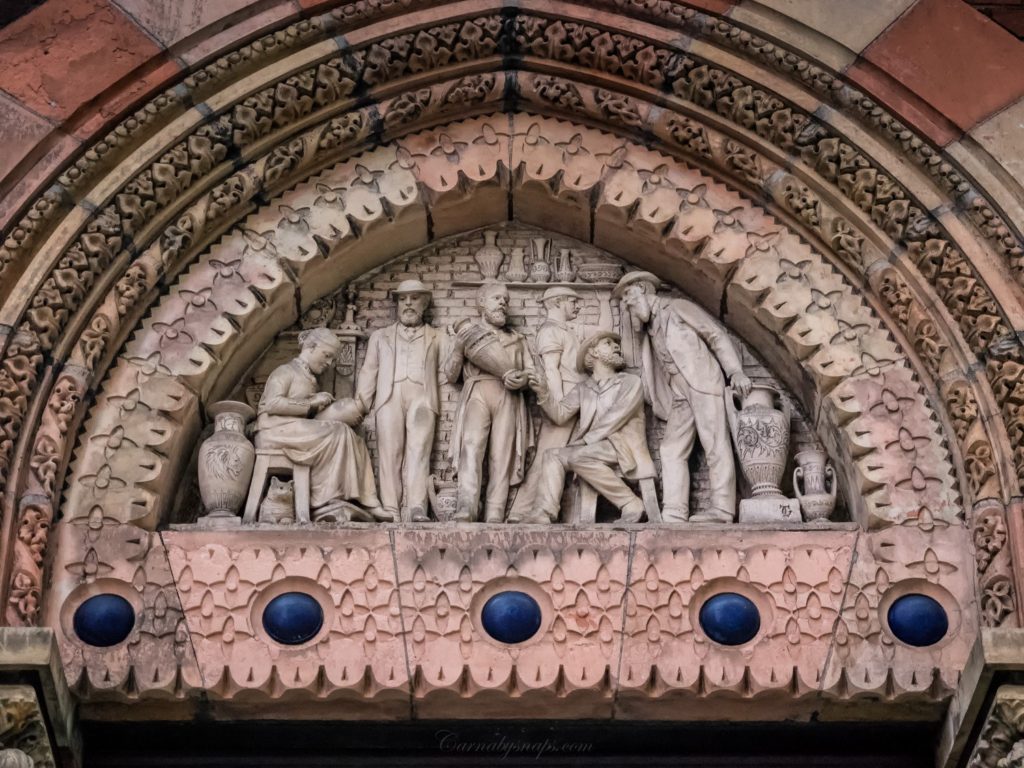
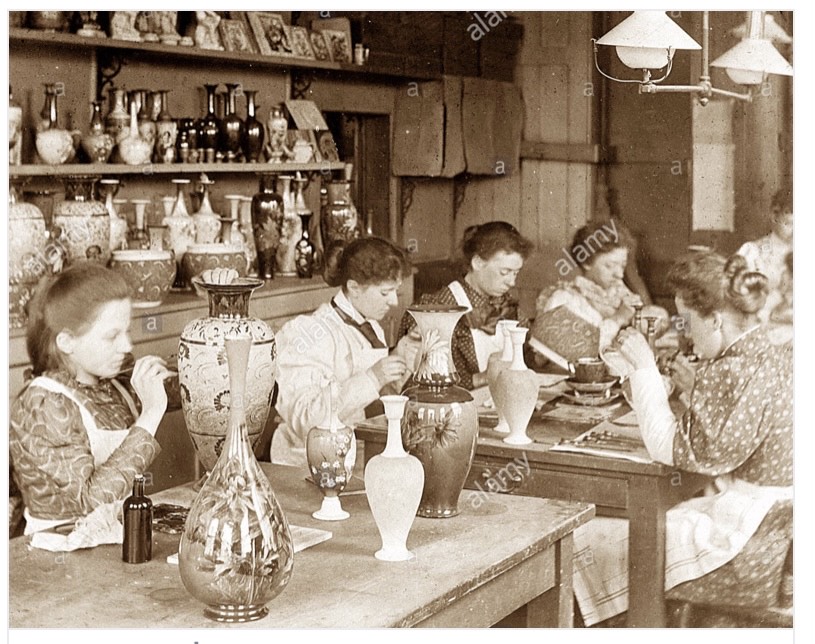
This particular building was used as a museum and art school, and the relief above the door (called a ‘tympanum’, and aren’t we smart) depicts a group of people inspecting some terracotta pots, and a woman with a cat painting one. By the 1870’s Doulton was moving in a more decorative direction with the aid of Lambeth School of Art, which is now City & Guilds of London Art School in Kennington Park Road. It should be noted that almost all of the painting and decorating of the pots was undertaken by women, and was a rare and early example of a skilled craft which women could access. 

The area around the Doulton Factory is about to undergo some very profound and very controversial changes. We don’t make judgements on planning issues on KR but judge for yourself. The building is, thank god, listed and currently occupied by one of those workspace outfits which recently have been popping up like head lice. So our gothic confection is going nowhere, but it might suffer the indignity of having a ‘Franco Manca’ stuck into it one day.

Vauxhall goes Marmite

A picture tells a thousand words #3

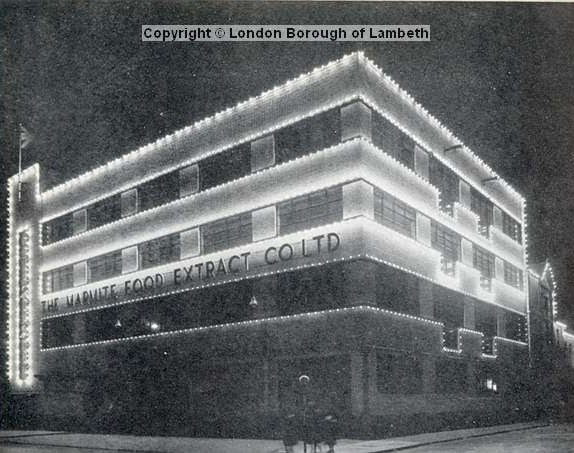
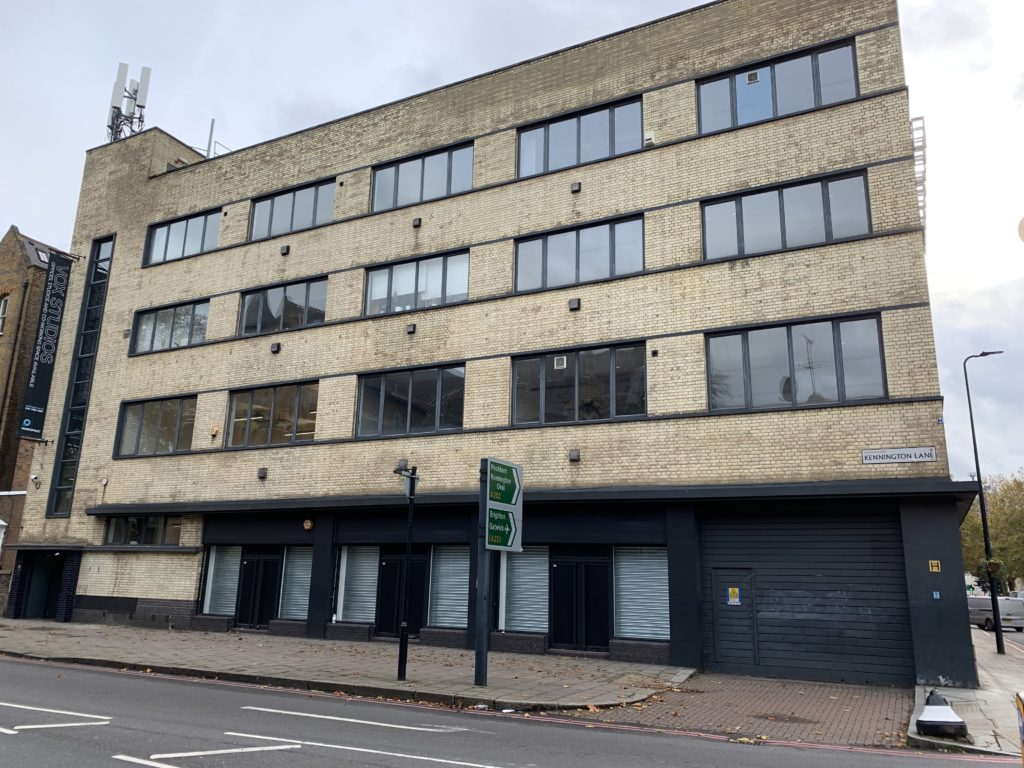
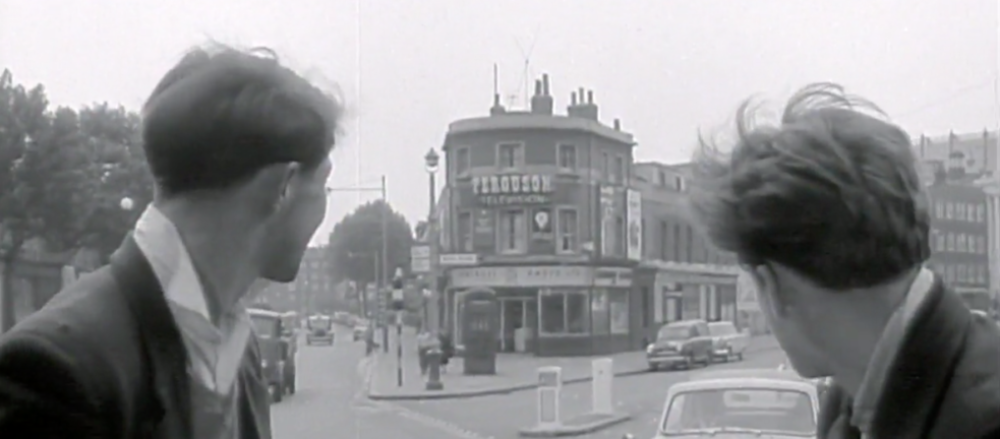
The last of our three part mini posts takes us up to Vauxhall. The now rather unprepossessing Westminster Business Square (now the much cooler named Vox Studios) at the corner of Kennington Lane and Durham Street for many years was the London HQ of Marmite.

The Marmite Food Extract Company was formed in 1902 and was based at Burton upon Trent where it had ready access to its main ingredient – a by-product of the brewing process – courtesy of the Bass Brewery. It is still manufactured in the Staffordshire town today.

This ‘Marmite Goes Vegas’ photo was taken in 1951. It closed in 1967. The homeless charity St Mungo’s took on the building for use as one of its first hostels in the 1970s, and now it is one of those flexible workspaces that nobody goes to anymore. It doesn’t look quite as exciting now.

The internet is littered with stories of the smells that came out of the place. People either hated it or loved it (you knew that was coming, right?).

The children of Walnut Tree Place

A picture tells a thousand words #1

If you’re a regular reader then you’ll know that we love old photos of Greater Kennington. We have unearthed three very different photos and over the next three days we will take on little journeys to let you know what they tell us about our community. 

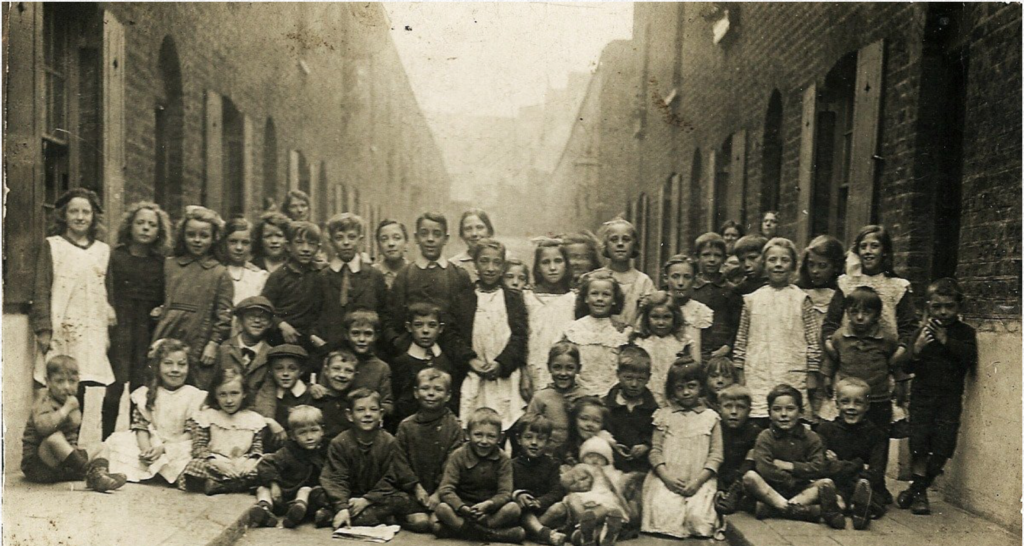
These lovely kiddos were residents of former Walnut Tree Place and the photo was taken in the summer of 1921. If you look closely you can see blackout boards on some of the windows (although obsolete after WW1 ended in 1918). These homes were built during the first half of the 19th century mostly to house the families of people who worked in factories along the Thames. 

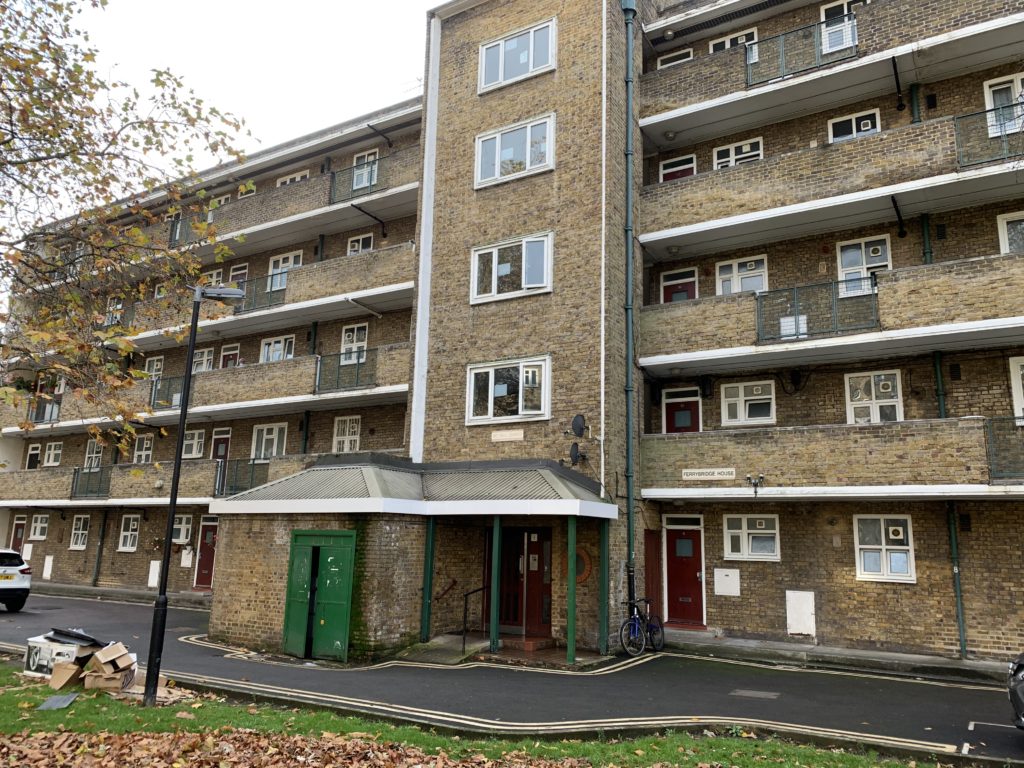
Poor housing conditions became a pressing issue after WW1 and these homes were torn down by London County Council not long after this picture was taken. Between 1928 and 1934 the homes were replaced by what is now the China Walk Estate on the south side of Lambeth Road. The buildings were named after renowned China manufacturers. Walnut Tree Place has changed quite a bit in the past 99 years.

A mysterious model village in Vauxhall

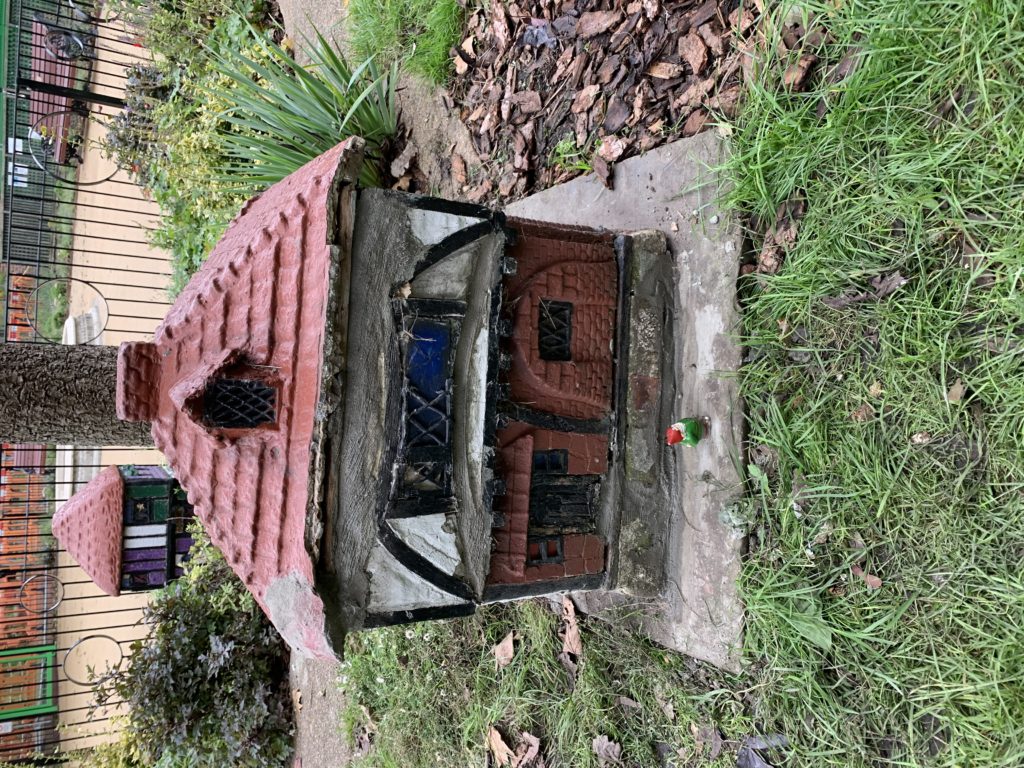
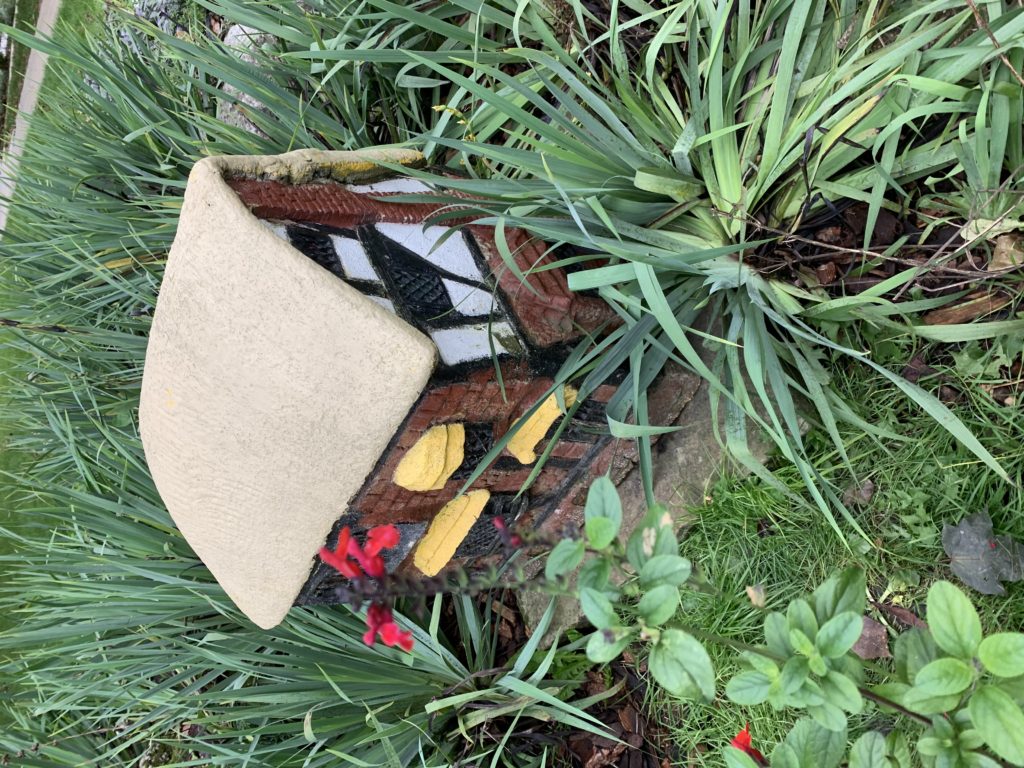
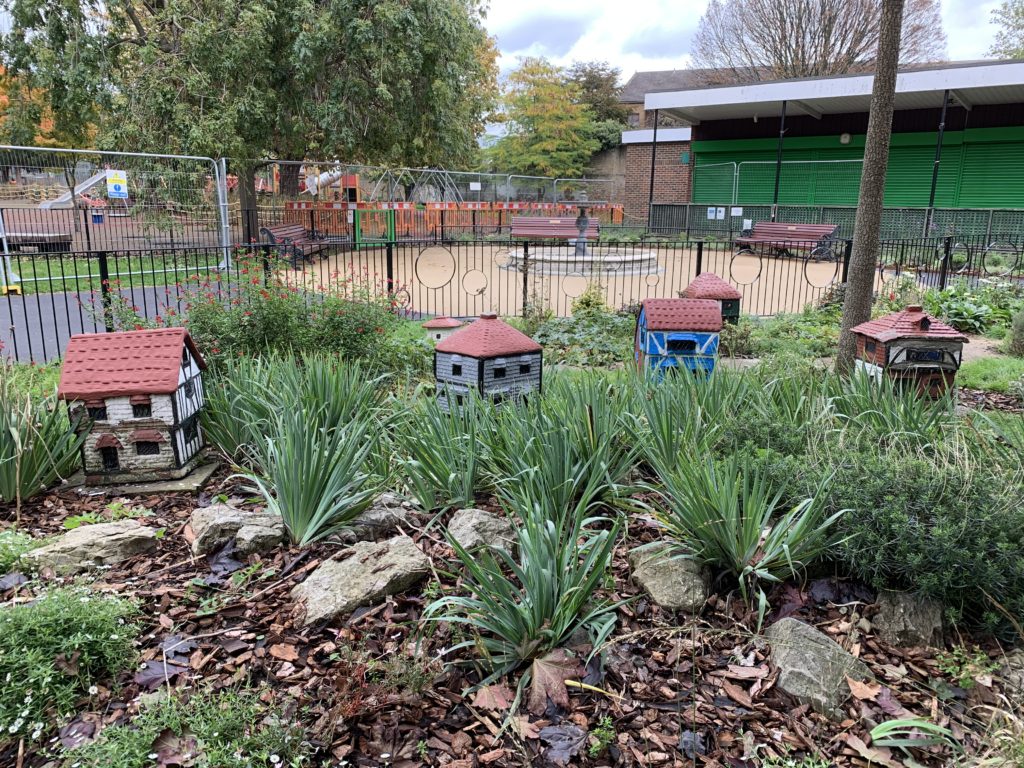
If you’re anything like us (and you know you are) you probably spend a fraction of your working week thinking ‘if only there was a miniature mock Tudor village of homes no larger than two feet high in greater Kennington’. Well guess what dear reader, you’re in luck. A mysterious village exists in Vauxhall park, but if you blink you’ll miss it. 

Our little Smurf village was created in 1949 by a retired engineer from West Norwood but not a great deal more is known about it. It was originally intended for Brockwell Park (where the rest of the  village still stands) but this assortment was moved to Vauxhall park in the 1950’s. I mean really, why should Brockwell Park have all the fun? The village consists of six homes and three outbuildings and something vaguely resembling a pub. Cast in concrete and lead, these diminutive dwellings were meant to last, but the reason still remains unknown. 

A nice gawp at the tiny homes in Vauxhall park is just one reason to check it out. It’s also a delightful place to spend a few hours, even in the midst of autumn. They have tennis courts, a kids area, and table tennis amongst other attractions. A few years ago a local benefactor even donated an interesting human sundial to the park. The method by which time is told by the use of the body is suggestively called an ‘analemmatic sundial’. We would love to have been a fly on the wall when the following conversation took place – 

“Hi, is this Vauxhall Park? I’m a benefactor who is really interested in anatomy and I’d like to install an analemmatic sundial into your garden. Any chance of that”? 

Getting a bit botanical in Montford Place

The Beefeater Distillery became an ‘experience’ in 2014 and since then the Runoff has been keen to visit.  However, we rather balked at the notion of shelling out £16 a head to tour what is in essence a factory, even with the added benefit of getting sozzeled in the end. So when we saw that #beinvauxhall were offering two for one tickets we leapt at the chance. We wrote a little missive about the history of Beefeater in Kennington last year. 

The Beefeater experience starts self guided, with a very slick history of the sauce, covering everything from the ‘gin lane’ era of Hogarth and unregulated spirits, to US prohibtion and the rise of the speakeasy. Intertwined are fun little videos about how gin is produced and the propagation of gin distilleries in London over the years. 

Our enthusiastic Italian tour guide Maria took over for the second part of the tour and put more depth into the gin making process. In the tasting room we sampled different kinds of gin and the botanicals that give different varieties their unique flavour. This included not only juniper but also orange peel, coriander, tea, licorice, and angelica seed. Our only slight digression was when Maria asked ‘so what does that remind you of’ and your scribe shouted ‘Bombay Sapphire’. Moving on…

The last part of our journey was indeed the most fascinating as we had a very informative tour of the stills and learned more about the distillation process. Maria was also able to verify a long held Kennington urban myth-…..only five people are employed and produce all of the Beefeater gin sent around the globe. 

The event ended with a G&T in their tasting room and we left with the best of both worlds – feeling cerebrally enhanced and a bit tipsy. With the added benefit of being able to say to our mates with confidence – ‘yeah, I’m really getting heavy notes of angelica seed here’. 

The Be in Vauxhall deal runs at least until the end of the year, and details can be found here.  Even if Be in Vauxhall is a faceless marketing company they still seem to know what’s going on, so its fun to have a root around their website if nothing else.

From workshops to squatters – a social history of the Pullens estate

If you live in Walworth, or just walk through it, you’ve probably noticed a very fine example of Victorian tenement style dwellings in Penton Place. These are the remaining buildings of the Pullens estate. They have a very curious history, boys and girls, and we’re going to tell you about their history of workmen and squatters rights. 

The Pullens estate was made of 684 almost identical one bedroom dwellings with 106 workshops behind (in Clements, Pecock and Illfie Yards, which remain). This was an early version of a live/work space as most of the people worked in the workshops and cobbled streets behind the buildings.  This contrasts with the later Peabody dwellings which just focused on housing families. While the dwellings proved wildly popular, not a great deal is known about the workshops.  

Zoom ahead to the 1977 and, in the eyes of Southwark, the estate was in serious decline and they wanted it demolished. After a high court battle half of the estate was demolished and half remained. The battle emboldened the residents, who formed a tight knit community in order to fend off future threats. To combat this, Southwark decided to stop letting out properties as they became vacant. With the support of the Tenants Association, the properties were given over to squatters who acted as caretakers. During two drawn out legal procedures in the 1980’s over threatened evictions, public interest in the plight of the squatters grew and it gained national attention. 

By 1986 Southwark had enough, and on 10 June the bailiffs moved in to evict the squatters. The residents were prepared, and many barricaded their homes against forced entry. 26 people were evicted, but as the bailiffs did not understand the unique layouts of the buildings, many just shifted their belongings and moved back in again. This became known at the ‘Battle of the Pullens’. Negotiations followed afterwards which led to the squatters being awarded caretakers rights and plans to demolish the rest of the estate were abandoned. The association were also responsible for turning the site of a demolished building into a park. It is now Pullen’s Gardens and a lovely place for a spot of lunch. 

Runoff gets cultural

Pimlico isn’t in Greater Kennington, so let us apologise in advance. However, you can actually kind of see it from Greater Kennington, so yesterday we packed our passport to Pimlico to check out Tate Britain on it’s first week of reopening. 

There have been split opinions in the media about the efficacy of reopening museums in the midst of a pandemic. Some see it as unsafe and also burdensome to have to be allocated a slot to view a painting, while others see it as crucial to an institutions’ survival and a source of inspiration for folks. All public galleries in London now operate via timed entry only, booked online (which means you can’t just swan in off the street). At Tate you are asked to choose two ‘routes’ through the free stuff; 1540-1890 or 1930-now.  Booking was easy enough with plenty of open slots.

We approached the gallery with an ominous feeling that we might be the only people in there, but were pleasantly surprised. It was about as busy as usual and felt quite normal (well if your definition of normal extends to walking around looking like a bank robber). There were arrows on the floor to guide you through the collections but it was more or less the route taken anyway, and there was no harm in visiting a previous room if you desire. There was no queuing in front of paintings and the rooms felt well spread out, with plenty of gallery guides present to ensure that it stayed that way. 

Some of the rooms are closed (such as the Turner galleries) but most are open. The giftshop and Djanogly café are open, and the acclaimed ‘Steve McQueen Year 3’ exhibit in the main gallery has been extended. The cloakroom ain’t gonna happen, however, so leave your giant suitcase at home and enjoy!  Oh, and the exit is now through a small door in the cafe.

Popup paella in Elephant?

If you told us a new restaurant had opened in the soon to be demolished Elephant and Castle shopping centre we’d suggest you rush off to your nearest hair salon to have your temperature checked. But it has! A new pop up paella place (say that 10 times fast) has just opened on the former site of the rather dreary caff ‘Sundial’ next to Boots. 

For the uninitiated, paella is a rice based Spanish dish and one of those things god placed on this earth to make us happy. A bit like Lorraine Kelly. Paella Shack is run by the London Paella School (who knew?) and has been open for a few weeks. It offers seafood, chicken and vegan paella for £6/7 and they also do a side treat in bits of tapas. 

My associate had the seafood paella and she/he described it as being stuffed with seafood, well cooked rice, good portion size, nice oily pepper, and just the right amount of saffron. Your scribe opted for the chicken paella which was presented with big chunks of chicken, saffron, paprika turmeric and oil. A lot of non authentic paellas include things like onion and chorizo, but this one was the real deal and a perfect size for a hearty lunch. 

Paella Shack is open daily and available for takeaway and you can also eat in. We chose the eat in option, which is probably what it feels like to eat in a prison canteen, but there you go. Pop up places are almost by definition not pretty, but this food certainly is.

A celebration of Kennington pubs

Do you remember a halcyon time when we could go to a place and have a drink with people we didn’t live with? Well those days will be upon us again in some kind of fashion on 4 July. Some of these pubs are gone forever, some others rebuilt, and few looking amazingly familiar. We could stare at the pictures all day, and enjoy….

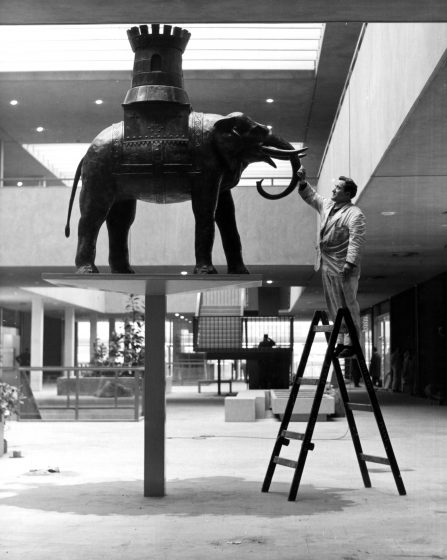
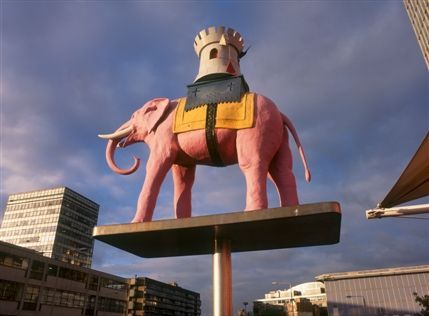
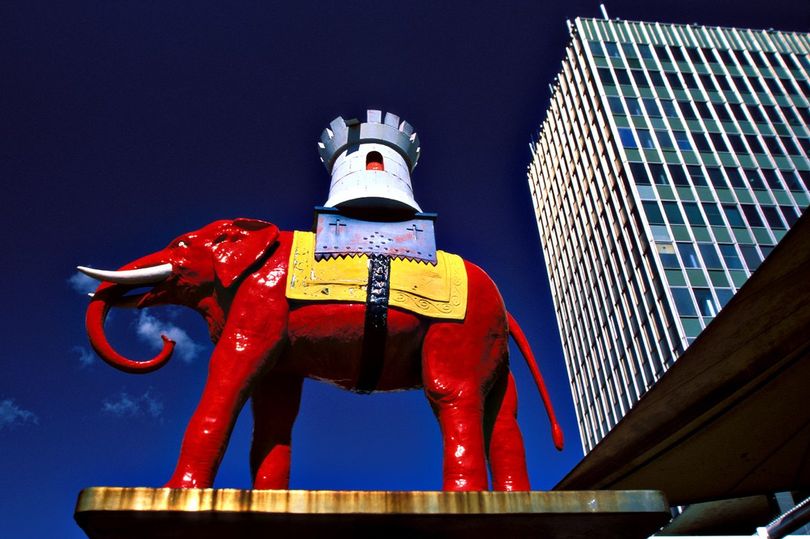
The Victorian Elephant and Castle pub in Vauxhall, 1970. Same building, but now ‘Starbucks’.
The King’s Arms pub, Chester Way and Kennington Lane, 1880. Destroyed in WW2, rebuilt 1946.
The Horns Tavern, Kennington Road and Kennington Park Road., 1910. A local institution damaged in WW2 and never really recovered. That and a dislike of Victorian architecture meant its demise in 1965. Now JobCentre Plus and Nisa Foods.
The Roebuck pub, 1972. Still very much there and known as The Dog House.
The Cricketers pub in the Oval standing proudly on game day, 1957. Closed for aeons, but the building is still there.

The Tankard pub, Kennington Road, 1880. Altered through time, but looking amazingly familiar.
The Vauxhall Tavern, 1950. The RVT had shops on either side of it and a thriving community behind until cleared for Spring Gardens in the late 1960’s.
The Prince of Wales, Cleaver Square, 1973. The only thing different is the cars (and the house prices).

KR visits the Oval Village show home

If you’re  a regular reader you are probably aware that we have been closely following the development of Oval Village and the surrounding area, which we call ‘Uptown KenVo’. Well, you’ll be pleased to know that the marketing suite is now open on Kennington Lane, and we just went on a guided tour for you.  

We were determined to approach our visit in a more mature and nuanced manner than when we visited the site previously. On our first visit an architect was imagining an independent bike shop on site, and we asked if the shop could also contain a small concession of ‘Subway’. On our second visit another architect was telling us about the flats to be erected inside the gas holder, and we commented ‘oh, so THAT’S what they mean by life behind bars’. 

The first building to be completed, ‘Phoenix Court’, will occupy roughly the same footprint as the former Tesco, and the ground floor will be the site of a new Tesco. Estimated completion is the first or second quarter of 2023. However, our chirpy tour guide let us know that Tesco will be opening next year. Flats range from £565k for a studio at 423 sq. ft. (!!!) to £1.56 million for a three bedroom at just over 1,000 sq. ft. As you can see from the pics the finish is high and the ceilings are over three meters. When all of the buildings are complete there will be public walkways through the development linking the Oval to Kennington Lane.  

The sales and marketing video can be found below. However, if you want a real giggle then watch the hilarious video  ‘A day the life of Oval Village’ at the bottom of their homepage and here. The video depicts a typical day in the life of a young man who goes about his day eating at Sally Whites, reading at Durning library, and then attending a lecture. He’s smiling throughout and you would be to if, at 25, you could shell out over half a million quid for a 400 square floor flat.