Blitz Children

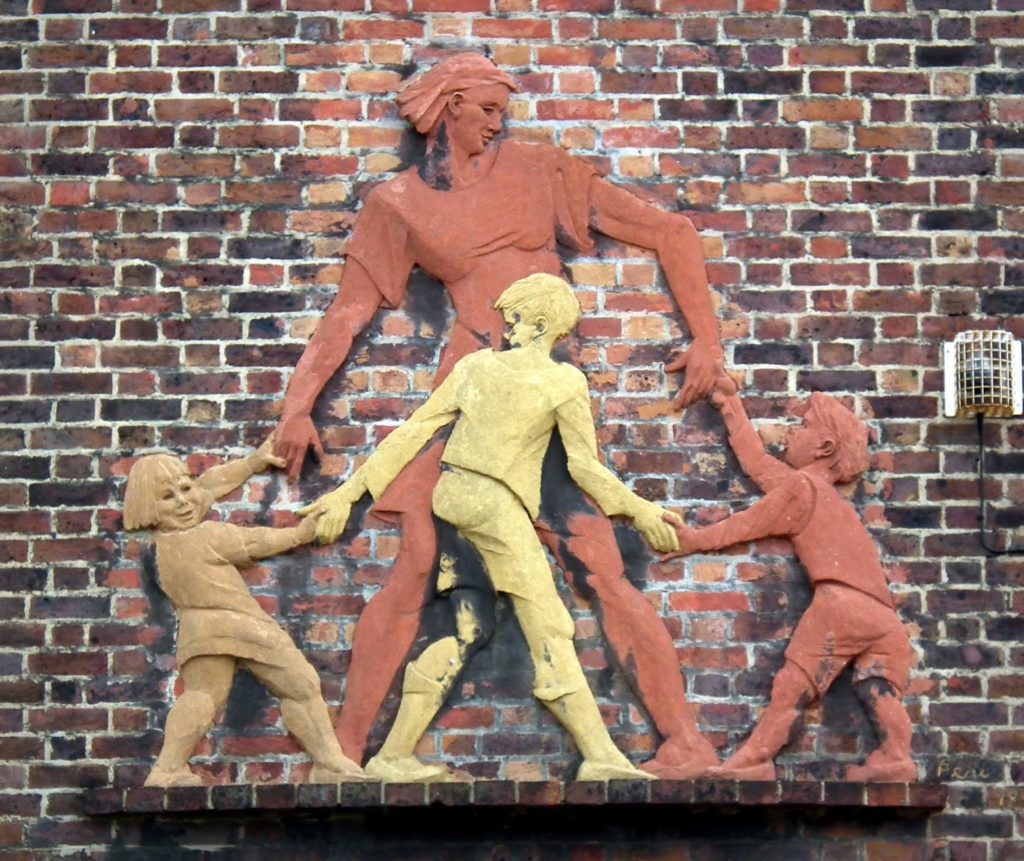
The other day we were on our permitted one hour perambulation in Vauxhall and stumbled across a quite poignant sculpture. We put it on Instagram (where we’re much more clever) and that started a small conversation about its origins. This spiked our curiosity, so we decided to step back from trying to remember what day of the week it is our hectic schedule of Zoom meetings, to undertake some research. 

Following the war there was a shift from commemorative to public sculpture as a way to lift spirits and add to public enrichment. However, after the war Lambeth were seriously short of cash. Equally skint was Hungarian artist Peter Peri, who was able to make works cheaply by means of applying moulded concrete onto wire mesh. When local authorities began commissioning artists to create works in newly constructed housing estates, he put has name forward and he was commissioned to create three works in Vauxhall and Oval. 

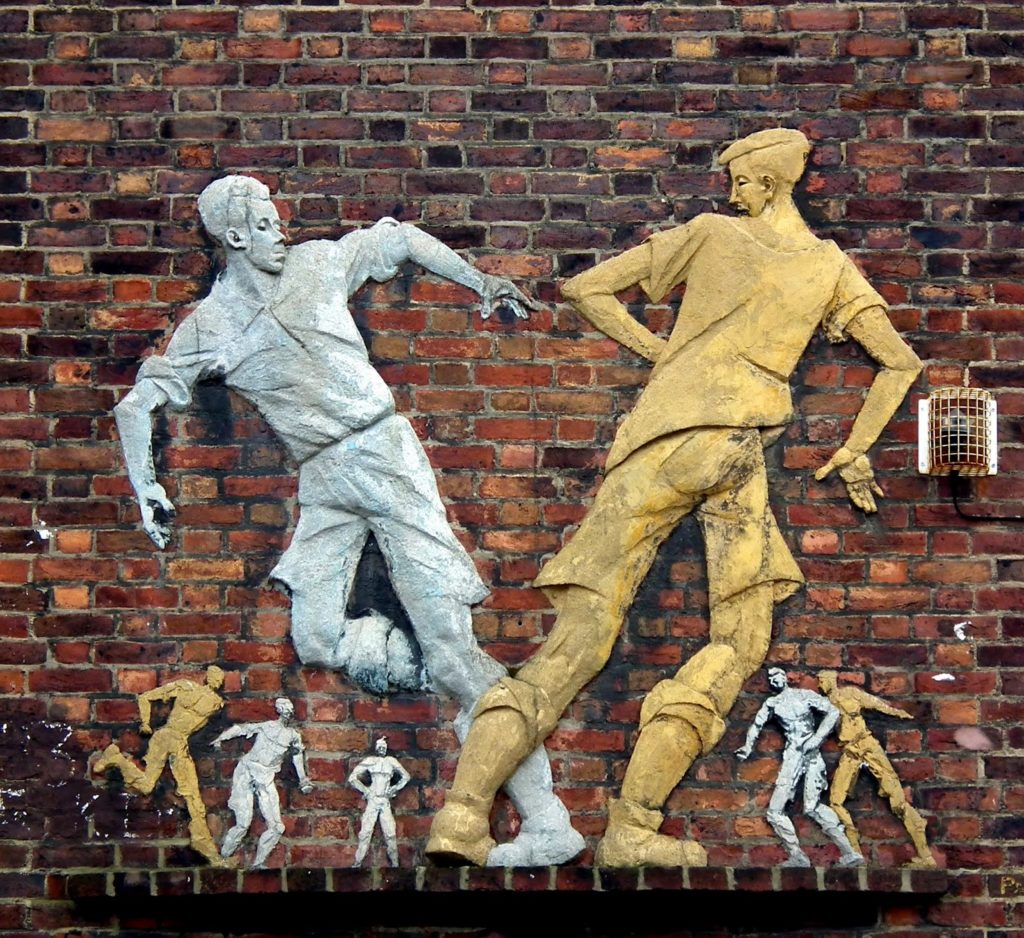
The sculpture in Vauxhall is called ‘Following the Leader’ and was created between 1949-1952. This moving composition depicts children holding hands in a spiral to the sky, as an homage to children killed during the blitz.  Fortunately it is Grade II listed. The other two sculptures are in Oval are of slightly lower quality but still very interesting (both below). ‘Boys Playing Football’ depicts a group of lads doing just that, kitted out in their awkward leather boots. ‘Children Playing’ depicts a mum playing ring o’roses with her children. Curiously, all three works face internal courtyards. Perhaps this testifies to Mr. Peri’s background as a socialist and champion of everyday folk. 

One of our goals as the Runoff is to get people out of the house and explore, but of course this is largely not possible at the moment. But if you find that your daily exercise is getting a tad bit monotonous, set these little gems as your destination:

Following the Leader – on Darley House, Laud St. 

Boys Playing Football – on Wareham House, Carroun St. 

Children Playing – on Horton House, Meadow Road. 

The pieces in Oval are very close to one another.

Richard Cuming, the most curious man in Kennington

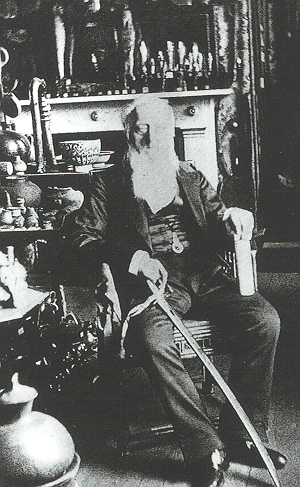
In the 55 years that have elapsed since the middle of March, we’ve starting undertaking socially distanced walks around Greater Kennington. It was during one of these walks that we became more familiar with a true Kennington original and maybe the progenitor of all the Kennington eccentrics who have come after him; Richard Cuming.

Richard Cuming Kennington

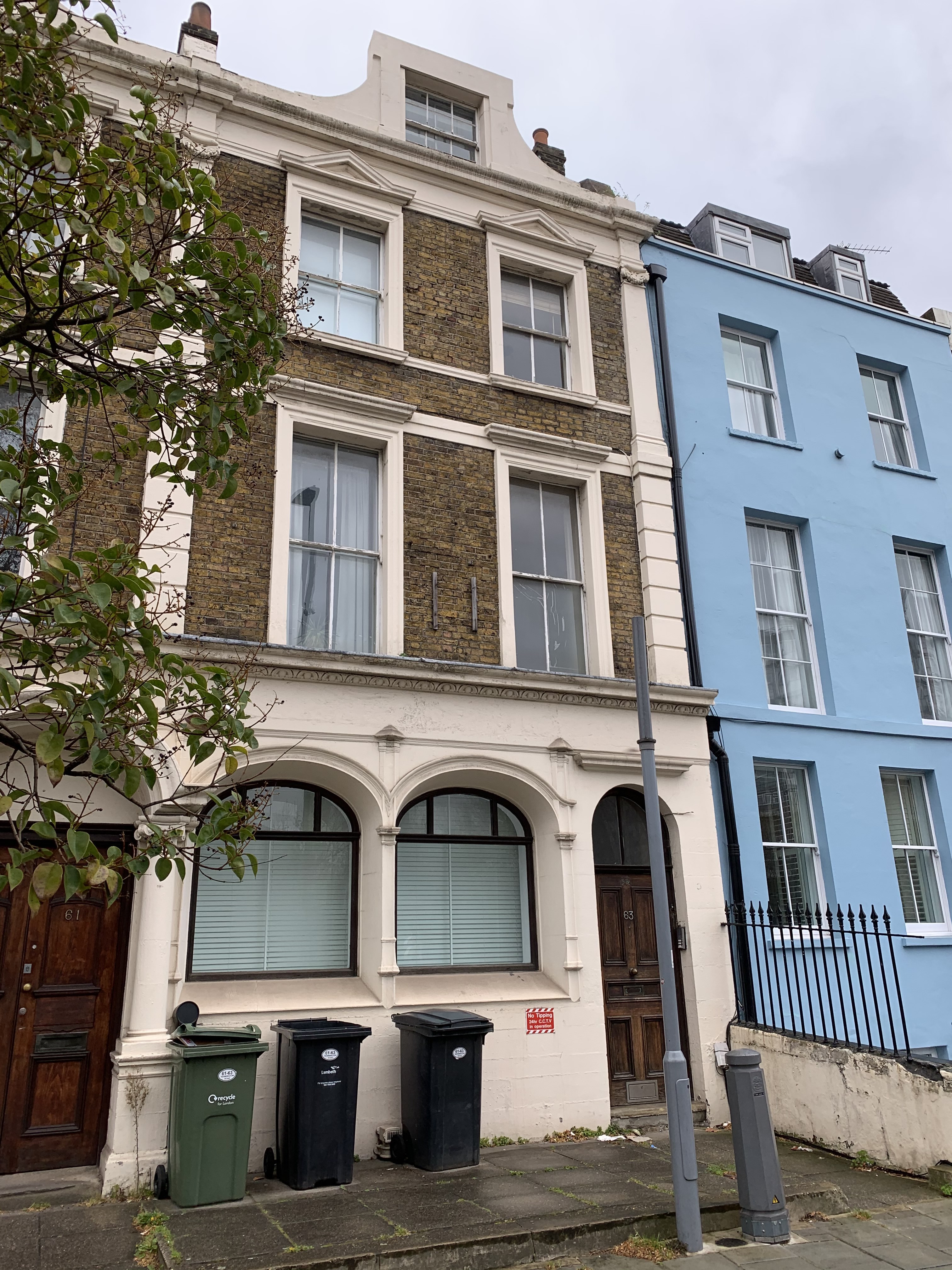
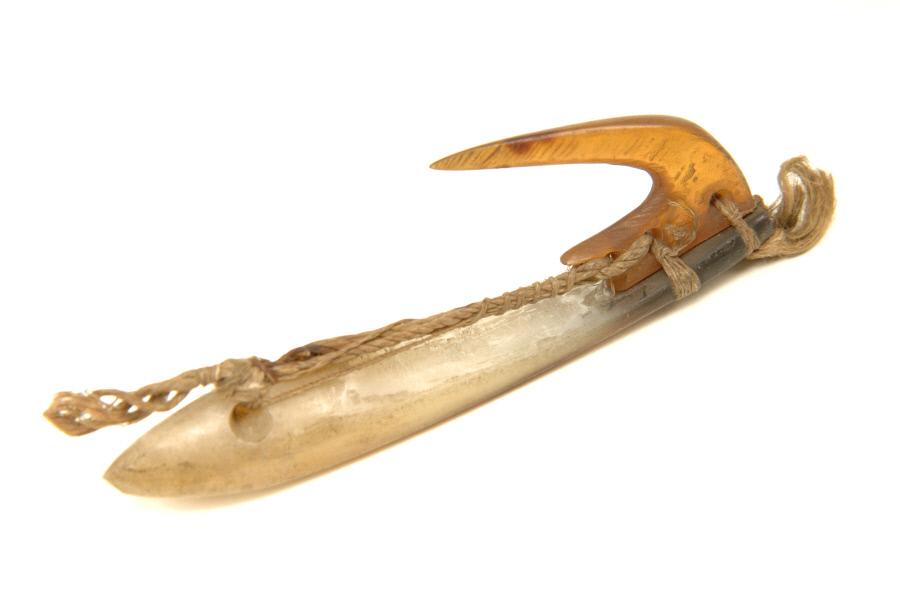
Richard was raised in Walworth Road (intersection of Manor Place, now a McDonalds) in 1777. and it was here that his aunt and other family members sparked his curiosity for collecting all things unusual by giving him fossils, old coins, Indian arrowheads, and other ephemera which were easily available at the time, In adulthood Richard moved to 63 Kennington Road (below) and his collection grew to include items as varied as stuffed animals, ceramics, harpoons, footwear, and even early sunglasses.  Unlike many gentlemen collectors of his era, Richard never actually left the UK but was given these items or picked them up in markets around London.

IMG_0137

Richard’s collection in Kennington Road eventually grew to include over 25,000 objects and he was happy to show off his curiosities to as many people a possible. The home was a haven for collectors, scientists, historians, and  any passing Kenningtonian who shared his passion for all things unusual. The passion was passed on to his son Henry who, after his father’s death in 1870, moved the collection in a more populist direction by collecting objects that revealed the ordinary lives of south Londoners  from rail tickets to cheap toys and good luck charms


When Henry Cuming died in 1902 he bequeathed the collection to what was to become the London Borough of Southwark with the proviso that the collection be exhibited ‘in a suitable and spacious gallery or apartments in connection with Newington Public Library’. This wish was realised when the Cuming Museum was opened in Walworth Road in 1906. With a few additions from other sources the museum became very popular, a sort of Welcome Collection south of the river. The museum thrived until 2013 when the town hall complex was engulfed in flames and the building gutted.

Luckily, 98% of Richard and Henry’s collection survived the great fire and it is in storage until Southwark figures out what to do with it. But fear not, dear reader, as the collection very much lives on online and its quirky highlights can be found here. Now wash those hands!

C03254

Kennington goes loopy

With the constant hand washing, waving to people out of the window and failed attempts at online yoga we are all going at bit loopy at the moment. And all of this without even a new ‘Loose Women’ to deaden the pain. However, at the Runoff we’re hanging in there.

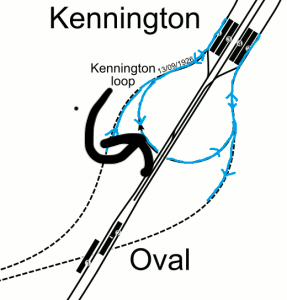
When alighting at Kennington tube we’ve all heard a tube driver say, about 45 times,  ‘this train terminates here’. Most of you know that it doesn’t actually terminate, it just turns around. Well we are here to tell you about the strange fetishism that surrounds the ‘Kennington Loop’ which swirls beneath Kennington Park.

Kennington-Loop-287x300

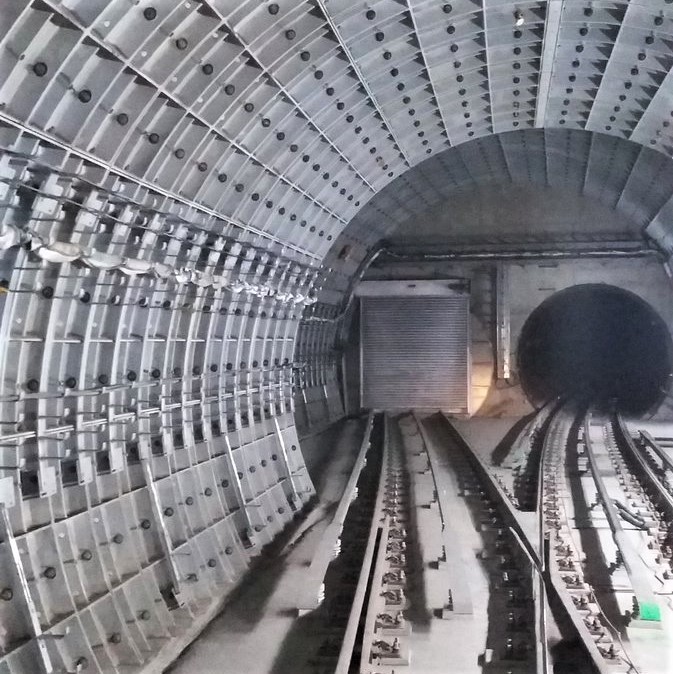
Kennington loop was created in order to regulate the number of trains going southward, as our beloved station is where the Charing Cross and Bank branches converge. Passenger travel on this stretch of track is expressly prohibited, which is part of the fascination for some tube aficionados (and drunk people who’ve fallen asleep). These renegades revel in the notion of the lights flickering on and off, the screech of the tracks,  being told off by the driver, and then arriving at the station they just departed from. It seems to be the tube equivalent of scaling Kilimanjaro the way people carry on about it in online forums (yes, we have time on our hands). If you don’t believe us, the pursuit even has it’s own risqué T-shirt! 

Screenshot 2020-04-03 at 15.45.37

Most things mysterious seem go have a ghost associated with them, and the Kennington loop is no exception. The story goes that one night in 1980 a train in the loop was being held on a red signal when the driver and guard heard the unmistakable slam of interconnecting doors. When they investigated there was no one on the train other than the two of them. Other drivers have experienced the same phenomenon. As scary things go it doesn’t exactly rate up there with ‘Nightmare on Elm Street’ or that shower scene from ‘Psycho’ but hey ho. A ghost story’s a ghost story.

As you are stuck at home now with little better to do than pine nostalgically about the time when you could actually use the tubeyou might be asking yourself ‘well how will the Northern line extension effect the loop? Will it be redundant?’.  The official line from TfL is that the loop will still be required, but used much less frequently as more trains will shoot up to Battersea. The extension is still set to open in Autumn, 2021 but that probably isn’t a reality as work is currently paused.

dtrqdcaw4ae0ryk


We are the Lambeth Boys 2

Last spring we provided you, dear reader, with a link to a fascinating film about a youth club in Kennington from the BFI Film Archive. Now that you have more time on those sparkling, germ free hands of yours, we thought we would send it your way once again. And if you still find yourself at a loose end after viewing it, there are about 1,000,000 other films in the archive to fill your days and nights….Original post below. Enjoy!

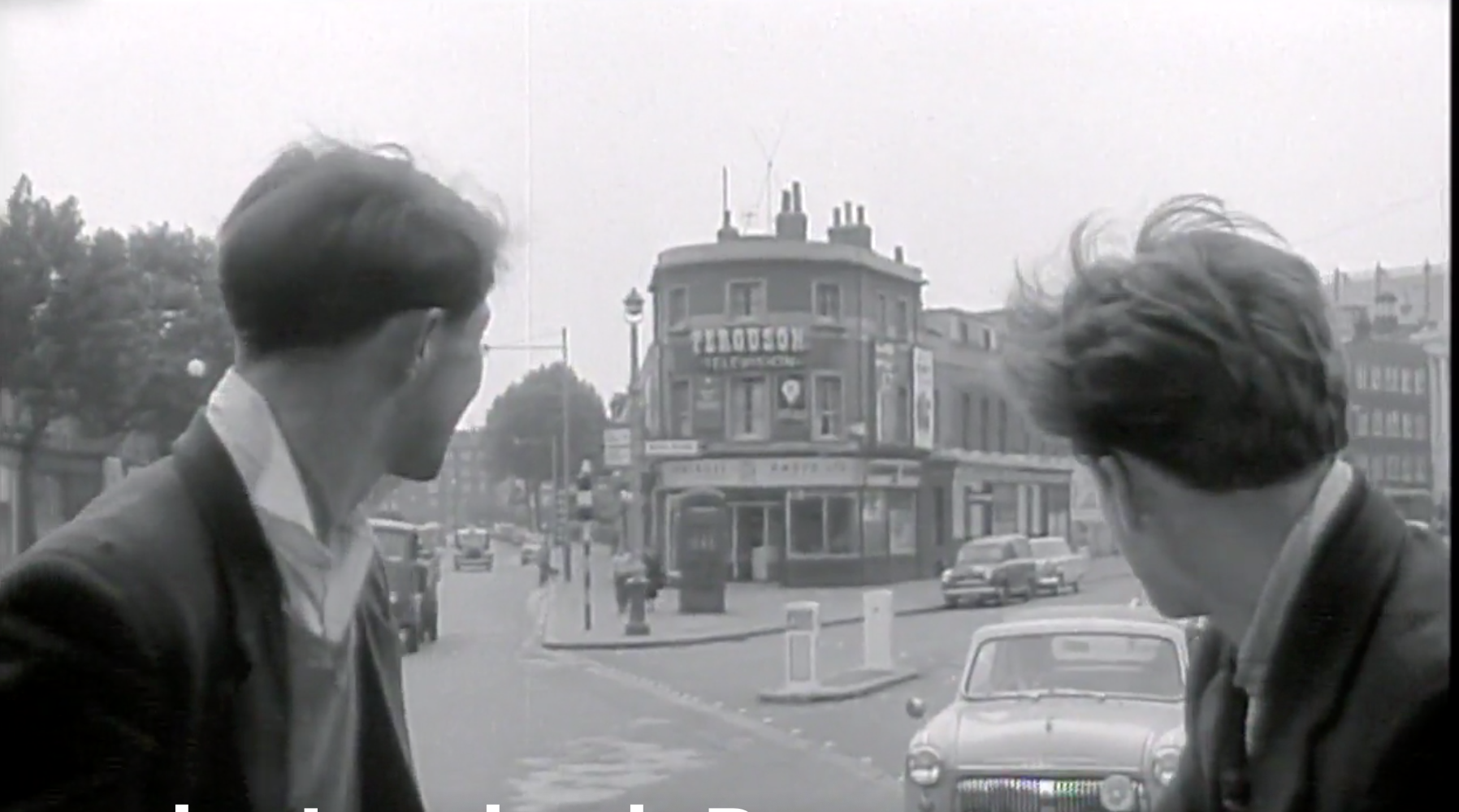
You could probably spend a day few days, or in our case years, exploring the BFI Film Archive of old films about London. We recently discovered this treasure called ‘We Are the Lambeth Boys’ and it gives a fascinating insight into Kennington circa 1959.

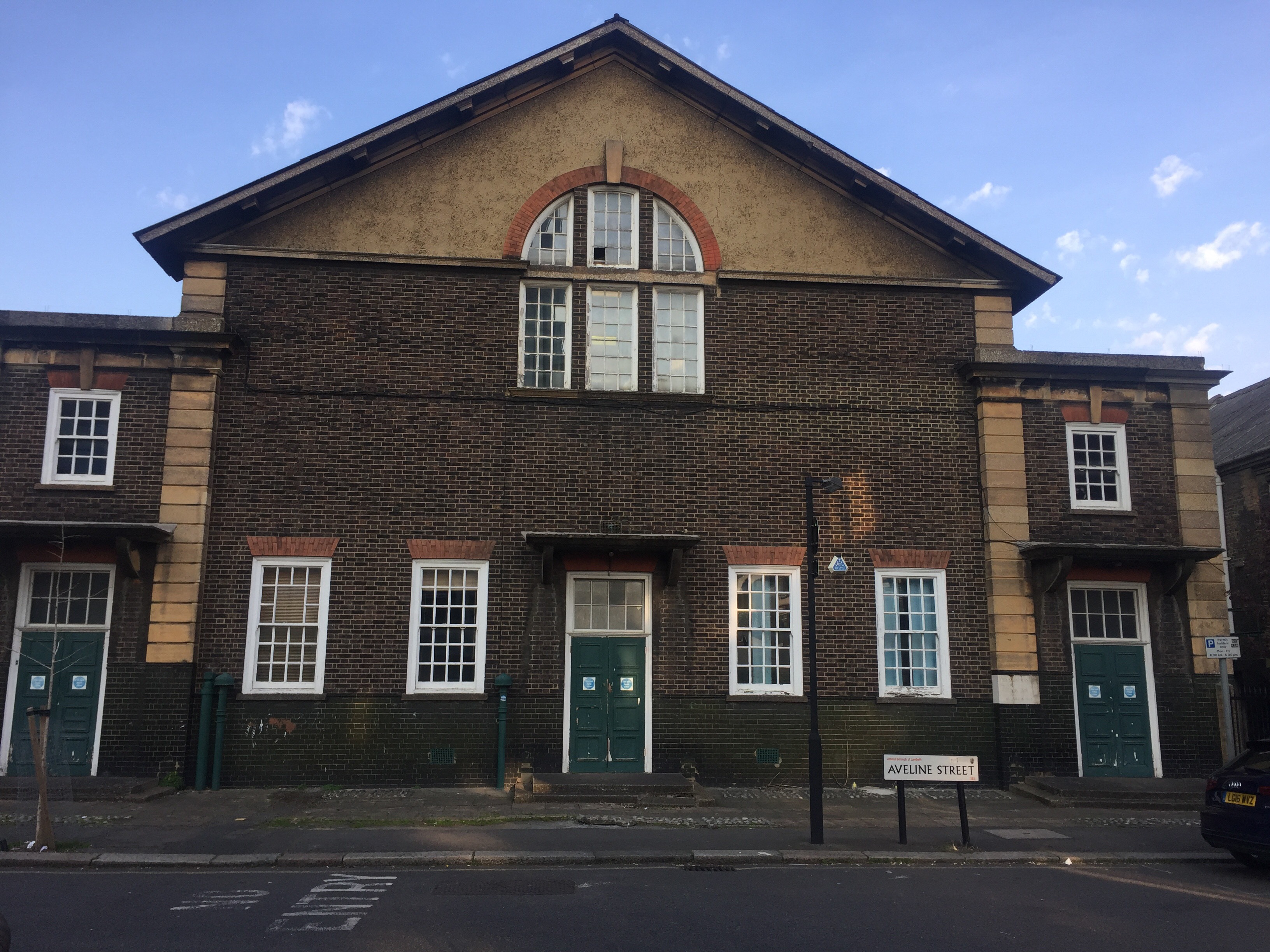
The film depicts the lives of the girls and boys of Alford House youth club, which still flourishes in Aveline Street, pictured below. To 2019 eyes the 49 minute film appears slightly condescending, but it was in fact intended to dispel conceptions of ‘Teddy Boys’ (hence the conversation about apparel early in the film) and the culture of youth clubs in general.

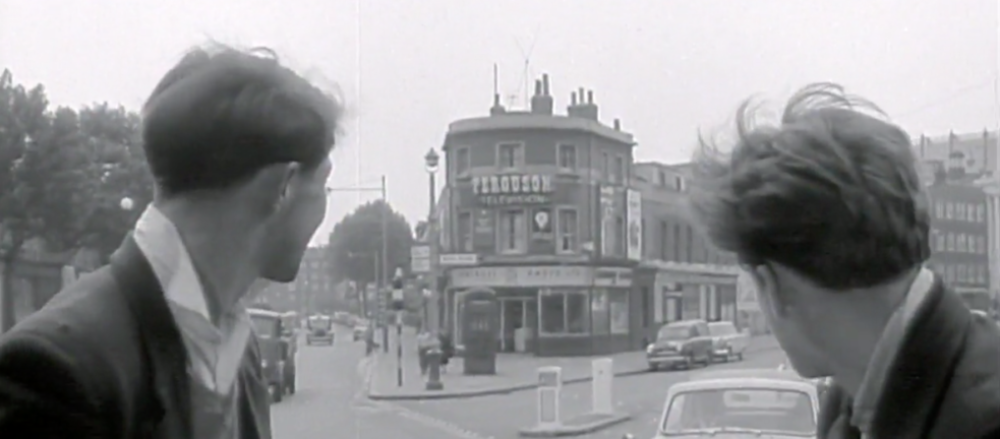
Examining the (nerd alert!) outside shots of the estates, we think they were filmed around Newburn Street. If you are a fellow fan of ‘ohh, I know where that is’ viewing, scroll to (nerd alert 2!) 33:30 for a distinct view of 50’s Kennington Cross (shown below). If you’re still on board scroll back to (nerd alert 3!) to 26:10 for a glimpse of Cleaver Street toward Cleaver Sq. If you have any further nerd revelations please drop them in the comments box….

I need some nicer clothes…..

Image.png-4

Screenshot 2019-04-30 at 21.06.21


Getting a Bit Gassy in Oval

As your devoted public servants, last night we popped over to Montford Place with our almost alliteratively titled ‘Gasholder Building Public Consultation Invitation’ to meet with a group of chirpy Millennial Berkeley Homes Reps and one rather grumpy architect.

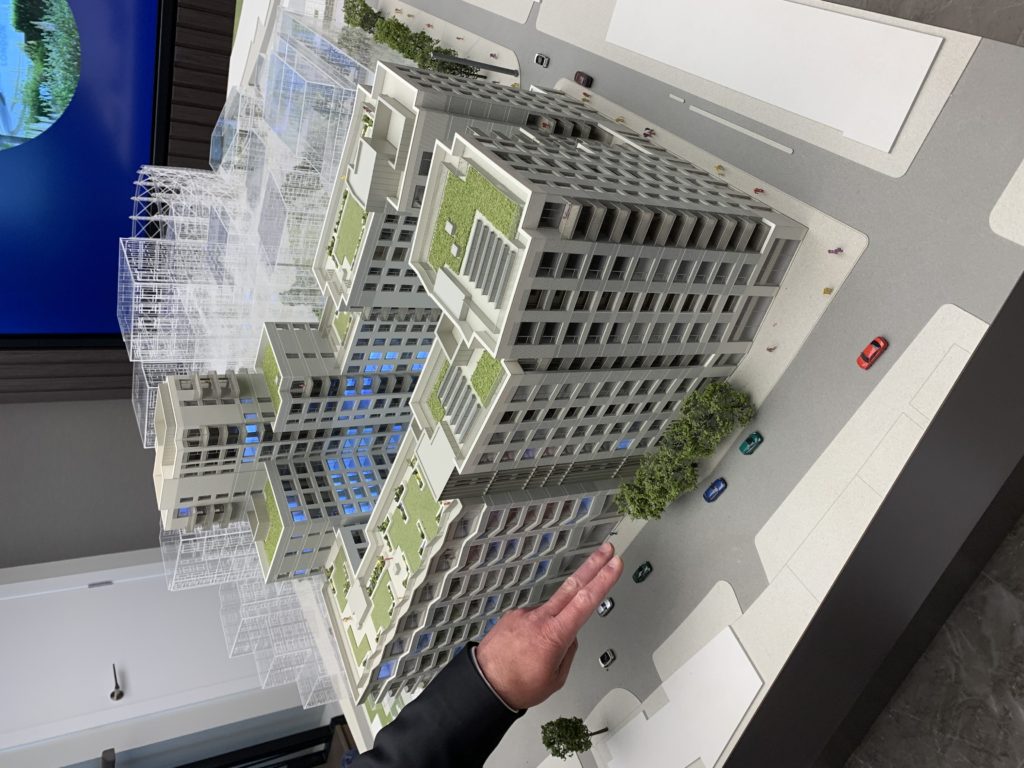
Regular Runoff readers are probably aware that we are closely watching and musing over the inexorable rise of ‘Uptown KenVo’ in Kennington Lane, and this consultation was about the high rises which will be erected inside the largest gasholder, located just behind ‘shipping container Tesco’. The other two gasholders will be pulled down in March (read about them here) and will be the site of the first stage of the development which will eventually have 1300 (!!!!) homes.

There will be 225 flats inside the gasholder, and grumpy architect mentioned that the plan had recently been altered to provide more green spaces for residents. Also, the building will have an arc shape which will reflect the very fine looking arc at the north side of the Oval. The gasholder will not be dismantled, and apparently construction materials will delivered underground (!!!!).

Screenshot 2020-02-05 at 17.01.58

When completed the whole site will be set between Kennington Lane, Montford Place, the Oval and Vauxhall Street, which is pretty huge. Apparently the elevation to Vauxhall Street will be retail, as will a strip that runs through the gasholder itself (at bottom). At this point a Millennial Berkeley Homes Rep joined the convo and this is when we decided to get a bit subversive. The conversation went accordingly:

Berkeley – We’re thinking that there could be some locally owned cafes in there, or maybe a crèche

Runoff –  Or there could be a Starbucks

Berkeley – Umm…or there could be a library in there.

Runoff – Or what about a Pret INSIDE a Starbucks?

Berkeley – Err….

If you want more information or your own chance to be a bit subversive, the next consultation is this Thursday (6 Feb) from 6-8 at 37 Montford Place. If you choose the subversive route you first might want to pop into the Pilgrim Pub for a swift one.

Screenshot 2020-02-05 at 17.00.52

Didi and Franc

We were frankly devastated when Oddbins Kennington closed last year. Lord knows we tried our best to keep them open, morning, noon and night. Our loss is what’s commonly referred to as a ‘first world problem’.

Courtesy of our friends at Vanilla Black,  the site is about to be reborn Phoenix like as a wine and cheese shop called ‘Didi and Franc’, also billing itself as a ‘deli/wine/bistro’. This information was garnered from Instagram, where they have established a presence.

We contacted Didi and Franc about their opening date and they conservatively replied ‘spring’. We will have a full, in-depth and extremely positive review after we receive an invitation to their launch party*
*This never works
IMG_6235

Northern Line Extension

We don’t usually undertake ‘Public Service Announcements’ on the Runoff because A) they’re boring and B) It doesn’t fit neatly into our self ordained role as ‘purveyors of local infotainment’. But what the hell, it’s Christmas and we’re feeling generous. If you’re wondering about the status of that giant concrete hole in the middle of Kennington then all you need to know is belowScreenshot 2019-12-22 at 18.15.28

An Apple a Day Doesn’t Keep the Developers Away

Guess what, Greater Kennington? You’re about to be the proud parents of another high rise! Yep, the Apple Green petrol station (and home to our favourite Greggs) in Kennington Lane has been sold to developers. Tonight we went along to their consultation to find out more.

IMG_5765

First of all, the developers want us to know they want to ‘make maximum use of the site’, which is developer’s parlance for ‘lets build loads of luxury flats’. Apparently the building was going to be 62 metres but ‘we decided to be sympathetic to the scale of the local area’. That’s developer’s parlance of ‘Lambeth wouldn’t let us make it that big’. The building will have 15 floors and contain 116 units, and of these units 35% will be for affordable rents. That developer’s parlance for ‘Lambeth told us they couldn’t all cost two million quid’.

IMG_5787


To their credit, they have stated that they will be using light green terracotta tiles and draw influence from Royal Doulton Ceramics, respecting local history. However, they also said that they will ‘be influenced by the Berkeley Homes development across the street (say what!). They’ve also said that the want to emphasize cycling, and this is how that conversation went:

DEVELOPERS – “Yes, we’re thinking that the retail until on the ground floor could be an independent cycle café concept shop”

RUNOFF – Yeah, or it could be a Poundland.

How they manage to contort 116 flats into a what is essentially a petrol station forecourt is certainly a daunting task. And if you want to behold the daunting task yourself, or if you want to lose your collective sh*t then you are in luck as they are having another consultation tomorrow (Saturday) from 12 – 4 at the Foundry, 17 Oval Way. The website for the development can be found here. Apparently they have a few more hurdles to pass with Lambeth, but construction could start by autumn of 2020.

In other matters, we just had wind of more high rises that just passed the planning stages that will be located on that no mans land of a vacant lot next to the Beafeater Gin distillery.  When we go to the consultation we’ll fill you in.

A Little History of 20th Century Architecture in Our Realm, Part 2

Pull those chairs a little closer still, boys and girls, as promised this is the second installment of the Duchy of Cornwall’s influence on the architecture of our area. This time we move forward and north east towards Oval and Vauxhall. Sorry Walworth, we will spread our pixie dust on good yourselves as soon as possible. We’re currently investigating zebras and lions in Pasley Park.

As mentioned last week, the town planner and architect Stanley Ashtead is responsible for the look and feel of much of post Victorian Kennington. He was influenced by the Georgian architecture of Kennington Road and this is heavily in evidence at Kennington Palace Court, below, circa 1922. There are also other examples in Black Prince Road and Sandcroft St. However, at the same time change was afoot in our area, and there was an increasing need for more high density housing.

Following WW1 the Duchy undertook a number of projects to further alleviate some affects of local deprivation. In spite of the Duchy’s many achievements conditions of poor housing endured, and as land became available (called ‘disposals’ for the nerdy sort) London County Council demanded that something be executed. As a response the Duchy sold sites to the east of the Oval to LCC (which later became Lambeth Council).  The Kennington Estate was the result, and the buildings live on as mighty tributes to famous Cricket players of the past, such as George Lohman and Bill Brockwell. You can even see the influence of the Duchy incorporated into the columns at the Oval end of the Cricket ground, if you look closely. If you don’t fancy looking closely we have a picture below

We again post an interesting doc about the Duchy of Cornwall estate and it can be found here. The Kennington funness kicks off at minute 41. If you’ve read this far then you probably have an interest in buildings. If this is the case we are going to a consultation this week about a proposed high rise slated for Kennington Lane, and we will let you know what we find….A case of history repeating, if ever there was one.

IMG_5758

IMG_5759

IMG_5754

A Little History of 20th Century Architecture in Our Realm, Part 1

Ok boys and girls, move your chairs up. We’re about to tell about the recent history of the Duchy of Cornwall Estate in two petite, pop up pieces. The first covers the development of the area in Kennington and Vauxhall from 1890 to 1914; the second covers the era between the wars. For the unaware, the Duchy is one of the titles of the Prince of Wales, which is why you can see his heraldic badge popping up around the area. We’ve included a few pics of what we are writing about the bottom, and we have more on our Instagram page.

The modern history of the Duchy Estate commenced in the 1890’s when many middle class folk were abandoning our area. Kennington had not escaped the exodus of people to greener and cleaner areas in the suburbs, and most of the housing stock had become very run down. The Duchy was concerned about the conditions in which many of our predecessors lived, and a start was made in 1893 to create modern, cleaner tenements. These first edifices were social experiments and still very much exist in Chester Way, the Duchy Arms end of Courtney St, bits of Newburn St, and Kennington Lane among other places.

In 1909, following a tour of housing estates in Germany, Stanley Adshead proposed further development of the Estate as more land became available. His idea was to draw middle class people back to our area, but the Duchy resisted as it felt it had a much more noble obligation to re-house existing tenants, mostly the old and working poor who were living in very substandard conditions. What they agreed on and what we still see today reflect a compromise. The houses on Denny Street (where you can see the German gabled influence of Ashtead’s travels), Cardigan St, and the bottom of Courtney Street were then created not for the destitute, but for older people and working families who deserved something better. A new and revolutionary kind of tenement was also erected, now called Woodstock Court, set around a central courtyard.

In designing some of the homes of this period, Ashtead was influenced by the Georgian houses in Kennington Road, which by that time were well over 100 years old. As an urban neighbourhood he appreciated the scale and feel of being in a town, as opposed to the rustic terraces inspired by Victorians like William Morris, and his small squares remain an influence. One of his last projects was St. Anselm’s Church in Kennington Cross. Work was commenced and then paused in 1914 due to the war, not to be resumed until 1933. You can see the pause in the brickwork about 16 feet on the side of the building. And this, reader, is where our story itself pauses.

In our next atom of archival architecture we will move through the first world war and up to the second, and focus on the estates in Oval and further into Vauxhall.

If you would like some more insight into the Duchy of Cornwall Estate check out this documentary on YouTube. If you have a poor attention span like us scroll to minute 41 where they talk about Kennington, Vauxhall and Oval. You might even see your own home!

IMG_5715 IMG_5674 IMG_5717