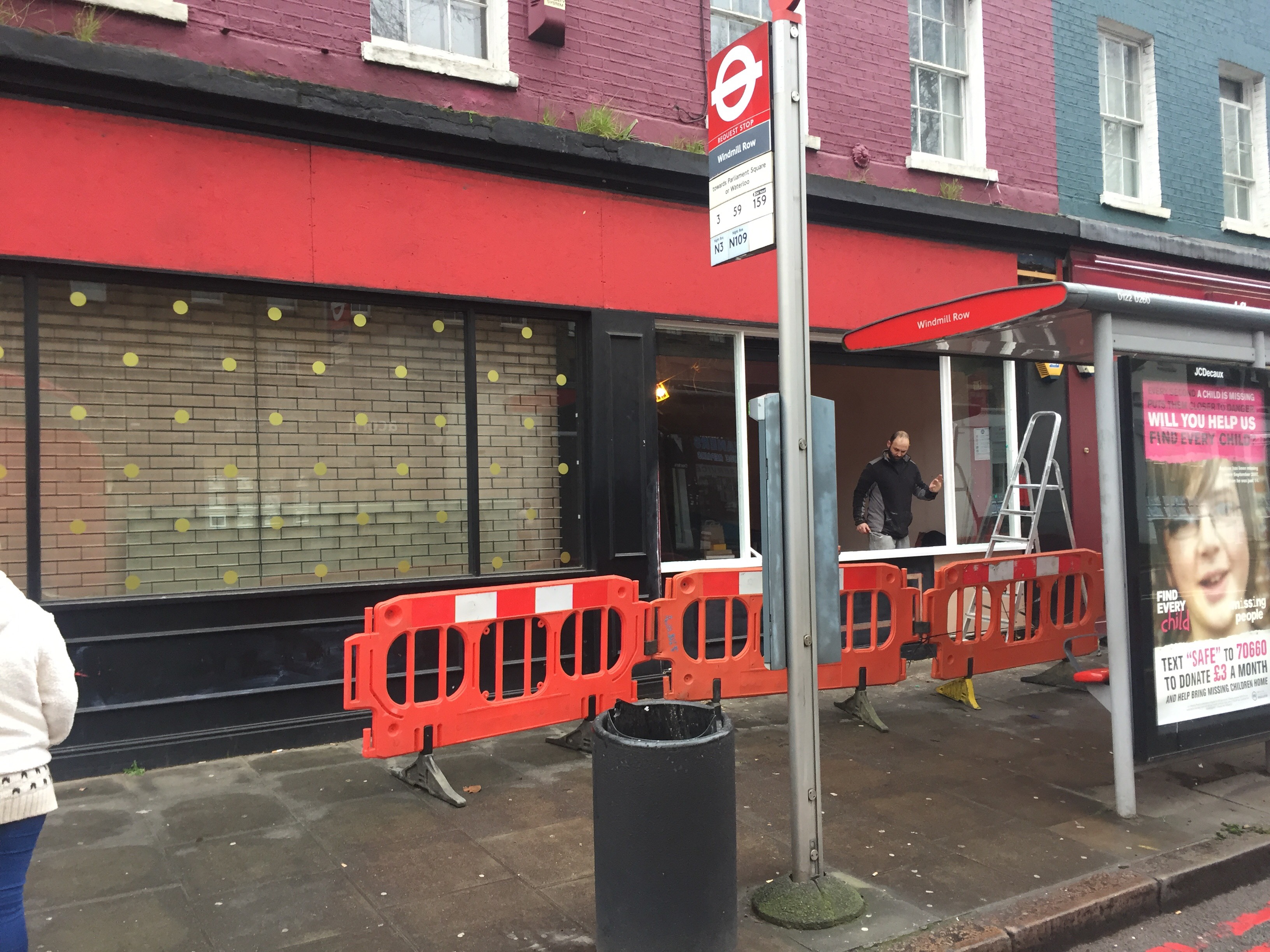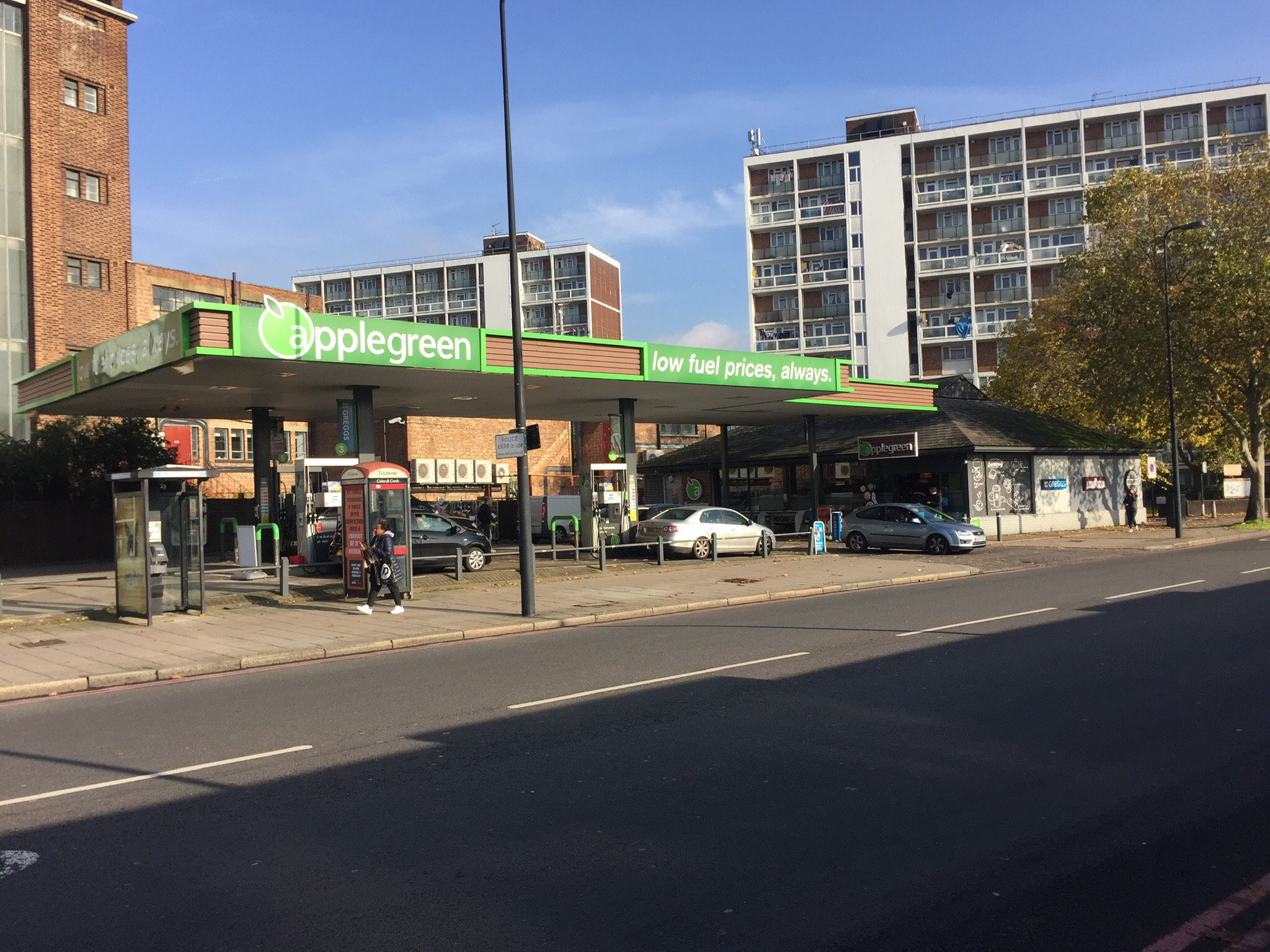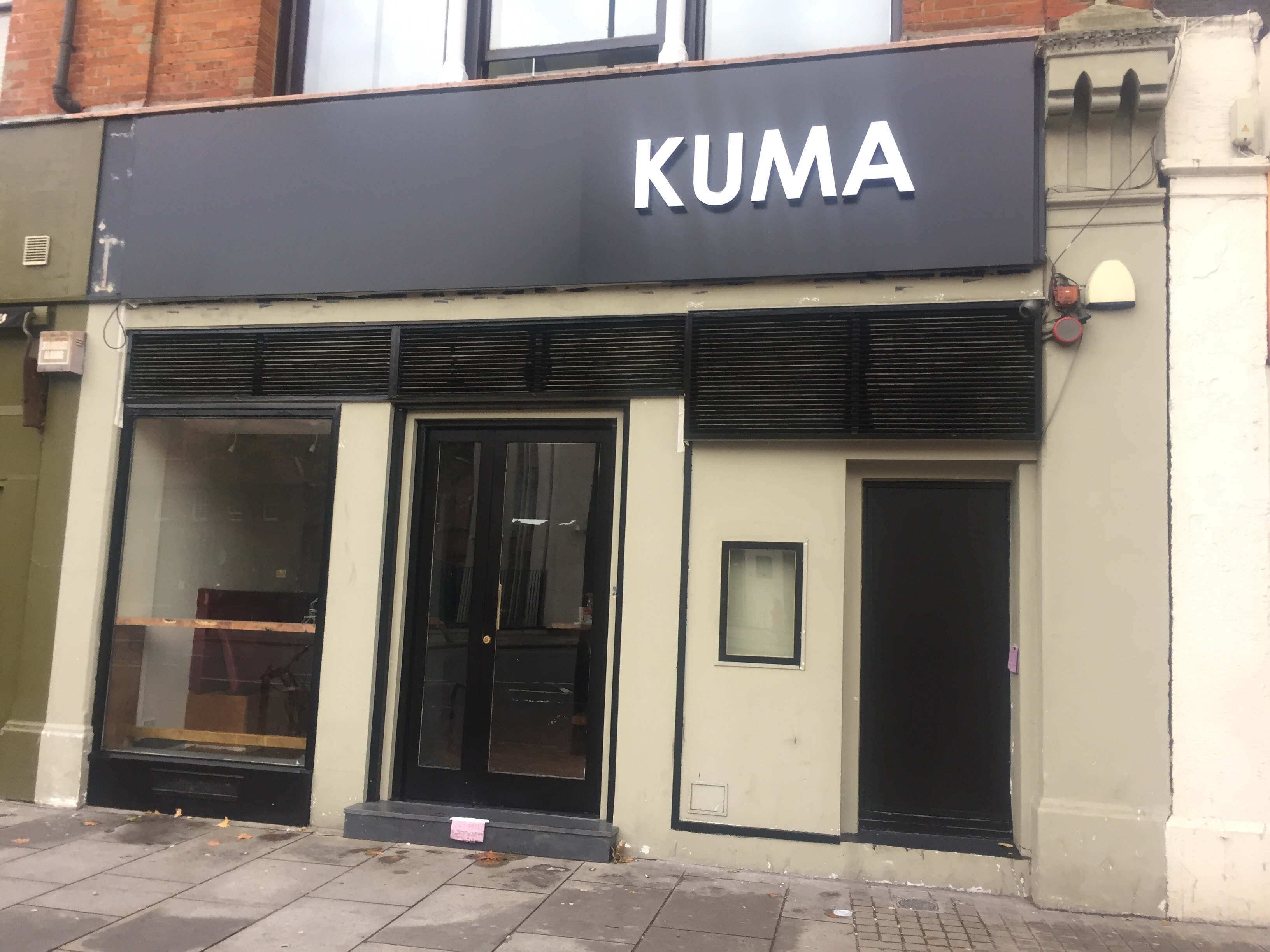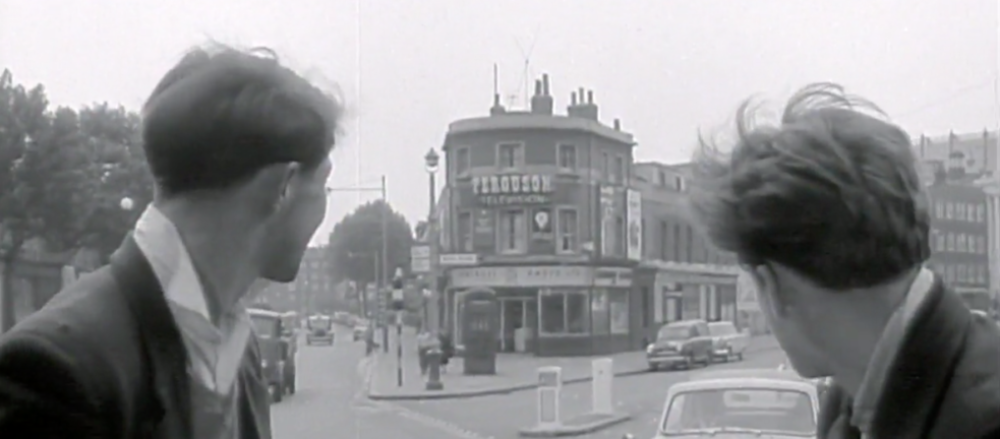
If you follow our inane ramblings on social media you might have noticed that we’ve been sniffing around and discovered that the site formerly known as ‘Doost’ is about be transformed into ‘Kuma’ and the cuisine will be Korean/Japanese (yeay). Works are moving apace, and if we ever succeed in our mission of becoming ‘Kennington Influencers’ we’ll be invited to the soft launch, showered with sushi, and tell you all about it. 
Category Archives: buildings
Newport St. Gallery and Damien Hirst
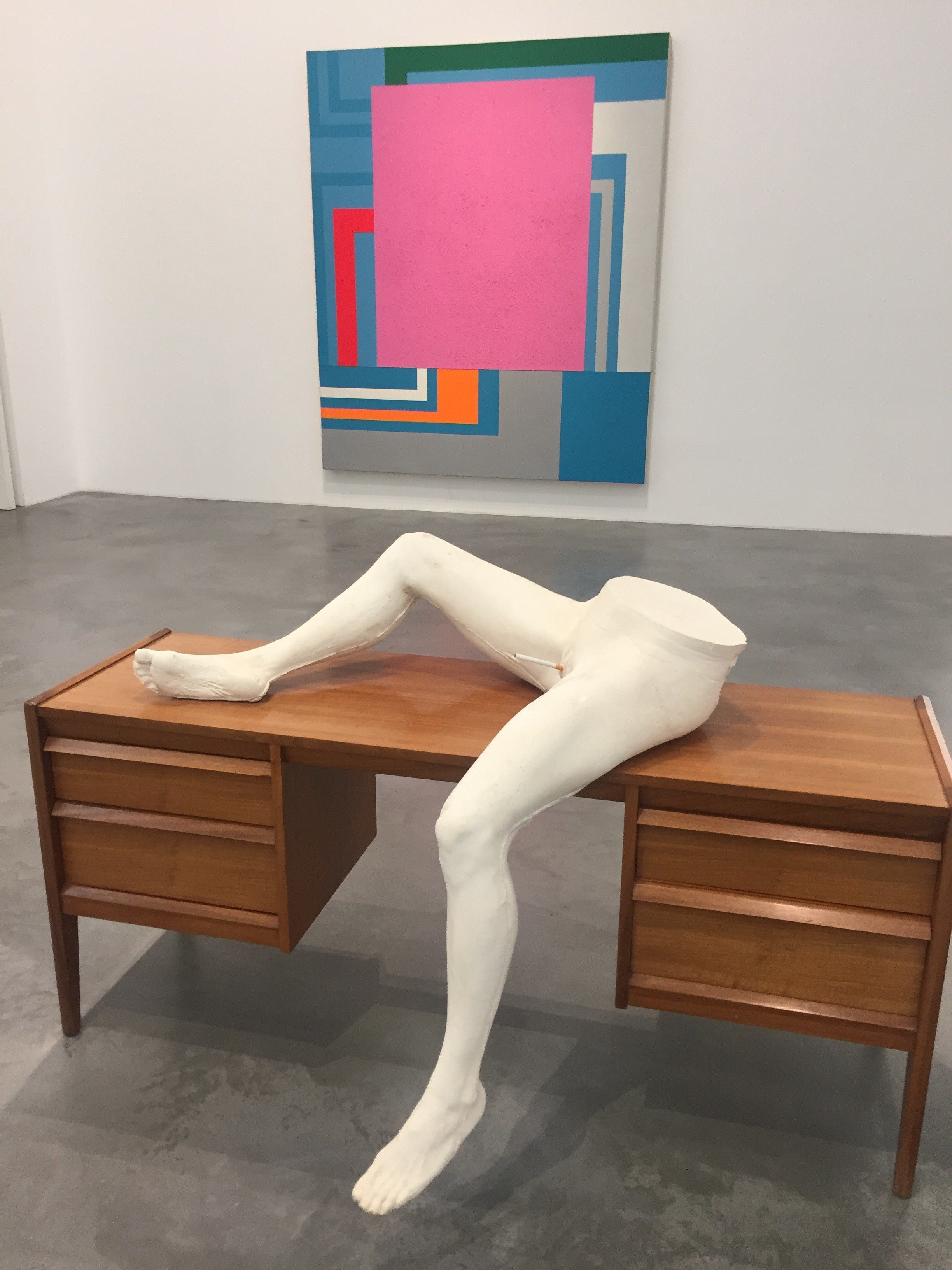
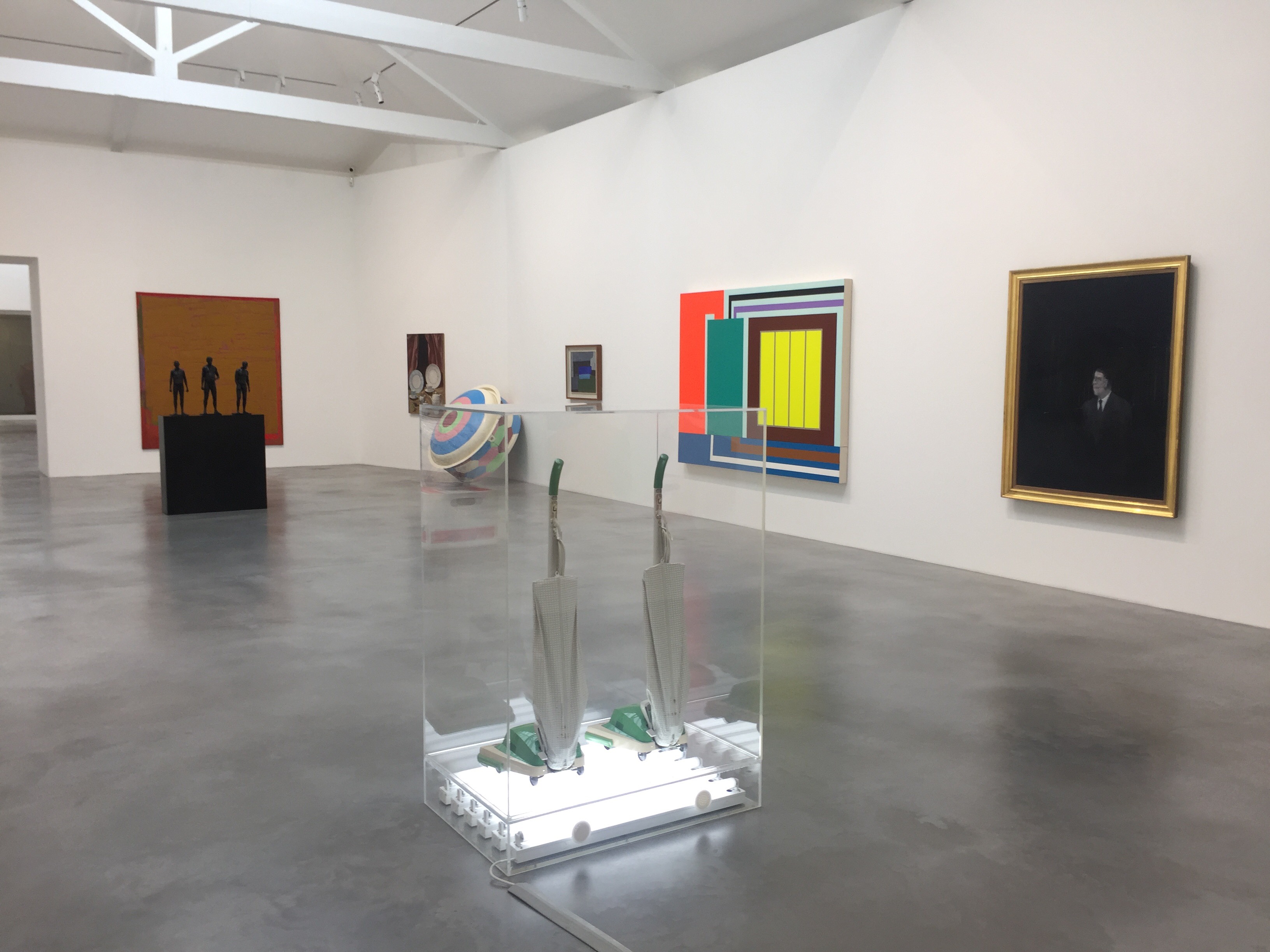
Honorary Kennington resident Damien Hirst has the very fortunate problem of having too much art on his hands. We at KR Towers can sympathise and have a very similar problem. Well, if you substitute ‘art’ with ‘chipped coffee mugs’. He’s allowed us to dip a toe into his voluminous collection and it is currently show at his very own Newport Street gallery in Vauxhall. We recently zipped along to check it out.

This tiny sample of Hirst’s vast collection gives the viewer an intriguing insight into his tastes and influences and includes works by Francis Bacon, Helen Frankenthaller, Andy Warhol, Sarah Lucas, and the man himself. His interest in shocking the viewer is evident in this grouping, but perhaps less so than in much of his personal body of work. Themes of death and despair are certainly evident, but so are whimsical motifs (his interest in Jeff Koons springs to mind). Be sure not to miss his barnacled Mickey Mouse upstairs. The collection spans genres and mediums and includes sculpture, oils, and even a door by William S. Borroughs.

In the midst of this collection are two rooms dedicated to the current work of artist John Squire. We didn’t really engage with this, but it is heavily influenced by music, motion, with multimedia aspects. And for the music nerds out there, this is the same John Squire who was the guitarist for the Stone Roses.
‘Reasons Give no Answers’ and ‘John Squire: Disinformation’ are on now and run until mid November. And totally free…..and we love that…..
Damien, if you are a KR enthusiast (and we reckon you are) feel free to drop us a line and we will return the favour by showing you selected works from our own collection.
Below:
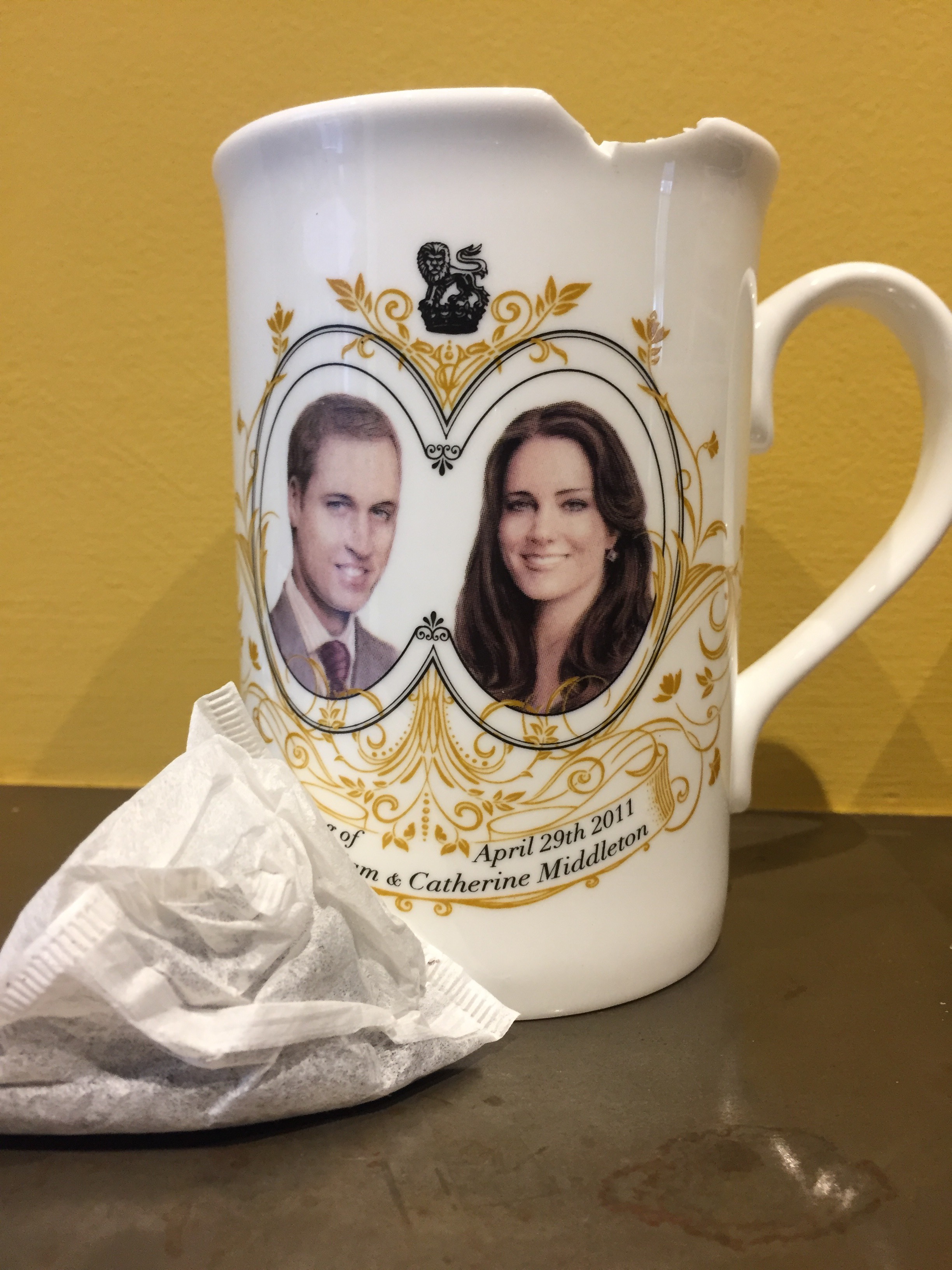
‘Chipped coffee mug with PG Tips bag’ ………Ceramic and mixed media, 2019 ……….Collection of Kennington Runoff

The Prince of Wales and Their New Menu
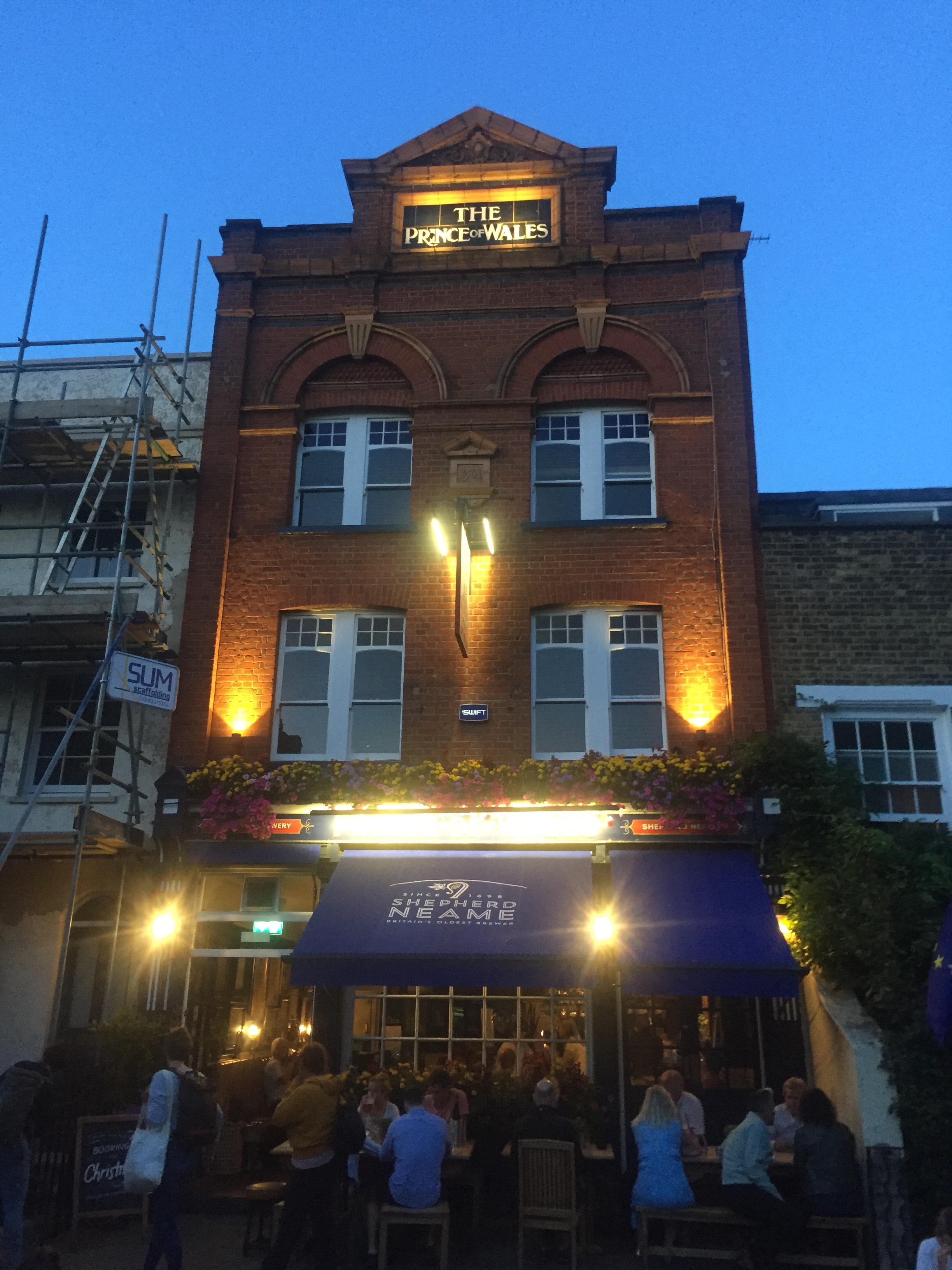
For the uninitiated, the Prince of Wales is our own little country pub smack dab in the middle of Kennington. Tucked away in a corner of Cleaver Square, it rather feels like you’ve been spirited 200 miles north of our knighted patch of earth.

The Prince of Wales have been going cray cray on social media recently to promote their new menu, so on a recent balmy night we decided to succumb to the pressure and check it out. Our modus operandi was ‘well it couldn’t be any worse then their old menu, so lets give it a twirl’. When we arrived we were pleased to discover that it has not only a new menu, but new owners, having evolved from a chain pub to one that is independently owned. And how often do you see that in 2019?
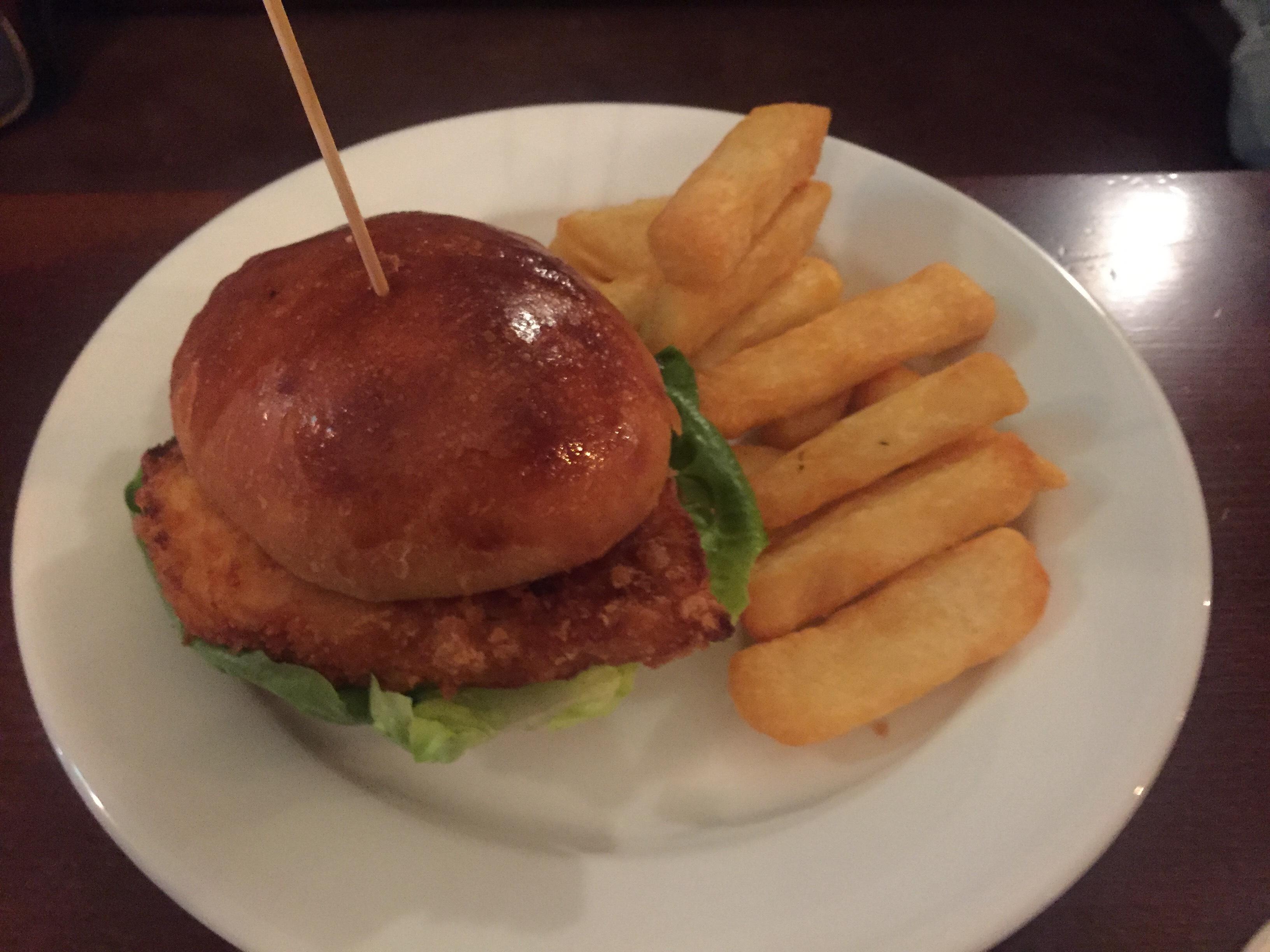
The pub has a few new cask ales and wines but in true KR style we were more interested in stuffing our faces. My dining partner had the spiced buttermilk chicken burger on a glazed brioche bun. This undefined person got nice spice from the chipotle mayo and the chicken was soft and made succulent with the creamy buttermilk. The chips were big, triple cooked and definitely not out of the freezer. Our verdict; probably better in Belgium, but for SE11 it was pretty flipping good (geddit…flipping, burger?).

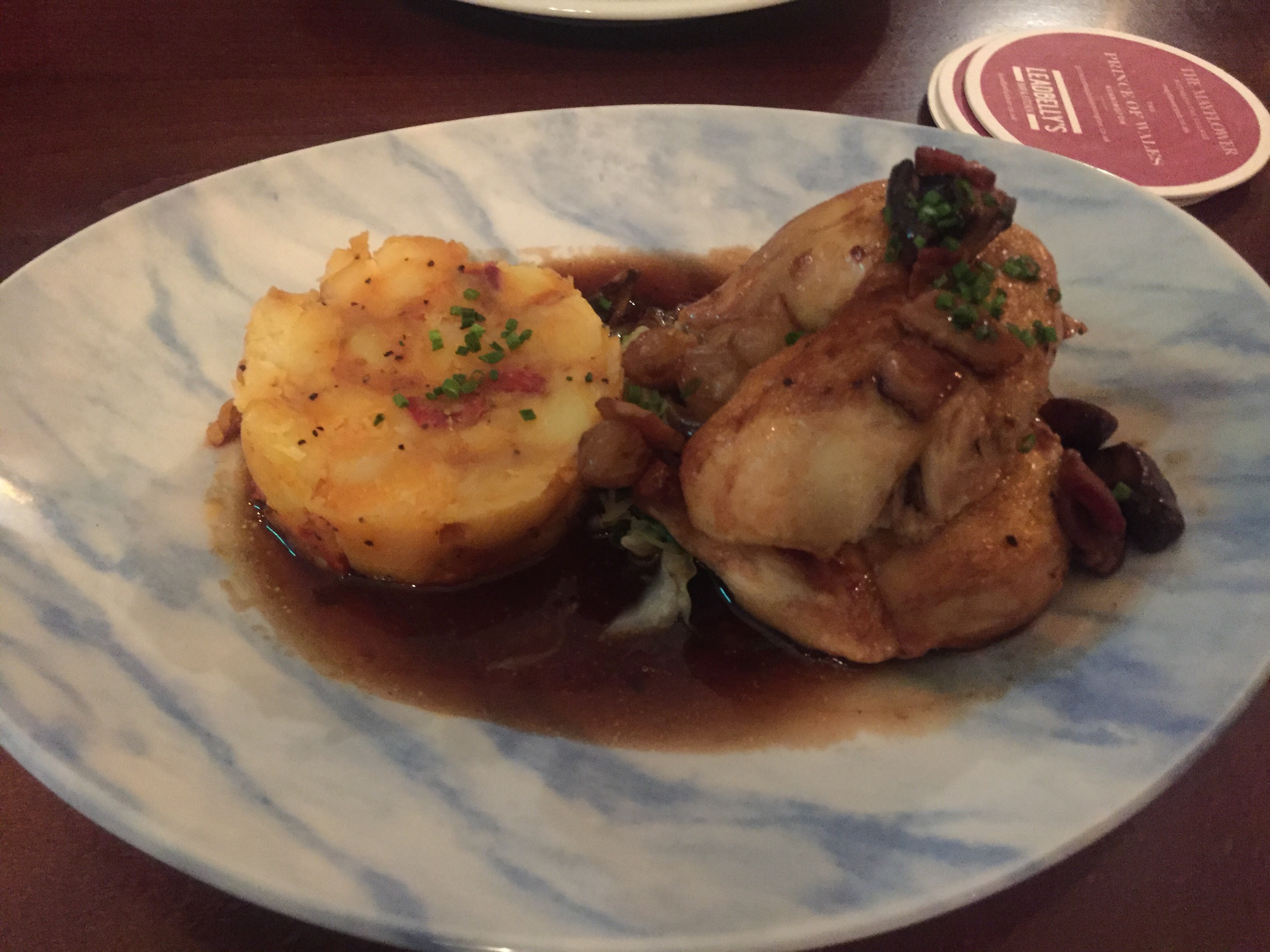
Your author had the cornfed chicken and chorizo hash. Mine was a mighty chunk of chicken served with a confident splash of bourguignon sauce. The hash was really more of chunky mash potato with very spicy, paprika punched chorizo. I never got to the bottom of the hispy cabbage affair, but it bulked up the plate and acted as a crunchy counterpoint.

In conclusion, if you crave some pub grub and want a place without music, shouting or people coming up to you every two seconds asking ‘are are alright’, then the POW might be your thing…..And they even have candles on the table now. Fancy!
A Brief History of Lambeth Workhouse
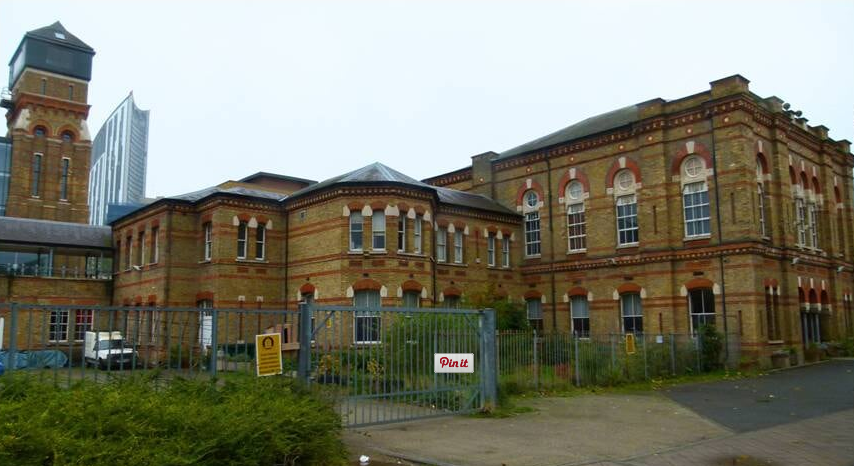
As promised, this next piece is about the ground around the Cinema Museum and its former life as Lambeth Workhouse. The workhouse was founded in Black Prince Road in 1726 and moved to Renfrew Road in 1871. The Cinema Museum occupies the former master’s house and chapel. The only other building of note is the water tower, which was converted into a bonkers house in 2011 and featured on ‘Grand Designs’. If you ever want to tour it, the home seems to be on sale about four times a year. You can easily spot the tower in North Kennington

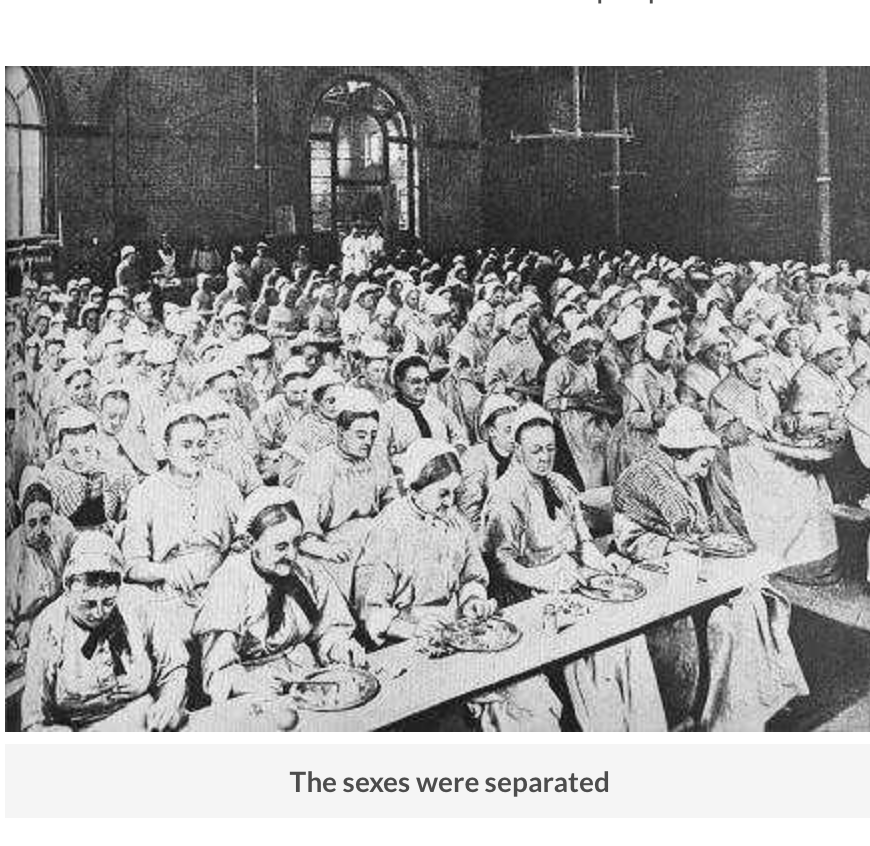
The Workhouse was a home to 800 inmates (as they were actually referred to) who entered the house as a result of abject destitution. People also came with children if they were unable to care for them. Charlie Chapin was one of these unfortunate lads. It was referred to as a ‘total institution’ as it provided accommodation, food, healthcare, vocational training and a school. Inmates could come and go but had to work some miserable tasks in order to keep a roof over their head.
While offering safety and food, The Lambeth Workhouse was a stifling place to live and deliberately so. Its small, dank rooms were intended discourage anyone except the truly needy from taking a bed. Some of the degrading tasks of the workhouse included breaking stones and crushing bones to produce fertiliser. Some found escape by actually learning a skills, but many languished at the Workhouse for years. Boys and girls who arrived without a parent had it a bit easier, as they were trained to either be domestic servants or join the navy.
About the time of WW1 the demographic of Lambeth Workhouse was evolving and was mostly populated by the elderly, infirm and sick as opposed to the poor, and from 1930 the day to day running of the Workhouse was handed down to Lambeth council. From the Metropolitan Archives it appears that our workhouse was in operation until 1948 when the National Assistance Act saw that the last vestiges of workhouse life were dealt with, making Lambeth find more suitable places for it’s most vulnerable people to live. More about Workhouses can be found here.
The picture below is from inside the women’s section of the Workhouse

The Cinema Museum and Lambeth Workhouse
The Cinema Museum is without question a local institution, and often one that is sometimes overlooked in our busy lives. The first of this two part piece is about the Cinema Museum itself. The next is about the intriguing history of the building and space in which it inhabits. Namely, the Lambeth Workhouse and former home of Charlie Chaplin (who seems to have lived in every property in Kennington).
The Cinema Museum was founded as a private collection in 1986 in Brixton. In 1998 it moved to the then derelict masters quarters of the Lambeth Workhouse which offered it the chance to expand it’s growing collection of cinematic ephemera and to also show films and provide a space for film related events. This hybrid role meant that it could act as a cinema and also a quirky and weird museum of lights, film posters, projectors and costumes which persists to this day.

Given their limited budget the museum is usually only open to the public by appointment or before and after a screening, gig or a talk. On film nights you can pitch up early and have a intrusive KR prod around its nooks and crannies. Coming up on Thursday BBC journalist Samira Ahmed is speaking as part of their Argentinean film series and vintage flicks are shown on an almost daily basis. They also have upcoming film screenings introduced by Ken Loach and even *clutches Kennington pearls* former porn stars.
The Cinema Museum is a local asset very much at risk of closure without donations and relies entirely on people turning up to events (mea culpa!). Even if you don’t give a hoot about the film on offer it’s a great chance to have a nose around and learn a bit about of cinematic history. And they have a bar!

Open House London
We love nothing more than sticking our noses where they don’t belong, and what better opportunity to undertake this sniffy task is Open House London weekend, which beckons in a few days (21-22 September).
Open House London is an event which promotes the appreciation of architecture by flinging open the doors of otherwise closed spaces to the public, and is totally free. There are a range of venues open for us to see in Lambeth and Southwark but lets not be precious about our anointed patch of earth; there’s stuff going on around the capital (800 and counting, apparently). Below are links to local things we have seen recently and recommend. Last year we particularly enjoyed a gander around the former Beaufoy Institute in Black Prince Road, which has been turned into a Buddhist centre.
International Maritime Organisation
https://openhouselondon.open-city.org.uk/listings/7730
National Theatre
https://openhouselondon.open-city.org.uk/listings/1172
The Beaufoy (Diamond Way Buddhist Centre)
https://openhouselondon.open-city.org.uk/listings/7275
Kia Oval
https://openhouselondon.open-city.org.uk/listings/7143
Waterloo City Farm
https://openhouselondon.open-city.org.uk/listings/6775
Kirkaldy Testing Works
https://openhouselondon.open-city.org.uk/listings/856
The Old Operating Theatre Museum and Herb Garret
https://openhouselondon.open-city.org.uk/listings/1268
If you have your heart set on seeing the inside of Lambeth Palace don’t get your hopes up as we’ve tried for the better part of 20 years and solving the great pong of Kennington tube is probably more achievable. If you want to have a go at seeing it and other iconic venues (such as 10 Downing Street and Mansion House), bookmark Open House in your diary and apply next summer. Here’s to being nosy!
A Celebration of the Gasholders at Oval
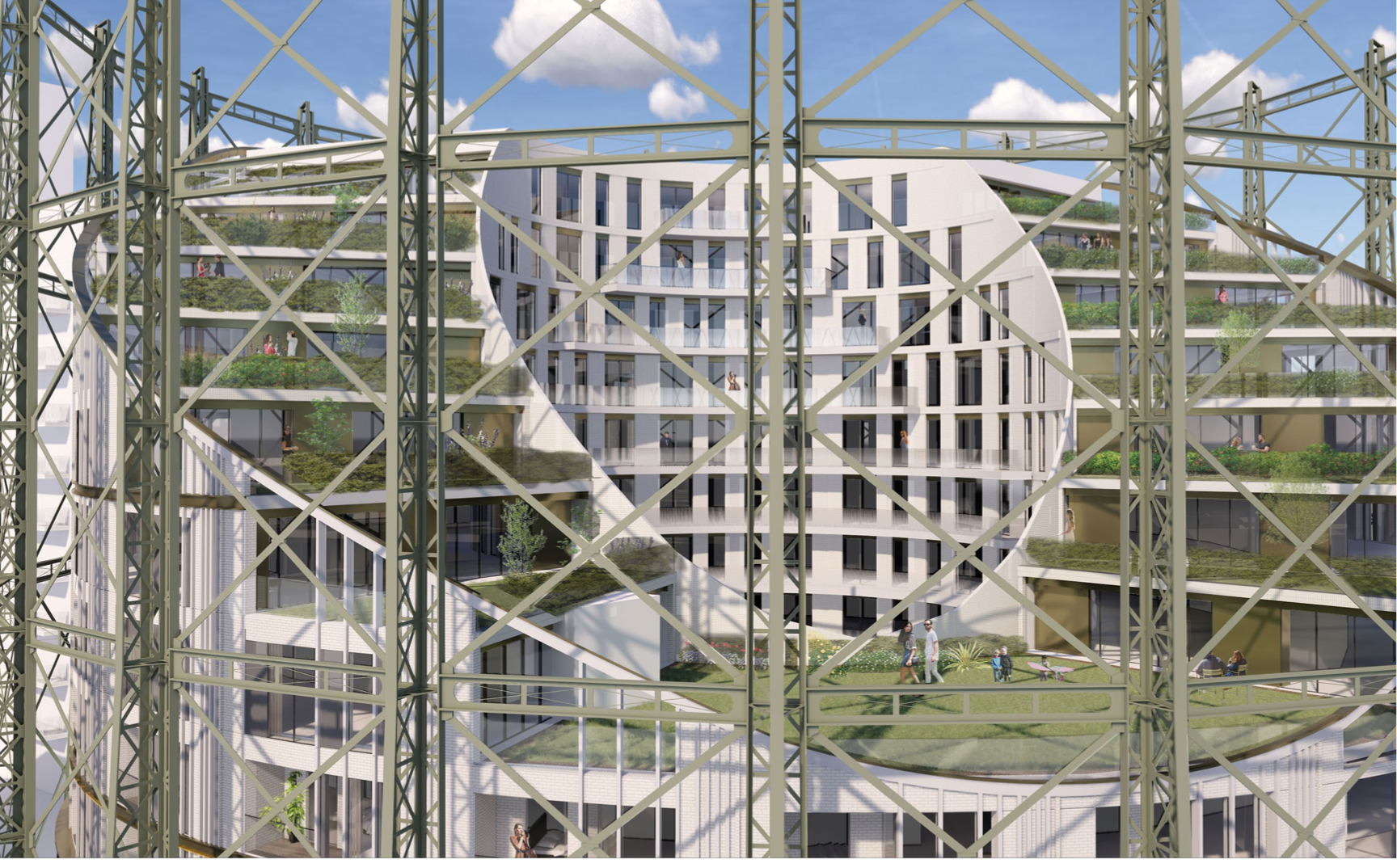
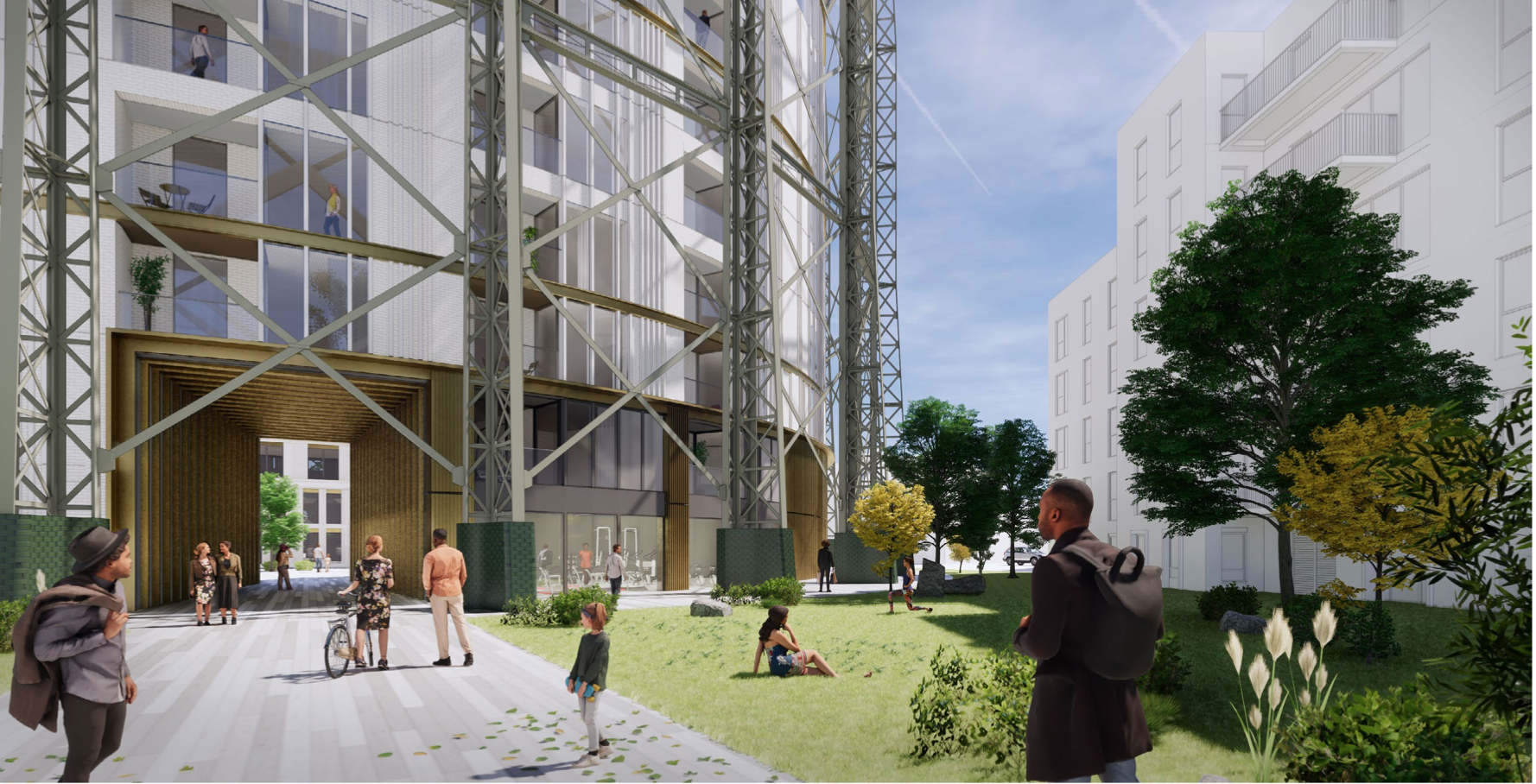
As regular readers to the Runoff are aware, the iconic gasholders at Oval will soon become past tense, with the exception of the possibly least attractive one (Gasholder 1,below, in a photo from 1957) closest to Montford place which will have it’s middle filled in by flats. The others are to be taken down and replaced by mixed use flats and shops constructed by Berkeley homes. This little missive is not to open the Medusa like can of worms that surrounds the judgement of this decision, but rather a celebration of our soon to be extinct wrought iron friends.

Our gasholders are symbols of a bygone age of belching factory chimneys, pea soup fogs and mass manufacturing in London. They stored gas and moved up and down depending on the time of day the gas was needed by industry and residents. When regulators in homes and factories became more robust, however, this became less essential .The paired green gasholders closest to Vauxhall street were erected in 1874 and 1876 in a neo classical style and have Tuscan columns. These would have originally held gas used to service industries at Vauxhall Bridge, and later to homes in Oval, Vauxhall and Kennington. After quite a bit of disagreement in Lambeth these structures were not granted Grade 2 listed status, but given a ‘local listing’, which ultimately sealed their fate.
The iconic Gasholder 1 was constructed in 1877 and at the time was the largest such structure in the world. It was designed by Frank and George Livesey and these two factors, combined with it’s very fortunate location overlooking the cricket ground, saved it’s hollowed and hallowed skin. In a similar note, after being behind hoardings since the dawn of time the sketchy Cricketers pub at the base of the holder seems to now have a new lease on life, risen like the phoenix from the ashes as depicted on our soon to be removed gasholder 4.

Eleanor Coade and the Code of her Stone
We’re going slightly off grid here to take you up to the Kennington suburb of Waterloo. If you’ve ever had the misfortunate of being trapped in a srcum of people trying to make their way into ‘Shrek’s Adventure London’ you might have noticed a remarkably pristine and proud lion on the southern end of Westminster Bridge, guarding the entrance in Lambeth. The lion was created by William Woodington but was cast in a remarkable stone invented by local resident and female pioneer Eleanor Coade and is called ‘The Coadestone Lion’.

Our feline friend was created in 1837 to dangle at the pinnacle of the Lion Brewery. The building was pulled down in 1949 to make way for the Royal Festival Hall and the poor beast then suffered a number of indignities including having a time capsule stuck up his bum, being painted red, and then getting dropped. After a brief stint outside Waterloo station his destiny was preserved at the bridge in 1966 and afterwards he achieved a Grade II listing (talk about hard work). His noble and pristine appearance has endured due to Eleanor’s invention of a highly durable, frost and freeze proof artificial stone, which is actually a kind of ceramic. The formula was created in our backyard by Eleanor at the cusp of the 18thand 19thcentury. Eleanor is said to have taken the formula to her grave when she died in 1821, and it has since been lost.

There were a number of potteries and ceramics factories experimenting with artificial stone in Vauxhall at the time and perhaps Eleanor chose to ply her trade in our area in order to capitalise on the industry. In spite of stiff competition, Coade’s stone proved very popular and was commissioned for use in Buckingham Palace, the National Gallery, and the Royal Opera House. If you would like to see specimens of her craft but are afraid you might turn to stone yourself if you leave greater Kennington, check out Captain Bligh’s tomb at the Gardening Museum, the porch at the main entrance of Brunswick House, or the lovely gargoyles above the windows at 57 South Lambeth Road next to the ‘opposite of lovely’ Travis Perkins. After 1840 her formula was lost and has never been recreated.
Have a nice weekend and enjoy exploring….
St. Anselm’s Church Frieze Being Carved
Third in our series of historic photos of Kennington takes us to St. Anselm’s church. This photo was taken during the summer of 1933 and depicts the frieze above the Romanesque doors being carved. The artist is Alfred Gerrard, who at the time was head sculptor at the Slade School of Art and is at the bottom of the photo. Carving must be very good exercise, as Mr. Gerrard lived to be 99, 65 years after this photo was taken.

Church of England Society for Waifs and Strays, 1935
Do you recognise the festive, festooned building below? The date is 1935, and the kiddos outside are eagerly awaiting a visit by King George V to their home. The building still very much stands at the base of central Kennington, but is now largely empty except for a video production company around the back.
The neo-classical, Grade II building you are looking at below was built in 1852 and was the Vestry Hall (essentially the Town Hall) for Lambeth until things started getting a bit tight at the turn of the century. That’s when the Town Hall abandoned us for bigger spaces in Brixton. Lambeth then leased the building to the Church of England Children’s Society as their headquarters. Also known as the Waifs and Strays, the charity arranged pastoral care and fostering for poor and destitute kids who lived there, and the kids feature in this photo. It served this noble purpose until another Charity, the Countryside Alliance, moved in behind the columns in 1986.