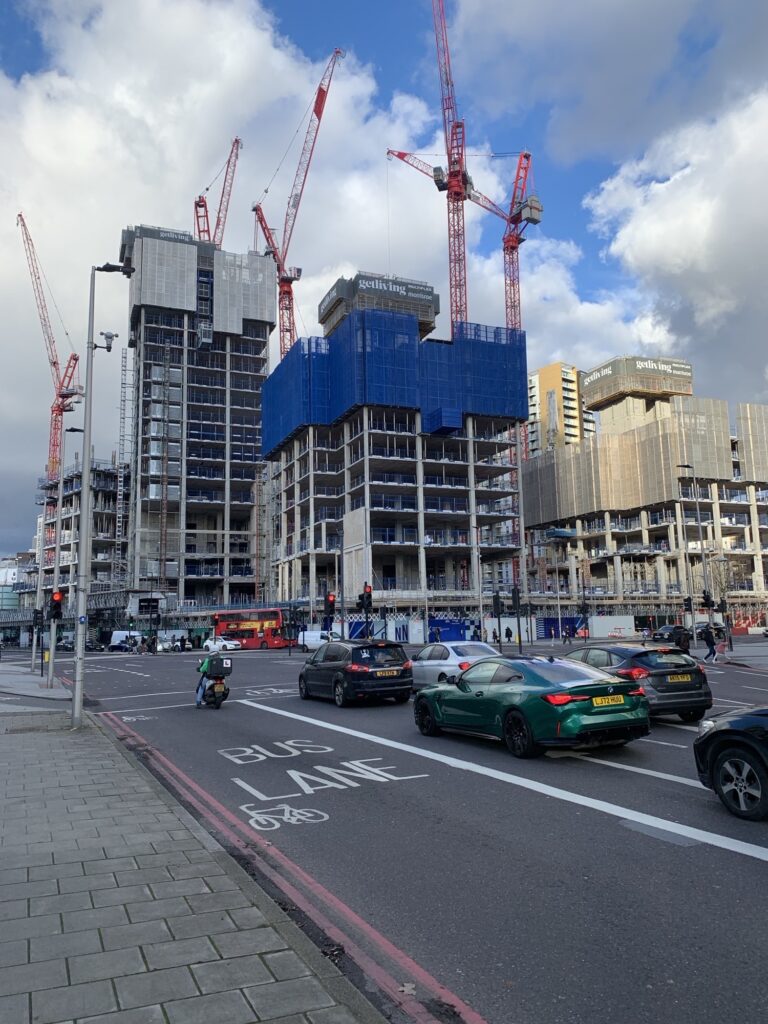
The capacity for our community to transform and evolve is sometimes more than us mere humans can absorb. To those who don’t visit Elephant and Castle regularly, it can be unsettling to see how it’s changed over the past 10 years.
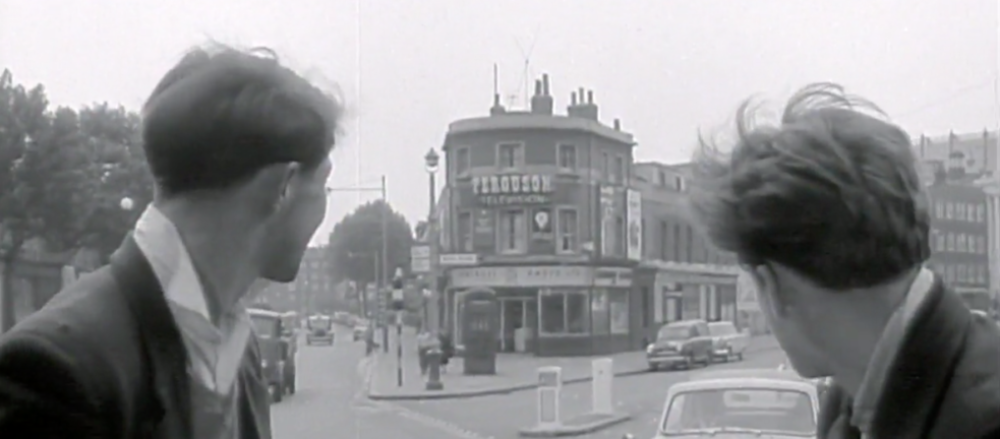
We recently discovered a charming, 22 minute short film called ‘UnEarthing Elephant’ about the people and community that sprung up in Elephant and Castle shopping centre. Shot in 2017, it’s both a celebration and an elegy to a shopping centre that people knew was doomed but not when. The touching and at times funny personal stories of love/hate relationships are mixed with tales of how the shopping centre never really worked until saved by small, independent shopkeepers, many of whom were immigrants to the UK.
Credits to the amazing Eva Sajovic, who created the piece and narrates most of it.
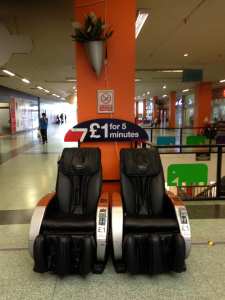
And we’ll never forget the erotic massage chairs……
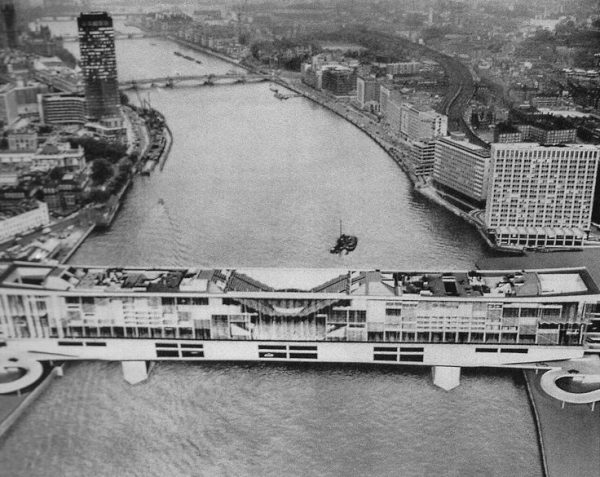
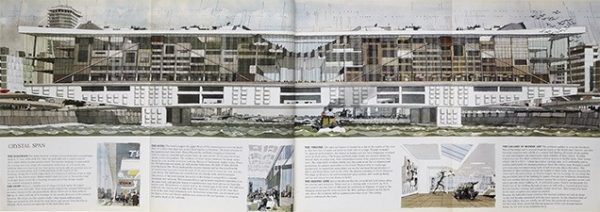
We love nothing more than a barmy idea that never comes to fruition, and one almost came into fruition in that very bastion of barminess, Vauxhall. In 1963, London County Council were accepting applications for a never to be realised bridge to replace the current Vauxhall Bridge. As the objective was to ease congestion and overcrowding, the Glass Age Development Committee submitted a plan for a 300 metre, seven storey glass edifice called ‘The Crystal Span’.
The vision for the recumbent skyscraper was to create a wide berth for cars on the ground level, and above it, create an extension of the Tate Gallery, a shopping centre, roof gardens, an open air theatre and residential development. So as you can see, paying over the odds for a tiny Vauxhall flat above traffic fumes and noise is by no means a recent phenomenon. Structurally, the bridge would have been made of a pair of double-decked concrete boxes for the road sections, that in turn supported the buildings above. A glass curtain surrounding the bridge and enclosing the pedestrian spaces would have hung from the sides of the bridge structure.
The Crystal Span caused a bit of a stir and some support, but in the end, sadly, LCC declined to pick up the estimated £7 million (£132 million in 2024) construction costs, and the scheme was abandoned. In the office we had a little pool going to guess what clever nickname this project could have had if it had bee executed. Of the ones that can be printed, we had the ‘crystal protrusion’, ‘dead Shard’ , ‘Passport to Pimlico’ and ‘carbon monoxide alley’.
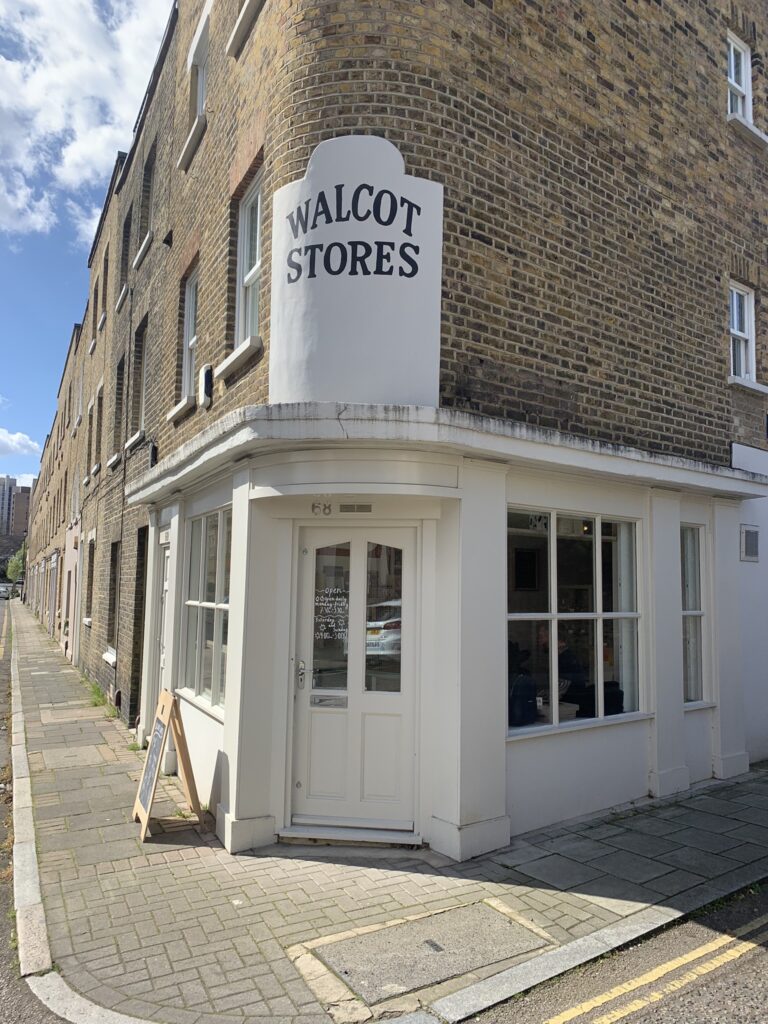
In Greater Kennington we are blessed with a complement of independent coffee shops such as Change Please in Elephant Park, Kennington Coffee Shop, Urban Botanica, newbie Capheum, and of course the mighty Bouquets and Beans. We’re proud to announce another has joined our serried ranks and is located in an oft looked overlooked part of our area, at the top of Walcot Square near Brook Drive.
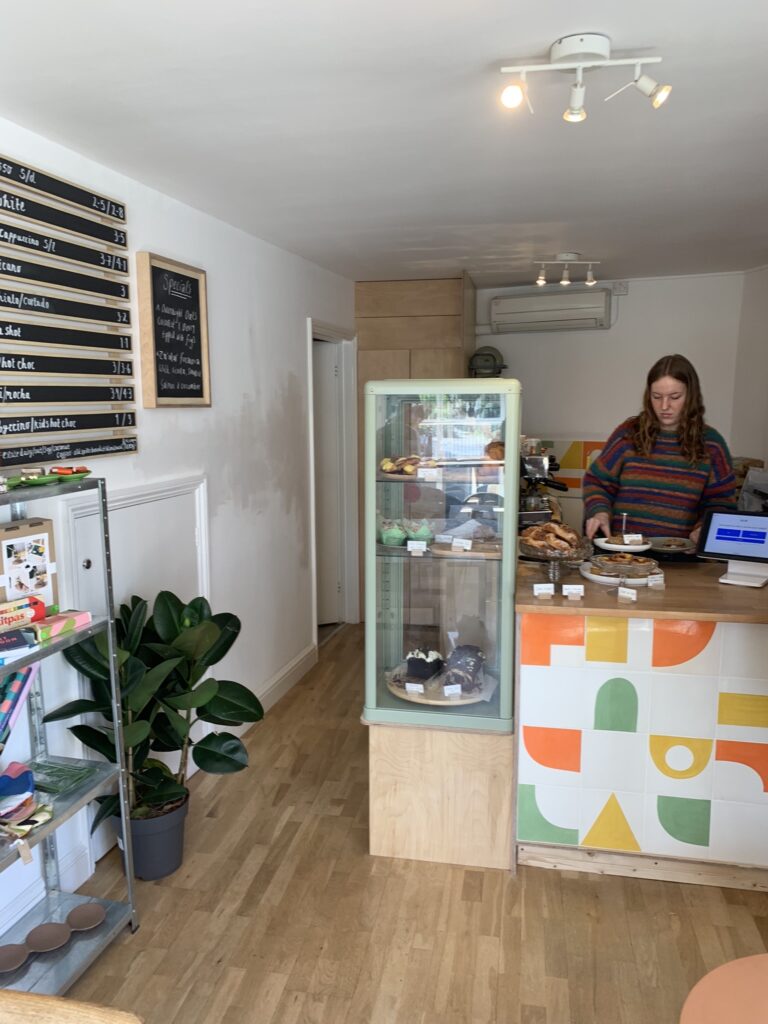
We made our surreptitious trip to Walcot Stores coffee shop on a Sunday morning. On the Lords’ day it’s difficult to entice Runoff staff to work, so we asked our accounts guru and self confessed party boy Phil if he’d like to join us for ‘a drink or two’ on Sunday morning. He arrived looking confused and crestfallen, but willing to act as our additional pair of eyes. Walcot is very clean, bright, and inviting. They sell gift cards and crafting things, with chirpy owner Millie defining her gaff as a ‘creative café’. She also confirmed it as a place where people can take a break if they want to work outside of the home. Dogs are allowed.
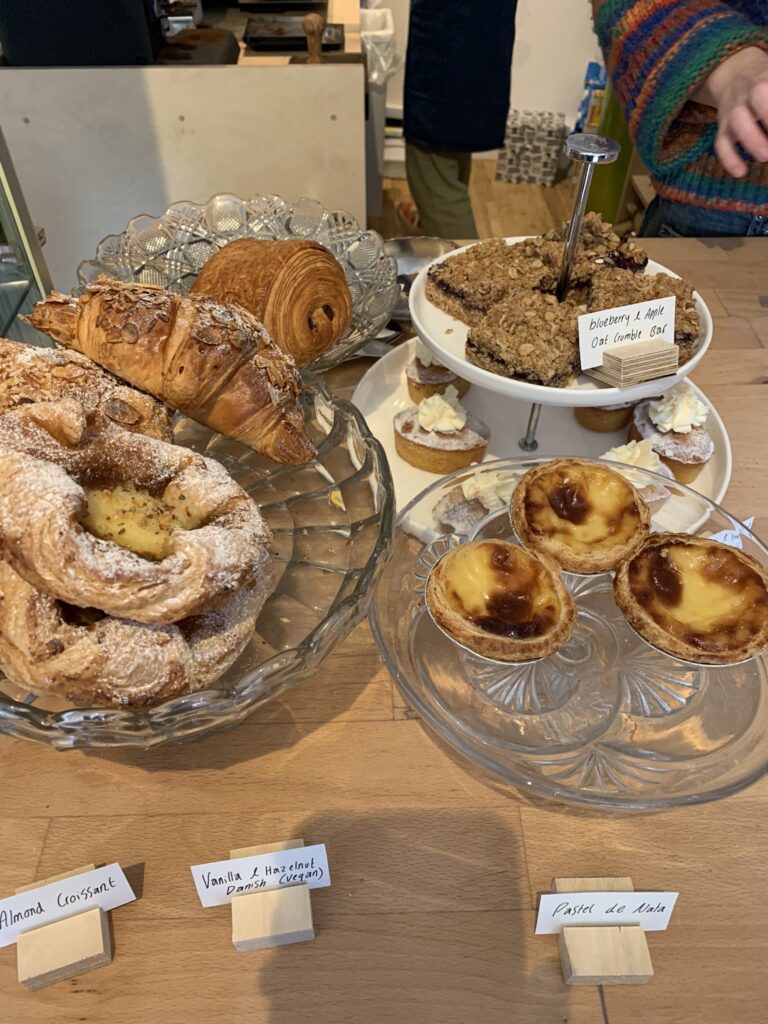
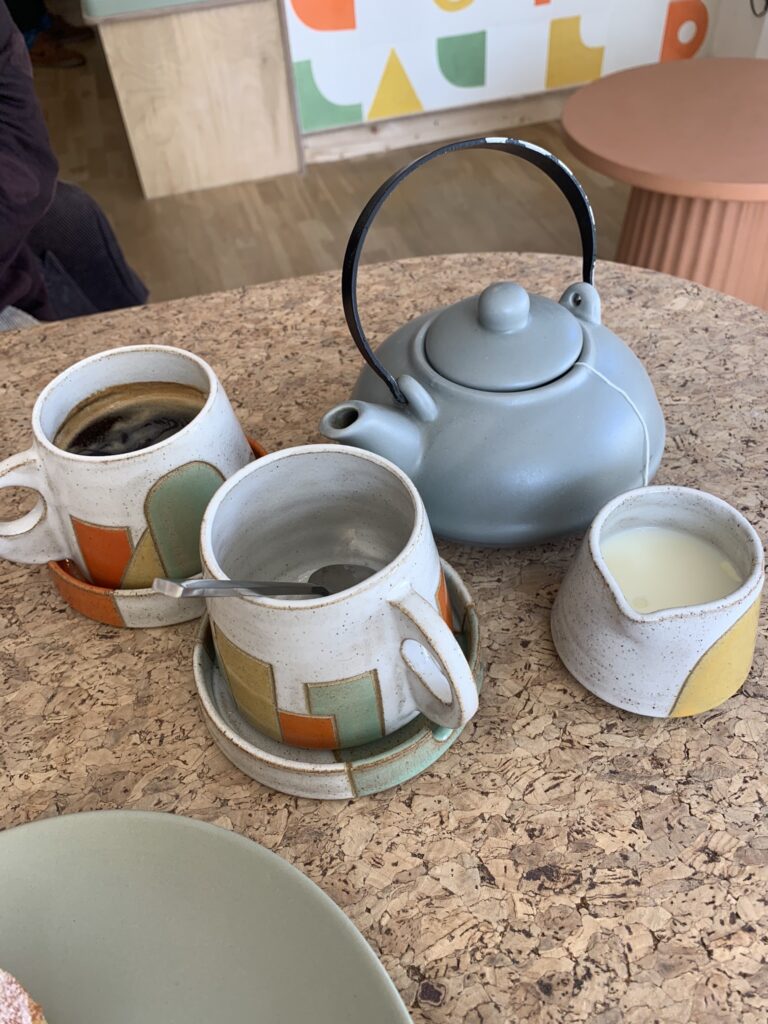
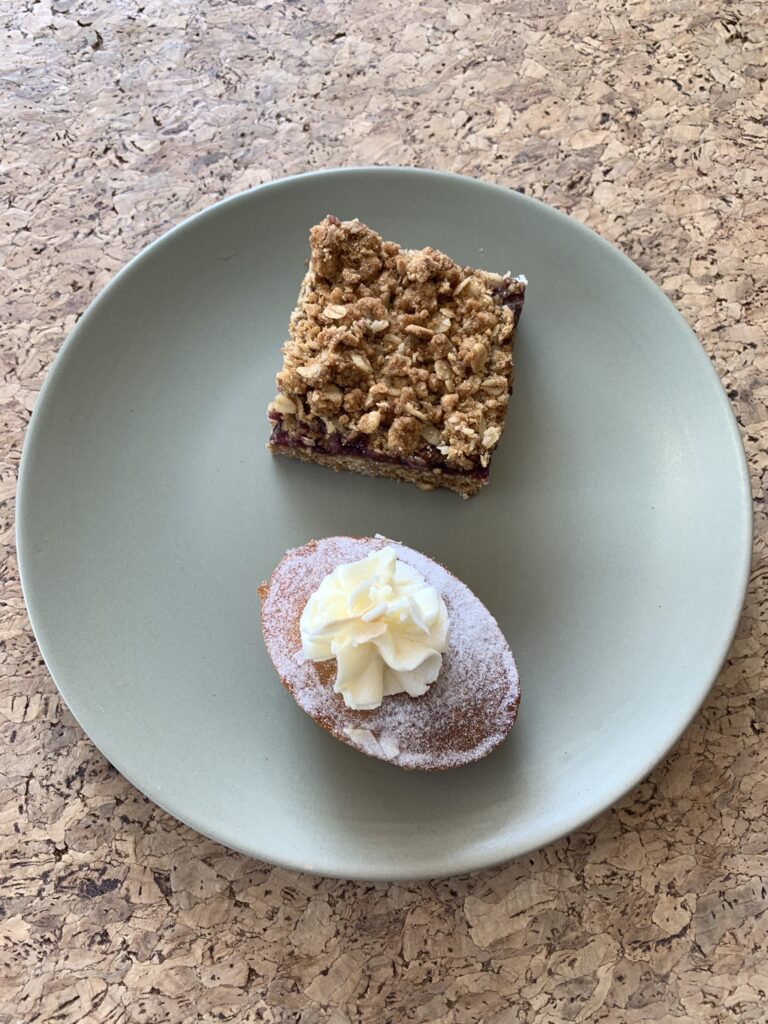
We came for a caffeine kick, and Phil had an Americano which he described as rich and smooth, and your scribe had an Earl Grey. A variety of milk and substitutes were also offered, and presented in 60’s retro crockery. Of special interest were the fresh and tasty pastries. Phil had the GF coconut and almond ‘mini mouthful’, where your scribe opted for a blueberry oat crumble bar. The bar was moist and sweet with a big hit of ground almond. There were a range of good looking pastries with Millie explaining that savoury items, such as overnight oats and foccacia bread, are also available. Isn’t this sounding so of the moment!
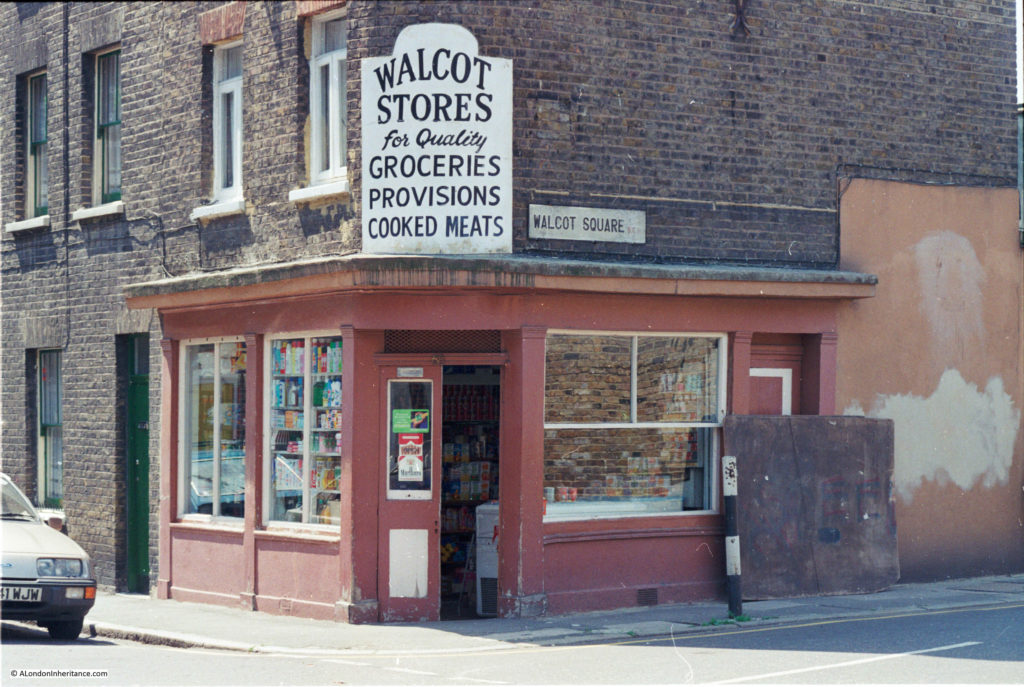
Walcott Stores is located in an old neighbourhood grocery shop and we have stolen unearthed a photo from its earlier incarnation, below. Walcot is a fine place to work, catch up with friends, or grab a quick coffee/bite on the go. And Phil, if you’re reading this, we hope you’ve taken away a valuable lesson from this experience, as things aren’t always what they appear to be. Except quality coffee.
Our Ten Best Places to Eat in Greater Kennington (+ One Sunday Roast) launches on Thursday and we are currently working assiduously on this highly scientific yet wholly subjective list. Ahead of that, we’ve unearthed a lovely Vimeo video we’d like to share with you
As Elephant and Castle is now undergoing a full on ‘Vauxhallization’ we’ve been recently waxing nostalgic for the old shopping centre. It was like that kooky great aunt you used to have in Leeds – you visited it only when you absolutely had to, was past its prime, and very fond of pink. And before you know it, they’re gone forever.
It’s OK to feel a bit conflicted about the shopping centre. On the one hand it harks back to a more innocent form of independent retail in which shopkeepers knew your name and you could be sexually aroused by a massage chair. But it was also a dangerous place rife with drugs. And not the drugs your kooky aunt took.
This uplifting and artistic video is from 2010 and makes you realise the centre was more like a community meeting for many.
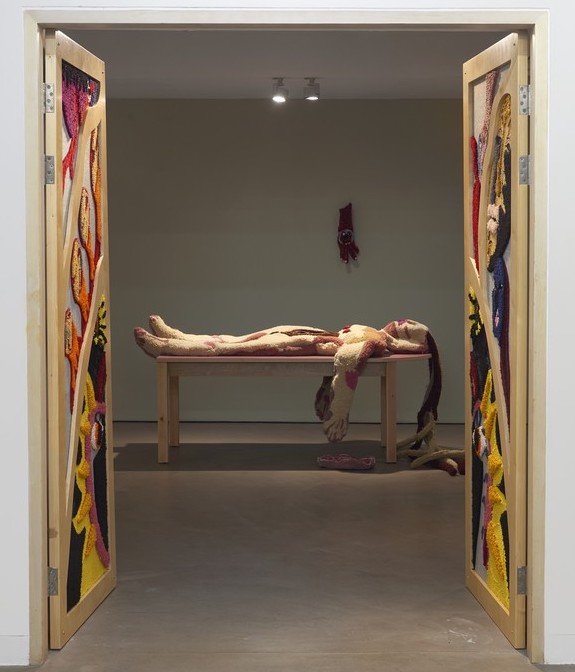
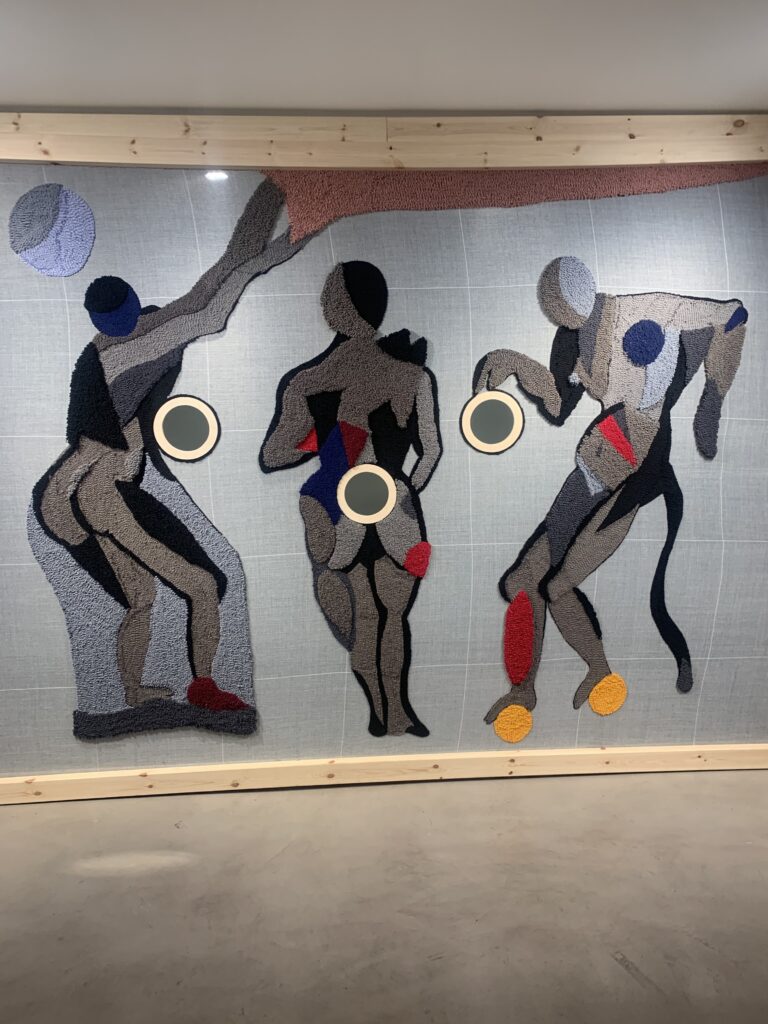
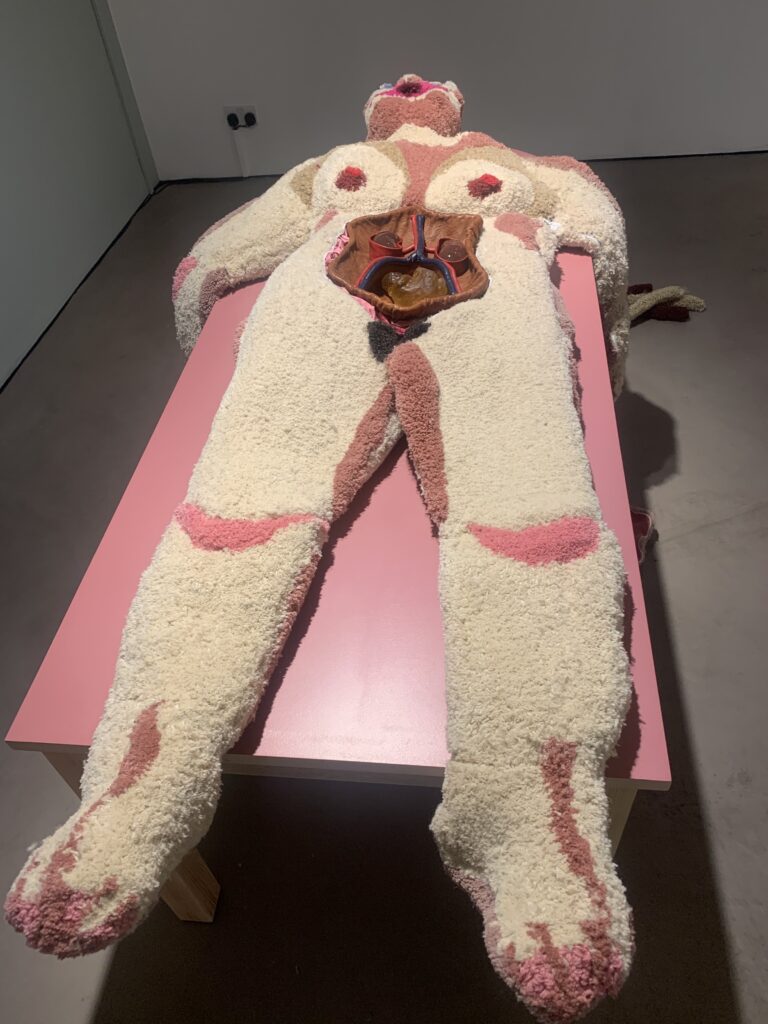
Do you like knitwear? Do you like exhibition spaces that are never boring? Then you’re in luck as we just saw the thought provoking show ‘Holes’ at Gasworks Gallery in Oval by UK based Ukrainian artist Anna Perach
Using the medium of knitted wool, Perach explores how the female body is viewed by a male patriarchy as something that transgresses nature and morality, a good example being 17th century witch trials. This is about control, and Perach most vividly captures this in a richly decorated anatomical Venus sculpture in the middle of the room. Even without interpretation, the textiles are a sight to behold and even the doors are knitted. We suggest handling the doors carefully to avoid being told off, as we were.
At its core, Holes is about women having agency and gaining control of their bodies and presented in a way that transcends flesh. We’re aware that this all sounds like a very heavy buzzkill, but the textiles are really quite beautiful and a pleasing way to build some brain cells. It also smells nice.
Holes is on now until 26 April and is totally free. Gasworks is open Wed – Sun 12 to 6.
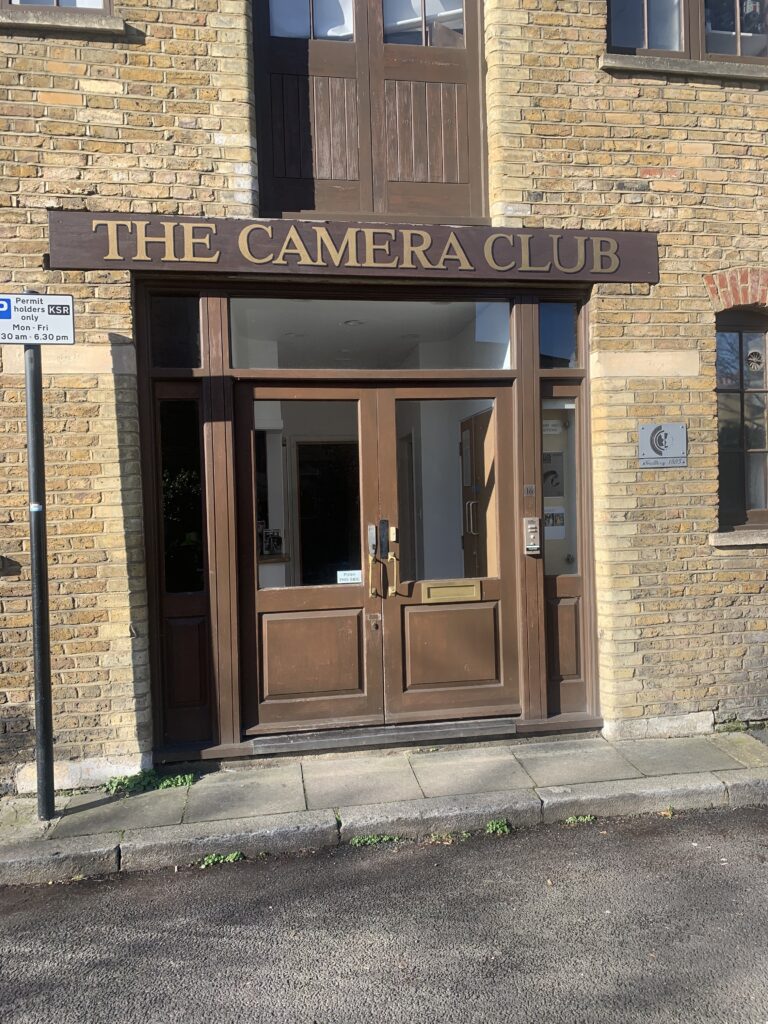
Camera Club
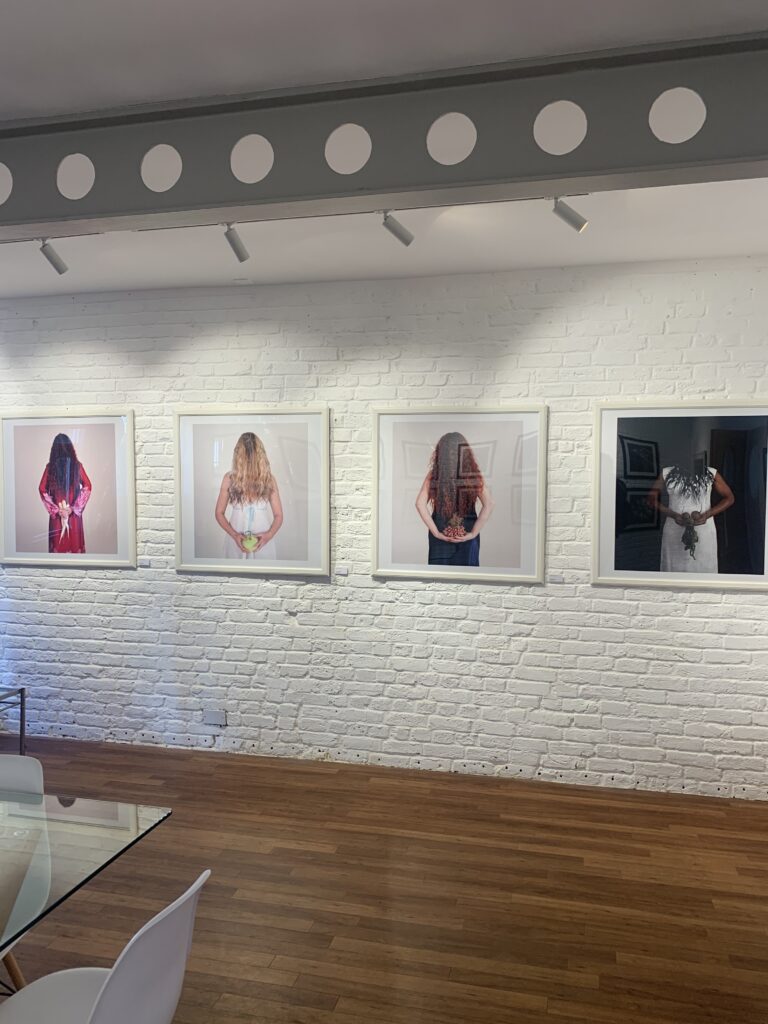
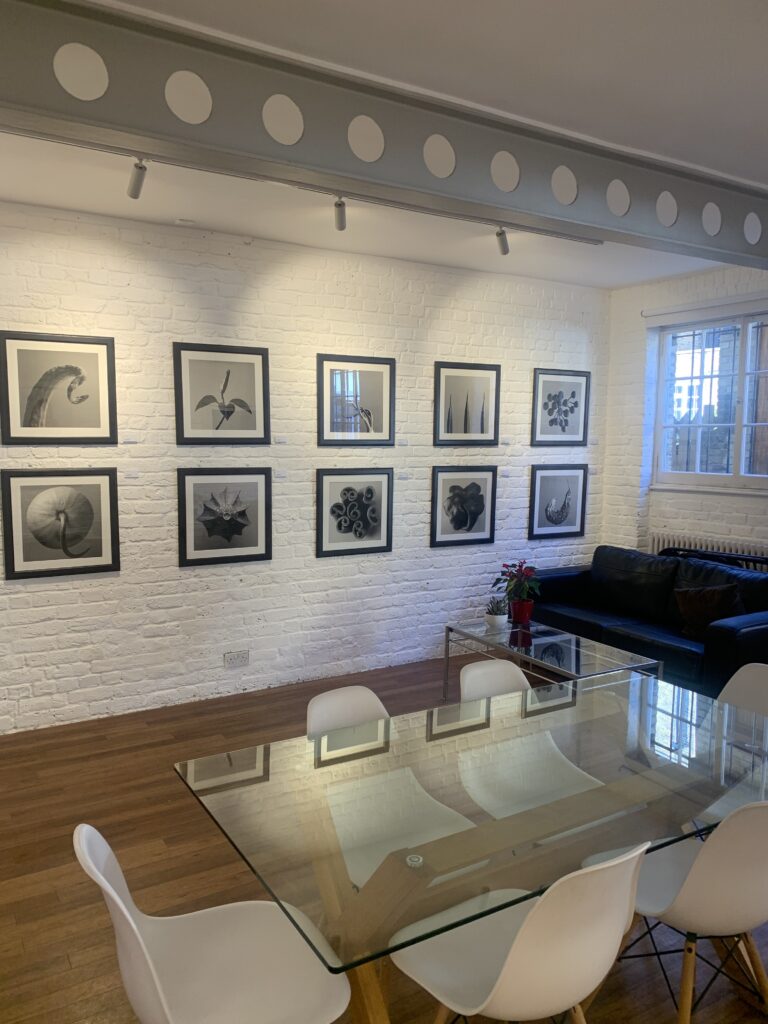
We also recently visited the show ‘Hortus Maximus’ at the little known Camera Club off Kennington Cross. The exhibit is about vegetables and was originally created as a site specific installation for the walls of Cinnamon Kitchen in Bishopsgate by the artist Cinnamon Faye. We’re not exactly sure if she was named after the restaurant but we’re looking into it.
In a world of Tesco meal deals and Frankenfoods, this exhibit is a celebration of edible plants and the remarkable shapes they possess. Shot in large format monochrome using natural light, the foods are printed to resemble etchings of fossils or petrified wood. Faye has focussed on chilis and other foods known for their healing properties, with a few bendy gourds that look nice under a camera. The show also features women from around the world presenting themselves to the planet while holding vegetables.
As obscure as the Camera Club is to most of us, it is one of the longest running photographic societies in the world. We know this to be true as we read it online. Hortus Maximus is open now until 23 Feb and is totally free. The Camera club is open daily from 11:00am to 10:00pm and weekends from 10:00am to 6:00pm. And we have no idea why they’re open over 70 hours a week.
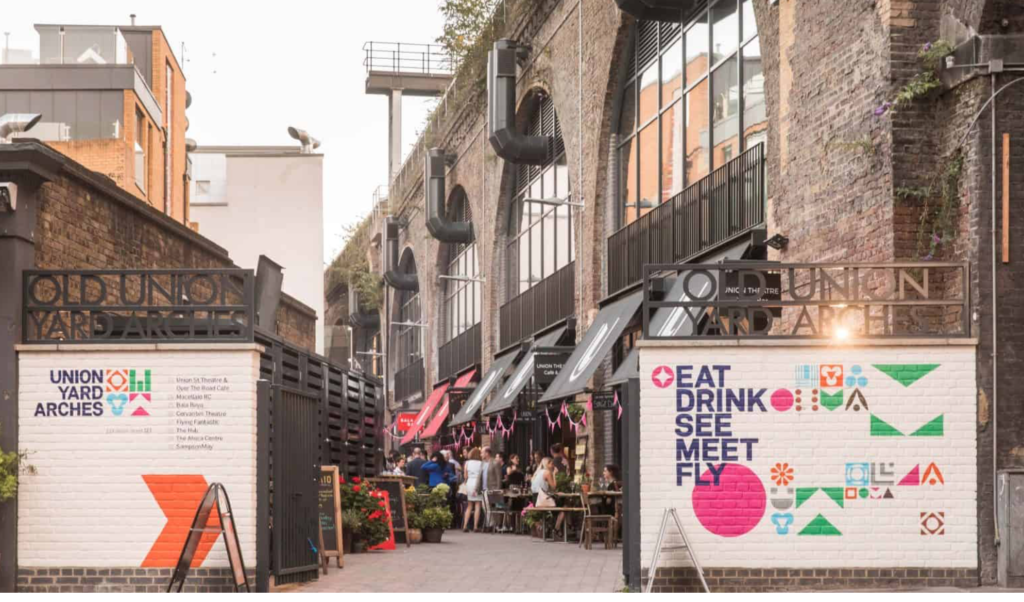
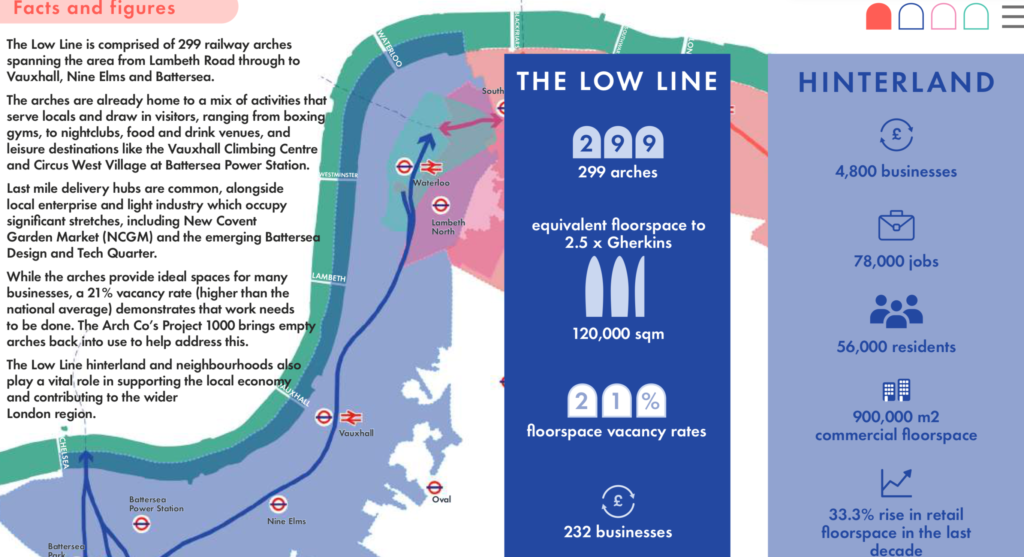
For those of you who have the actual nerve to travel outside greater Kennington, you might in your travels have encountered the Low Line, which is an urban regeneration business initiative created underneath railways arches from Bermondsey to London Bridge. If you’ve seen new arches (and a cinema) opening up in Borough Market and nearby Flat Iron Square then you’ve witnessed this initiative in action. So why are we telling you this little nugget of seemingly useless information?
Union Yard Arches, SE1
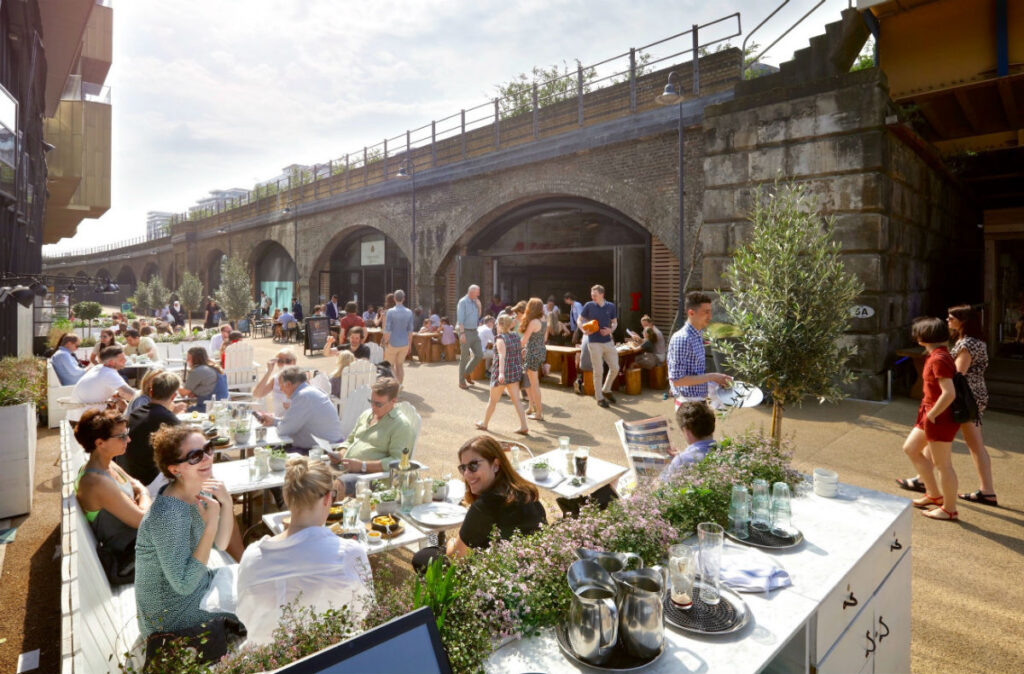
This is Battersea, but similar to how our arches will look
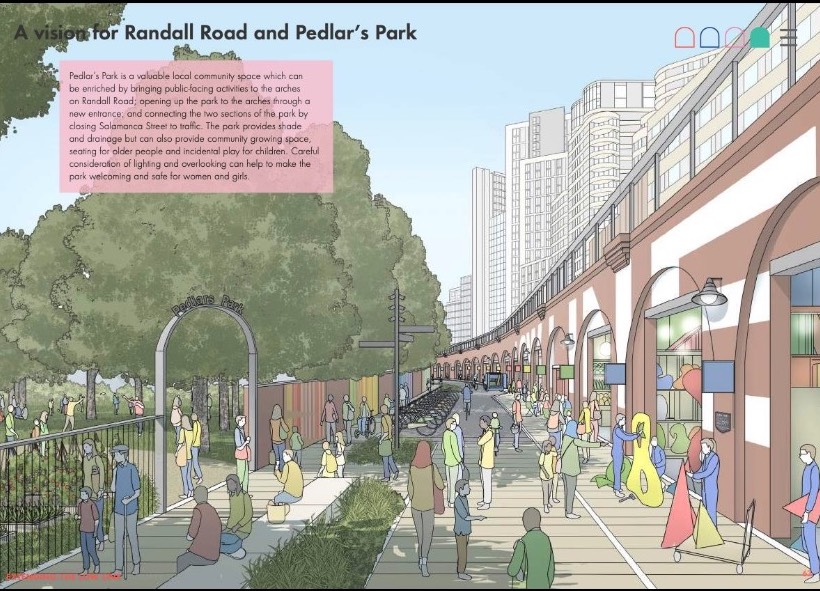
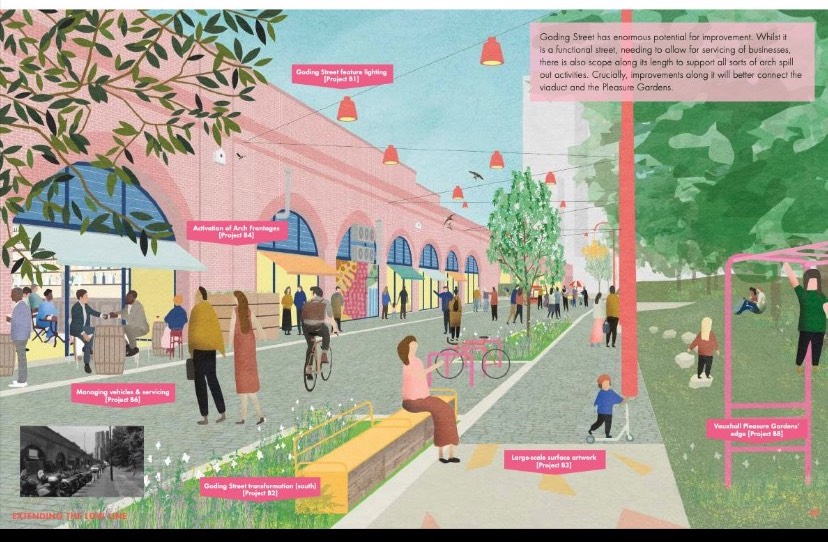
For two years a creative team have been at work to extend the Low Line from London Bridge to Battersea. This cuts right through our fair patch from Lambeth North right through Vauxhall and through to the nightmare urban sprawl that is Nine Elms. We are particularly excited about a plan to connect the area by a new cycling/walking route. Some of these arches are already occupied by great local business. However there are other arches, such as the sad lot in front of Newport St. Gallery, who could use some serious TLC.
The vision for the back of Pedlar’a Park
The vision for Goding St. Imagine no nitrous oxide canisters!
The Low Line in our neck of the woods is comprised of 299 (!) arches and a deep dive into the report indicates that that the planners are already aware that a range of independent businesses exist but others have had to move (eg Above the Stag Theatre) when Railtrack hiked the rents up. In the report Lambeth and Wandsworth recognise that what makes our communities work are businesses such as the ones that have existed under these arches for many years. A good example are the Portugese places on Albert Embankment. A hike in rent means they might be no more and we’ll be stuck with the likes of Franco Manco or, god help us, Gail’s Bakery. This should all be kicking off in 2025 hopefully in the right direction. The Runoff are watching you, Lambeth and Wandsworth!
If you want more information and you have a great deal of time on your hands you’re sick in bed, the detailed report can be found here
From the 2022 archives, the sixth and final of best of history posts!
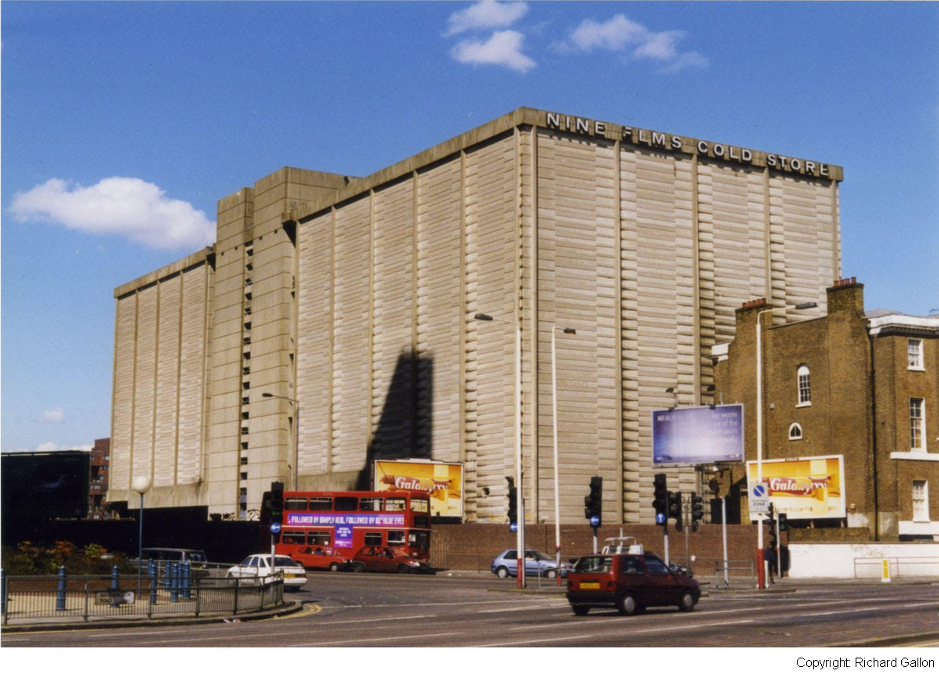
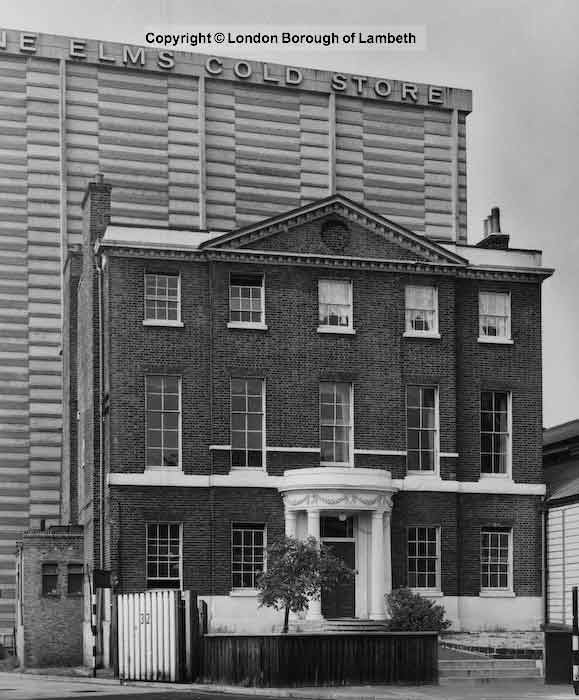
When you woke this morning you probably weren’t thinking ‘you know what, what I really NEED today is to read about a cold storage facility’. But as we’ve seen in the past two years, life is full of unexpected antics. Some of the more mature residents of Greater Kennington might recall that for 35 years (1964-1999) the monolithic Nine Elms Cold Storage facility dominated the Vauxhall skyline, located exactly where the round St. George Wharf tower now presides, and it has a history that might just leave you shivering.
In the 1960’s Vauxhall/Nine Elms was not dominated by million pound flats and swimming pools in the sky, but by railway yards. It was a key transport terminus by rail and river, and our Cold Store was erected to provide a chilly home for meat, butter and fish. However, by the late 1970’s improvements in refrigeration and transport made the building redundant, and it became derelict after just 15 years of life. And this is when our story becomes interesting….
The people of Vauxhall are nothing if not creative, and following the closure of the Cold Store it was used illicitly as a cruising ground, a recording studio, a performance space and even a convenient spot for devil worshiping. On the cruising front, it was the place to pull if you hadn’t been lucky at the nearby Market Tavern (RIP) or Vauxhall Tavern. Guys had to negotiate a 10 foot padlocked steel gate with razor wire, but once that had been conquered one was rewarded with the world’s largest dark room (we assume not the film developing kind).
One of the abiding stories of the Cold Store is that it was used for satanic worship, or just performance artists trying out new material. In one recollection a certain ‘archbishop’ took people on tours that ended at a double bed which doubled as an altar. This must have been a wholly frightening/hilarious experience in the pitch black void that enveloped them. However, some found inspiration in the gloom and in 1990 avant garde musicians Chemical Plant (who?) used it as a recording studio and created the super spooky video with the Cold Store making a cameo below.
The question persists as to why the Cold Store evoked mystery and myth. Perhaps the darkness in such a monolithic structure allowed people to explore sides of their lives which were usually hidden. In skyscraper laden Vauxhall it seems almost unfathomable that such a derelict structure existed until almost the millennium. Perhaps the thrill of being in a structure which shouldn’t be there was an enticement.
From the archives, the fifth and next to last of our month of best history posts
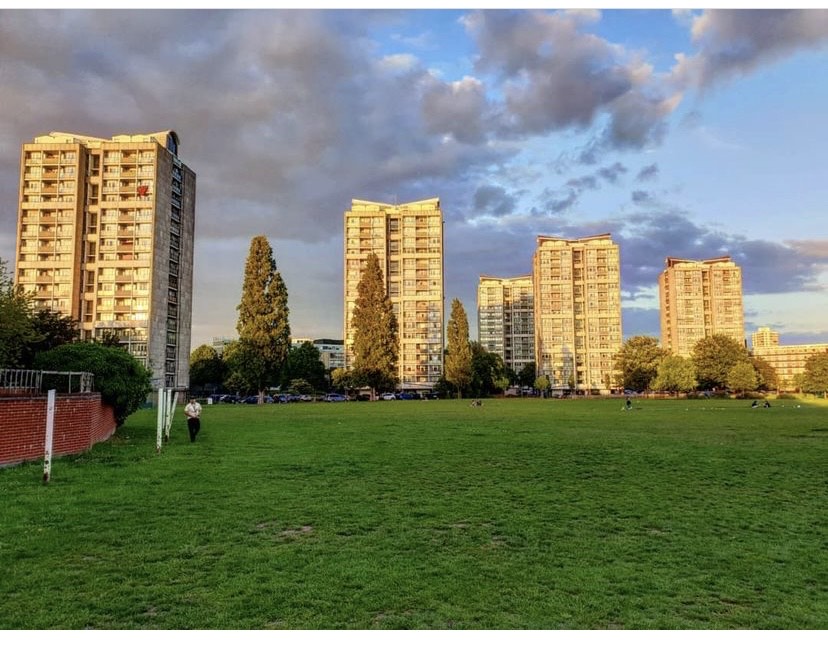
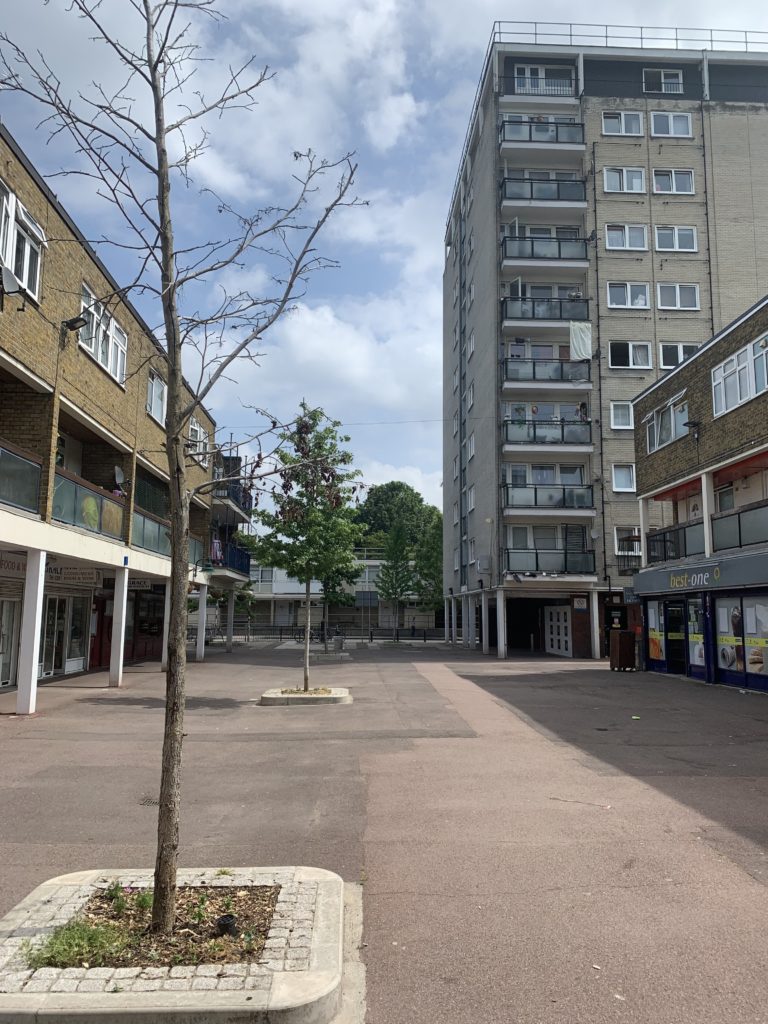
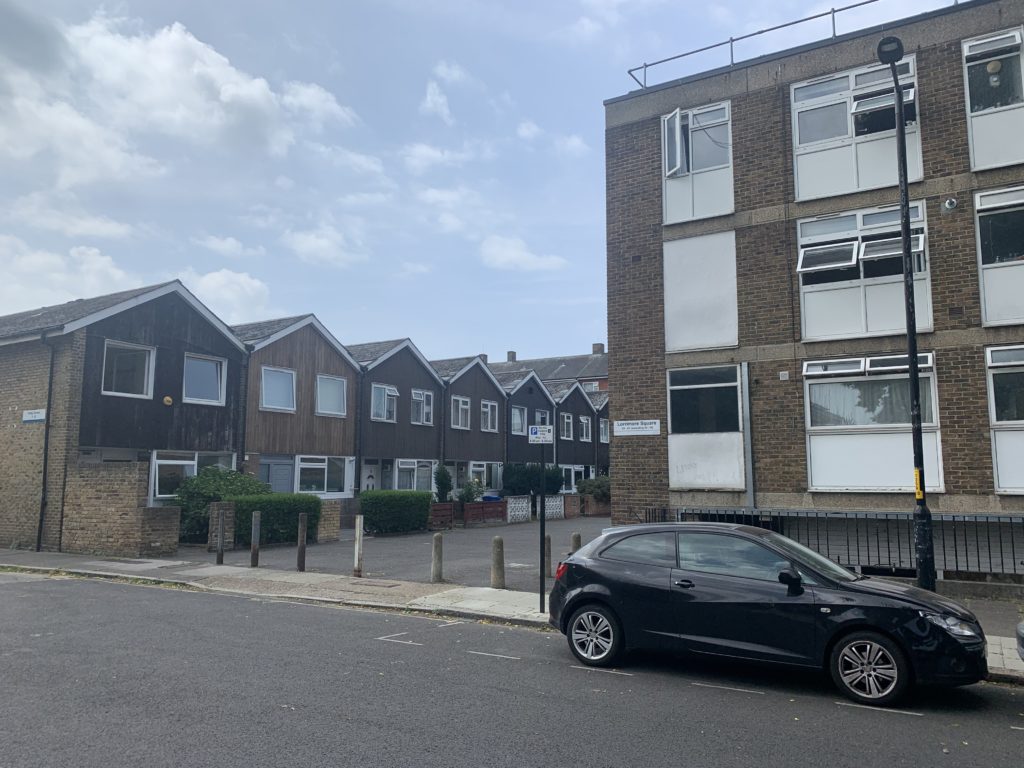
If you’ve ever been to the back half of Kennington Park, or indeed if you live there, you would have noticed the large towers that constitute the most vertical part of the fascinating 36 acre Brandon Estate in Walworth. Visionary Architect and Communist Edward Hollamby was the principal designer and most of the work was underway by 1956, with his brief by the LCC to capitalise on the post war enthusiasm generated by the Festival of Britain on the Southbank.
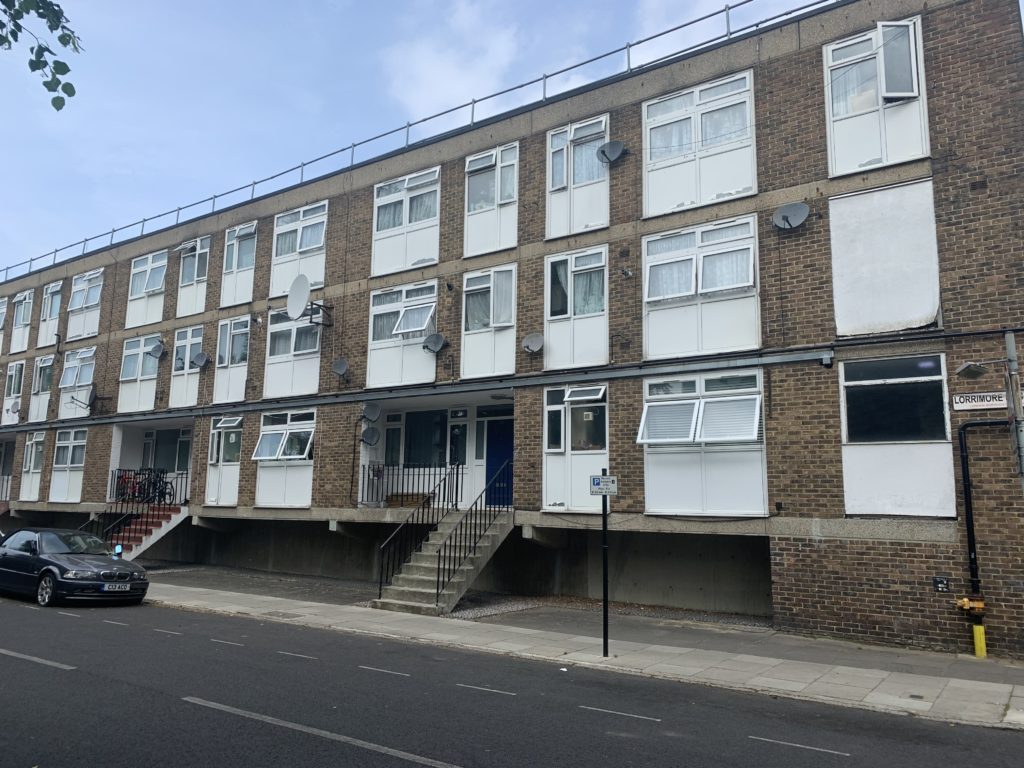
At the eastern Lorrimore Road end of the Estate, Hollamby tried to preserve the pre war Victorian street pattern and keep the few homes that survived, while filling in the holes with modern three bedroom properties. In Forsyth Gardens he created a new square lined with four story maisonettes with a central garden intended as a ‘revival of Georgian town planning traditions’.
Napier Tower
On the other side of Cook’s Road the Estate took on a more striking and risque modernist form. Napier Tower was at the threshold of the foot friendly shopping precinct and beyond it the signature 18 storey blocks nestled into Kennington Park, and in 1957 they were the tallest the LCC had built. As you walk around the Brandon Estate today you’ll notice that it is a very early example of the ‘mixed use’ development. It provided a range of housing options for different kinds of families at different stages of their lives interspersed with shopping for people who don’t drive.
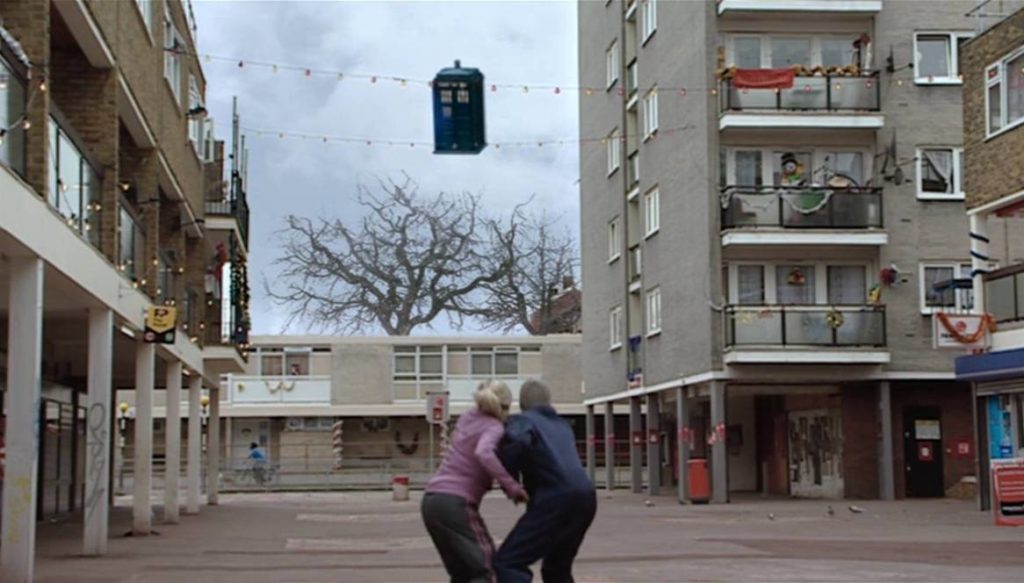
If you watched ‘Doctor Who’ from 2005 – 2010, you might recognise the Estate as one of the most iconic locations of those series. The Estate, known as the ‘Powell Estate’ in the show, was home to Rose Tyler (Billie Piper) and her mum. The poor courtyard in front of their flat witnessed a TARDIS crash landing, a cyber ghost invasion, and even the Tenth Doctor’s (David Tennant) regeneration.
The Estate is also home to a beautiful Henry Moore statue which we wrote about in 2020
From the archives, the fourth of our month of best history posts
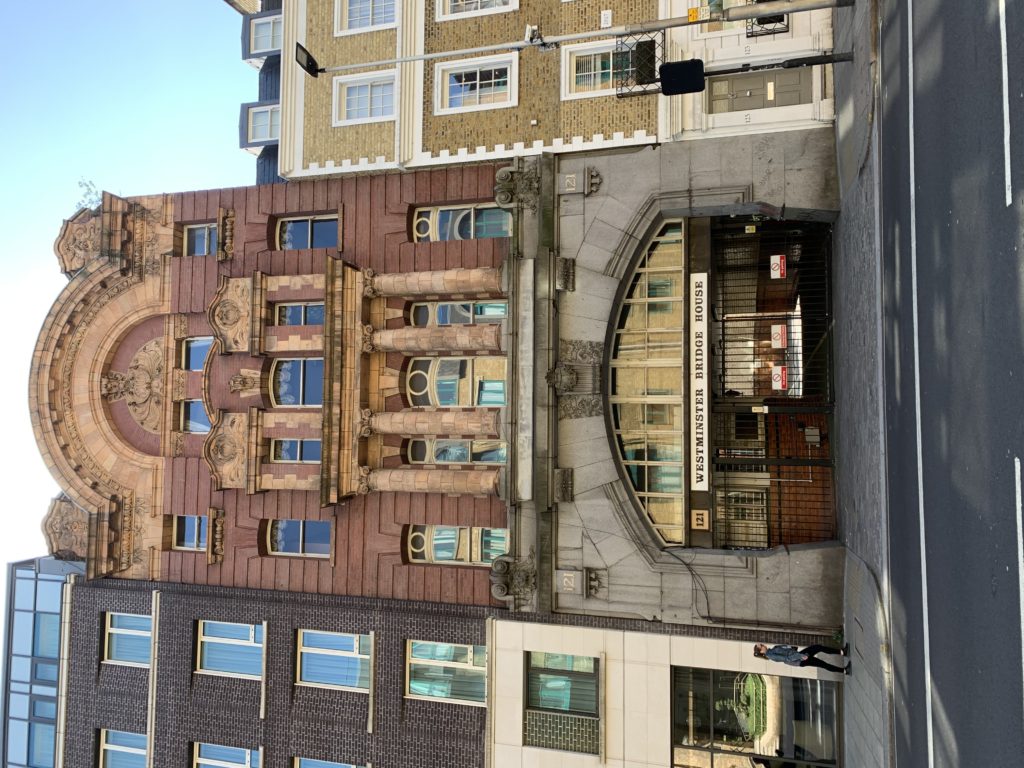
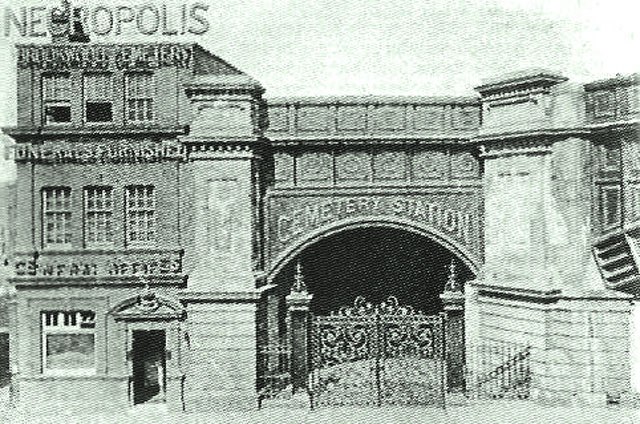
If you’ve ever spotted this rather grand looking building at 121 Westminster Bridge Road you might have wondered what function it once served. For the first half of the 20th century, dear reader, this was the London Necropolis railway station and has been referred to as ‘the strangest and spookiest railway line in British history’.
In the first half of the 19th century London’s population surged from one million to almost 2 1/2 million. Churchyards were running out of space to bury the dead and something had to be done, so a plan was hatched by two enterprising men to purchase land near Woking for an enormous cemetery. The idea was that it was far enough away to prevent the bodies from posing a threat to public health, but close enough to let grieving relatives attend funerals without too much hassle. The icing on the cake being that a Waterloo to Woking line had just opened up.
As you can imagine, people at Waterloo were none too keen on seeing corpses and mourners whizz by as they sat in their 19th century Starbucks, so a separate train station was built behind Waterloo in what is now Leake St. The building was specially designed for mourners and had private waiting rooms, restaurants, and first to third class services. One could depart with their recently departed in the morning, attend a weepy funeral midday, and be back by teatime. Talk about Victorian multitasking.
The Original
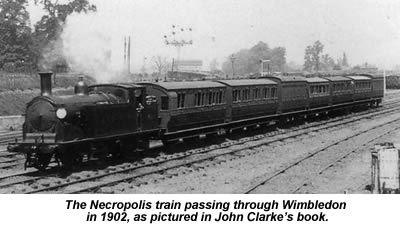
By the end of the 19th century Waterloo station was expanding and Necropolis station had to be moved. In 1902 the station found it’s present home and out of respect to the dearly departed the builders wanted to make it as attractive as a funeral director’s office, so few expenses were spared. The line was eventually shifting almost 2000 corpses a year until the line was damaged in WW2, and a decision was made to consign it to history, like the many souls it escorted.
The railway service proved so popular that it even had it’s own rolling stock. However, the reason for this could actually be that if folks knew they had bought a ticket for a train used to carry dead people they could feel like they’d been, well, ‘stiffed’.
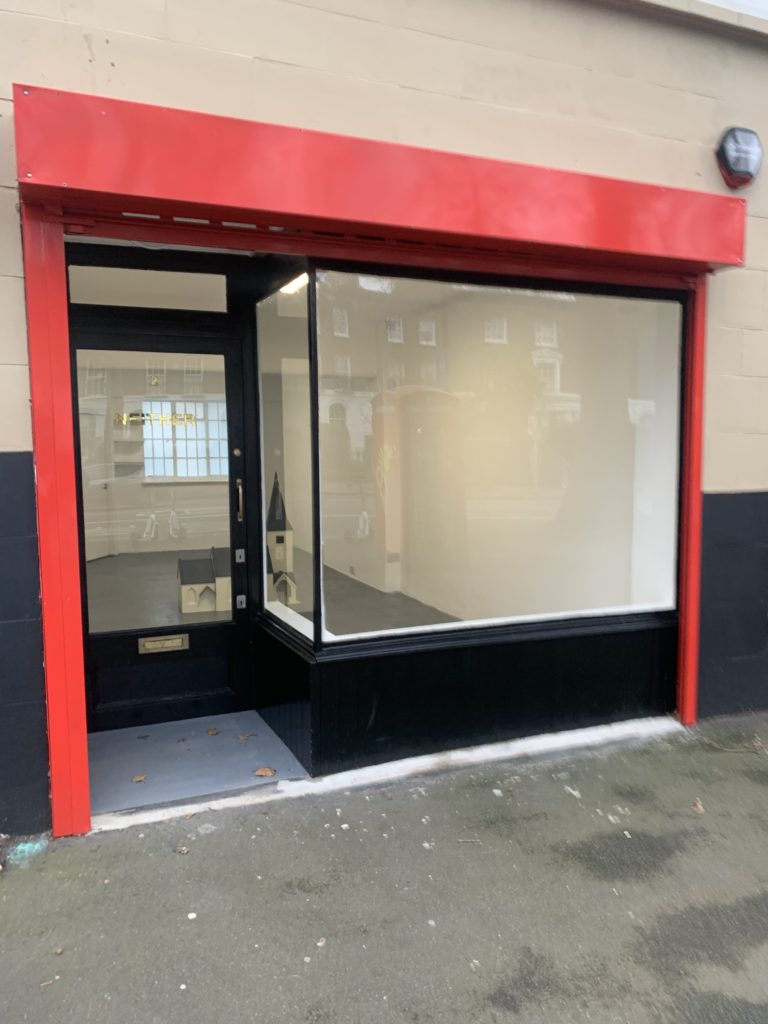
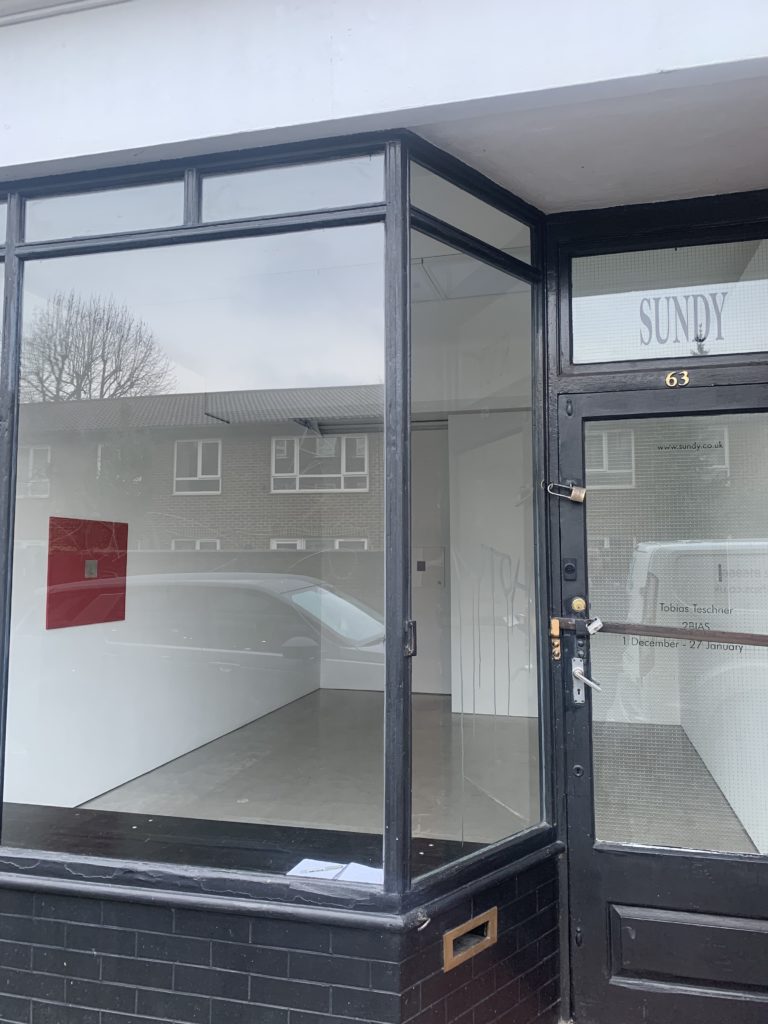
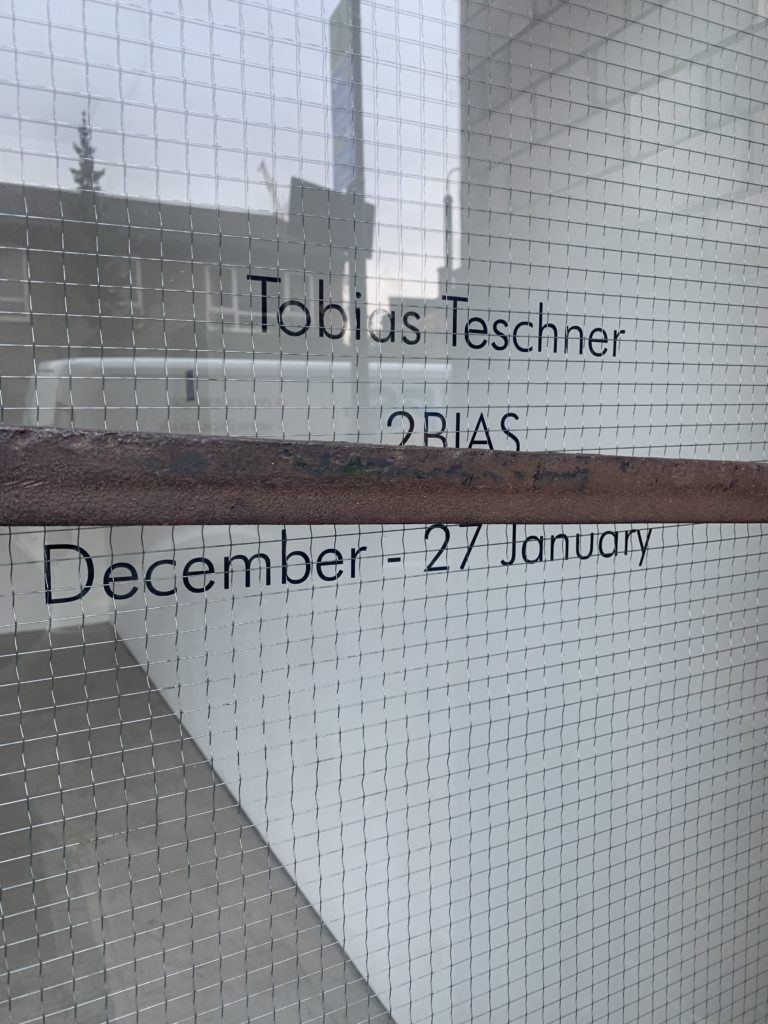
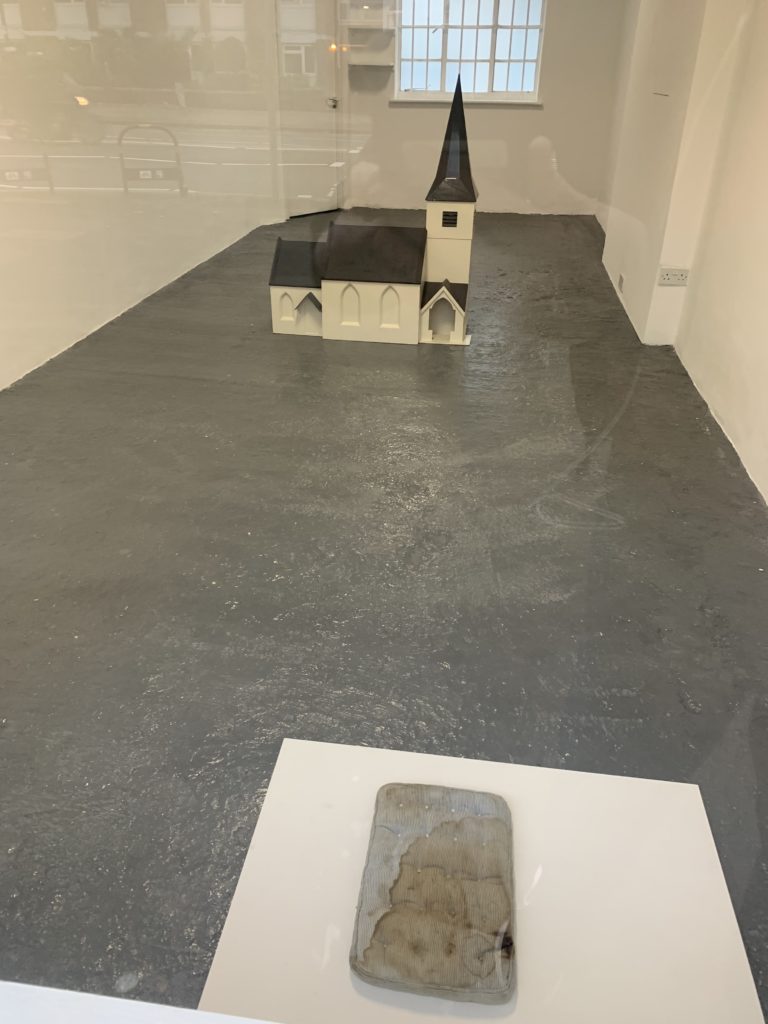
With a little more time on your hands over the next few days, you might be seeking a pedestrian destination and we have a suggestion for you. A few years ago two empty shop fronts were converted into petite, pop up gallery spaces. One is called Sundy and is at 63 Black Prince Road in Vauxhall. The other is called Neither and is at 3 Wincott Parade in Kennington. Although they have restrictive opening times, through the windows we’ve enjoyed the cutting and sometimes playful displays that rotate every few weeks.
The ownership of these mysterious yet delightful shop fronts began to intrigue us so the mandarins at Runoff Towers gave us leave to undertake some independent research. Neither is an operated by Corvi Mora gallery in Elephant. Sundy is also a commercial gallery and this little shop front acts as their primary exhibition space.
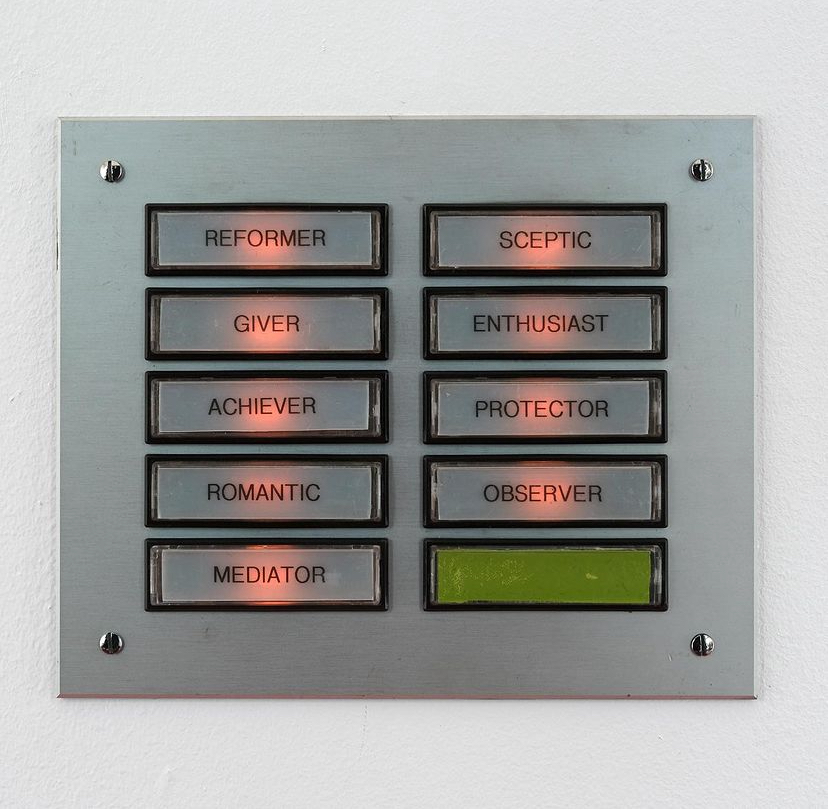
At Neither, one of the pieces is by sculptor Julian Opie of Blur album cover fame (for Millenials who have no idea who Blur are click here). The other is by Charles LeDray. At the time of writing this show was ending but the works might still be there. At Sundy the works are a bit harder to see and are by Tobias Teschner.
We’d like to give a shout out to @guyaker for reminding us of these little mysteries and to also congratulate him on his impeccable taste in blogs.