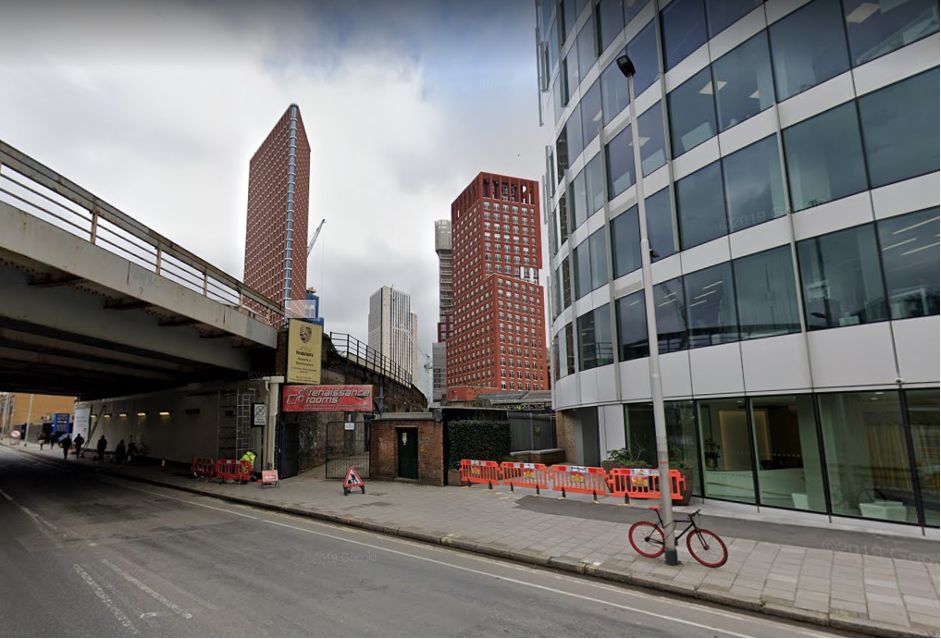
The capacity for our community to transform and evolve is sometimes more than us mere humans can absorb. To those who don’t visit Elephant and Castle regularly, it can be unsettling to see how it’s changed over the past 10 years.
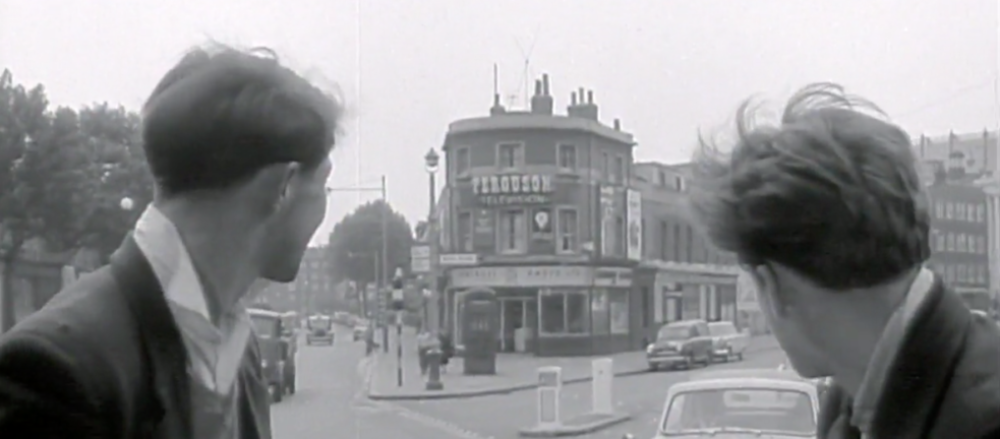
We recently discovered a charming, 22 minute short film called ‘UnEarthing Elephant’ about the people and community that sprung up in Elephant and Castle shopping centre. Shot in 2017, it’s both a celebration and an elegy to a shopping centre that people knew was doomed but not when. The touching and at times funny personal stories of love/hate relationships are mixed with tales of how the shopping centre never really worked until saved by small, independent shopkeepers, many of whom were immigrants to the UK.
Credits to the amazing Eva Sajovic, who created the piece and narrates most of it.
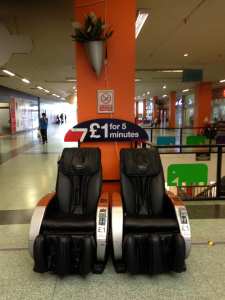
And we’ll never forget the erotic massage chairs……
From the 2022 archives, the sixth and final of best of history posts!
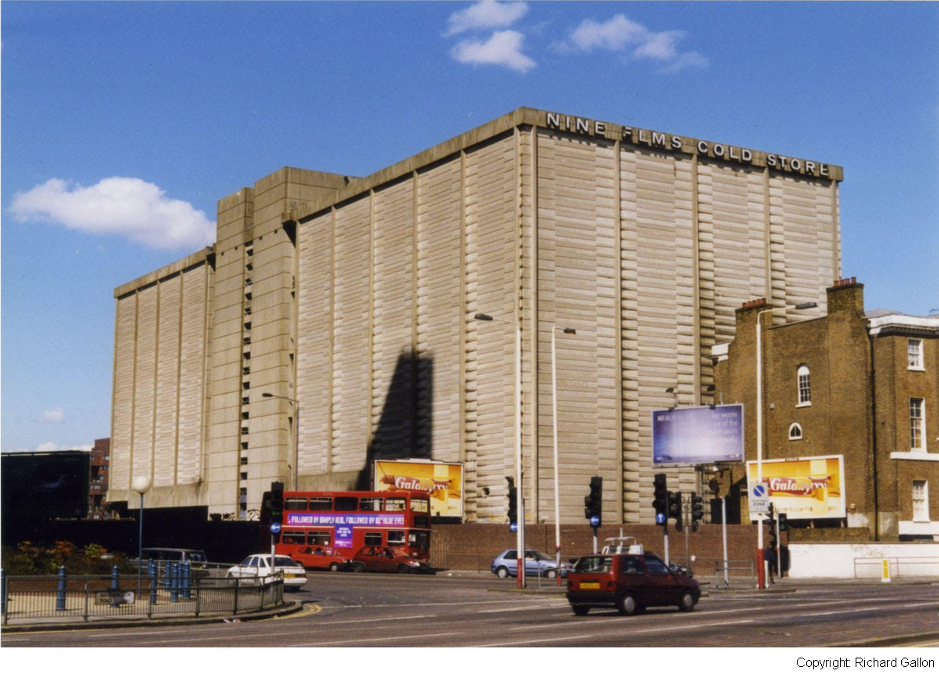
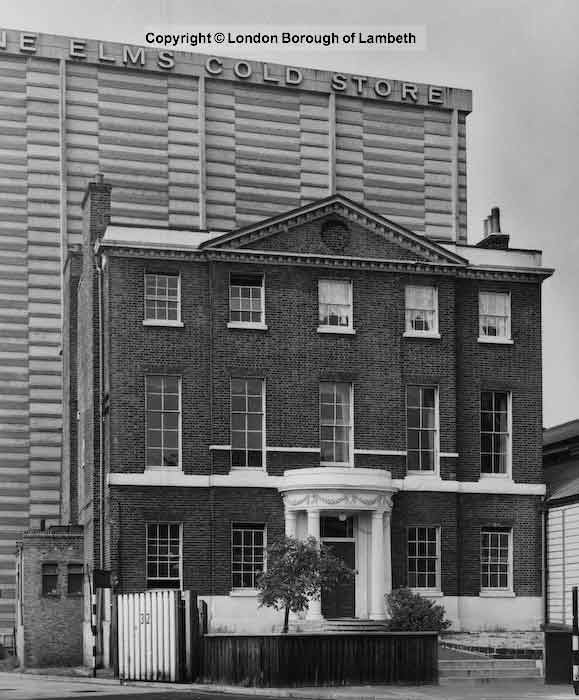
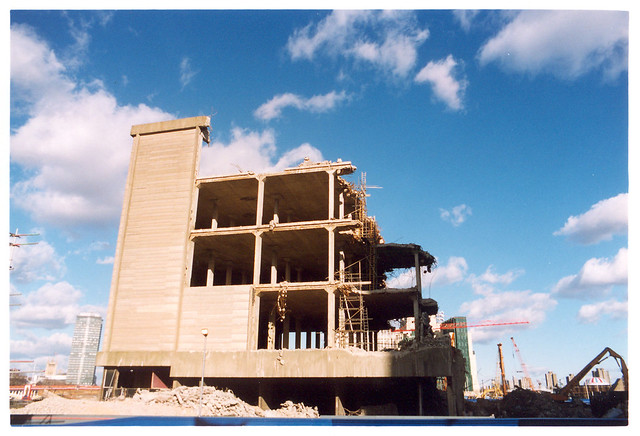
When you woke this morning you probably weren’t thinking ‘you know what, what I really NEED today is to read about a cold storage facility’. But as we’ve seen in the past two years, life is full of unexpected antics. Some of the more mature residents of Greater Kennington might recall that for 35 years (1964-1999) the monolithic Nine Elms Cold Storage facility dominated the Vauxhall skyline, located exactly where the round St. George Wharf tower now presides, and it has a history that might just leave you shivering.
In the 1960’s Vauxhall/Nine Elms was not dominated by million pound flats and swimming pools in the sky, but by railway yards. It was a key transport terminus by rail and river, and our Cold Store was erected to provide a chilly home for meat, butter and fish. However, by the late 1970’s improvements in refrigeration and transport made the building redundant, and it became derelict after just 15 years of life. And this is when our story becomes interesting….
The people of Vauxhall are nothing if not creative, and following the closure of the Cold Store it was used illicitly as a cruising ground, a recording studio, a performance space and even a convenient spot for devil worshiping. On the cruising front, it was the place to pull if you hadn’t been lucky at the nearby Market Tavern (RIP) or Vauxhall Tavern. Guys had to negotiate a 10 foot padlocked steel gate with razor wire, but once that had been conquered one was rewarded with the world’s largest dark room (we assume not the film developing kind).
One of the abiding stories of the Cold Store is that it was used for satanic worship, or just performance artists trying out new material. In one recollection a certain ‘archbishop’ took people on tours that ended at a double bed which doubled as an altar. This must have been a wholly frightening/hilarious experience in the pitch black void that enveloped them. However, some found inspiration in the gloom and in 1990 avant garde musicians Chemical Plant (who?) used it as a recording studio and created the super spooky video with the Cold Store making a cameo below.
The question persists as to why the Cold Store evoked mystery and myth. Perhaps the darkness in such a monolithic structure allowed people to explore sides of their lives which were usually hidden. In skyscraper laden Vauxhall it seems almost unfathomable that such a derelict structure existed until almost the millennium. Perhaps the thrill of being in a structure which shouldn’t be there was an enticement.
From the archives, the fifth and next to last of our month of best history posts
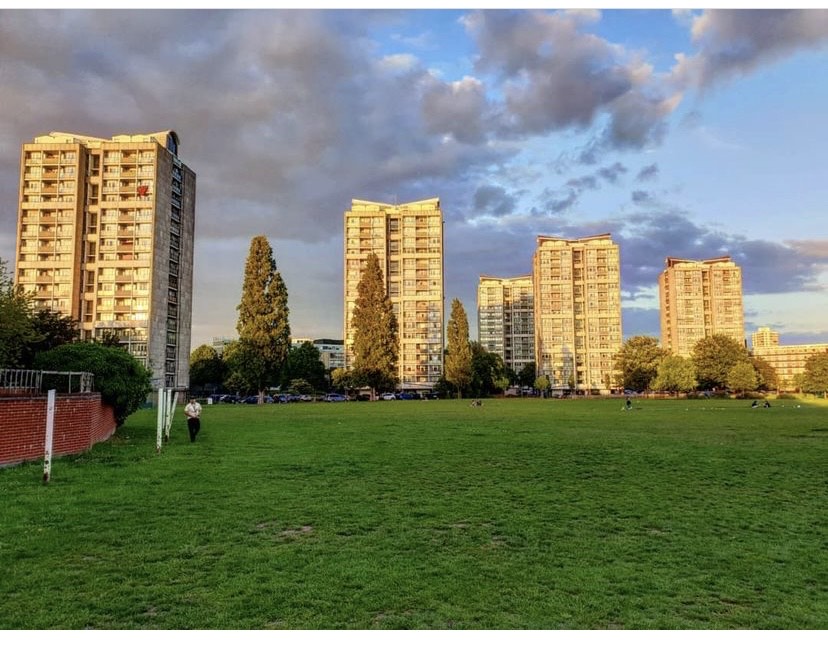
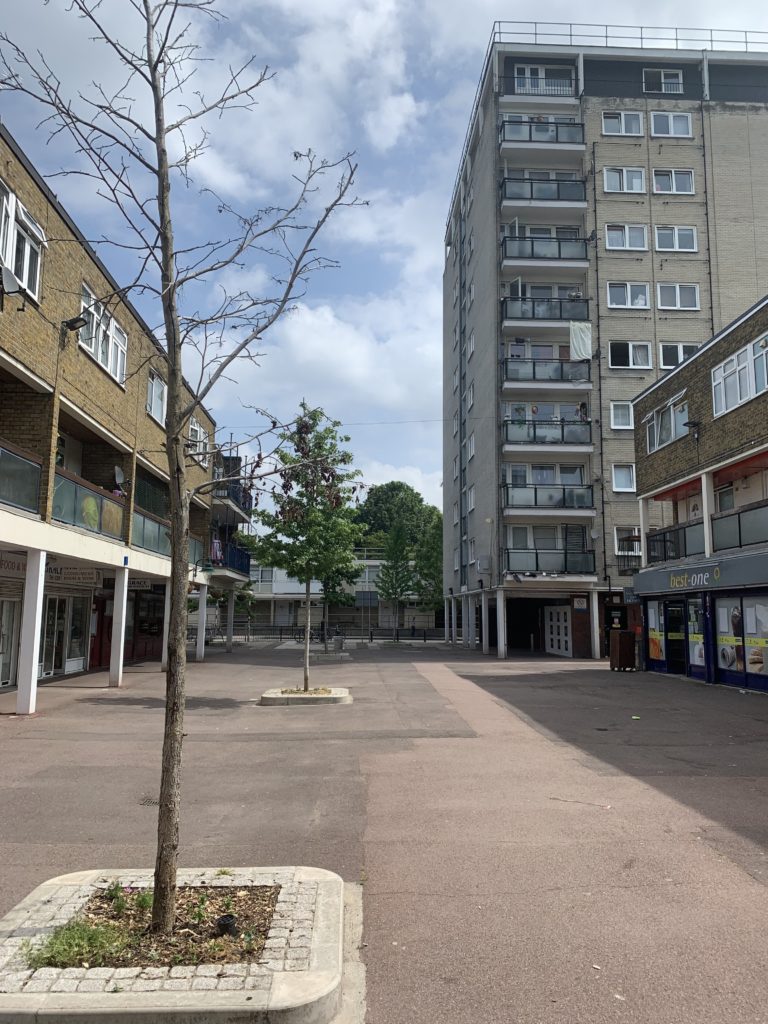
If you’ve ever been to the back half of Kennington Park, or indeed if you live there, you would have noticed the large towers that constitute the most vertical part of the fascinating 36 acre Brandon Estate in Walworth. Visionary Architect and Communist Edward Hollamby was the principal designer and most of the work was underway by 1956, with his brief by the LCC to capitalise on the post war enthusiasm generated by the Festival of Britain on the Southbank.
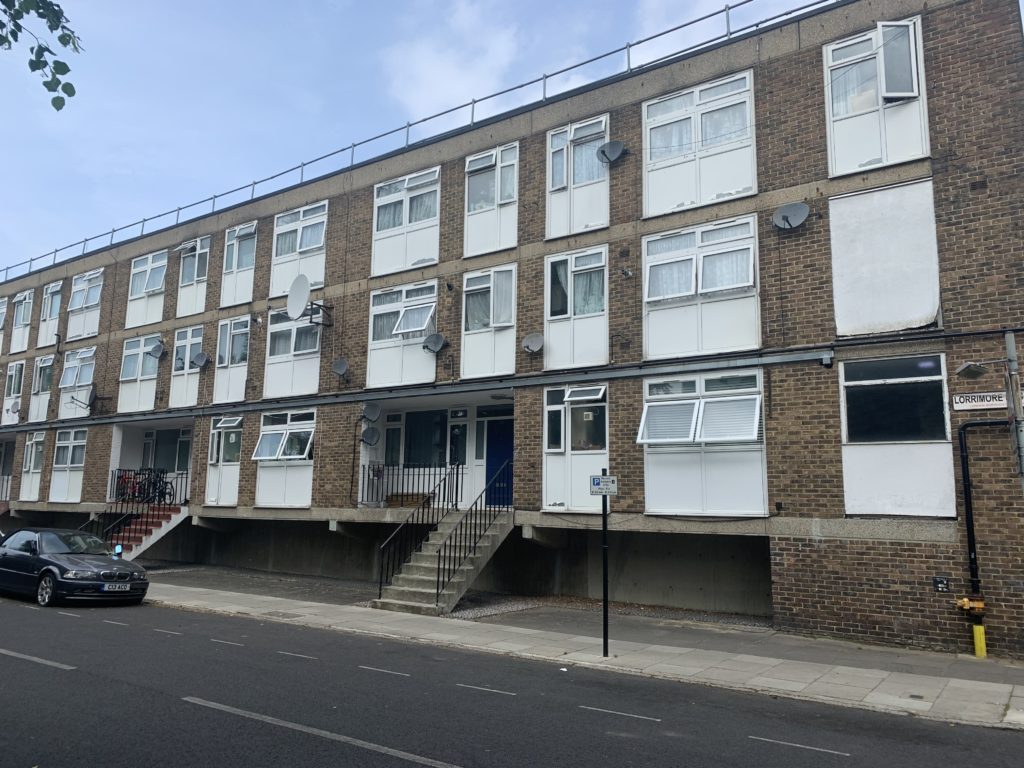
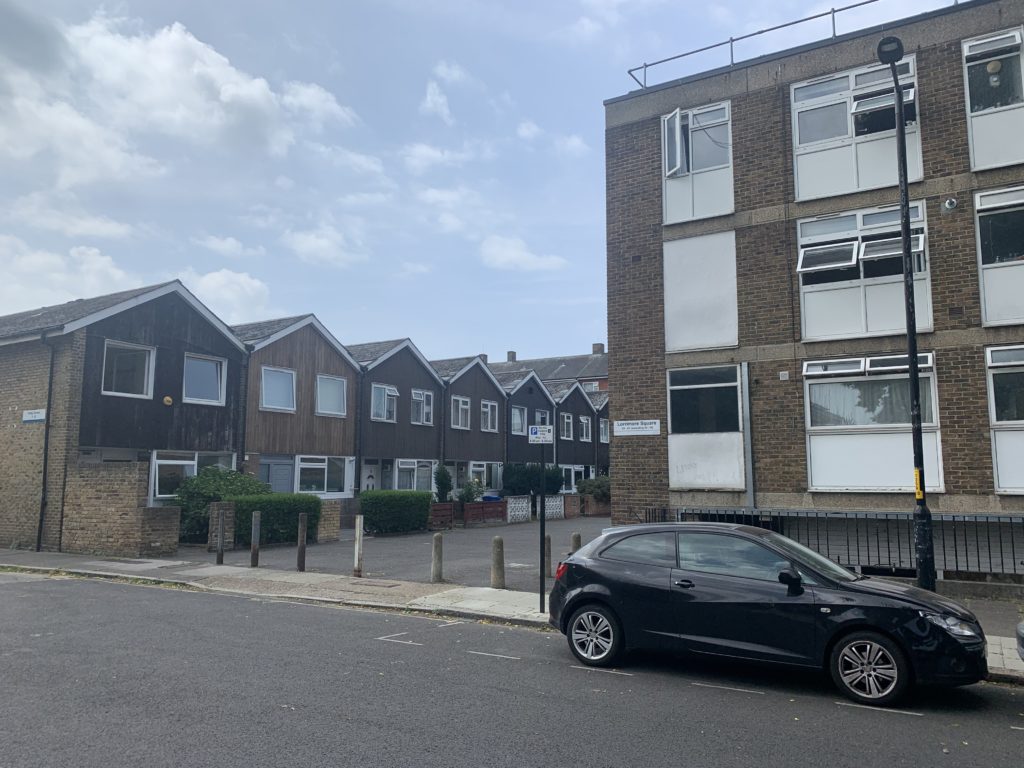
At the eastern Lorrimore Road end of the Estate, Hollamby tried to preserve the pre war Victorian street pattern and keep the few homes that survived, while filling in the holes with modern three bedroom properties. In Forsyth Gardens he created a new square lined with four story maisonettes with a central garden intended as a ‘revival of Georgian town planning traditions’.
Napier Tower
On the other side of Cook’s Road the Estate took on a more striking and risque modernist form. Napier Tower was at the threshold of the foot friendly shopping precinct and beyond it the signature 18 storey blocks nestled into Kennington Park, and in 1957 they were the tallest the LCC had built. As you walk around the Brandon Estate today you’ll notice that it is a very early example of the ‘mixed use’ development. It provided a range of housing options for different kinds of families at different stages of their lives interspersed with shopping for people who don’t drive.
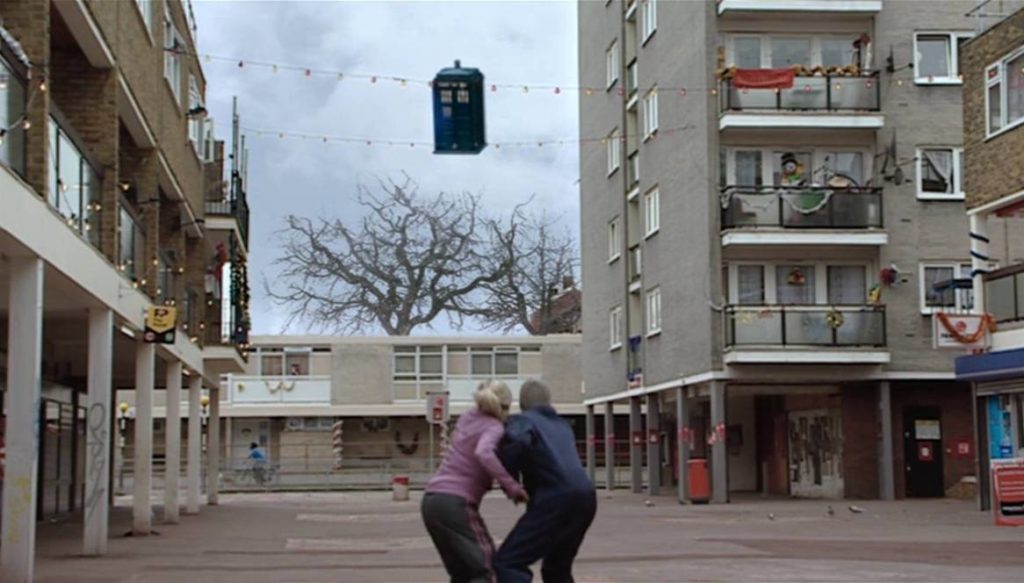
If you watched ‘Doctor Who’ from 2005 – 2010, you might recognise the Estate as one of the most iconic locations of those series. The Estate, known as the ‘Powell Estate’ in the show, was home to Rose Tyler (Billie Piper) and her mum. The poor courtyard in front of their flat witnessed a TARDIS crash landing, a cyber ghost invasion, and even the Tenth Doctor’s (David Tennant) regeneration.
The Estate is also home to a beautiful Henry Moore statue which we wrote about in 2020
From the archives, the fourth of our month of best history posts
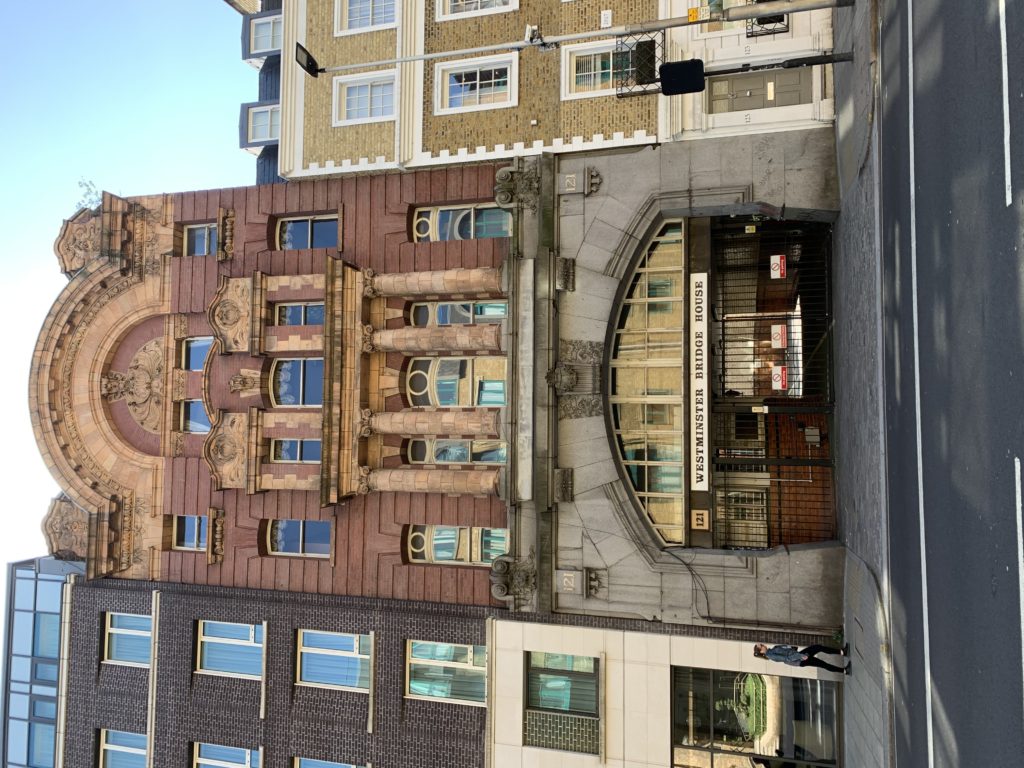
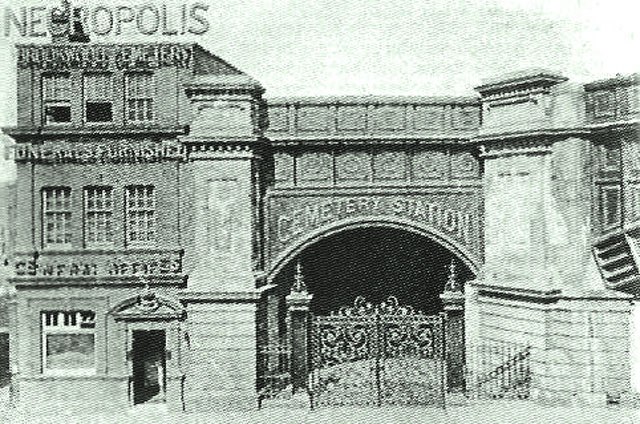
If you’ve ever spotted this rather grand looking building at 121 Westminster Bridge Road you might have wondered what function it once served. For the first half of the 20th century, dear reader, this was the London Necropolis railway station and has been referred to as ‘the strangest and spookiest railway line in British history’.
In the first half of the 19th century London’s population surged from one million to almost 2 1/2 million. Churchyards were running out of space to bury the dead and something had to be done, so a plan was hatched by two enterprising men to purchase land near Woking for an enormous cemetery. The idea was that it was far enough away to prevent the bodies from posing a threat to public health, but close enough to let grieving relatives attend funerals without too much hassle. The icing on the cake being that a Waterloo to Woking line had just opened up.
As you can imagine, people at Waterloo were none too keen on seeing corpses and mourners whizz by as they sat in their 19th century Starbucks, so a separate train station was built behind Waterloo in what is now Leake St. The building was specially designed for mourners and had private waiting rooms, restaurants, and first to third class services. One could depart with their recently departed in the morning, attend a weepy funeral midday, and be back by teatime. Talk about Victorian multitasking.
The Original
By the end of the 19th century Waterloo station was expanding and Necropolis station had to be moved. In 1902 the station found it’s present home and out of respect to the dearly departed the builders wanted to make it as attractive as a funeral director’s office, so few expenses were spared. The line was eventually shifting almost 2000 corpses a year until the line was damaged in WW2, and a decision was made to consign it to history, like the many souls it escorted.
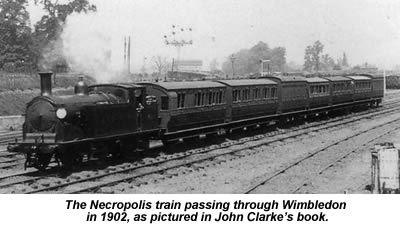
The railway service proved so popular that it even had it’s own rolling stock. However, the reason for this could actually be that if folks knew they had bought a ticket for a train used to carry dead people they could feel like they’d been, well, ‘stiffed’.
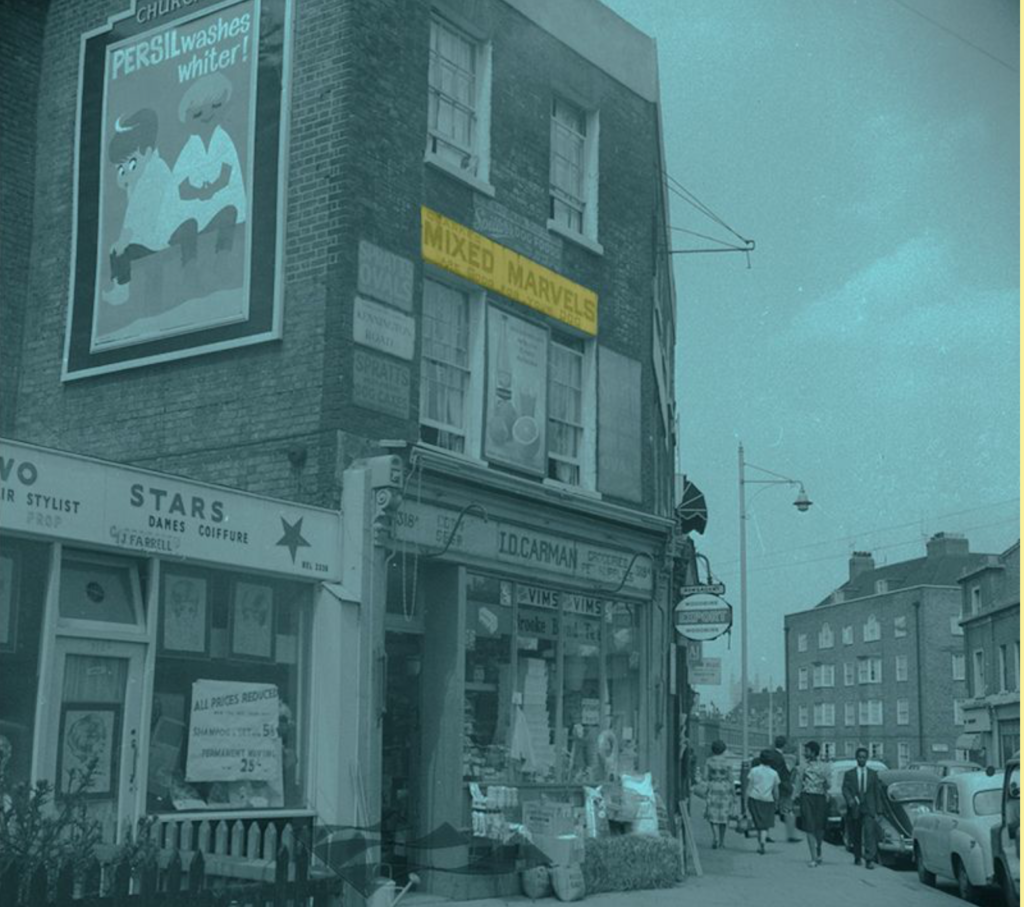
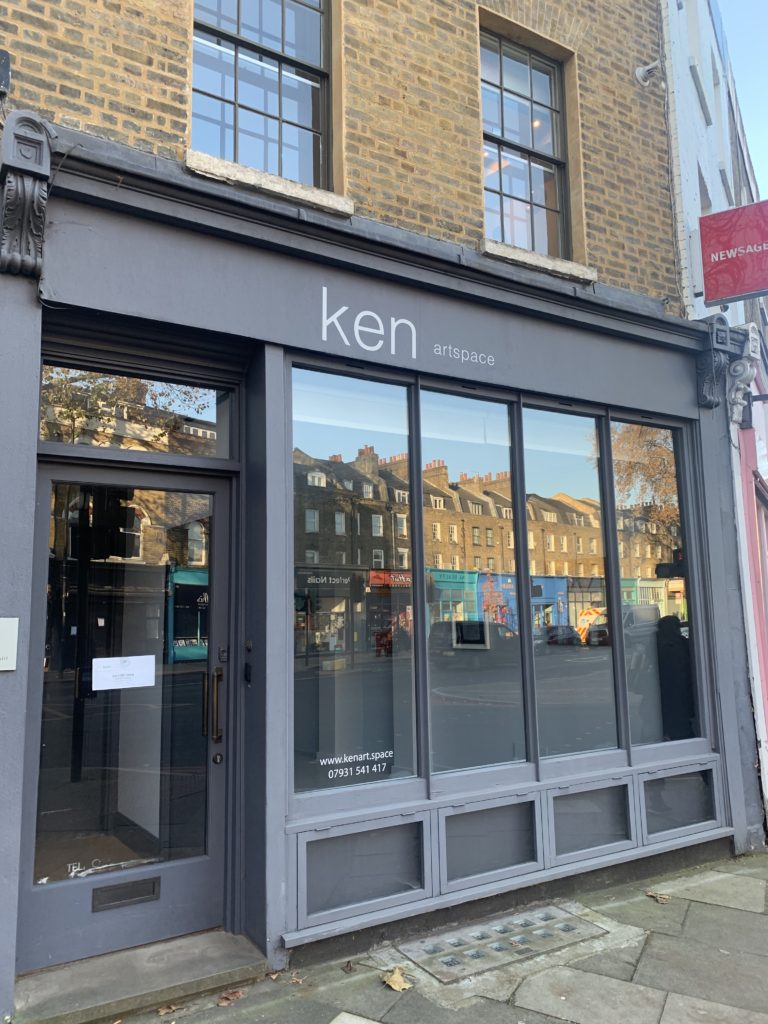
In the midst of the Kennington Cross triangle nestles a quiet gallery that until last week the Runoff had never visited. Ken Artspace is run by artists Agalis and Rob, who live upstairs and decided to create a gallery space on the ground floor when the property beneath them became available. In the 1960’s the space was inhabited by a grocery/pet shop with a sign that read ‘Mixed Marvels’ at the upper level and this inspired the artistic duo to curate a show themed on the sign.
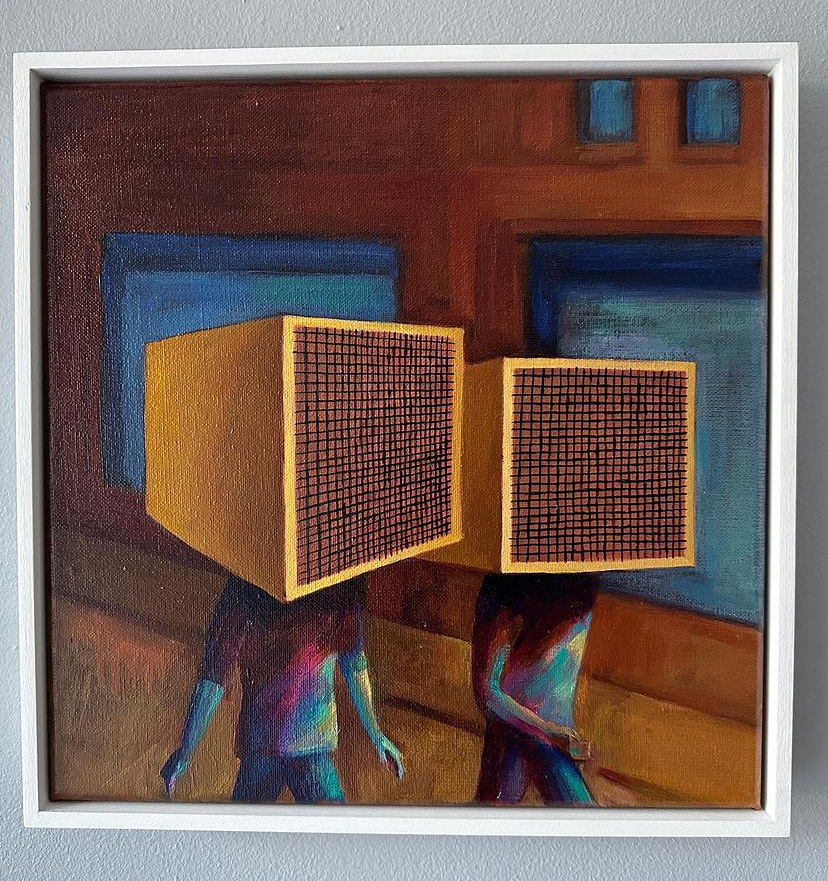
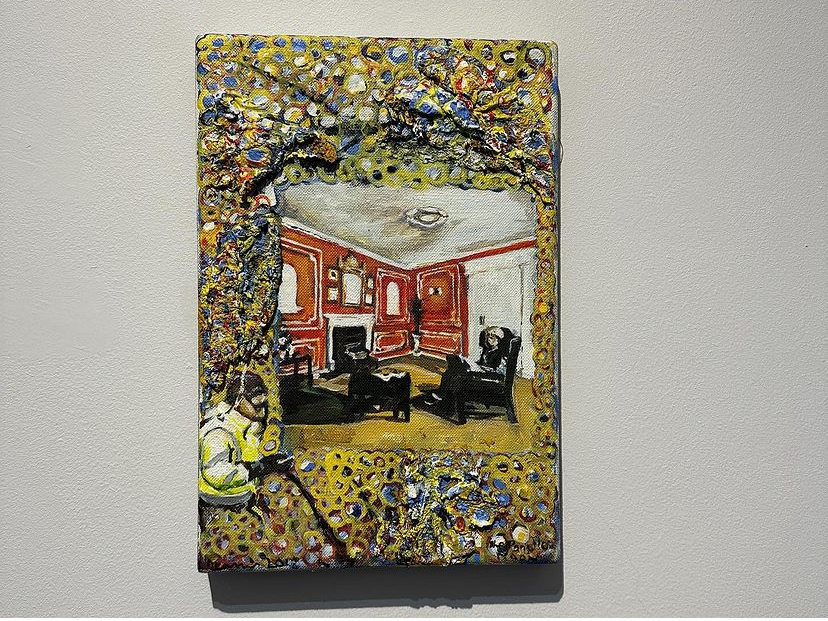
Ken Artspace’s most recent exhibit is named after the aforementioned sign and features eight established artists, most of whom have had a solo show at Artspace, working on small canvases. Microbial beings, cellular shapes, and dreamy Swedish landscapes fill the room as well as more figurative mixed media works about travel. A stand out for us was Jeffrey Dennis’s paintings inspired by 1970’s catalogues of home furnishings. We particularly enjoyed the series ‘Boxhead’ by London artist Jane Gifford, below, as it reminds us of the way that most of PR team feel the morning after the Runoff Christmas party at the Tommyfield pub.
If this exhibit doesn’t tickle your artistic fancy your artistic collarbone you might want to follow them on the socials as they have an intriguing mix of occasional pop up exhibitions and little events. The creative installations in the window also provide visual relief on a little street punctuated by a dry cleaner, a chippie, and a defunct Chinese joint. And of course, popping in by no means obliges to you buy anything or is even a statement that you’re an art fan. Happy viewing!
Mixed Marvels is exhibiting now until 22 December. The gallery is open Thursday to Saturday and like all tasty morsels in life, is totally free.
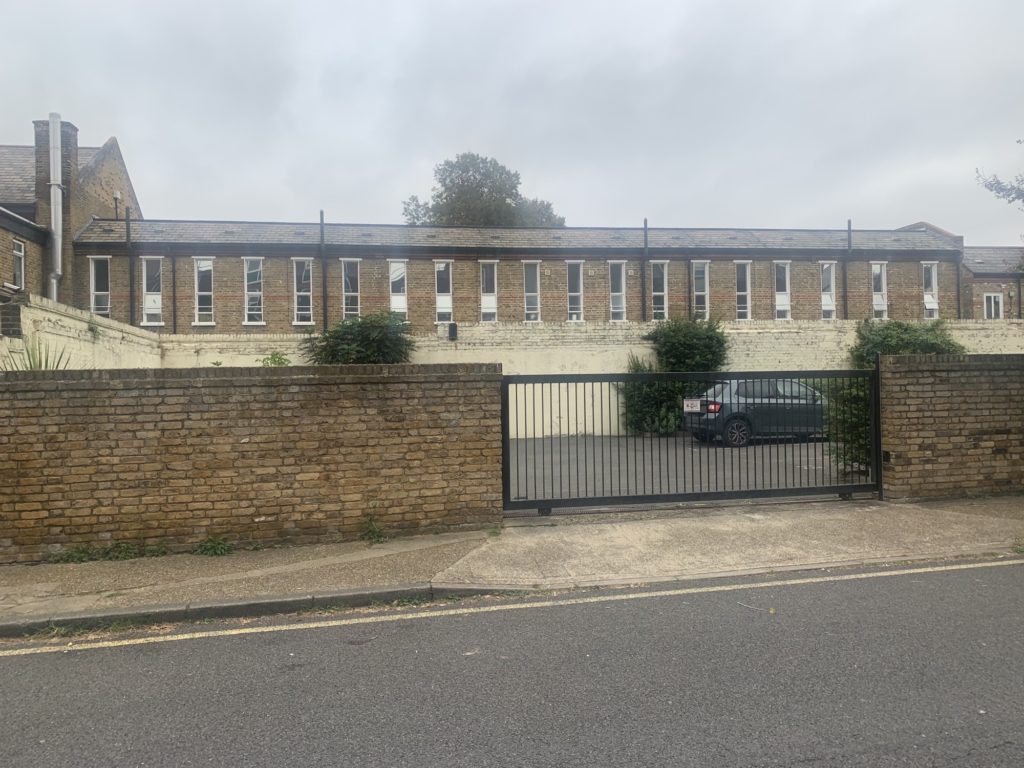
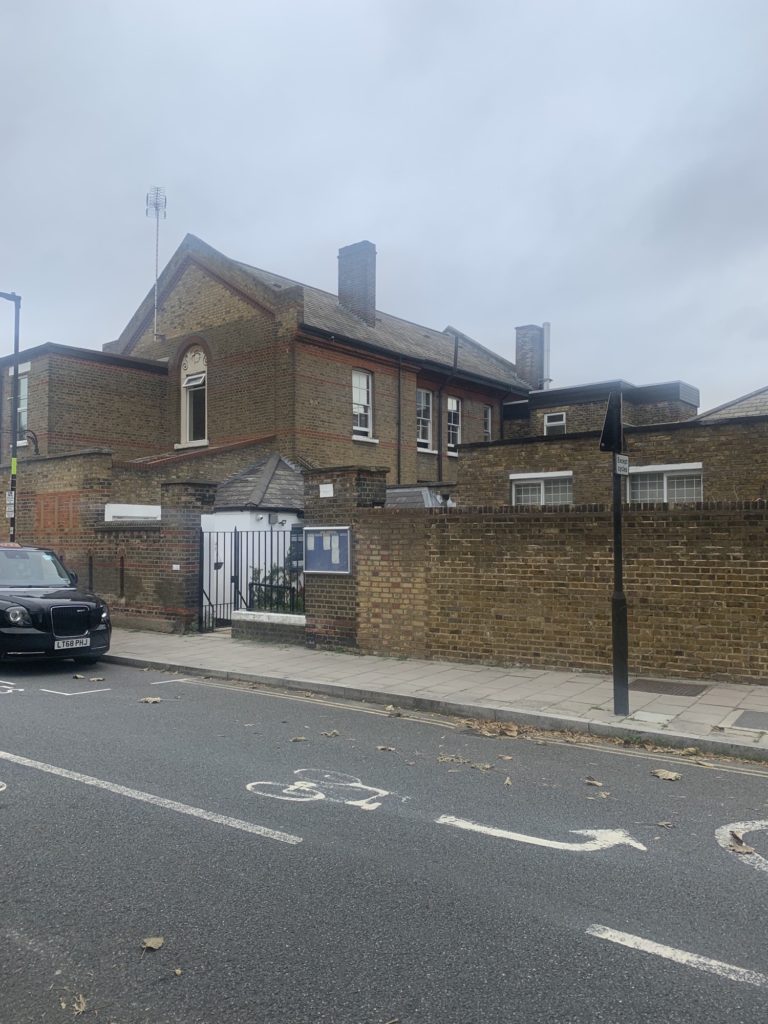
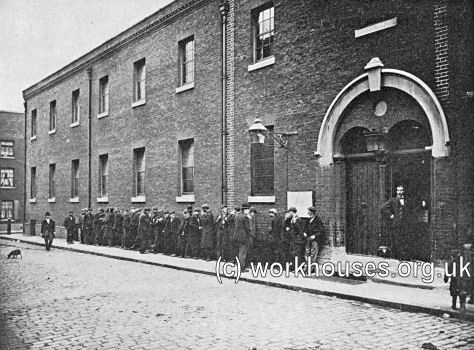
On a recent meander down Wincott Street in north Kennington we noticed an unusual Victorian building looking not unlike a prison, which prompted us to pull out (nerd alert!) an old Ordnance Survey map. This building was constructed to be a ‘casual ward’, or a very temporary home for homeless people passing through our manor.
Before 1930 terminally homeless people were a not uncommon site in Greater Kennington. Casual wards were constructed close to workhouses, and we have written about the Lambeth workhouse before, which is around the corner from the casual ward and was once the home of Charlie Chaplin. While workhouses were places for local people (like the Chaplin family) to live while they got back on their feet and perhaps learned a trade, casual wards were intended for the totally destitute of no fixed address to stay for one night, so no one was committed to their help.
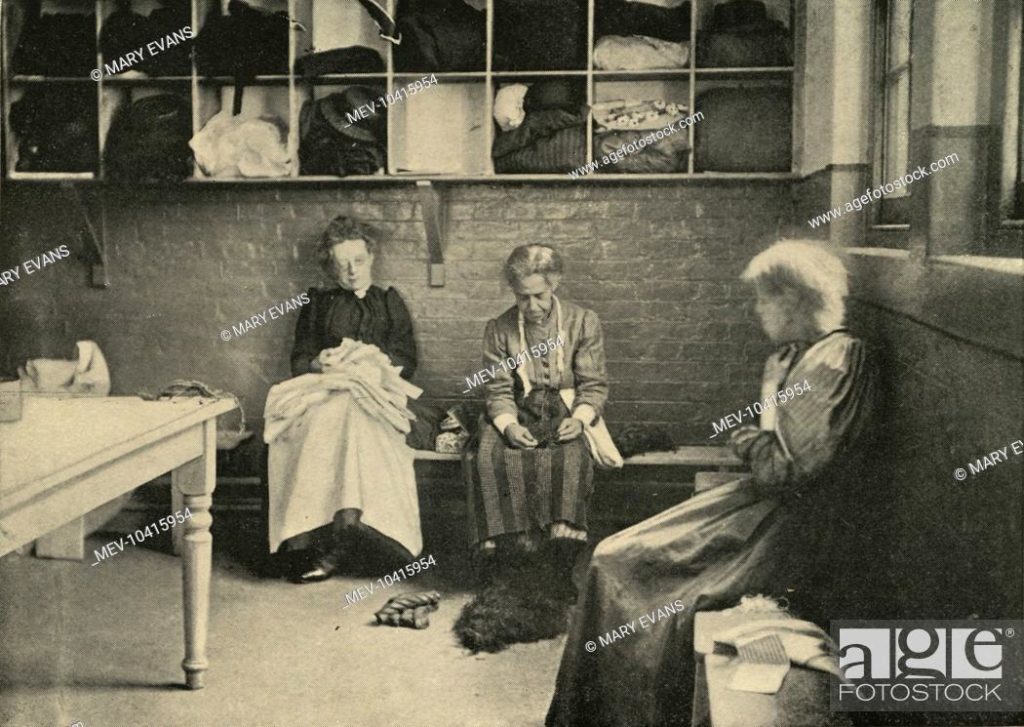
Conditions in our Lambeth casual ward were pretty terrible and people had to work extremely hard for a night in conditions barely better than the street from where they came. As their clothes were being fumigated, the inmates bathed collectively by gender and were then put to work. It is debateable as to what this work actually entailed, but was something like potato peeling for the frail or back breaking splitting of stones for the more able bodied. Folks didn’t even get to partake in the potatoes they were peeling, as dinner in the casual ward consisted of a kind of gruel made of dried oats, making the Lambeth Workhouse look comfortable by comparison.
To gain insight for his seminal work ‘Down and Out in London and Paris’, George Orwell visited casual wards very similar to the one that remains in Kennington today, and specific excerpts from the book can be found here. These remnants of social history are evaporating in the mind boggling dynamic changes we are encountering in Greater Kennington (Nine Elms being a prime example). However, with a nose around our patch you might make some discoveries yourselves if you’re clever and observant. And of course you are, as you’re reading this.
If rock splitting or potato peeling is a specific fetish of yours then you’re in luck. Casual wards, or ‘spikes’ as they were colloquially known, have their own Spike Heritage Centre in Guildford! Probably not the most cheery day out, but you can twin it with a local pub or a twirl around the Surrey Hills.
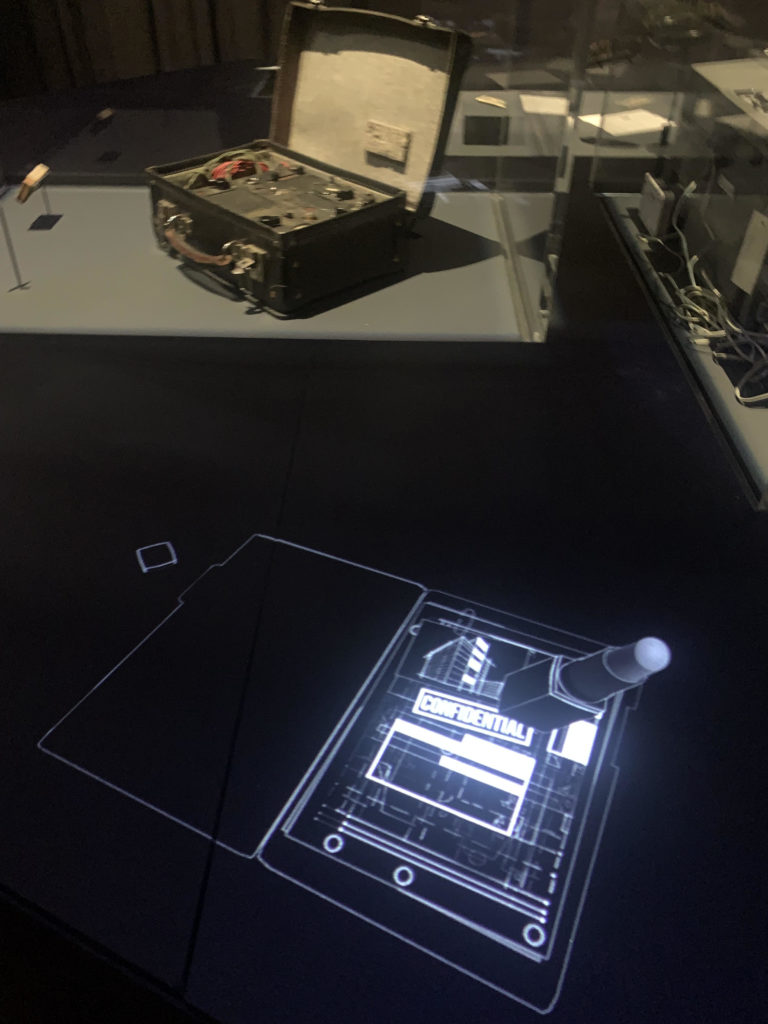
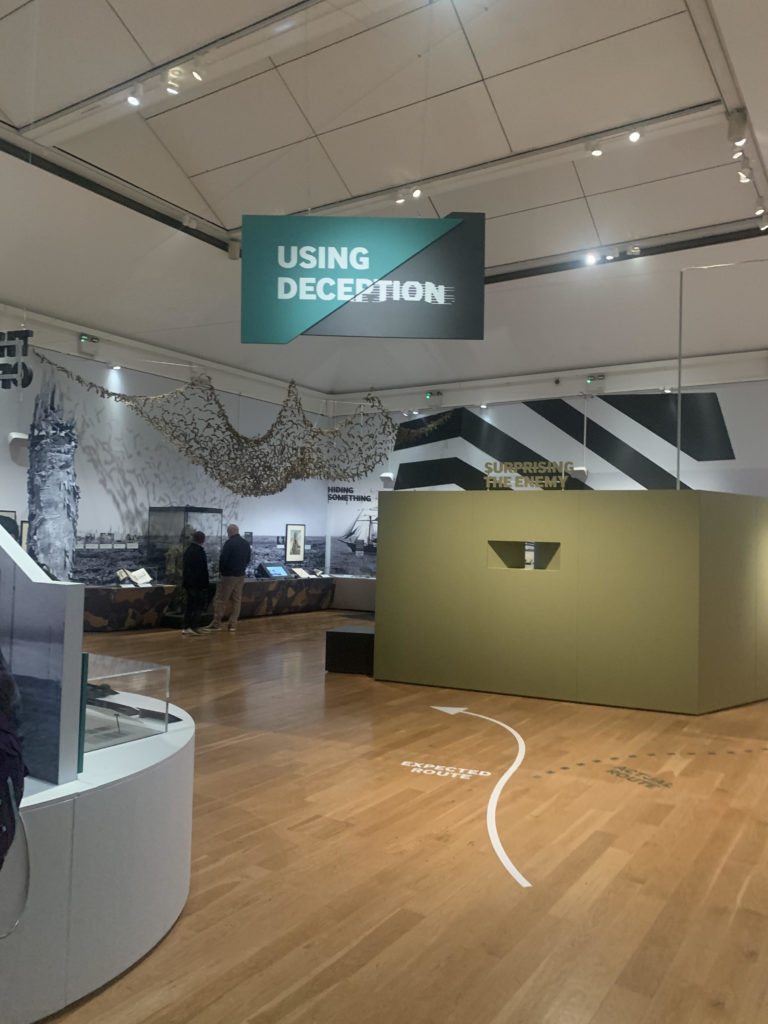
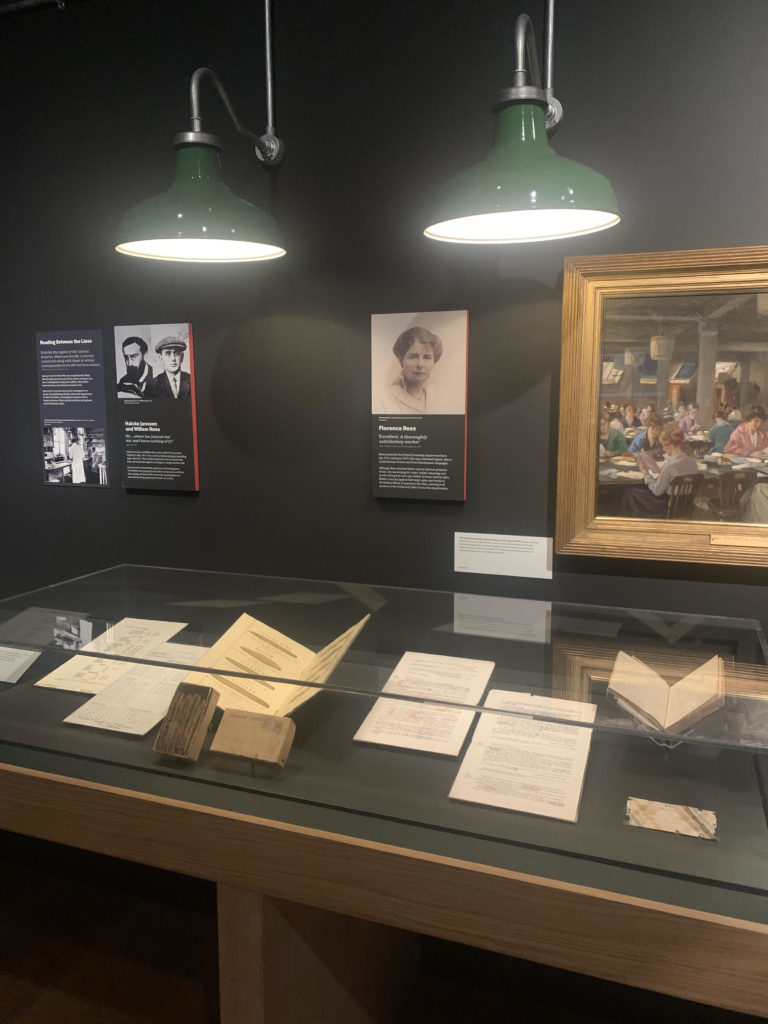
We recently visited the spanking new exhibit ‘Spies, Lies and Deception’ at our very own world class museum-that-you-probably-don’t-go-to, the Imperial War Museum. The exhibit covers the vast period from WW1 to deepfakes and AI, and like all good things in life is totally free.
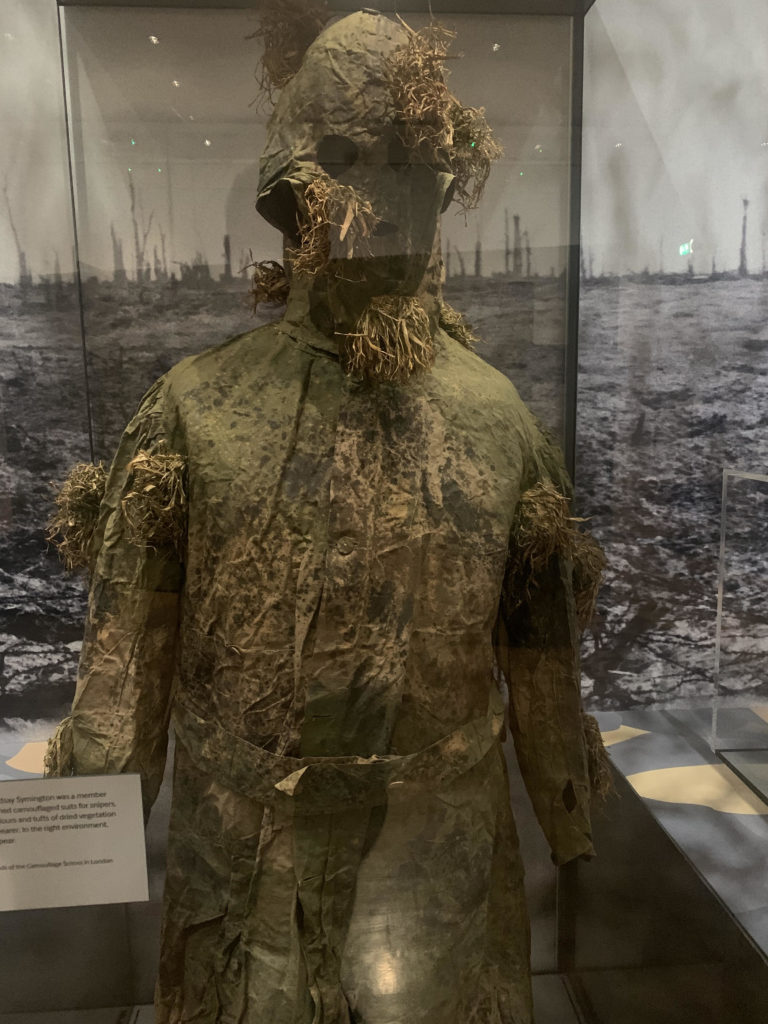
In this sprawling exhibit we initially learn that the fundamental goal of spying is to control a narrative to in order get the outcome you want. And what is on offer is the manifold ways in which this achieved, from pens that shoot teargas to ghetto blasters with hidden mics and fake airfields created by Shepperton Studios. The exhibit is broken down into smaller sections handily laid out as ‘Power of Persuasion’ (or the ability to control one’s mind), ‘Hiding Something’ (an Enigma machine features) and ‘Surprising the Enemy’ (eg camouflaged to look like a scary straw man). Now if only we could harness these skills to keep another estate agent from opening up in Kennington.
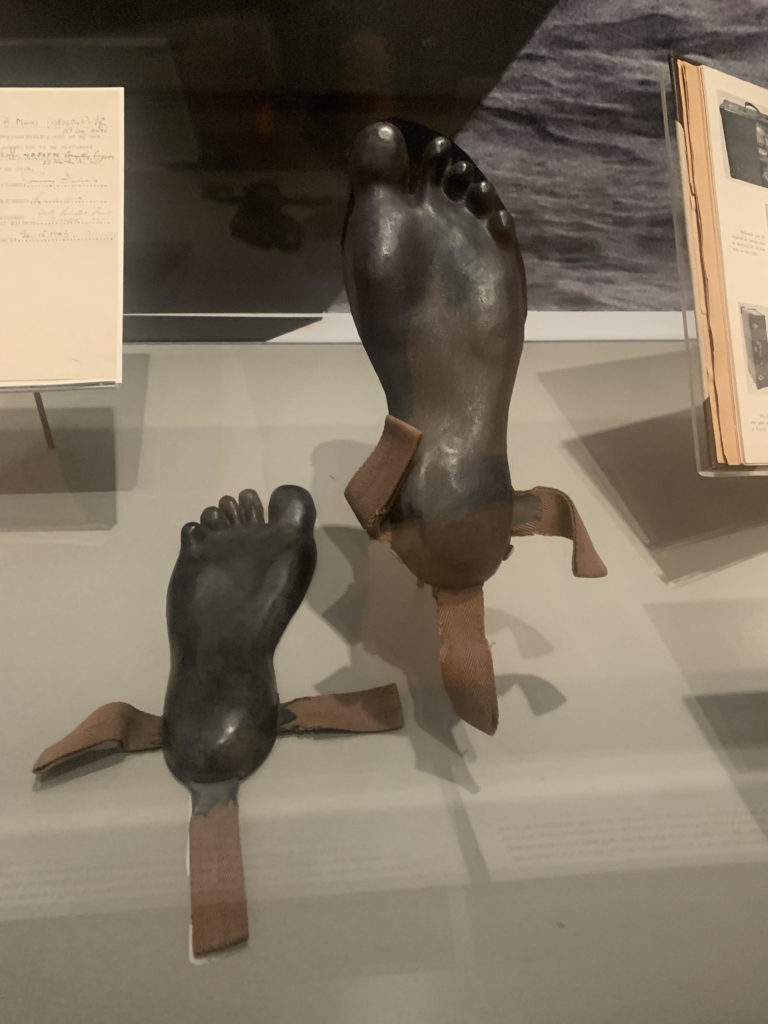
At its heart this is an exhibit about personal stories. These range from superspy Kim Philby to an unassuming middle aged couple who transformed their modest bungalow in Ruislip into a Russian spy HQ. And these stories continue to our present day, with a description of the Salisbury poisonings a few years ago. There are also stories on the home front about wireless operators and people sent covertly overseas and having to conceal this to their families. But our favourite display is the footprint overshoes used to create the illusion that the soldier was a local walking in the opposite direction.
If over the years you’ve given the IWM a wide berth because you think it promotes or celebrates war, we can assure you that this is not the case. It’s much more about the consequences of conflict, how to avoid it, and human resilience in the face of it. For those reluctant a good starting are the galleries about women during wartime, who kept the country moving as the men folk were fighting.
‘Spies, Lies and Deception is on now until 24 April so you have no excuse to not see it….Or just lie about seeing it to make you look clever and cultured.
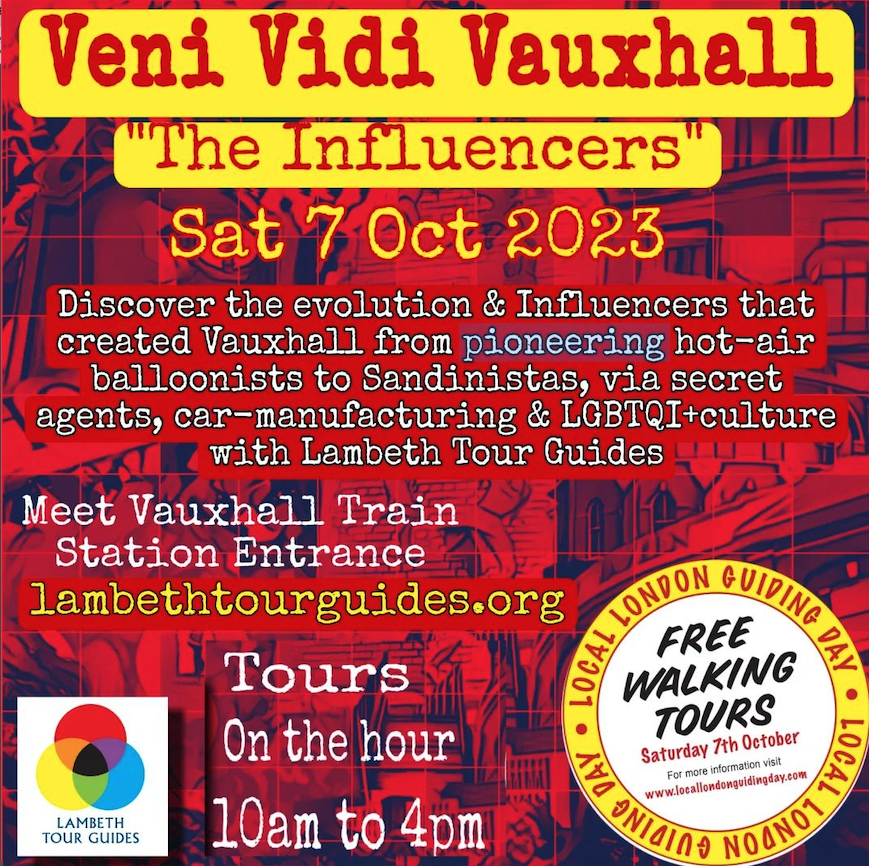
We here at Runoff Towers love nothing more that an old fashioned tour, and we’re here to tell you about no fewer than seven free tours taking place this weekend (7 October) in Vauxhall. OK, it’s the same tour done seven times, but it sounds very interesting for history buffs and others who are just generally curious.
The theme of the tour is ‘influencers of Vauxhall’. This puzzled us at first as you don’t really need to go on a tour to see people under the influence in Vauxhall, you just need hang out in front of the station for about five seconds. What it actually is about is the people and industries that established Vauxhall and made it the place we all know and love. So expect some interesting natter about Vauxhall Motors, Doulton Pottery, LGBTQI+ culture, spies, etc.
And please be aware that while these tours are technically free, they do appreciate a tip. So at the end don’t just walk blissfully into the ether (as we know what you lot are like) but pop them a fiver. Tickets can be booked by following the links on this website.
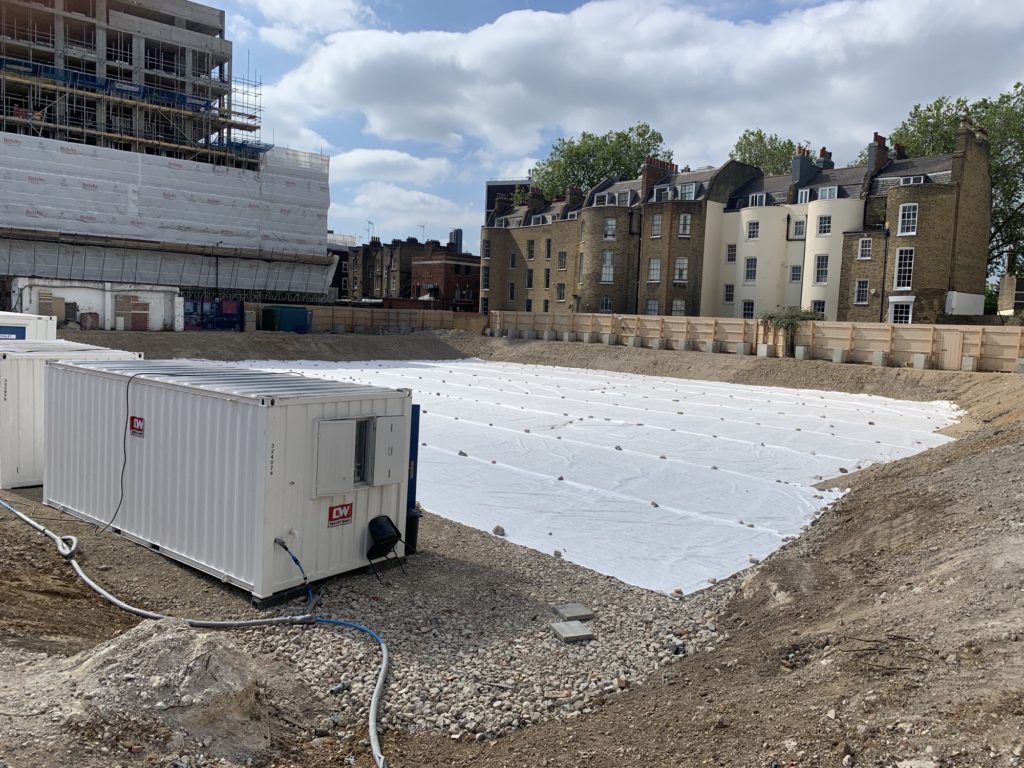
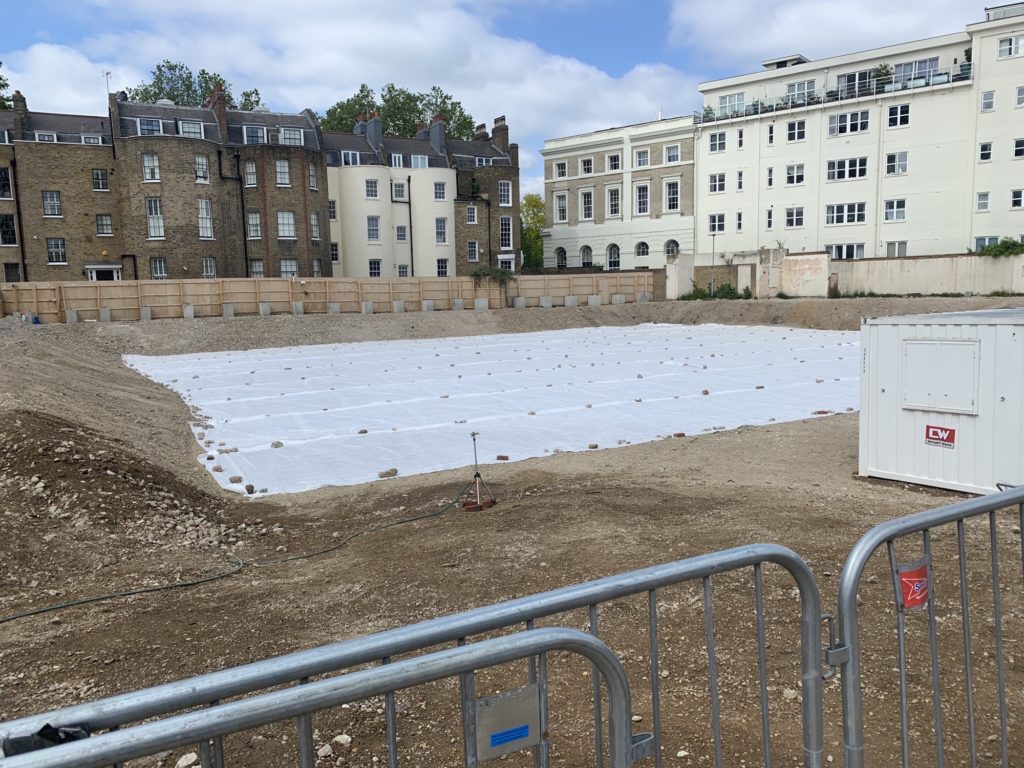
Ever wondered about the existence and future of that giant gravelled eyesore of a vacant lot next to the Beefeater Distillery in Montford place? Well we’ve just been on a tour with the developers and we’re here to fill you in on what’s in store
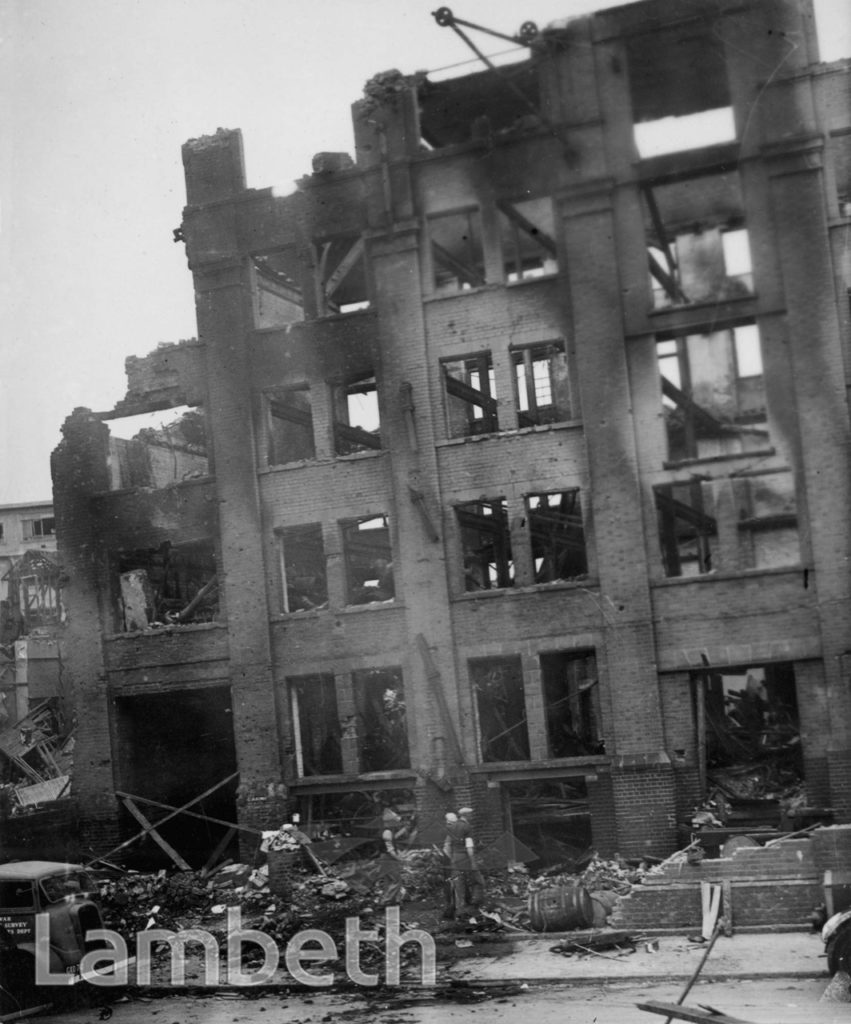
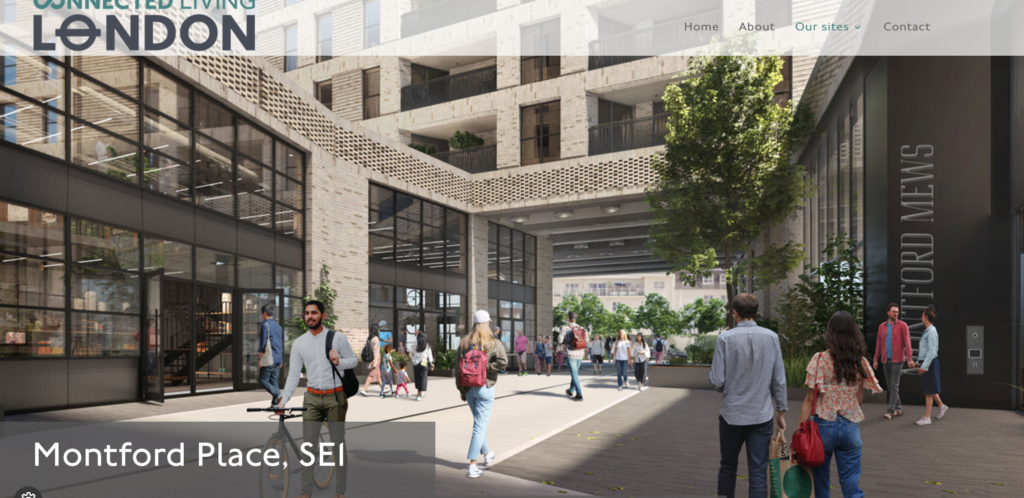
For many years the site was occupied by Hayward’s pickle factory until it was partially destroyed in 1944. The bit that survived lives on as the Beefeater Factory. After changing hands a number of times, the lot next to it was purchased by TfL in order to have a place to store equipment and lorries working on the Northern Line extension. TfL have now partnered with Grainger Homes to deliver 139 homes, 40% of which will be dedicated to affordable living. It will be 11 floors and occupy most of the footprint of the site, with grasses and trees included. Construction will started by the end of 2023 and it will be called Montford Mews
Not what it will look like, This is the pickle factory
My first question to very peppy and well informed TfL developer Susanne is probably the question that almost all Runoff readers are thinking right now. Namely, what do you call ‘affordable’ and why is it that only people in high earning jobs appear to be living in these allegedly affordable flats? She said that Lambeth Living determine what is affordable and it is usually between 40 to 60% of the market rate. She added that people are allocated the flats based on their earnings the previous year and preference is given for people already living or working in Lambeth.
Gripping site photos
On our previous tours of Oval Village across the road we asked about access to the general public and if people will offer a short cut between Kennington Lane and the Oval. They confirmed that it will, and Susanne confirmed that the public will be able to walk through the Montford site as well. There will be businesses on the ground floor, but they will be light industrial (ie offices). We were heartened to discover that the affordable living people living in the affordable flats will have access to the same amenities (gym, etc) as folks paying the full whack.
Susanne also mentioned another very similar project that will see 450 (!!) new homes built above Nine Elms tube station. However, dear reader, it was long ago we became unable to keep up with the vertical insanity of Vauxhall, so if you want more details click here.
Planning permission has been granted for both the Montfort and Nine Elms sites. But please don’t ask us to weigh in on planning consent as we did that once and we still can’t get that toothpaste back in it’s tube.
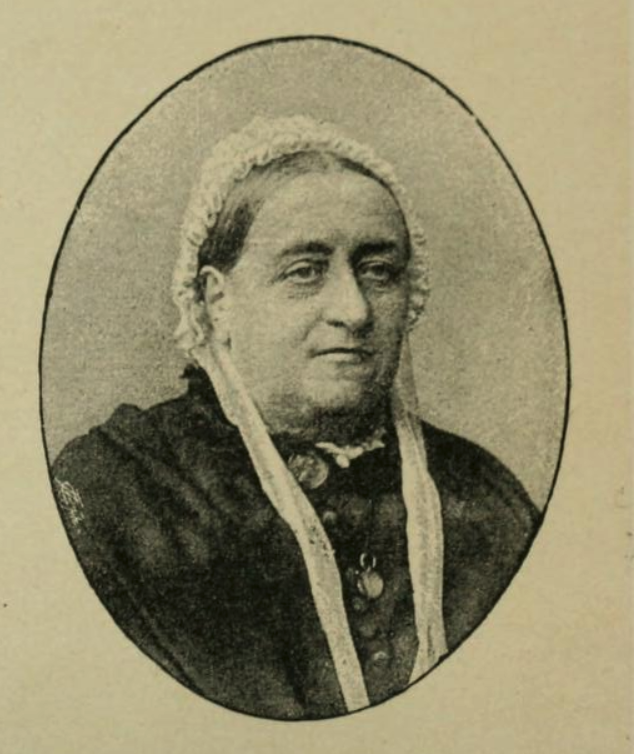
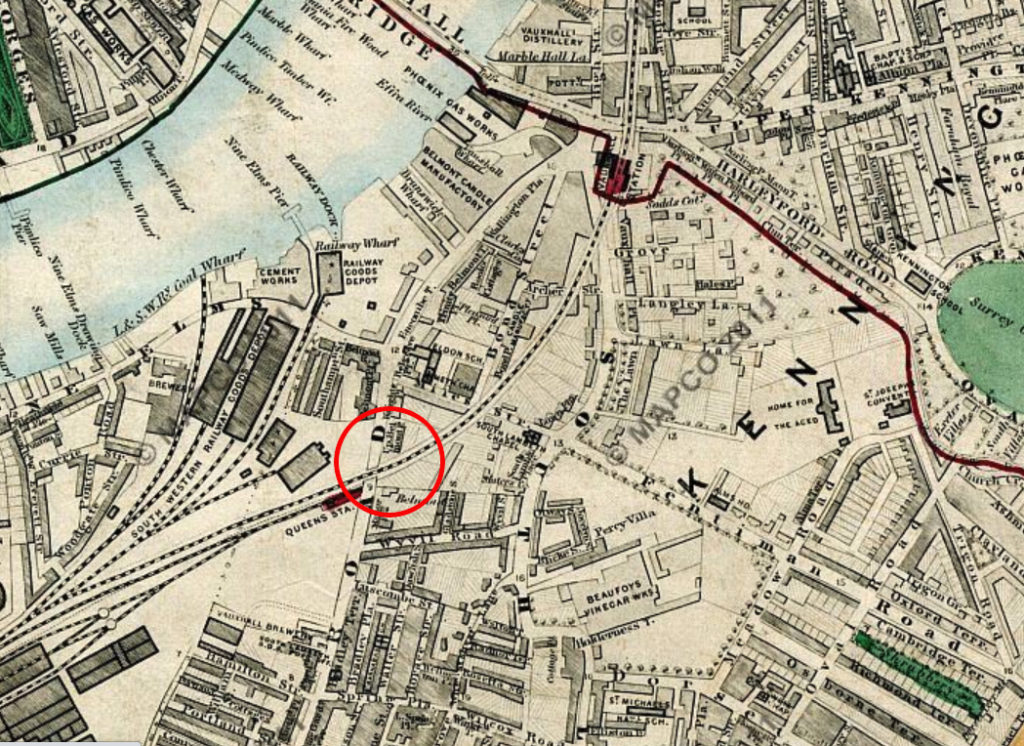
Next time you pop over to the big Sainsburys at the top of Wandsworth Road in Vauxhall, look across the street and beyond the soulless high rises that surround you. If you were in that spot 150 years ago you would have been met by raucous female ex convicts and the smell of starch and soap. This is all due to an extraordinary enterprise by a campaigner named Sarah Meredith, and we’re about to tell you what she did.
When forced deportation of prisoners to Australia was outlawed in 1857, the government had to decide how to reintegrate people who had served their time. Work for men was plentiful in places such as factories, but a unique dilemma was posed for females. People didn’t want them working in their homes for reasons of trust, and Susanna was aware of this. She started Nine Elms Laundry in a disused and shabby Victorian building with a goal of giving jobs exclusively to women who were trying to piece their lives back together.
Some women lived at the laundry and others commuted to their daily 10 hour shift. The rules of the laundry were prominently displayed but not enforced punitively. These included no alcohol or money on site, and the expectation that they would not leave the premises without permission. Women who served a subsequent sentence were not judged and welcomed back into the fold after they’d served their time. Women from all denominations were accepted, which was unusual at the time.
The laundry was arranged as a self financing enterprise with mostly middle class patrons. Such was the success of the business that Sarah was able to offer to clean the clothes of poor people in Vauxhall at a discounted rate. This was crucial at a time in which your appearance alone could determine whether you could put food on the table. Susanna was also able to off free laundry services to people living with infectious diseases.
Records show that Susanna and her sister were living in South Lambeth Road at the time so were close enough to keep an eye on the shop and give a little extra support to the vulnerable women in her employ. We all need a Susanna Meredith in out lives now and again, and we hope there are more folks out there like her.
Thank you to the good people over at Vauxhall History who wrote most of this article. They are a great place to explore.