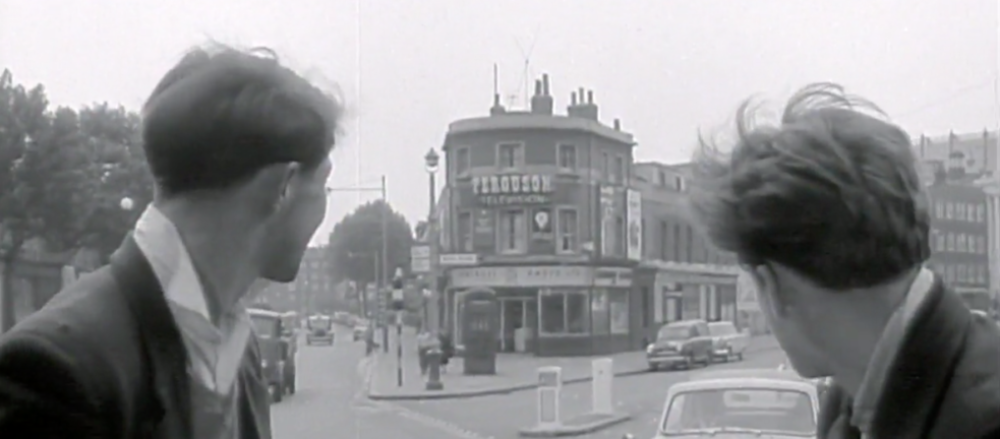
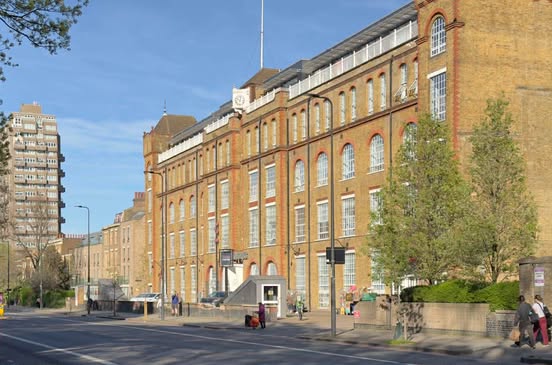
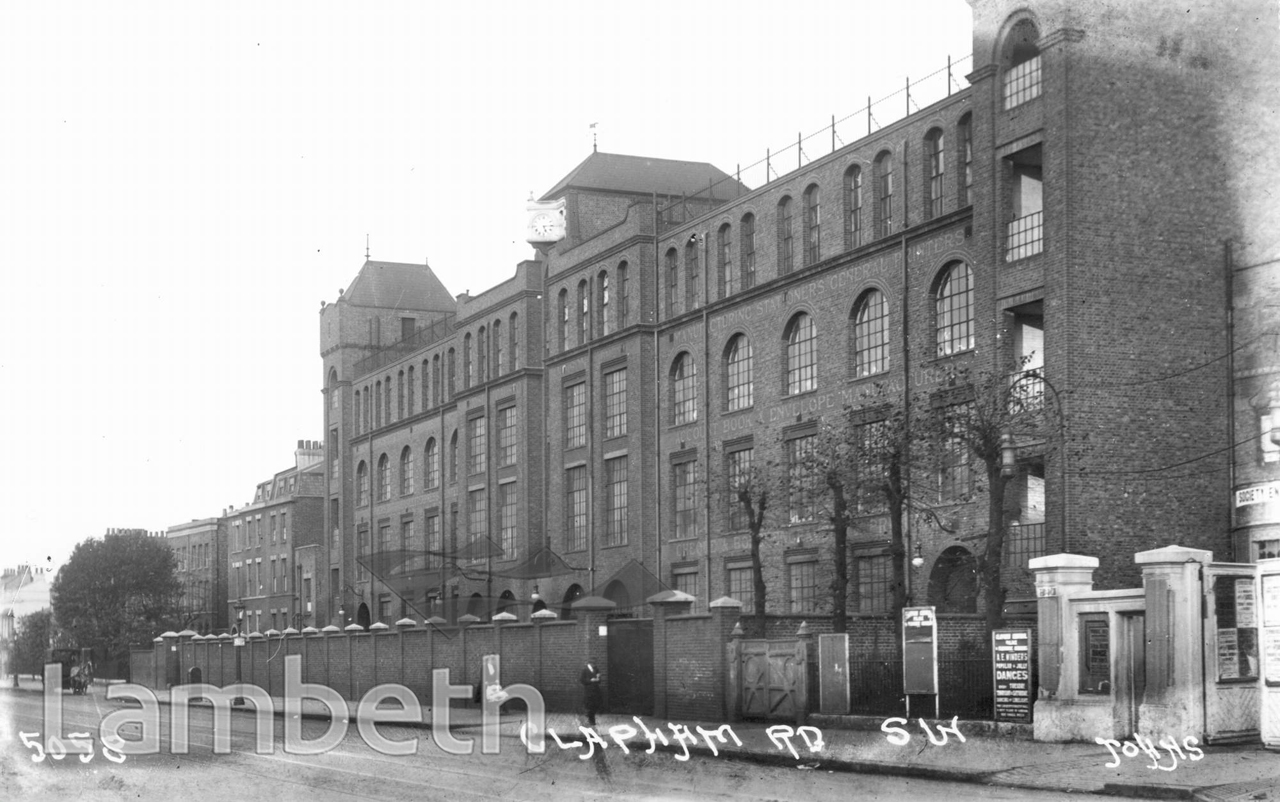
Today is May Day, celebrating worker’s rights, and next week marks the 100th anniversary of the 1926 General Strike. That prompted us to research the largest employer of Greater Kenningtonians at the time and it was Sir Joseph Causton & Sons at 139-143 Clapham Road/Brook Drive in north Stockwell (Stockwell is an area south of Greater Kennington). Causton & Sons had the very grown up job as a primary printer to the King, creating WW1 Air Raid advisory posters, and of course propagating information to the public. In their role as disseminators of information, they became deeply entangled in the ensuing strike.
The general strike began on 4 May, 1926 after the Trades Union Congress (TUC) called for solidarity with miners facing wage cuts. Printers were the first line of workers called out among the 1.7 million who stopped working. With printing presses silent, the closure of Causton’s presented a real problem for the TUC and people who wanted to spread propaganda about the noble cause. The TUC then scrambled to produce their own paper and the government produced one (edited by Winston Churchill).
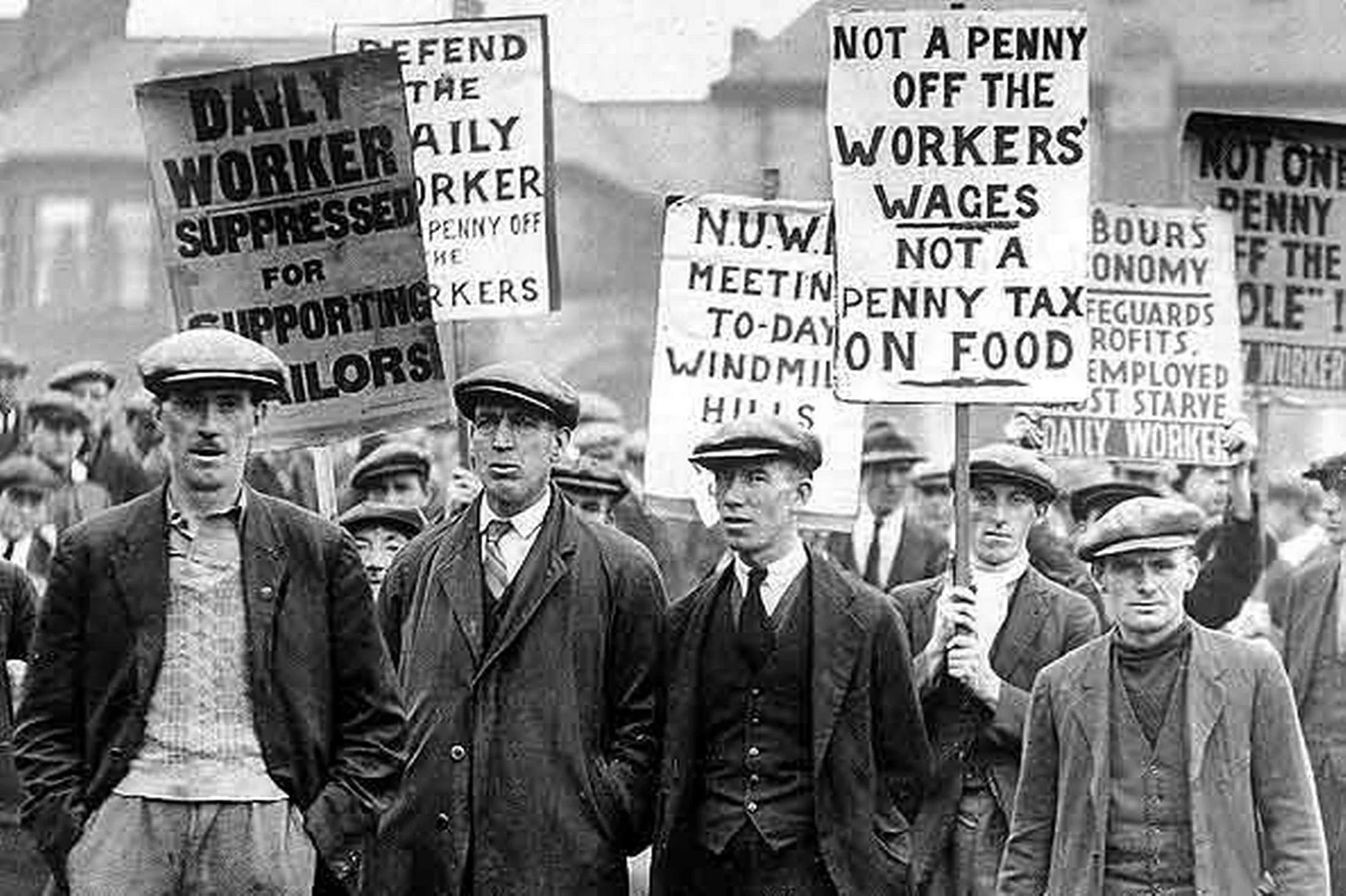
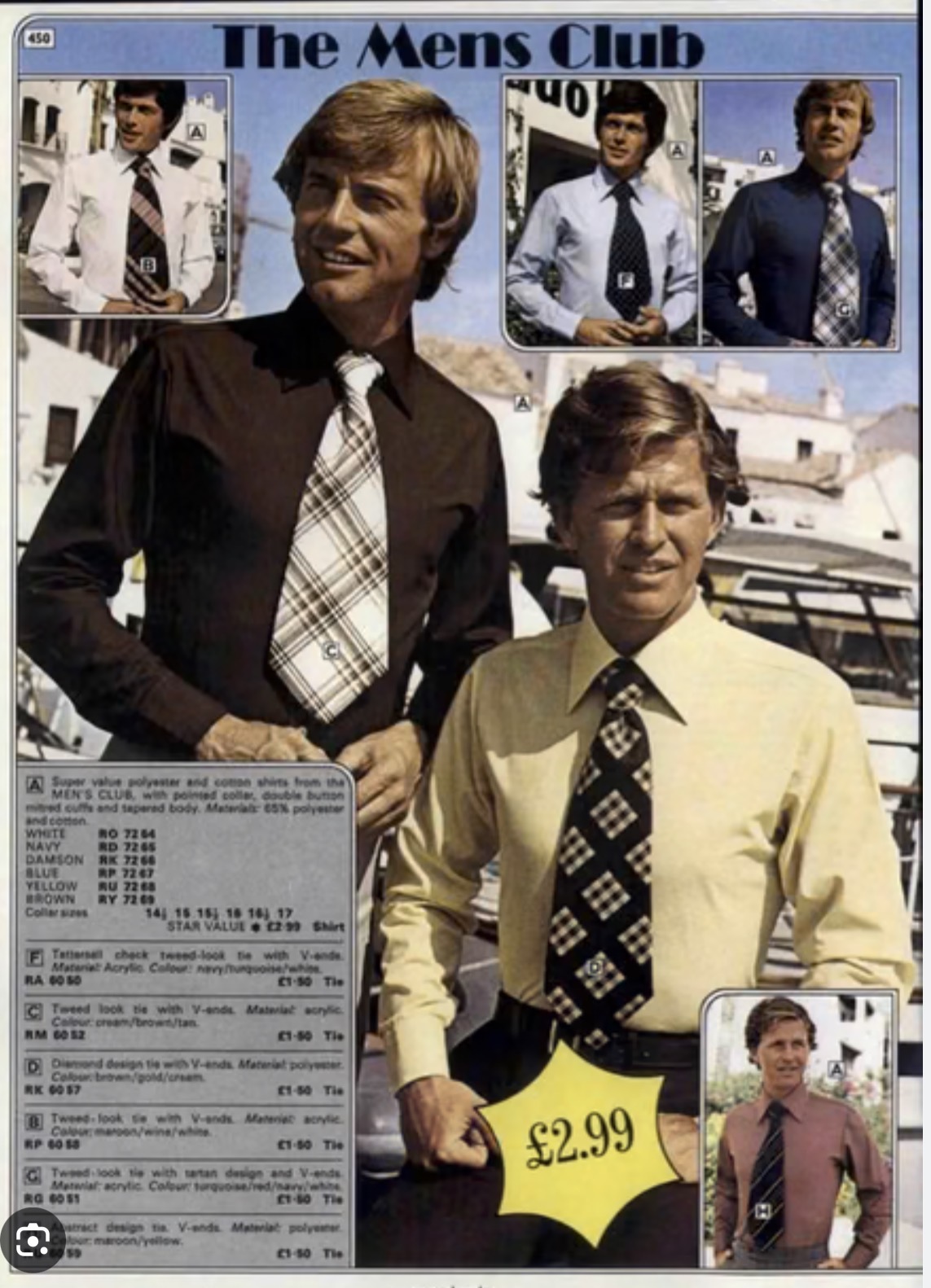
The general strike lasted nine days and afterwards sympathetic businesses forgave their striking employers and people moved on. However, some sided with the government and dismissed the strikers. It stands to reason that Causton’s were in the latter category as their customers included the Crown and government. Causton & Sons relocated in 1937 and the building was then occupied by Freeman’s Catalogue. Our more seasoned readers might remember Freemans as the home of the £2.99 polyester mega tie. It’s now home to a gym, an independent coffee shop, Tesco (a supermarket), and many flats. We’d like to give a shout out to Observer megafans Luca and Stuart, who live behind the building and took some photos for us. We love but you’re not getting paid. We barely do.