Open House London

We love nothing more than sticking our noses where they don’t belong, and what better opportunity to undertake this sniffy task is Open House London weekend, which beckons in a few days (21-22 September).

Open House London is an event which promotes the appreciation of architecture by flinging open the doors of otherwise closed spaces to the public, and is totally free. There are a range of venues open for us to see in Lambeth and Southwark but lets not be precious about our anointed patch of earth; there’s stuff going on around the capital (800 and counting, apparently). Below are links to local things we have seen recently and recommend. Last year we particularly enjoyed a gander around the former Beaufoy Institute in Black Prince Road, which has been turned into a Buddhist centre.

International Maritime Organisation

https://openhouselondon.open-city.org.uk/listings/7730

National Theatre

https://openhouselondon.open-city.org.uk/listings/1172

The Beaufoy (Diamond Way Buddhist Centre)

https://openhouselondon.open-city.org.uk/listings/7275

Kia Oval

https://openhouselondon.open-city.org.uk/listings/7143

Waterloo City Farm

https://openhouselondon.open-city.org.uk/listings/6775

Kirkaldy Testing Works

https://openhouselondon.open-city.org.uk/listings/856

The Old Operating Theatre Museum and Herb Garret

https://openhouselondon.open-city.org.uk/listings/1268

If you have your heart set on seeing the inside of Lambeth Palace don’t get your hopes up as we’ve tried for the better part of 20 years and solving the great pong of Kennington tube is probably more achievable. If you want to have a go at seeing it and other iconic venues (such as 10 Downing Street and Mansion House), bookmark Open House in your diary and apply next summer.  Here’s to being nosy!
A Celebration of the Gasholders at Oval

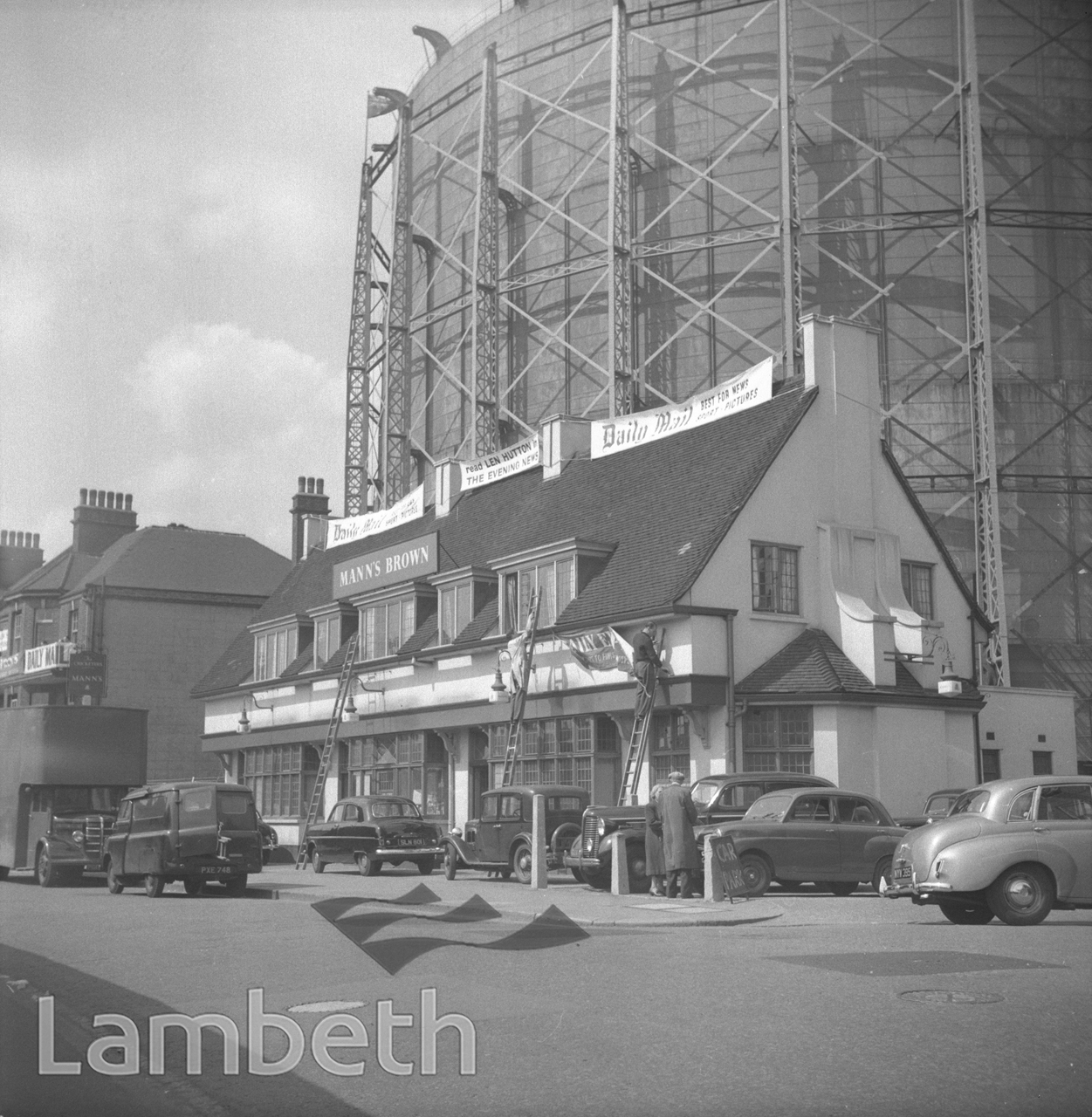
As regular readers to the Runoff are aware, the iconic gasholders at Oval will soon become past tense, with the exception of the possibly least attractive one (Gasholder 1,below, in a photo from 1957) closest to Montford place which will have it’s middle filled in by flats. The others are to be taken down and replaced by mixed use flats and shops constructed by Berkeley homes. This little missive is not to open the Medusa like can of worms that surrounds the judgement of this decision, but rather a celebration of our soon to be extinct wrought  iron friends.

Lambeth13851

Our gasholders are symbols of a bygone age of belching factory chimneys, pea soup fogs and mass manufacturing in London. They stored gas and moved up and down depending on the time of day the gas was needed by industry and residents. When regulators in homes and factories became more robust, however, this became less essential .The paired green gasholders closest to Vauxhall street were erected in 1874 and 1876 in a neo classical style and have Tuscan columns. These would have originally held gas used to service industries at Vauxhall Bridge, and later to homes in Oval, Vauxhall and Kennington. After quite a bit of disagreement in Lambeth these structures were not granted Grade 2 listed status, but given a ‘local listing’, which ultimately sealed their fate.

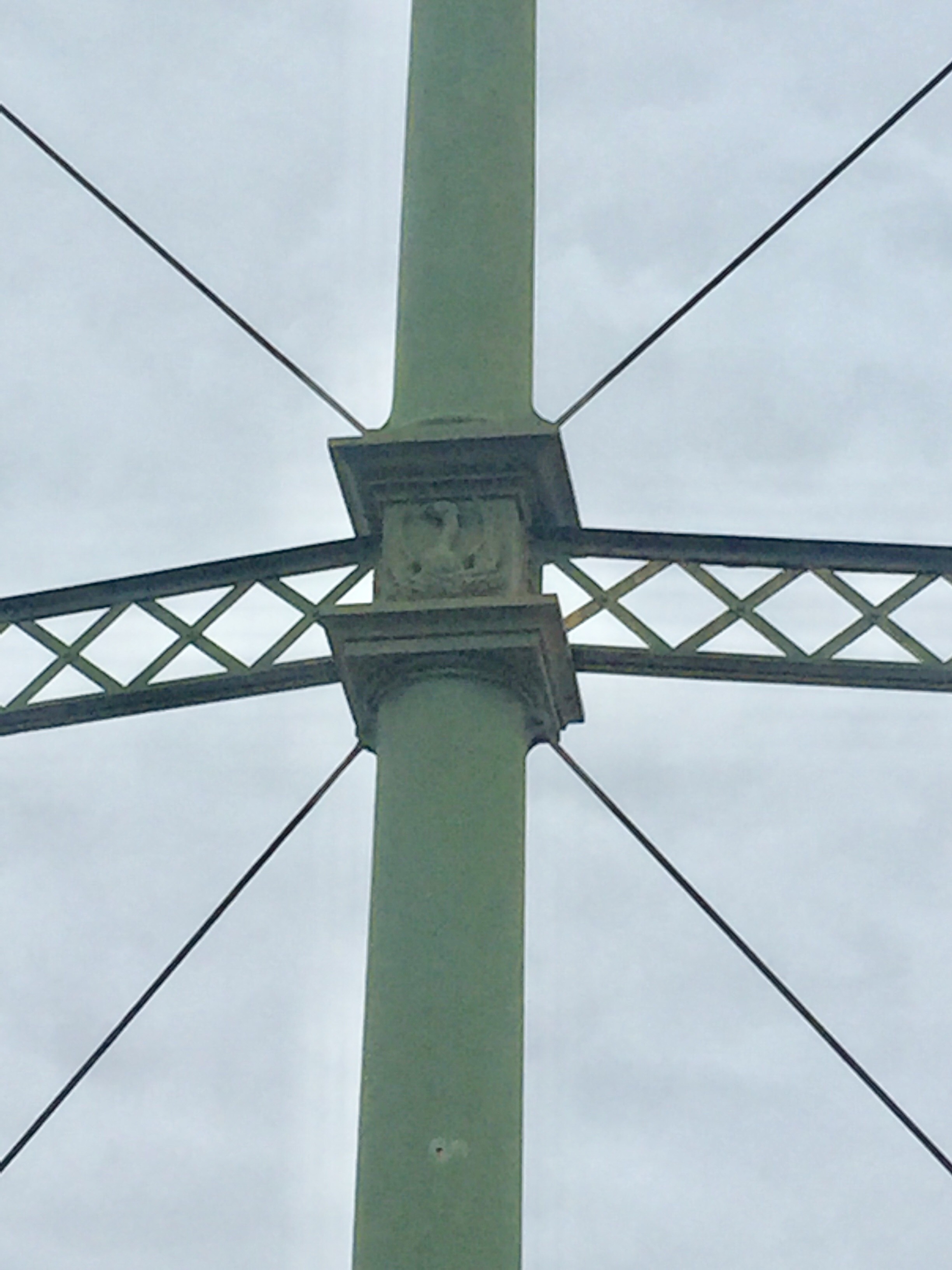
The iconic Gasholder 1 was constructed in 1877 and at the time was the largest such structure in the world. It was designed by Frank and George Livesey and these two factors, combined with it’s very fortunate location overlooking the cricket ground, saved it’s hollowed and hallowed skin. In a similar note, after being behind hoardings since the dawn  of time the sketchy Cricketers pub at the base of the holder seems to now have a new lease on life, risen like the phoenix from the ashes as depicted on our soon to be removed gasholder 4.

Image-1.png


Eleanor Coade and the Code of her Stone

We’re going slightly off grid here to take you up to the Kennington suburb of  Waterloo. If you’ve ever had the misfortunate of being trapped in a srcum of people trying to make their way into ‘Shrek’s Adventure London’ you might have noticed a remarkably pristine and proud lion on the southern end of Westminster Bridge, guarding the entrance in Lambeth. The lion was created by William Woodington but was cast in a remarkable stone invented by local resident and female pioneer Eleanor Coade and is called ‘The Coadestone Lion’.

lionbrewery_875

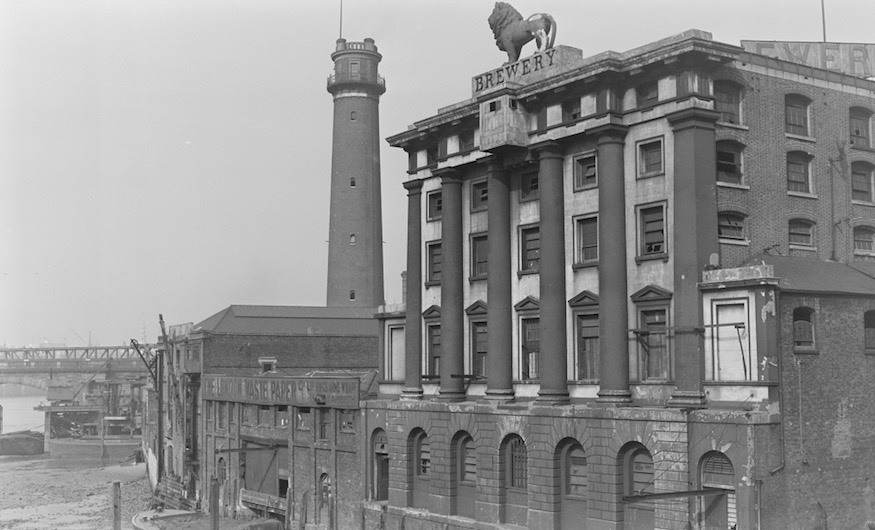
Our feline friend was created in 1837 to dangle at the pinnacle of the Lion Brewery. The building was pulled down in 1949 to make way for the Royal Festival Hall and the poor beast then suffered a number of indignities including having a time capsule stuck up his bum, being painted red, and then getting dropped. After a brief stint outside Waterloo station his destiny was preserved at the bridge in 1966 and afterwards he achieved a Grade II listing (talk about hard work). His noble and pristine appearance has endured due to Eleanor’s  invention of a highly durable, frost and freeze proof artificial stone, which is actually a kind of ceramic. The formula was created in our backyard by Eleanor at the cusp of the 18thand 19thcentury.  Eleanor is said to have taken the formula to her grave when she died in 1821, and it has since been lost.

South_Bank_Lion_(5809599144)_(cropped)

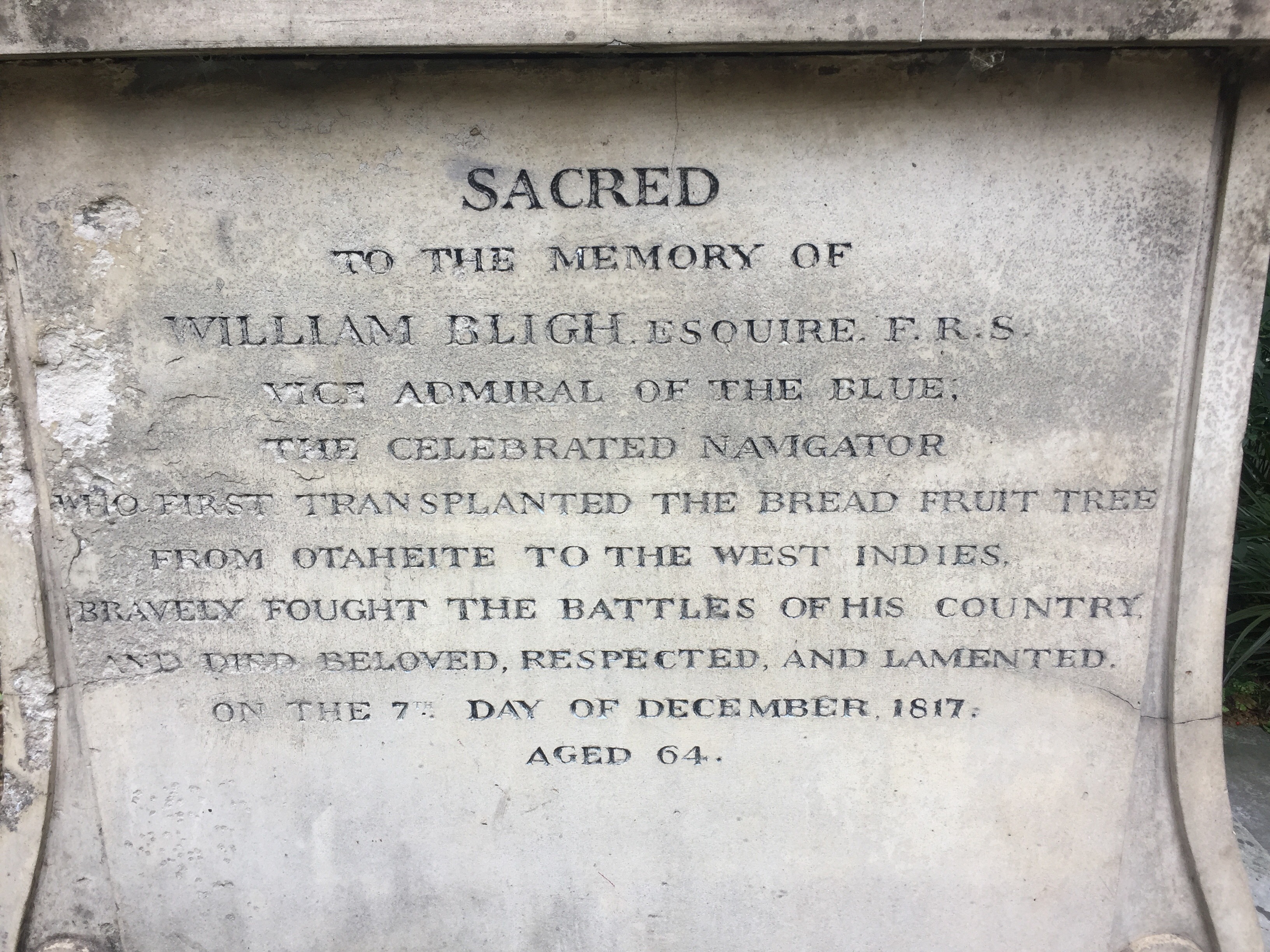
There were a number of potteries and ceramics factories experimenting with artificial  stone in Vauxhall at the time and perhaps Eleanor chose to ply her trade in our area in order to capitalise on the industry. In spite of stiff competition, Coade’s stone proved very popular and was commissioned for  use in Buckingham Palace, the National Gallery, and the Royal Opera House. If you would like to see specimens of her craft but are afraid you might turn to stone yourself if you leave greater Kennington, check out Captain Bligh’s tomb at the Gardening Museum, the porch at the main entrance of Brunswick House, or the lovely gargoyles above the windows at 57 South Lambeth Road next to the ‘opposite of lovely’ Travis Perkins. After 1840 her formula was lost and has never been recreated.

Have a nice weekend and enjoy exploring….

St. Anselm’s Church Frieze Being Carved

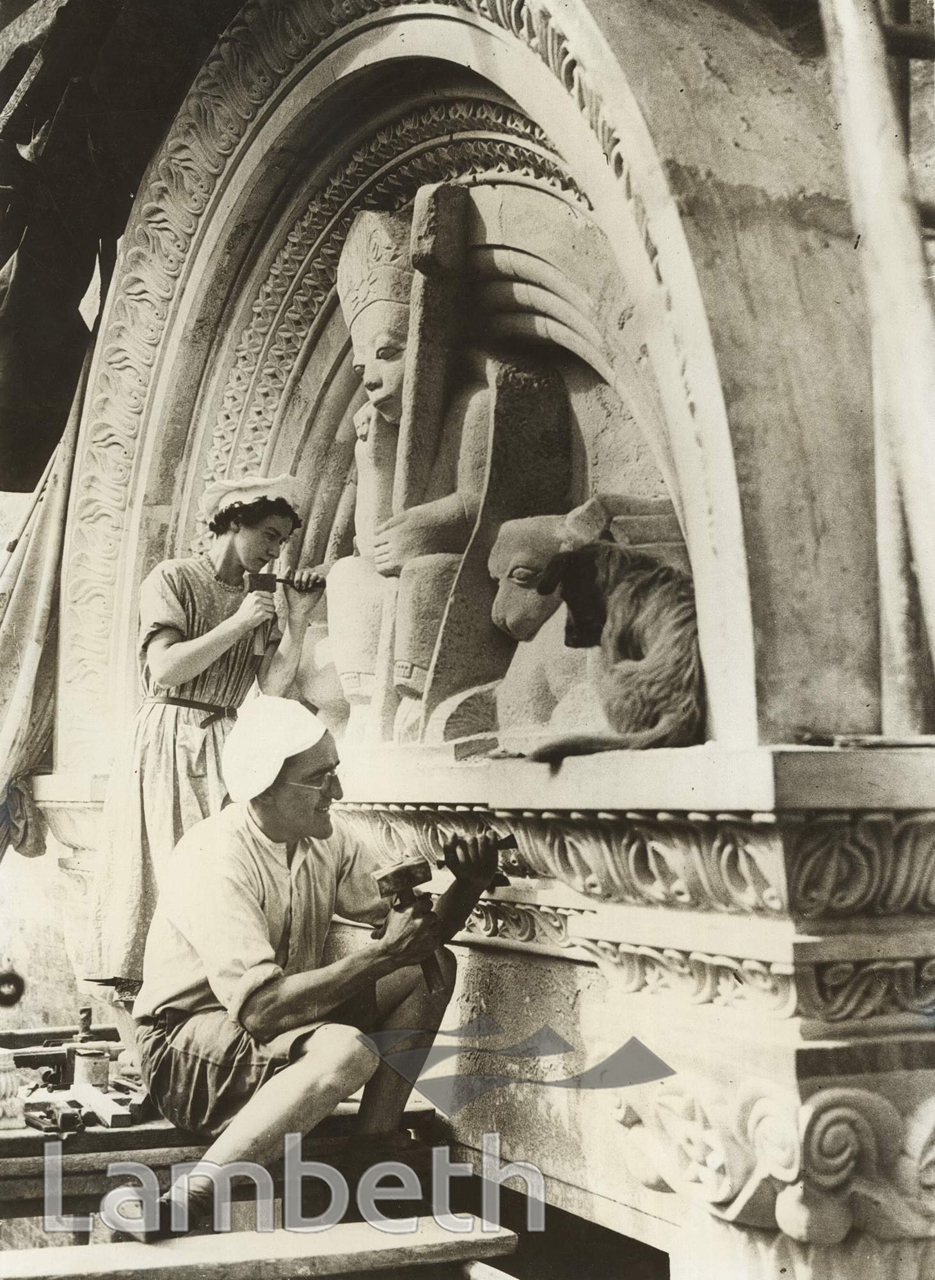
Third in our series of historic photos of Kennington takes us to St. Anselm’s church. This photo was taken during the summer of 1933 and depicts the frieze above the Romanesque doors being carved. The artist is Alfred Gerrard, who at the time was head sculptor at the Slade School of Art and is at the bottom of the photo. Carving must be very good exercise, as Mr. Gerrard lived to be 99, 65 years after this photo was taken.

Lambeth12336

Church of England Society for Waifs and Strays, 1935

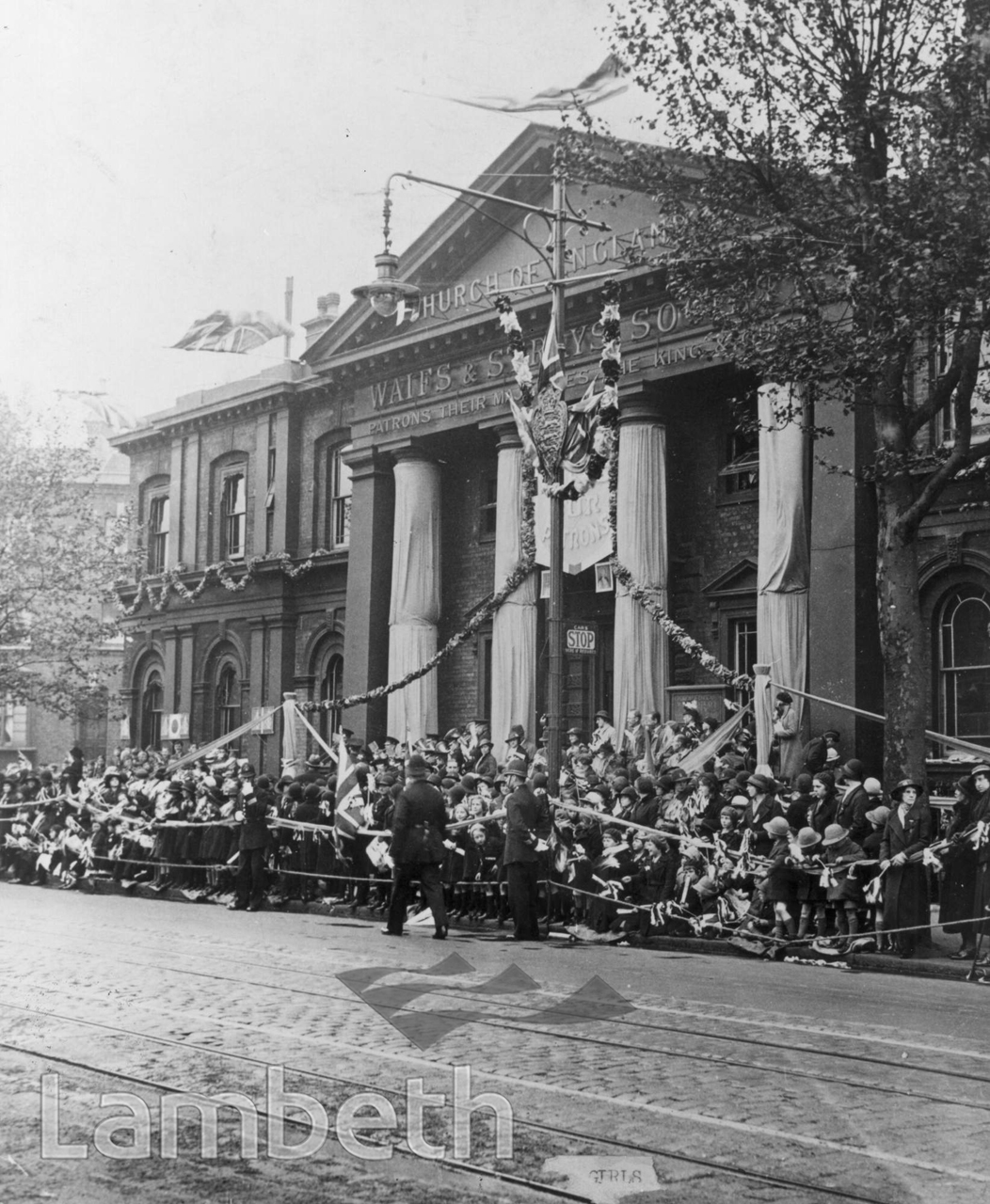
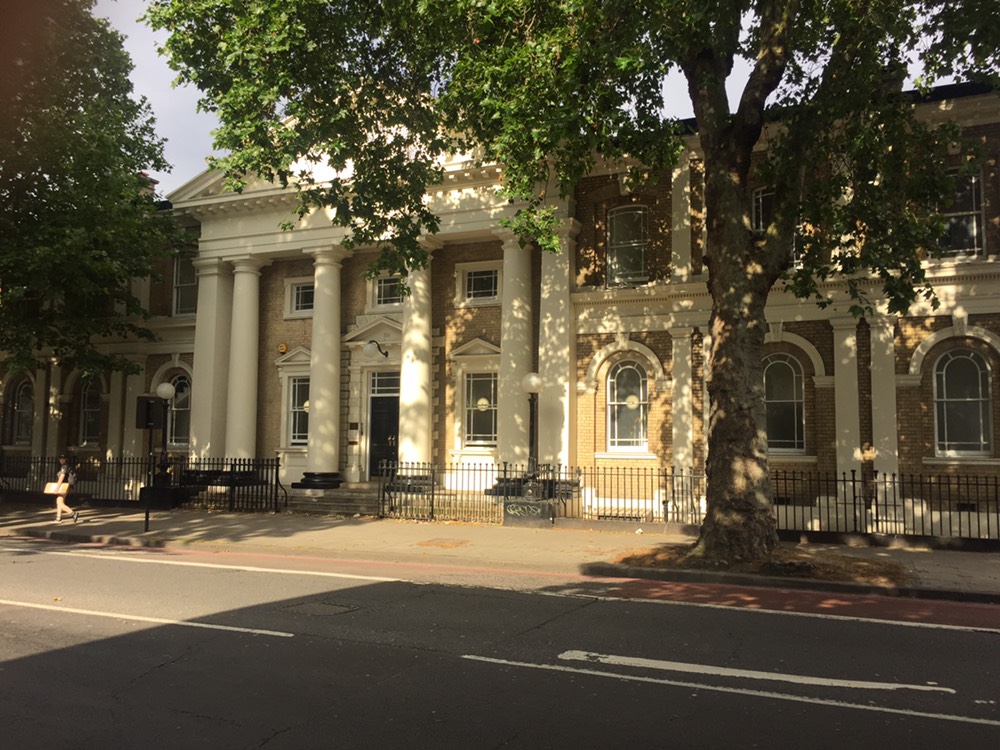
Do you recognise the festive, festooned building below? The date is 1935, and the kiddos outside are eagerly awaiting a visit by King George V to their home. The building still very much stands at the base of central Kennington, but is now largely empty except for a video production company around the back.

The neo-classical, Grade II building you are looking  at below was built in 1852 and was the Vestry Hall (essentially the Town Hall) for Lambeth until things started getting a bit tight at the turn of the century. That’s when the Town Hall abandoned us for bigger spaces in Brixton. Lambeth then leased the building to the Church of England Children’s Society as their headquarters. Also known as the Waifs and Strays, the charity arranged pastoral care and fostering for poor and destitute kids who lived there, and the kids feature in this photo.  It served this noble purpose until another Charity, the Countryside Alliance, moved in behind the columns in 1986.

Lambeth20032Image.png-4

The Gardening Museum and a Scary Tony Blair Gnome

Our second gardening blog in a week, you lucky devils! Over the weekend we popped over to the Gardening Museum to inspect it’s not so recent (2017) renovation and to see if it’s worth getting your hands dirty for.

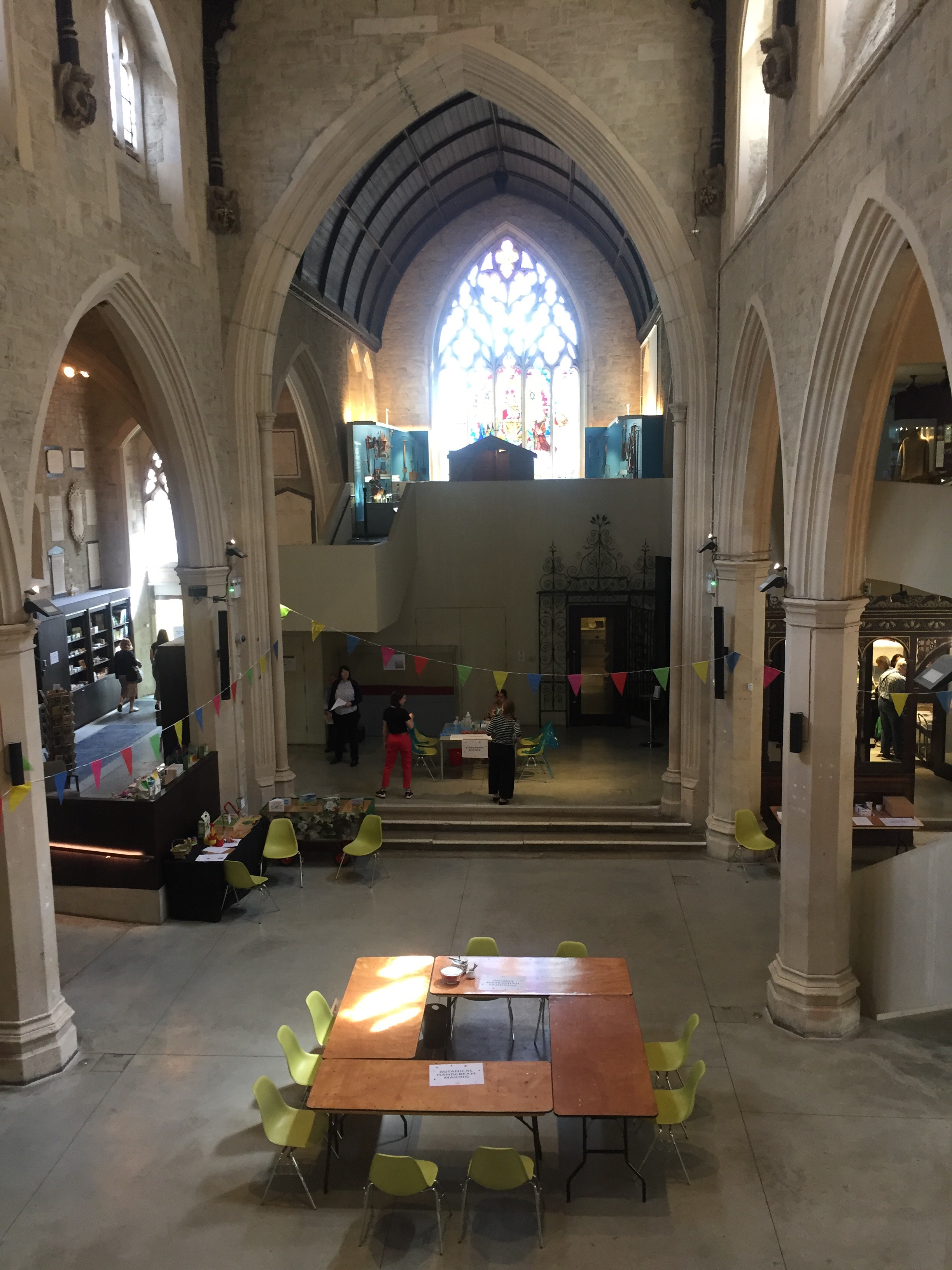
The museum is set within a 12thcentury church next to Lambeth Palace (and visitors can climb the original tower). Surprisingly, the church was  almost demolished in the 1970’s but saved by gardening enthusiasts (and Charlie Chaplin)  keen to preserve the memory of John Tradescant, who’s garden themed tomb still stands in the outside garden. The deconsecrated church setting is one of the primary features.

Image-3.png

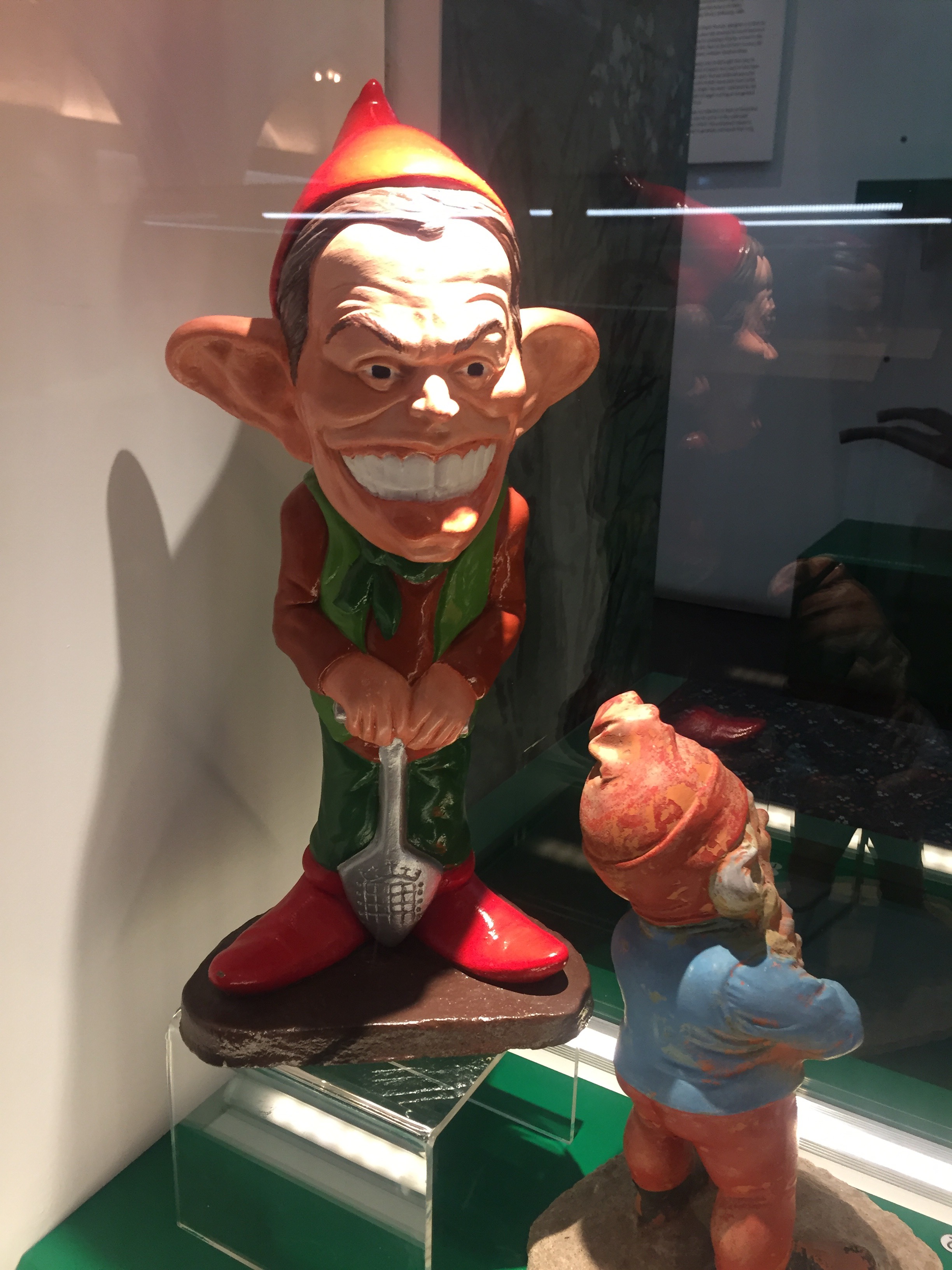
The museum itself is on the small side and encompasses bedding design, implements, seeds, and how ‘plant hunters’ brought plants to the UK from around the world which still flourish to this day. There are also paintings and sketches. The exhibits also includes interesting displays of old lawn mowers, FlyMo’s and even (wait for it) a collection of garden gnomes!  Our favourite is a slightly psychotic gnome which bears an uncanny resemblance to Tony Blair:

Image-2.png

The author of 90% of content here on the Runoff was undertaken by my brilliant predessesor who heretofore shall be referred to as ‘Jamie’. Jamie was a big fan of the café at the Gardening Museum and s/he made it their number one pick for best local restaurant earlier this year (In case you wondered Jamie isn’t dead). It is bright, open to the gardens and very informal if not a bit pricey. A little courtyard in the middle of the restaurant is dominated by the tomb of William Bligh (of Mutiny on the Bounty fame) and family. The inscription to his wife being every bit as moving as that of his on the front.

Image-1.png

At £10 the museum is a bit on the steep side but if you want to get the dirt on gardening it is certainly the place to be. And it has a nice shop!

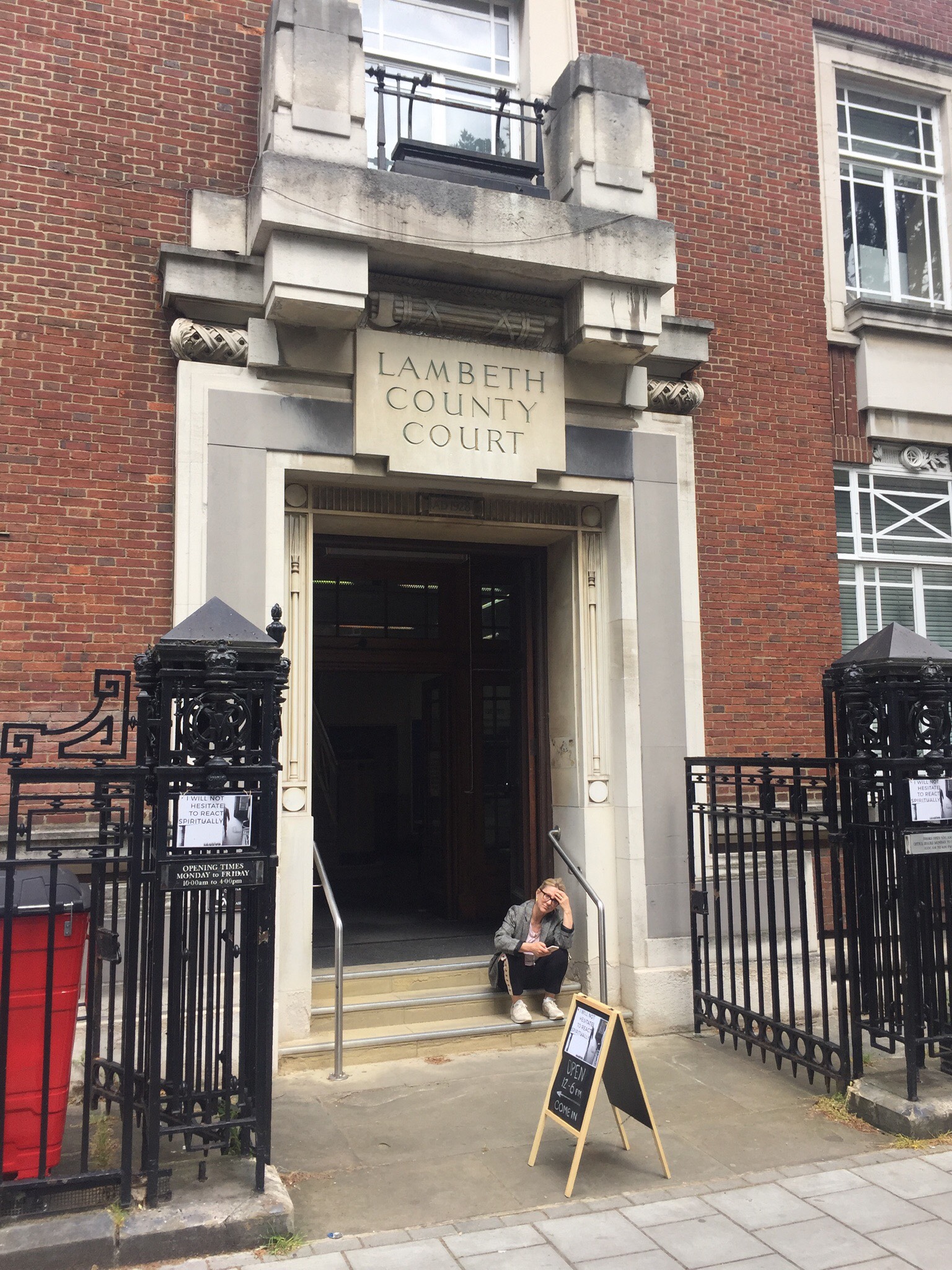
Lambeth County Court

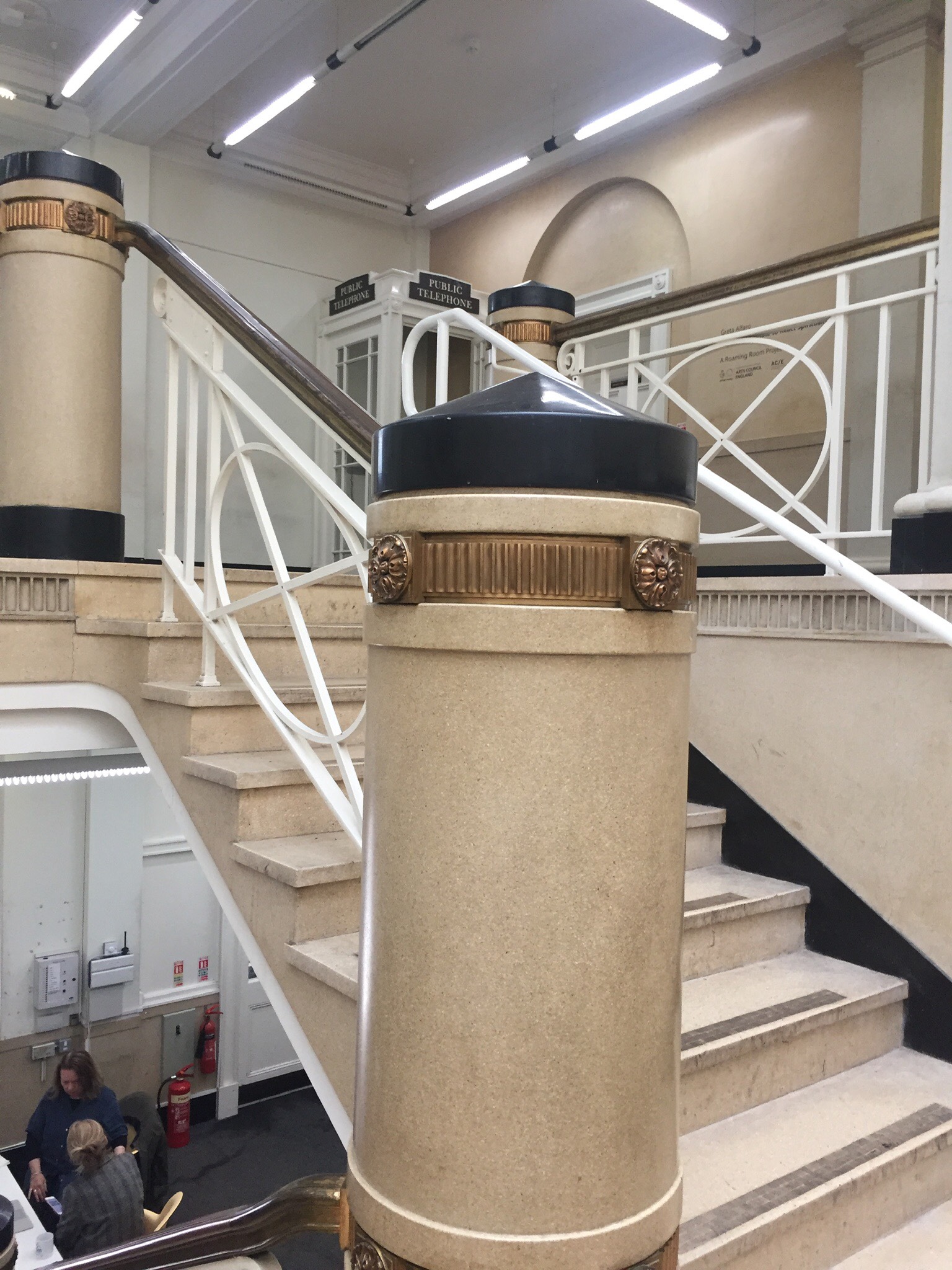
Do you like architecture? Do you like site specific art stuff? Well the Runoff loves both, and if you are a kindred spirit you’re in double luck. We’ve just noticed that the old Lambeth County Court building in Cleaver Street, which closed forever at the end of 2017 after 90 years hard service as a housing court, is hosting a site specific art installation and it is open both this weekend (1-2 June) and next weekend. This will probably be your last ever chance to see the 92 year old art deco beaut  before it is handed over to developers and probably turned into _______  ________ (I’ll leave you to fill in the blanks, but it isn’t ‘subsidised housing’).

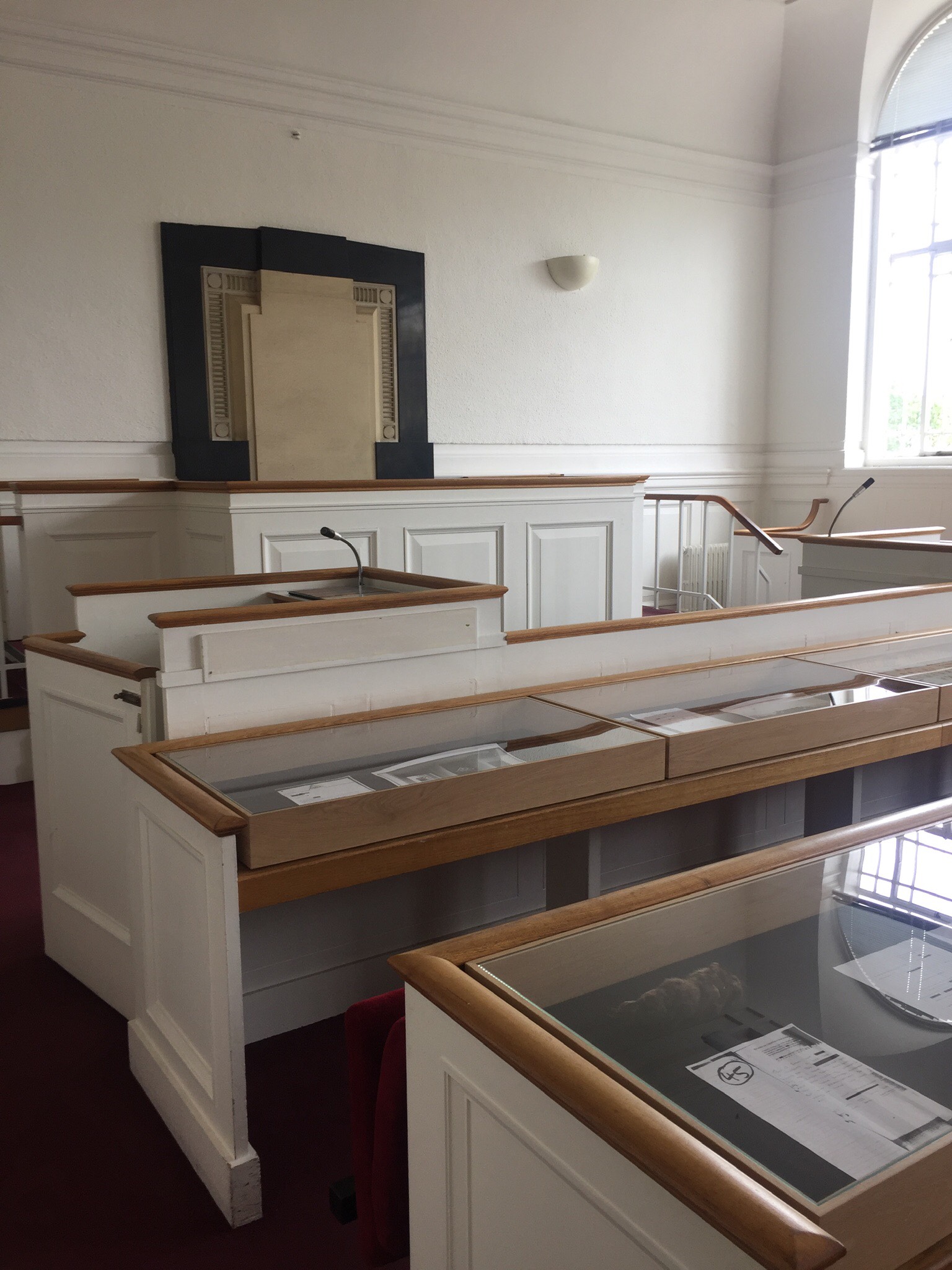
The artist in question is called Greta Alfaro and the show is called ‘I Will Not Hesitate to React Spiritually’. I’ll let the website do the talking about the content of the show. Meanwhile, open to Kenningtonians is the main reception area, the stairwell, a courtroom, and a further room which features a video installation of a person in a powdered wig and a veil tap dancing on a table. Enjoy!

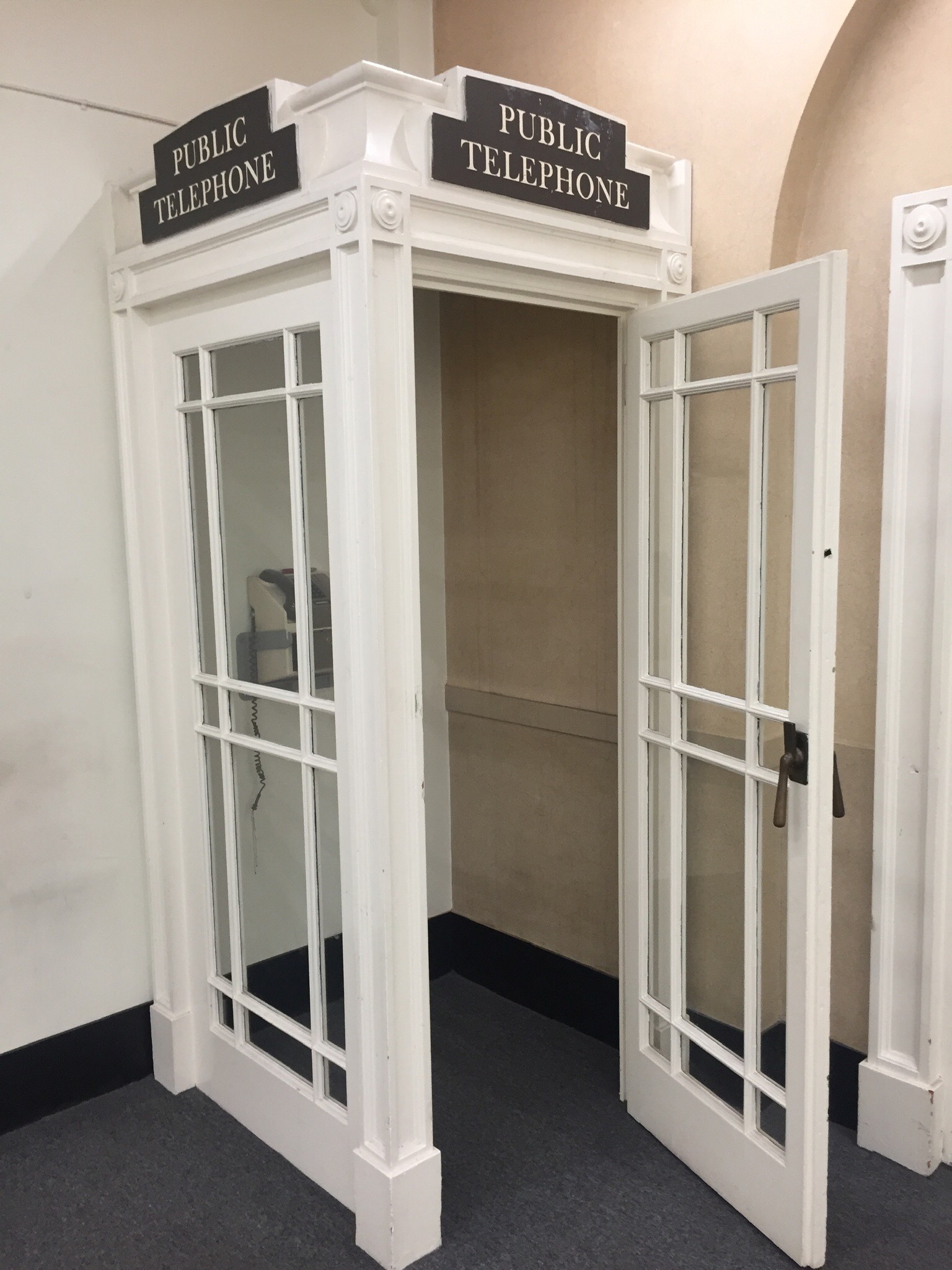
I also accidentally opened the doors to some other rooms which were unlocked, but I couldn’t possibly recommend that you do likewise. Photos below…..Image-5.pngImage-1.pngImage-2.pngImage-4.png

How a Beefeater Ended Up In Kennington

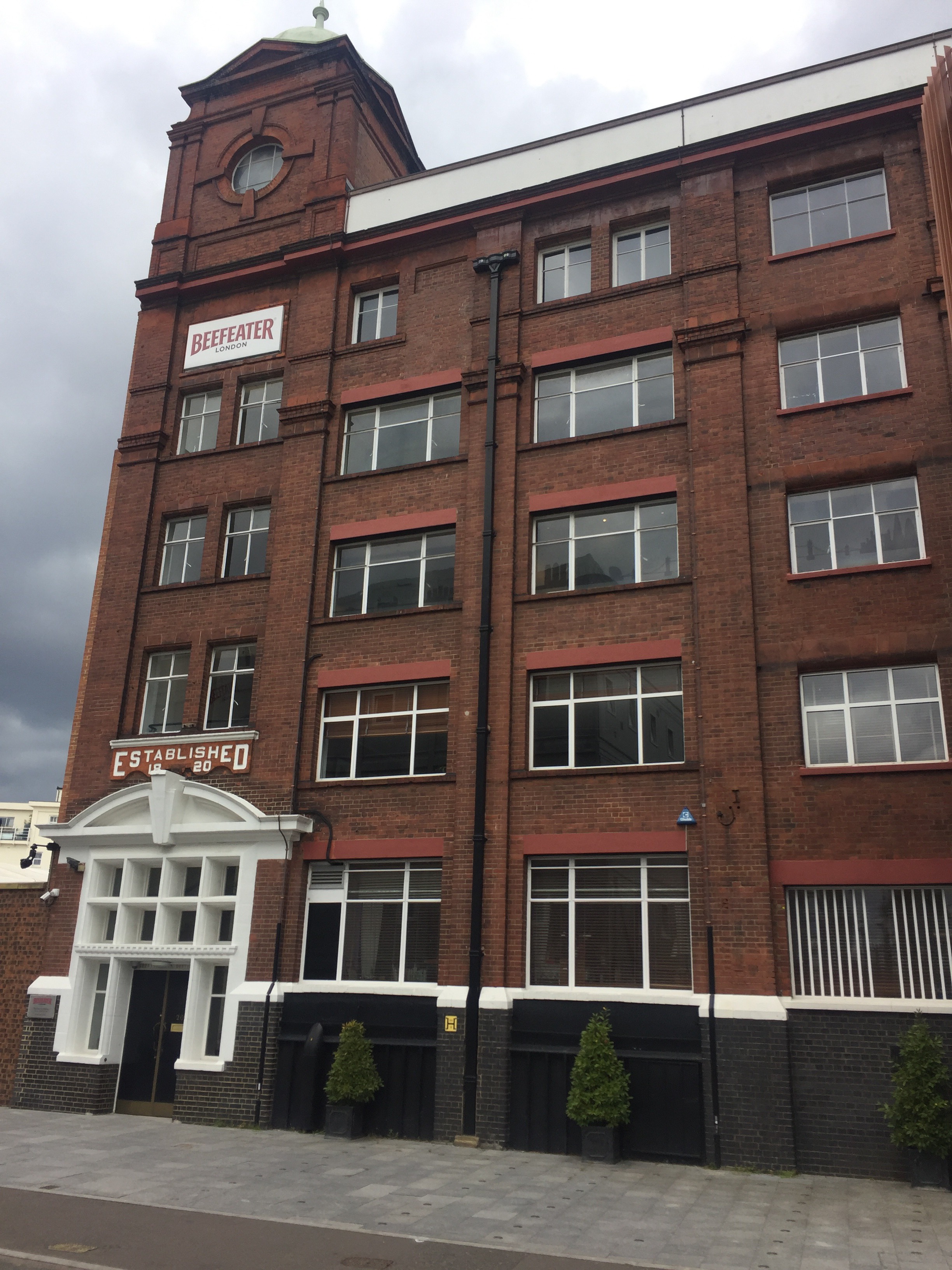
Most of you are aware that the world famous Beefeater Gin is distilled right here in mighty Kennington, but have you ever wondered why? Well we’re about to tell you.

As Gin became newly acceptable and ‘on trend’ in the 1860’s (much like the 2010’s) a pharmacist named James Burrough bought an old school distillery in Chelsea and decided to add ‘London’ and ‘Beefeater’ to it’s name as a break from the past and as an homage to it’s origin. By 1908 the factory in Chelsea was proving too cramped and they packed up and moved near the Royal Douton factories in Black Prince Road. The move was strategic, as Doulton made many of the kilns in which the ‘mother’s ruin’ was brewed.

By the mid 1950’s the premesis was again proving too old and cramped and Beefeater decided to move to an old pickle factory in Montford Place, where it remains to this day (this is not how we get the phrase ‘getting pickled’, but wouldn’t that be fun). This is when Beefeater really took off and became a global brand. At the time the site was much larger as Beefeater also bottled it’s gin on site. In 1988 the Burrough family sold out to a brewing chain who quickly moved the bottling facility to Scotland. This left a lot of excess land, which was sold to Tesco (and then to Berkeley Homes but lets not open that can of worms again). The company is now owned by French giant Pernod Ricard.

Image.png-4

A number of years ago we visited the distillery, before the visitor centre and shop were introduced in 2016. It is a fascinating place. Apparently it employs ‘about 5 people’ which might explain the desolate atmosphere around the place. However, The £15 charge for touring the place might also explain the desolate atmosphere around the place. On the upside, the shop offers a range of unusual gins that you won’t find in places elsewhere in London. Shame more Kennington pubs don’t fly the Beefeater banner proudly!

City and Guilds Foundation Show

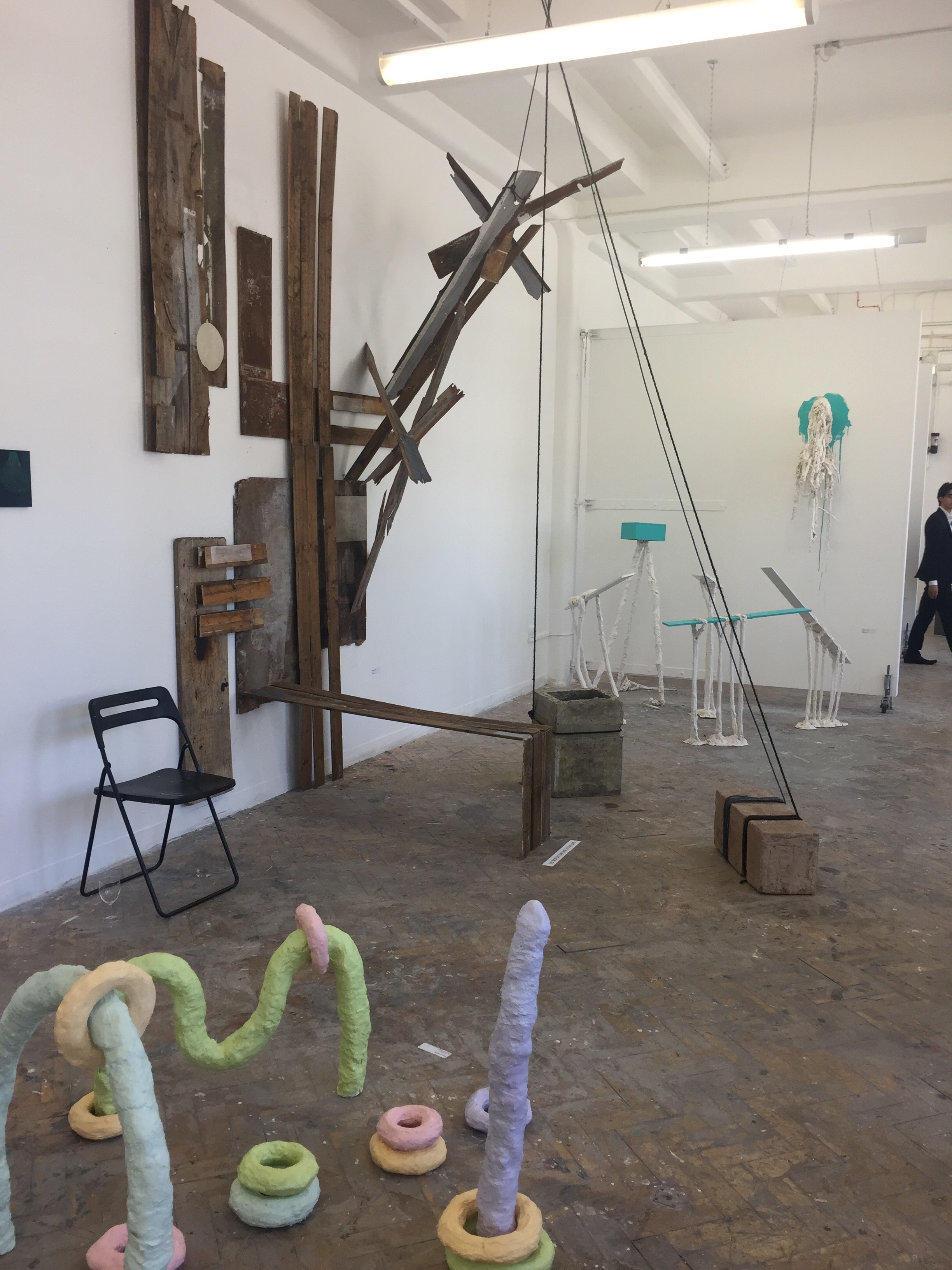
It’s that time of year again! The ever expanding City and Guilds of London Art School in Kennington Park Road is having it’s annual Foundation Show right now and as we love you so much we decided to take a break from Loose Women working to investigate it for you.

The artists are completing their foundation year, so the work is less advanced than the much grander Degree Show (I’ll get on to that in a sec). The students are studying a more proscribed range of styles than their more advanced counterparts but are much more experimental (read, slightly mad). The themes this year seem to be 1. Saving the planet   2. Nudity   3. Saving the planet through nudity  4. Rocks

Image-2.png

The Foundation show is on tomorrow (Friday) from 10 – 5 and Saturday 10 – 5. It is in the old telephone building in Kenning’s Way

Coming up from 26 June to 30 June is the mighty (we’re talking huge) Degree Show in the main buildings of the college. It showcases a range of up and coming artists arranged in small rooms, so you can see a selection of their works. What we find most interesting is that you can see the work of historic wood and stone carvers in the back garden area. Also of interest is the areas dealing with conservation and restoration on the upper floors. And if you don’t care for something keep your trap shut as chances are the artist is within earshot. Ta!

The Great Stink of Kennington

We imagine that a on a daily basis a large number of you think ‘will the Runoff EVER do a feature on sewage and foul smells’? Well dear reader, your time HAS COME!


Image.png-4

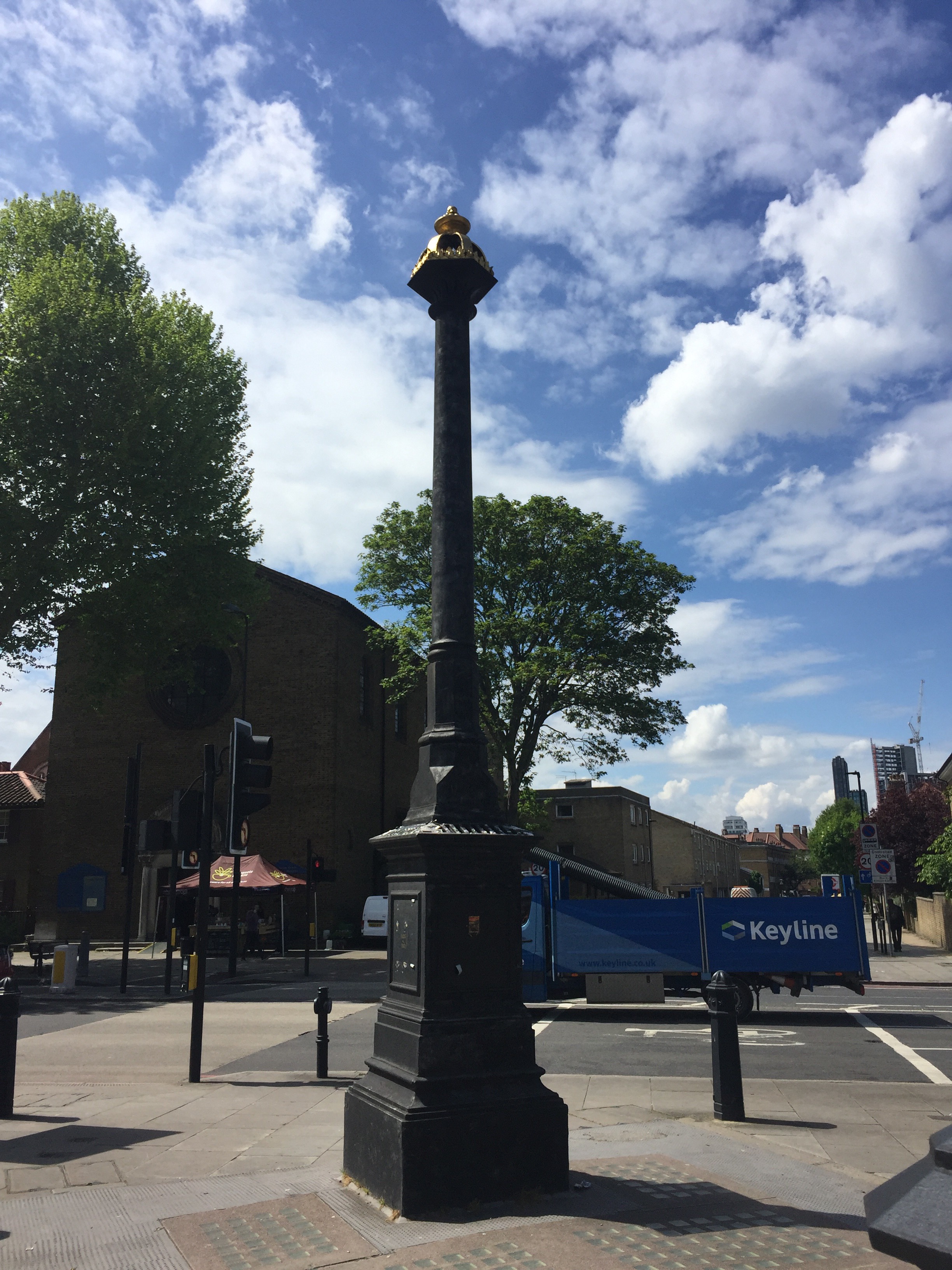
The Victorians gave London many architectural gems; the Houses of Parliament and St. Pancras to name a few. In Kennington they endowed us with probably London’s most attractive example of a  Stinkpipe, and it’s right above your nose in central Kennington. If you’re wondering what we’re talking about, the Victorians solved many problems but struggled with sewage for years. This was called The Great Stink of London and resulted in some radical methods to solve it.. Stinkpipes were one such method and were installed around London to divert the smell of poo and their more noxious byproducts. The idea was to elevate the odours from sewers and subterranean rivers above sensitive Victorian noses.

So while the Great Stink might have been deplorable, it realised great advancements later in the industrial age, such the creation of the Embankment and cleaning up of the Thames. More recently the Stink has also been credited with a number of interesting and slightly unsettling blogs dedicated to Stinkpipes and other above ground sewage devices.